SKF Bearings Are Excellent. But They Aren't Your Only Option.
Quick Summary
✔ SKF bearings follow international ISO standards
✔ Equivalent bearings are available from qualified manufacturers
✔ Verify load rating, clearance, precision, sealing and material before switching
✔ A validated alternative can reduce costs and improve supply chain flexibility
With more than a century of engineering experience, manufacturing operations across multiple continents, and products serving industries from automotive and mining to agriculture and heavy machinery, SKF has become a trusted name for OEMs and maintenance professionals worldwide.
There is a reason SKF bearings are frequently specified in equipment drawings, maintenance manuals, and aftermarket replacement guides.But here's an important reality many purchasing managers eventually discover:A bearing designation is often more important than the brand printed on the box.
Most standard rolling bearings are manufactured according to internationally recognized ISO and DIN dimensional standards. As a result, a 30210 tapered roller bearing or a 6205 deep groove ball bearing from one qualified manufacturer will share the same fundamental dimensions as its equivalent from another supplier.
This is why thousands of OEMs, distributors, and industrial buyers routinely evaluate alternatives to premium bearing brands.The global bearing market exceeds $120 billion annually according to industry research, with manufacturers across Europe, North America, Japan, China, and India supplying products that conform to the same international standards.
While SKF remains one of the world's leading bearing companies, it is far from the only manufacturer capable of producing reliable bearings for industrial applications.The key question is not whether an alternative exists.The key question is whether the alternative supplier can consistently meet your requirements for quality, performance, delivery, and technical support.
This guide explains how bearing interchangeability works, when SKF equivalents can be used safely, and what procurement teams should evaluate before making a switch.
Why Buyers Search for SKF Bearing Alternatives
The reasons vary by industry, but several factors appear repeatedly.
Cost Reduction
Price is usually the first consideration.
Premium bearing brands invest heavily in research and development, global distribution networks, technical support teams, and brand reputation. These investments create value, but they also contribute to higher prices.
For companies purchasing bearings in large volumes, even a modest price difference can have a significant impact on annual procurement costs.
Consider a manufacturer consuming several thousand tapered roller bearings per year. A price premium of 20% to 40% can translate into tens of thousands of dollars in additional purchasing expenses annually.
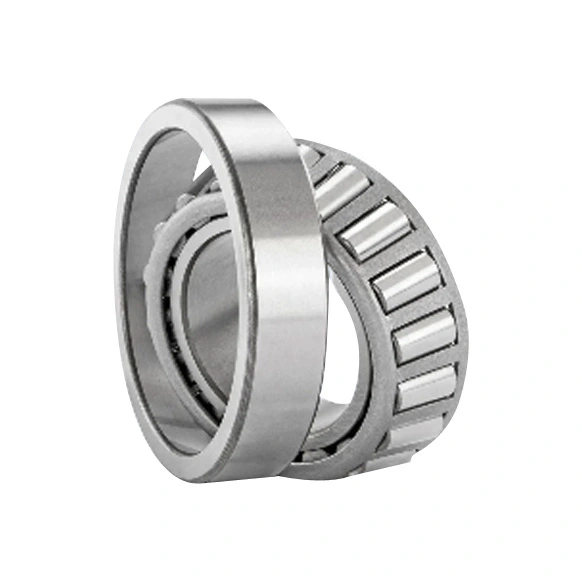
As a result, many procurement departments regularly evaluate qualified alternatives that meet the same dimensional and performance requirements often comparing options from tapered roller bearing suppliers to improve sourcing flexibility.
Supply Chain Stability
Availability is another major concern.During periods of supply chain disruption, buyers may face extended lead times on specific SKF part numbers. Production schedules, however, cannot always wait.
Having access to qualified interchangeable bearings from alternative manufacturers provides flexibility and reduces supply risk.For OEMs and distributors, maintaining multiple approved suppliers is often considered a best practice rather than a cost-cutting measure.
Standardization Across Global Operations
Many multinational companies operate facilities in different countries and source bearings from multiple regions.Because most standard bearing series follow ISO dimensions, companies can often standardize technical specifications while maintaining flexibility in supplier selection.This approach allows purchasing teams to optimize inventory levels, reduce sourcing risks, and improve overall procurement efficiency.The result is a more resilient supply chain without compromising equipment performance.
Lead Time Pressure Is Another Major Reason Buyers Explore Alternatives
Cost isn't the only factor driving buyers toward SKF equivalents.Availability often becomes the deciding factor.While SKF maintains one of the industry's largest global distribution networks, supply chain disruptions, regional inventory shortages, and unexpected demand spikes can still result in extended lead times for certain bearing series.For manufacturers operating on lean inventory models, waiting weeks or even months for a replacement bearing may not be an option.
A production line doesn't stop because a purchase order is pending. It stops when the bearing isn't available.That's why many OEMs and distributors maintain relationships with multiple qualified bearing suppliers. When one source faces inventory constraints, an approved equivalent can help keep production schedules on track and customers supplied.Supply chain resilience has become even more important in recent years.
Procurement teams are increasingly moving away from single-source purchasing strategies and toward multi-supplier qualification programs. The goal is not to replace a trusted brand, but to reduce operational risk.Adding a qualified equivalent supplier doesn't mean abandoning SKF.It means having a validated backup before an emergency occurs.
The three most common reasons buyers evaluate SKF bearing alternatives are:
For many industrial buyers, the decision is not about choosing one supplier over another. It's about building a sourcing strategy that can withstand market disruptions without affecting production.
How Bearing Interchangeability Actually Works
Bearing interchangeability is not based on assumptions.It is built on internationally recognized engineering standards.
Organizations such as the International Organization for Standardization (ISO) establish dimensional standards that allow bearings from different manufacturers to fit the same housing and shaft arrangements.
For example, standard deep groove ball bearings, tapered roller bearings, and angular contact bearings are manufactured according to common dimensional specifications.
A 30210 tapered roller bearing produced by one qualified manufacturer should have the same principal dimensions as a 30210 produced by another.This standardization is what makes bearing cross-referencing possible.The bearing designation tells buyers the fundamental dimensions and design characteristics of the product.As a result, engineers and procurement professionals can often identify interchangeable alternatives across multiple bearing brands.However, matching dimensions is only the first step.
Two bearings may share the same part number while delivering very different performance in actual operation.The real evaluation begins beneath the designation.Load capacity, material quality, heat treatment consistency, internal clearance, sealing design, lubrication, and manufacturing precision all influence bearing service life.A successful replacement requires more than dimensional compatibility.It requires engineering compatibility.
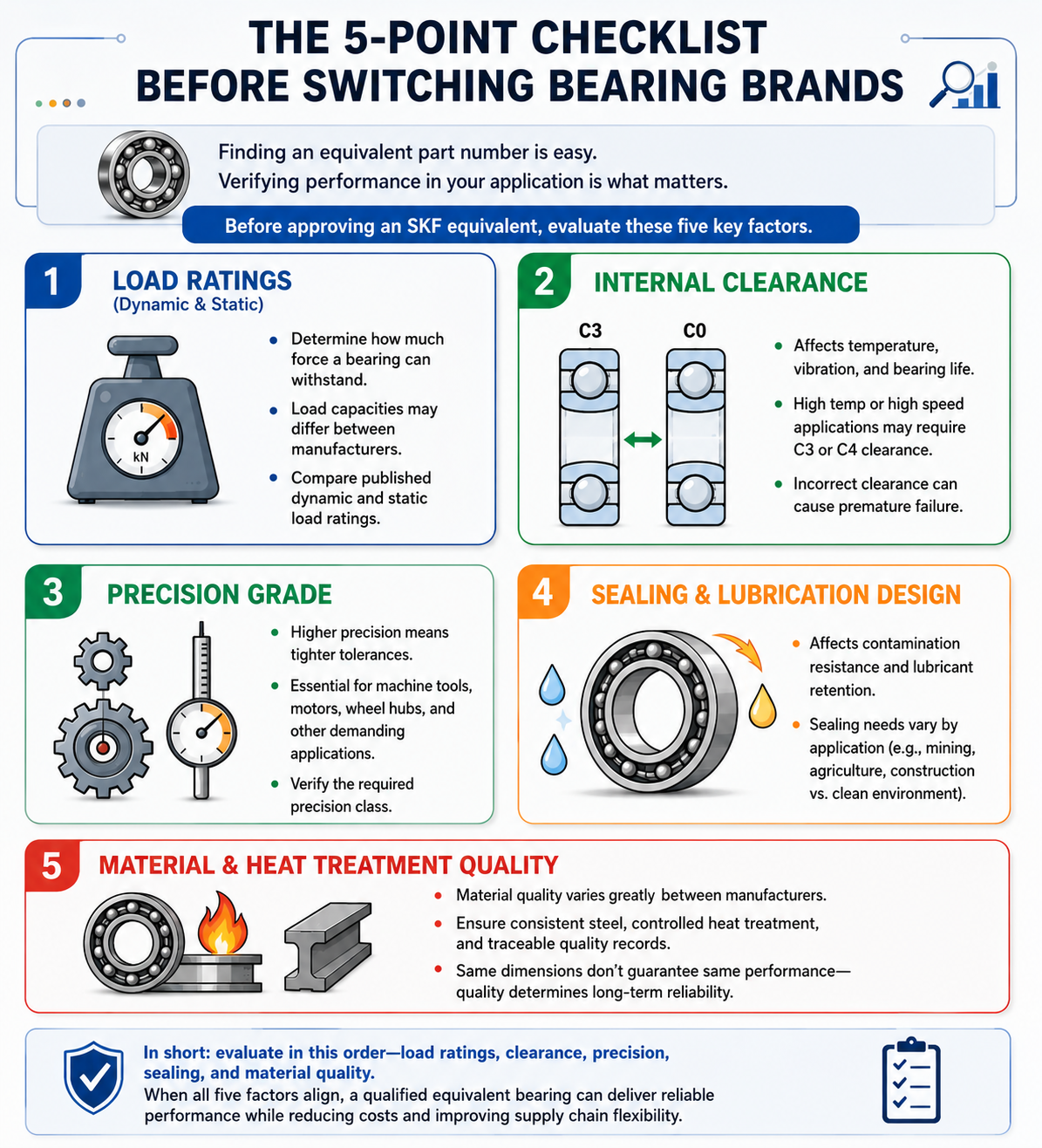
The 5-Point Checklist Before Switching to SKF Equivalent Bearings
Finding an equivalent part number is easy.Verifying that the bearing will perform reliably in your application is where professional sourcing makes the difference.
Before approving an SKF equivalent, buyers should evaluate the following five factors.
1. Dynamic and Static Load Ratings
Load ratings determine how much force a bearing can withstand during operation.Even when dimensions are identical, load capacities may differ between manufacturers.Always compare published dynamic and static load ratings before approving a substitute.
2. Internal Clearance
Clearance affects operating temperature, vibration levels, and bearing life.Applications operating at high temperatures or high speeds often require specific clearance classes such as C3 or C4.An incorrect clearance specification can lead to premature failure even when all dimensions match.
3. Precision Grade
Machine tools, electric motors, wheel hub assemblies, and other demanding applications may require tighter manufacturing tolerances.Verify that the replacement bearing meets the required precision class before making a switch.
4. Sealing and Lubrication Design
The sealing system directly affects contamination resistance and lubricant retention.A bearing operating in mining, agricultural, or construction equipment may require significantly different sealing performance than one used in a clean industrial environment.
5. Material and Heat Treatment Quality
Material quality remains one of the biggest differences between bearing manufacturers.Reliable suppliers should provide consistent steel specifications, controlled heat treatment processes, and traceable quality records.The bearing may share the same dimensions as an SKF equivalent, but long-term performance ultimately depends on manufacturing quality.
In short, evaluate load ratings, clearance, precision, sealing, and material quality—in that order.
When all five factors align, a qualified equivalent bearing can often deliver reliable performance while reducing procurement costs and improving supply chain flexibility.
What Each Evaluation Factor Means in Practice
Understanding the checklist is one thing.Applying it to real-world sourcing decisions is where buyers avoid costly mistakes.Here's what each factor means when evaluating an SKF equivalent bearing.
1. Dynamic and Static Load Capacity
Every rolling bearing is designed to carry a specific amount of load.
Manufacturers publish two key values:
When comparing SKF bearings with an equivalent alternative, these ratings should be reviewed before any purchase decision is made.
A dimensional match alone is not enough.
Two bearings may share the same designation and mounting dimensions, yet have different load capacities due to variations in internal geometry, heat treatment, or manufacturing processes.
For lightly loaded equipment, the difference may be insignificant.
For applications involving shock loads, heavy-duty operation, or continuous production cycles, even a small reduction in load capacity can shorten bearing life considerably.
Always compare the supplier's technical catalog and verify that the replacement bearing meets or exceeds the application's actual operating requirements.
Cross-reference charts are useful starting points—but they should never replace engineering validation.
2. Internal Clearance
Internal clearance refers to the amount of internal movement between rolling elements and raceways before installation.This clearance directly influences operating temperature, vibration levels, and service life.Most standard industrial bearings are supplied with Normal (CN or C0) clearance.However, many electric motors, pumps, gearboxes, and mining applications require C3 clearance to compensate for thermal expansion during operation.The clearance class is usually identified by the bearing suffix.
For example:
When replacing an SKF bearing with an equivalent brand, the clearance specification must remain identical unless the application engineer recommends otherwise.
Installing a Normal-clearance bearing in a system designed for C3 can create excessive preload once operating temperatures rise.
The result is increased friction, elevated temperatures, accelerated wear, and ultimately premature failure.
A matching part number does not guarantee matching clearance.
Always verify the suffix.
3. Precision Class
Not every application requires the same manufacturing tolerances.
Bearing precision grades are defined by international standards and generally range from:
P0 (Standard)
P6
P5
P4
P2 (Highest Precision)
Most industrial machinery operates perfectly well with standard-precision bearings.
Applications such as machine tool spindles, robotic systems, precision gearboxes, and high-speed electric motors often require tighter tolerance classes.
In these situations, buyers should look beyond the catalog designation.
Precision involves more than a label.
Important parameters include:
A qualified supplier should be able to provide inspection reports and manufacturing data supporting the stated precision class.
For demanding applications, verification is essential.
4. Sealing System and Protection Against Contamination
Many bearing failures begin with contamination.
Dust, moisture, chemicals, and debris entering the bearing can dramatically reduce service life.
This makes sealing configuration one of the most important factors when selecting an SKF alternative.
Different manufacturers use different suffix systems, but the functional requirements remain the same.
When evaluating an equivalent bearing, verify:
Contact or non-contact seal design
Shielded or sealed construction
Seal material
Operating temperature limits
Resistance to contaminants
Common seal materials include:
NBR (Nitrile Rubber) – suitable for most industrial environments.
FKM (Viton®) – designed for higher temperatures and chemical exposure.
PTFE – preferred for demanding chemical and high-speed applications.
For example, a bearing operating near furnaces, drying systems, or industrial ovens may require seal materials capable of withstanding temperatures well beyond the limits of standard nitrile rubber.
The seal configuration should be selected according to operating conditions—not simply copied from a catalog designation.
5. Bearing Steel and Heat Treatment Quality
For standard industrial bearings, the material is usually not the biggest difference between reputable manufacturers.
Most quality bearing suppliers use high-carbon chromium bearing steel equivalent to AISI 52100 (100Cr6), which offers excellent hardness, wear resistance, and fatigue performance.
After heat treatment, bearing components typically achieve hardness levels between 58 and 62 HRC, providing the durability required for demanding industrial applications.
Where material becomes more important is in specialized environments.
Examples include:
Stainless steel bearings for corrosive conditions
Hybrid ceramic bearings for high-speed operation
Electrically insulated bearings for motor applications
High-temperature bearing materials for extreme environments
For standard chrome steel SKF bearings used in general industrial equipment, the critical question is usually not the steel grade itself.
The more important consideration is whether the supplier can maintain consistent metallurgy, controlled heat treatment, and reliable quality control from batch to batch.
In practice, long-term bearing performance depends less on the material name and more on the consistency of the manufacturing process behind it.
The Bottom Line
A successful SKF equivalent is about far more than matching dimensions.
Before approving any replacement bearing, verify:
✔ Load Capacity
✔ Internal Clearance
✔ Precision Grade
✔ Sealing Configuration
✔ Material & Heat Treatment Quality
When all five criteria align, a qualified equivalent bearing can often deliver comparable performance while reducing costs, improving availability, and strengthening supply chain resilience.
SKF Bearing Cross-Reference Guide
For most standard bearing series, interchangeability begins with the bearing designation.
Because leading manufacturers follow the same international dimensional standards, equivalent bearings from different brands typically share identical bore diameters, outside diameters, and widths.
The table below provides a quick reference for several of the most commonly sourced SKF bearing series.
Keep in mind that dimensional interchangeability does not automatically guarantee identical performance. Load ratings, internal clearance, cage design, lubrication, and sealing configurations should always be verified separately.
| SKF | NSK | FAG | NTN | Timken | Bearing Type |
|---|
| 6200 Series | 6200 Series | 6200 Series | 6200 Series | 6200 Series | Deep Groove Ball Bearing |
| 6300 Series | 6300 Series | 6300 Series | 6300 Series | 6300 Series | Deep Groove Ball Bearing |
| 7200 Series | 7200 Series | 7200-B Series | 7200 Series | 7200 Series | Angular Contact Ball Bearing |
| 22200 Series | 22200 Series | 22200 Series | 22200 Series | 22200 Series | Spherical Roller Bearing |
| 30200 Series | HR30200 Series | 30200 Series | 30200 Series | 30200 Series | Tapered Roller Bearing |
| NU200 Series | NU200 Series | NU200 Series | NU200 Series | NU200 Series | Cylindrical Roller Bearing |
Why Do the Designations Match?
The answer lies in international bearing standards.
Organizations such as ISO establish dimensional standards for rolling bearings, ensuring that manufacturers worldwide produce bearings with the same principal dimensions for a given series.
As a result, a standard 6205 deep groove ball bearing maintains the same basic dimensions regardless of manufacturer:
Bore Diameter: 25 mm
Outside Diameter: 52 mm
Width: 15 mm
This standardization allows engineers, distributors, and OEM buyers to identify interchangeable bearings across multiple brands.
However, bearing selection should never stop at dimensional compatibility.
The designation identifies the bearing's size and basic design.
The actual performance depends on additional engineering characteristics that may vary between manufacturers.
These include:
For example, two manufacturers may offer bearings with identical dimensions and designation numbers while publishing different load ratings due to differences in internal geometry or manufacturing processes.
In many industrial applications, the difference may have little practical impact.
For heavily loaded equipment, high-speed machinery, or mission-critical systems, these specifications deserve careful review before approving an alternative supplier.
Cross-Reference Charts Are a Starting Point—Not a Final Decision
Cross-reference tables are designed to help buyers identify potential alternatives.
They are not intended to replace technical validation.
The safest approach is to use the cross-reference as the first step and then compare the detailed catalog specifications of both bearings.
A qualified equivalent bearing should match:
✔ Principal Dimensions
✔ Load Ratings
✔ Internal Clearance
✔ Precision Class
✔ Seal or Shield Configuration
✔ Material and Heat Treatment Requirements
When these factors align, interchangeable bearings can often deliver reliable performance while improving availability and reducing procurement costs.
Understanding SKF Bearing Suffixes
One of the most common sourcing mistakes is focusing only on the base bearing number.
In reality, the suffix often contains critical information about the bearing's internal design and operating characteristics.
The base designation identifies the bearing family.
The suffix defines how that bearing is built.
The table below provides a practical comparison between common SKF suffixes and their equivalents used by other manufacturers.
| Function | SKF Designation | Common Equivalent |
|---|
| Contact Rubber Seal (Both Sides) | 2RS1, 2RSH | 2RS, DDU, LLU |
| Metal Shield (Both Sides) | 2Z | ZZ, ZZS |
| Increased Internal Clearance | C3 | C3 |
| Polyamide Cage | TN9 | TNG, T1 |
| Machined Brass Cage | M | M, MA |
| Precision Grade P6 | P6 | P6 |
Why Suffixes Matter
Consider the following example:
6205 and 6205-2RS-C3 are not the same bearing.
Although the dimensions are identical, the second bearing includes:
Contact seals on both sides
Increased internal clearance
Different operating characteristics
Installing the wrong suffix configuration can result in excessive heat generation, contamination ingress, lubrication loss, or reduced bearing life.
This is why experienced buyers always specify the complete bearing designation rather than the base number alone.
Build the Complete Bearing Specification
When evaluating SKF equivalents, verify the full designation:
Base Number + Seal/Shield Type + Clearance Class + Cage Design + Precision Grade + Special Features
For example:
30210
30210-C3
6205-2RS-C3
7208-BECBP
NU2208-ECP
Each additional code communicates important engineering information.
A dimensional match may fit the shaft and housing.
A complete designation match helps ensure the bearing performs as intended once installed.
The Bottom Line
Cross-referencing bearings is straightforward when dimensions are standardized.
Successful bearing substitution, however, requires more than matching a catalog number.
Always verify the complete designation, review the technical specifications, and confirm that the replacement bearing satisfies the application's performance requirements before approving an alternative supplier.
Done correctly, bearing interchangeability can reduce costs, improve availability, and strengthen supply chain flexibility without sacrificing reliability.
Special Considerations for Premium SKF Bearing Series
For most standard bearing applications, identifying an SKF equivalent is relatively straightforward.
However, not every SKF bearing should be treated as a simple dimensional replacement.
Certain premium product lines incorporate specialized materials, coatings, manufacturing processes, or performance enhancements that require additional evaluation before approving an alternative supplier.
When these bearings appear on OEM drawings or maintenance specifications, buyers should look beyond the catalog designation and verify the engineering behind the product.
SKF Explorer Bearings
SKF Explorer is more than a product name.
It represents a performance-enhanced bearing platform developed to improve service life, reliability, and operating efficiency in demanding applications.
Explorer bearings benefit from improvements in several critical areas, including:
High-purity bearing steel
Optimized heat treatment processes
Improved raceway geometry
Enhanced surface finishing
Reduced friction characteristics
These enhancements are designed to increase bearing durability under challenging operating conditions such as contamination, inadequate lubrication, heavy loads, and variable operating temperatures.
For buyers evaluating SKF Explorer alternatives, dimensional compatibility alone is not sufficient.
The replacement bearing should demonstrate comparable performance in areas such as:
Material cleanliness
Hardness consistency
Surface roughness
Fatigue life
Load-carrying capability
A supplier that can provide metallurgical reports, hardness data, and quality inspection records will generally inspire greater confidence than one relying solely on dimensional interchangeability.
When an application depends on extended service life or operates in harsh environments, additional validation is recommended before switching suppliers.
Electrically Insulated Bearings
Another category that requires special attention is electrically insulated bearings.
These products are commonly used in electric motors, variable frequency drive (VFD) systems, generators, and other equipment where stray electrical currents can damage rolling elements and raceways.
Electrical erosion can lead to:
Fluting patterns on raceways
Increased vibration levels
Premature bearing failure
Reduced motor reliability
To prevent these issues, insulated bearings use specialized coatings or insulation technologies that interrupt the electrical current path.
When evaluating an equivalent supplier, buyers should verify not only the bearing dimensions but also:
A bearing that matches the dimensions but fails to provide adequate electrical insulation may create far greater costs than any initial savings achieved through procurement.
Standard Bearings vs. Premium Bearings
For standard bearing series such as:
6200 Series Deep Groove Ball Bearings
6300 Series Deep Groove Ball Bearings
30200 Series Tapered Roller Bearings
32200 Series Tapered Roller Bearings
Common Double-Row Angular Contact Bearings
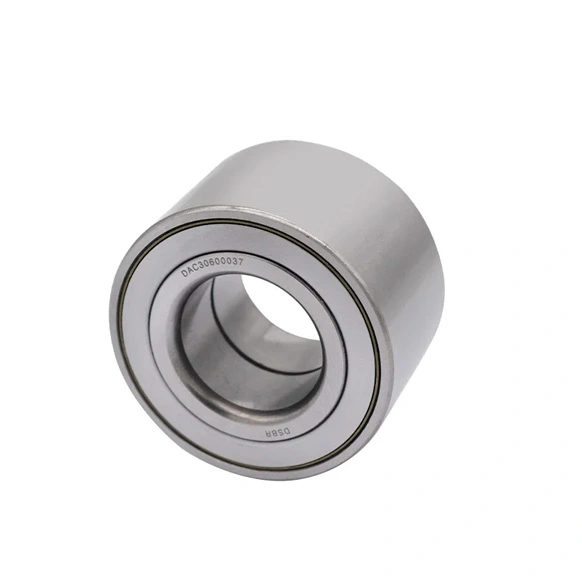
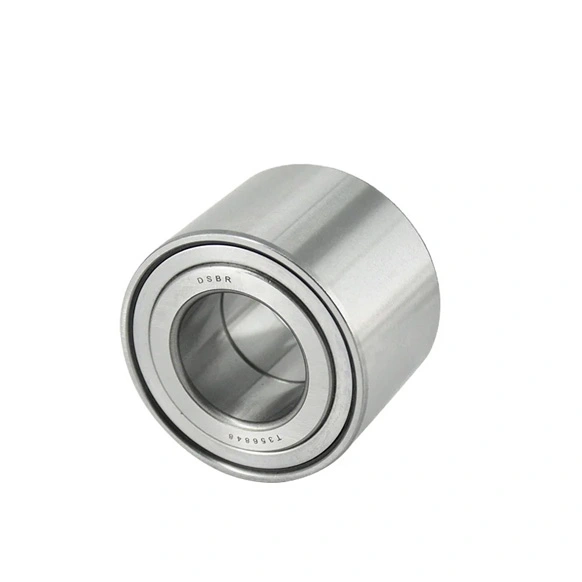
Qualified equivalents are usually straightforward to source because the dimensional and performance requirements are well established throughout the industry, particularly for products such as double row angular contact bearing used in automotive and industrial applications.
For premium bearing technologies, however, additional engineering review is always worthwhile.
The more specialized the application, the more important the validation process becomes.
How to Evaluate an SKF Equivalent Bearing Supplier
Selecting an equivalent bearing is only half of the decision.
The supplier behind the bearing often has a greater impact on long-term reliability than the brand name itself.
A qualified supplier should be able to demonstrate consistent quality, traceability, and manufacturing capability—not simply offer a competitive price.
1. Review Quality Certifications
Quality certifications provide an initial indication of process control and manufacturing discipline.
Depending on your industry, relevant certifications may include:
ISO 9001
IATF 16949
ISO 14001
ISO 45001
While certifications alone do not guarantee quality, they indicate that documented systems exist for inspection, corrective action, traceability, and continuous improvement.
For automotive applications, IATF 16949 remains one of the most important benchmarks.
2. Request Quality Documentation
A reputable bearing manufacturer should be prepared to provide supporting quality data.
Typical documents may include:
Dimensional inspection reports
Material certificates
Hardness test reports
Metallographic analysis
Noise and vibration inspection results
Clearance measurement records
Transparency is often a strong indicator of manufacturing confidence.
If critical quality information is unavailable, buyers should investigate further before proceeding.
3. Validate Through Real-World Testing
Catalog specifications are useful.
Application testing is better.
Before approving a new bearing supplier for production orders, many OEMs conduct sample validation under actual operating conditions.
Evaluation criteria may include:
Even a limited trial program can provide valuable performance data that cannot be captured in a specification sheet alone.
4. Evaluate Supply Chain Capability
Procurement decisions should account for more than unit cost.
Reliable supply is often equally important.
Questions worth asking include:
What inventory levels are maintained?
Which bearing series are stocked regularly?
What are the standard lead times?
How are urgent orders handled?
Can the supplier support forecasted volume increases?
A supplier capable of maintaining stable inventory and responding quickly to demand fluctuations can significantly reduce operational risk.
5. Verify Product Traceability
Counterfeit bearings remain a challenge throughout global industrial supply chains.
A reliable supplier should be able to demonstrate traceability from raw materials through finished production.
Key indicators include:
Batch identification systems
Production records
Laser-marked bearing codes
Material traceability
Inspection documentation
Secure packaging controls
Strong traceability systems improve quality control and simplify root-cause investigations when issues arise.
Common Mistakes Buyers Make When Switching Bearing Brands
Even experienced purchasing teams occasionally overlook critical details during supplier transitions.
The following mistakes account for many avoidable bearing problems.
Focusing Only on the Part Number
A matching base number does not guarantee a matching bearing.
Differences in clearance, precision, seals, cages, lubrication, and load ratings can all affect performance.
Always compare the complete bearing designation and technical specifications.
Overlooking Cage Design
The cage receives less attention than rolling elements and raceways, but it plays an important role in bearing performance.
Common cage materials include:
Pressed steel
Machined brass
Polyamide
Engineered polymers
Different cage designs influence:
For high-speed or demanding applications, cage selection should always be reviewed carefully.
Skipping Incoming Quality Inspection
Even when sourcing from an approved supplier, incoming inspection remains an important quality control step.
Basic verification may include:
Identifying a problem before bearings enter production is far less expensive than discovering it after installation.
The Bottom Line
The best SKF equivalent is not necessarily the lowest-priced option.
It is the supplier that consistently delivers:
✔ Verified Quality
✔ Reliable Performance
✔ Stable Lead Times
✔ Complete Traceability
✔ Responsive Technical Support
When these factors are combined with proper engineering validation, equivalent bearings can become a practical way to reduce procurement costs, strengthen supply chain resilience, and maintain long-term equipment reliability.
Making the Switch to SKF Equivalent Bearings: A Practical Approach
Switching from SKF to equivalent bearings is rarely about a single purchase decision—it’s a controlled sourcing strategy.
The most effective approach is not to replace everything at once, but to introduce equivalents in a structured, low-risk way while keeping performance visibility intact.
A proven 4-step switching process typically looks like this:
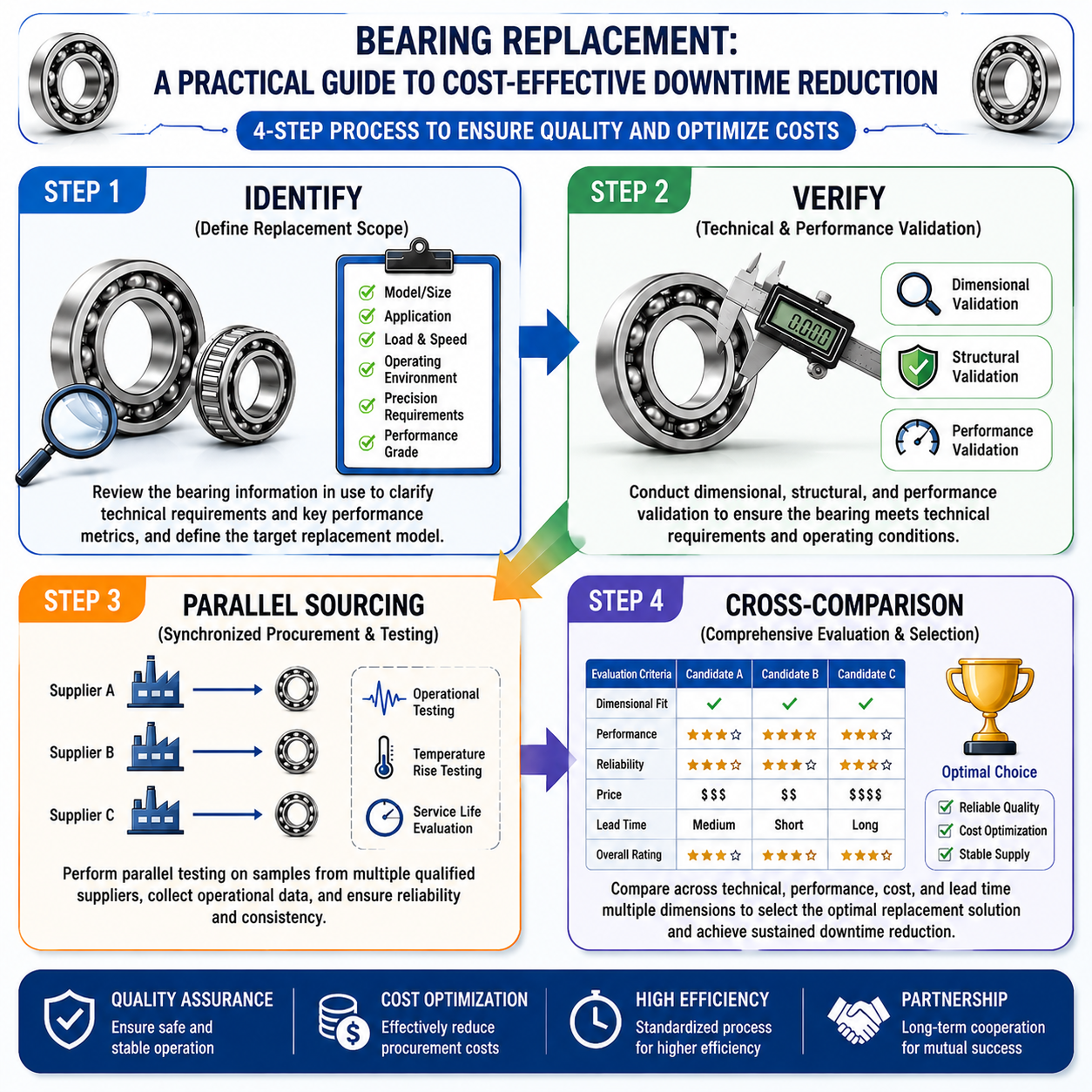
1. Identify Suitable Candidates
Start with high-volume, standard catalog bearings where interchangeability is straightforward.
Common series such as 6205, 6305, 6308, 30206, and 32208 are ideal starting points because:
Dimensions are standardized under ISO 15 / ISO 355
Applications are typically non-specialized
Cost savings scale significantly with volume
These parts give you meaningful procurement impact without introducing excessive technical risk.
2. Validate Technical Equivalence
Before approving any substitution, verify full technical alignment—not just the base number.
At minimum, compare:
Load ratings (dynamic and static)
Internal clearance class (C0, C3, etc.)
Precision grade (P0, P6, P5 where applicable)
Seal or shield configuration
Cage material and design
Steel grade and heat treatment
Where possible, request test documentation rather than relying on catalog data alone.
3. Run Parallel Sourcing
Never switch critical supply entirely at the beginning.
Instead, run SKF and the equivalent supplier in parallel for a defined evaluation period.
During this phase, track:
Failure rates
Noise and vibration levels
Operating temperature
Installation behavior
Warranty or return claims
Total cost of ownership (TCO)
A 6–12 month comparison cycle gives far more reliable data than any specification sheet.
4. Build an Internal Cross-Reference System
Once equivalents are validated, document them internally.
A structured database should include:
SKF part number and full suffix
Approved equivalent manufacturer and code
Test results and validation history
Application details
Replacement restrictions (if any)
Over time, this becomes a strategic procurement asset, allowing faster sourcing decisions and reducing dependence on single-brand specifications.
FAQs
Can SKF bearings really be replaced with other brands?
Yes, in many standard applications.
Because most rolling bearings follow international ISO standards, bearings from different manufacturers often share identical boundary dimensions. However, replacement success depends on more than size.
Critical factors such as load capacity, clearance, precision, sealing design, and lubrication must also match the application requirements.
For non-specialized industrial uses, equivalent bearings are widely used across OEM and aftermarket supply chains.
Are SKF equivalent bearings the same quality?
Not automatically—but they can be comparable when sourced correctly.
SKF is known for consistent quality control and engineering depth, but many other manufacturers also produce bearings using:
AISI 52100 / 100Cr6 bearing steel
Standard ISO tolerance systems
Similar heat treatment processes (58–62 HRC range)
The real difference is usually not the standard itself, but how consistently it is executed.
Quality should always be confirmed through:
How do I find the correct equivalent for an SKF bearing?
Start with the full bearing designation, not just the base number.
A 6205 bearing, for example, will typically be:
25 mm bore
52 mm outer diameter
15 mm width
Across ISO-compliant manufacturers, these dimensions remain the same.
Then decode the suffixes:
Always match the complete specification, not just the base series number.
Which SKF bearings should not be replaced directly?
Extra caution is required for engineered or performance-enhanced products, including:
SKF Explorer series (enhanced metallurgy and surface finishing)
SKF INSOCOAT (electrically insulated coatings)
Application-specific OEM-designed bearings
Special materials or non-standard internal geometries
These products require functional equivalence—not just dimensional matching.
In such cases, engineering validation, performance testing, and application review are essential before substitution.
What is the safest way to switch suppliers?
The safest approach is gradual transition:
Start with standard, high-volume bearings
Validate full technical specifications
Run dual sourcing in parallel
Monitor real operating performance
Scale gradually based on data
This minimizes operational risk while still capturing cost and supply chain advantages.
Do equivalent bearings always reduce cost?
In most cases, yes—but cost should not be the only metric.
Savings typically come from:
However, the real value is usually found in total cost of ownership (TCO) rather than purchase price alone.
Is switching bearing brands risky?
It does not have to be.
Risk comes from poor validation, not from substitution itself.
When specifications are properly matched and suppliers are qualified through testing and documentation, equivalent bearings can operate reliably in a wide range of industrial applications while improving sourcing flexibility and cost efficiency.
Need Help Finding SKF Bearing Equivalents?
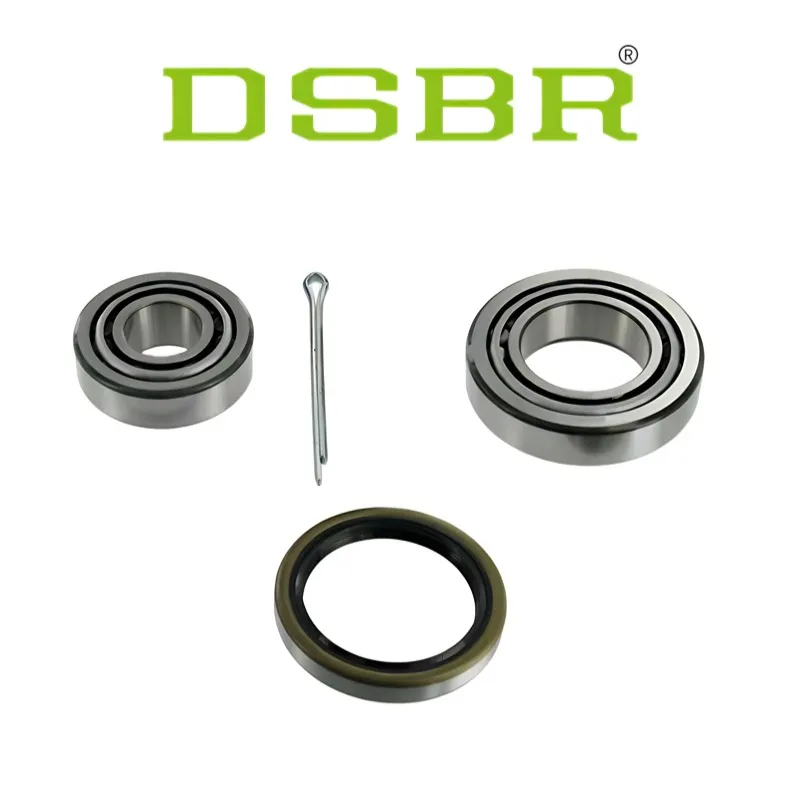
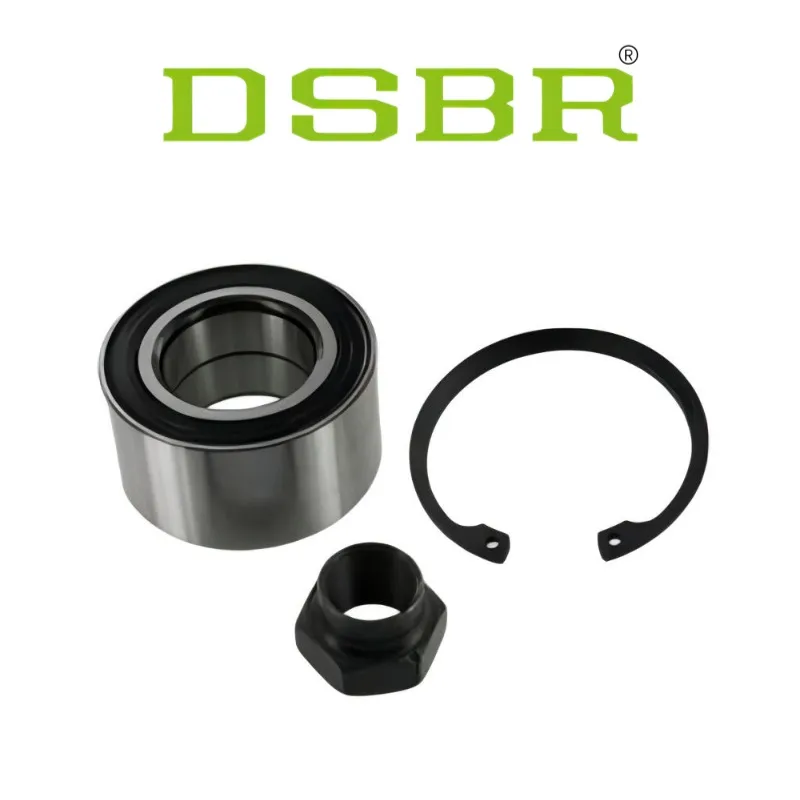
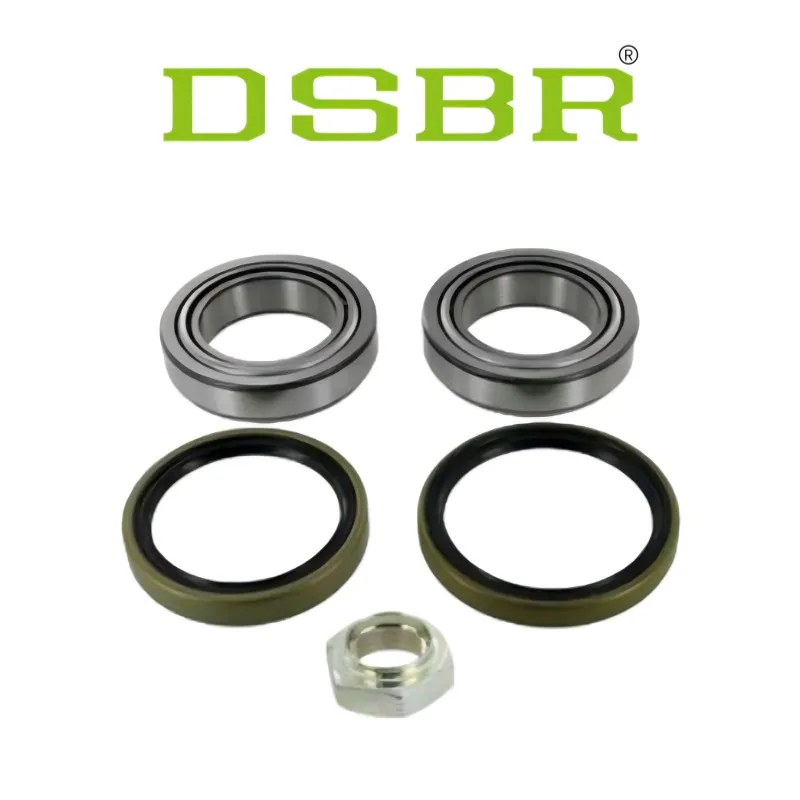
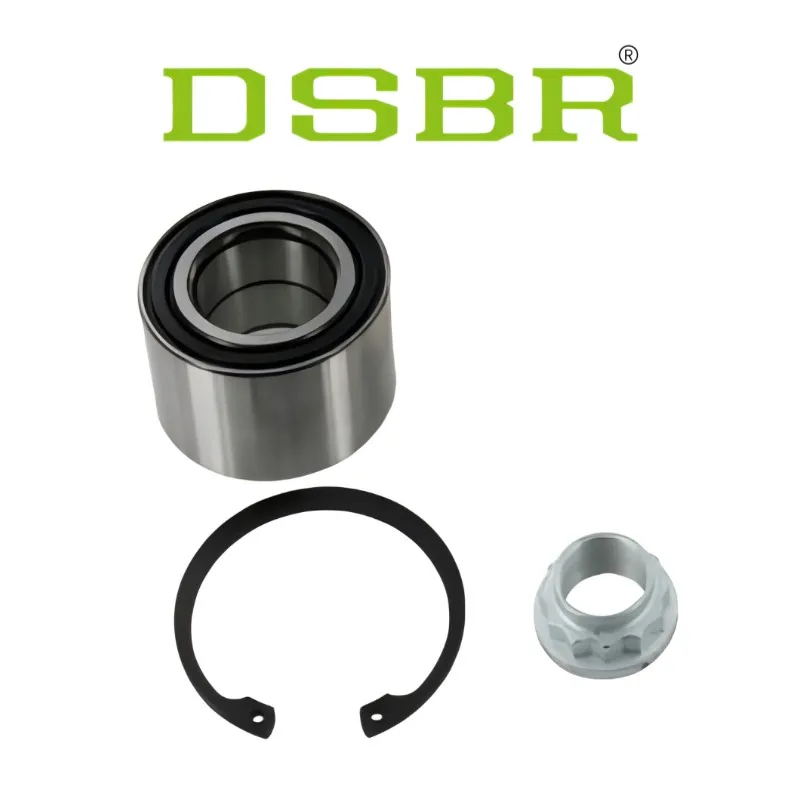
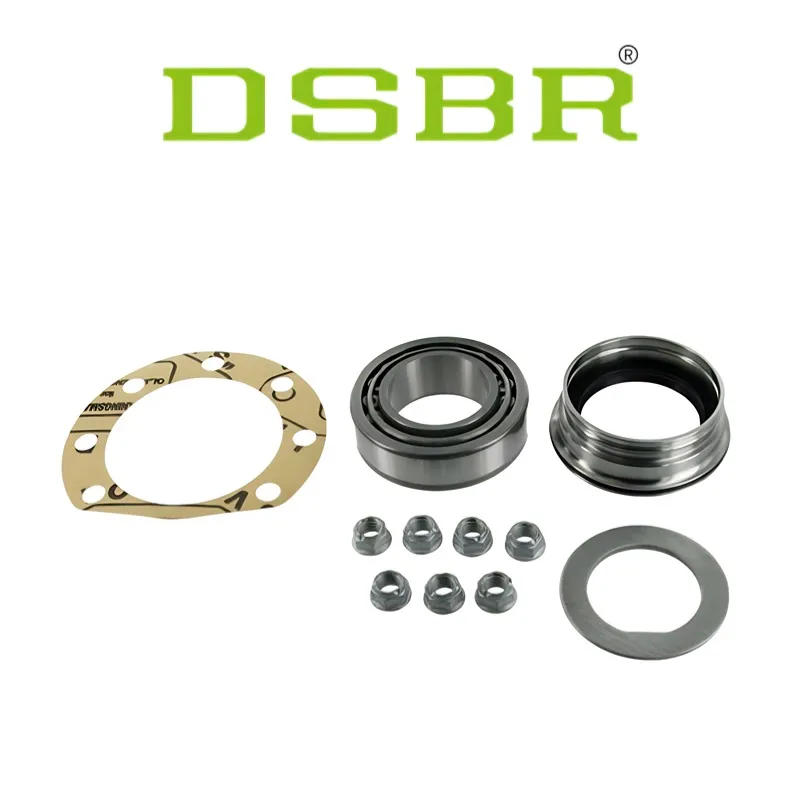
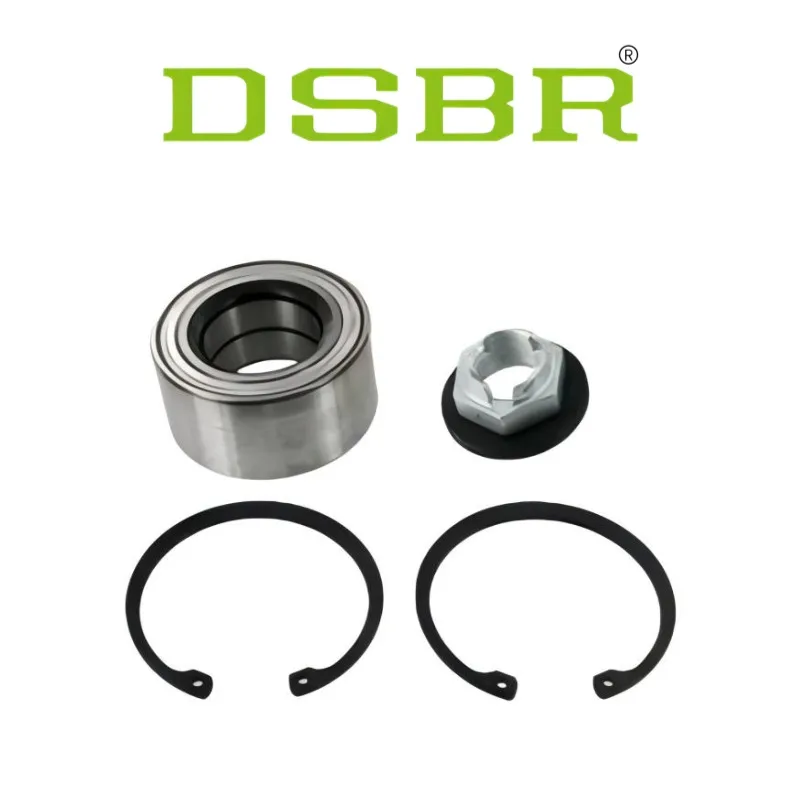
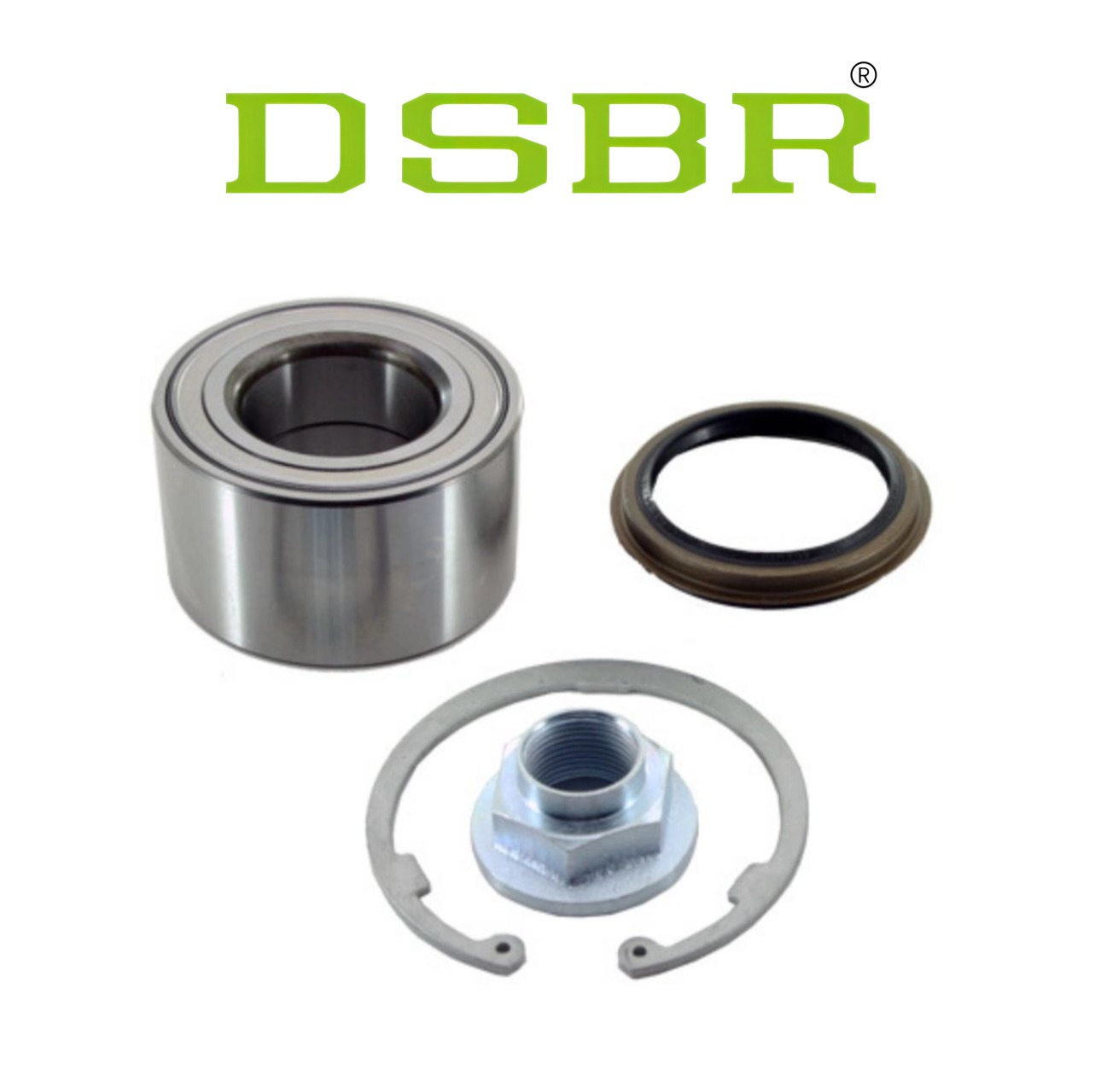
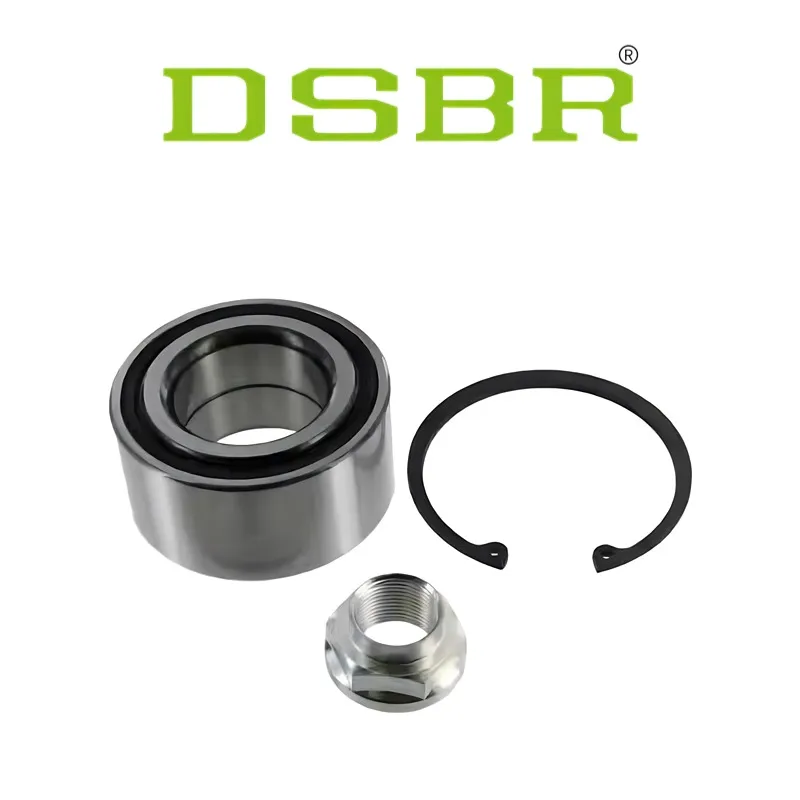
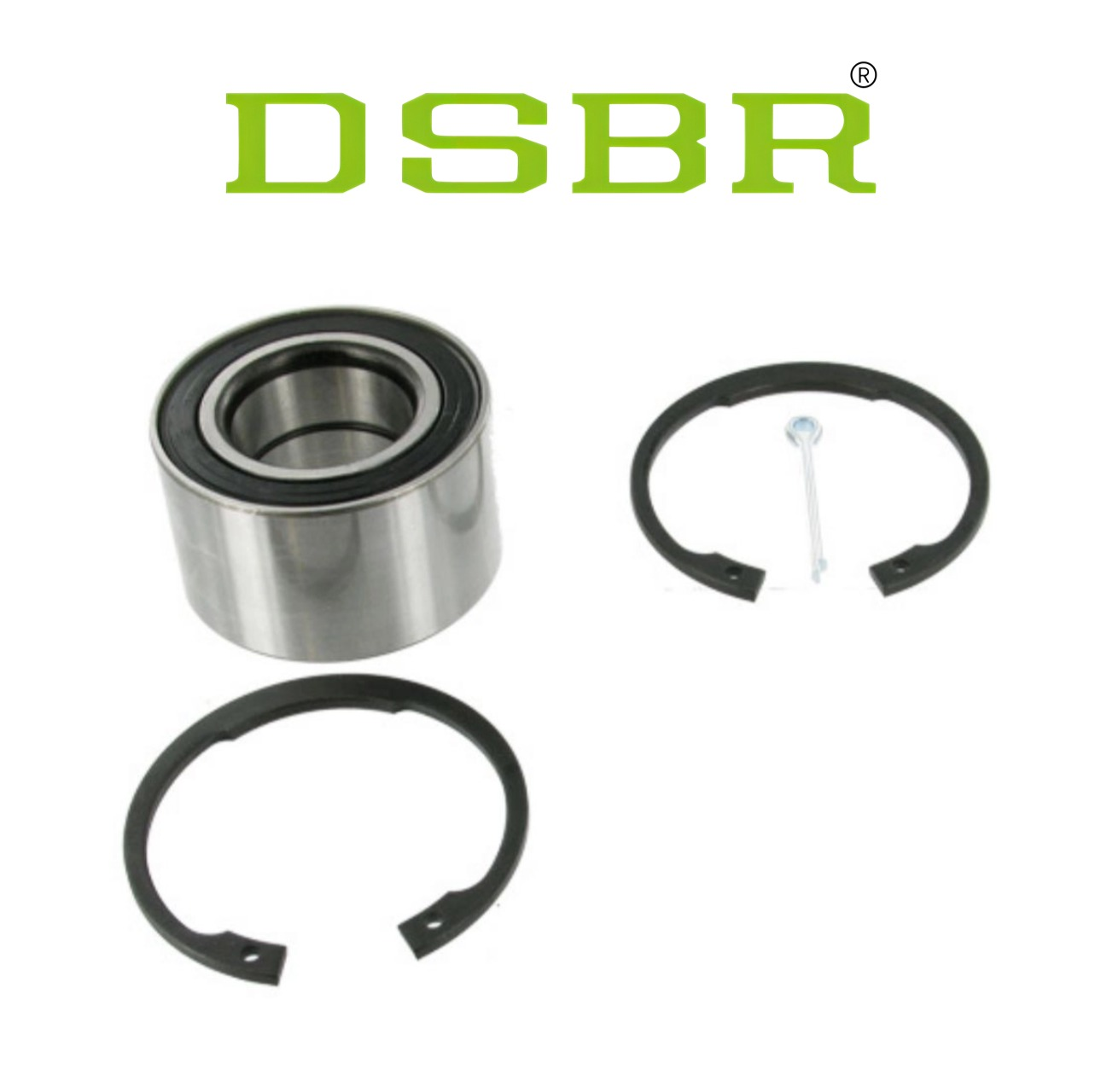
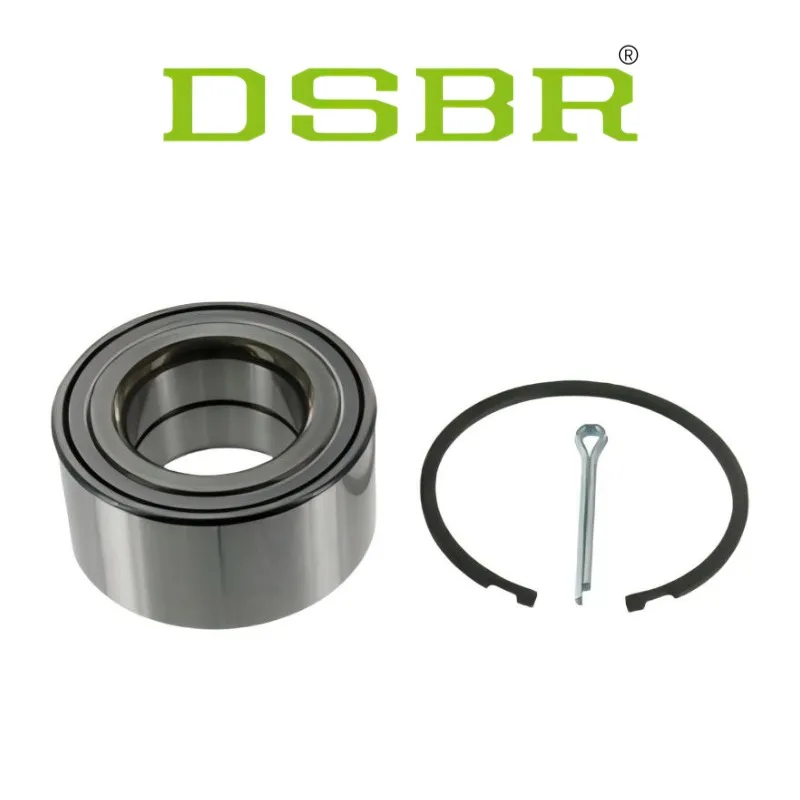
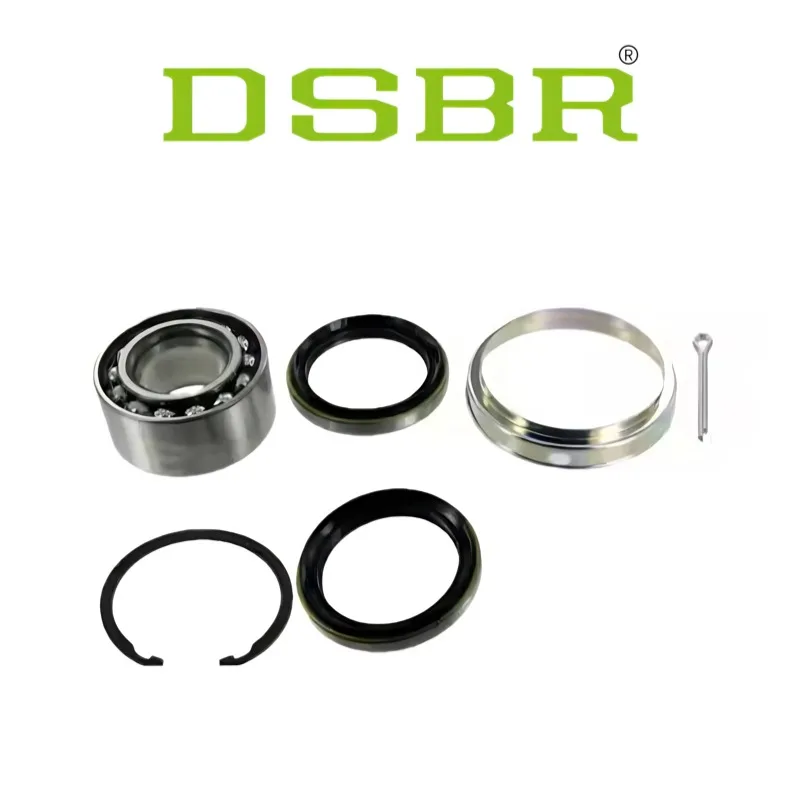
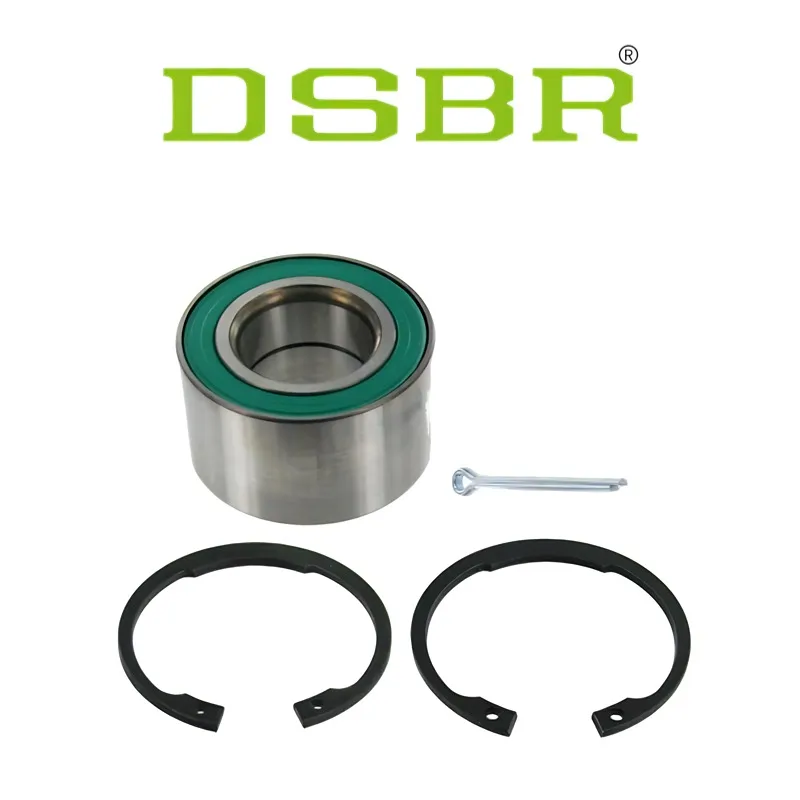
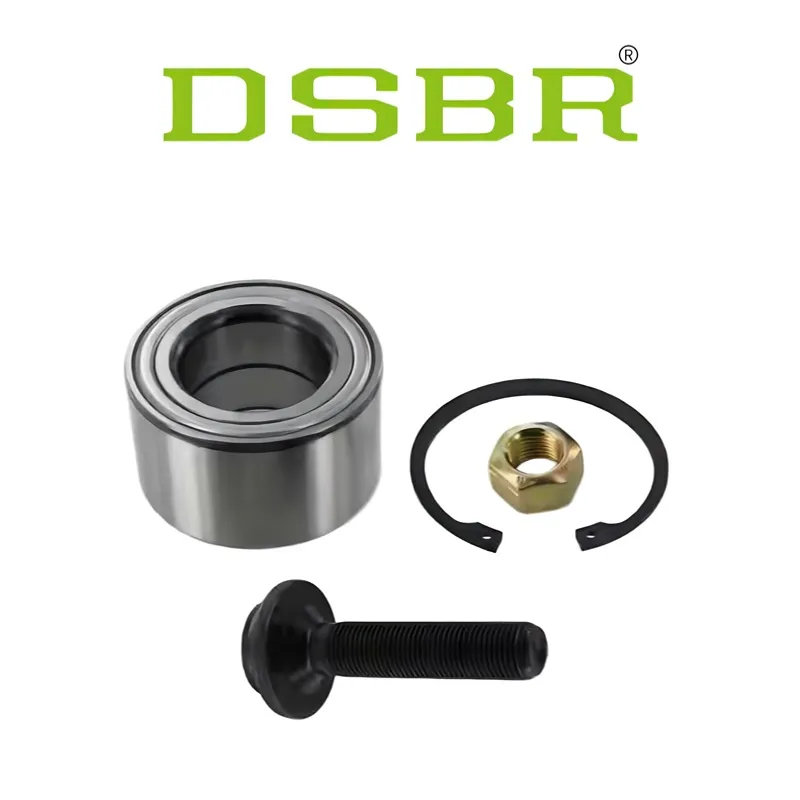
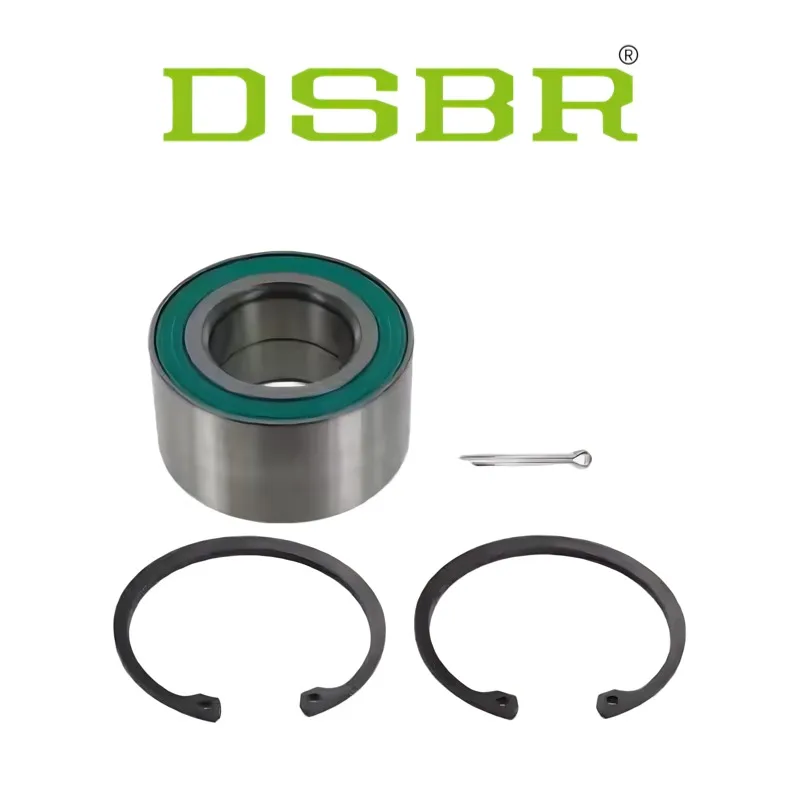
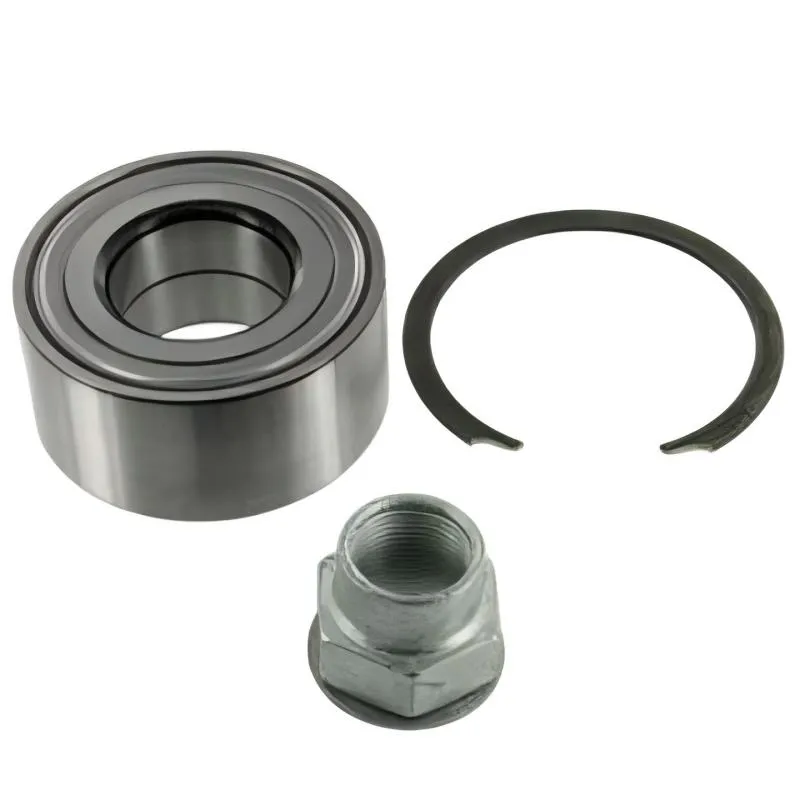
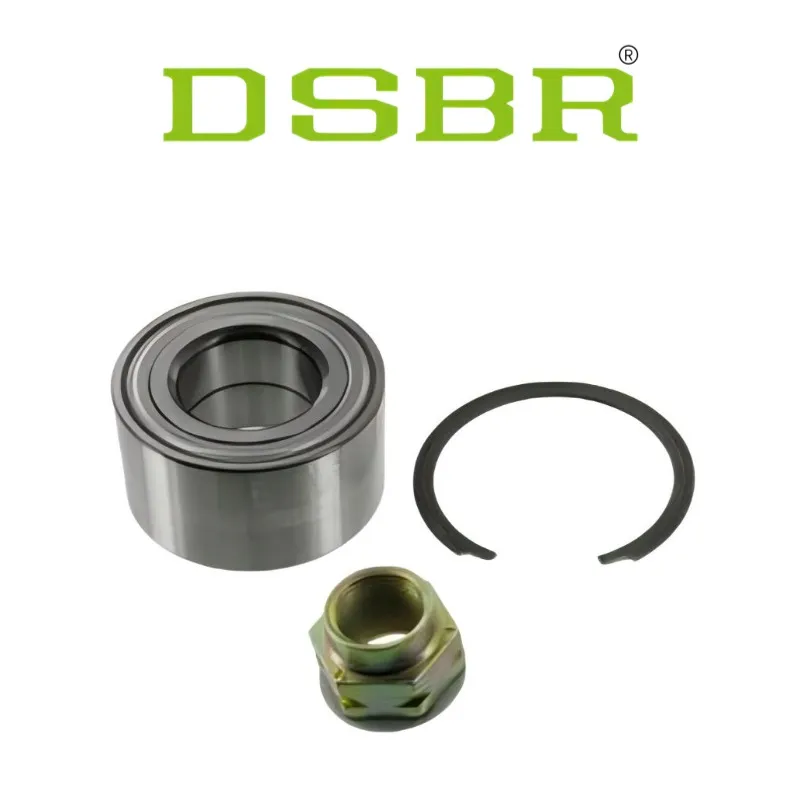
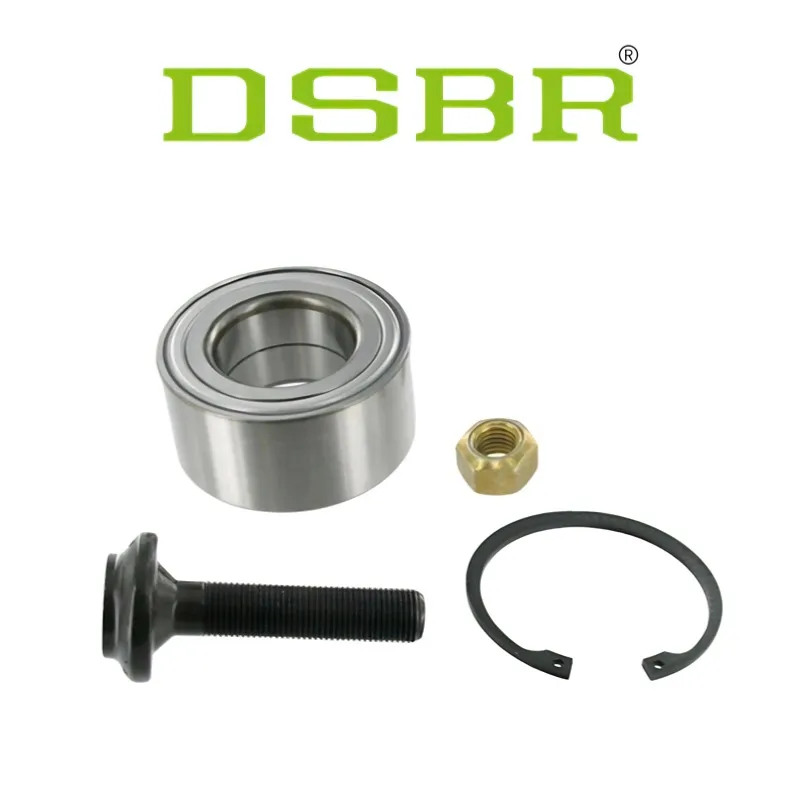
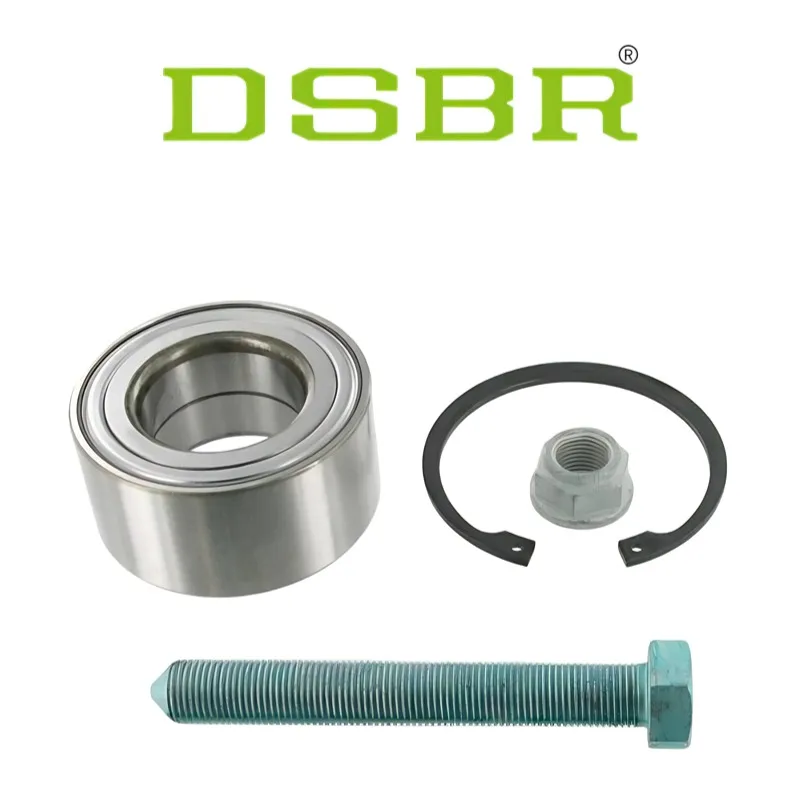
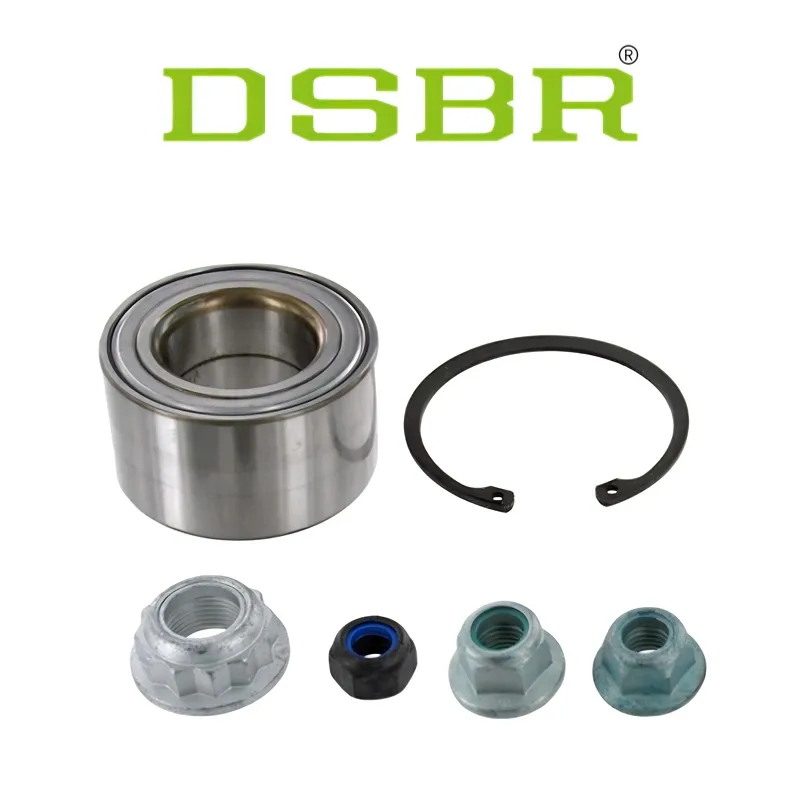
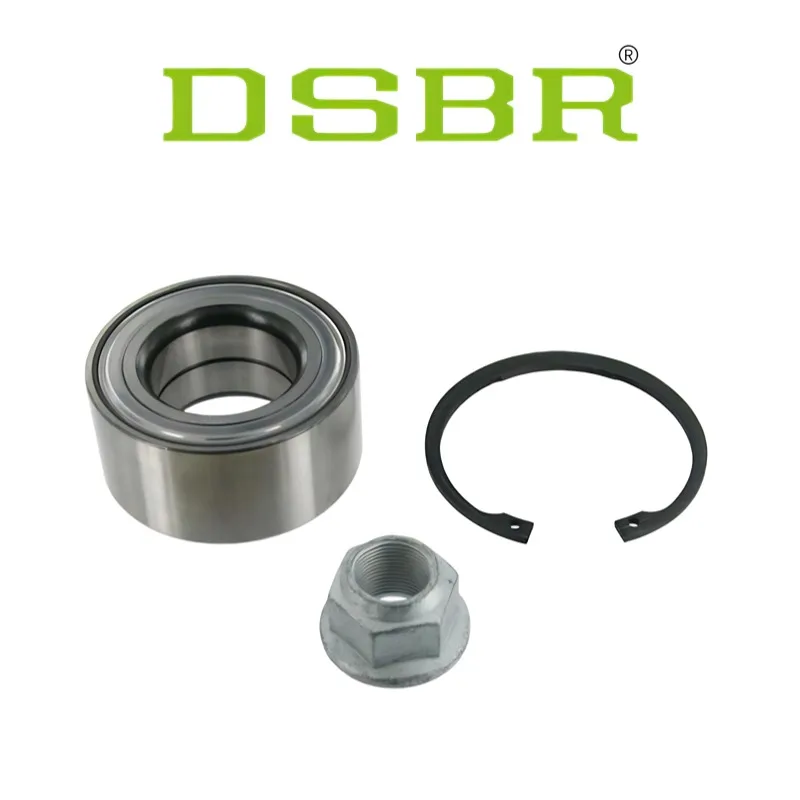
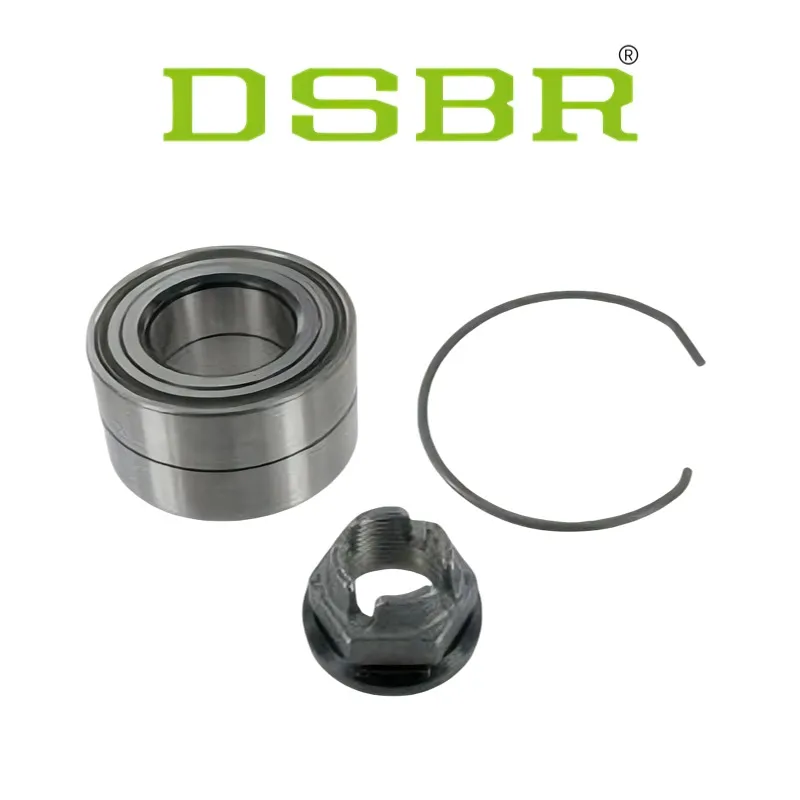
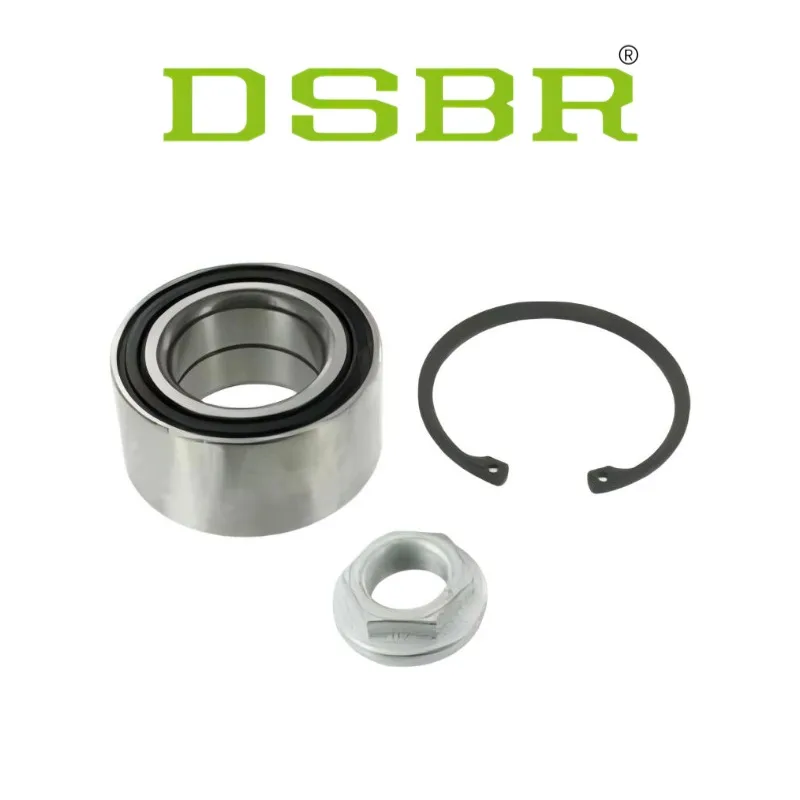
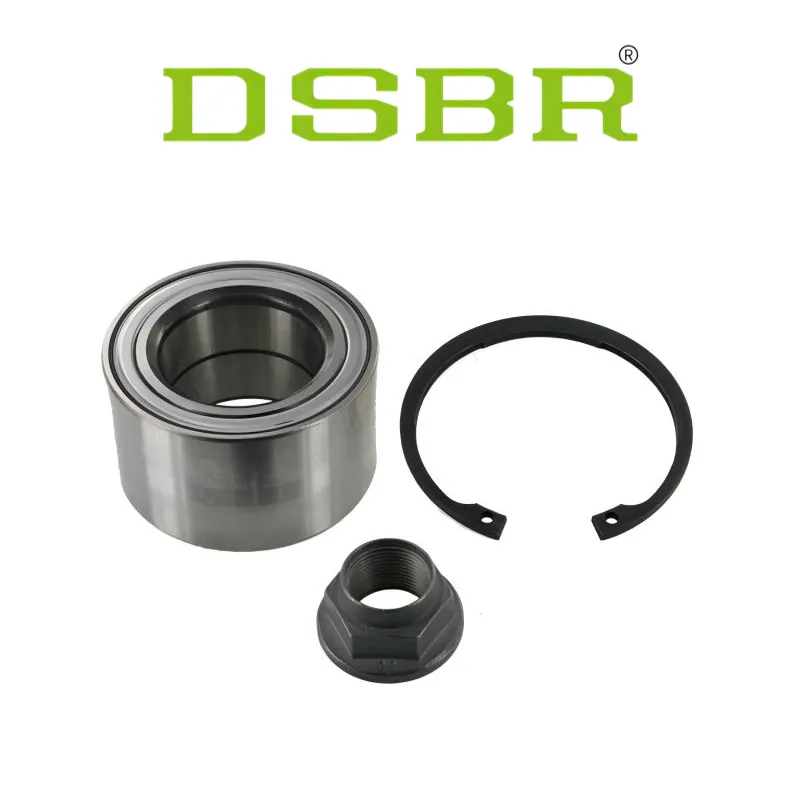
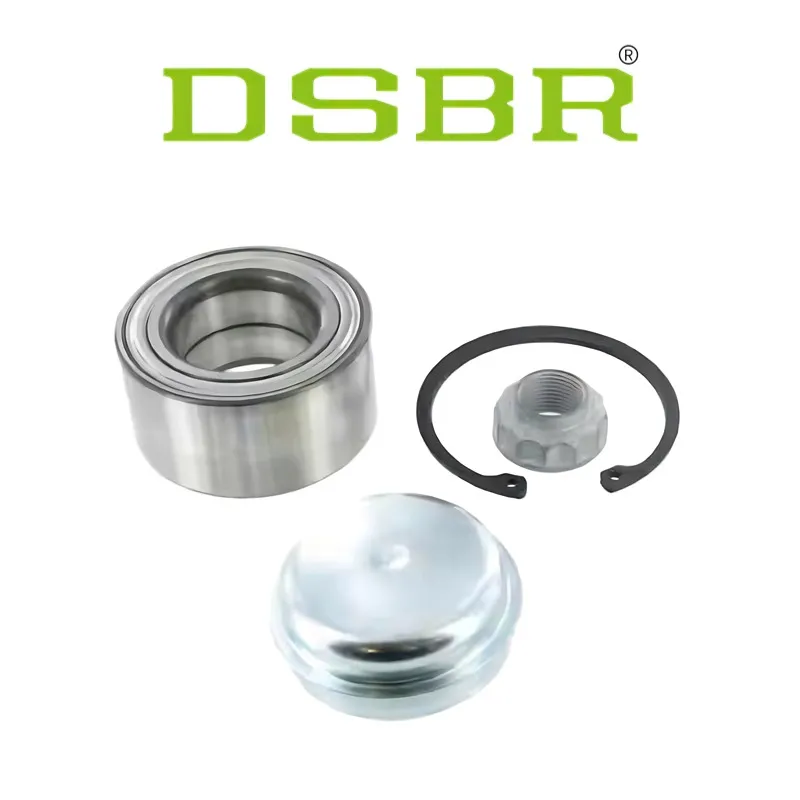
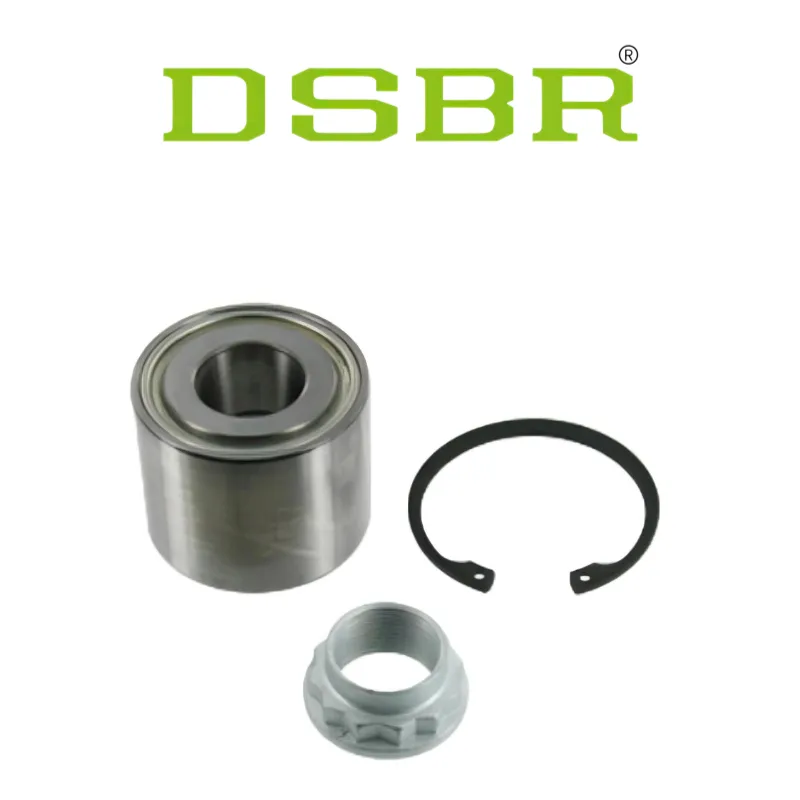
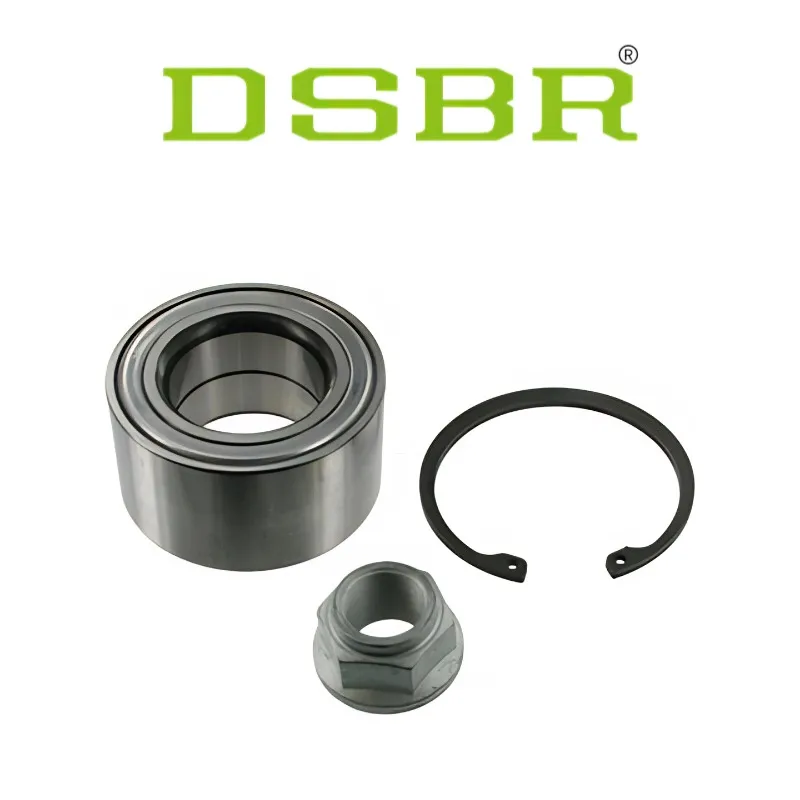
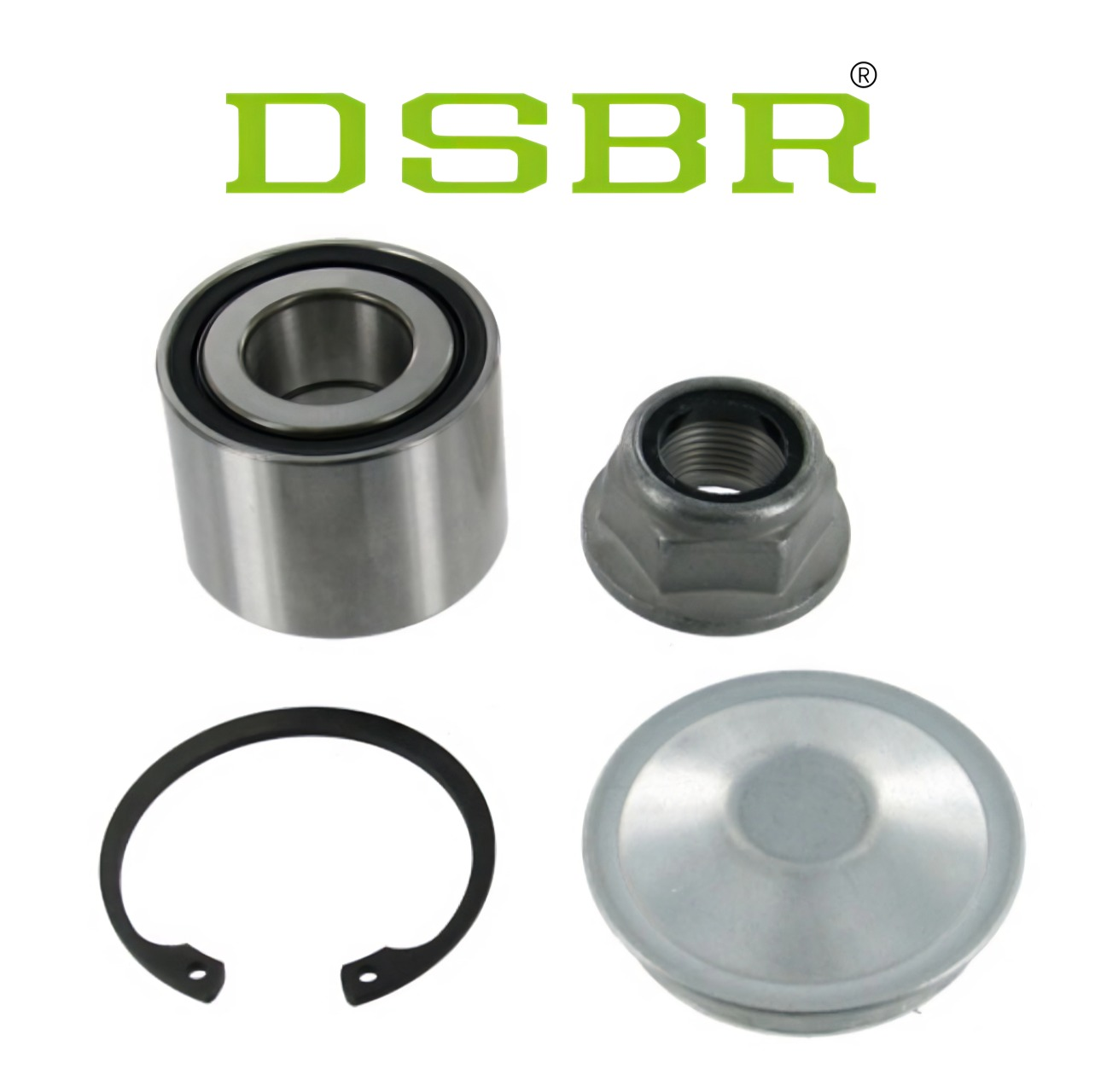
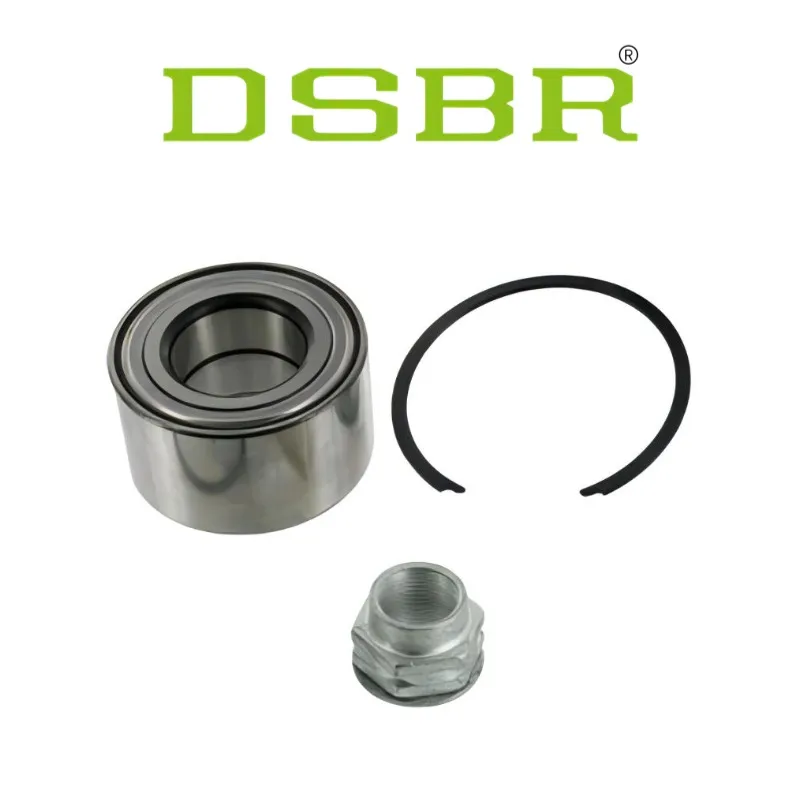
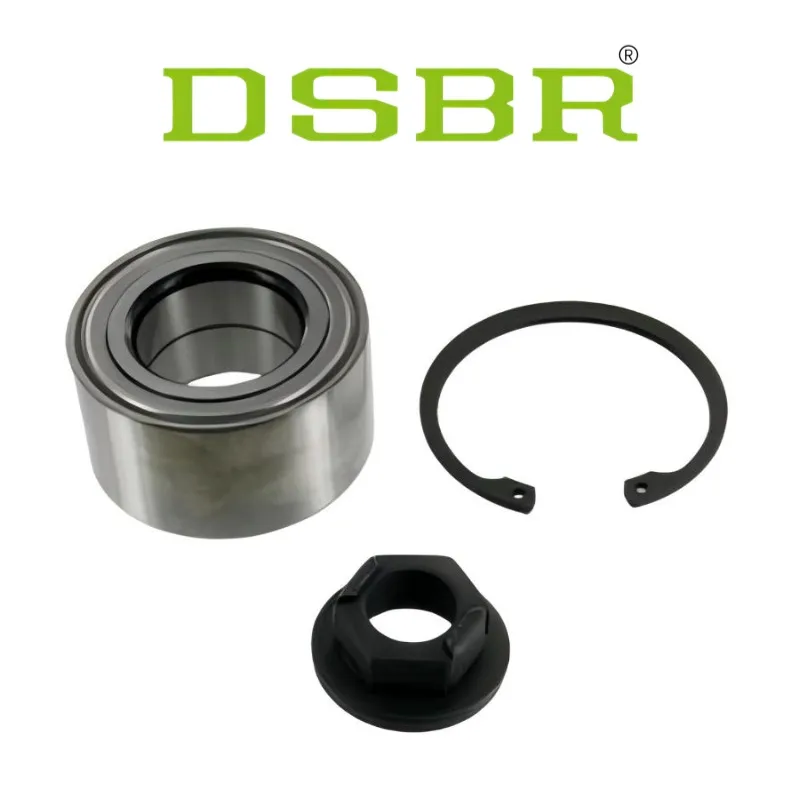
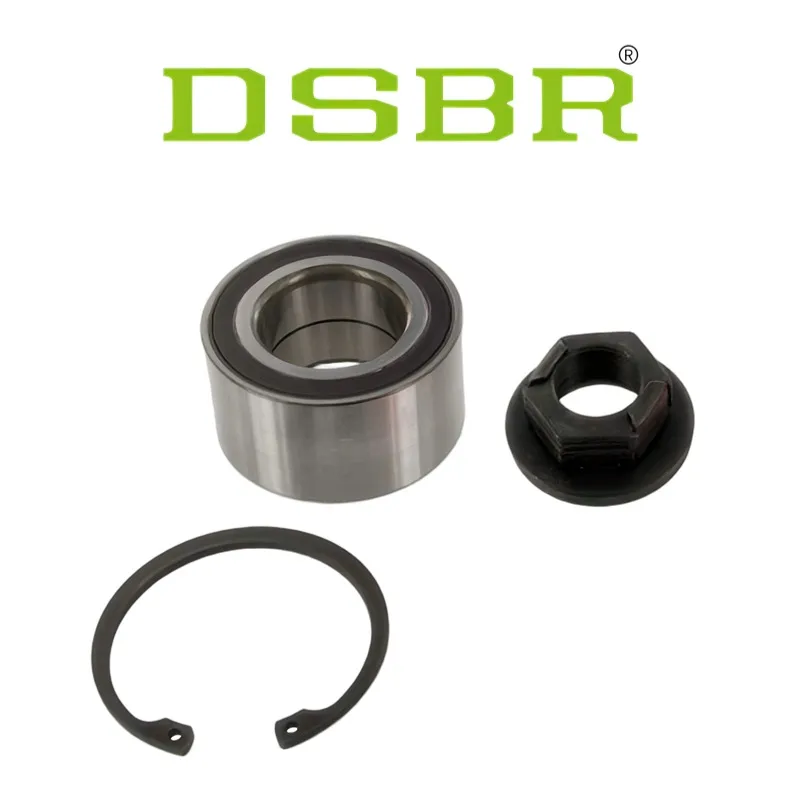
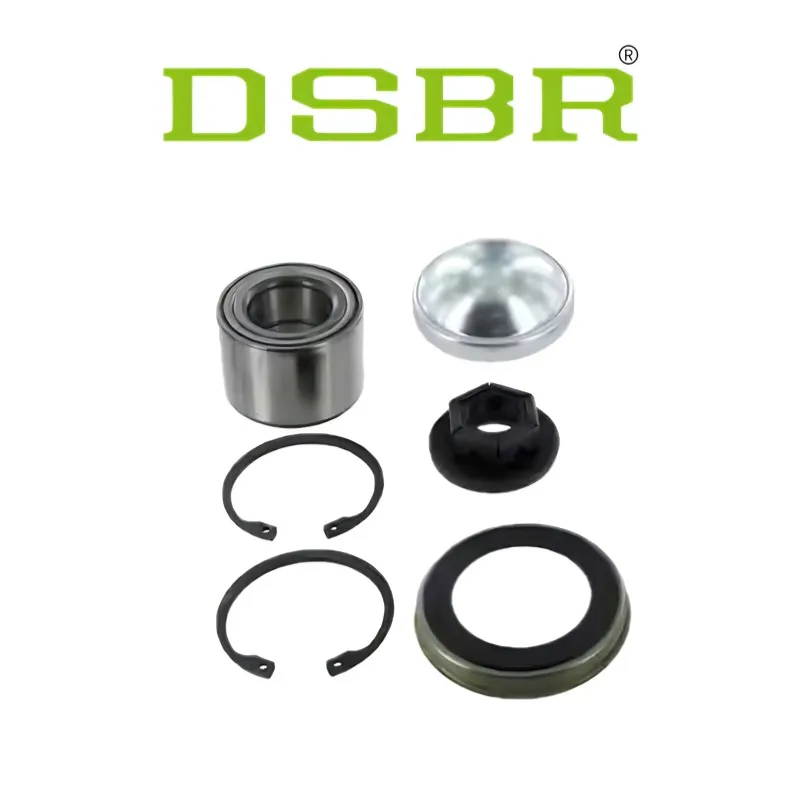
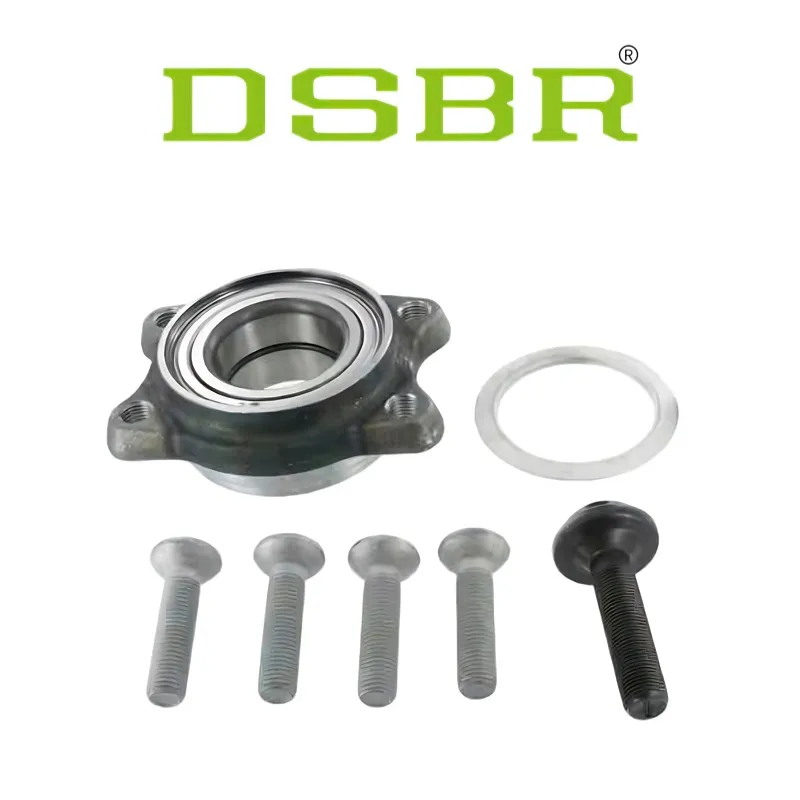
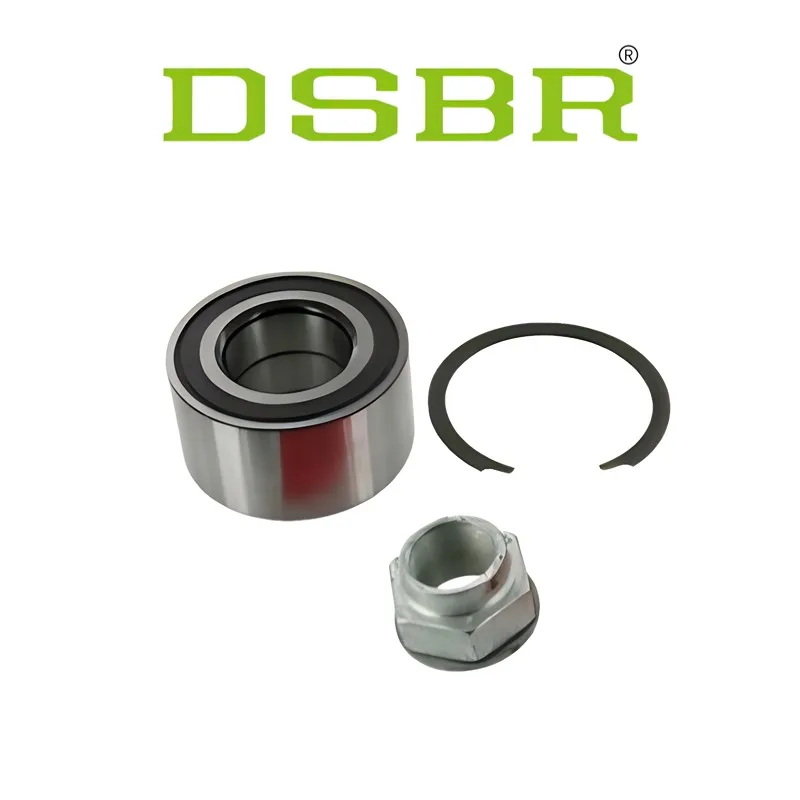
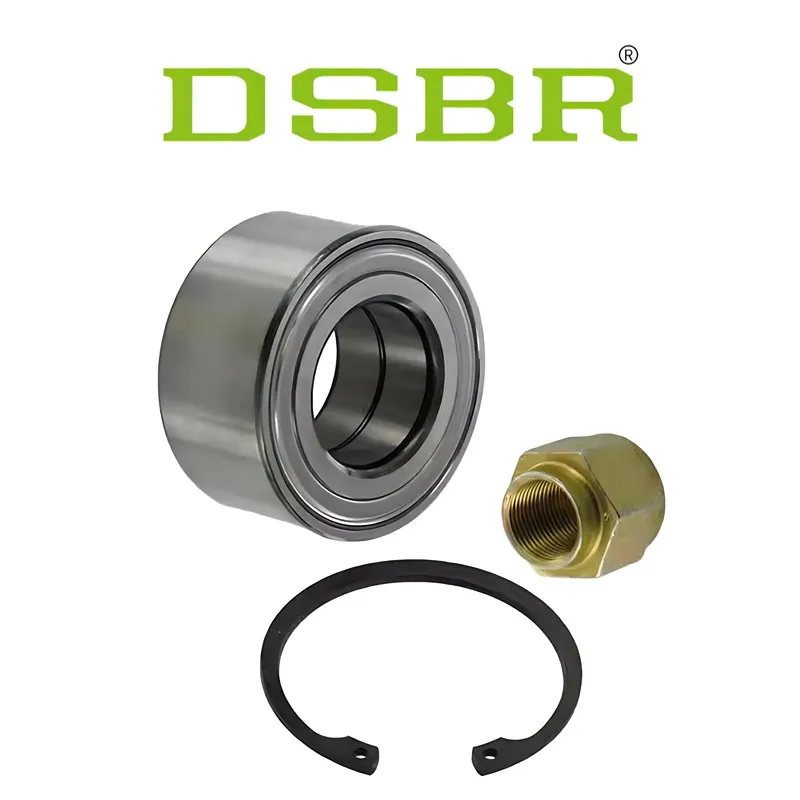
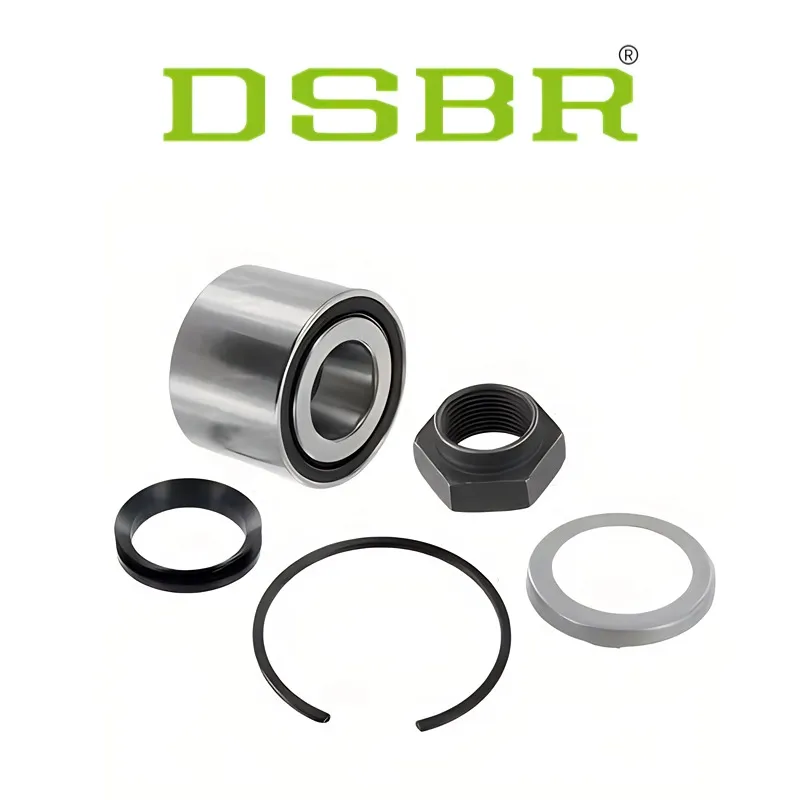
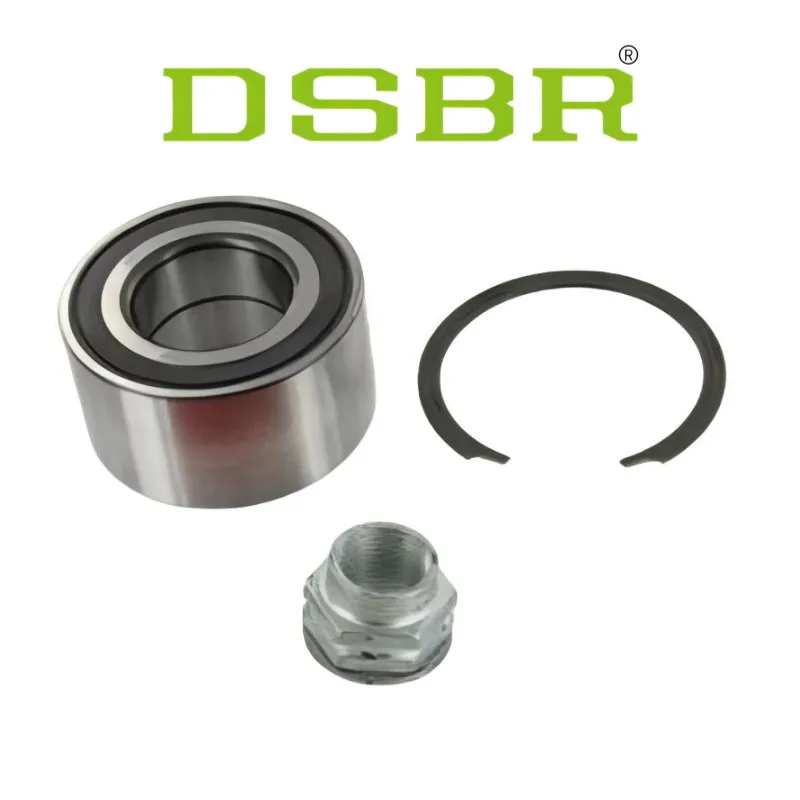
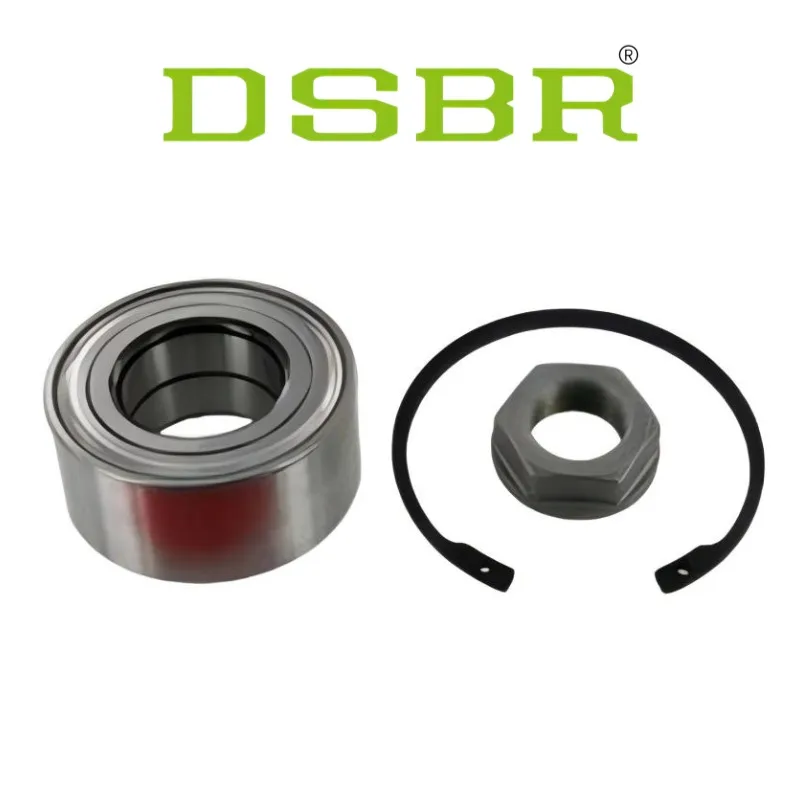
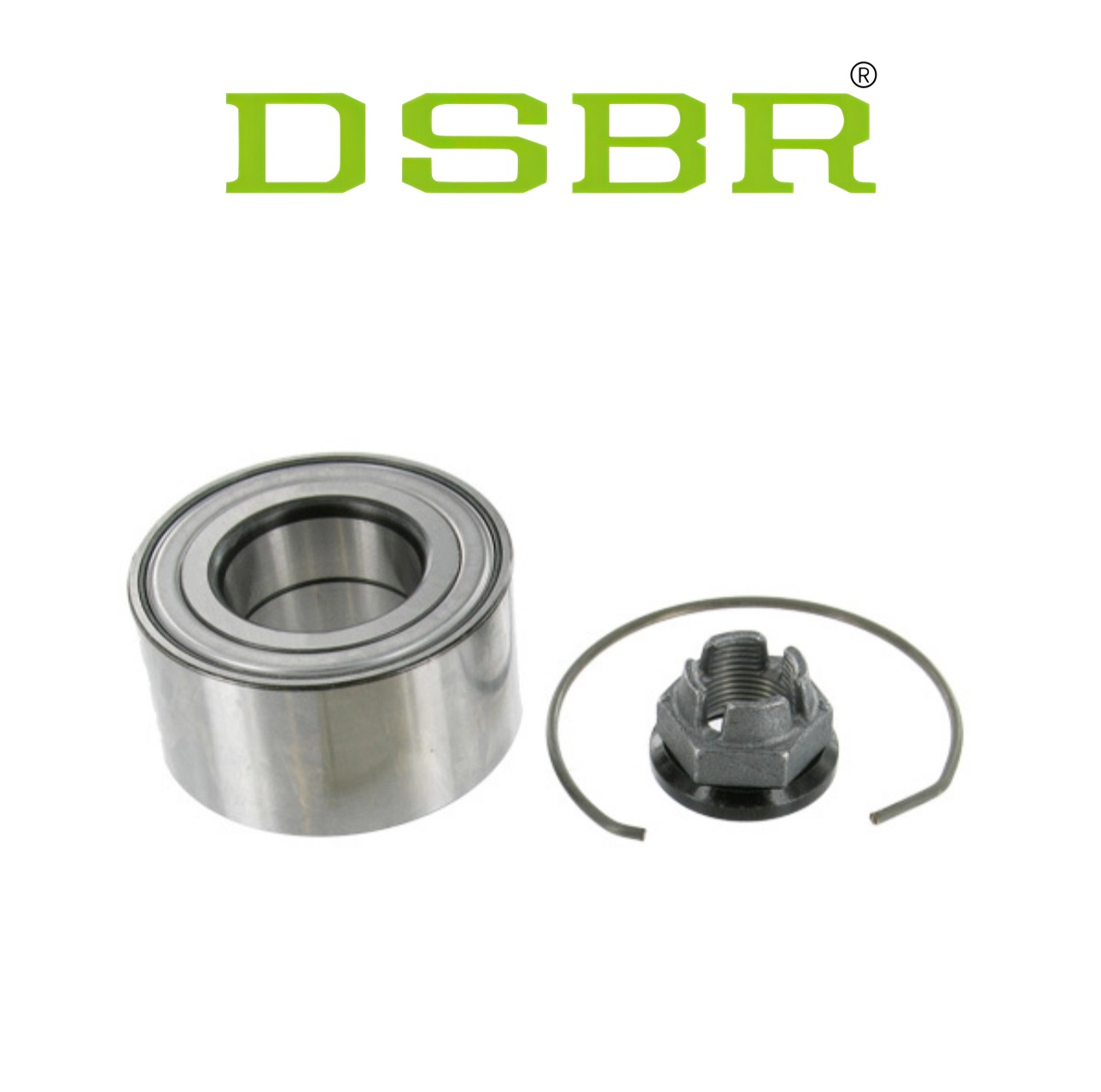
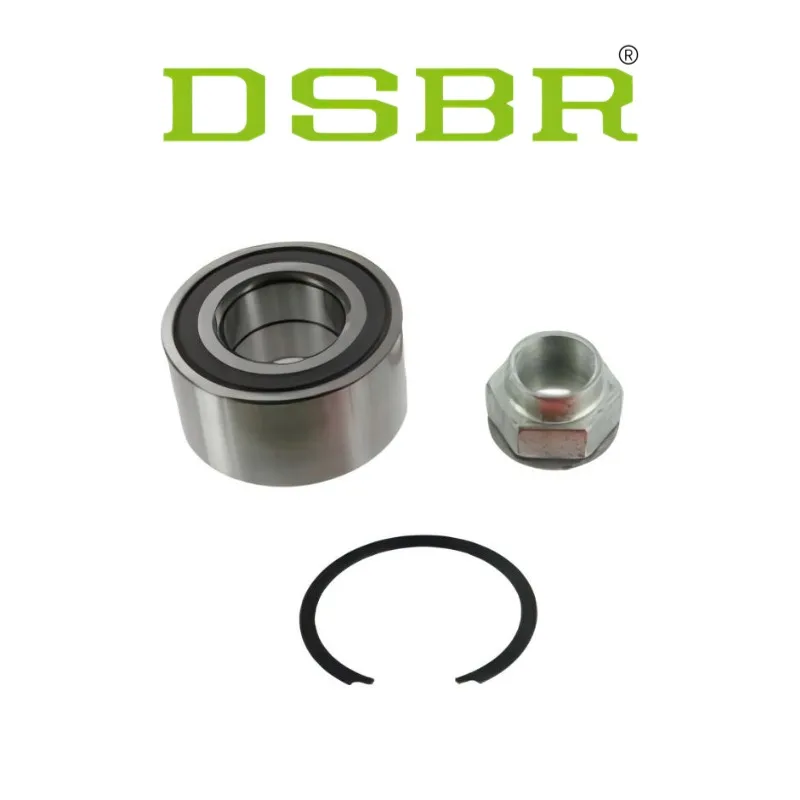
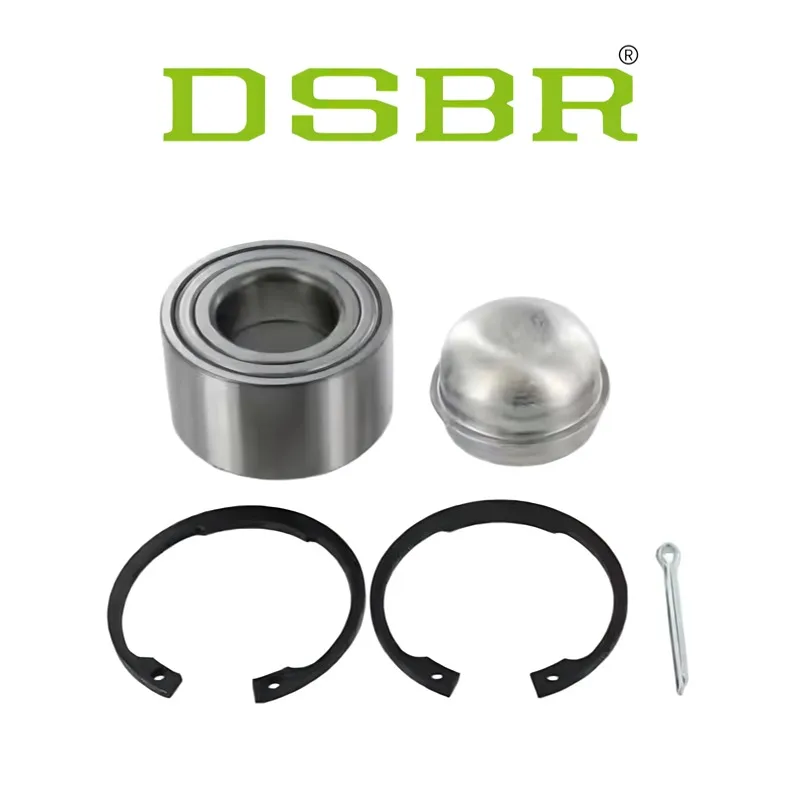
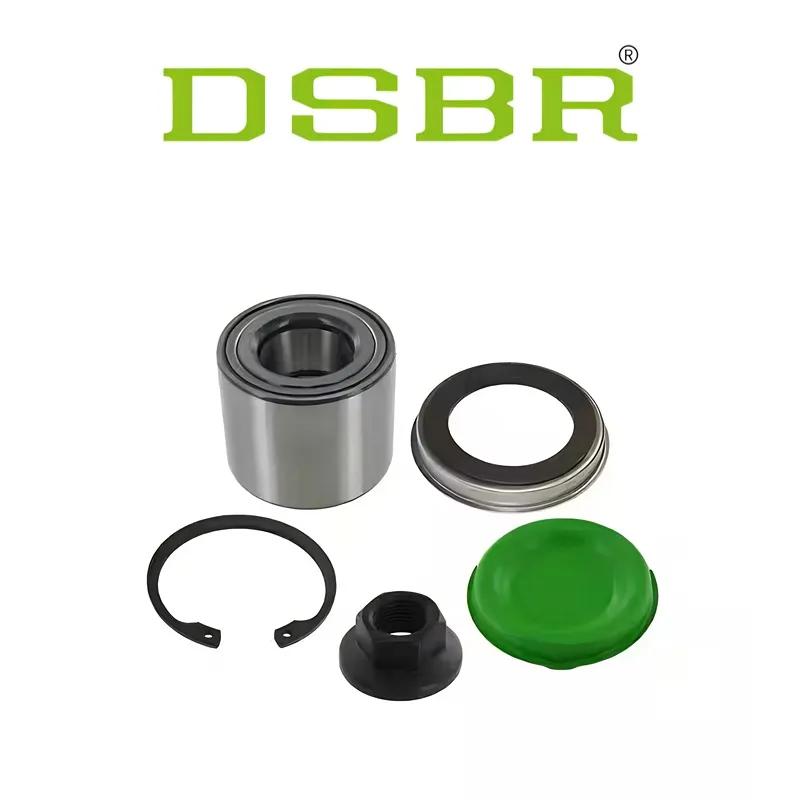
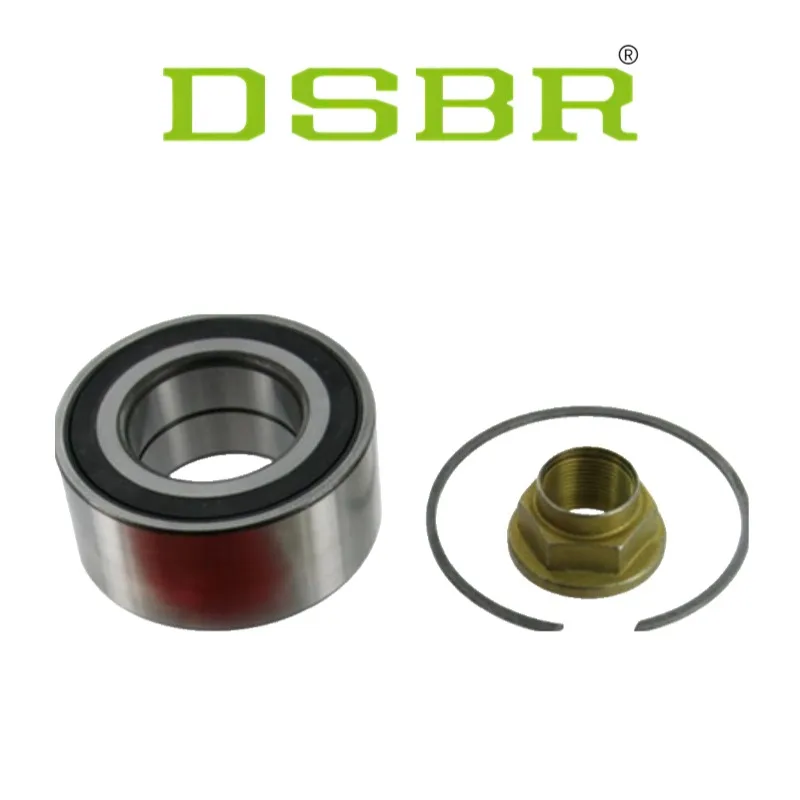
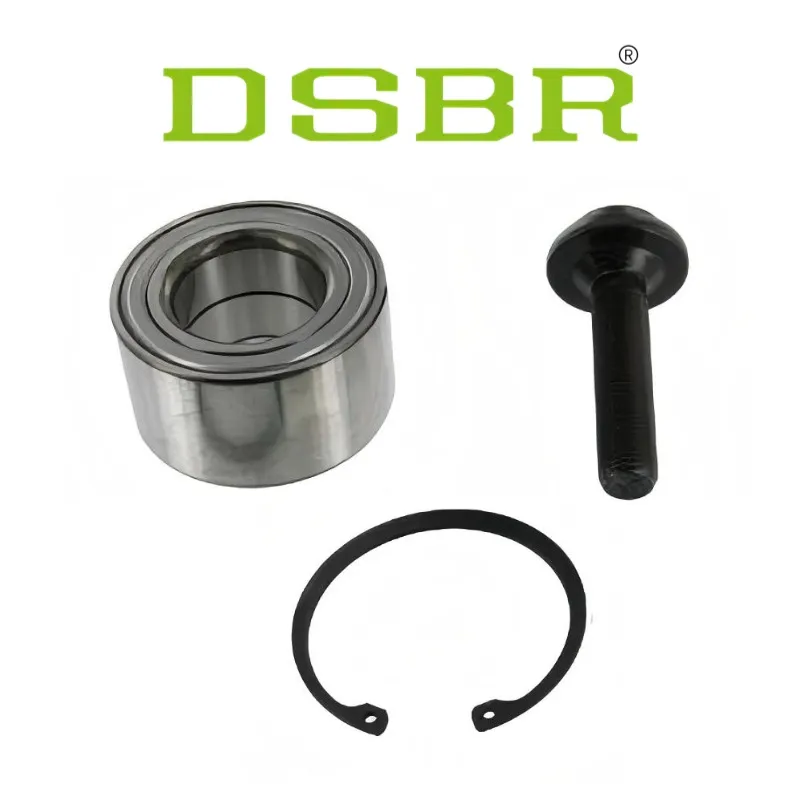
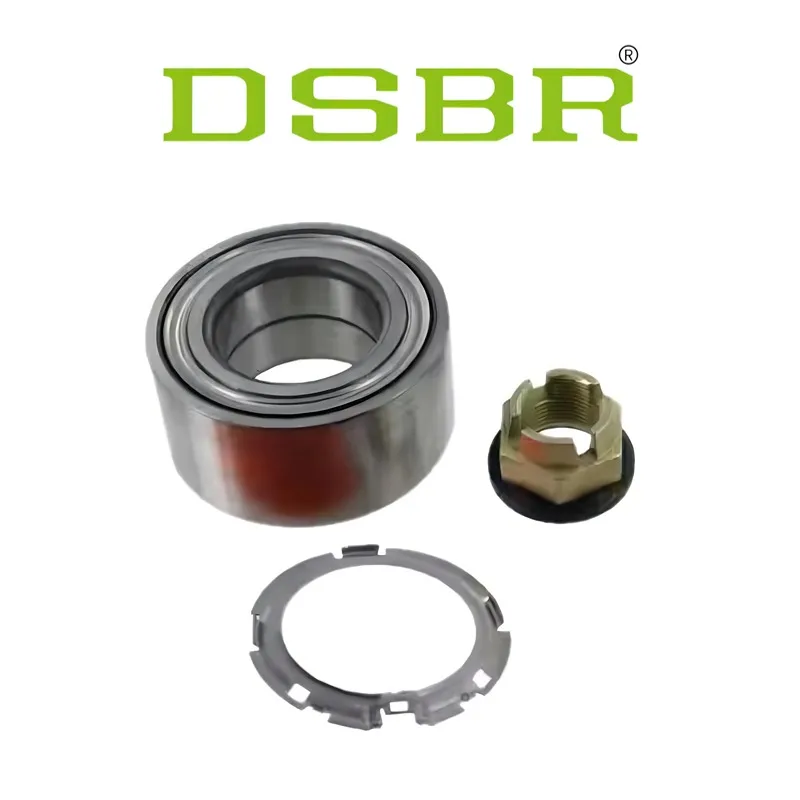
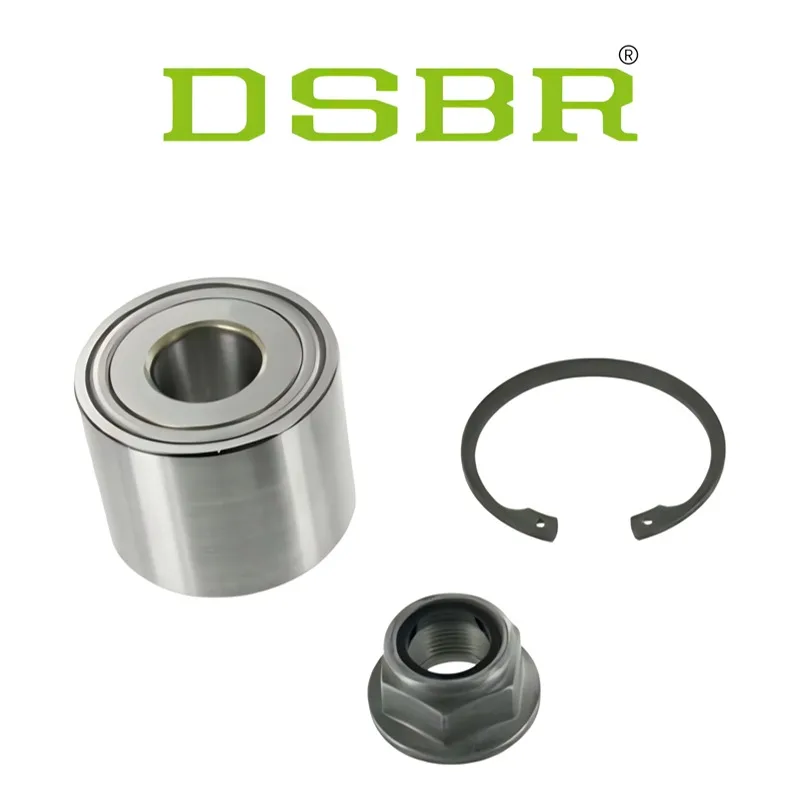
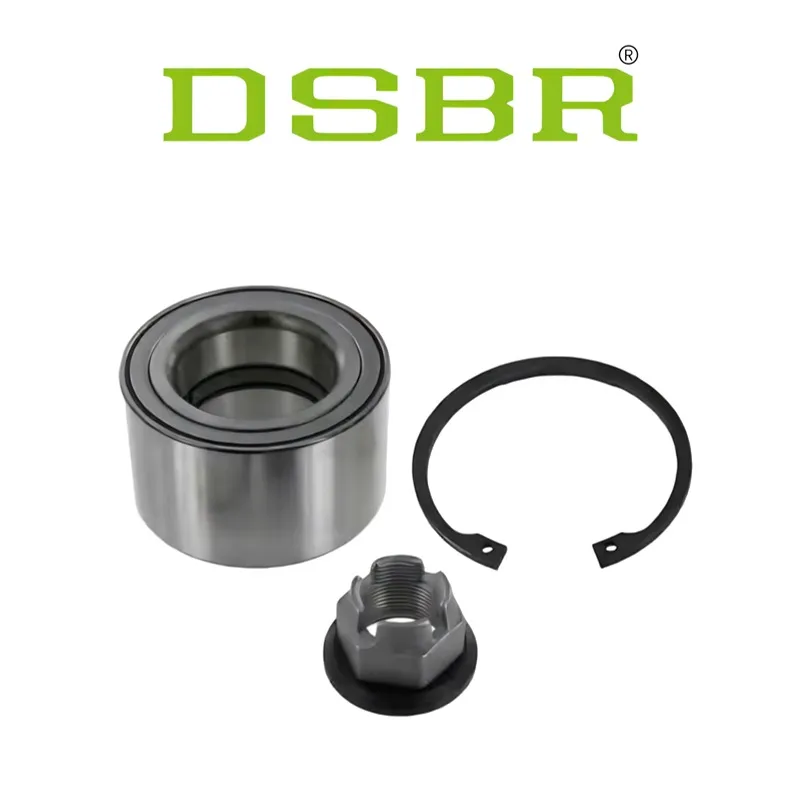
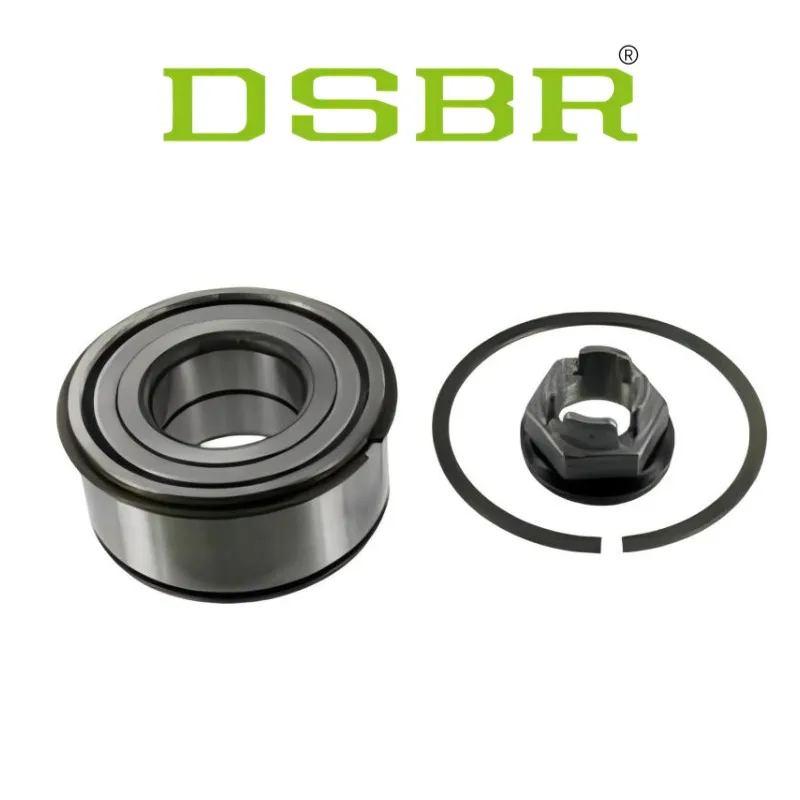
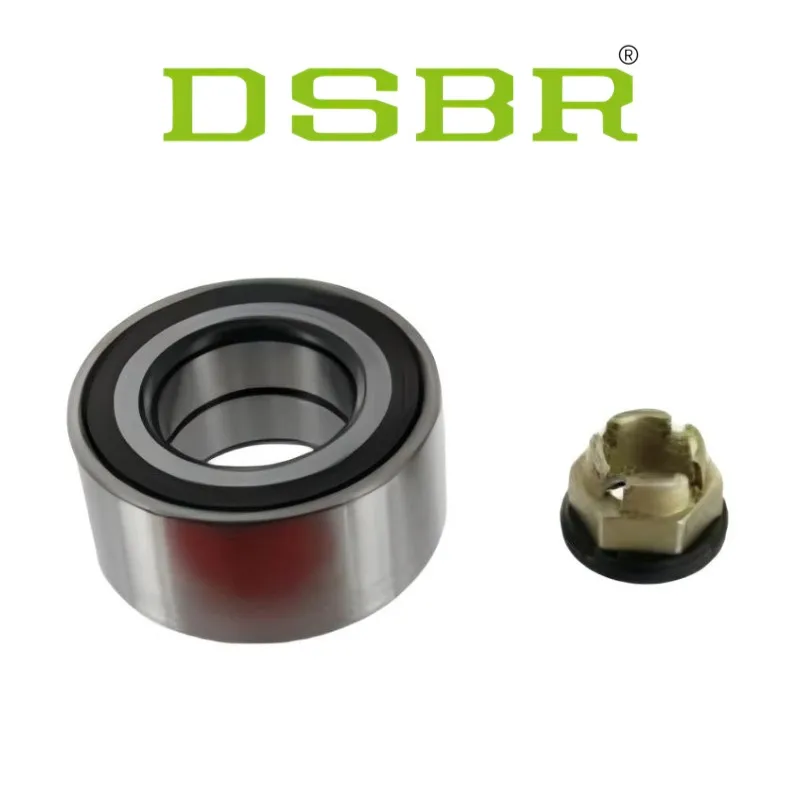
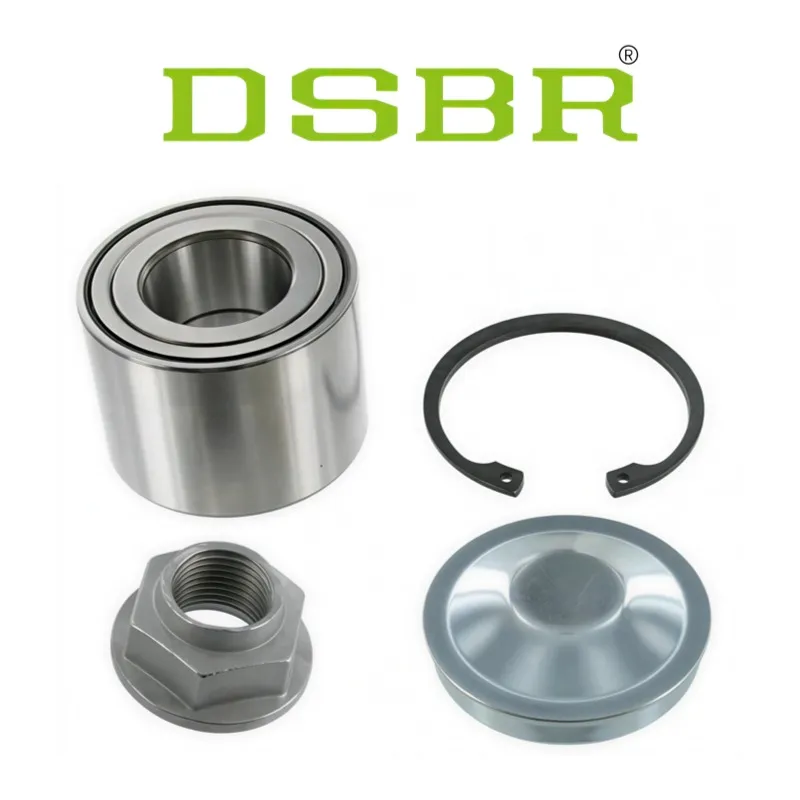
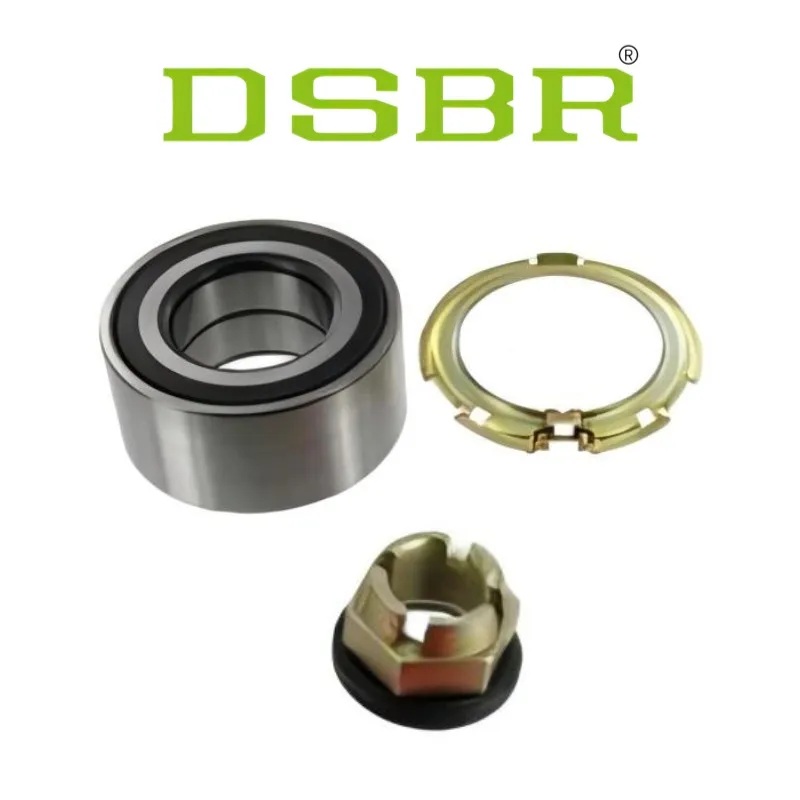
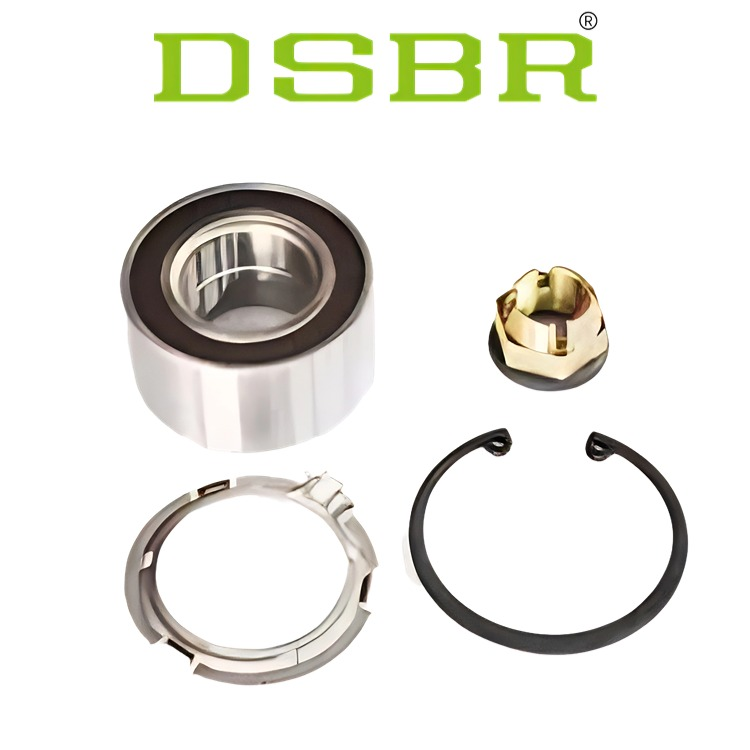
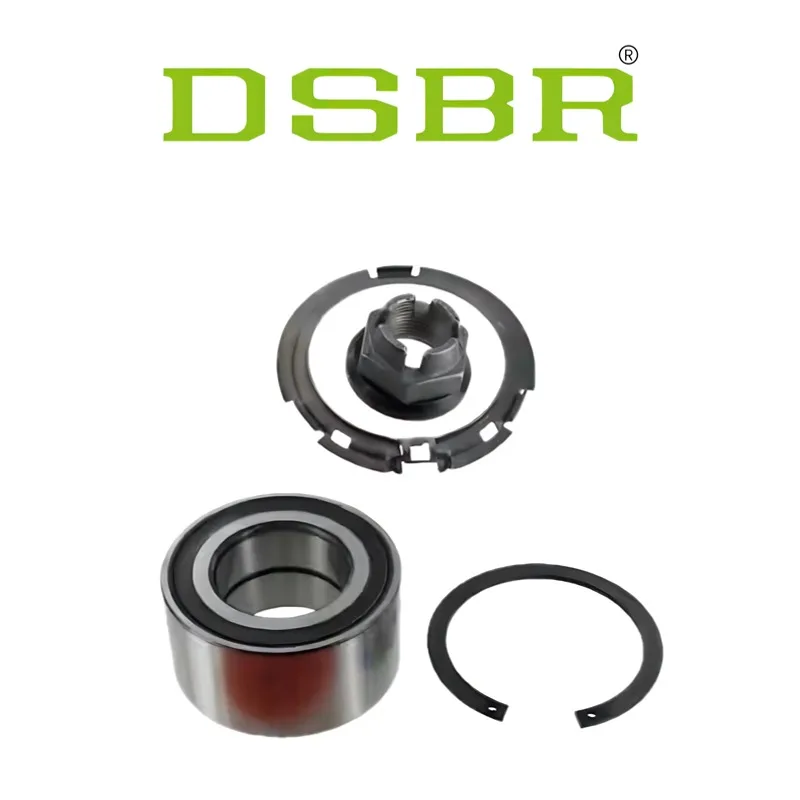
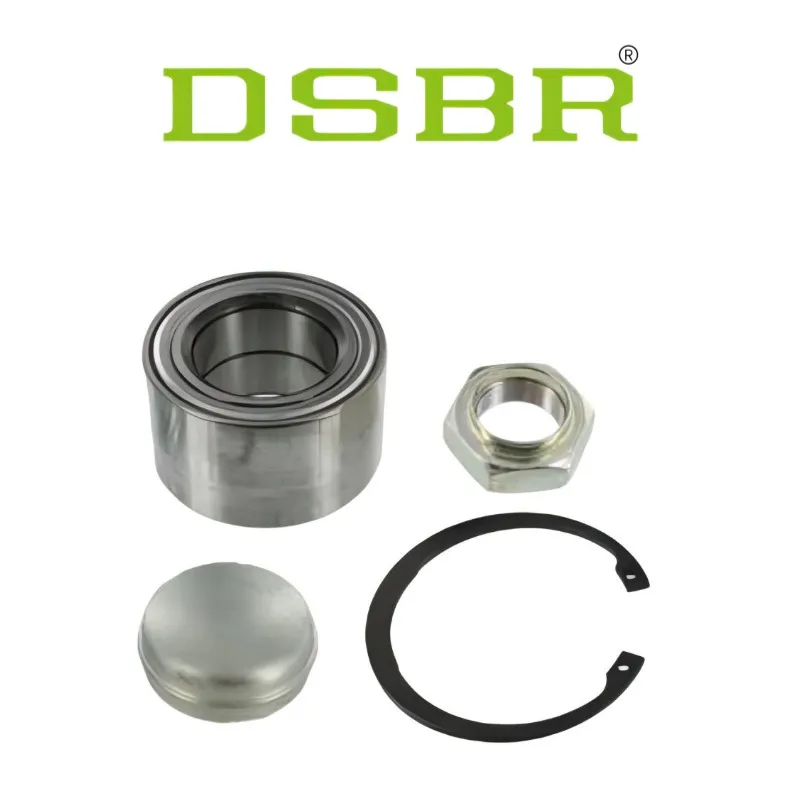
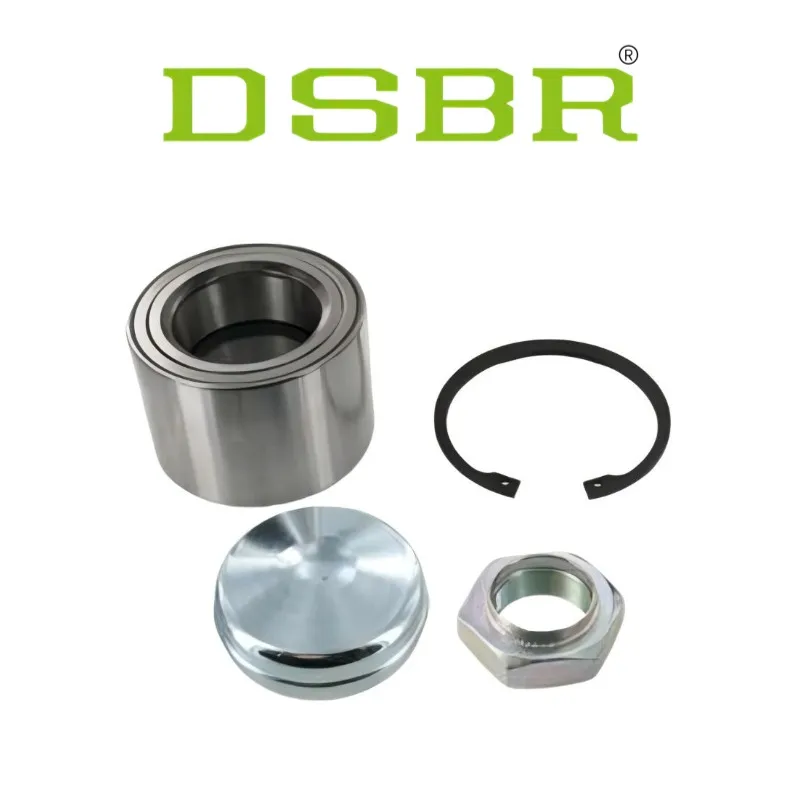
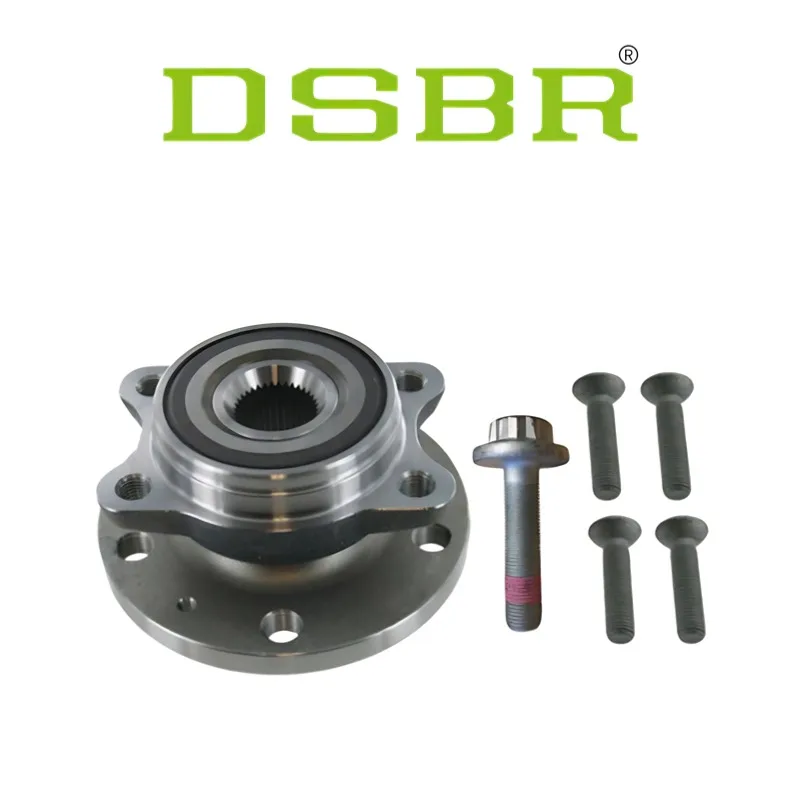
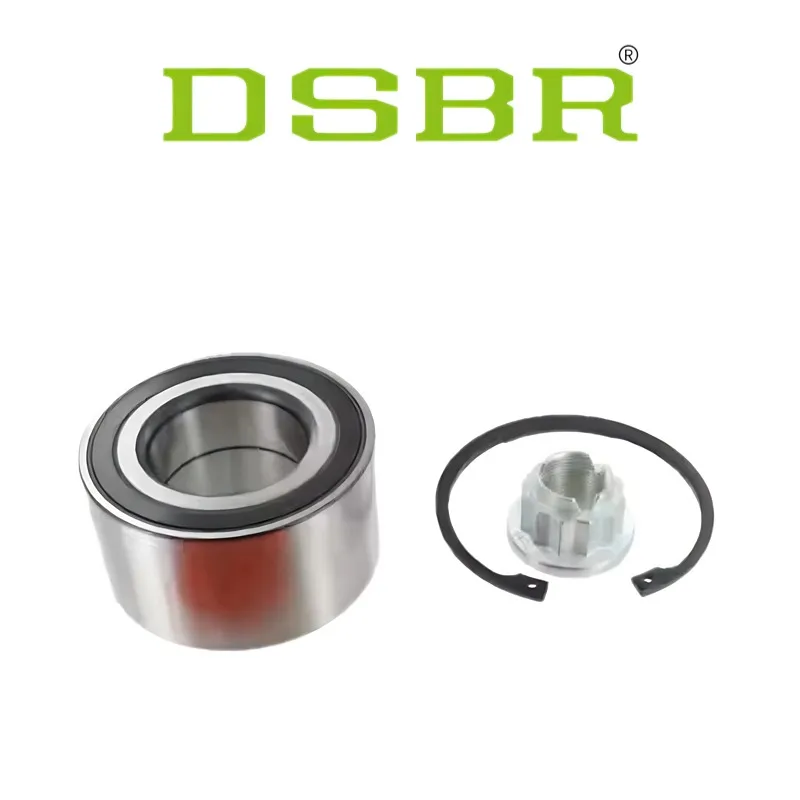
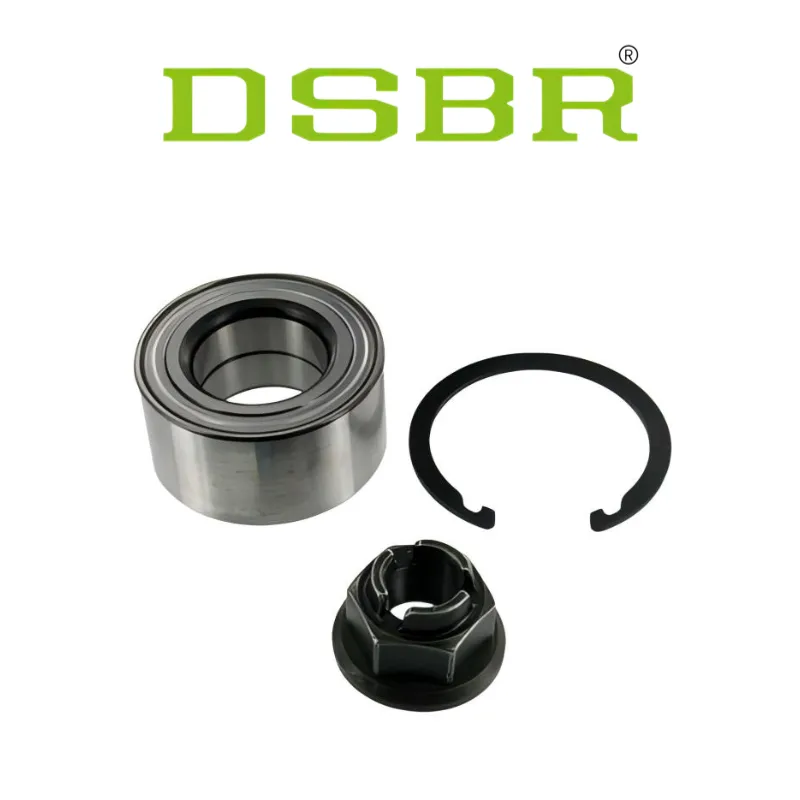
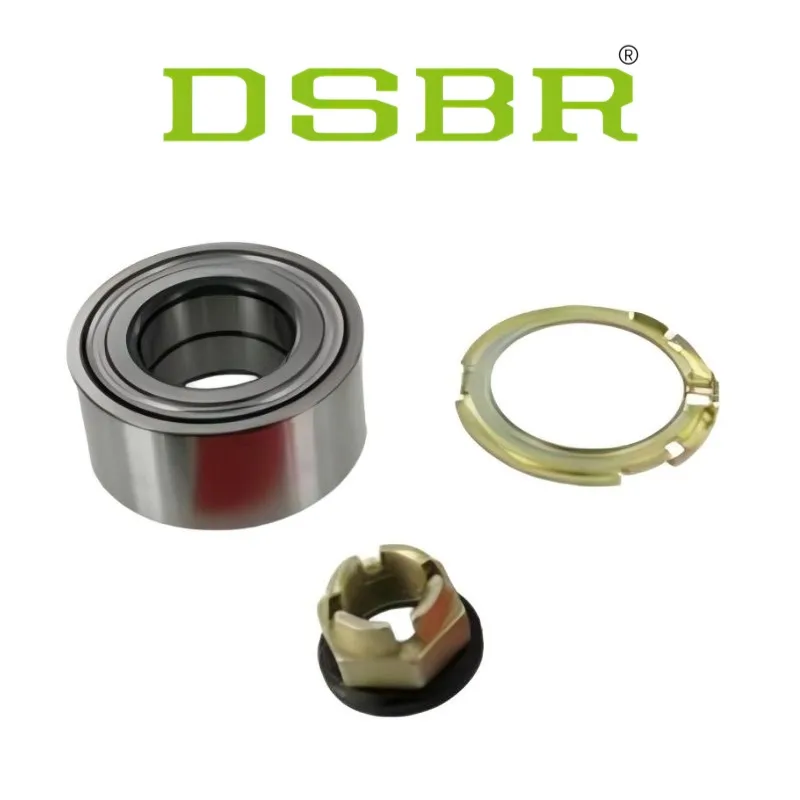
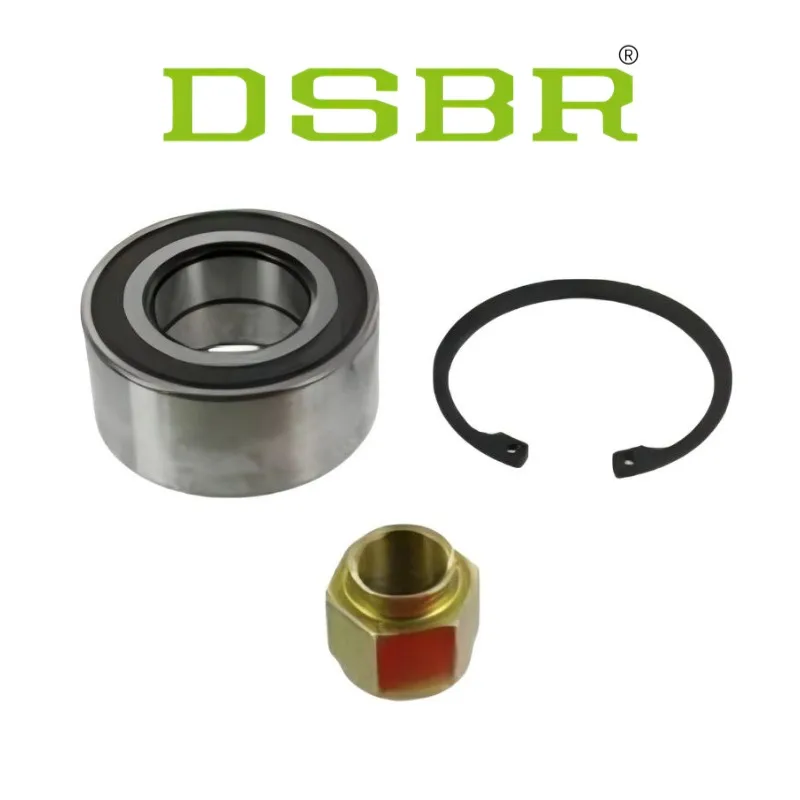
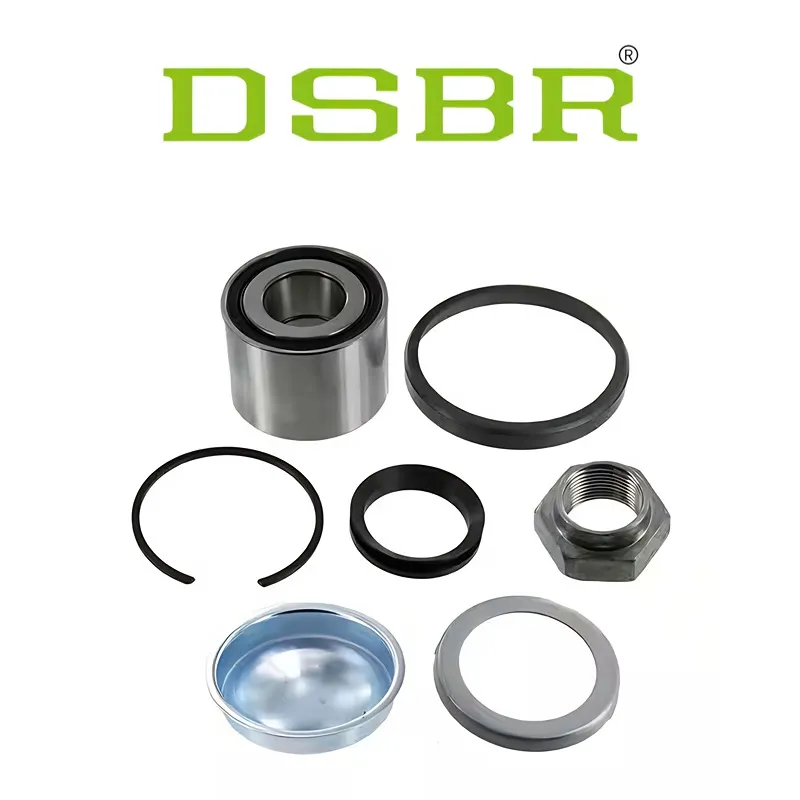
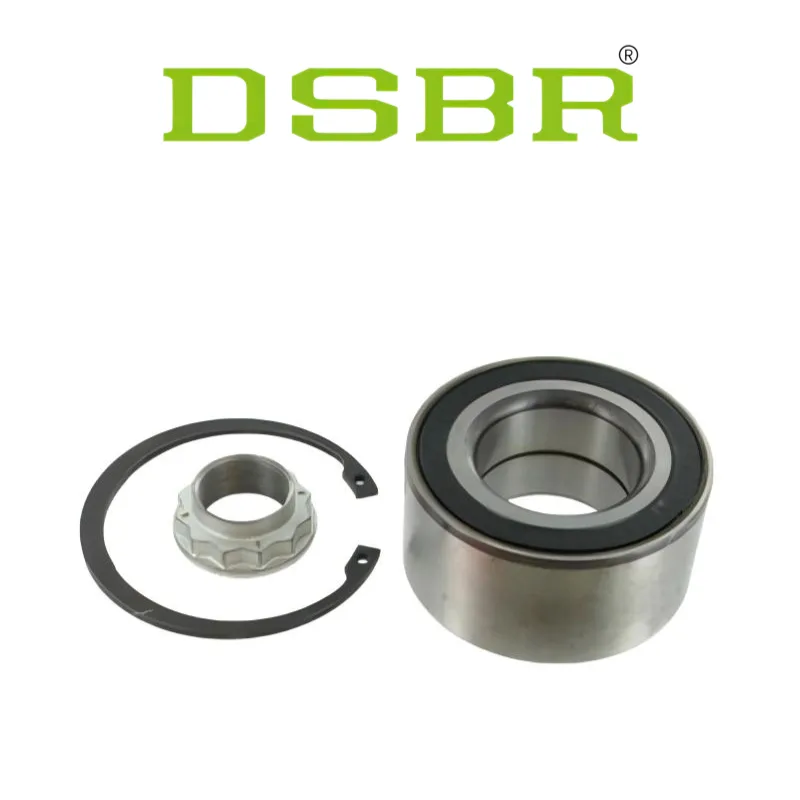
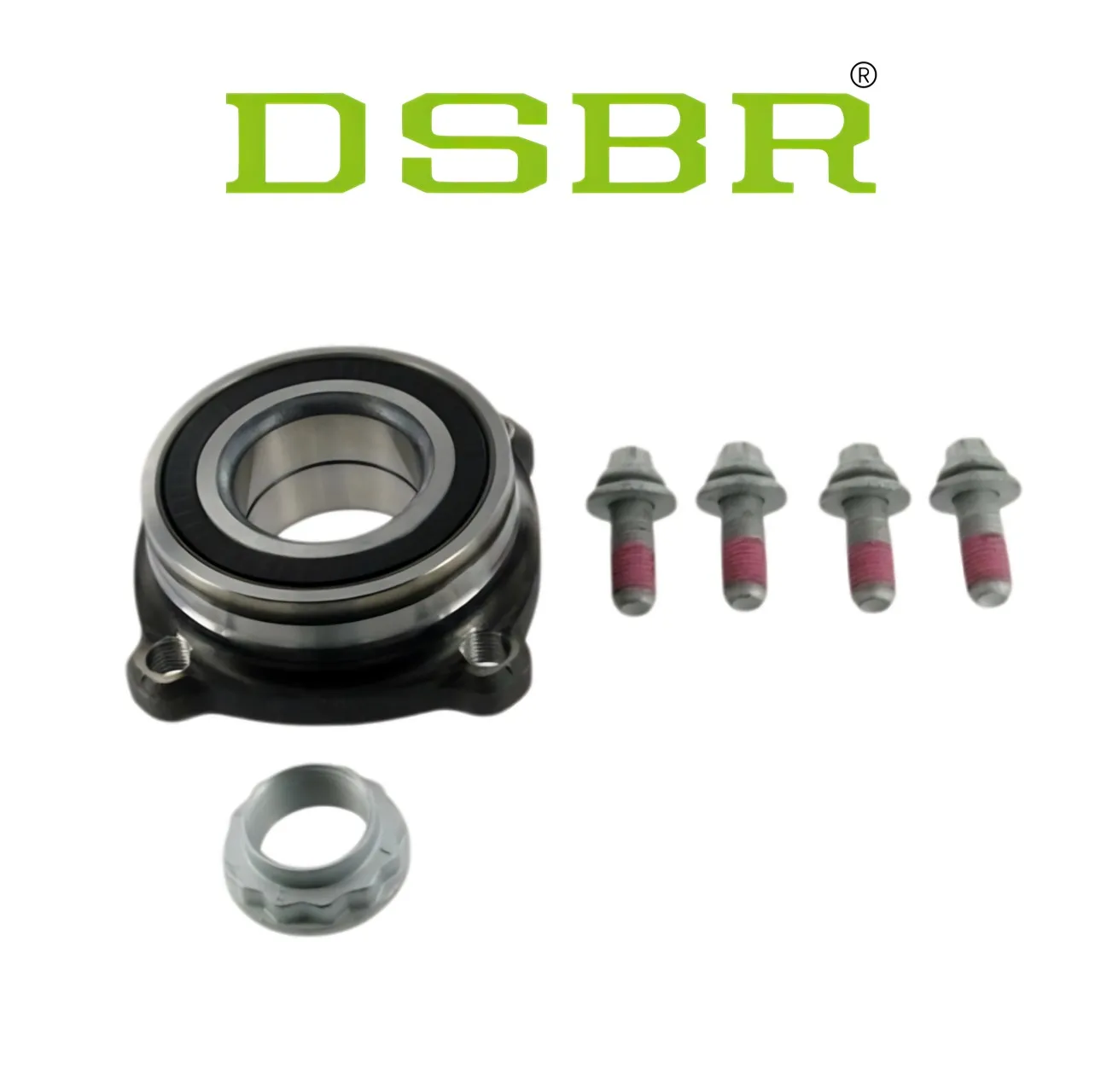
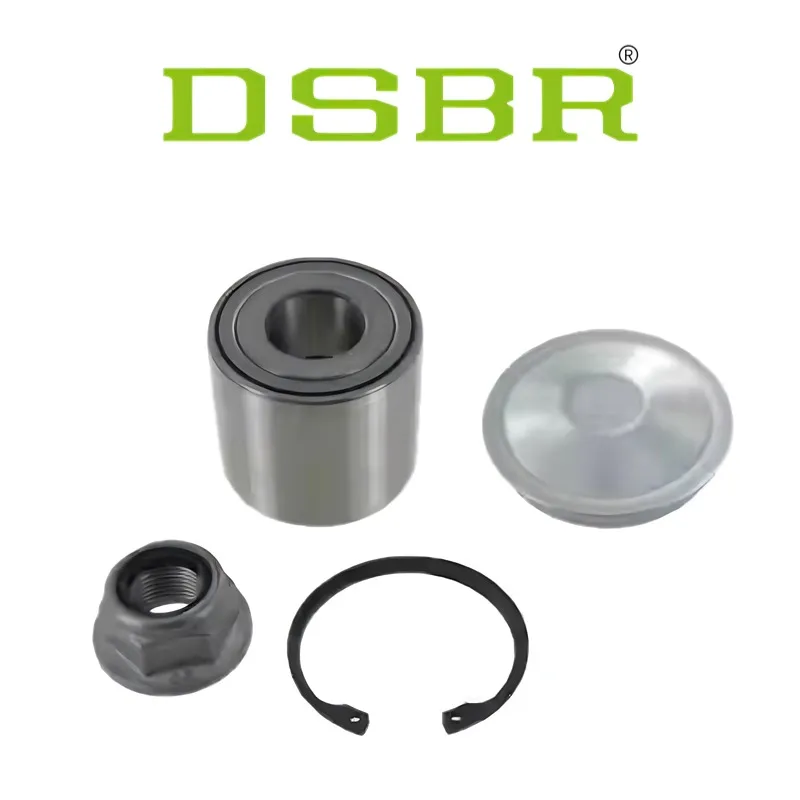
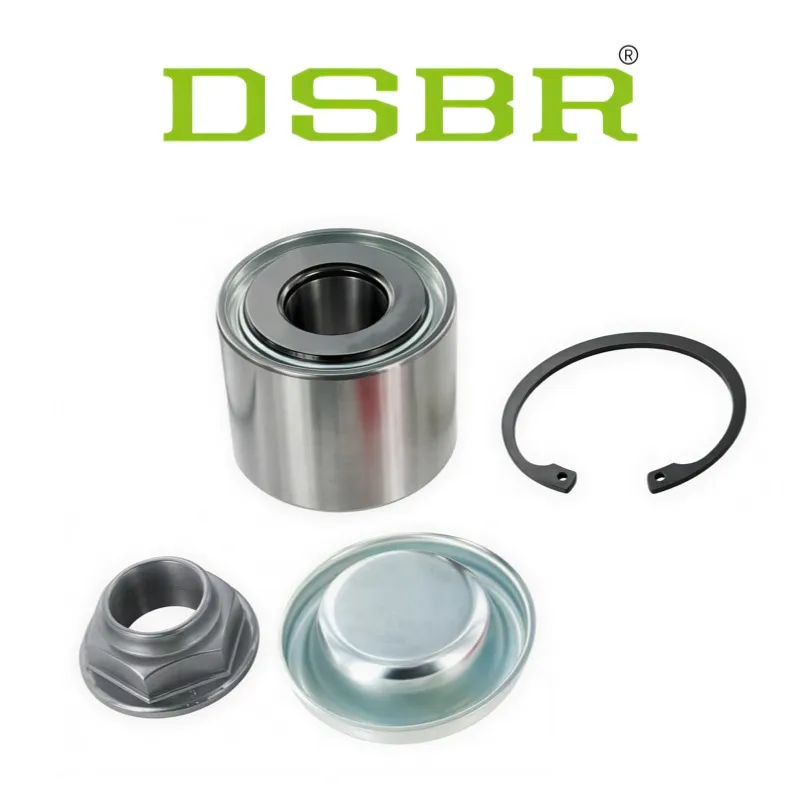
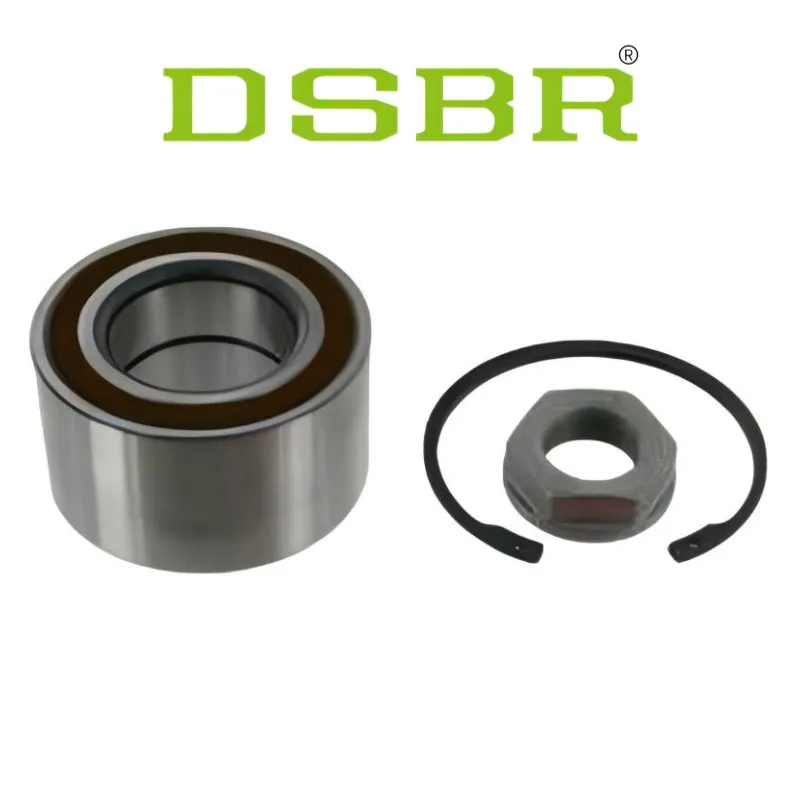
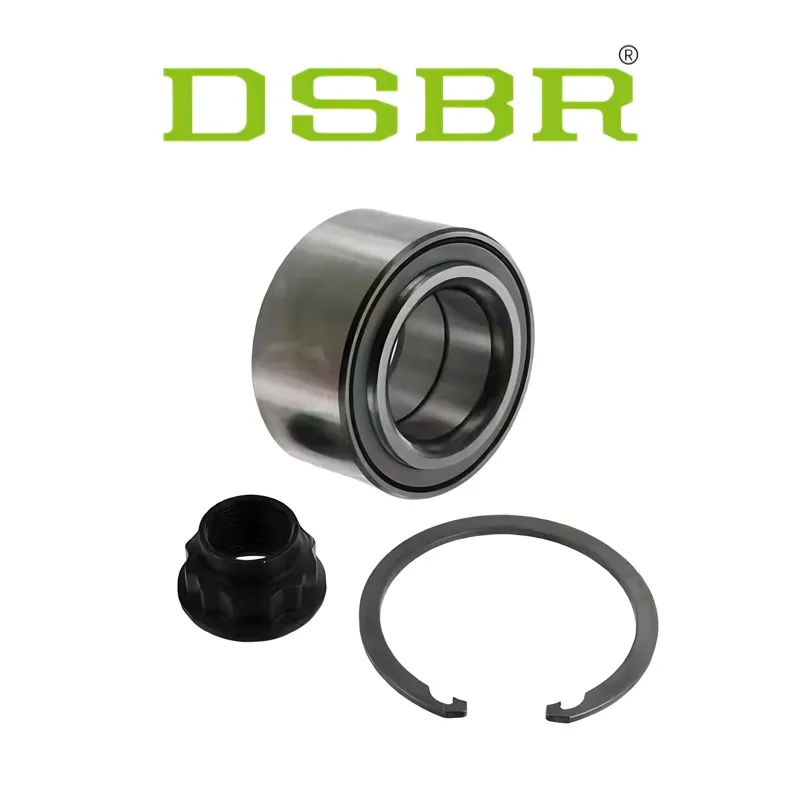
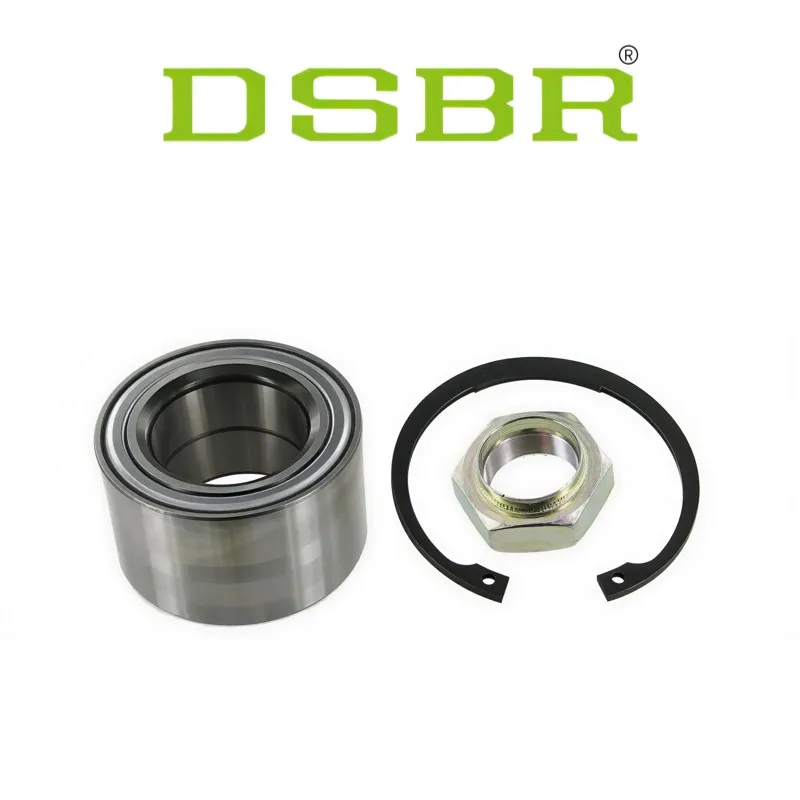
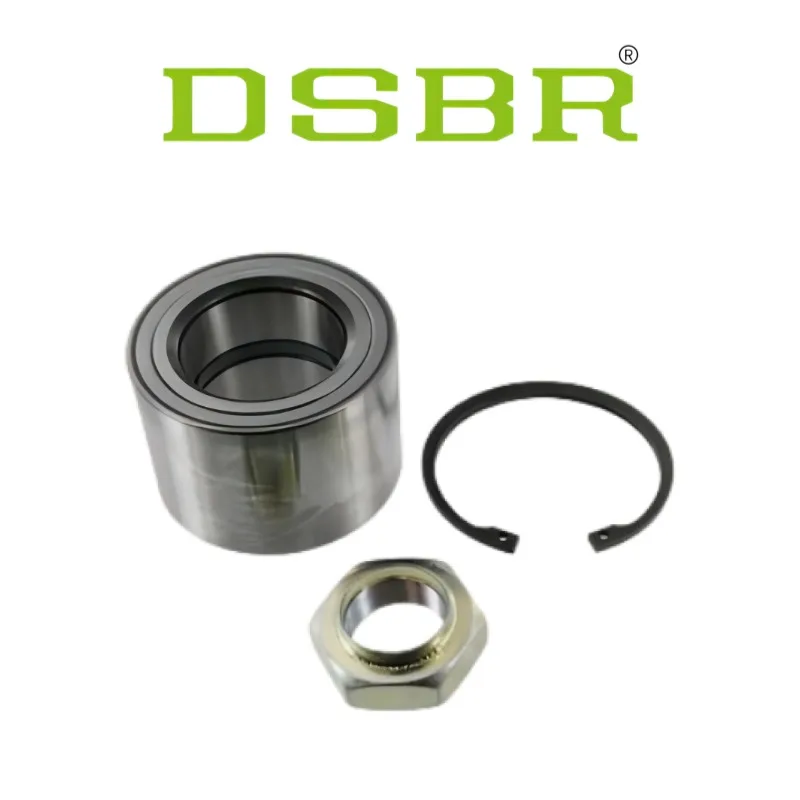
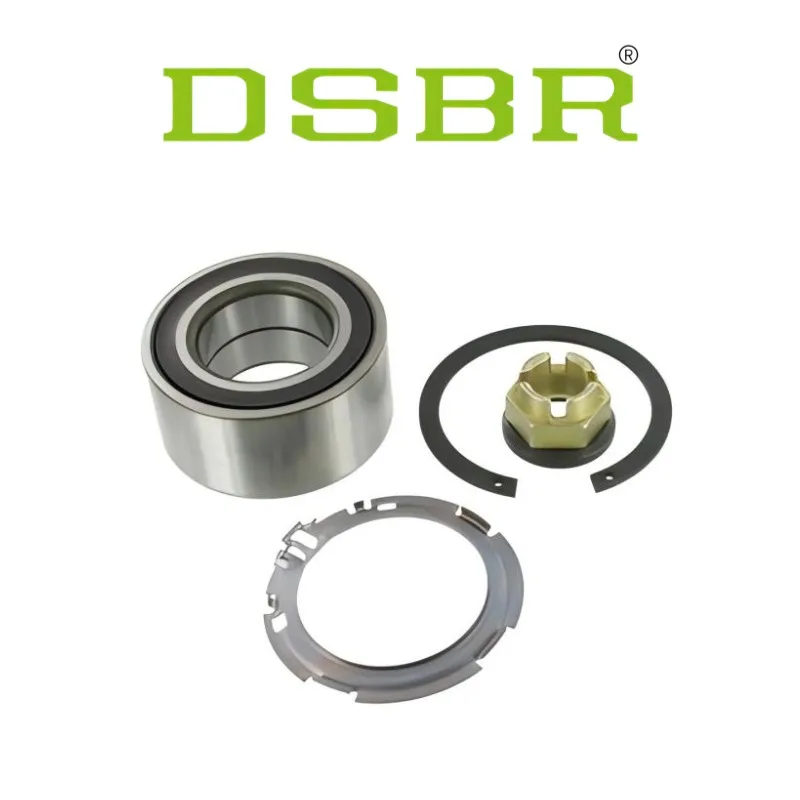
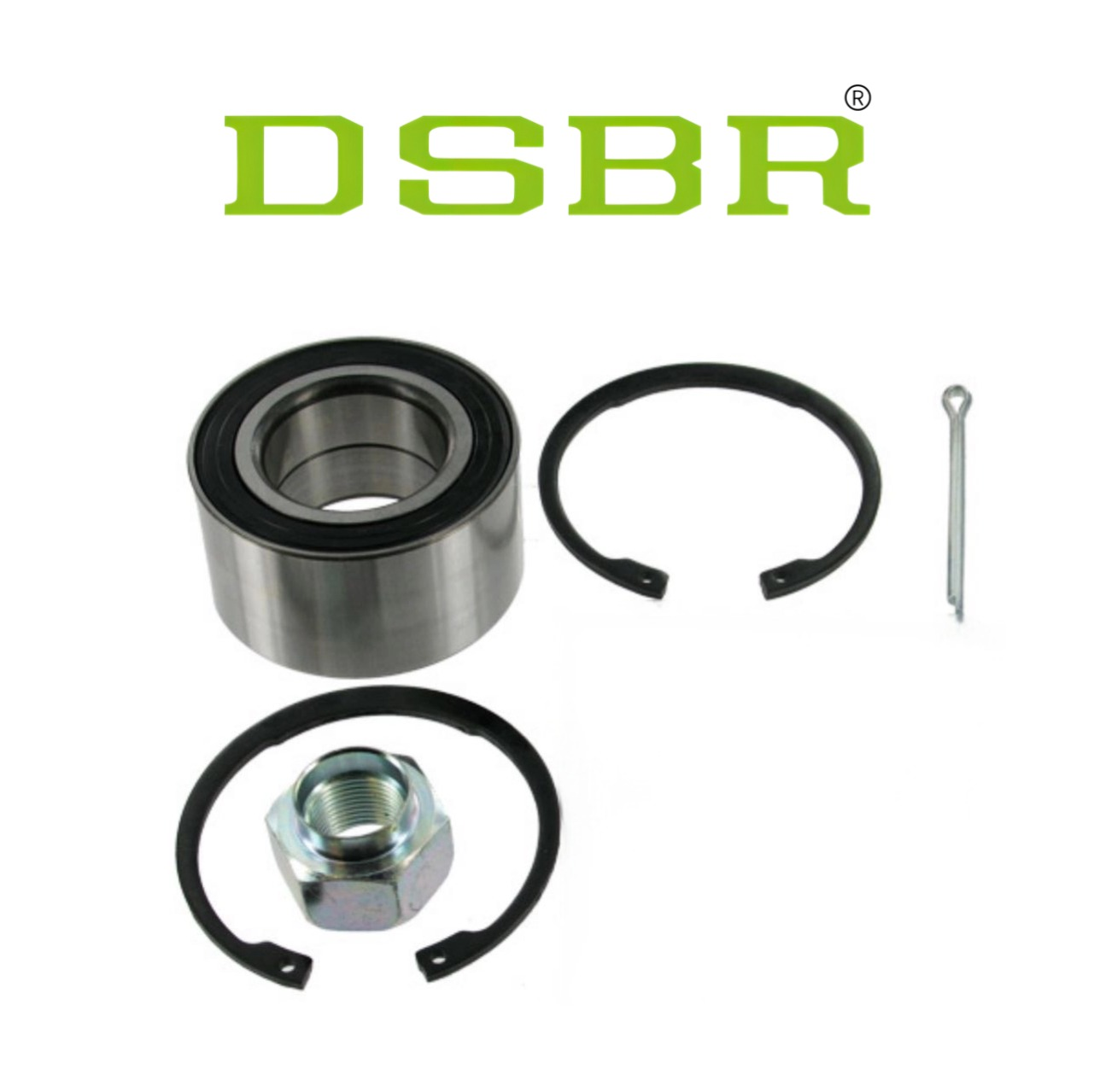
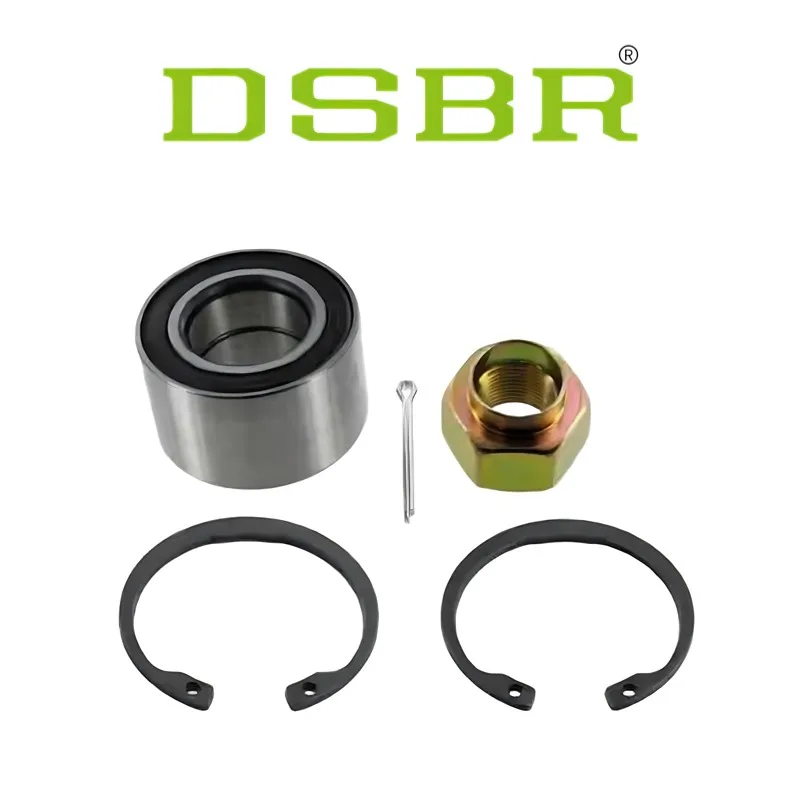
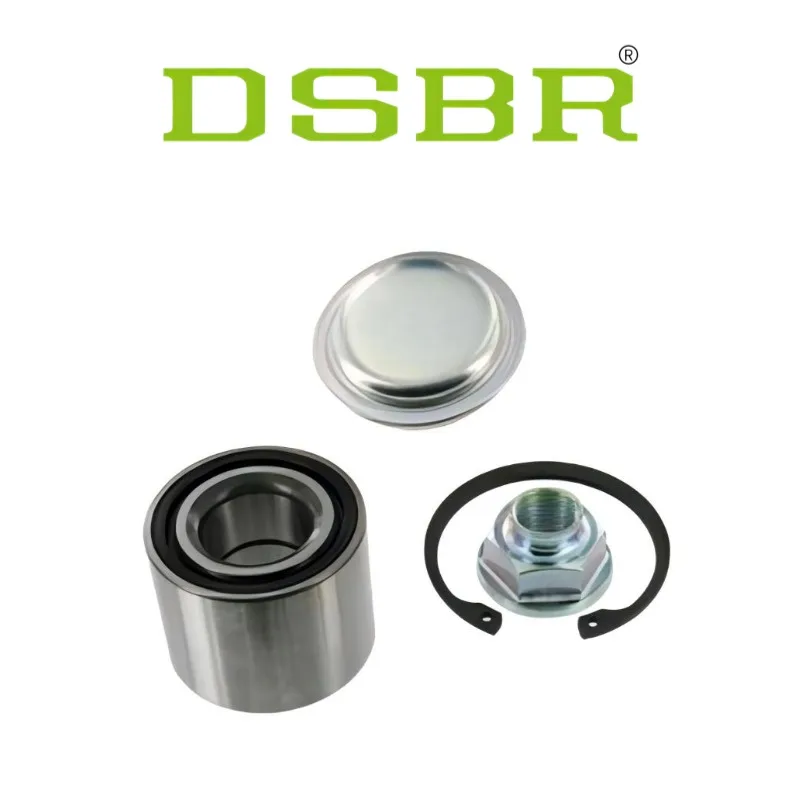
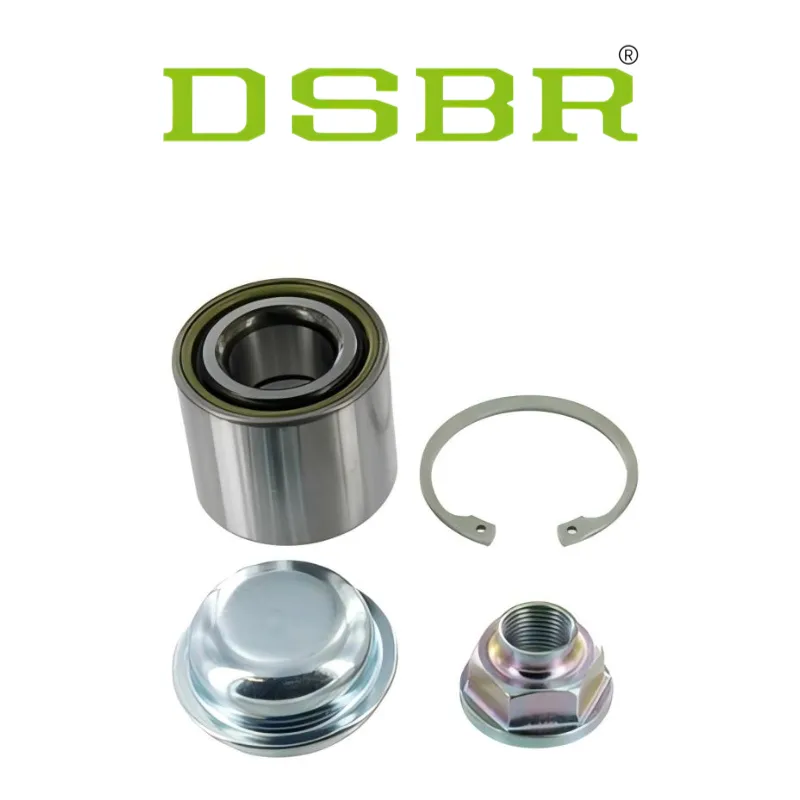
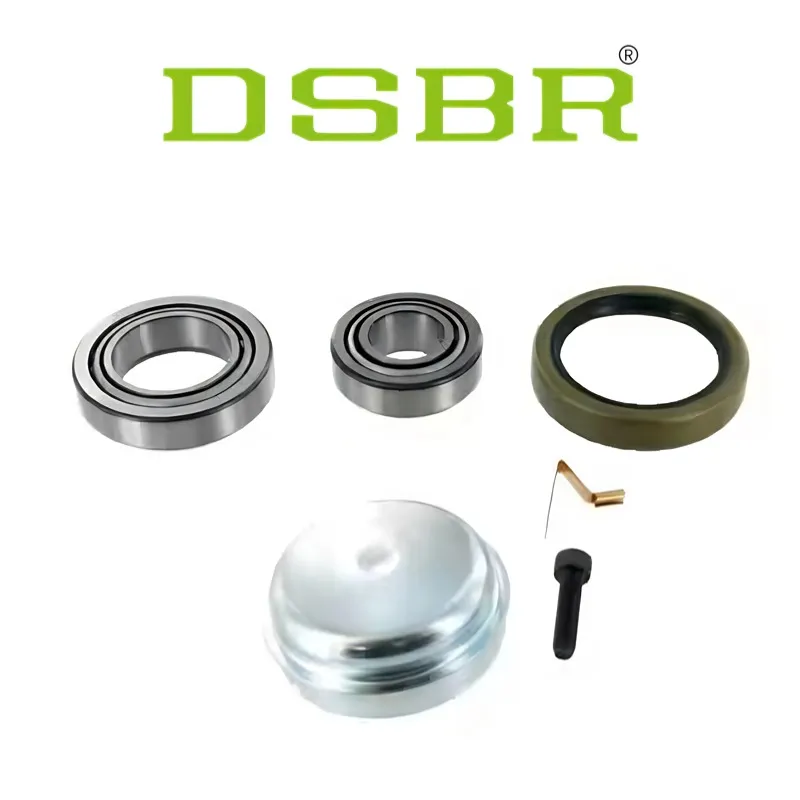
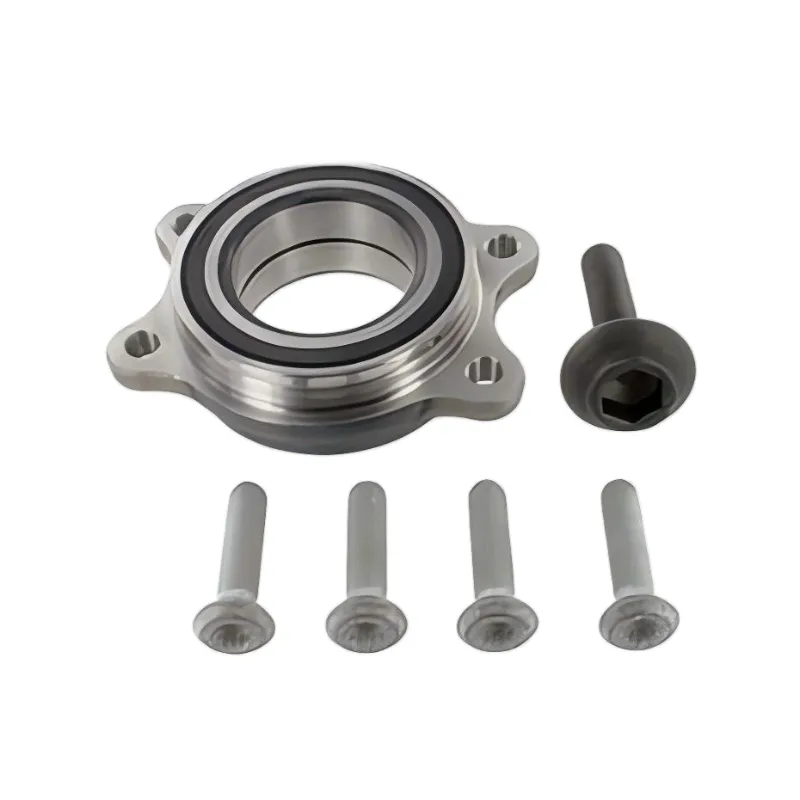
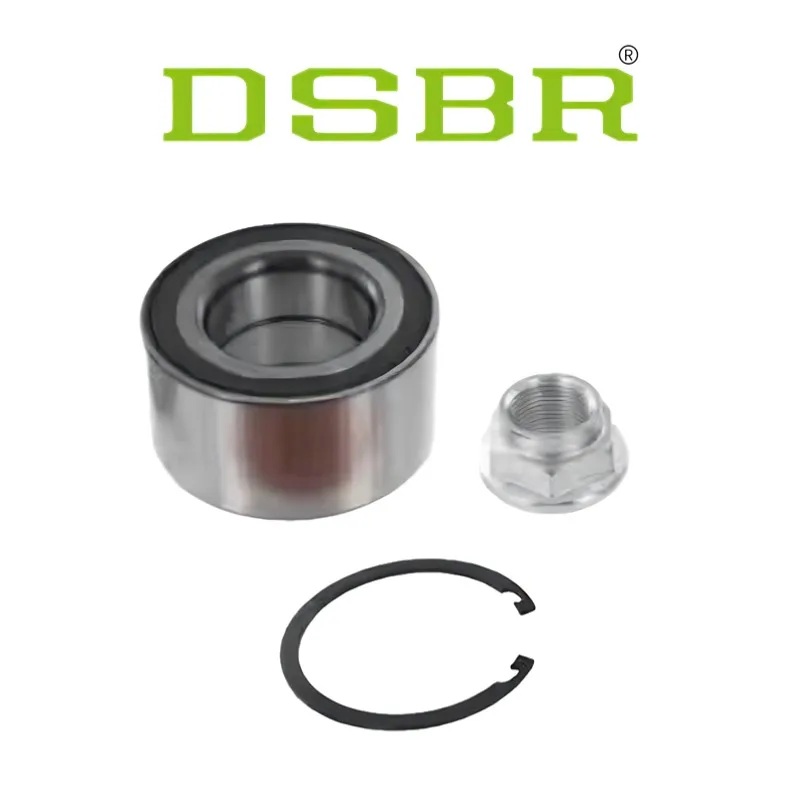
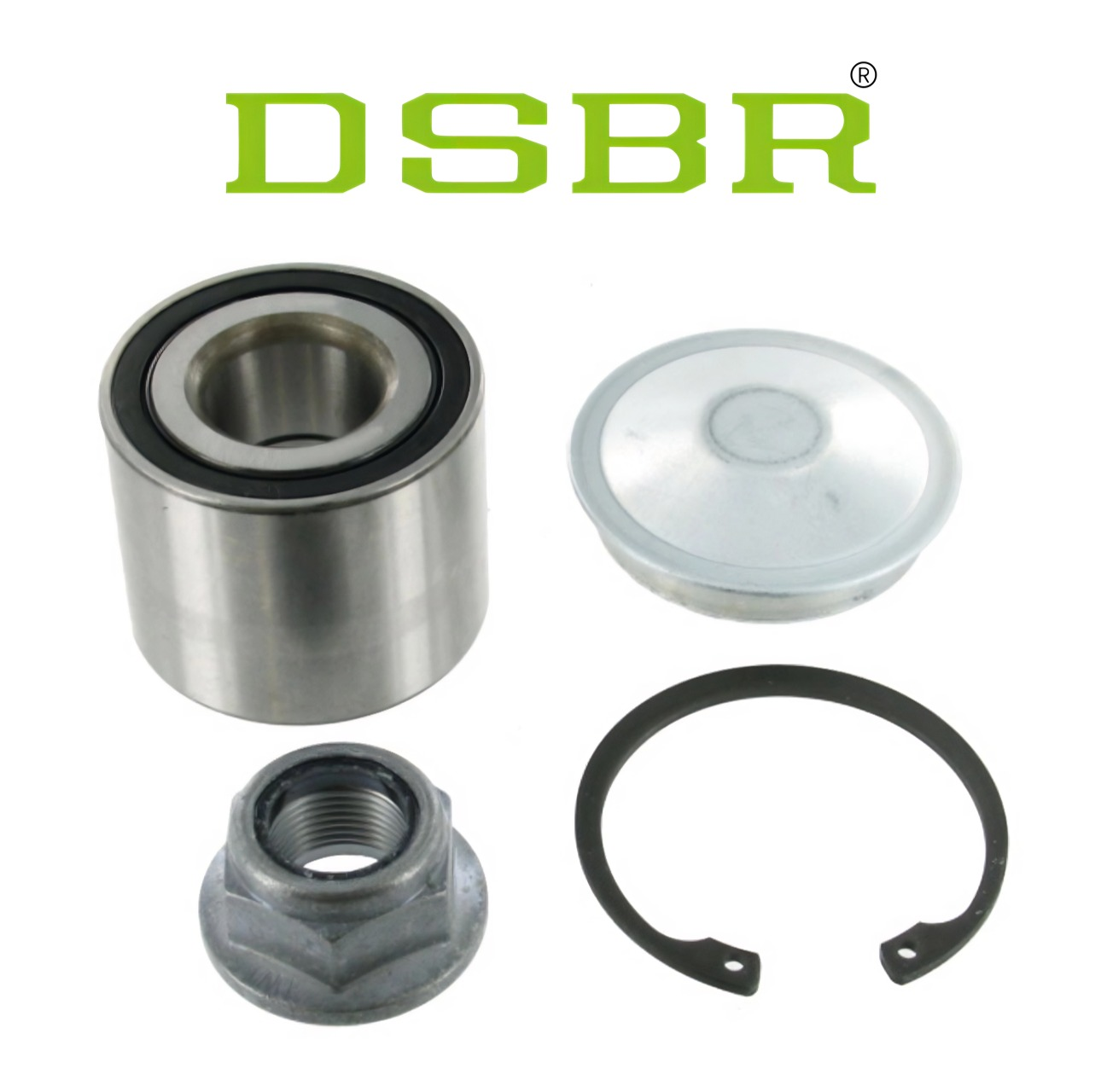
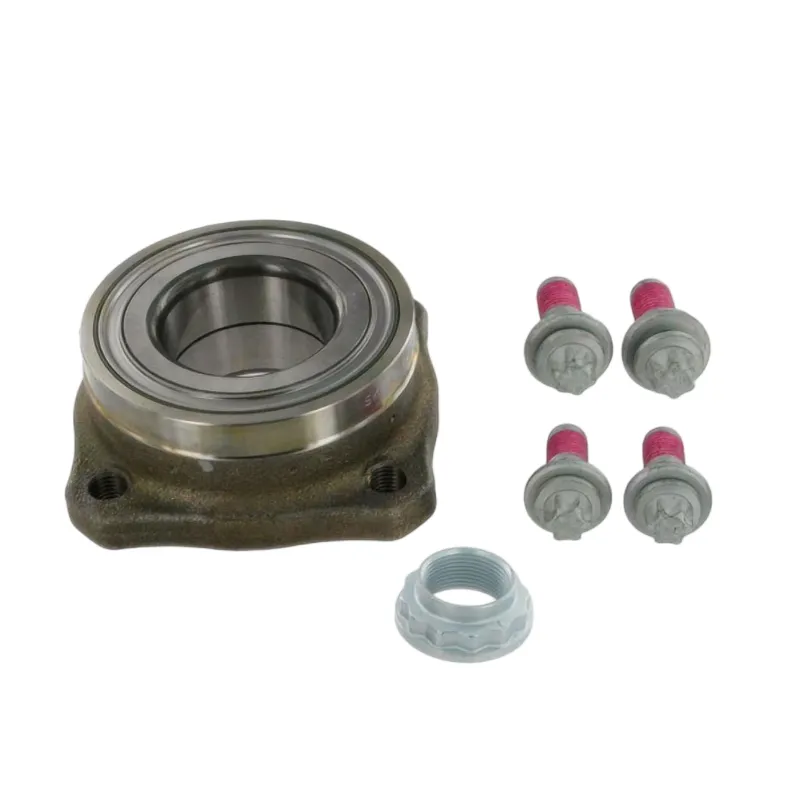
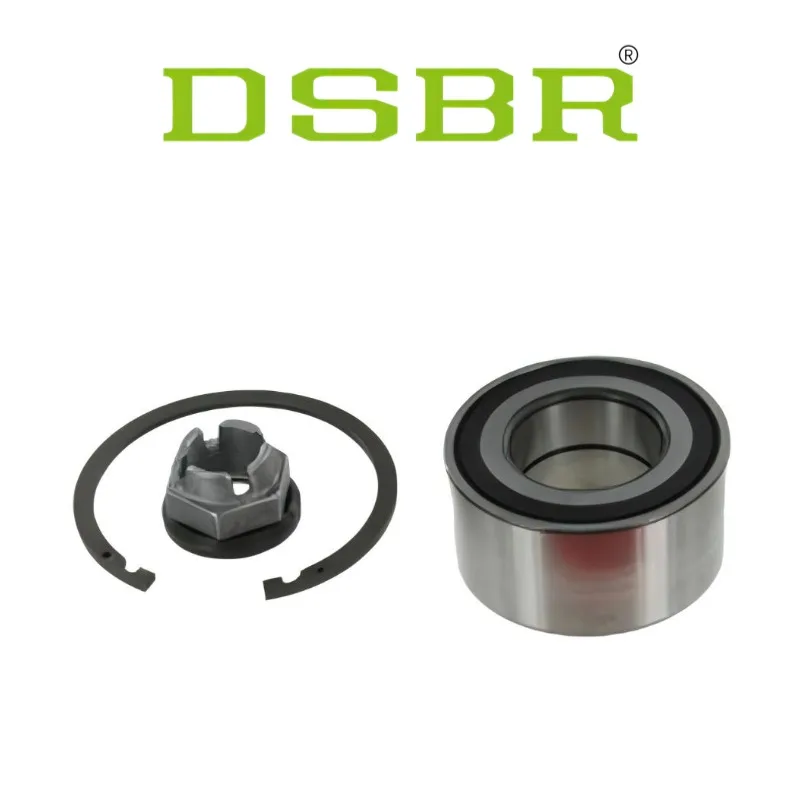
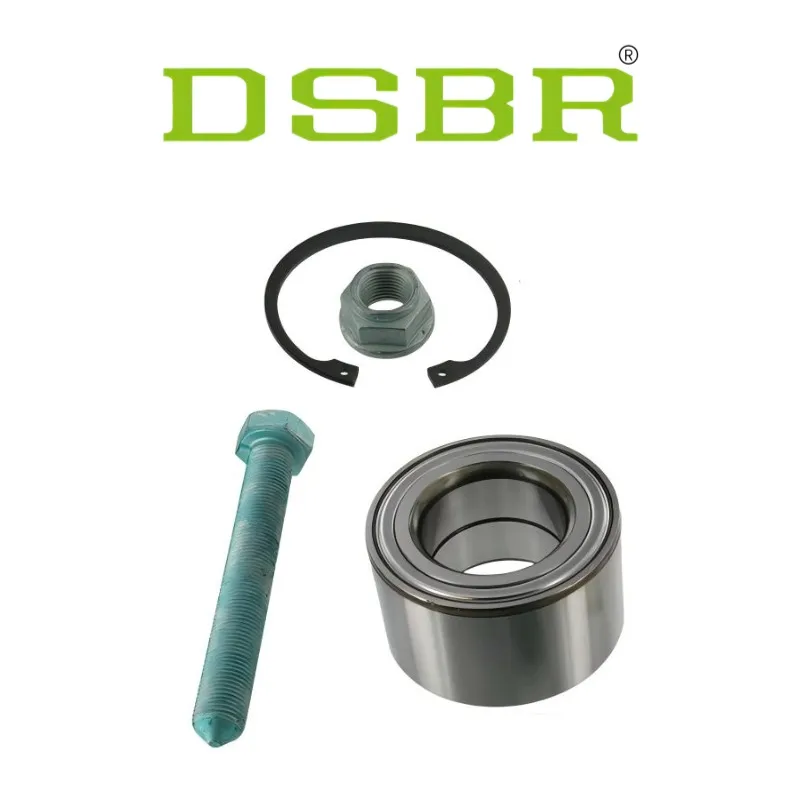
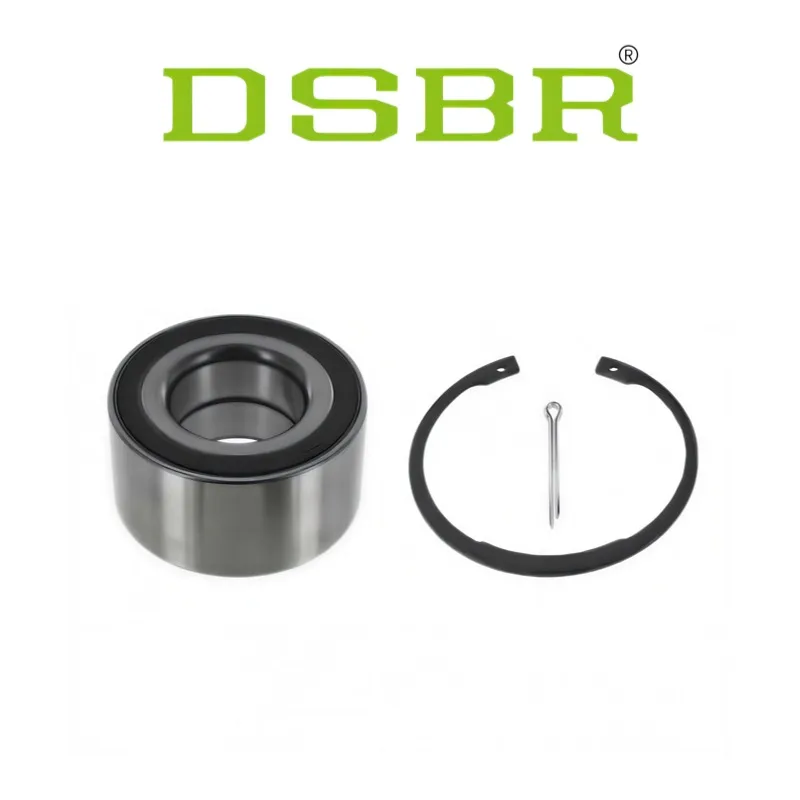
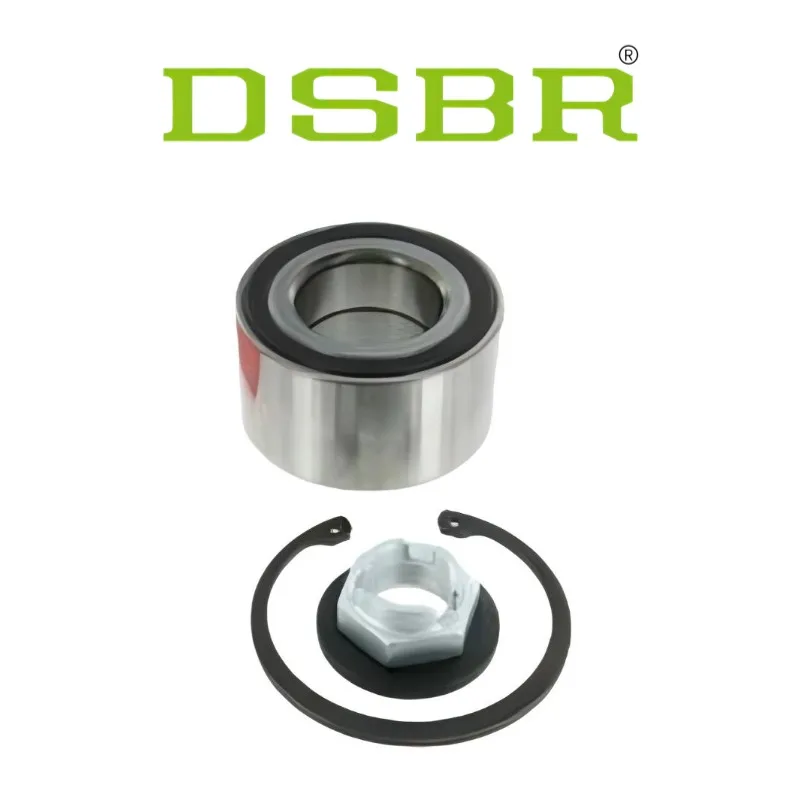
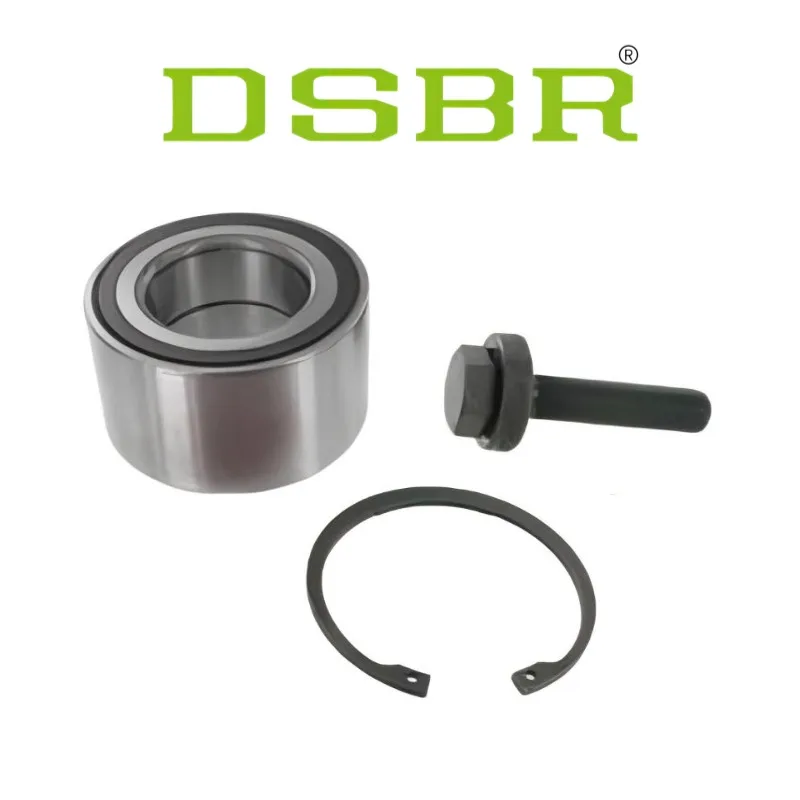
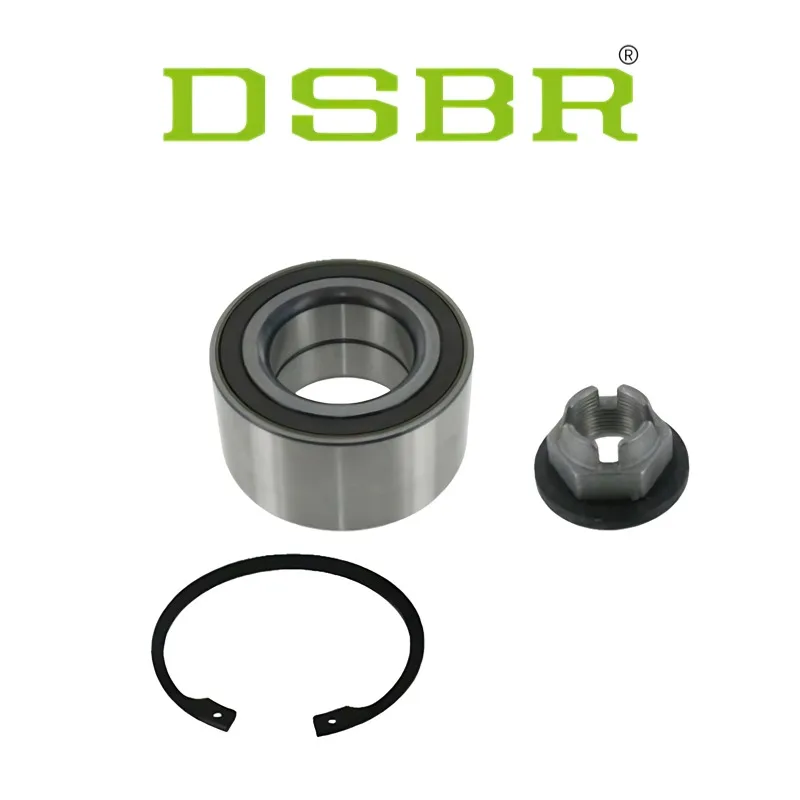
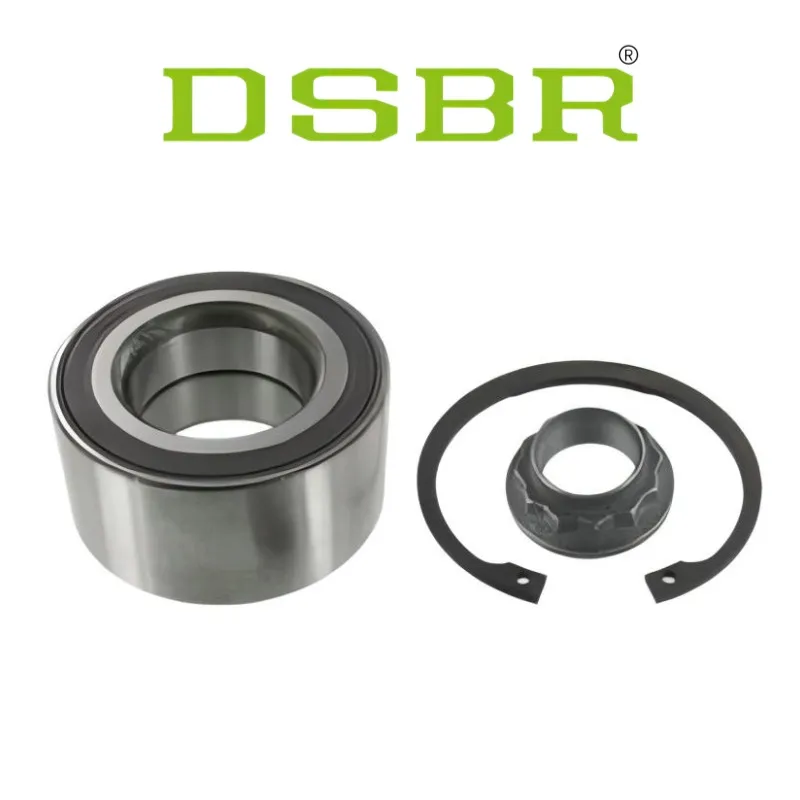
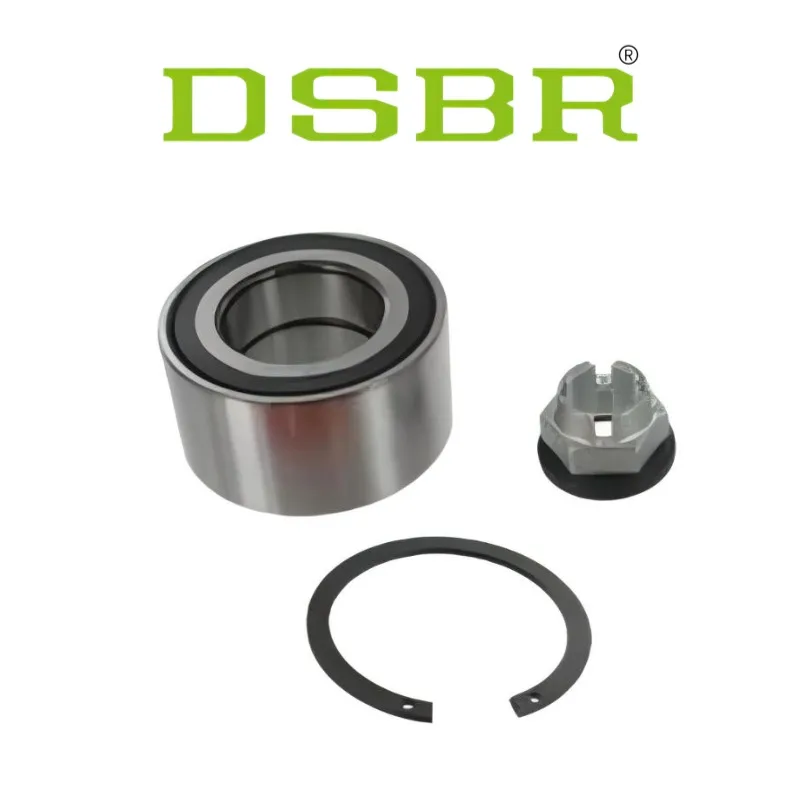
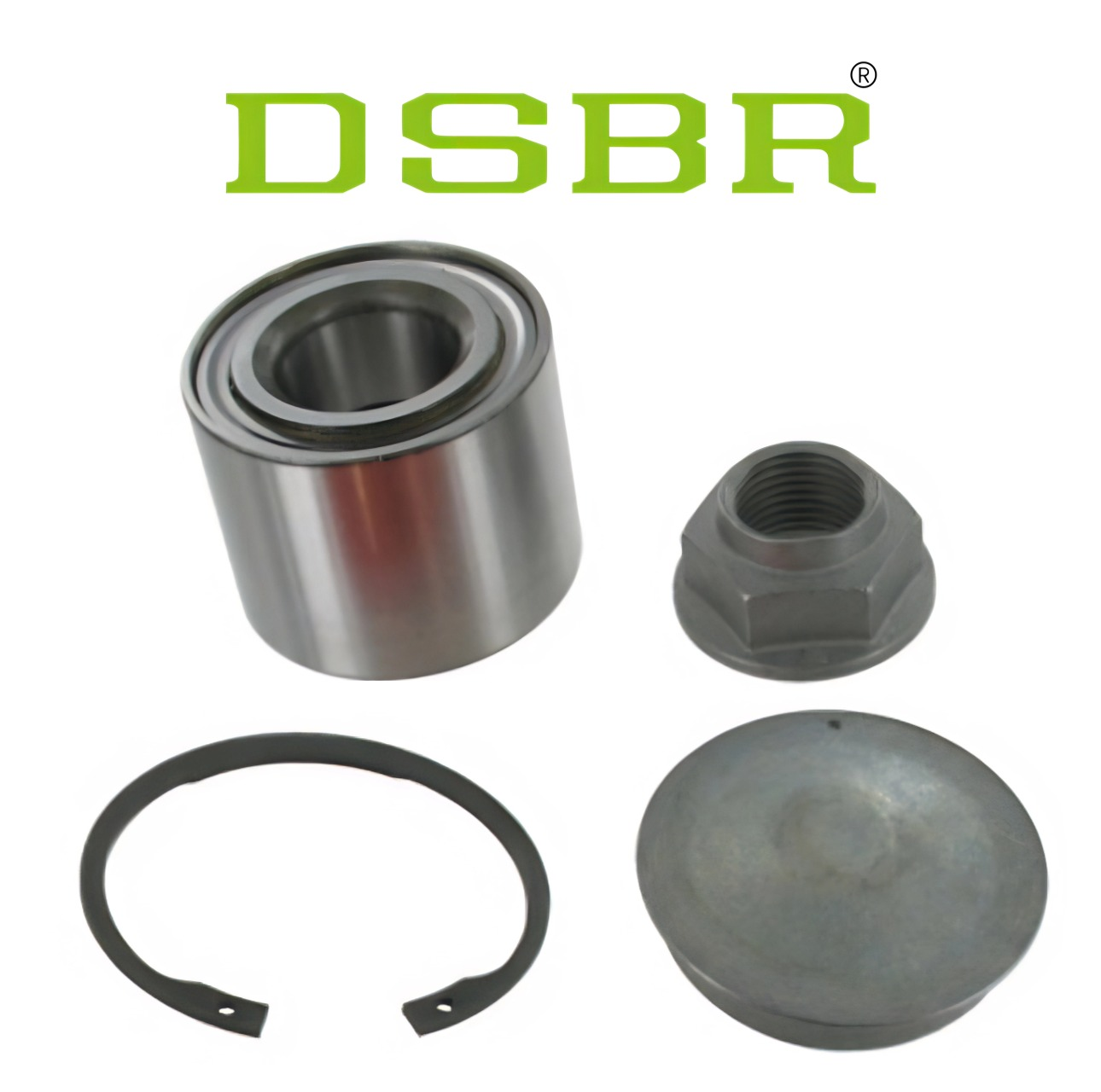
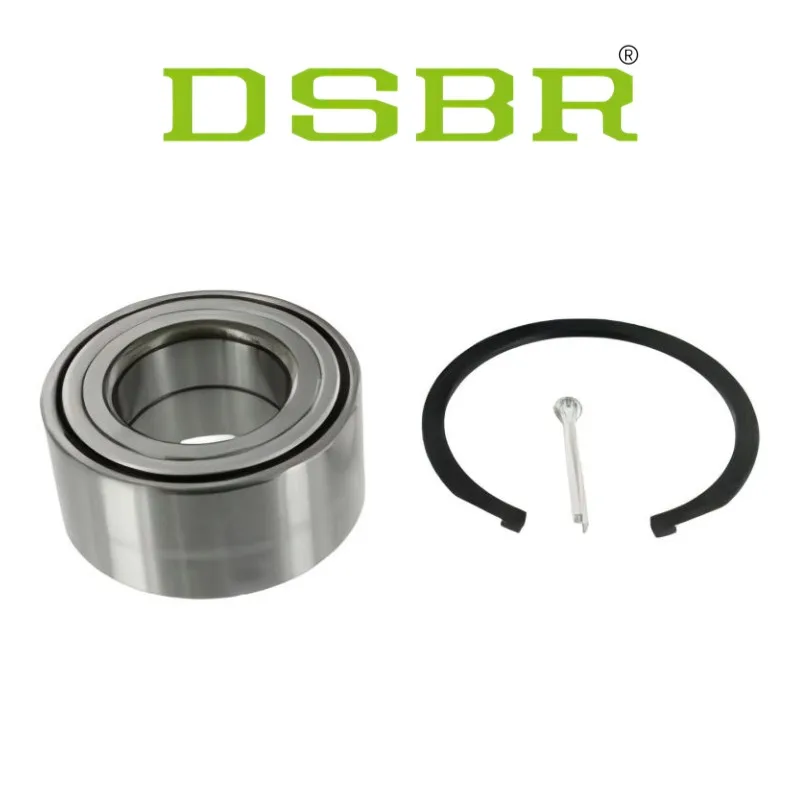
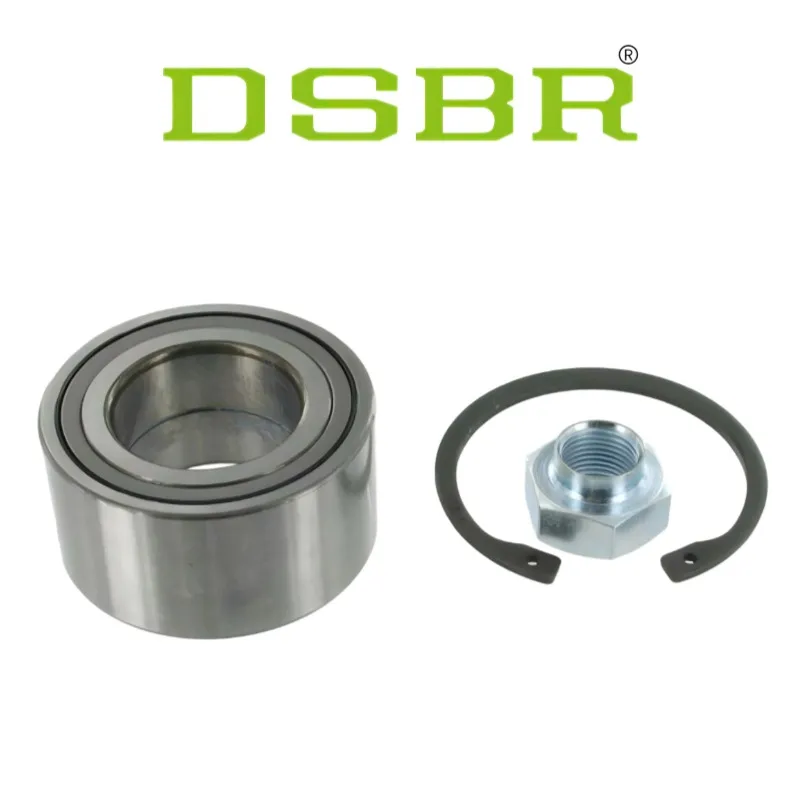
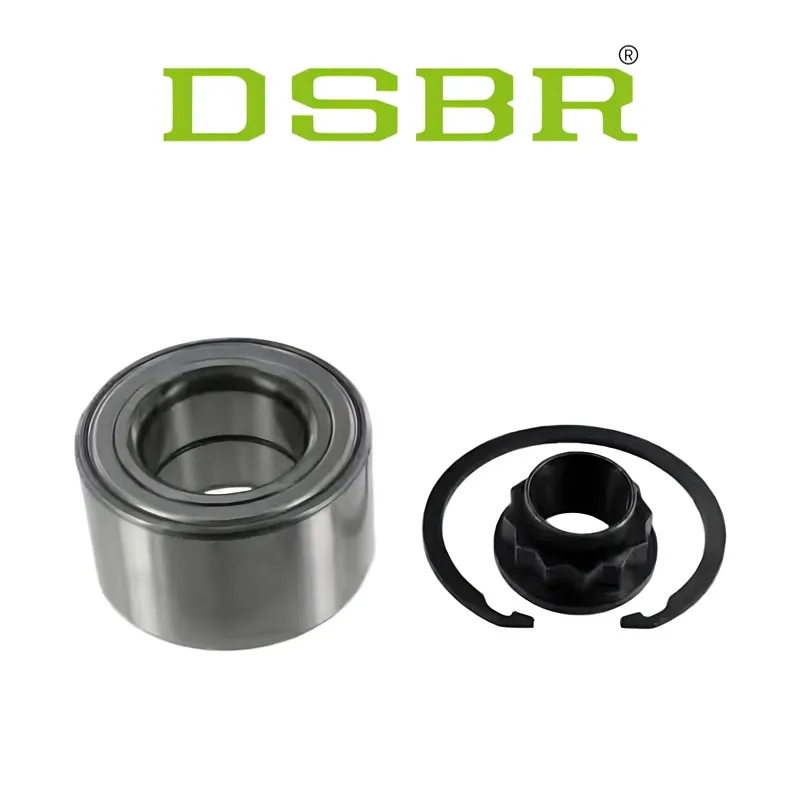
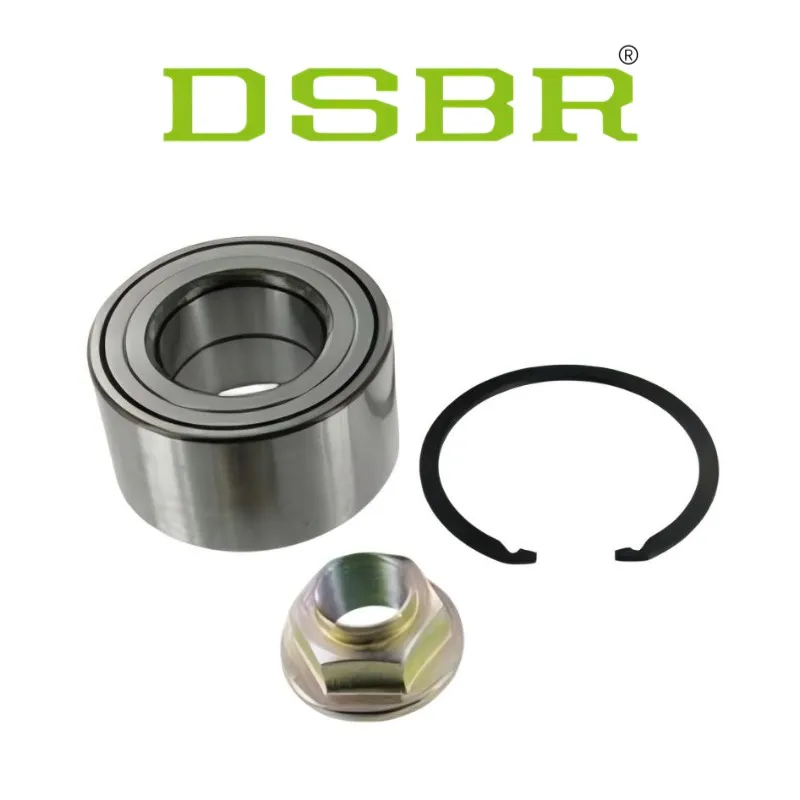
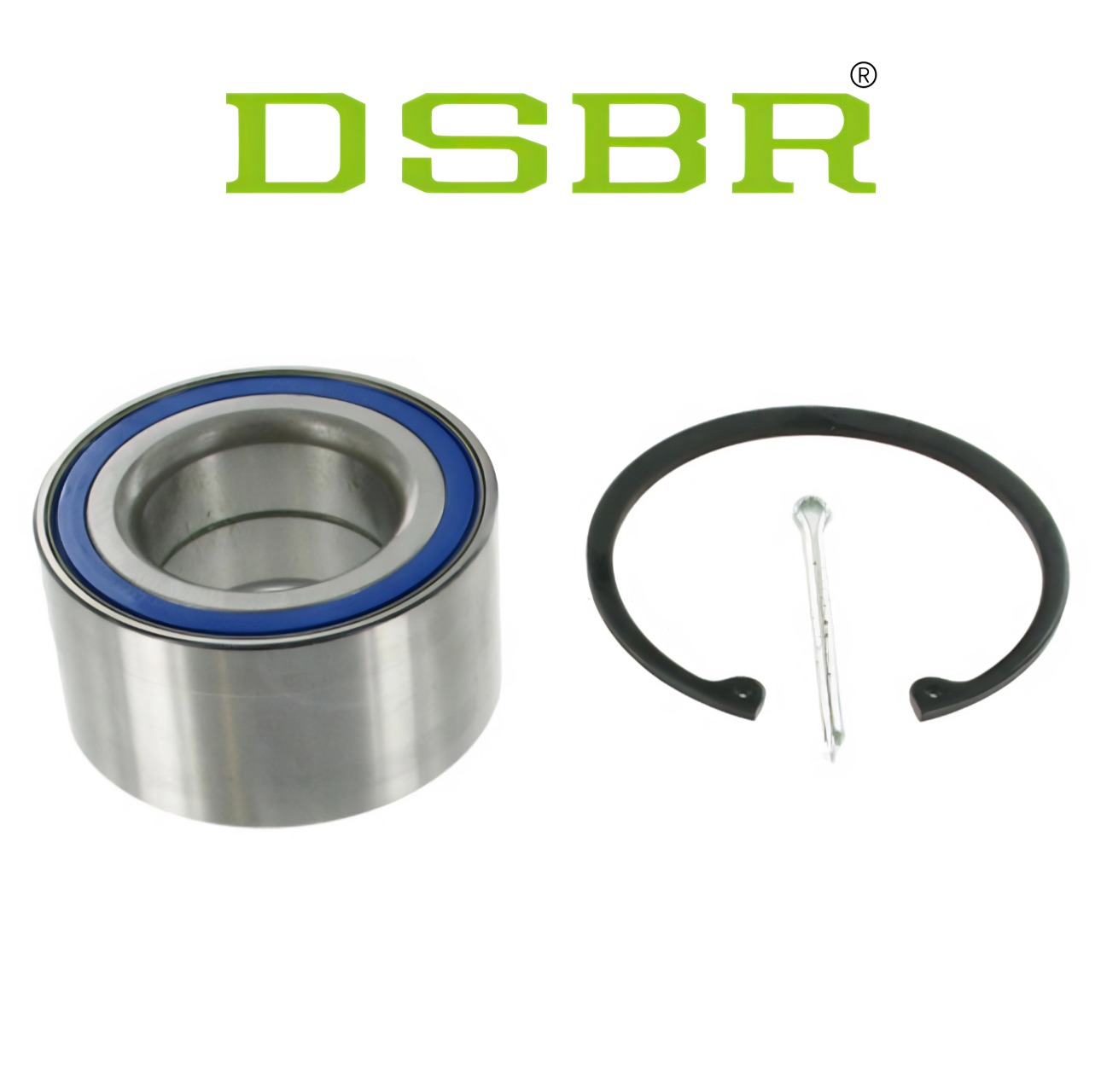
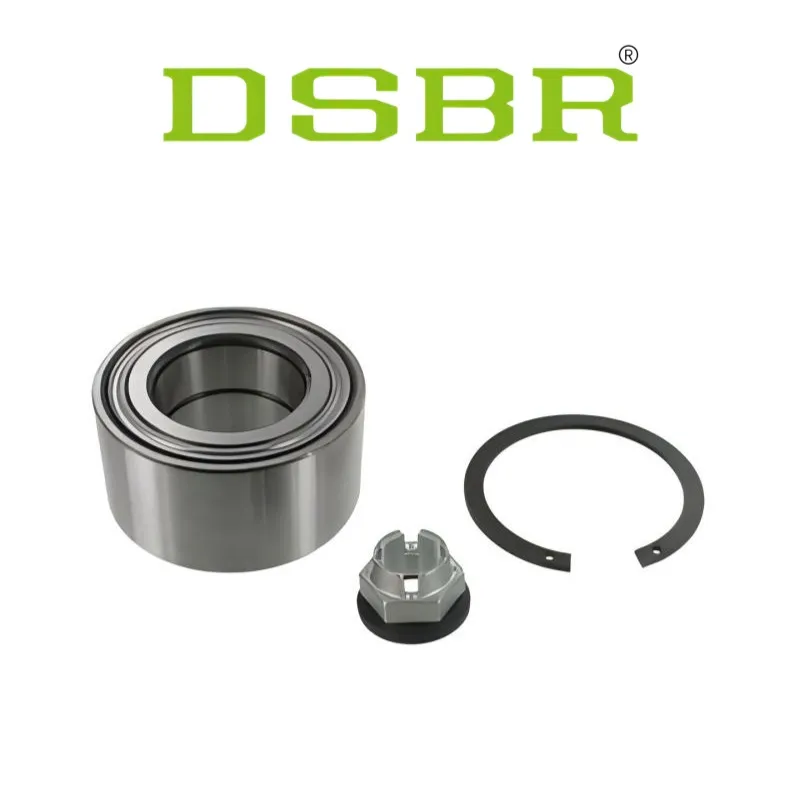
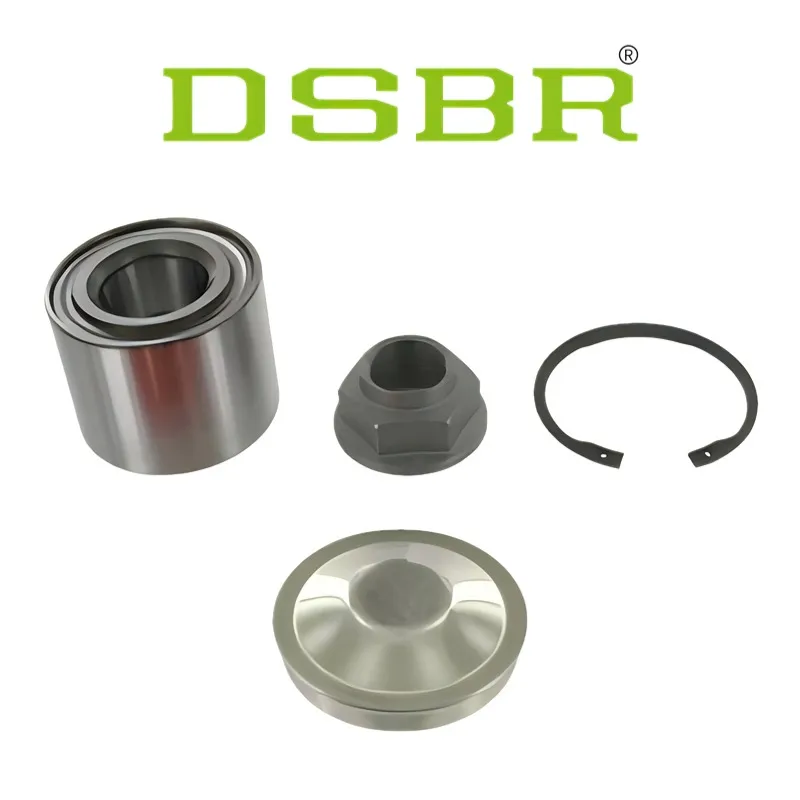
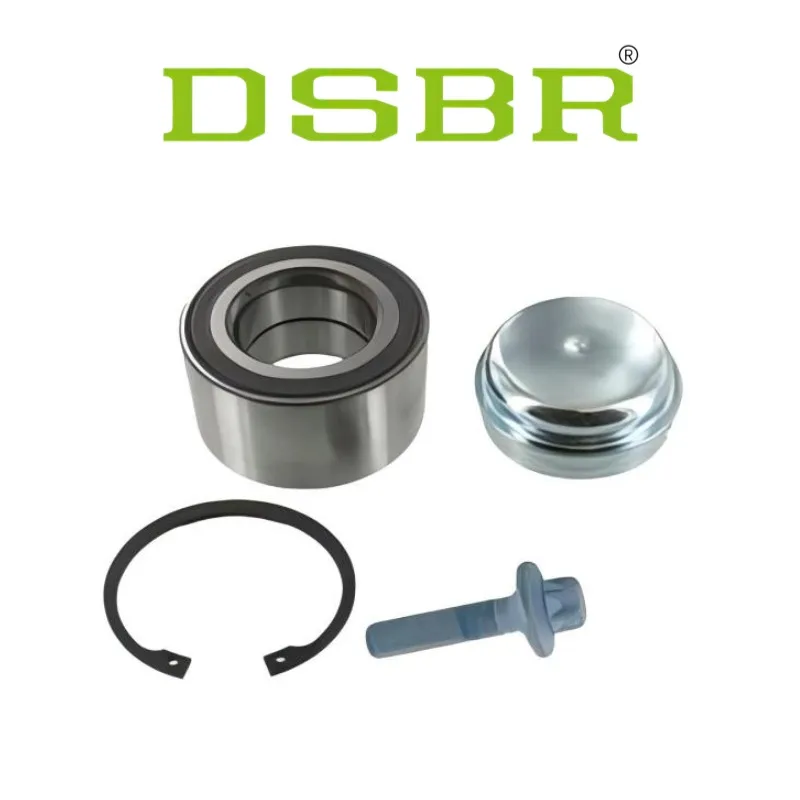
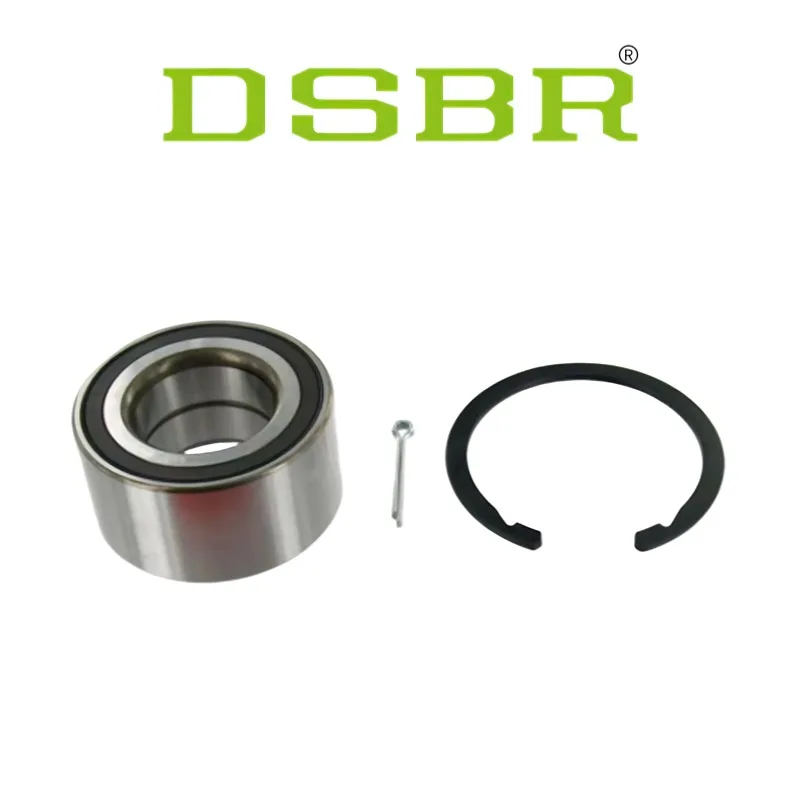
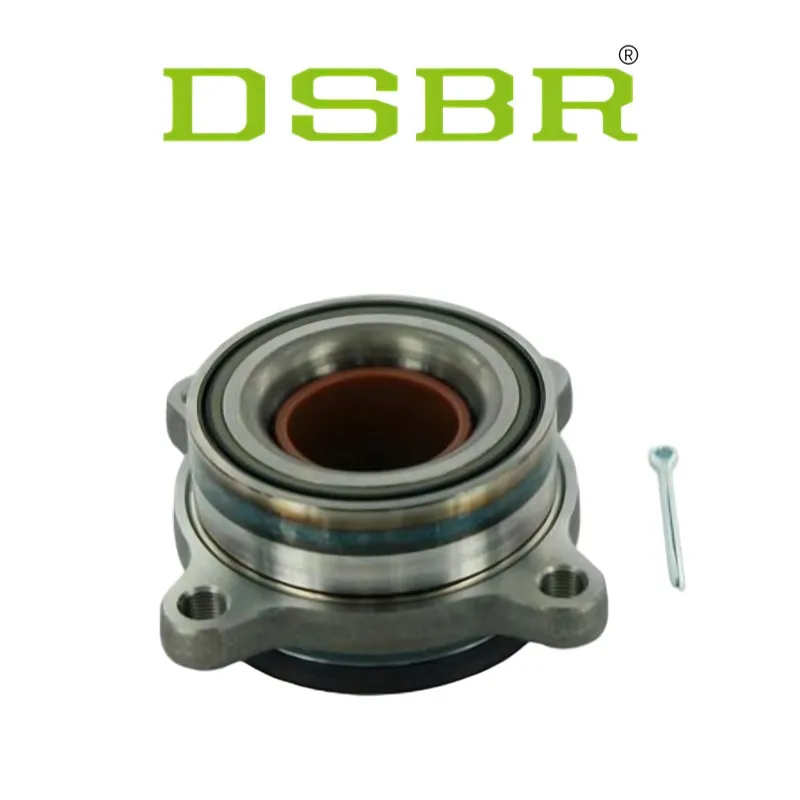
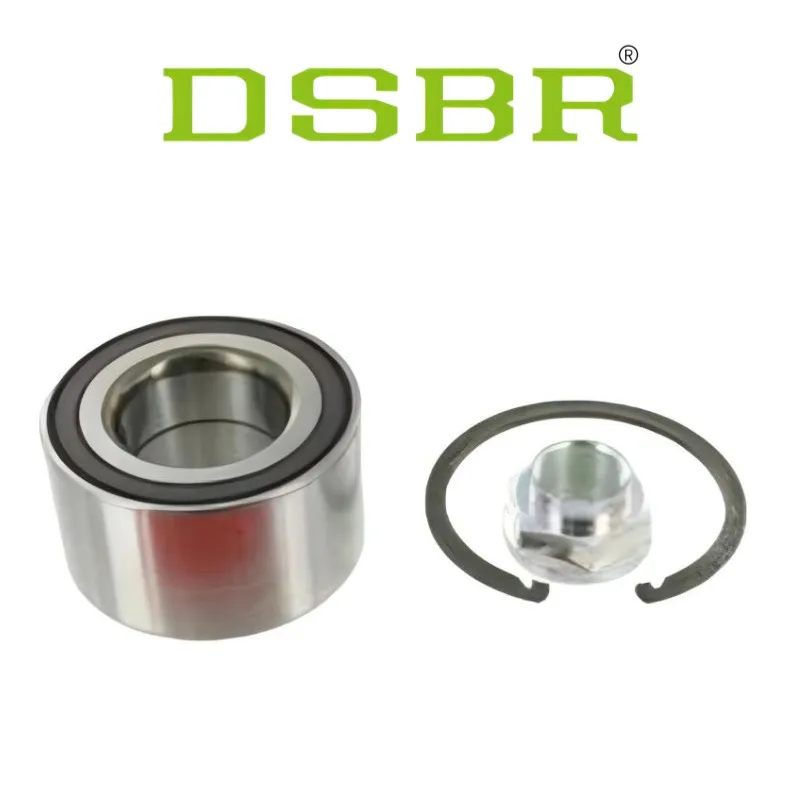
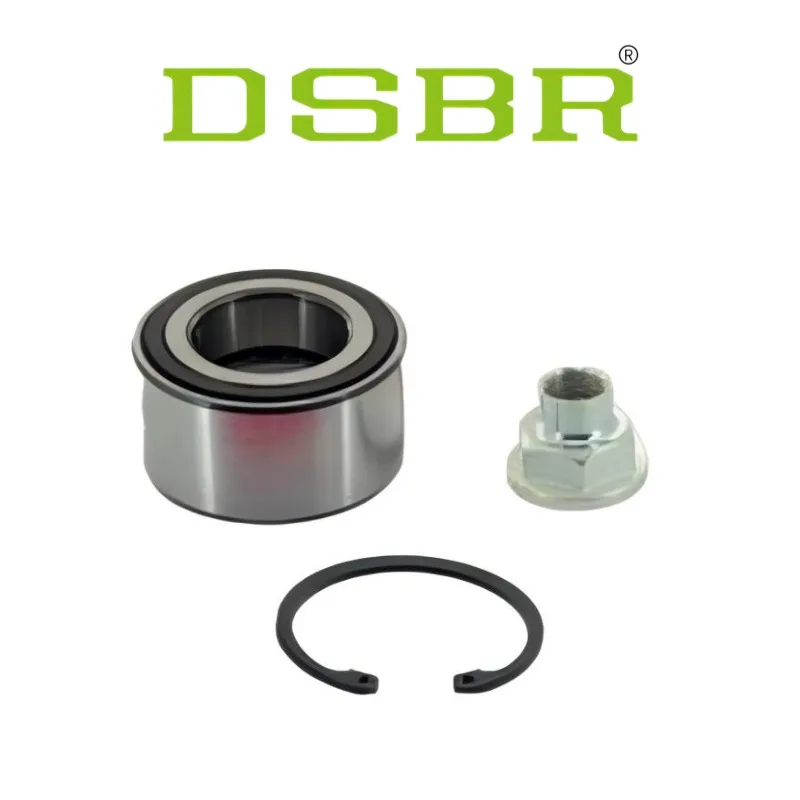
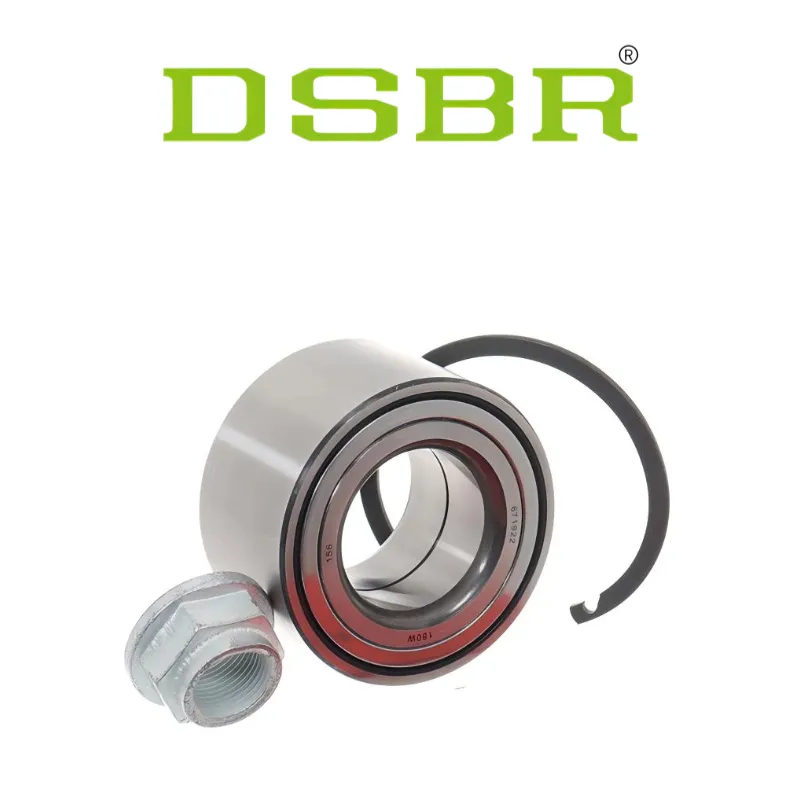
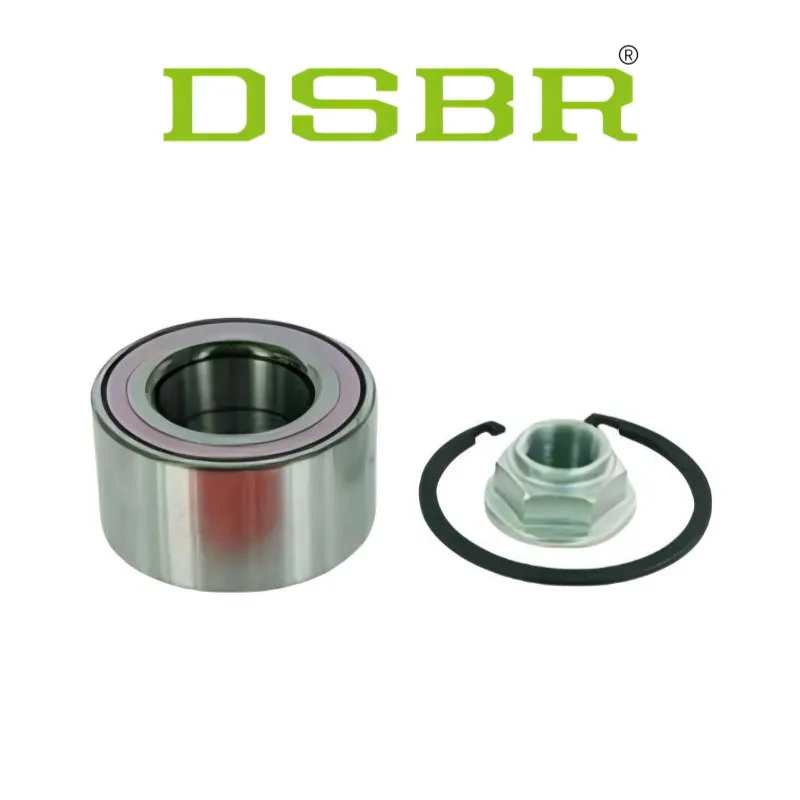
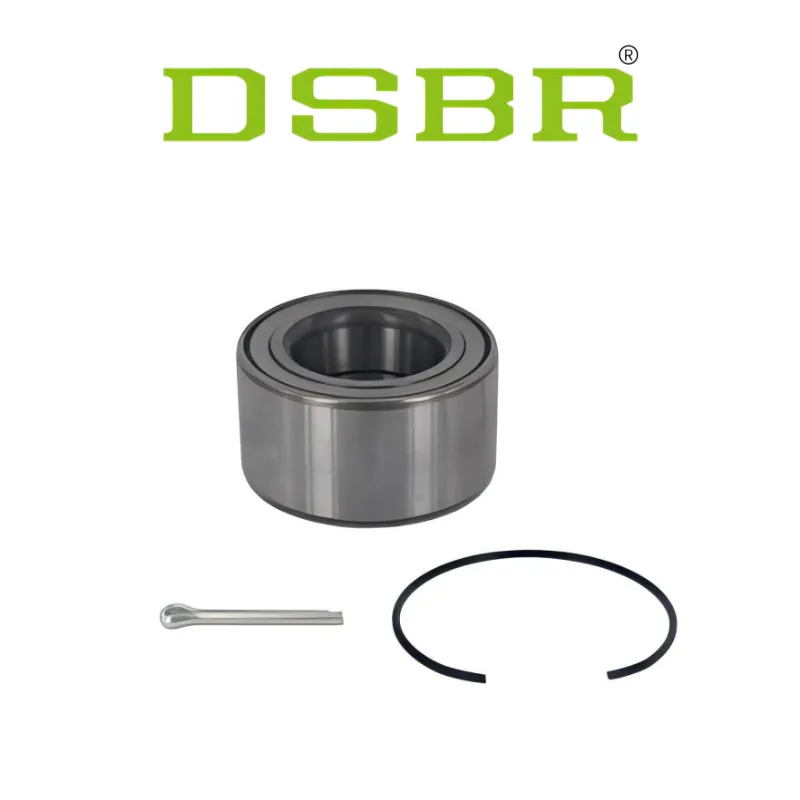
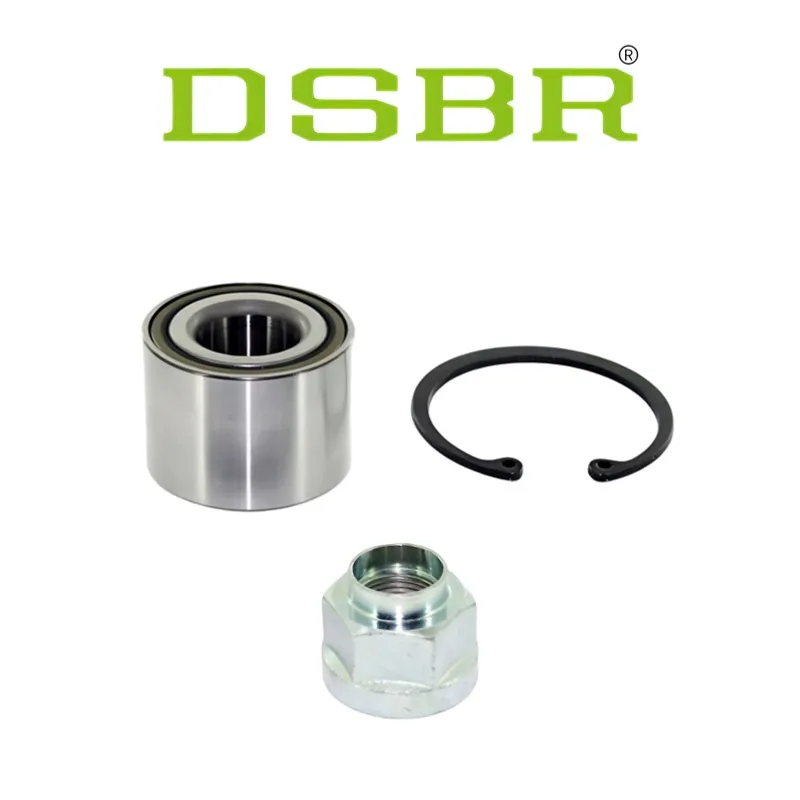
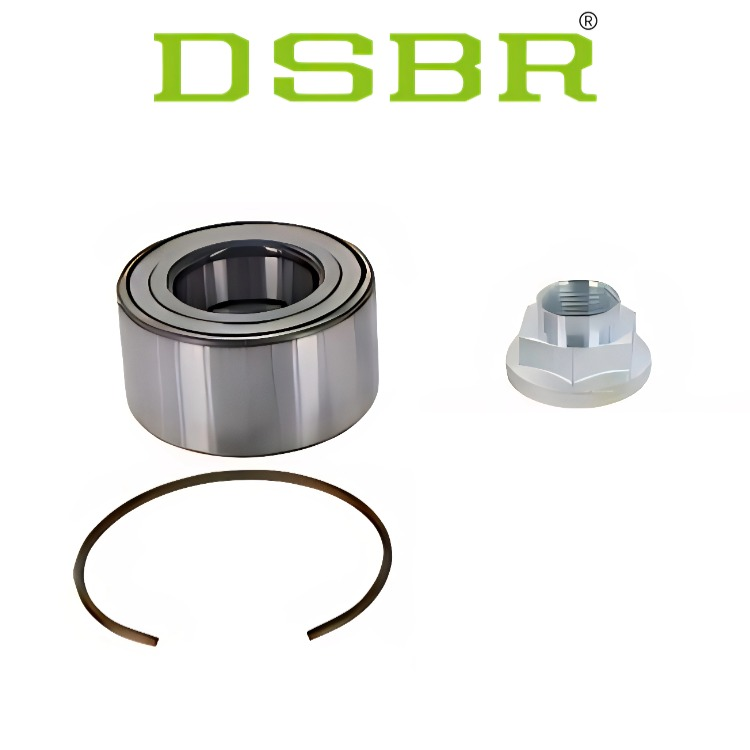
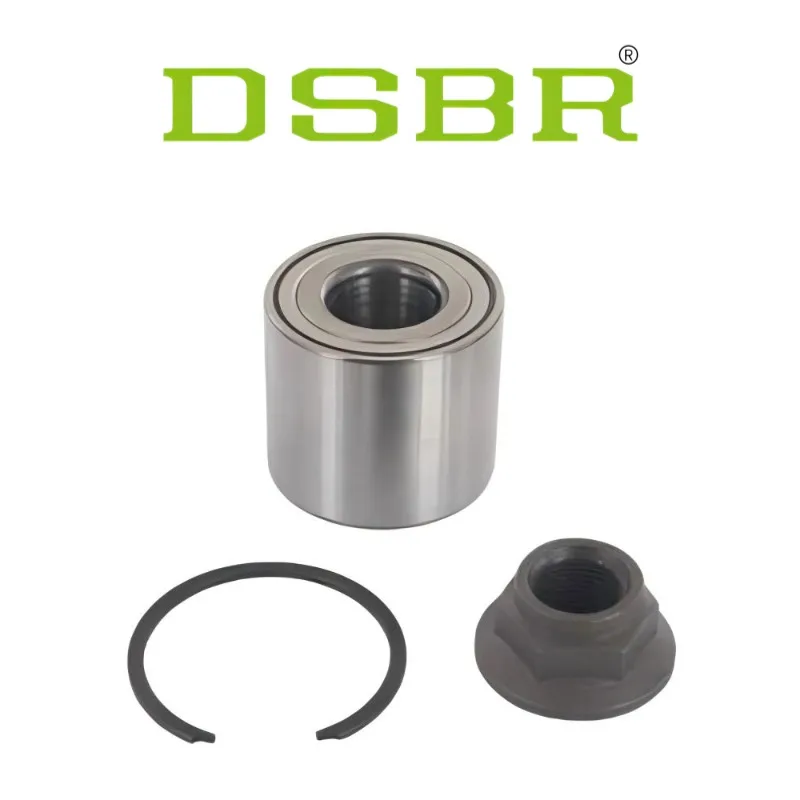
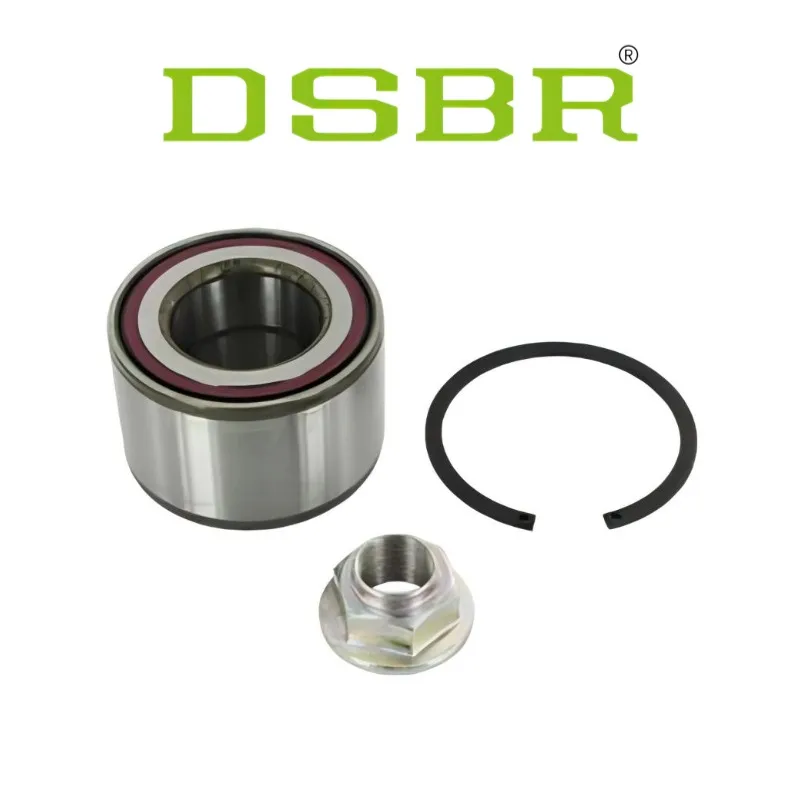
Whether you are sourcing deep groove ball bearings, tapered roller bearings, double-row angular contact bearings, or wheel hub bearings, our engineering team can help you identify suitable SKF equivalents based on your application requirements.
Contact DSBR Bearings today for technical assistance and quotation support.
Related Articles

 CN
CN
 EN
EN
 ko
ko  fr
fr  de
de  es
es  it
it  ru
ru  pt
pt  ar
ar  vi
vi  tr
tr  th
th  fi
fi  hi
hi  id
id  no
no 


.jpg)





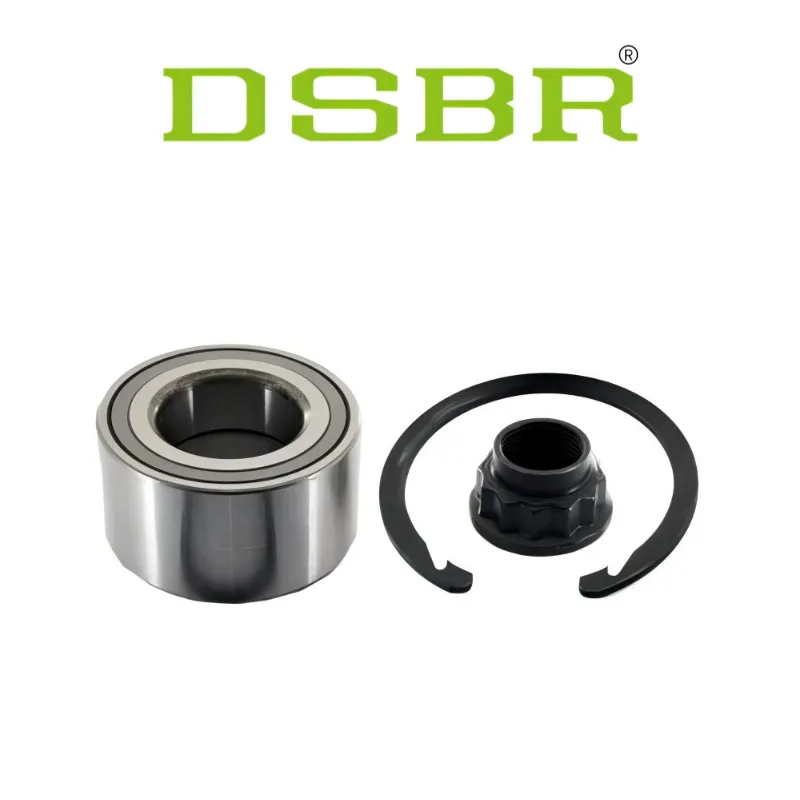
.webp "VKBA 3682-Wheel Bearing Kit")

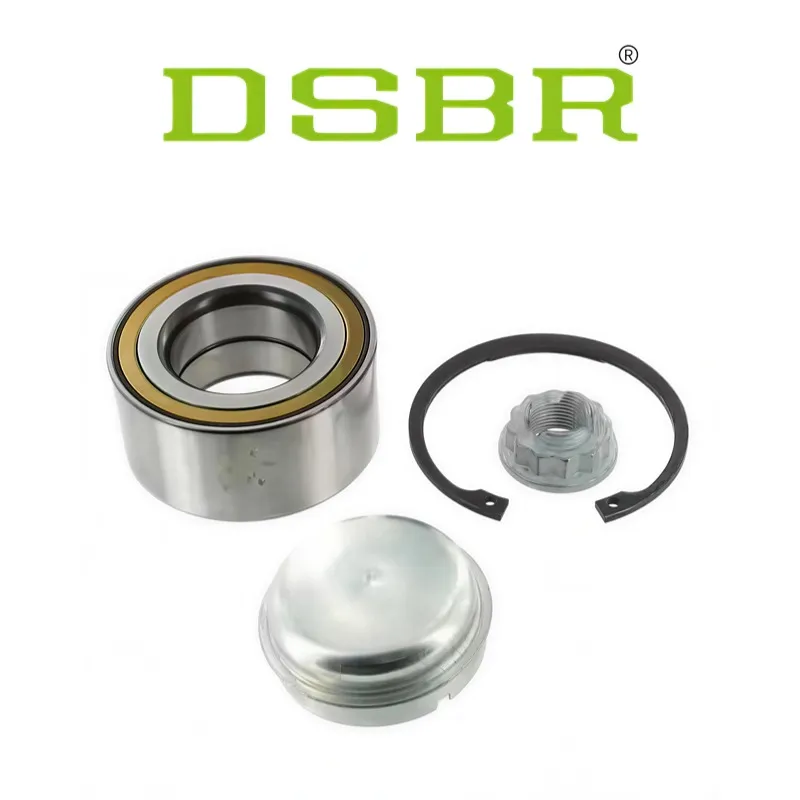
.webp "VKBA 6520-Wheel Bearing Kit")



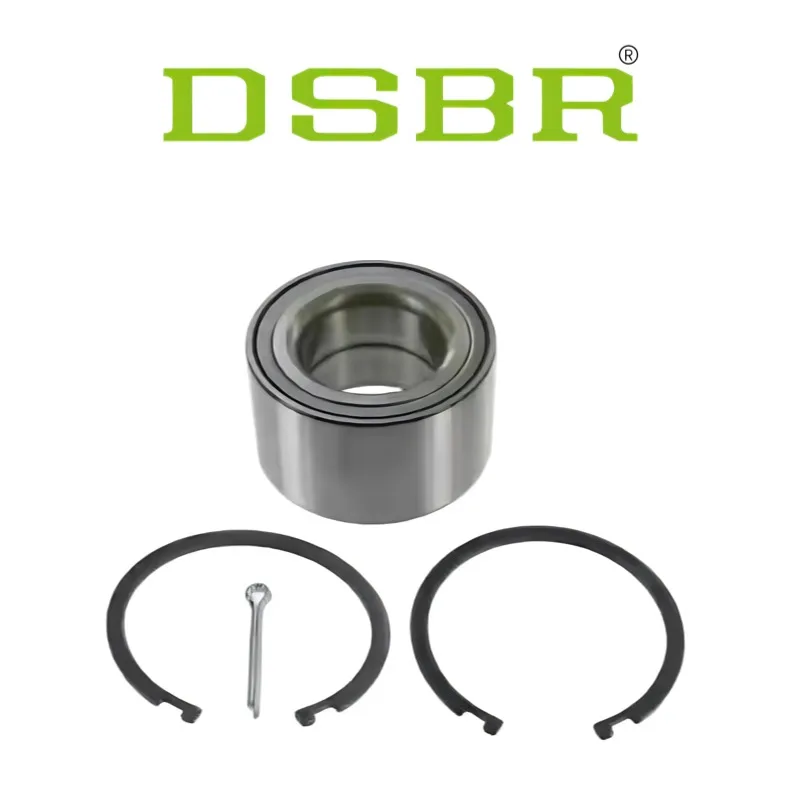
.webp "VKBA 906-Wheel Bearing Kit")