Understanding Bearing Axial Load
Just as understanding radial loads is essential when selecting bearings, understanding axial load is equally important for ensuring reliable equipment performance and maximizing bearing service life.
Axial forces are present in a wide range of industrial applications, including automotive wheel hubs, gearboxes, pumps, conveyors, and mining machinery. Proper management of these forces helps prevent premature bearing failures, reduces maintenance costs, and improves overall system efficiency.
What Is Bearing Axial Load?
Axial load, also known as thrust load, is a force acting parallel to the shaft centerline and bearing axis.
Unlike radial load, which acts perpendicular to the shaft, axial load pushes or pulls along the direction of the shaft. Depending on the operating conditions, the force may act in one direction or alternate between both directions.
When a bearing is subjected to axial loading, the internal rolling elements and raceways must absorb and distribute the force efficiently. If the bearing is not designed to accommodate the required thrust load, excessive stress can occur, leading to increased wear, higher operating temperatures, and shortened bearing life.
For this reason, evaluating axial load requirements is a critical step in bearing selection and application design.
External Factors Affecting Bearing Axial Load
Several operating conditions can influence the amount of axial force applied to a bearing.
Applied Mechanical Forces
Loads generated during machine operation are one of the primary sources of axial force. Helical gears, screw drives, and fluid pressure systems frequently create thrust loads that must be supported by the bearing arrangement.
Operating Environment
Harsh environments can indirectly affect axial loading conditions. High temperatures, heavy contamination, and continuous operation may increase internal stress and reduce the bearing's ability to handle thrust loads effectively.
Shock Loads and Vibration
Equipment operating under severe vibration or impact conditions often experiences fluctuating axial forces. Industries such as mining, construction, and heavy transportation frequently encounter these challenges.
Shaft and Housing Misalignment
Improper alignment between shafts and housings can generate additional thrust forces that were not considered in the original design calculations. Over time, this can accelerate bearing fatigue and wear.
Load Direction and Magnitude
The size and direction of the applied force significantly influence bearing performance. Bearings designed for unidirectional axial loads may not perform effectively when subjected to alternating thrust forces.
Internal Factors Influencing Axial Load Capacity
In addition to external operating conditions, several bearing-related factors determine how much axial load can be supported safely.
Bearing Design and Internal Geometry
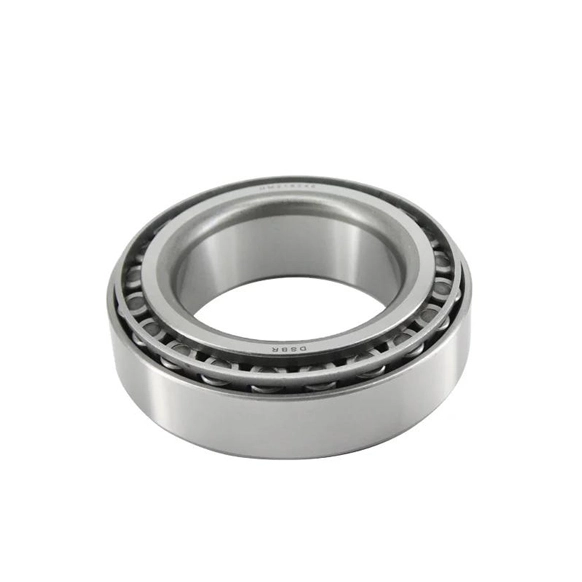
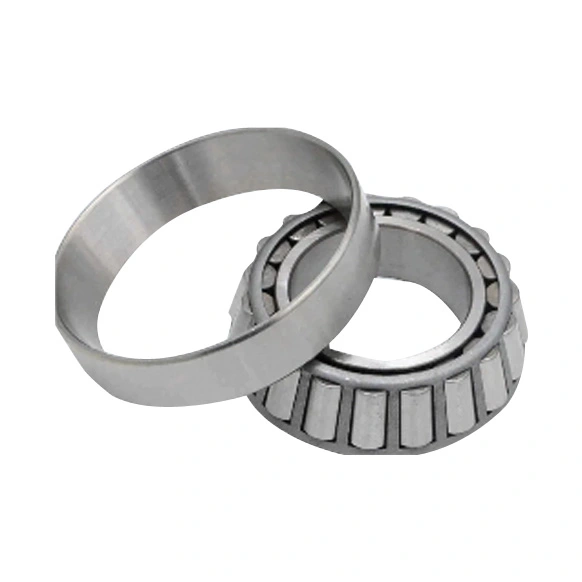
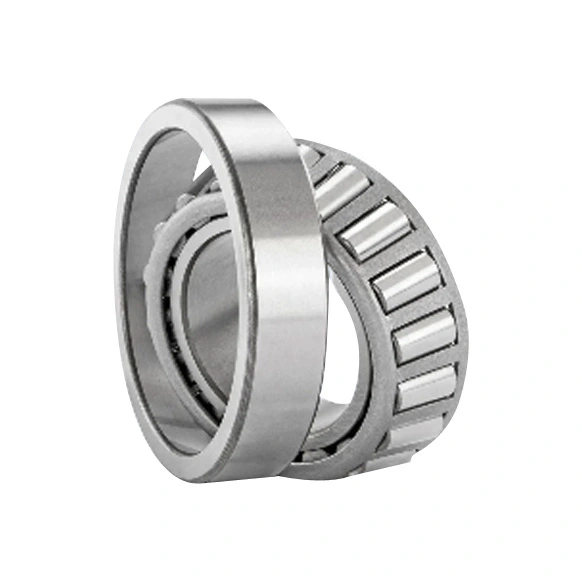
Different bearing types offer different axial load capabilities. Angular contact ball bearings, tapered roller bearings, and thrust bearings are specifically engineered to accommodate thrust forces more effectively than standard deep groove ball bearings.
The contact angle, roller profile, and internal construction all influence load distribution and carrying capacity.
Material Quality
Bearing steel quality directly affects load-carrying capability and durability. High-quality materials provide better hardness, fatigue resistance, and dimensional stability under heavy loads.
Premium bearing materials help maintain performance even under demanding operating conditions.
Lubrication Performance
Lubrication plays a vital role in minimizing friction and reducing heat generation. Proper lubrication creates a protective film between rolling elements and raceways, allowing the bearing to operate under higher axial loads while reducing wear.
Selecting the correct lubricant and maintaining proper lubrication intervals are essential for reliable operation.
Static and Dynamic Load Ratings
Every bearing is assigned static and dynamic load ratings by the manufacturer. These ratings indicate the maximum load levels the bearing can withstand under specific operating conditions.
Engineers should always verify that the selected bearing's load ratings exceed the expected axial forces in the application.
Operating Temperature
Elevated temperatures can affect both bearing materials and lubricants. Excessive heat may reduce lubricant effectiveness, alter internal clearances, and ultimately decrease axial load capacity.
Proper thermal management is therefore critical in high-speed or high-load applications.
Why Understanding Axial Load Matters
Accurately evaluating axial load requirements helps engineers select the right bearing type, optimize equipment reliability, and prevent costly downtime.
Whether in automotive wheel hub assemblies, industrial gearboxes, or mining equipment, understanding how axial forces interact with bearing design is essential for achieving long-term performance and operational efficiency.
How to Calculate and Evaluate Bearing Axial Load
Accurately determining axial load is essential for selecting the correct bearing and ensuring reliable machine operation. An incorrect load assessment can result in premature bearing wear, reduced service life, and unexpected equipment downtime.
The following process can be used to evaluate axial loads in most bearing applications.
Understand the Source of Axial Forces
The first step is to identify how thrust forces are generated within the system. Common sources include helical gears, screw drives, hydraulic pressure, belt tension, and external operating forces.
Since axial load acts parallel to the shaft centerline, any force pushing or pulling along the shaft direction should be considered during the analysis.
Identify All Applied Loads
Engineers must account for every force acting on the assembly. These may include:
A complete understanding of these forces provides the foundation for accurate load calculations.
Evaluate Load Distribution
In systems using multiple bearings, axial forces are rarely carried by a single bearing. The load distribution depends on factors such as bearing arrangement, shaft design, mounting methods, and operating conditions.
Understanding how the load is shared between bearings helps prevent localized overloading.
Determine the Direction of the Force
Because axial loads can act in either direction along the shaft axis, it is important to establish whether the force is unidirectional or bidirectional.
Applications with reversing loads may require bearings specifically designed to accommodate thrust forces from both directions.
Calculate the Resulting Axial Load
For simple applications, the net axial load can be calculated using force equilibrium principles.
When a force acts directly along the shaft axis, the axial load is equal to the magnitude of that force.
If the force acts at an angle to the shaft, only the force component parallel to the shaft contributes to the axial load. Engineers typically use trigonometric calculations to determine this component.
For more advanced machinery involving multiple shafts, bearings, and force directions, load calculations often require detailed static and dynamic analysis.
Use Engineering Simulation Tools
Modern engineering software can greatly improve load calculation accuracy.
Finite Element Analysis (FEA) and bearing simulation programs allow engineers to evaluate complex load conditions, deformation behavior, stress distribution, and bearing performance before equipment enters service.
These tools are particularly valuable for demanding applications such as mining equipment, automotive drivetrains, wind turbines, and industrial gearboxes.
Methods for Managing Bearing Axial Load
Once the expected thrust load has been determined, proper management becomes critical for ensuring bearing reliability and service life.
Select Bearings Designed for Axial Loads
Different bearing types offer different thrust load capacities.
Common choices include:
Selecting a bearing specifically engineered for axial loading helps improve load distribution and operational stability.
Verify Load Capacity Requirements
The selected bearing's dynamic and static load ratings should always exceed the expected operating loads.
Maintaining an adequate safety margin helps protect the bearing against unexpected peak loads and operating variations.
Apply Proper Preload
In some applications, bearing preload is used to eliminate internal clearance and improve system rigidity.
Proper preload can reduce vibration, improve running accuracy, and enhance axial load control. However, excessive preload may increase friction and heat generation.
Optimize Bearing Arrangement
Bearing arrangement has a major impact on thrust load management.
Back-to-back, face-to-face, and tandem configurations each provide different load-carrying characteristics and should be selected according to application requirements.
Reduce Excessive Axial Forces
System designers can often minimize thrust loads through improved gear design, shaft arrangement, or load distribution methods.
Using multiple bearings to share the load may also reduce stress on individual bearings.
Consequences of Improper Axial Load Control
Poor axial load management can significantly reduce bearing performance and equipment reliability.
Excessive Axial Load
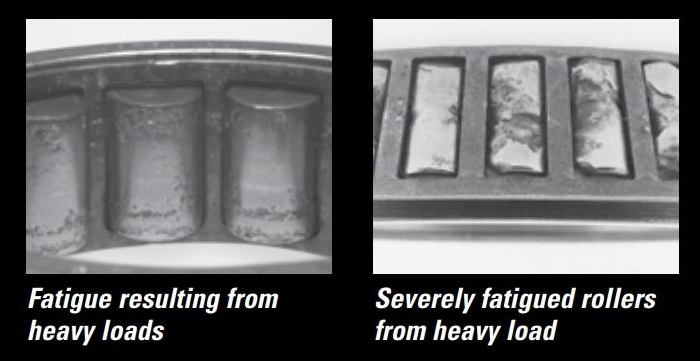
When thrust forces exceed the bearing's design limits, several problems may occur:
Overloading remains one of the most common causes of bearing failure in industrial equipment.
Insufficient Axial Load
While overload is often discussed, insufficient loading can also create problems.
Lightly loaded bearings may experience:
Skidding of rolling elements
Increased vibration
Reduced rotational stability
Inconsistent load distribution
Maintaining an appropriate operating load is therefore essential for optimal bearing performance.
Best Practices for Axial Load Management
To maximize bearing reliability and service life, manufacturers and maintenance teams should follow several best practices.
Conduct Regular Inspections
Routine monitoring of temperature, vibration, and noise levels can help detect axial load-related problems before major failures occur.
Follow Manufacturer Specifications
Always operate bearings within the recommended load limits and installation guidelines provided by the manufacturer.
Maintain Proper Lubrication
Adequate lubrication minimizes friction and helps dissipate heat generated by thrust loads.
Lubricant condition should be checked regularly, especially in high-load applications.
Control Environmental Conditions
Dust, moisture, contamination, and extreme temperatures can negatively affect bearing performance and load-carrying capability.
Implementing proper sealing and maintenance procedures helps protect bearings from environmental damage.
Review Operating Conditions Periodically
Equipment operating conditions often change over time. Periodic evaluation of load requirements ensures that the bearing remains suitable for the application throughout its service life.
By accurately calculating axial loads and implementing effective load management strategies, engineers can improve equipment reliability, extend bearing life, and reduce maintenance costs across a wide range of industrial applications.
Conclusion
Bearing axial load is a critical factor that directly influences bearing performance, operating efficiency, and service life. From understanding how axial forces are generated to accurately calculating load values and implementing effective load management strategies, every step plays an important role in ensuring reliable equipment operation.
Selecting the appropriate bearing type, verifying load ratings, maintaining proper lubrication, and regularly monitoring operating conditions can significantly reduce the risk of premature failure caused by excessive or insufficient axial loading. Whether in automotive wheel hubs, industrial gearboxes, mining equipment, or heavy machinery, proper axial load management helps improve system stability, extend maintenance intervals, and lower overall operating costs.
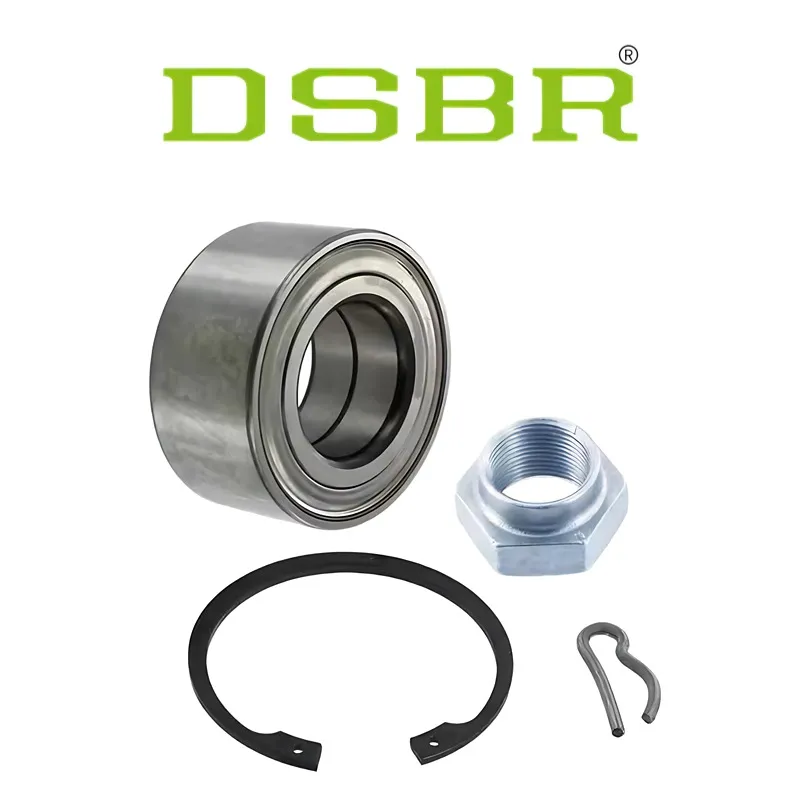
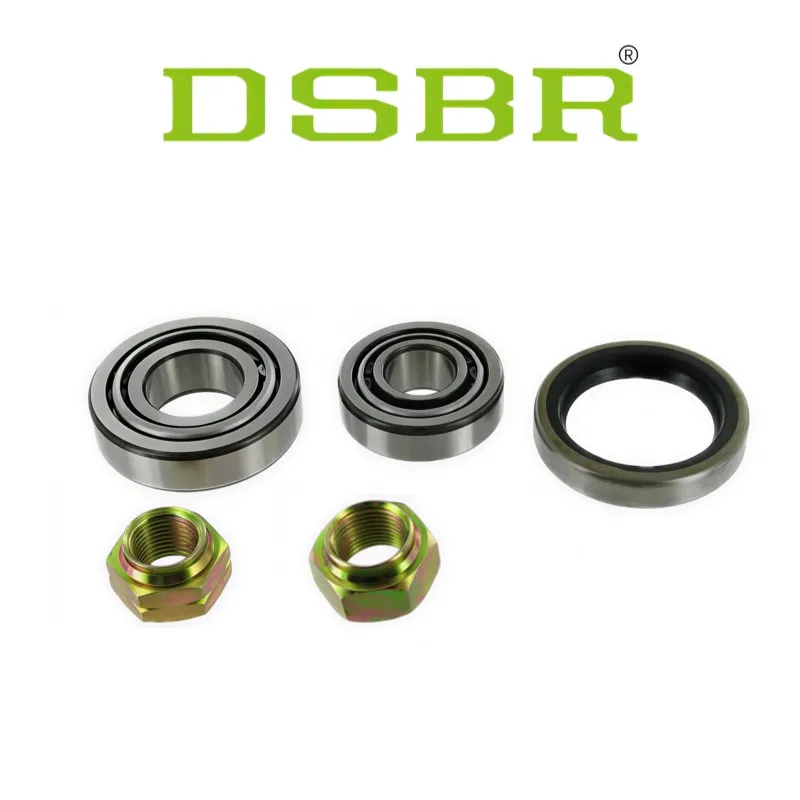
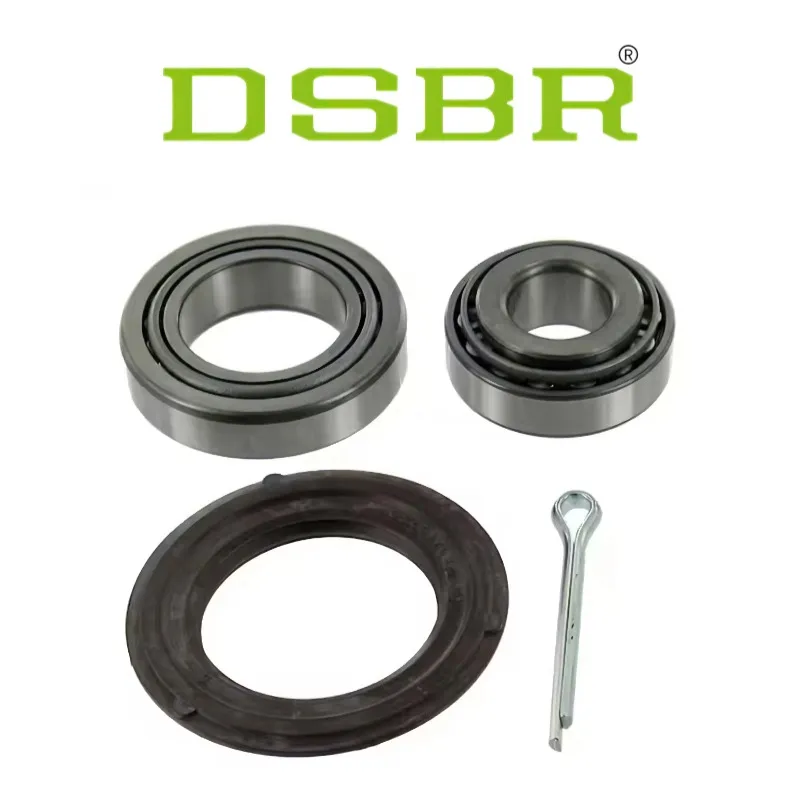
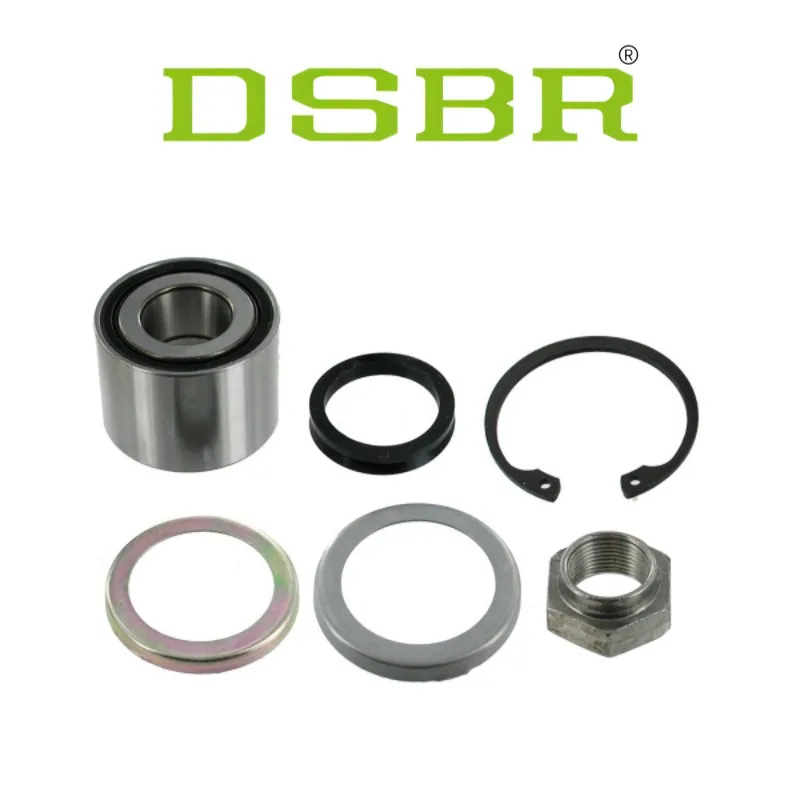
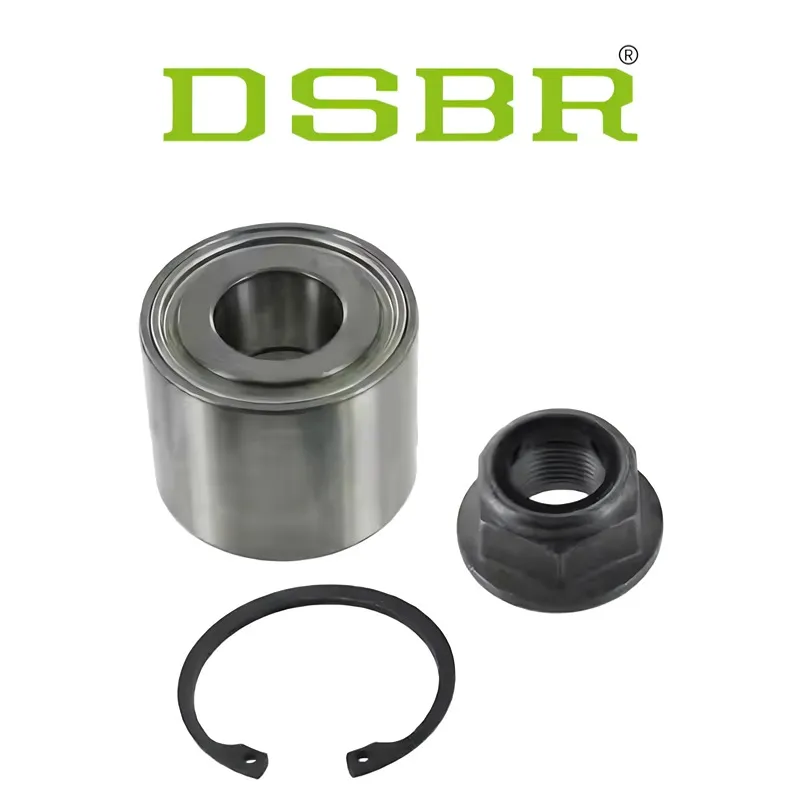
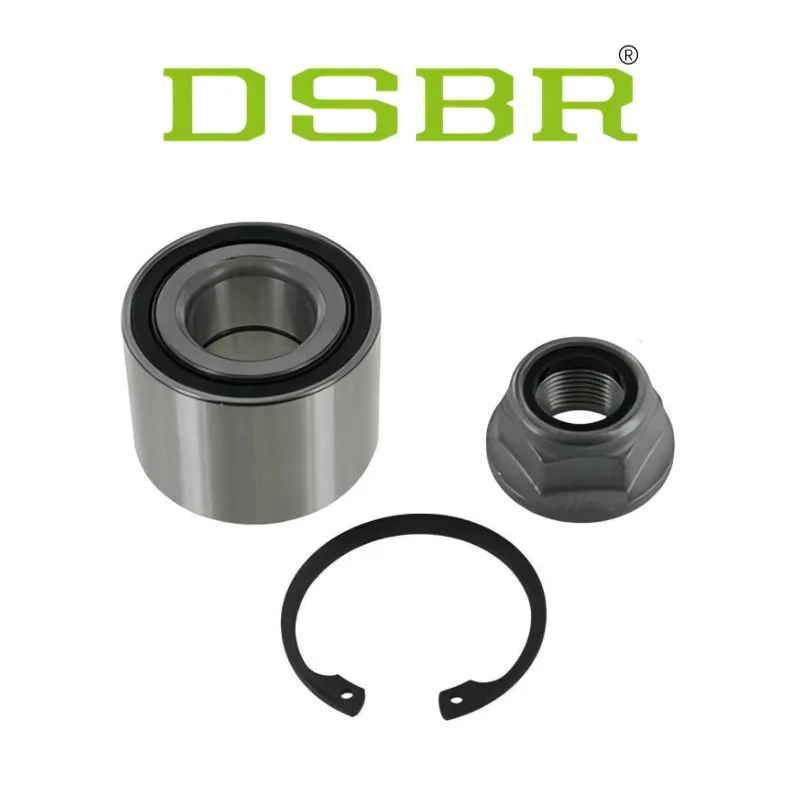
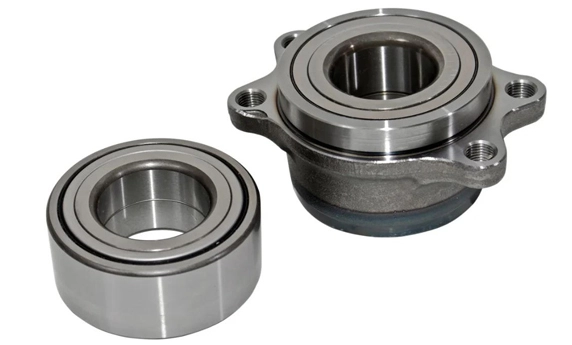
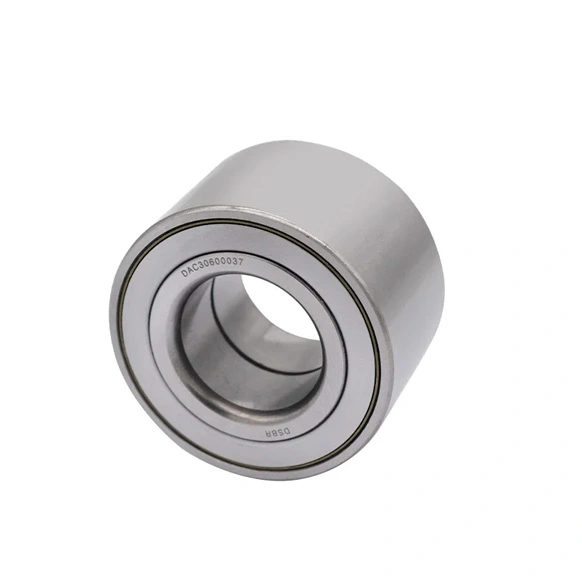
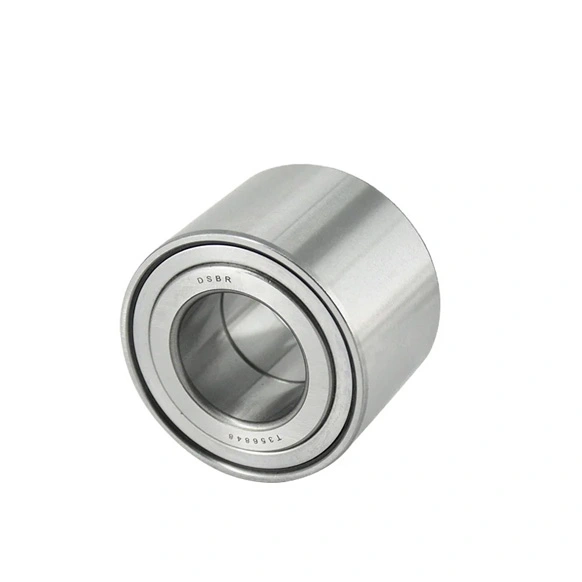
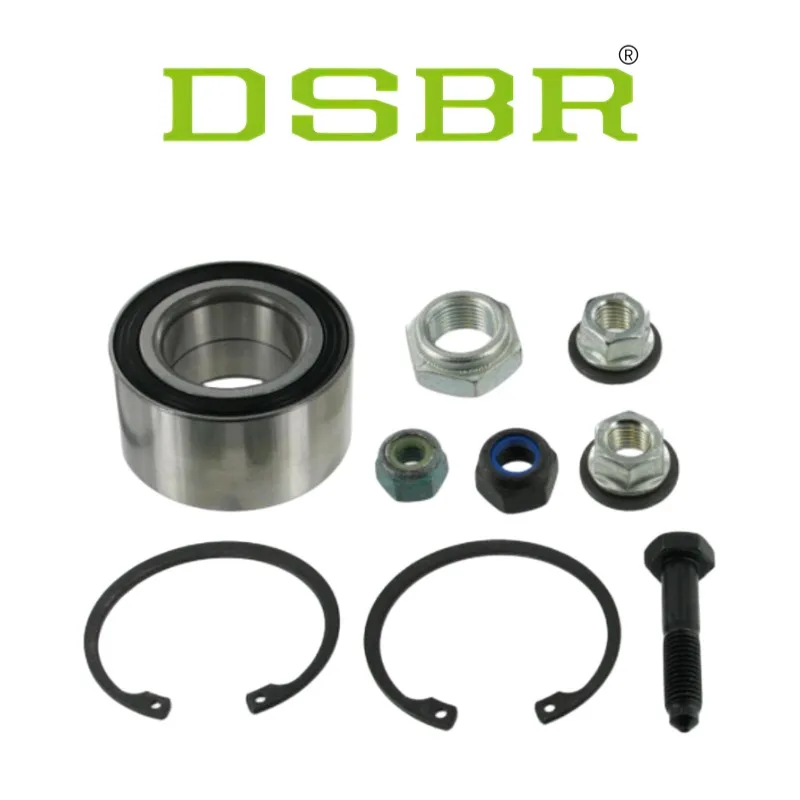
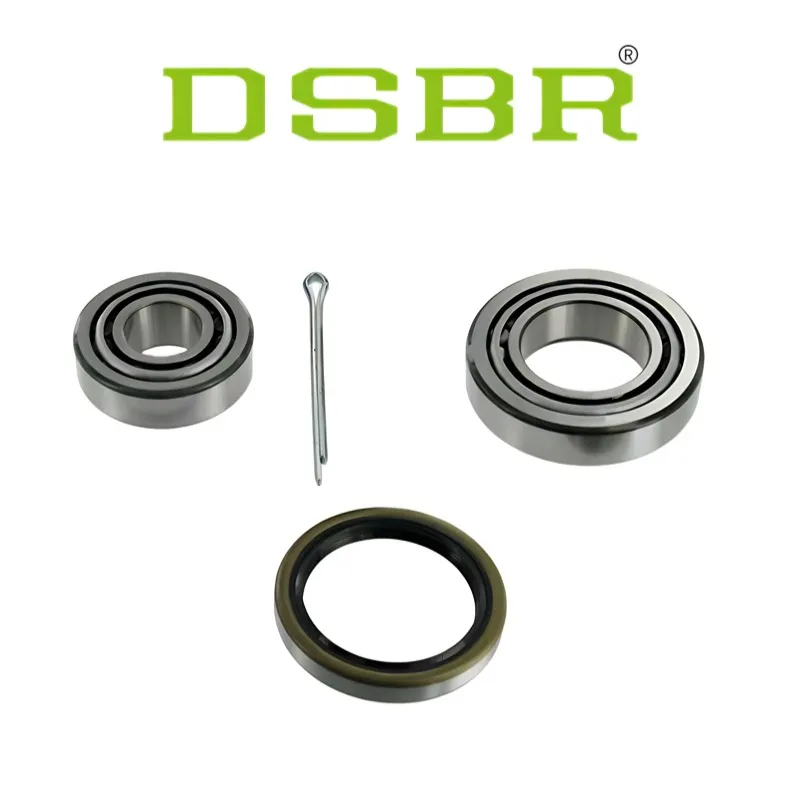
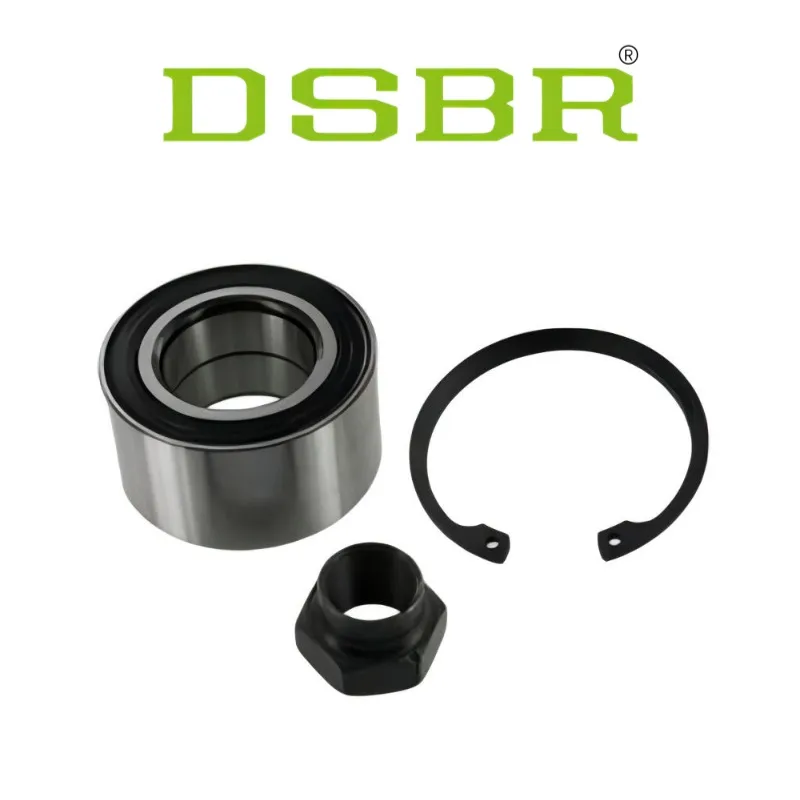
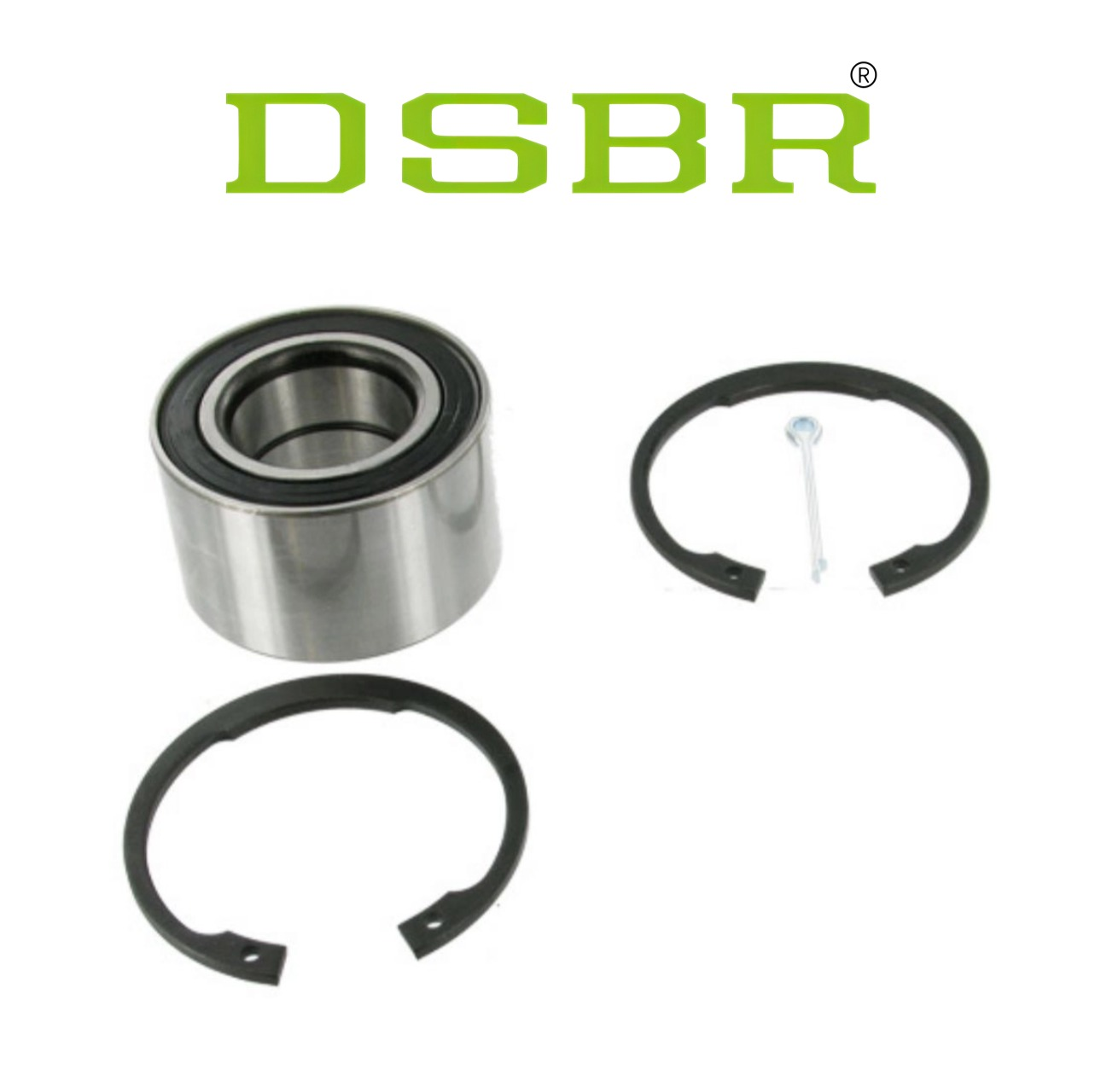
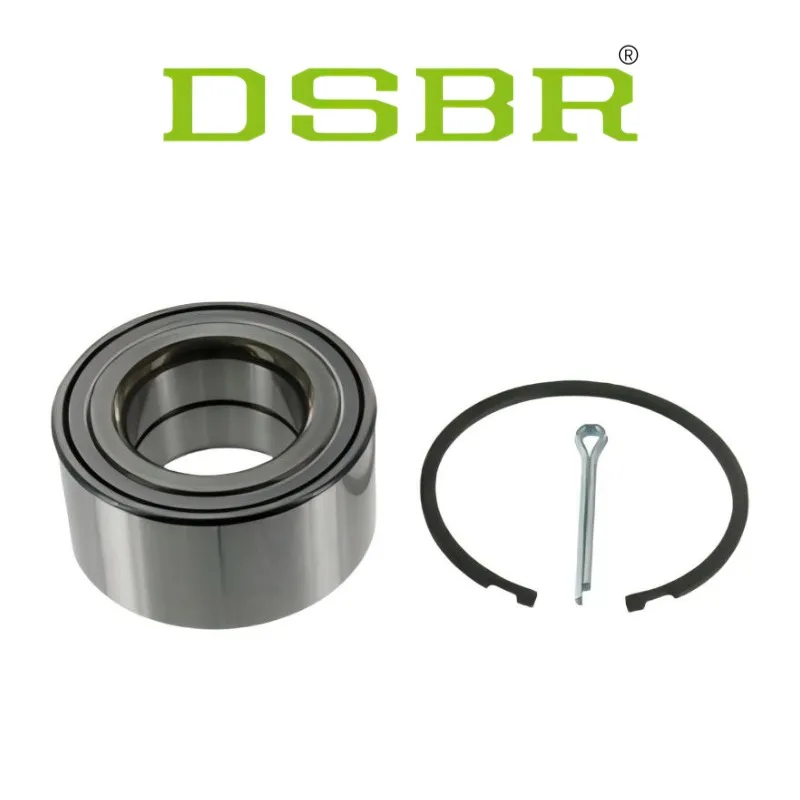
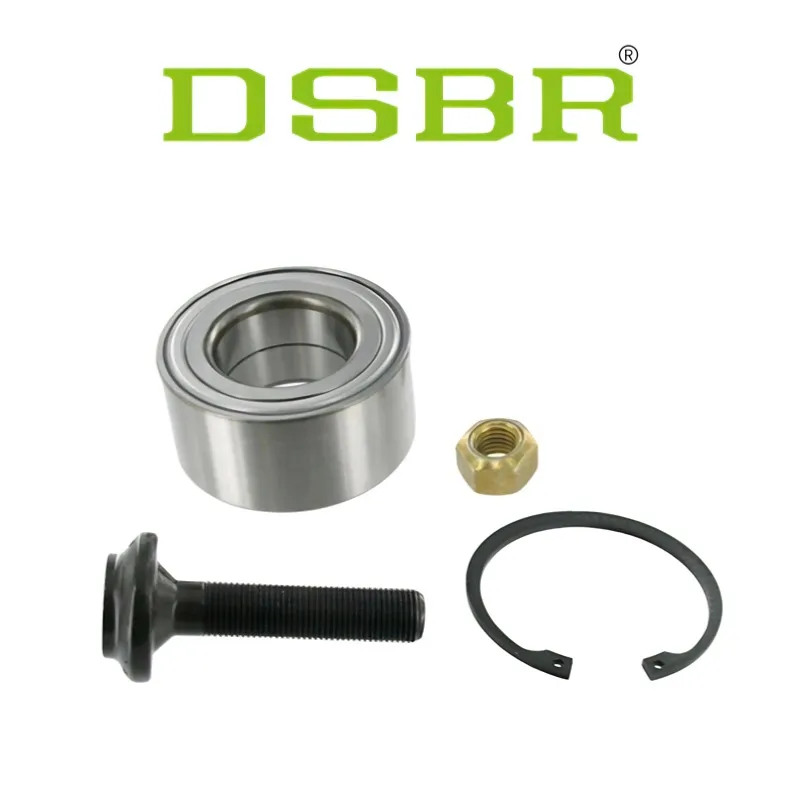
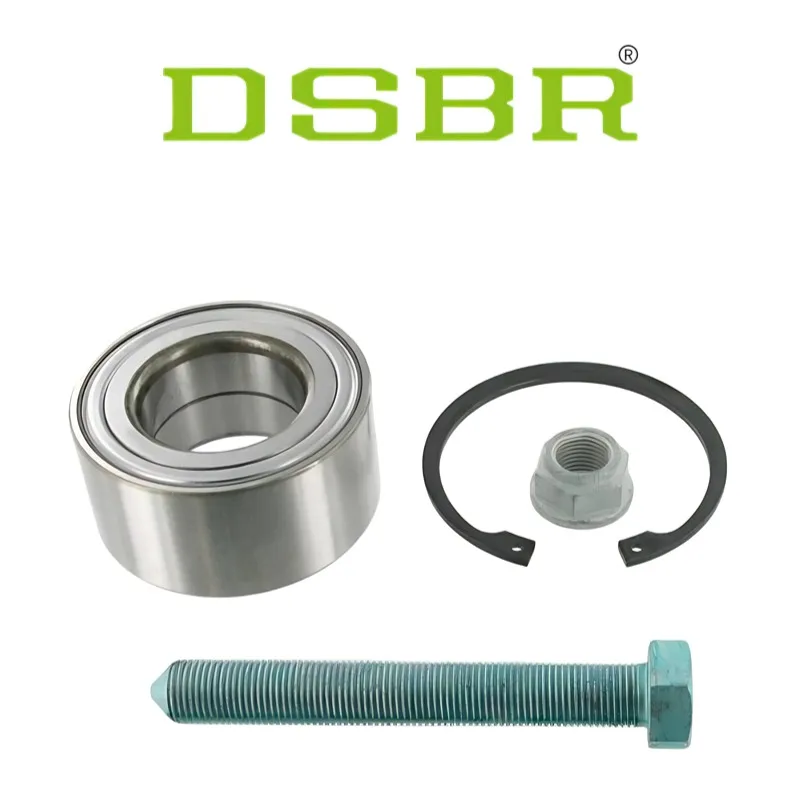
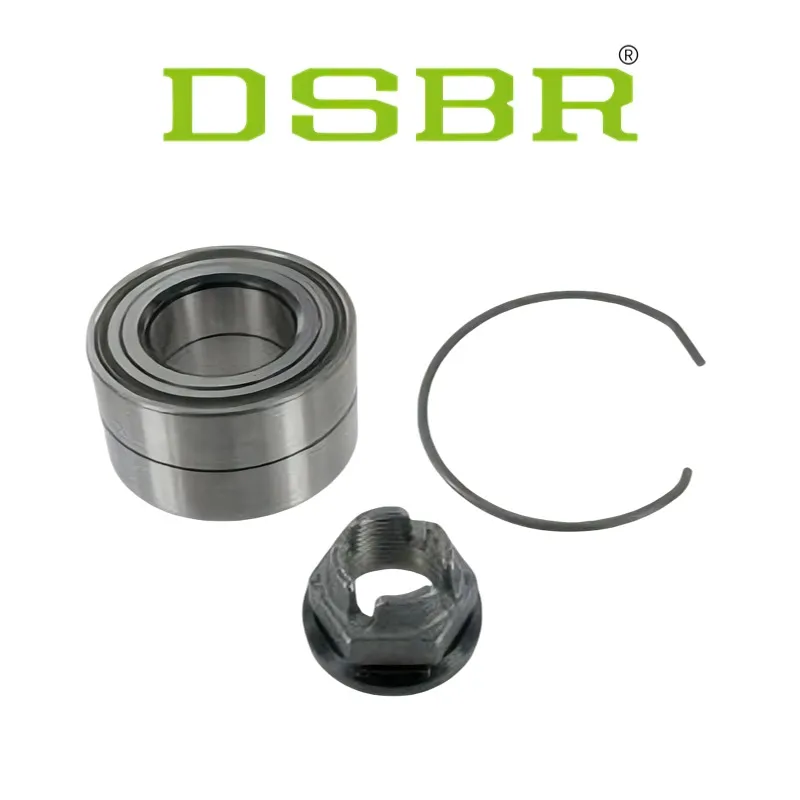
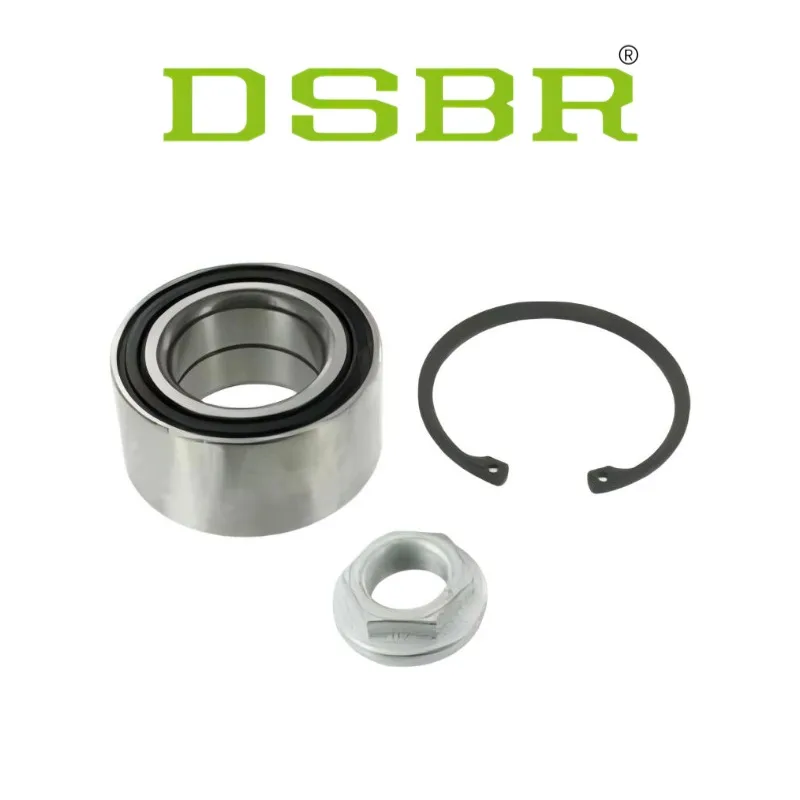
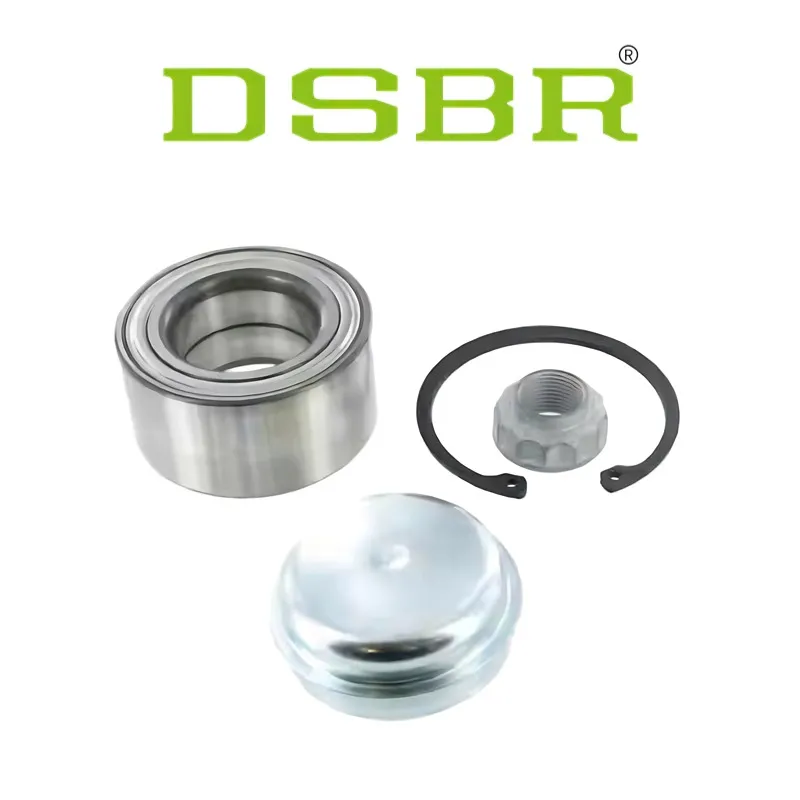
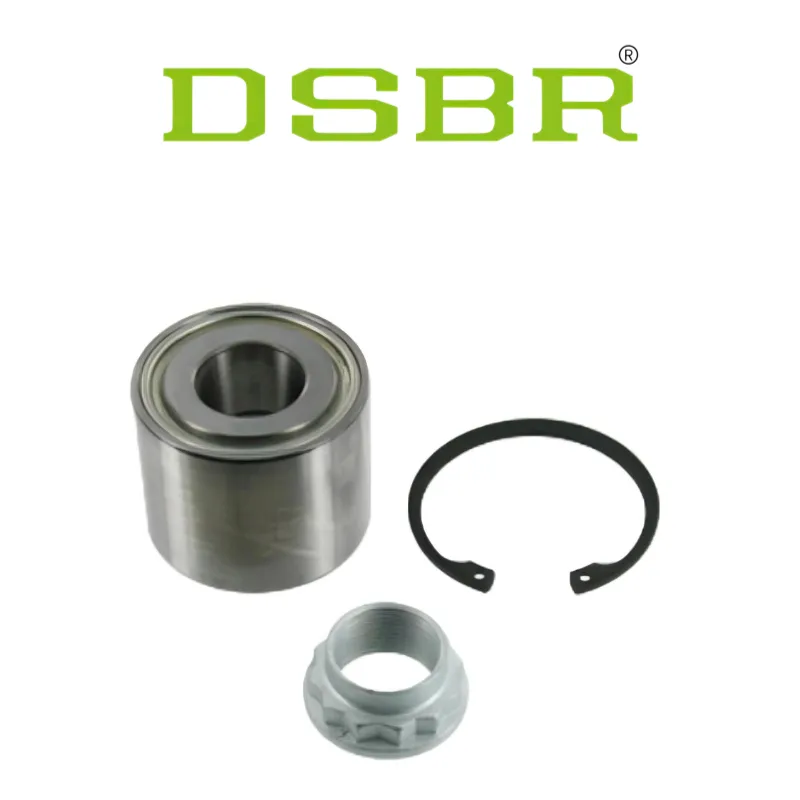
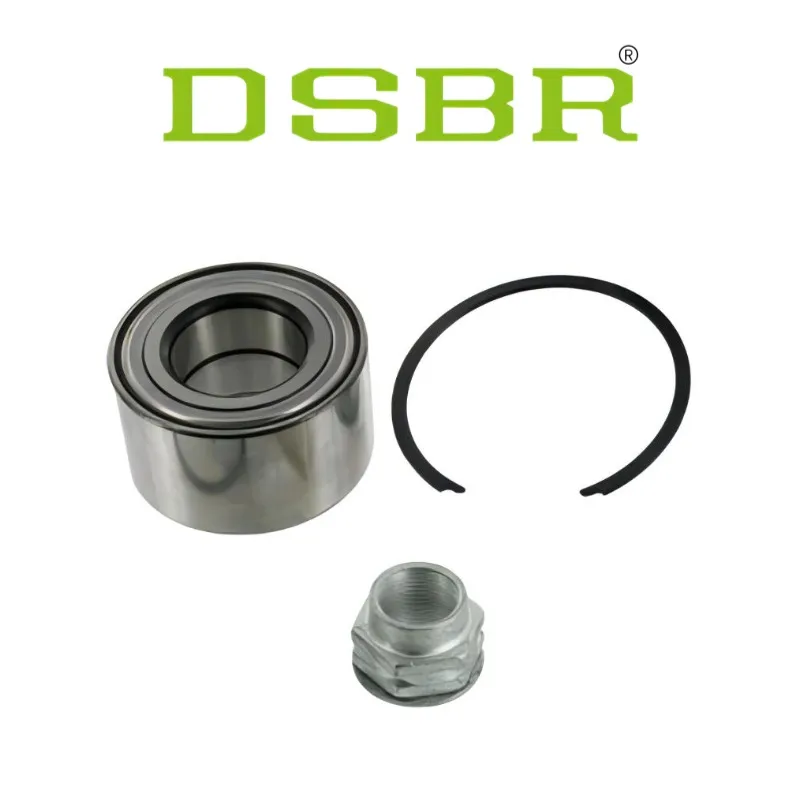
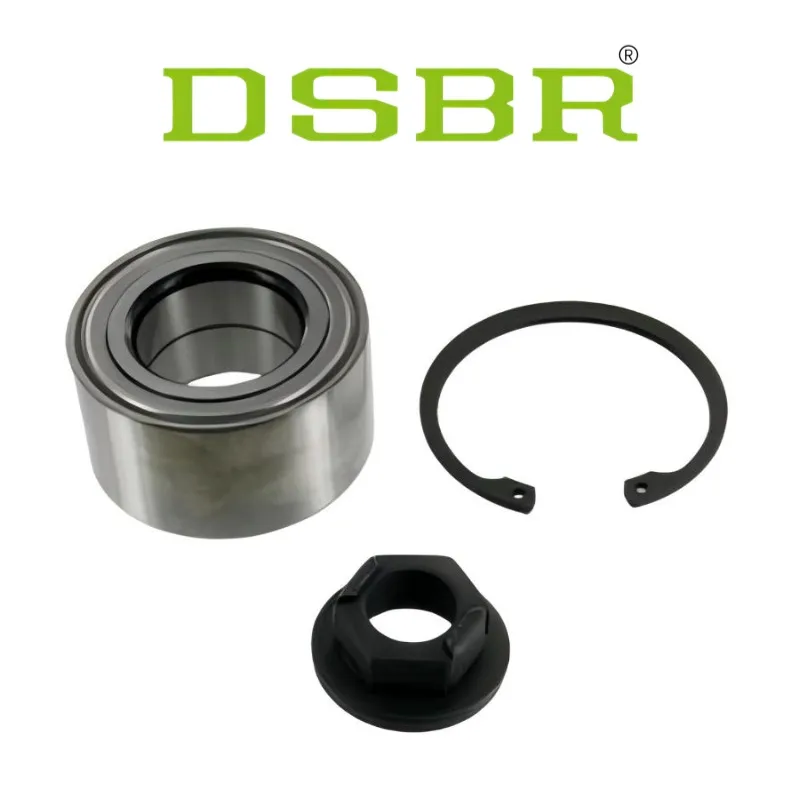
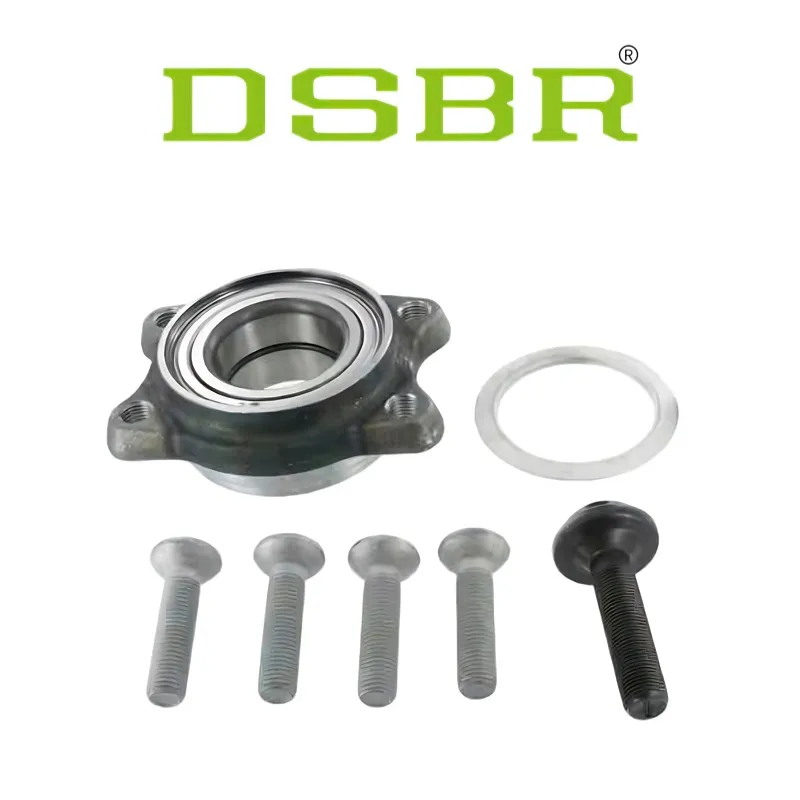
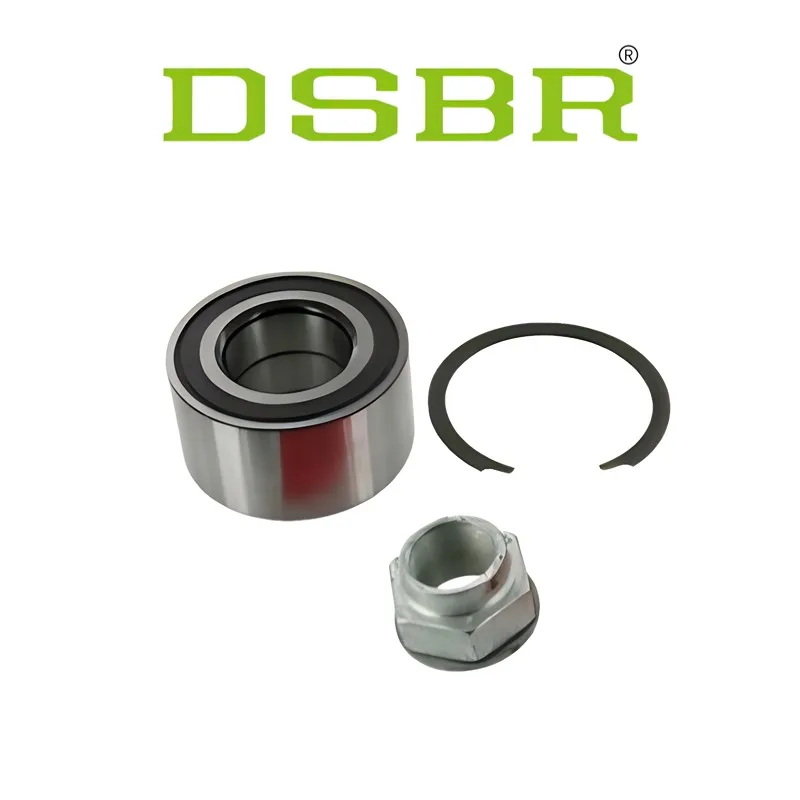
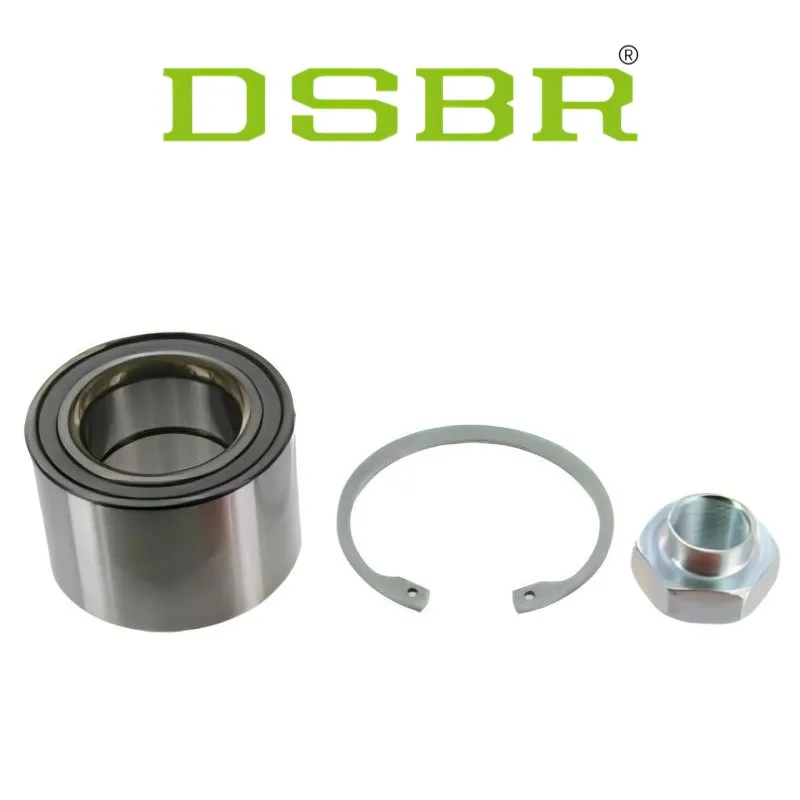
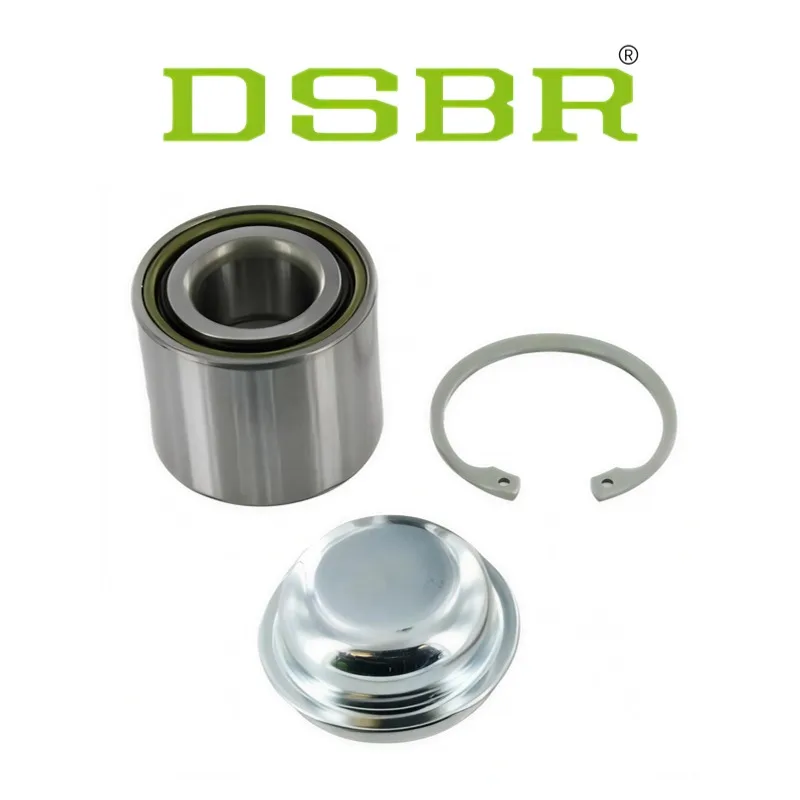
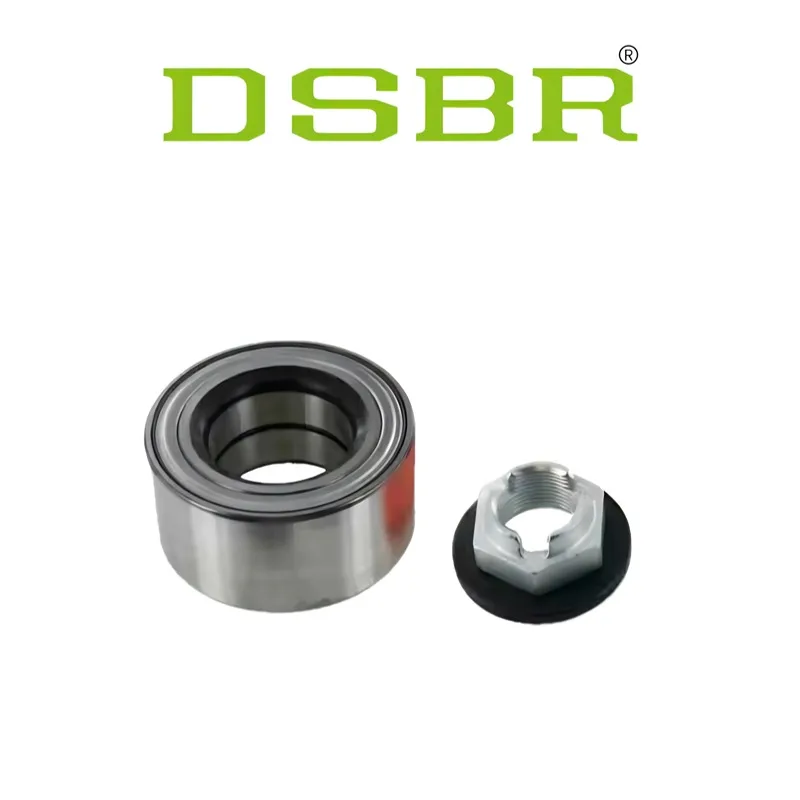
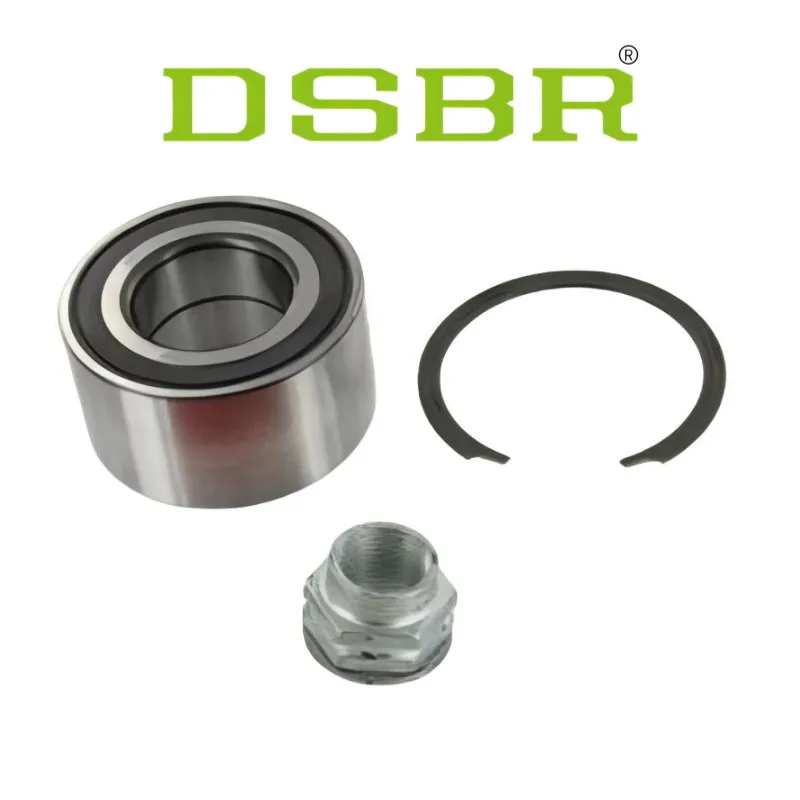
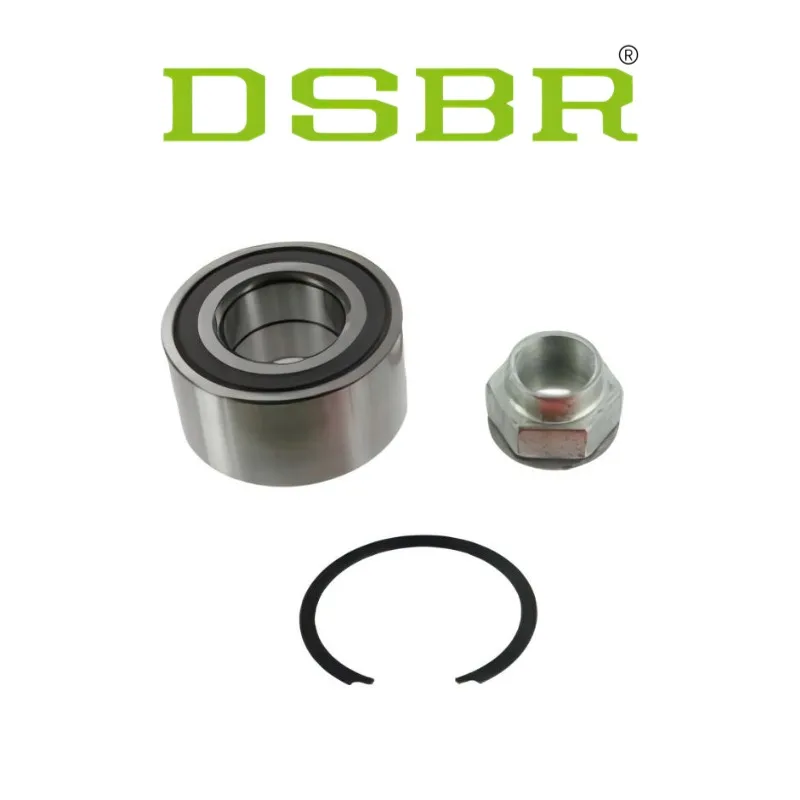
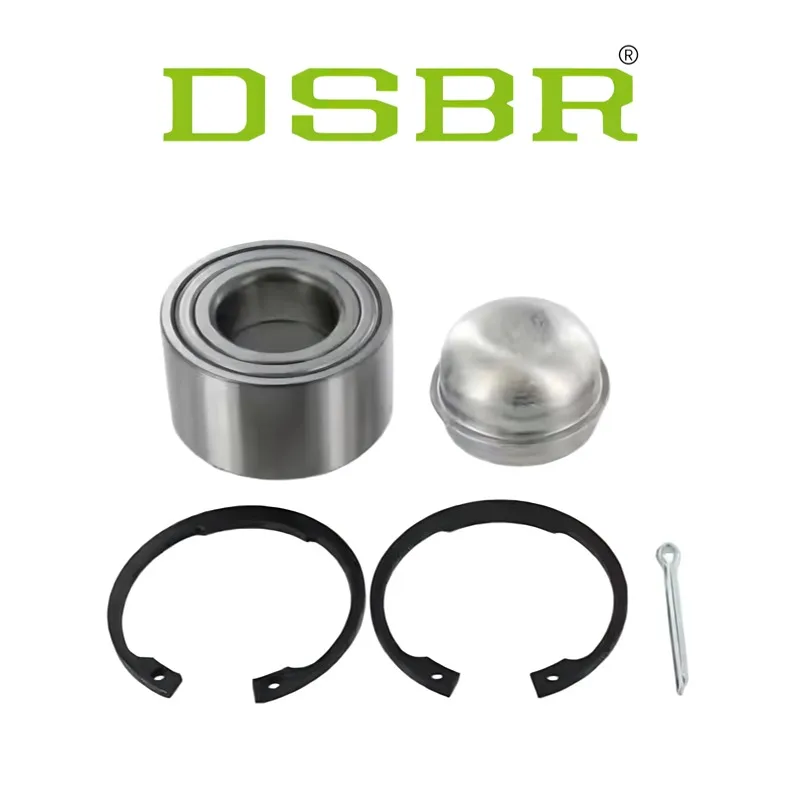
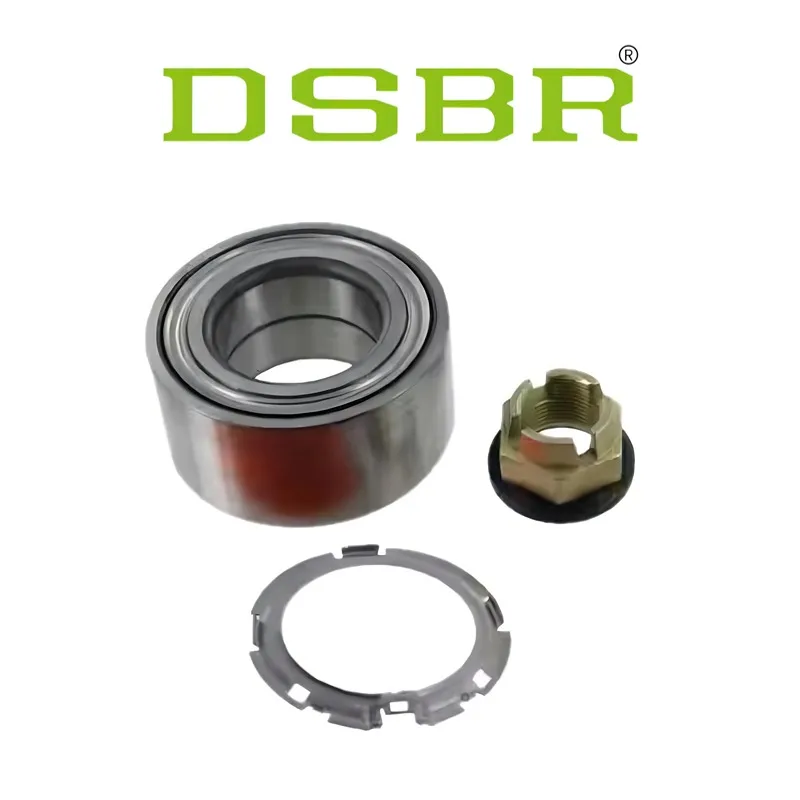
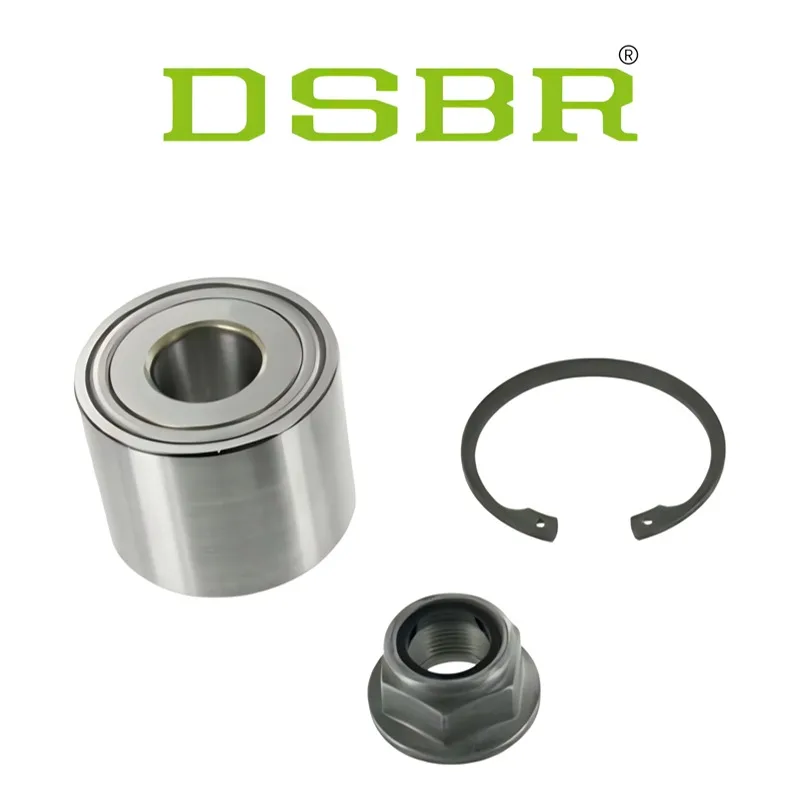
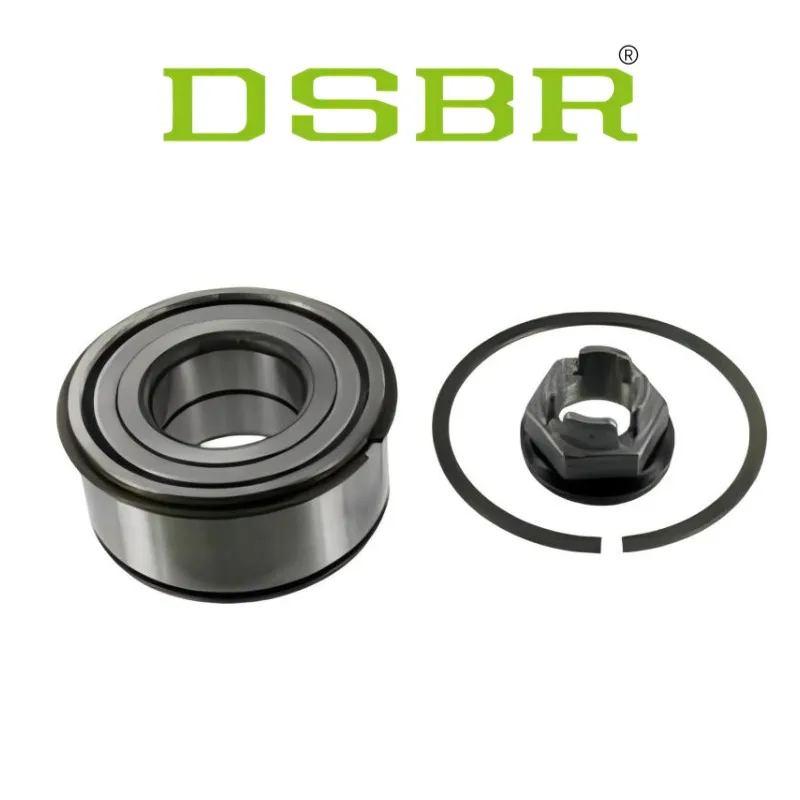
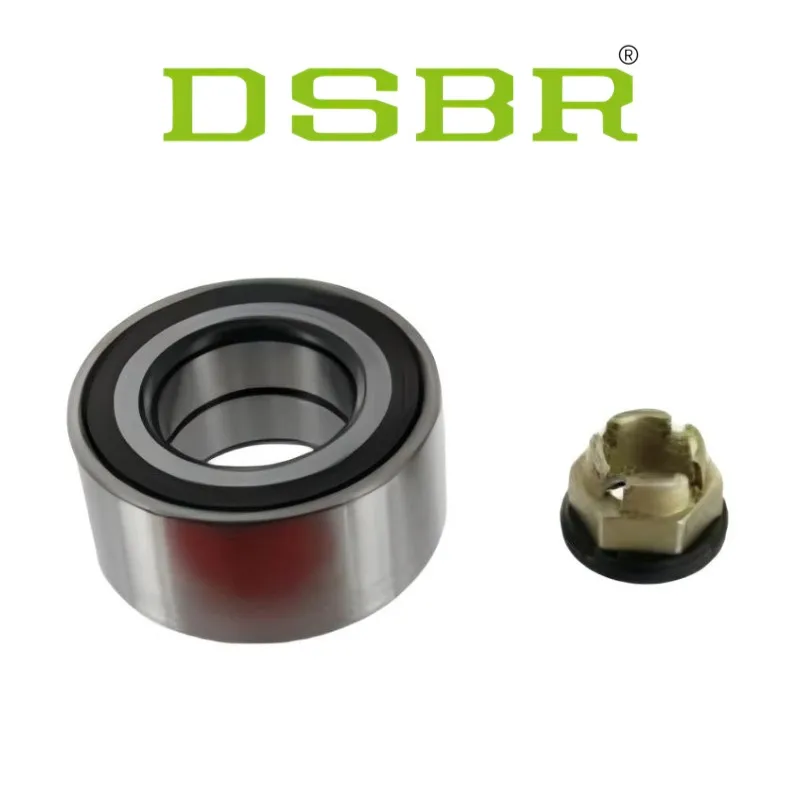
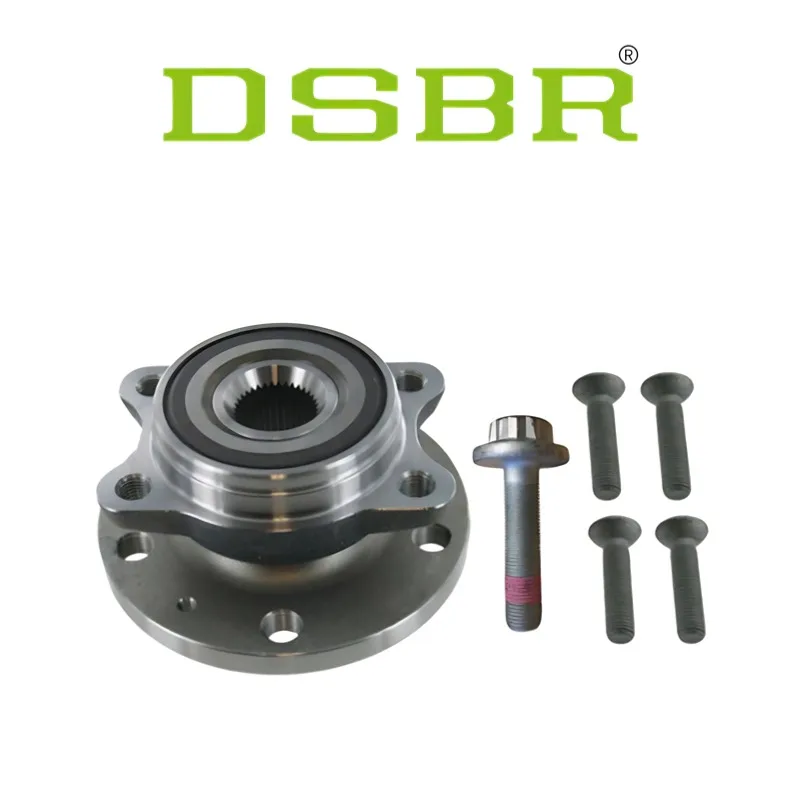
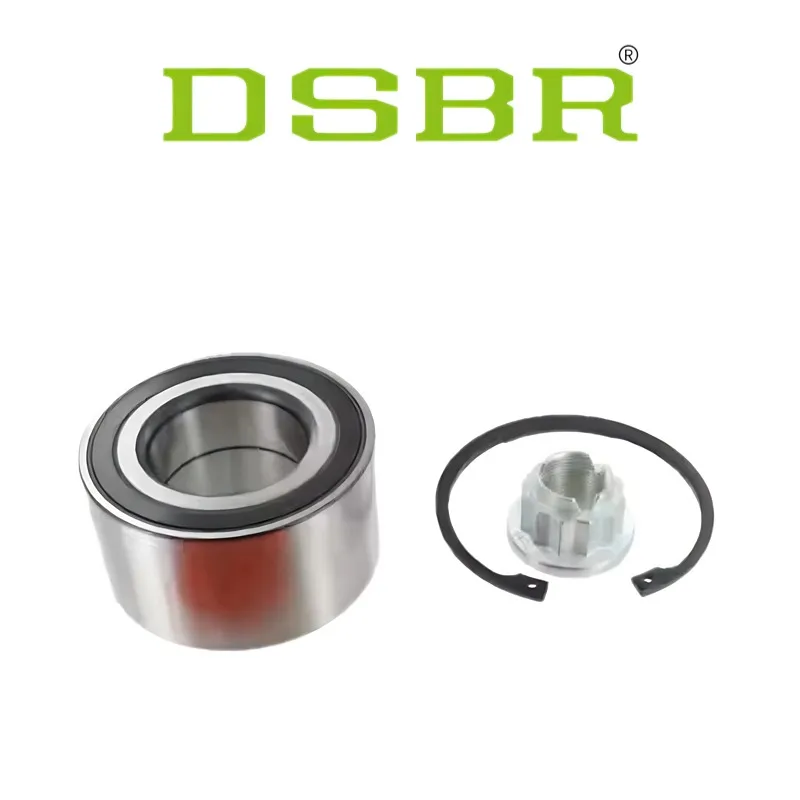
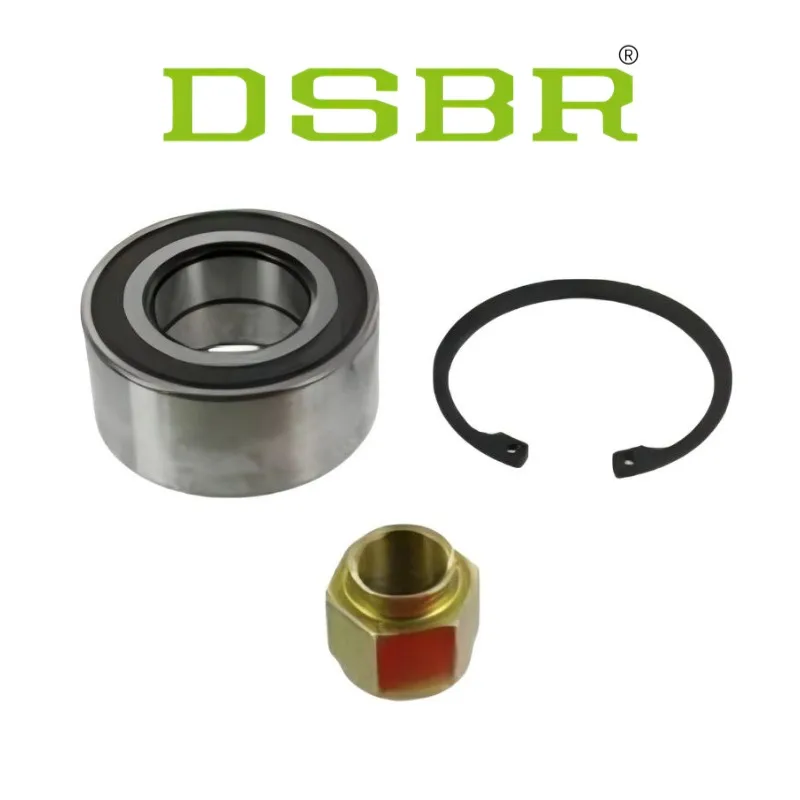
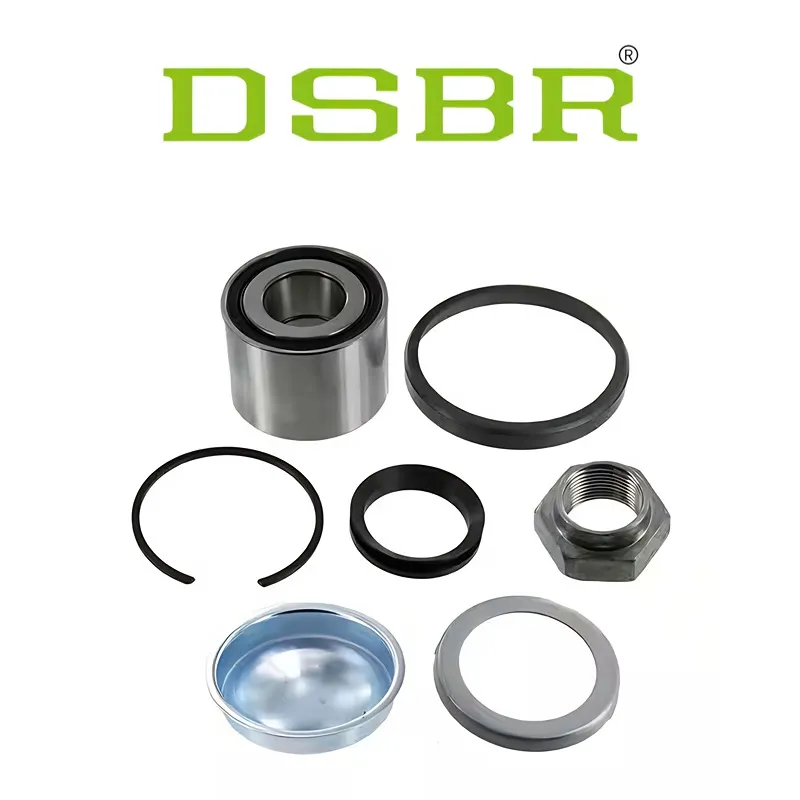
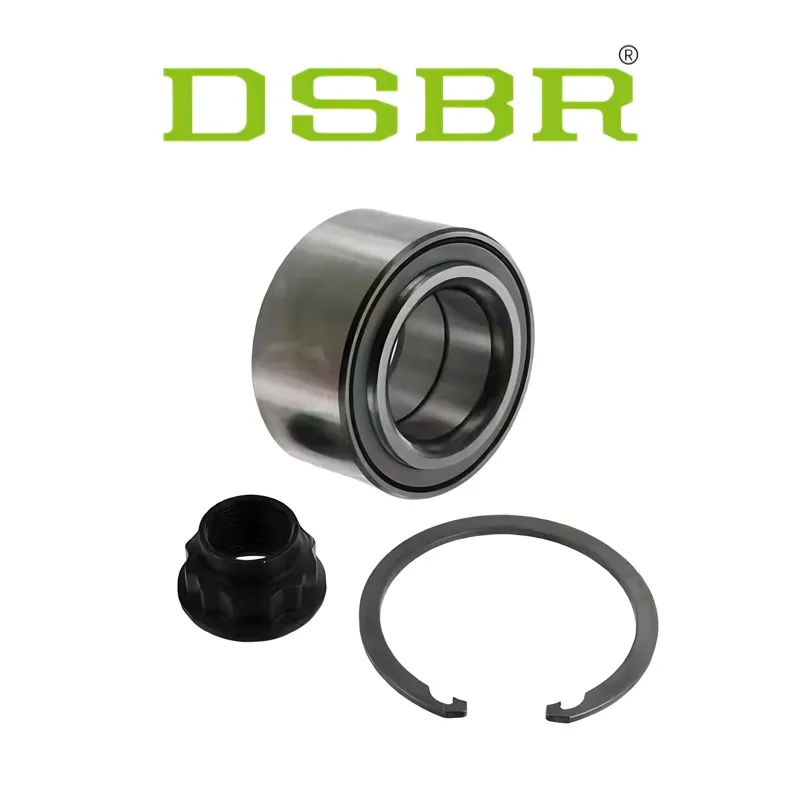
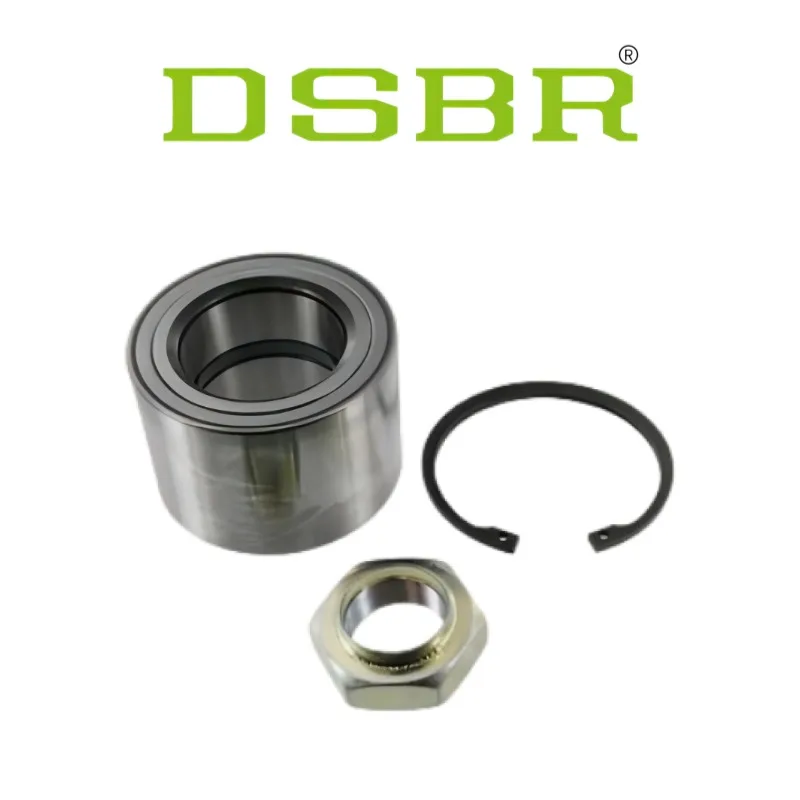
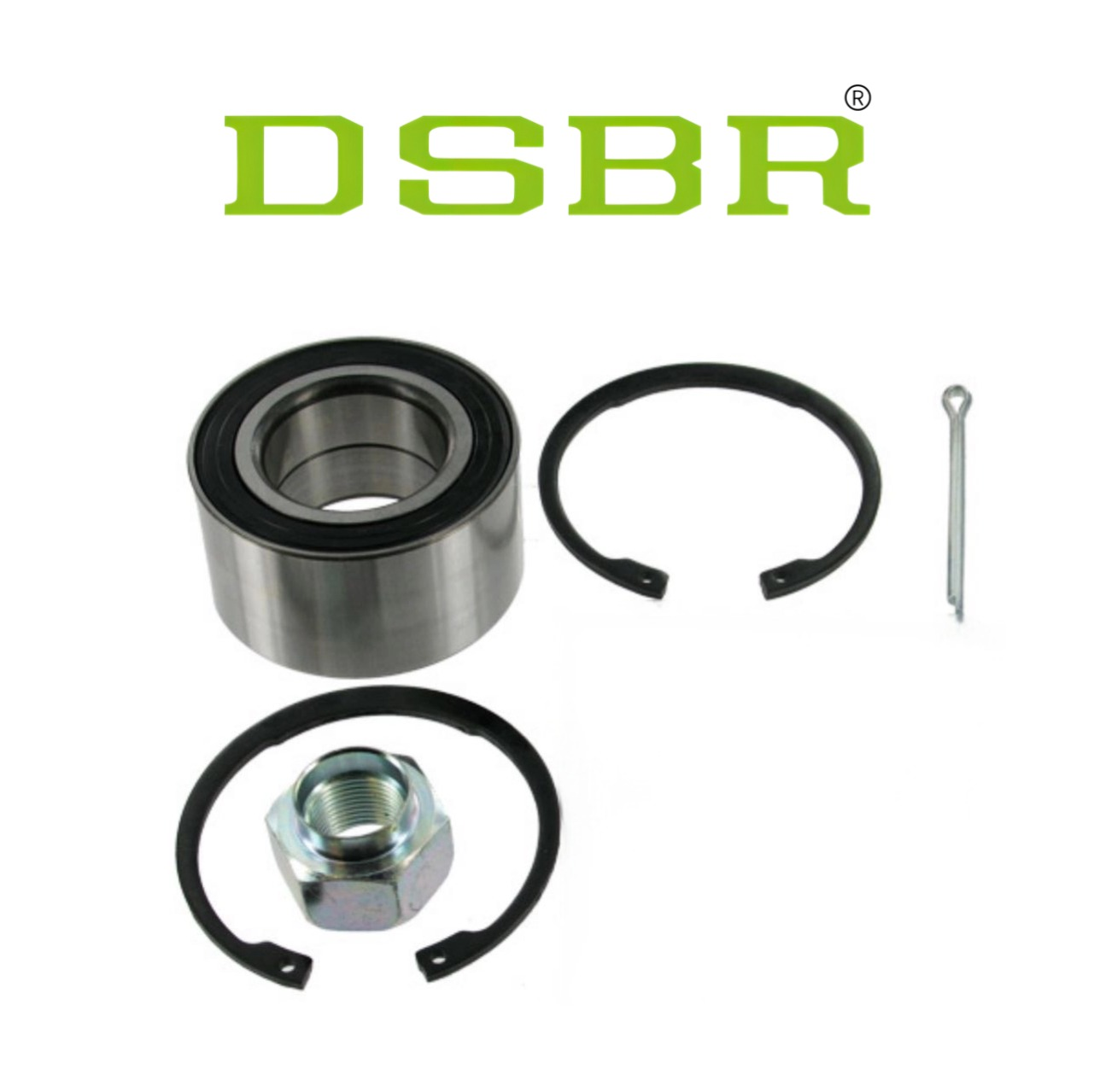
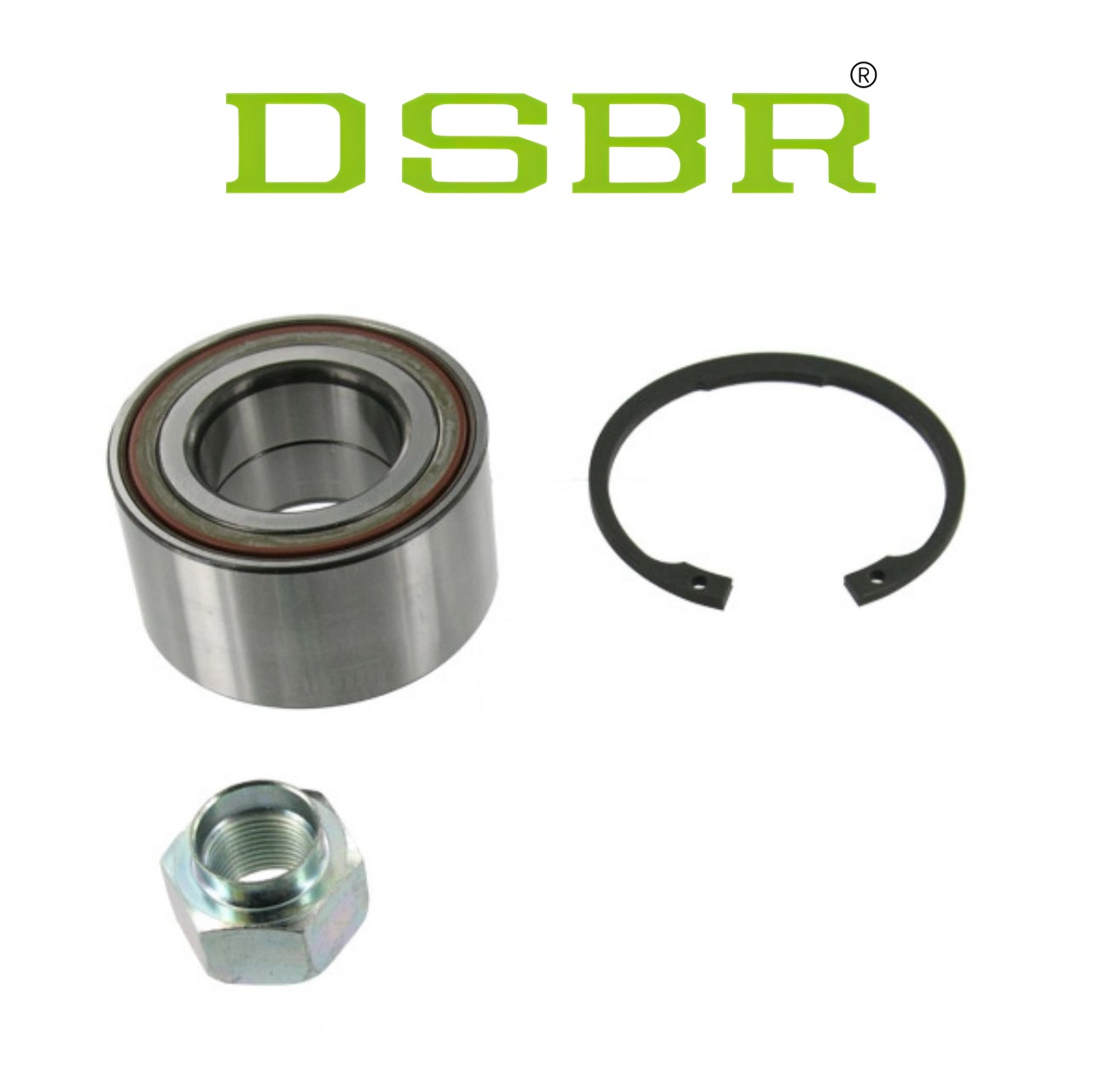
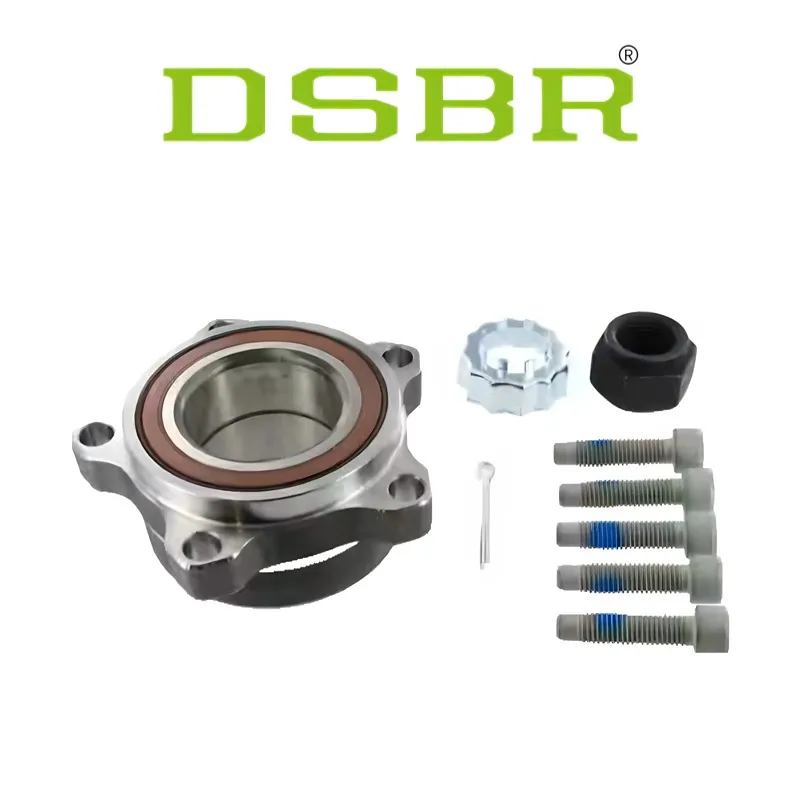
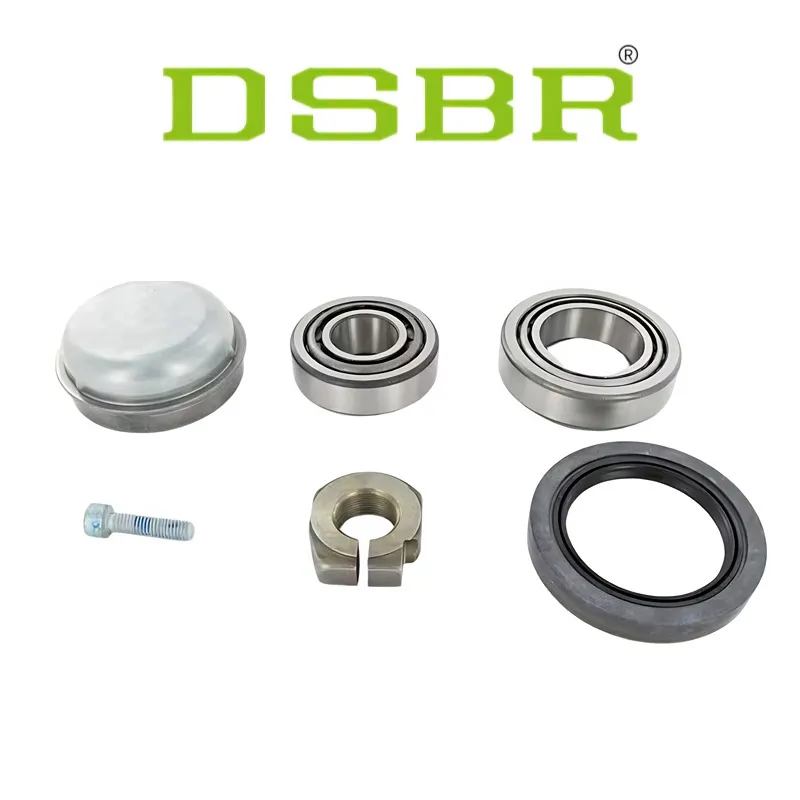
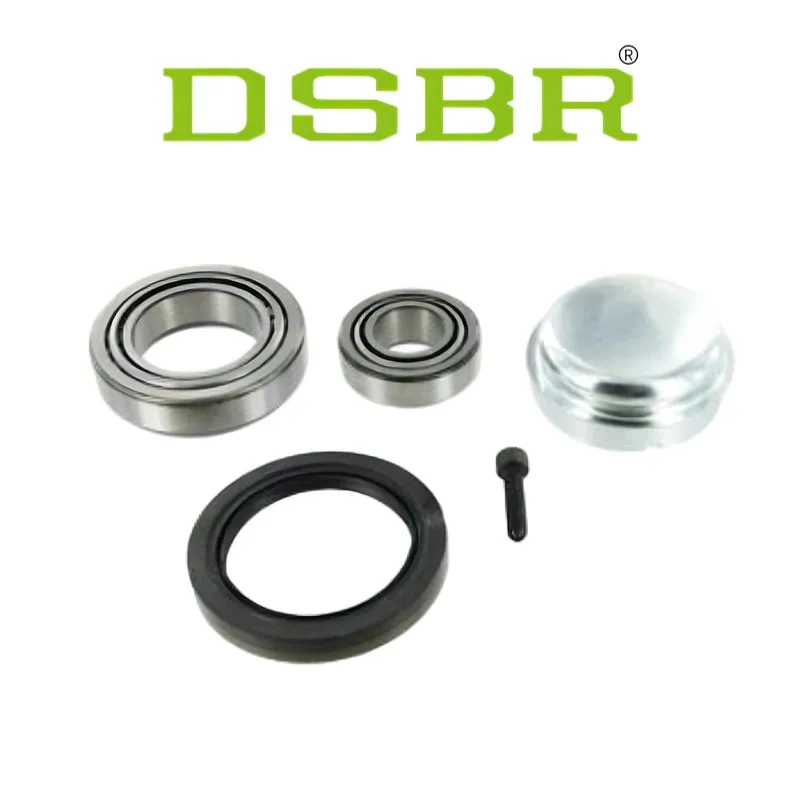
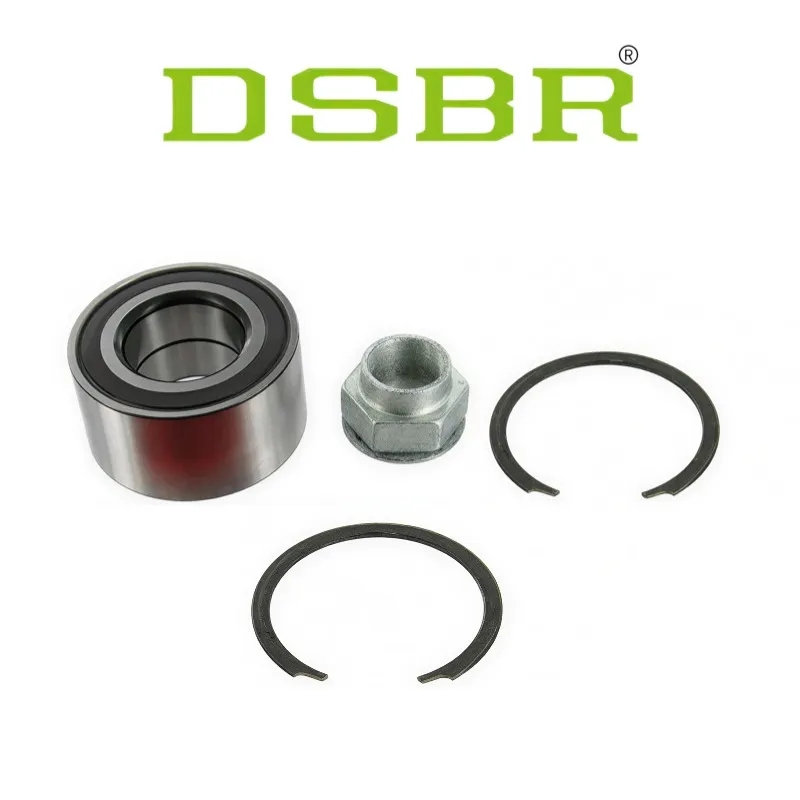
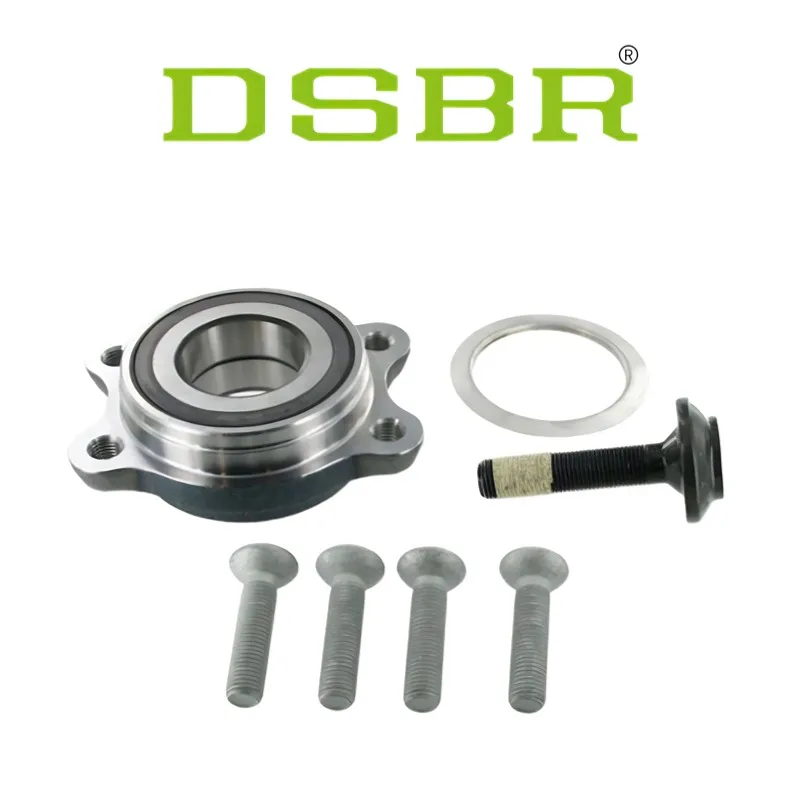
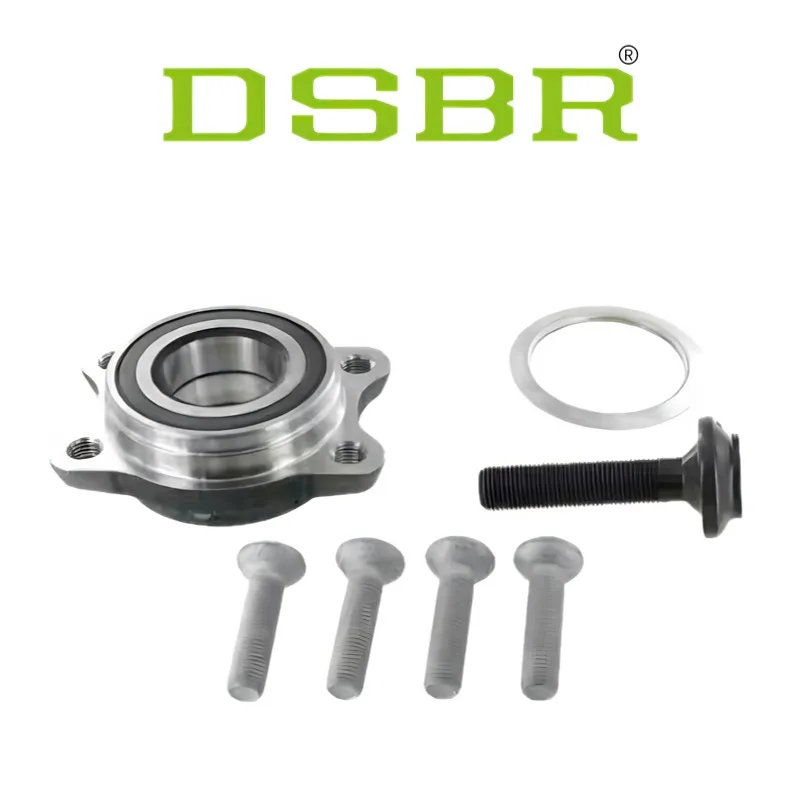
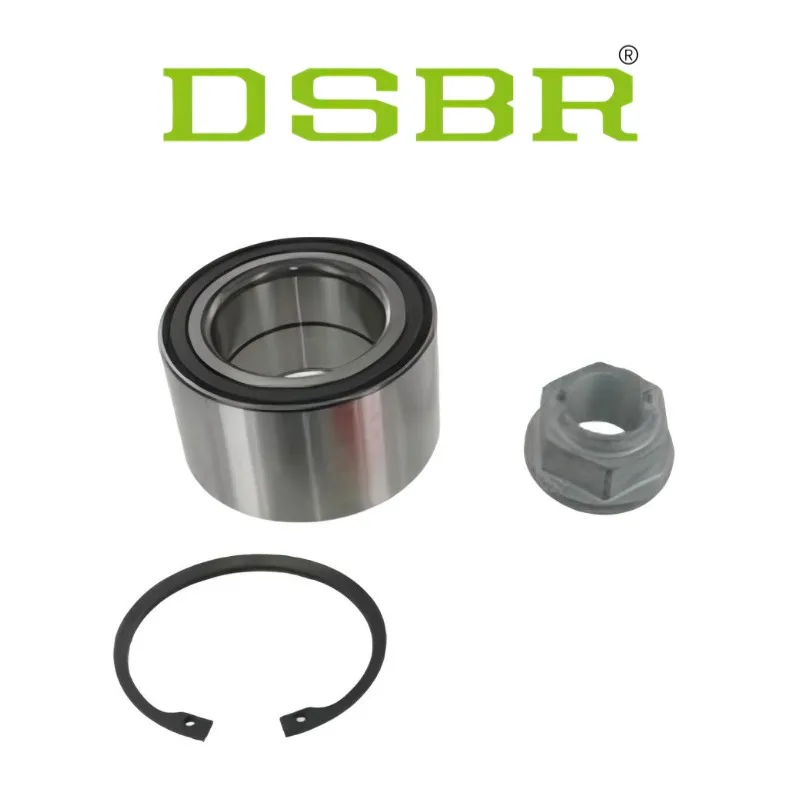
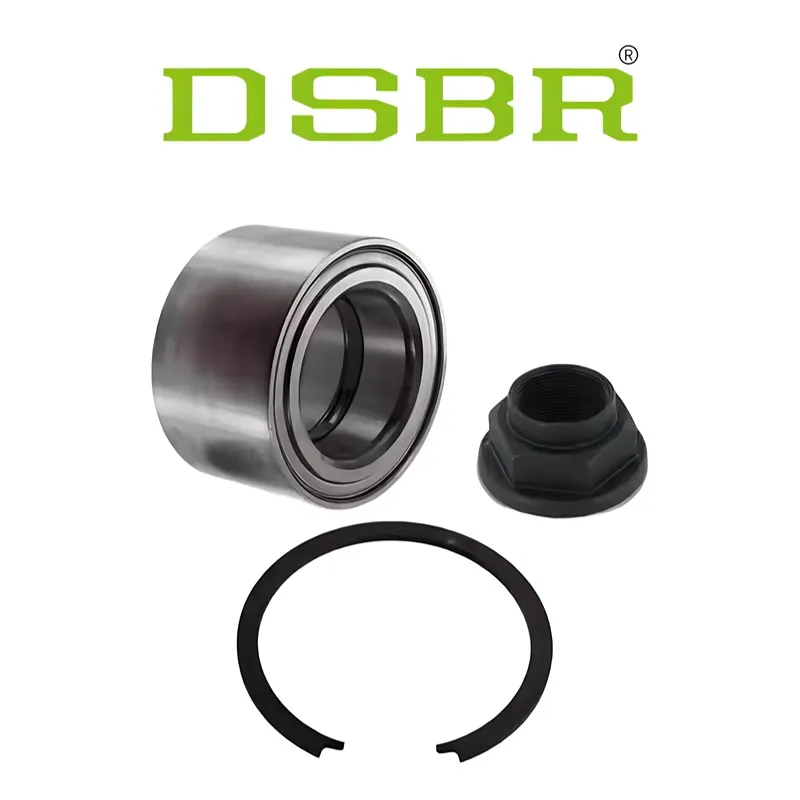
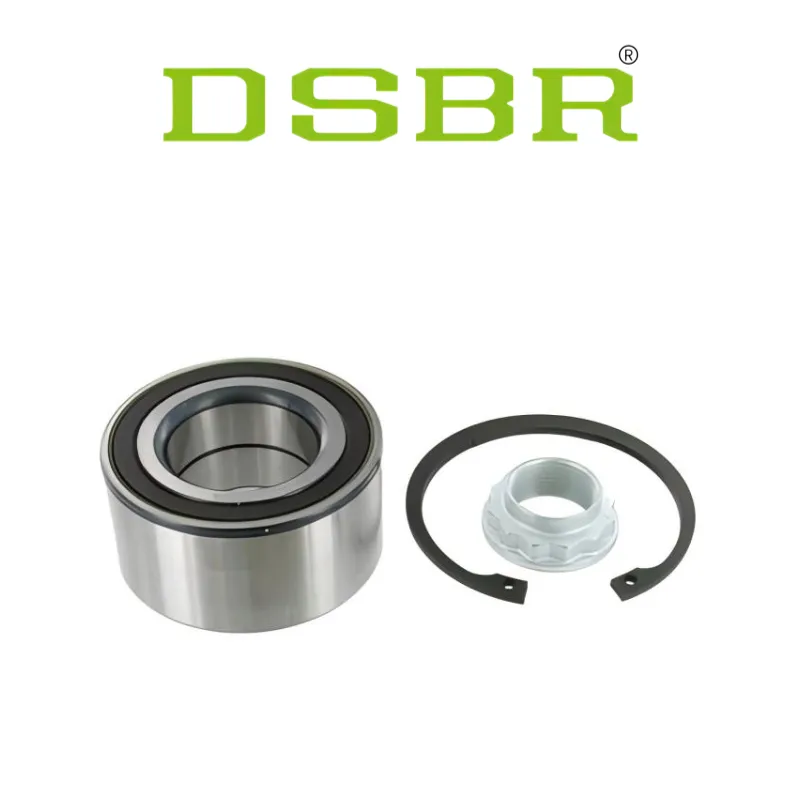
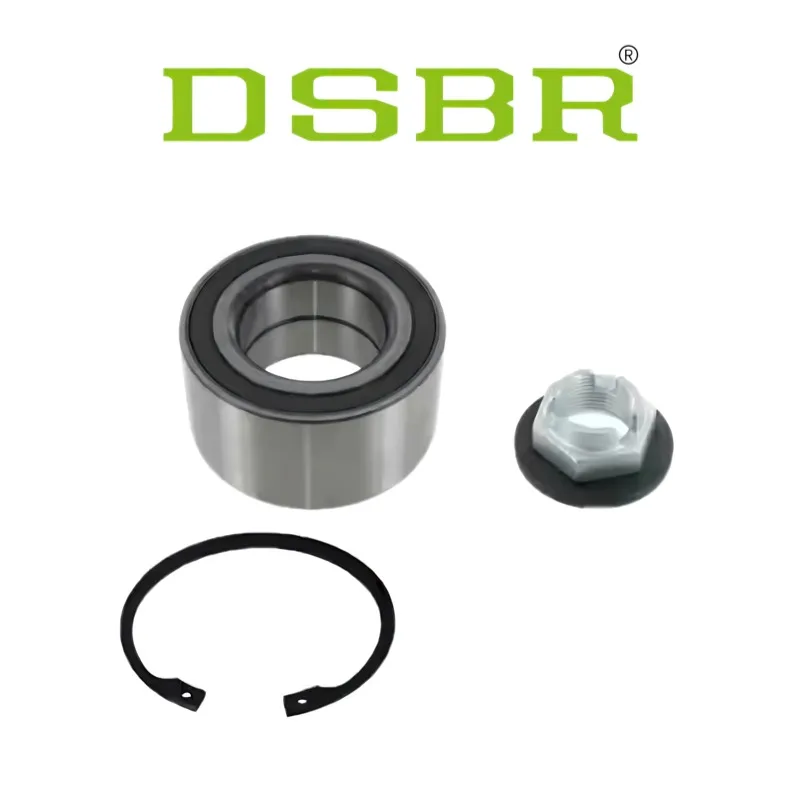
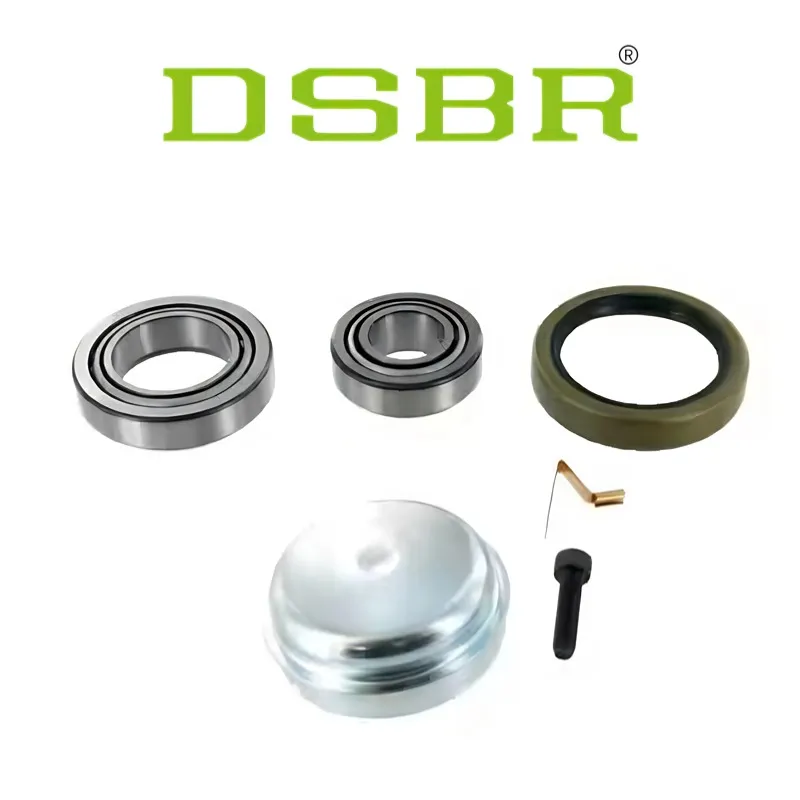
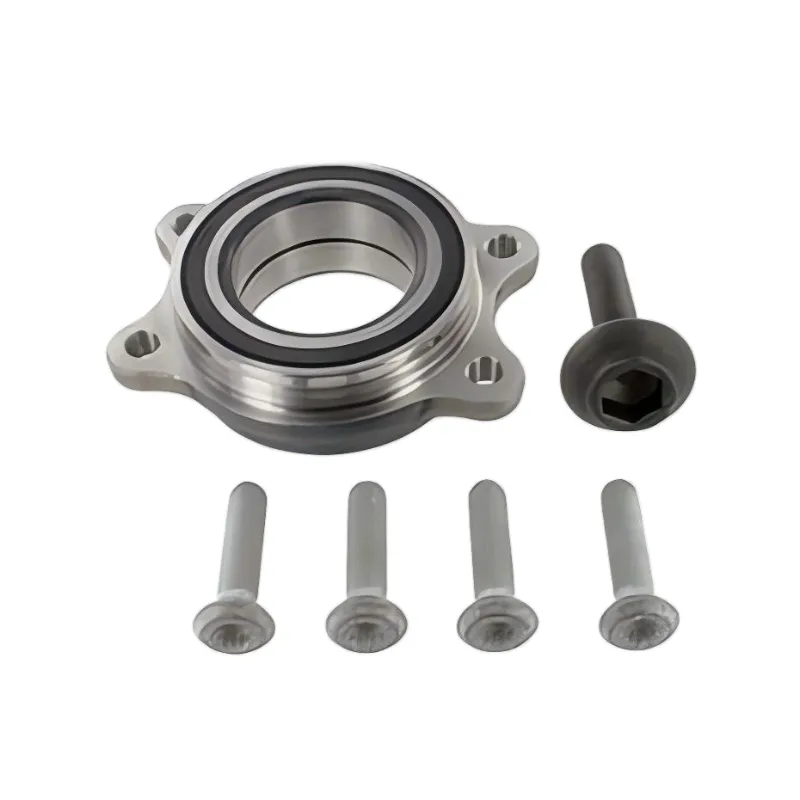
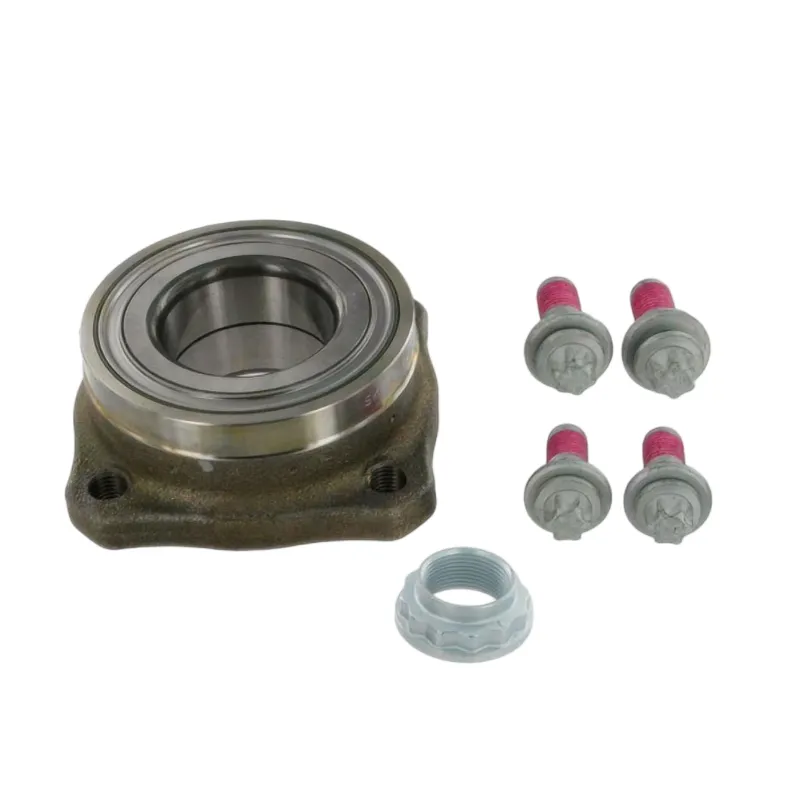
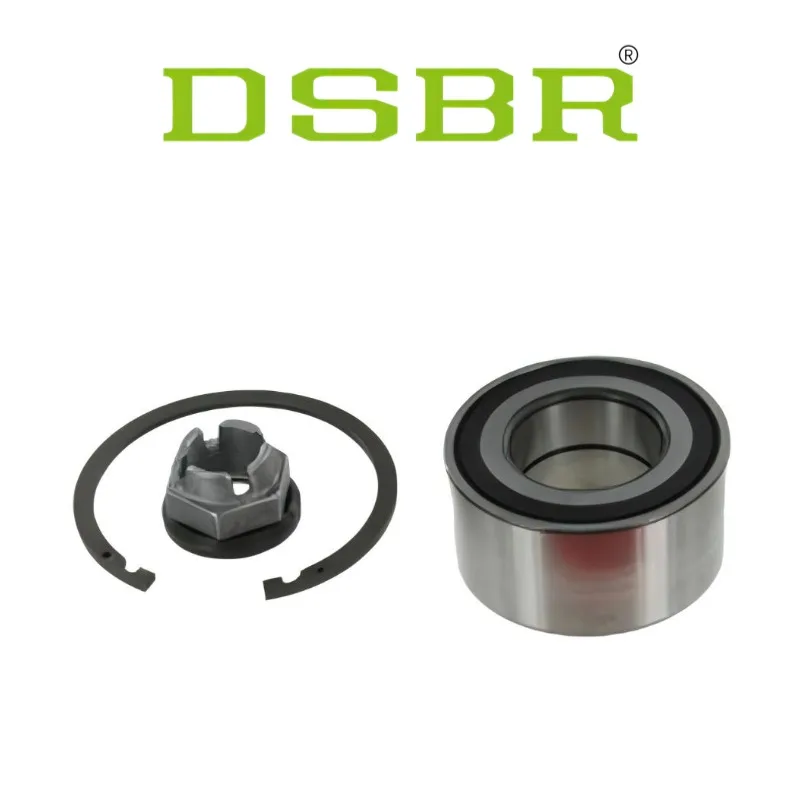
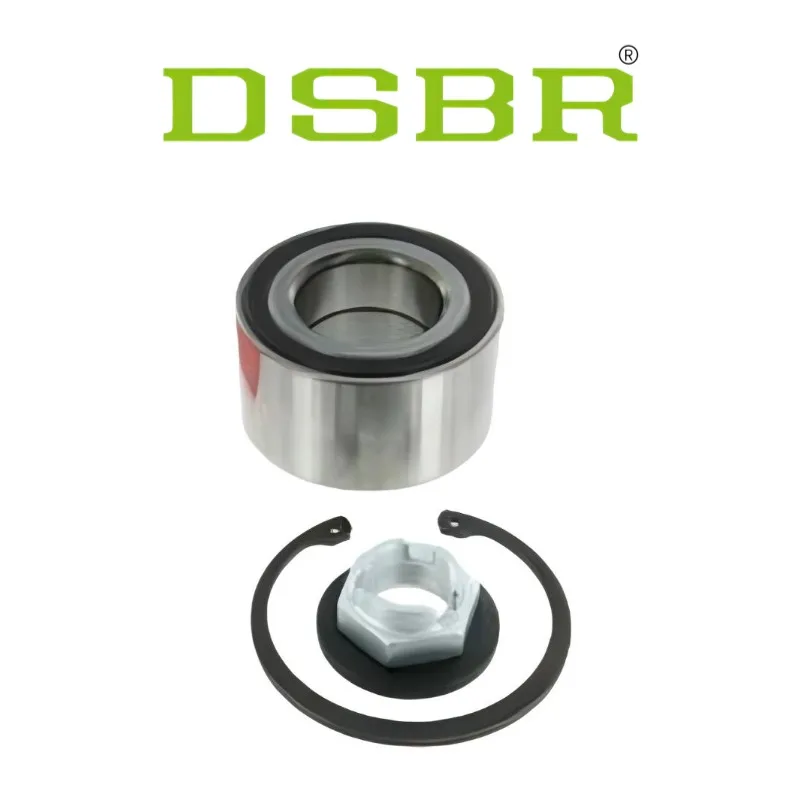
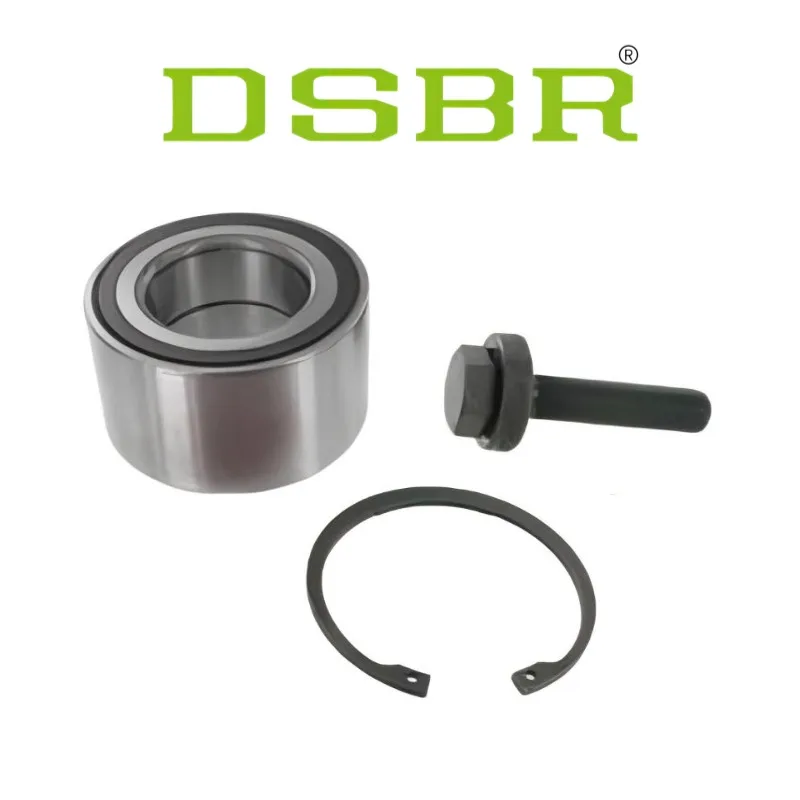
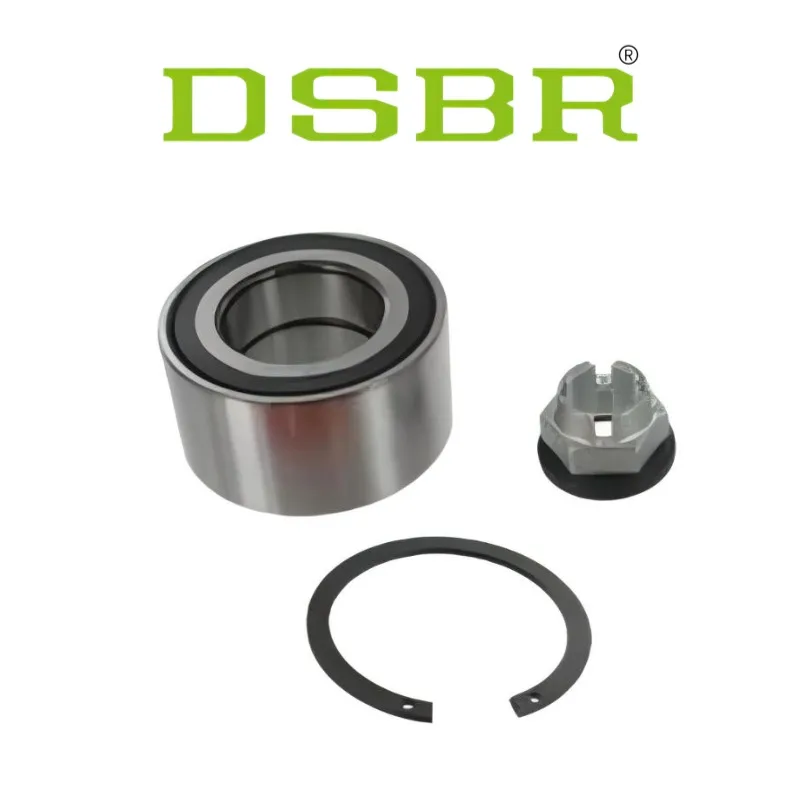
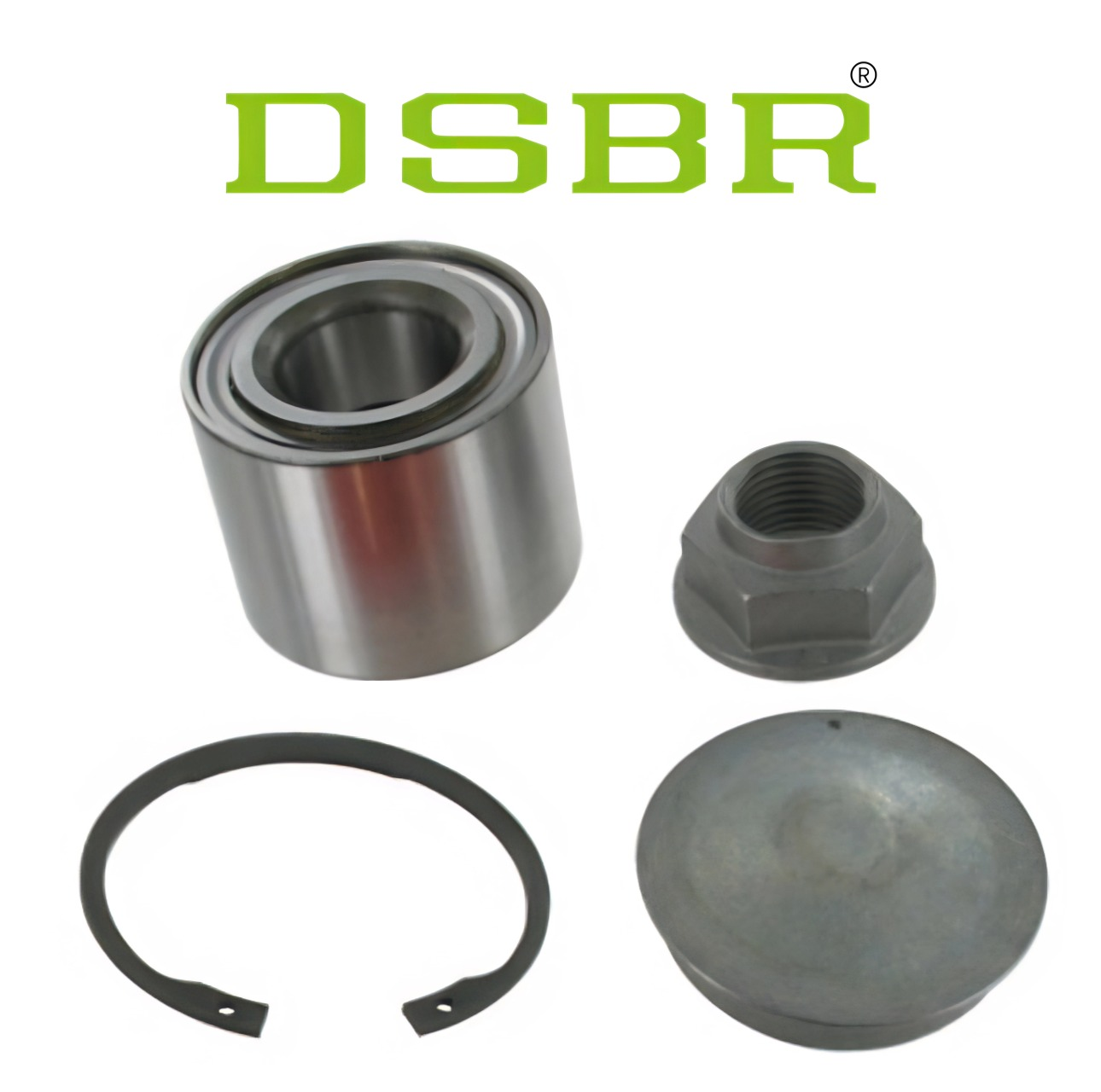
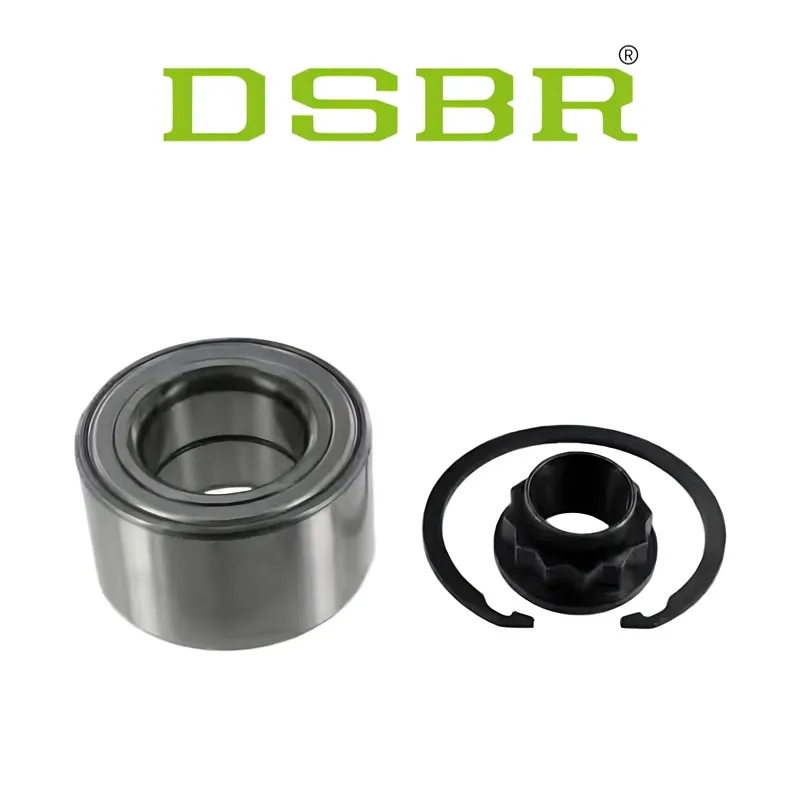
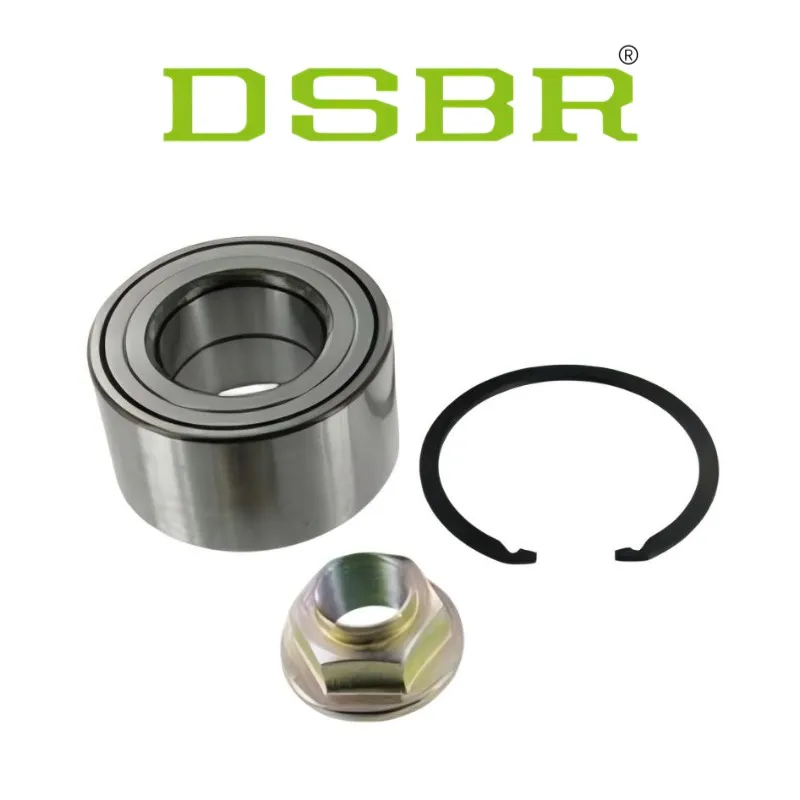
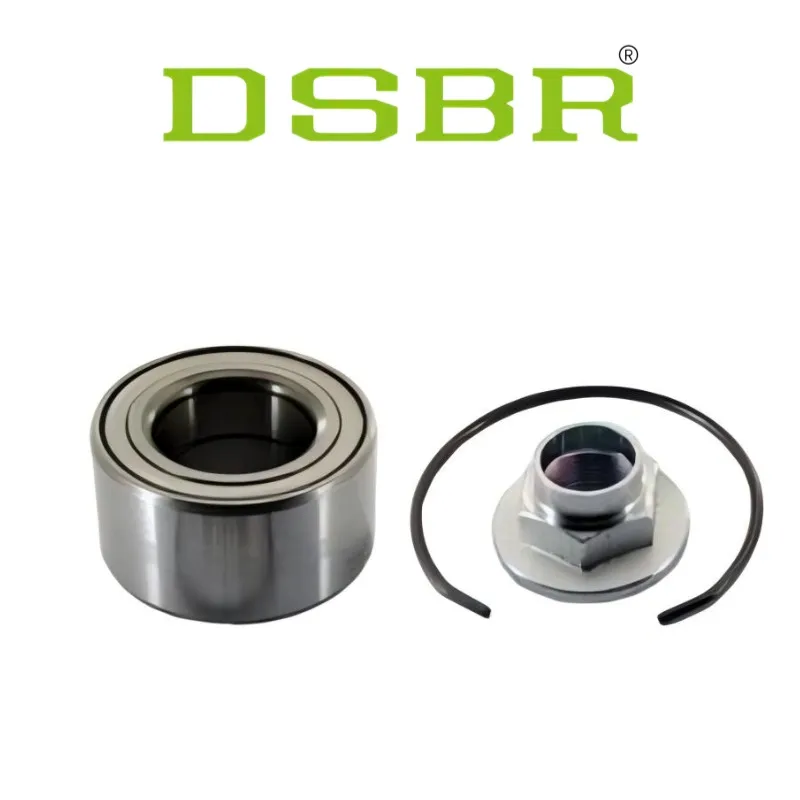
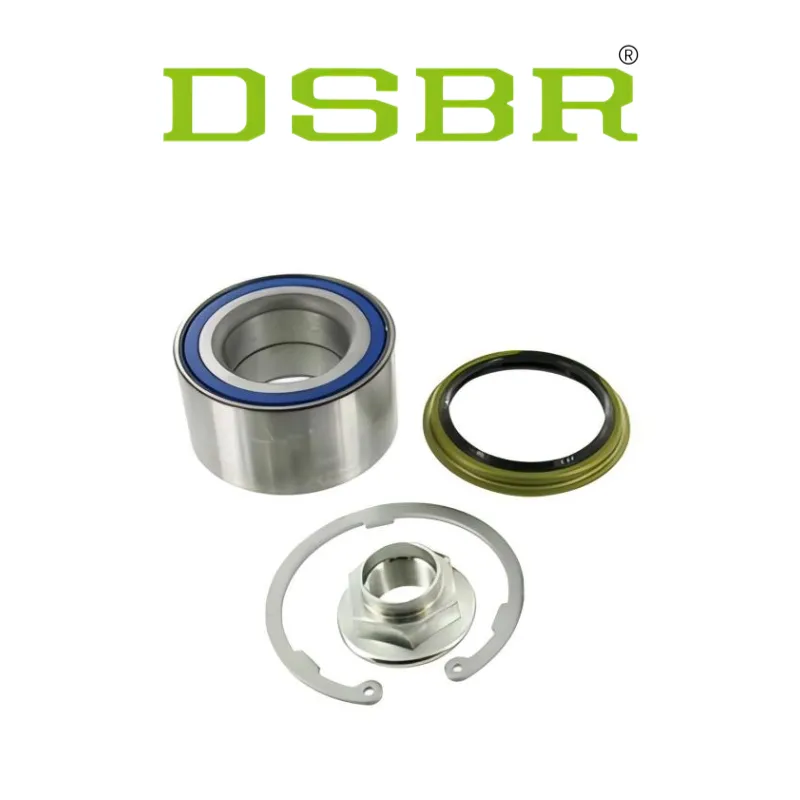
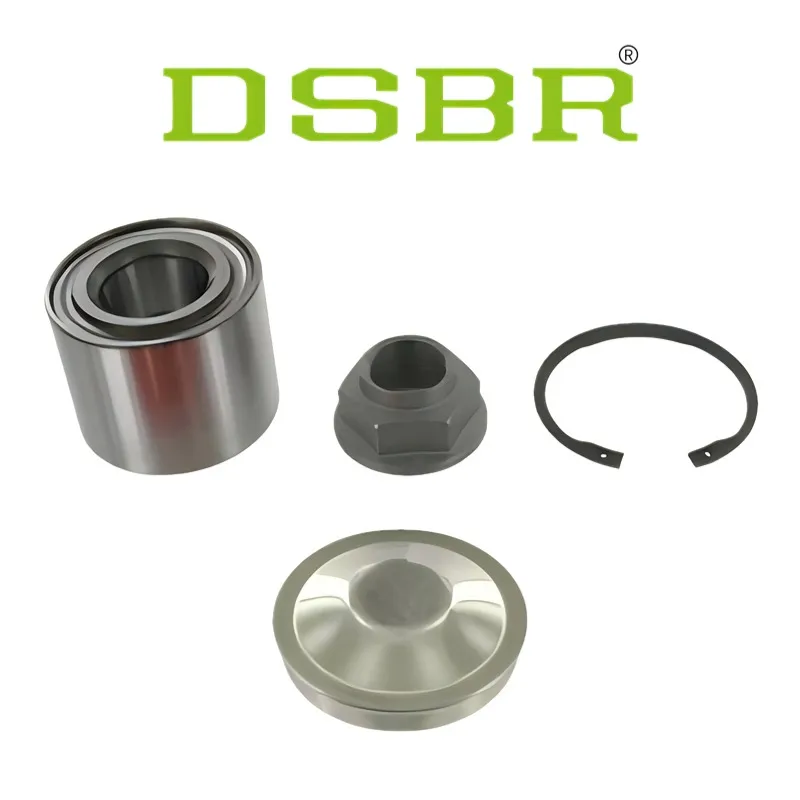
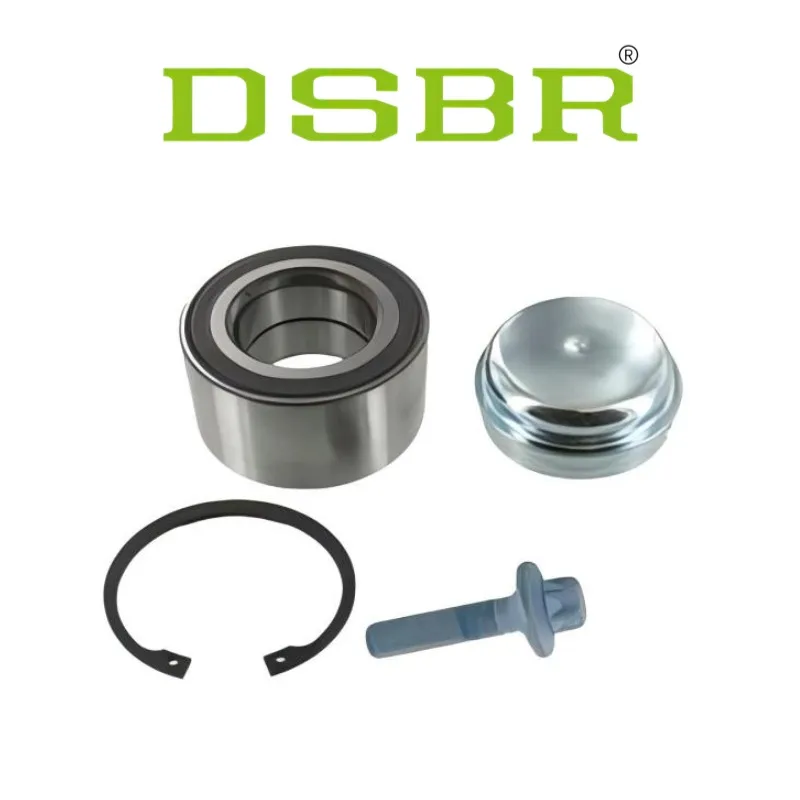
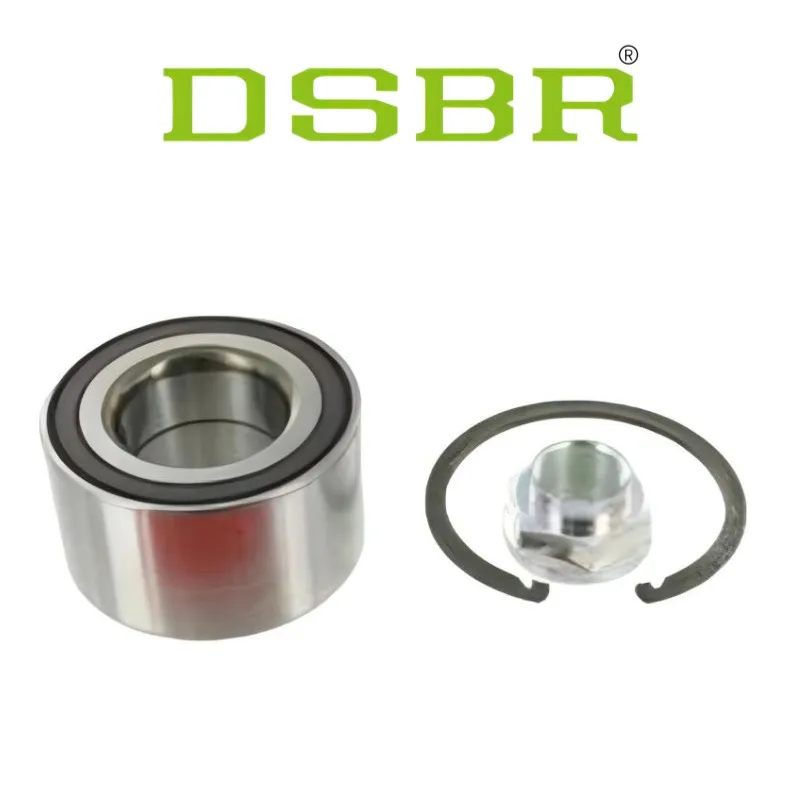
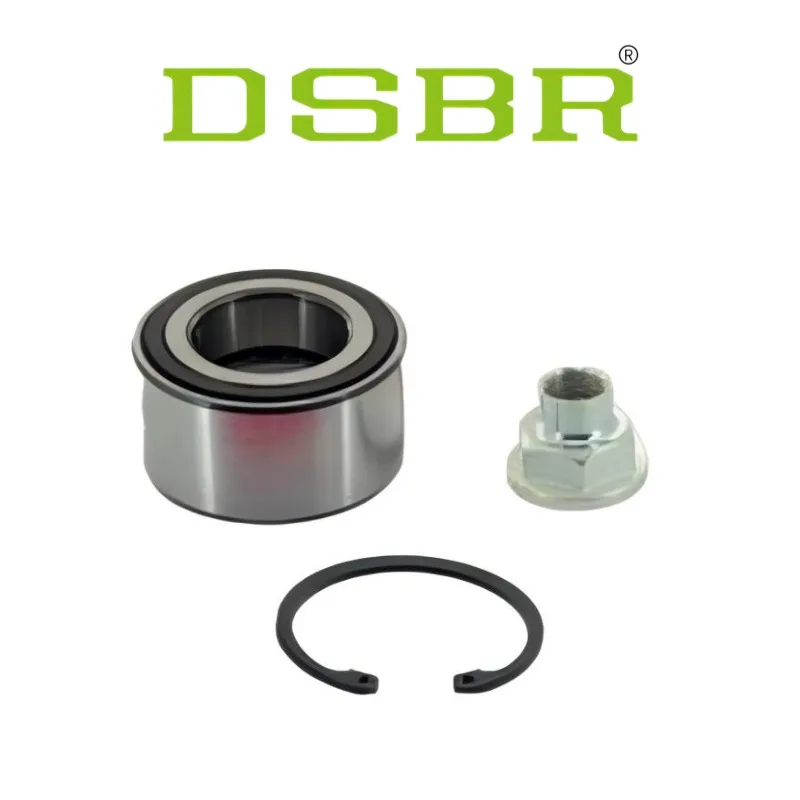
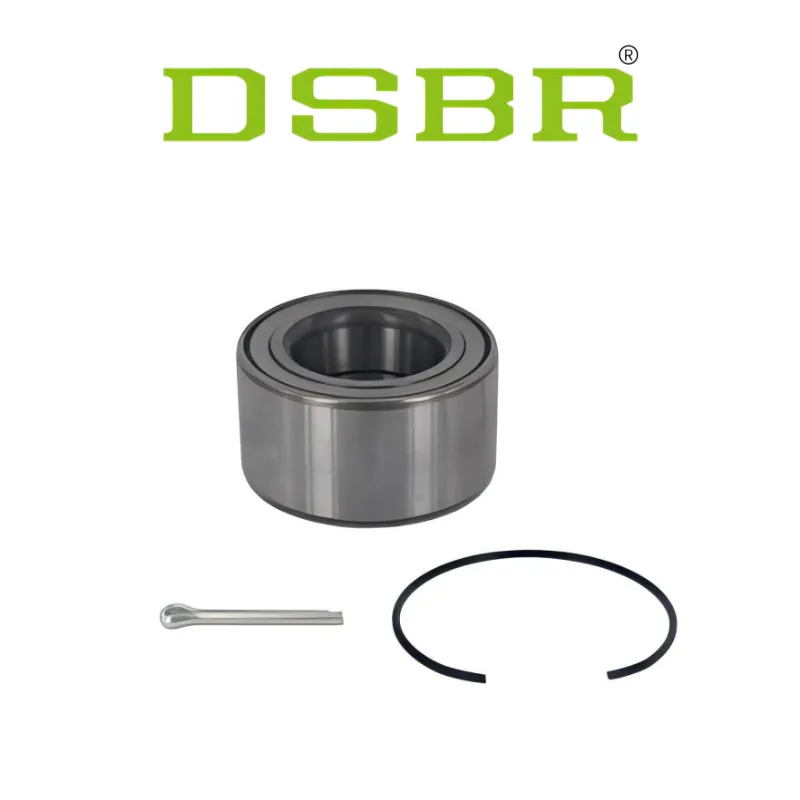
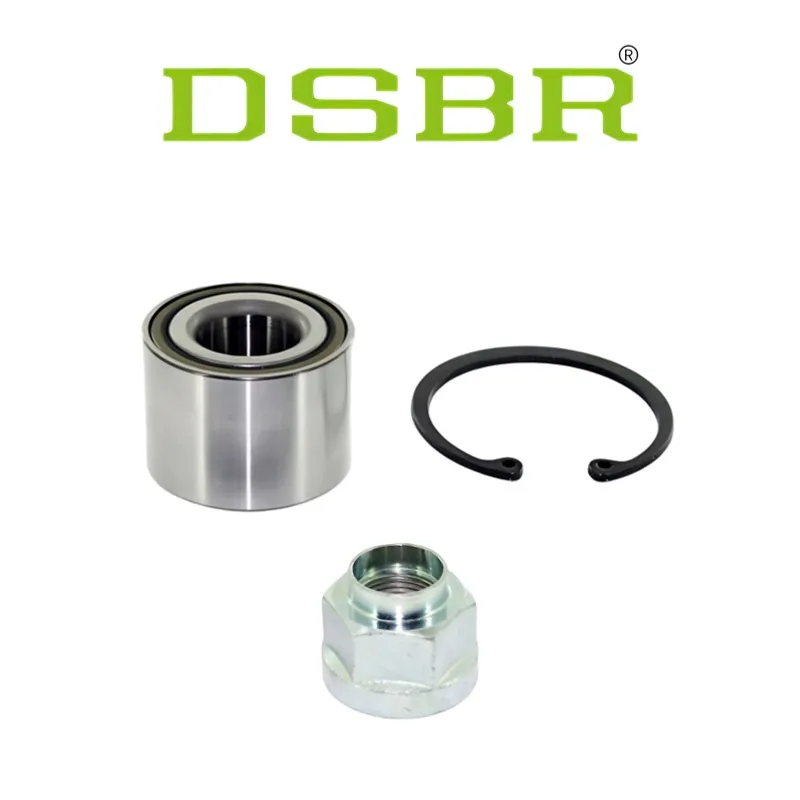
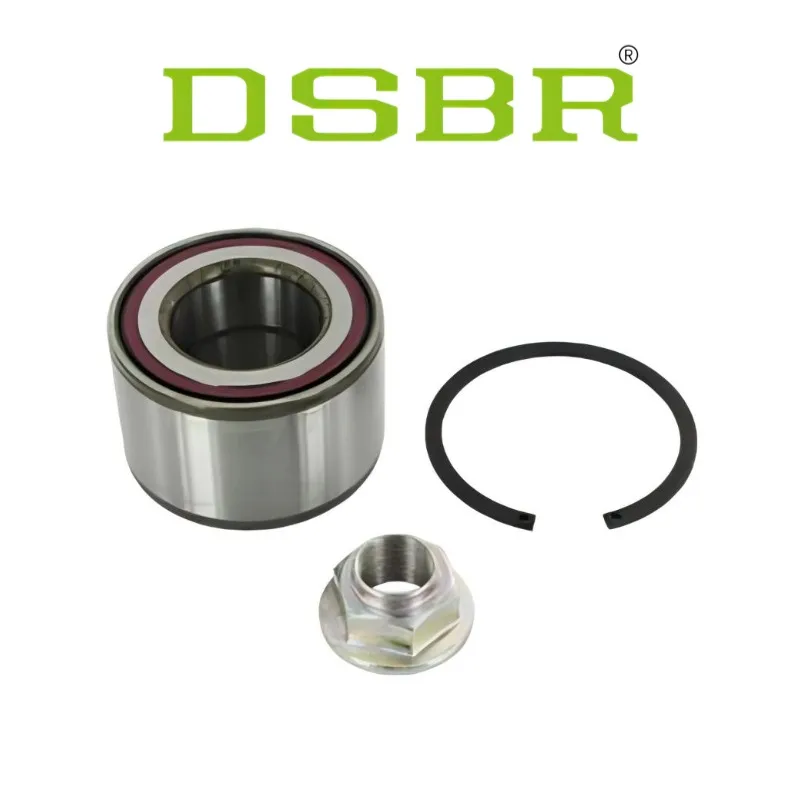
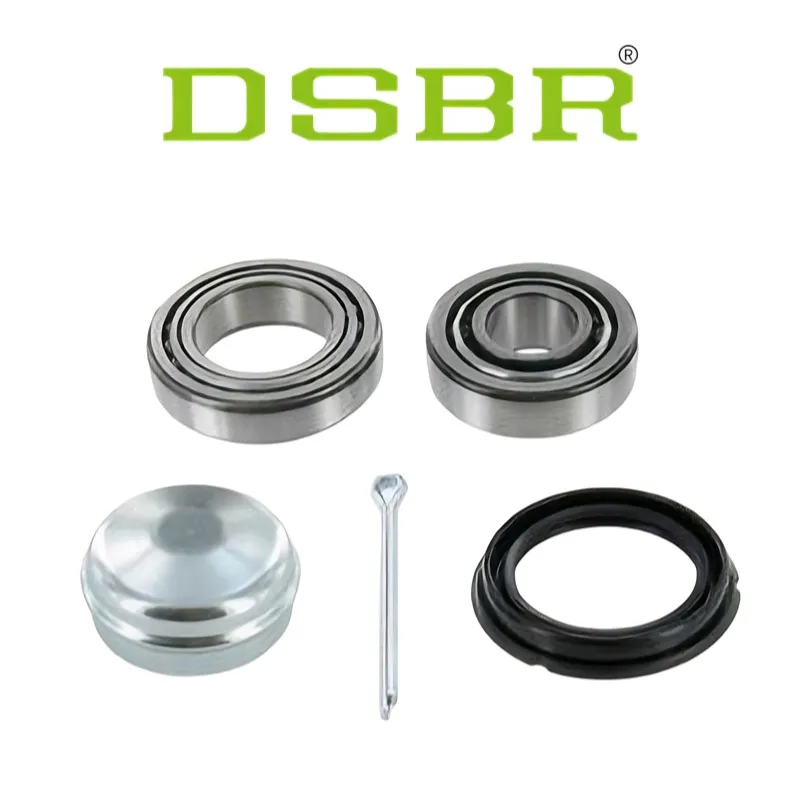
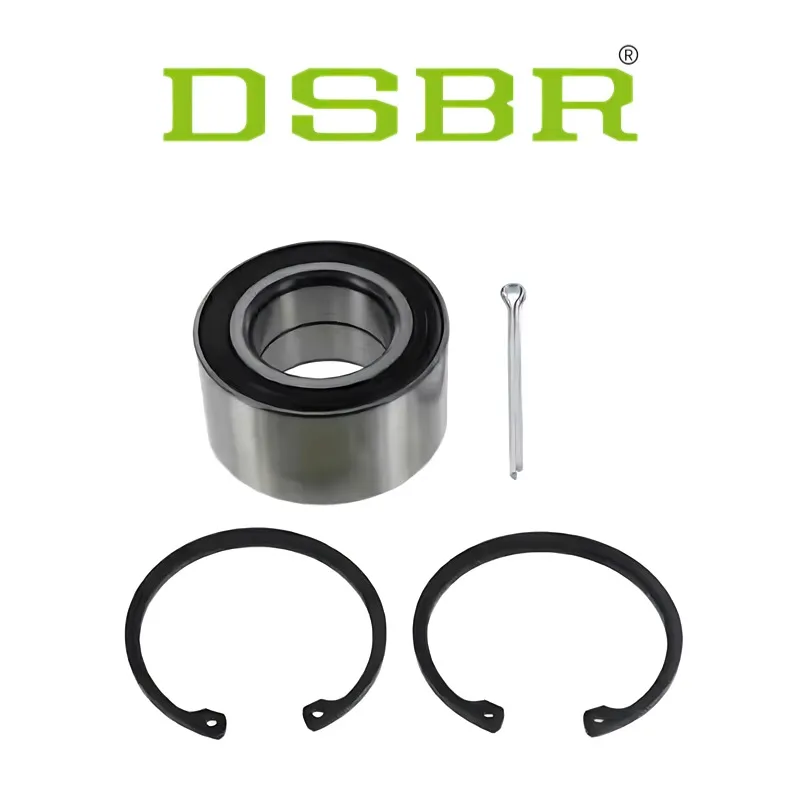
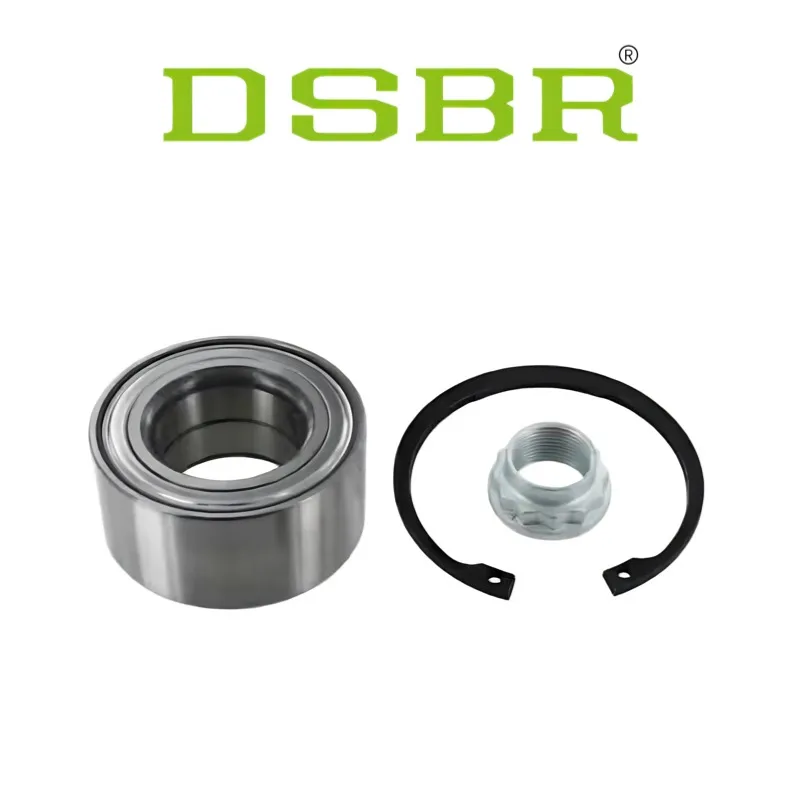
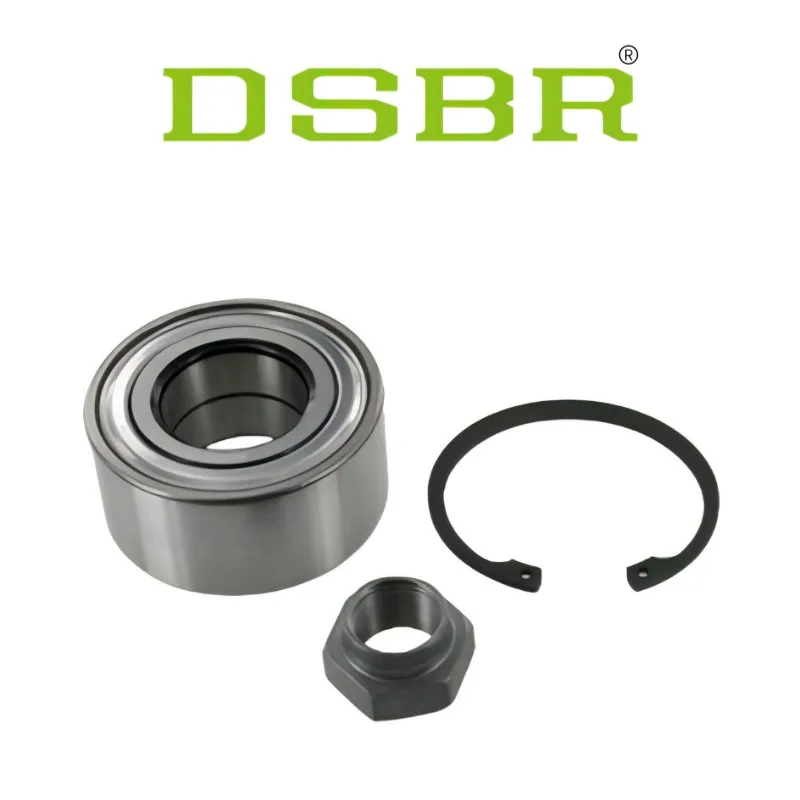
For applications involving significant thrust loads or combined radial and axial loads, choosing a high-quality bearing solution is essential. DSBR Bearings specializes in tapered roller bearings, double row angular contact ball bearings, and wheel hub bearings designed to deliver reliable performance in demanding operating environments. By combining proper bearing selection with sound engineering practices, manufacturers and maintenance professionals can maximize equipment reliability and achieve long-term operational success.

 CN
CN
 EN
EN
 ko
ko  fr
fr  de
de  es
es  it
it  ru
ru  pt
pt  ar
ar  vi
vi  tr
tr  th
th  fi
fi  hi
hi  id
id  no
no 



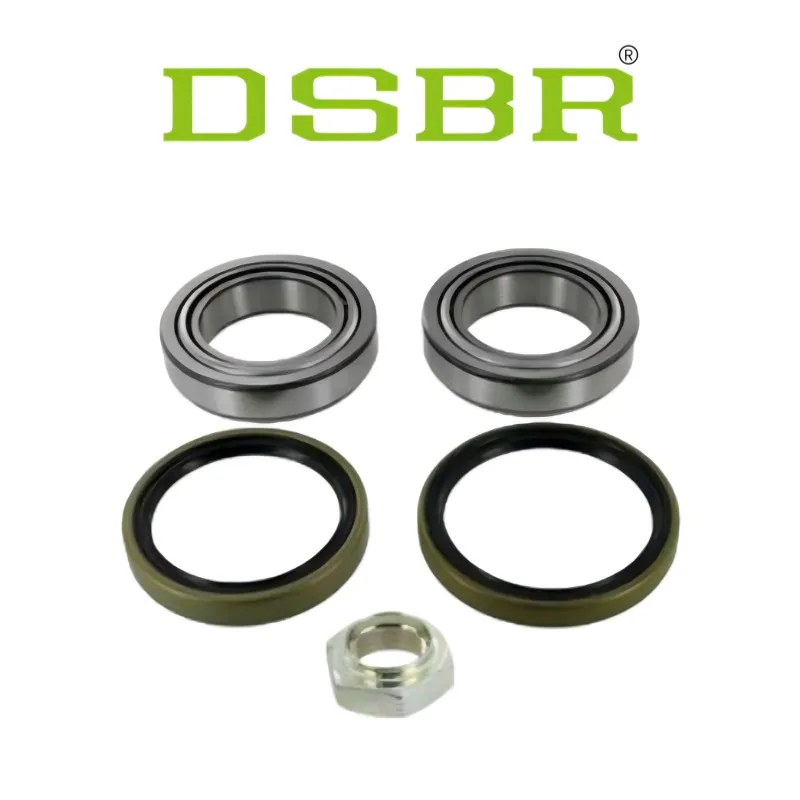
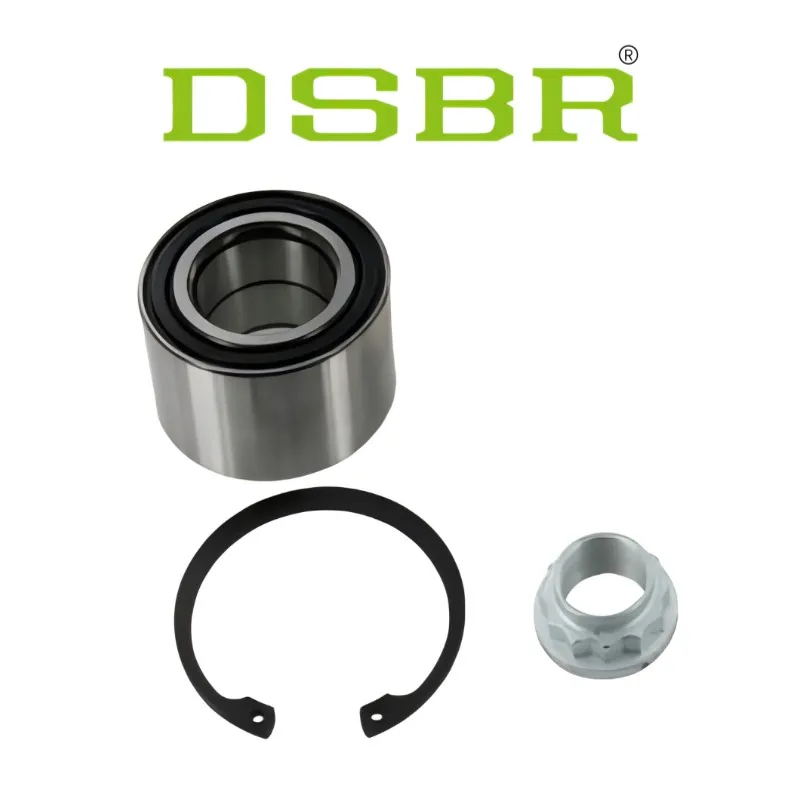
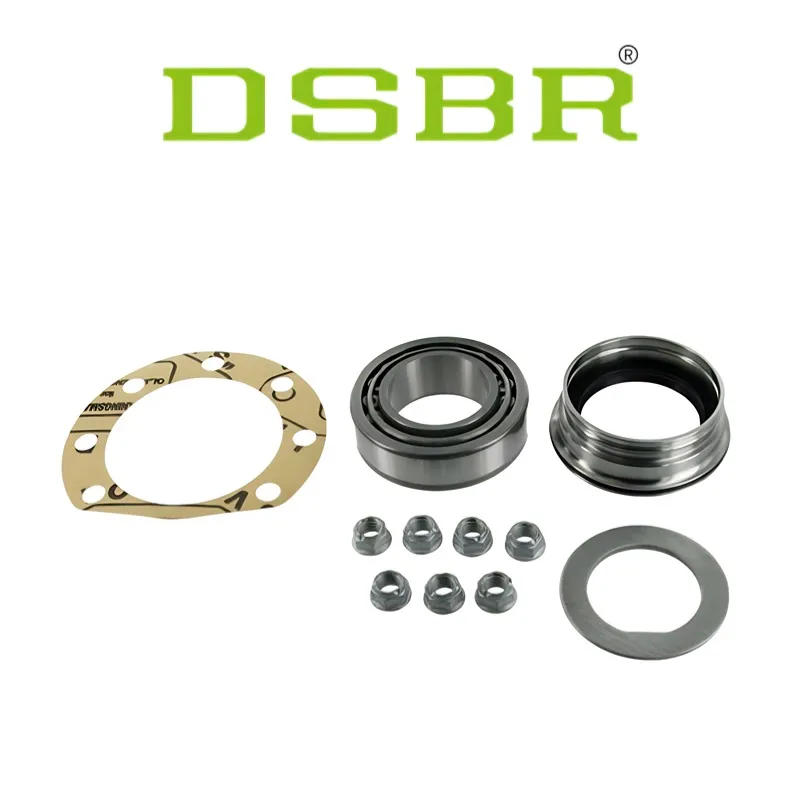
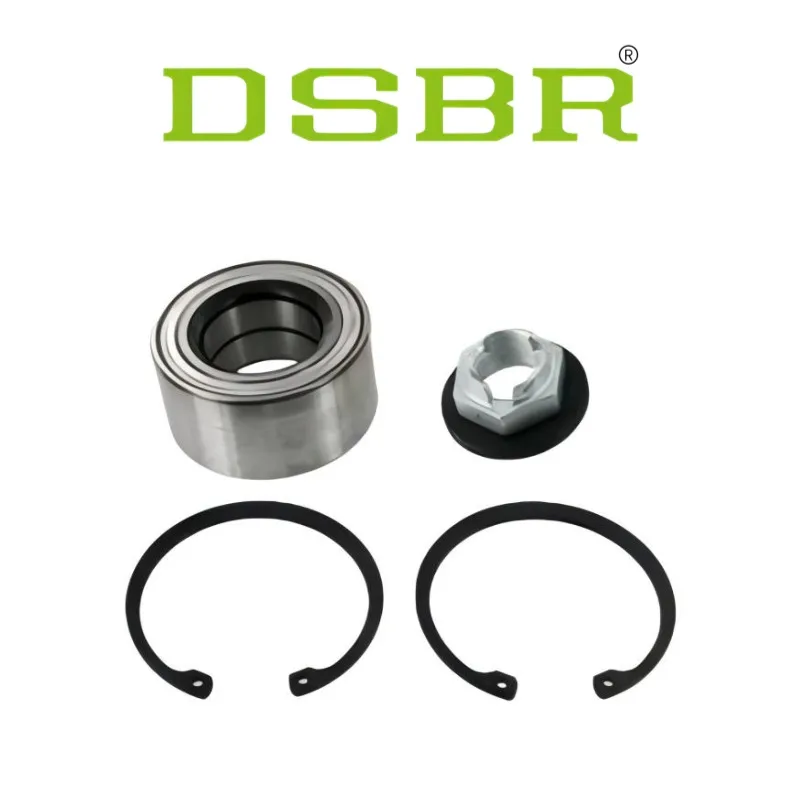
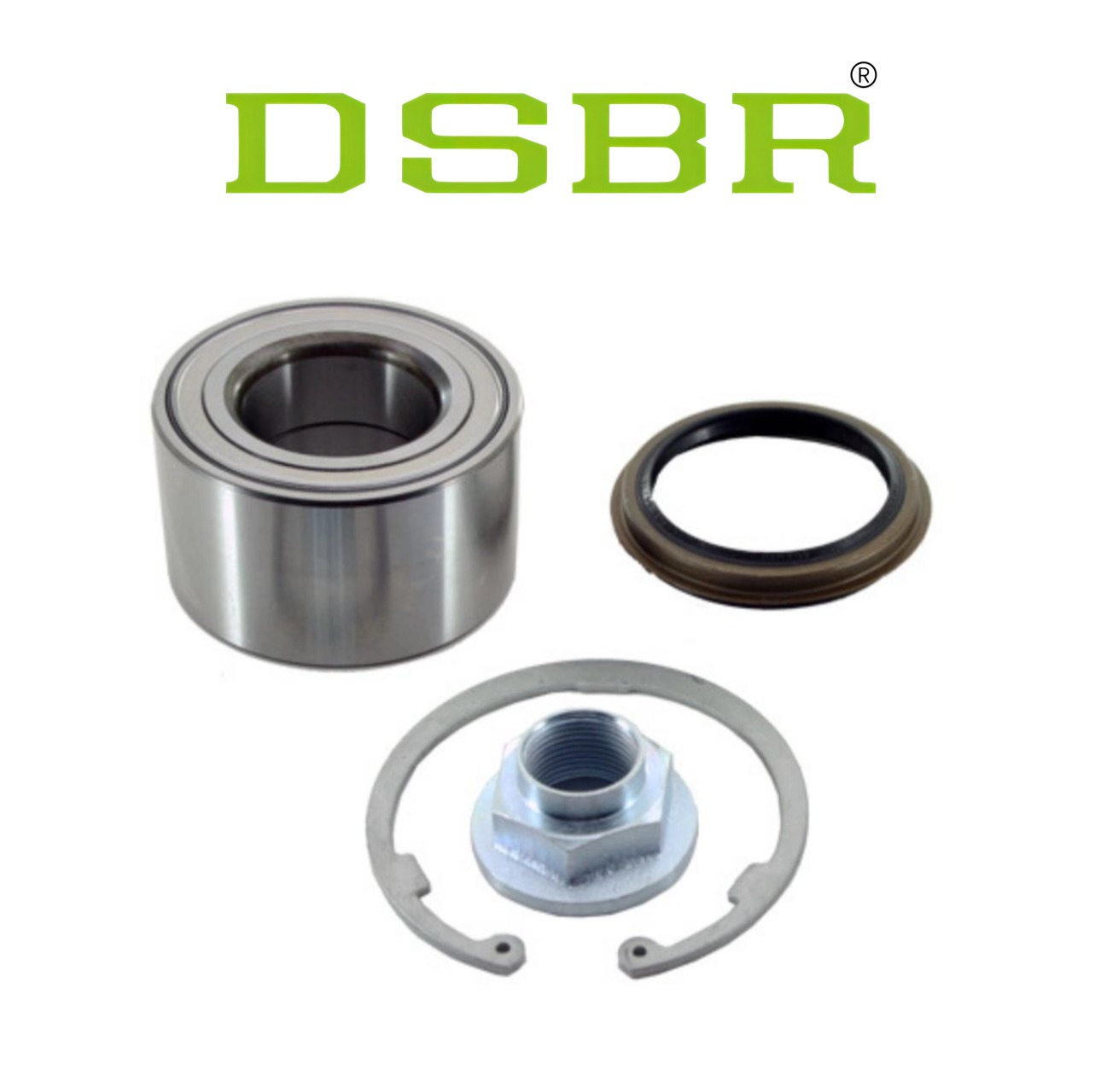
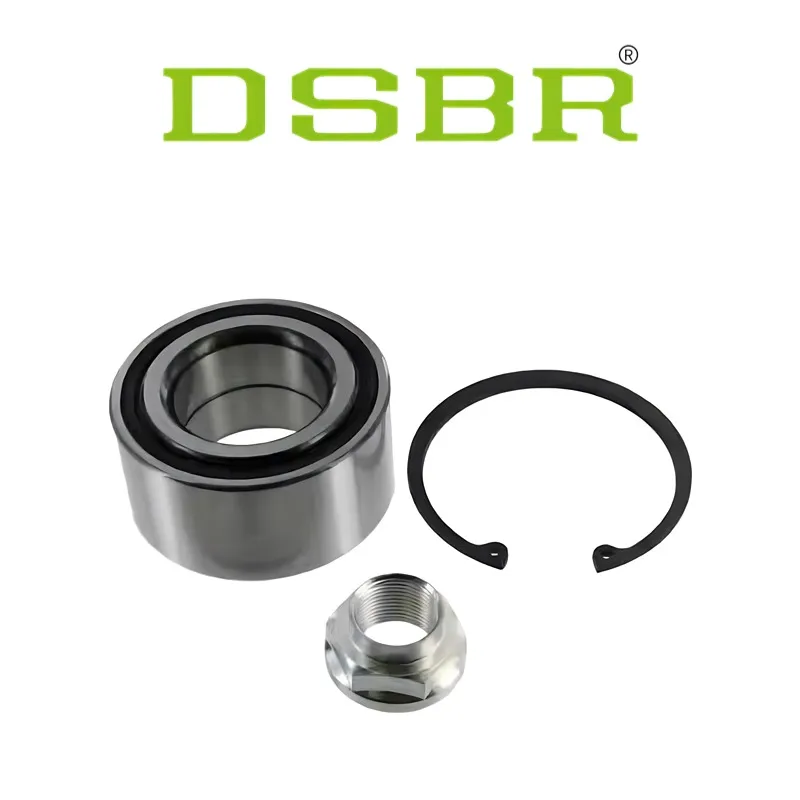
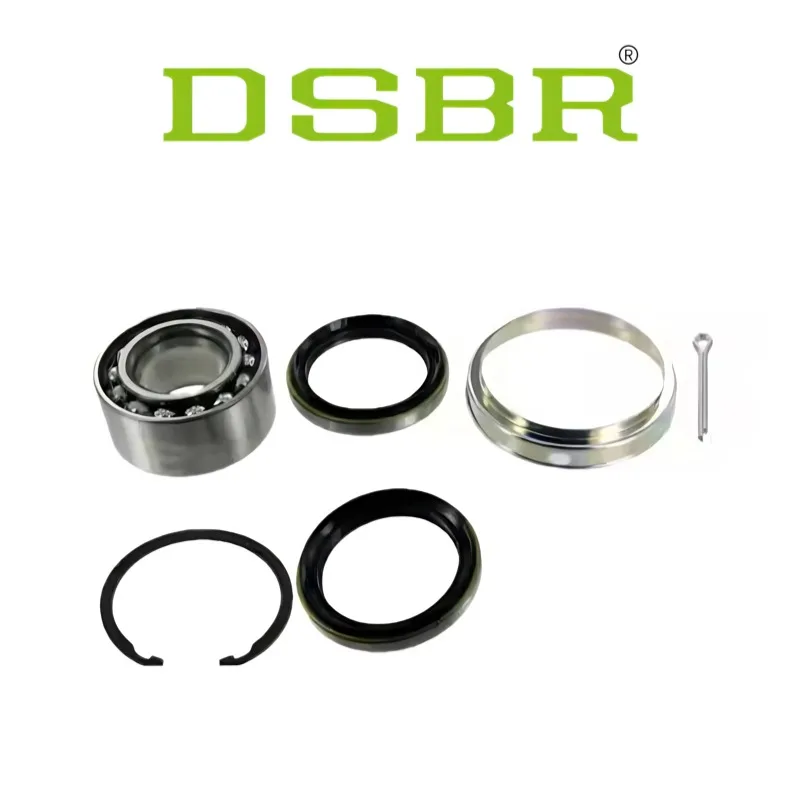
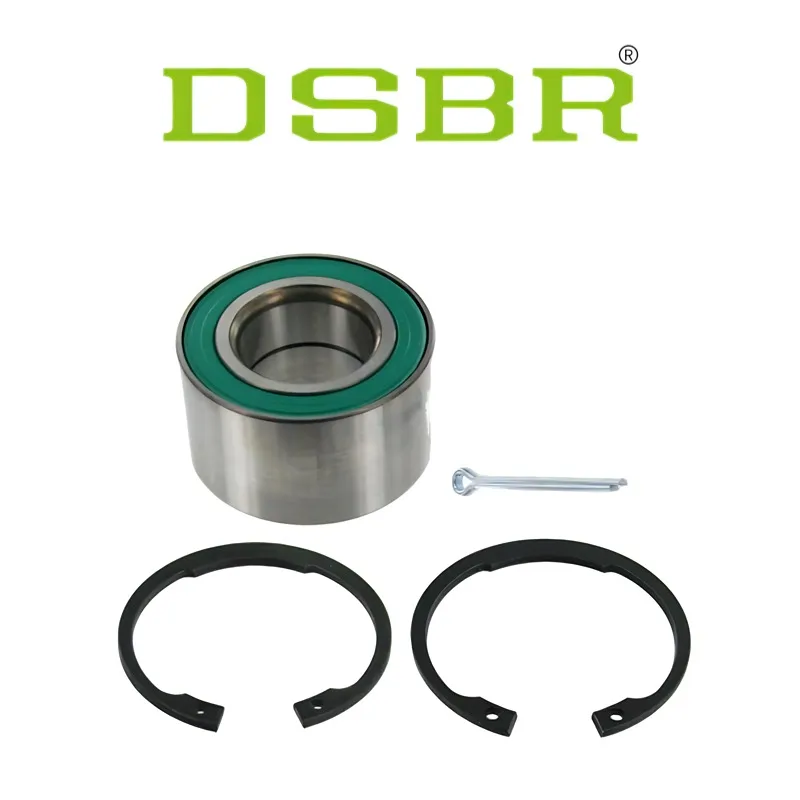
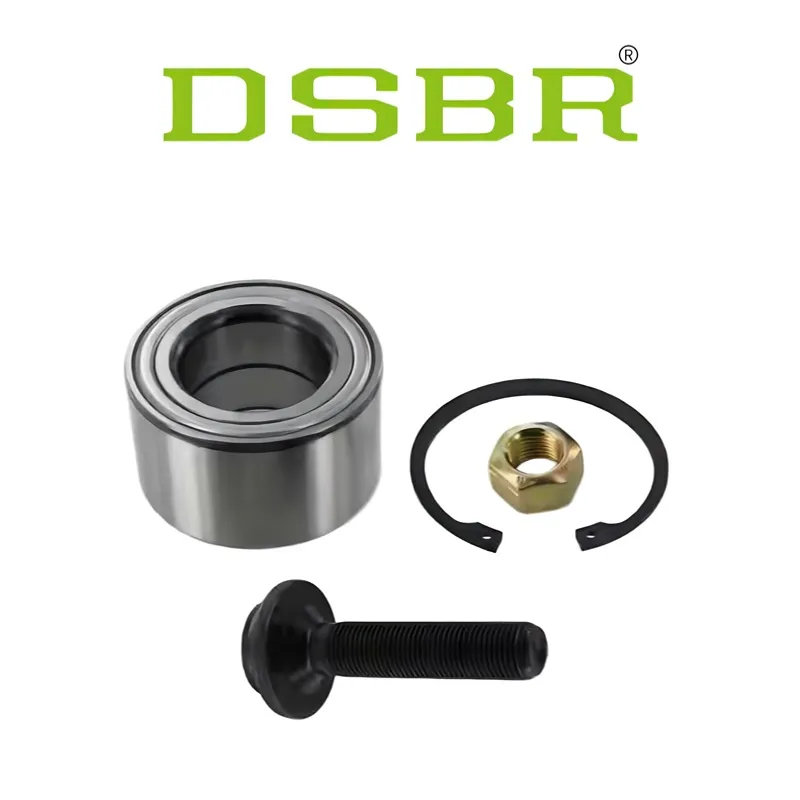
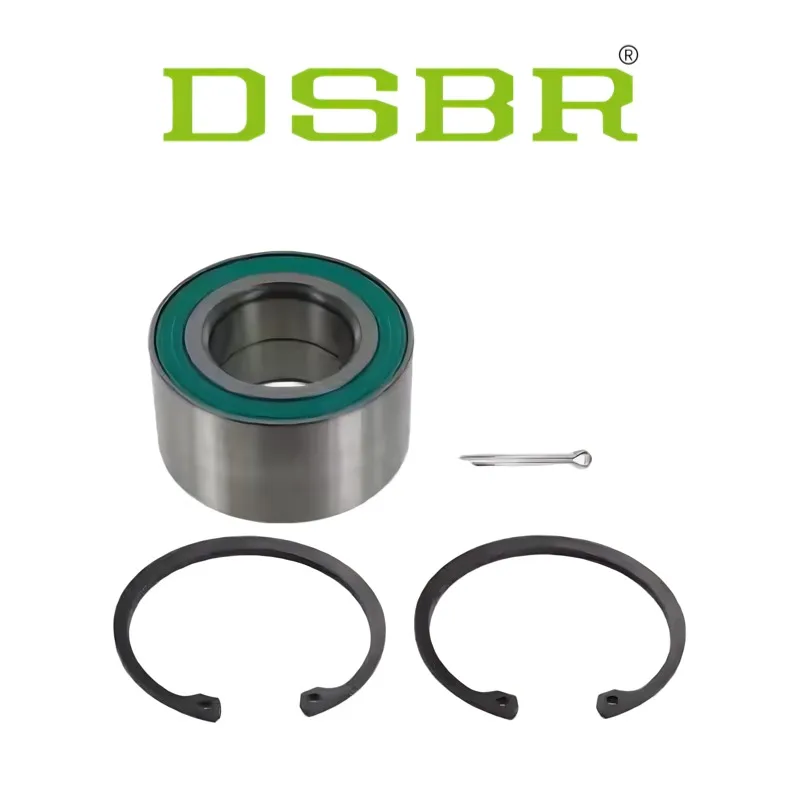
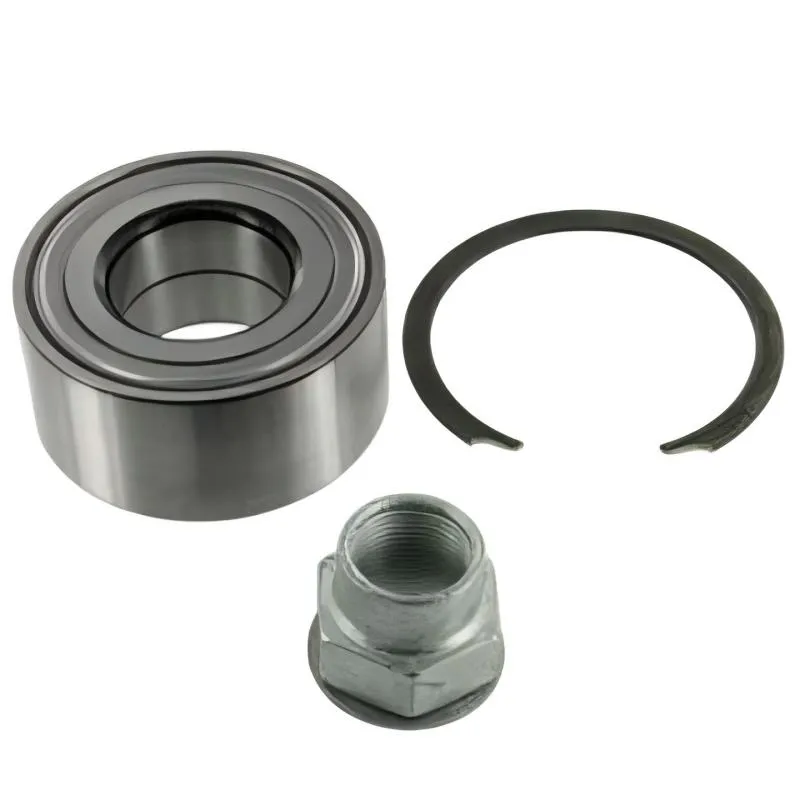
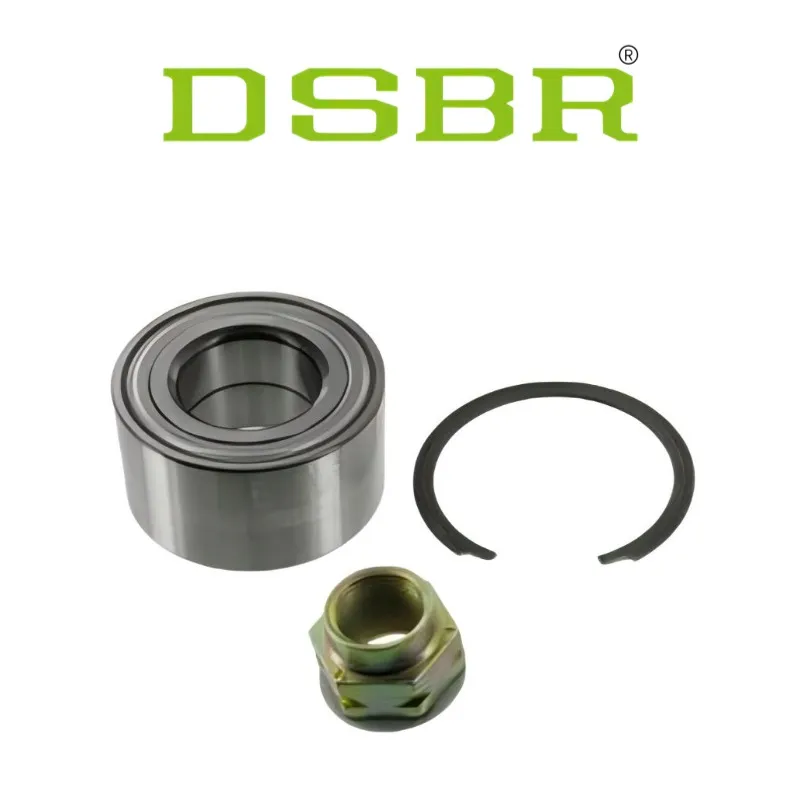


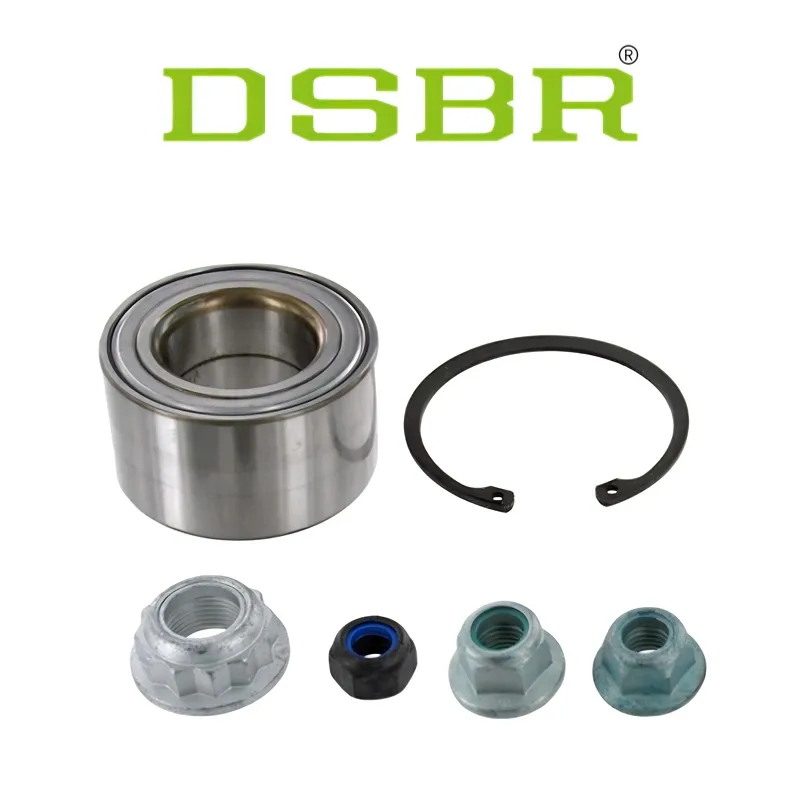
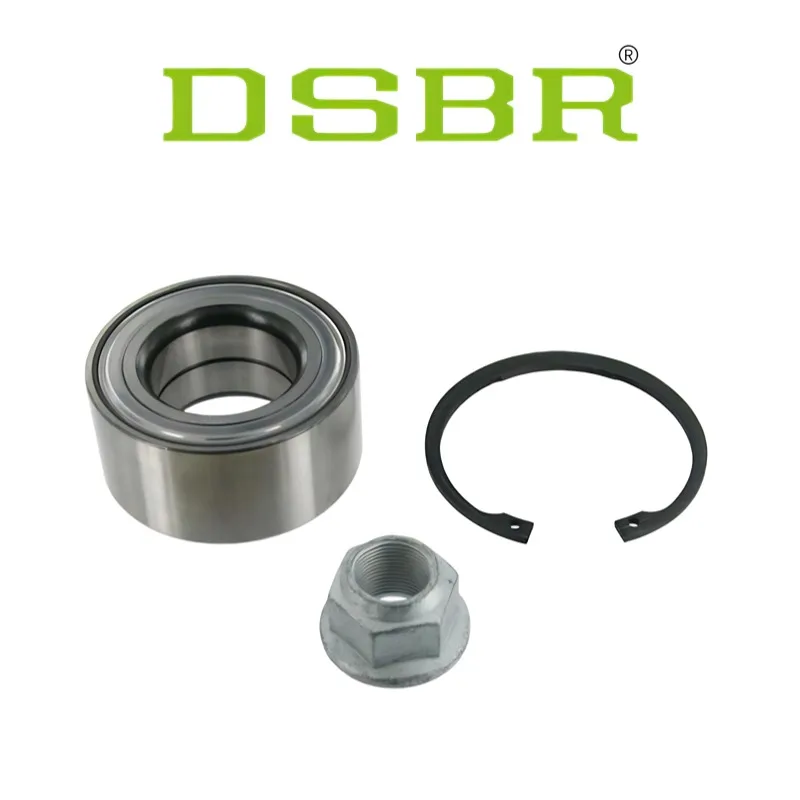
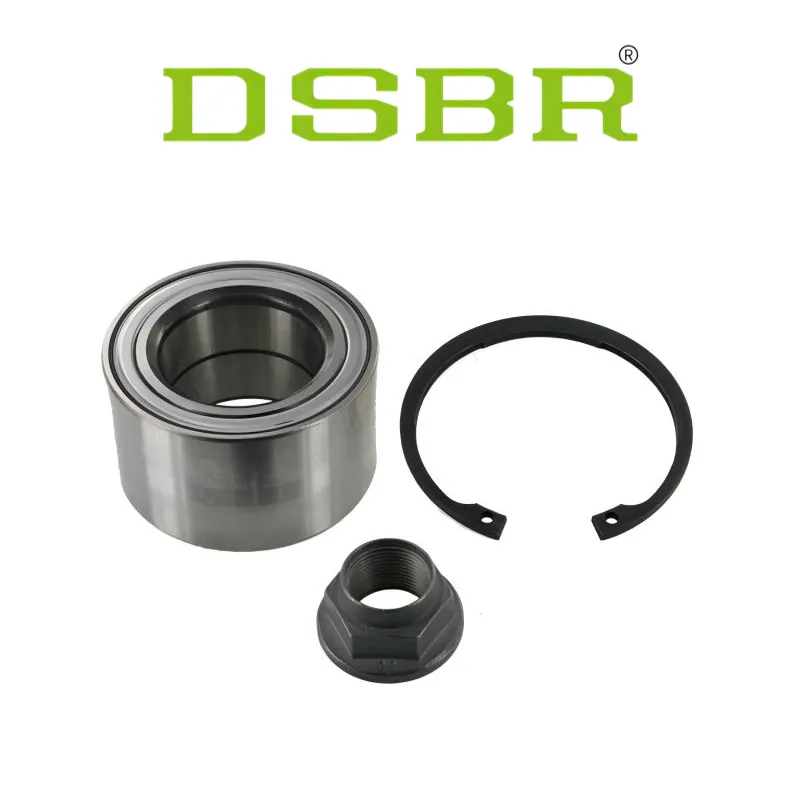
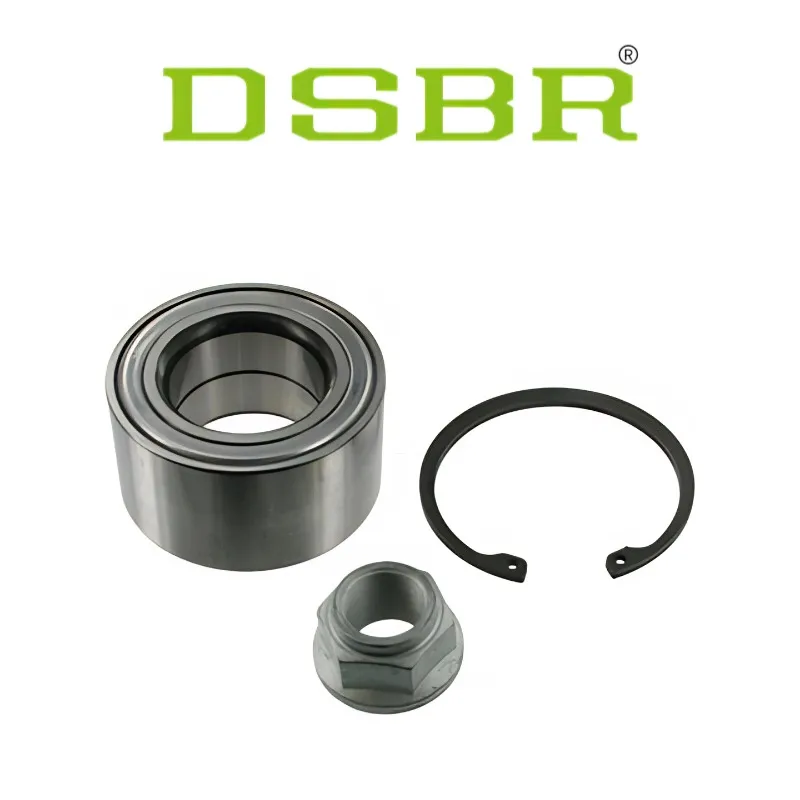
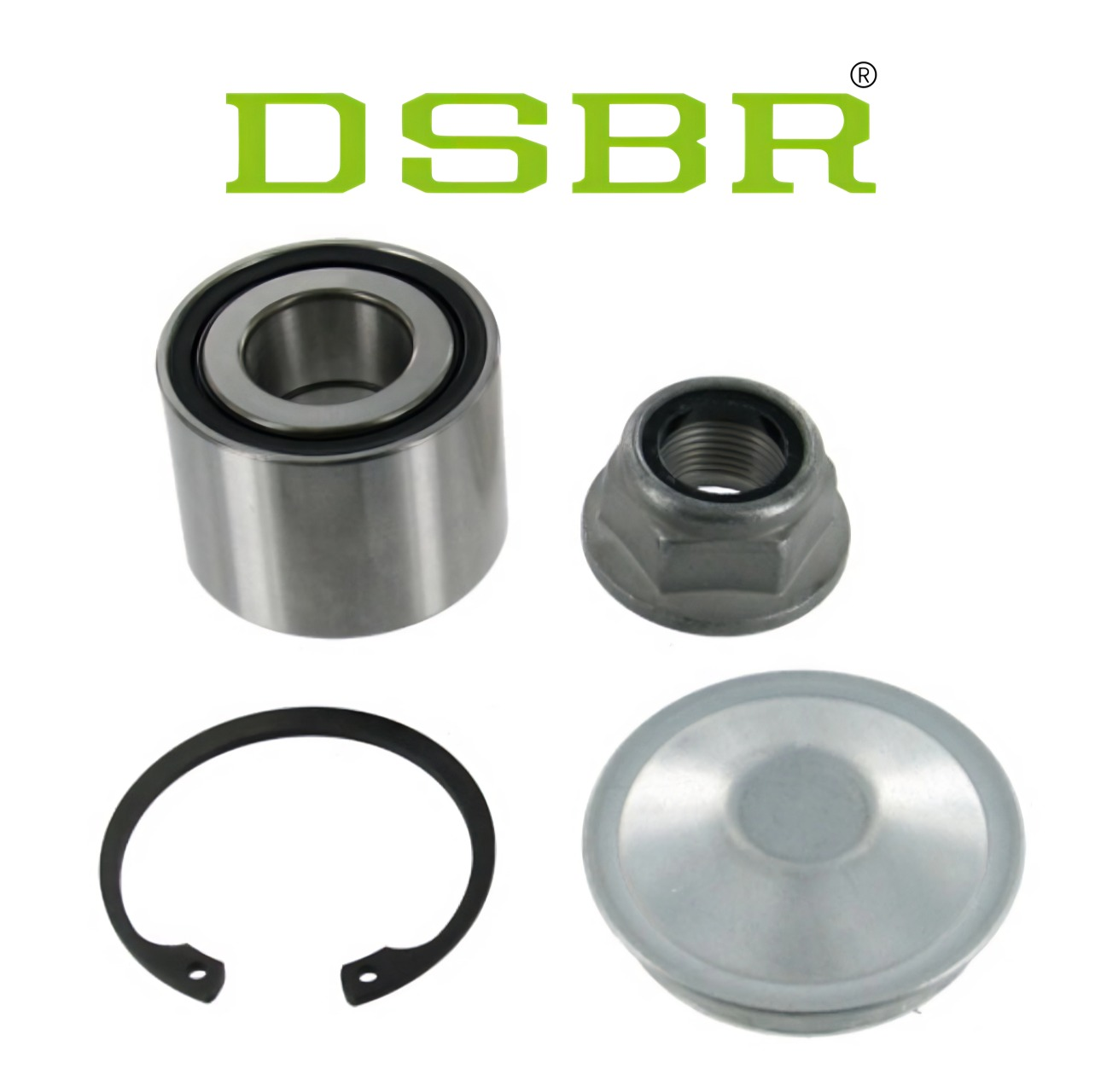
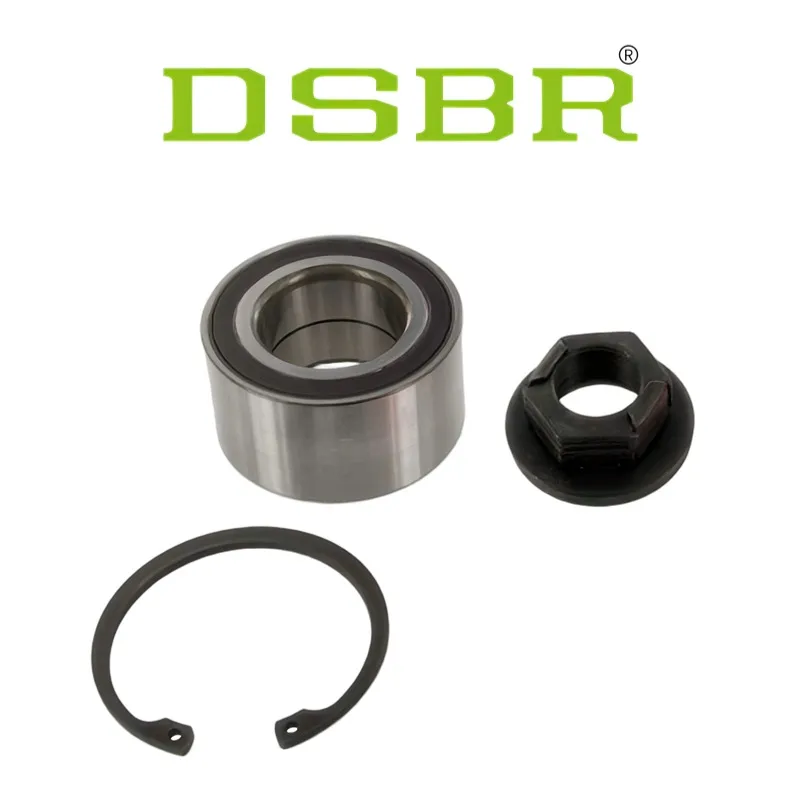
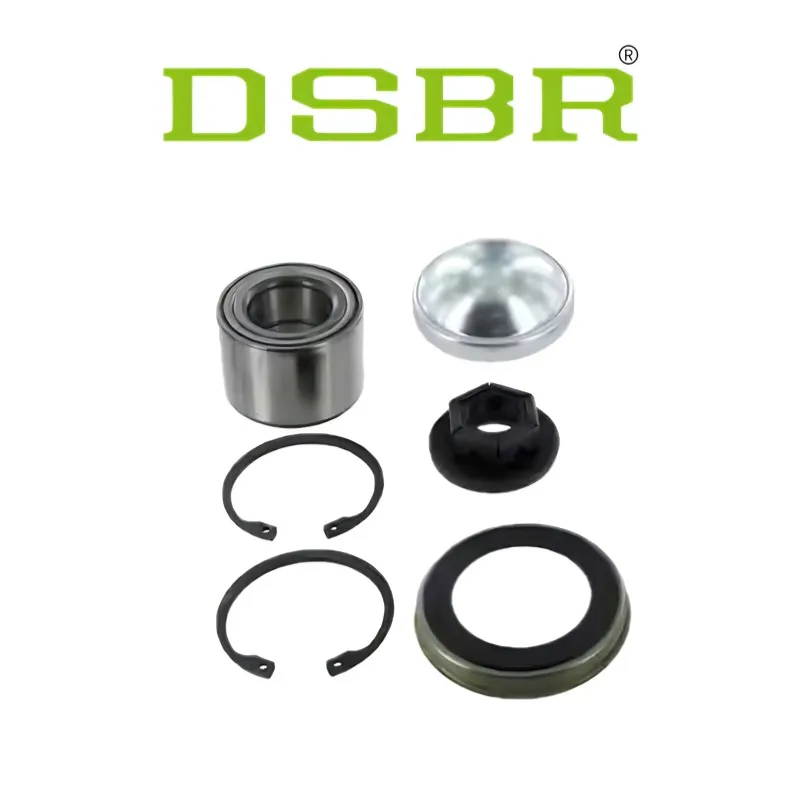
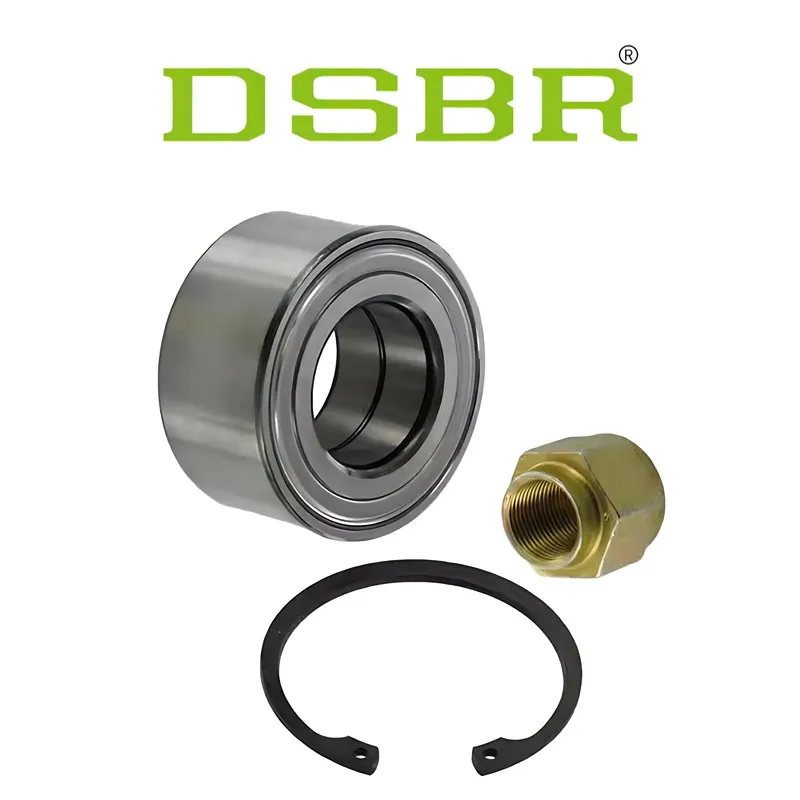
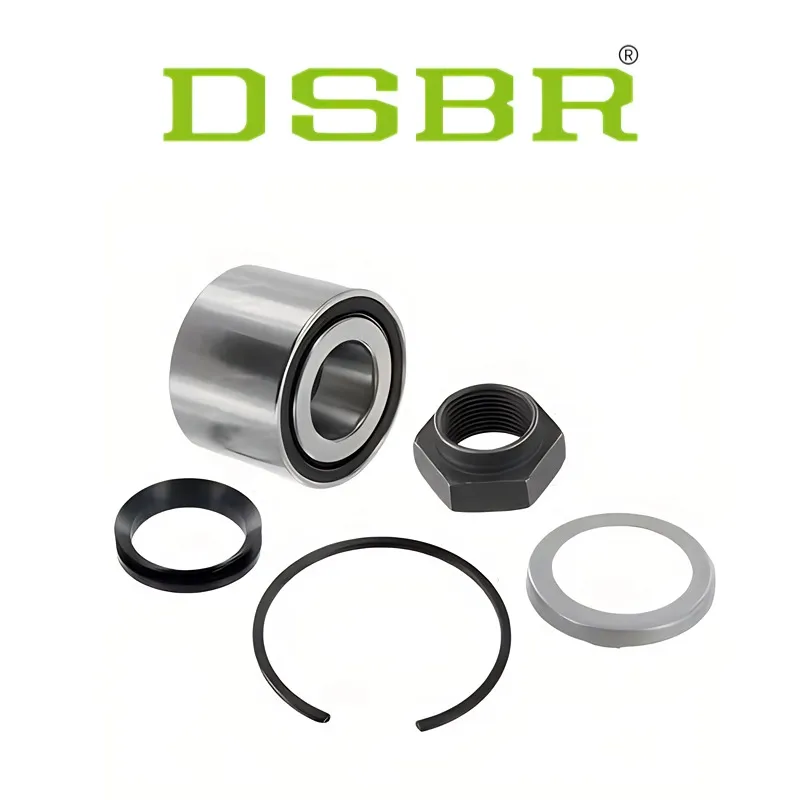
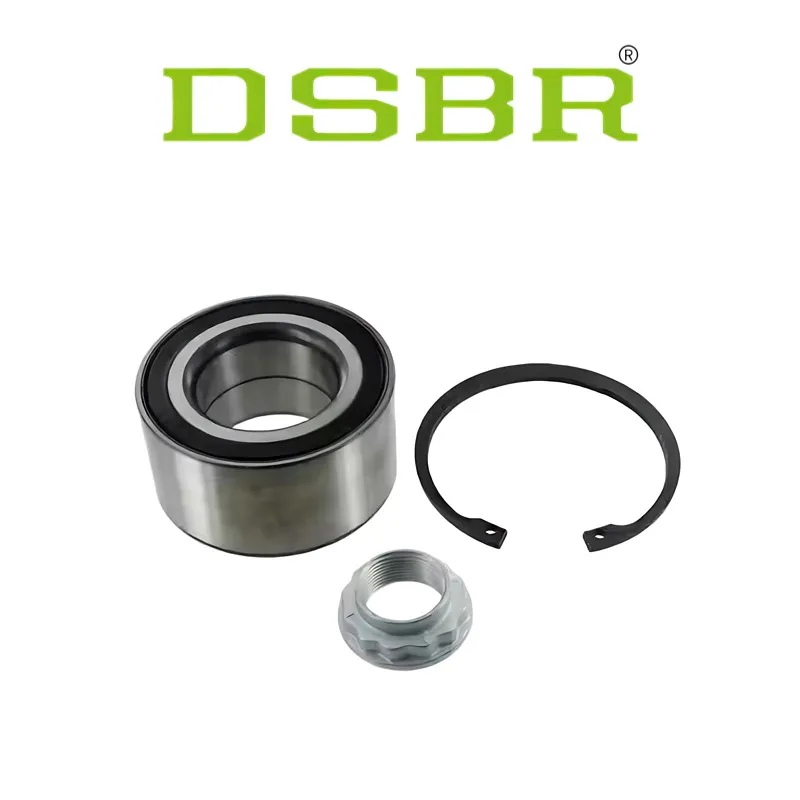
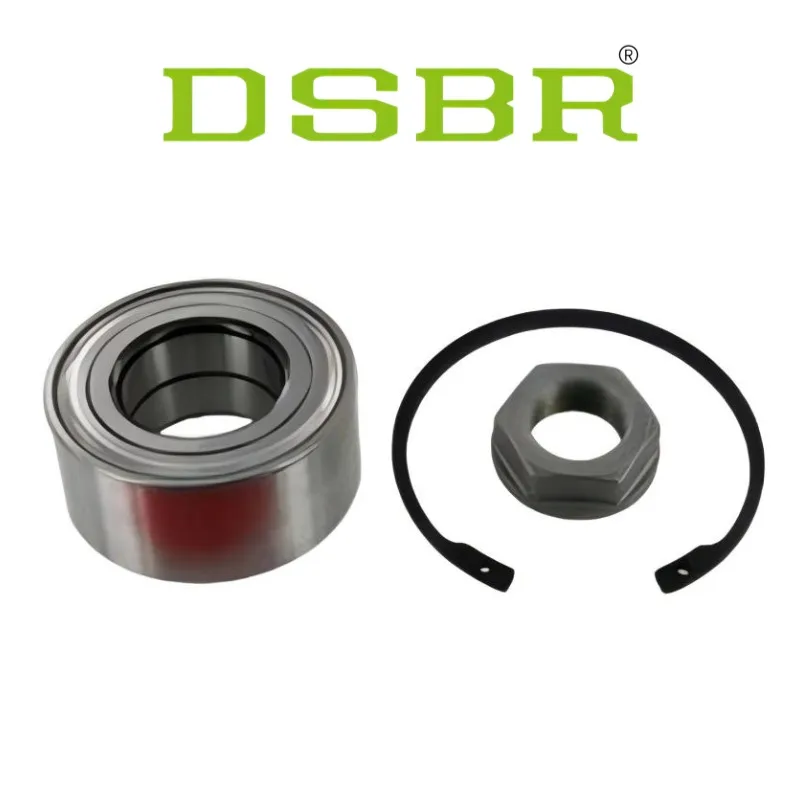
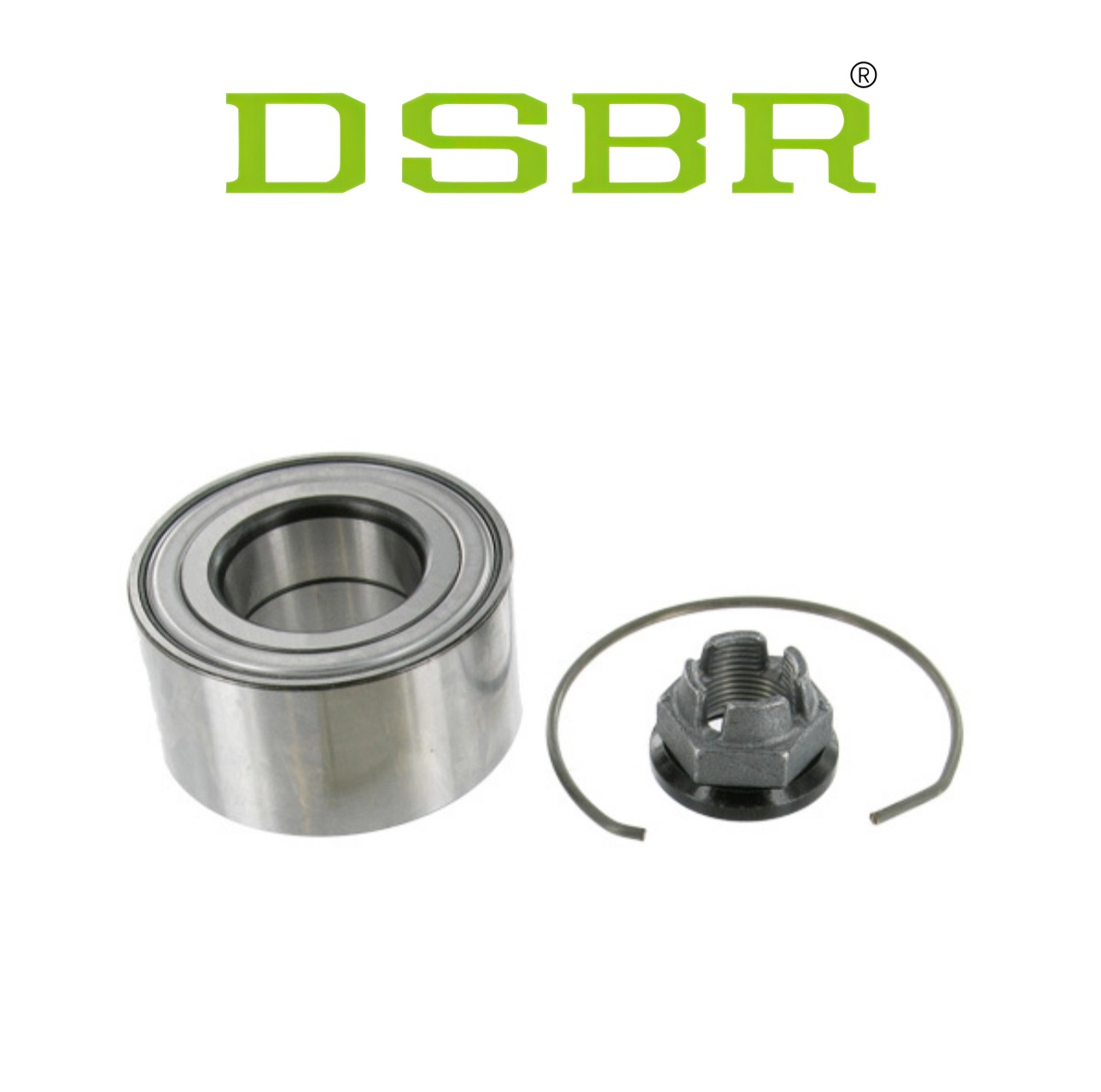
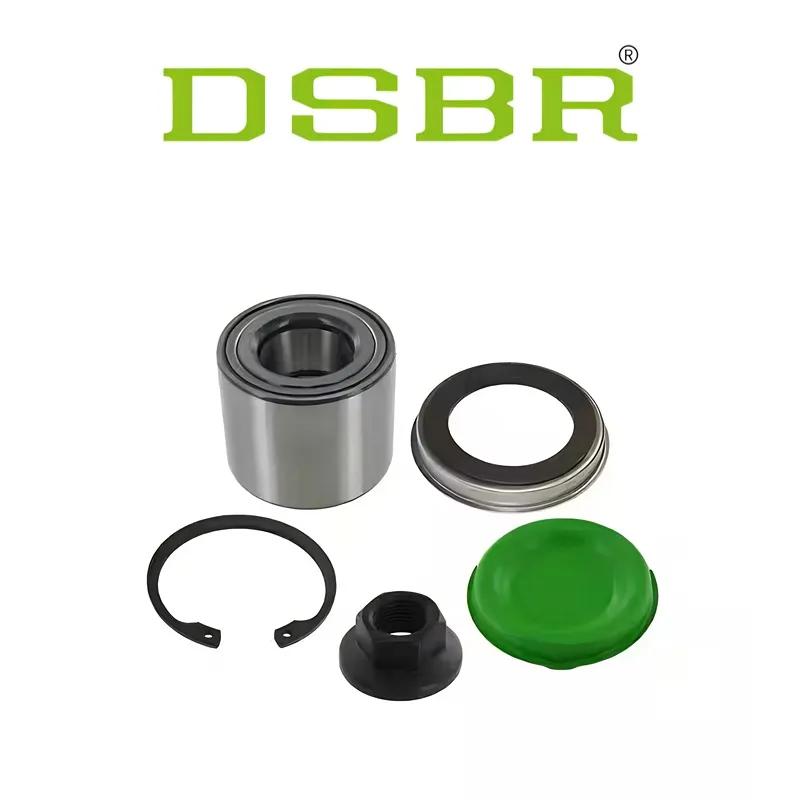
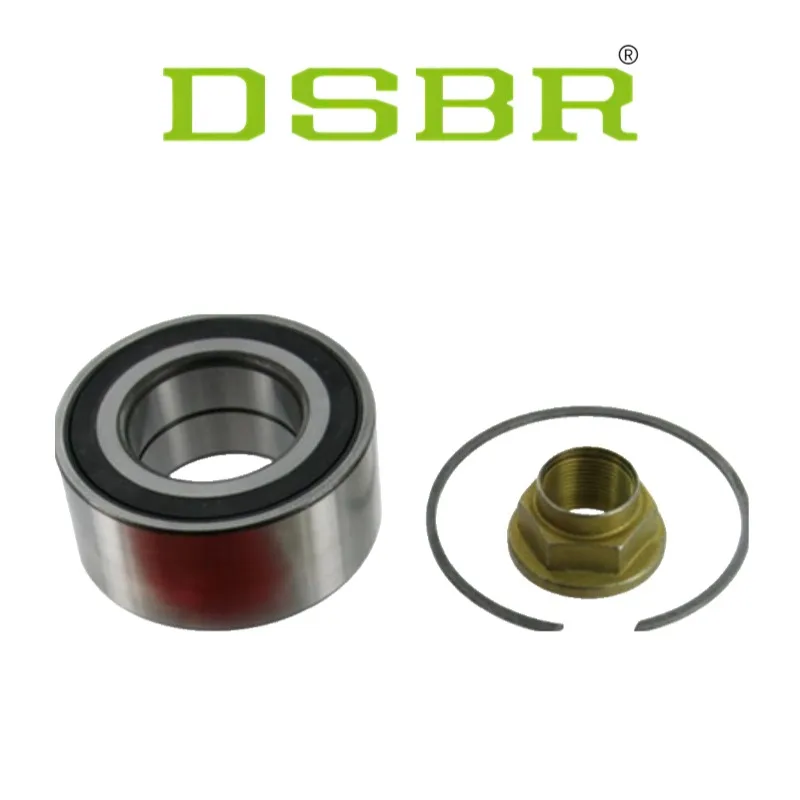
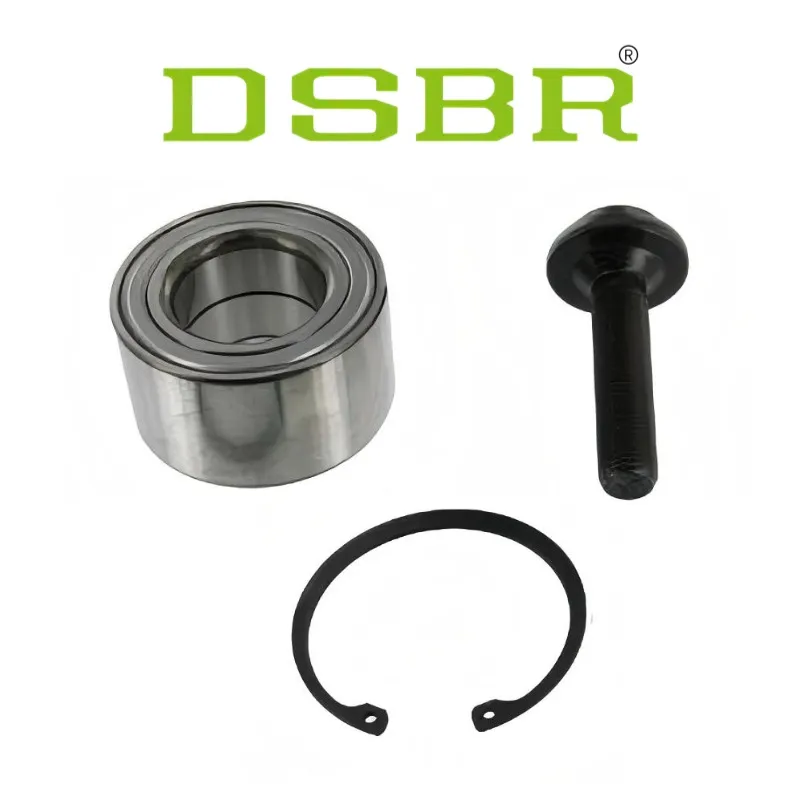
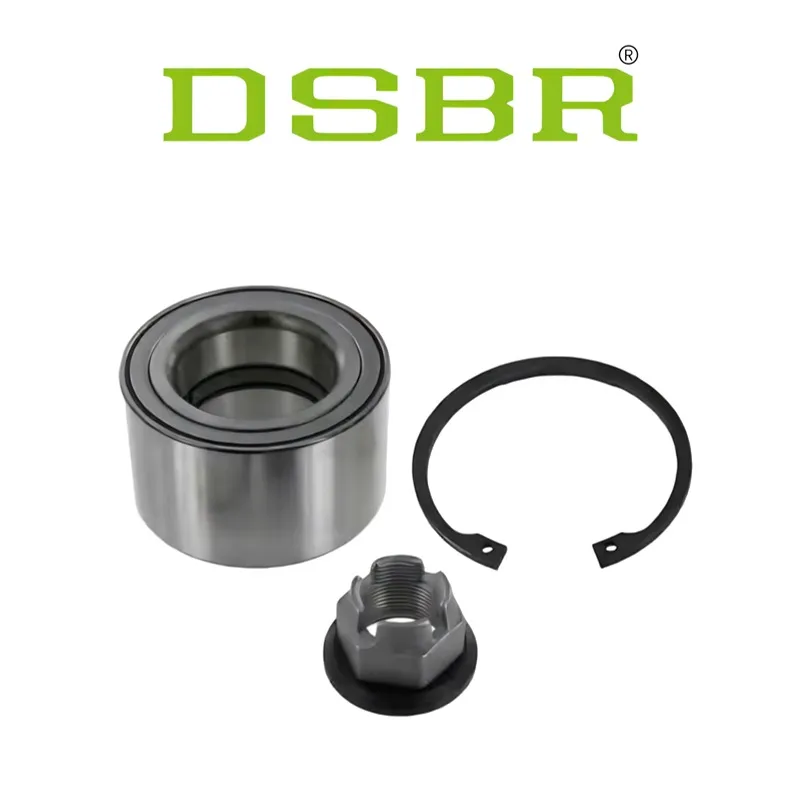
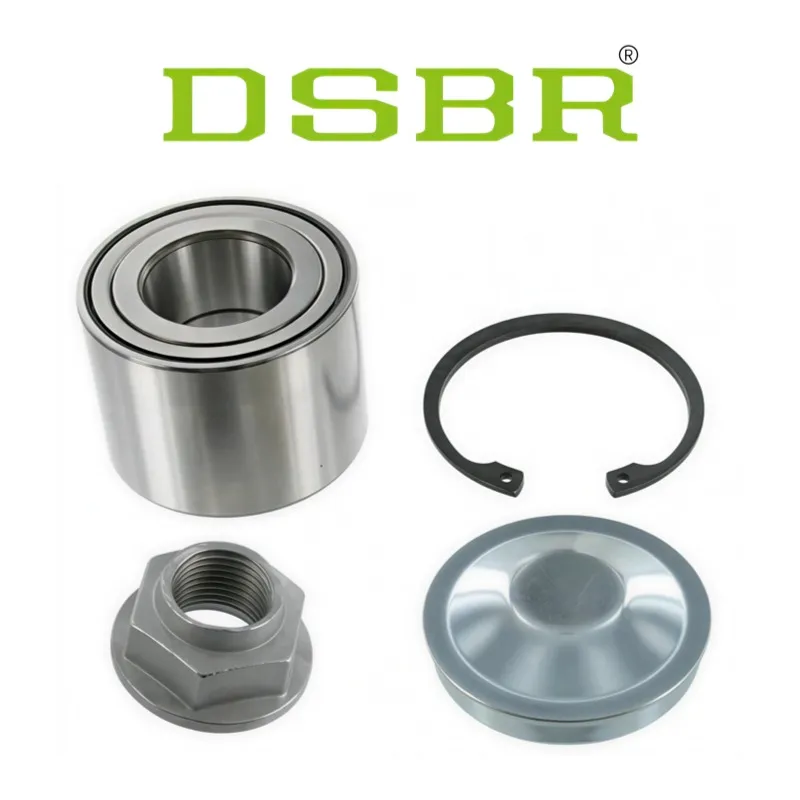
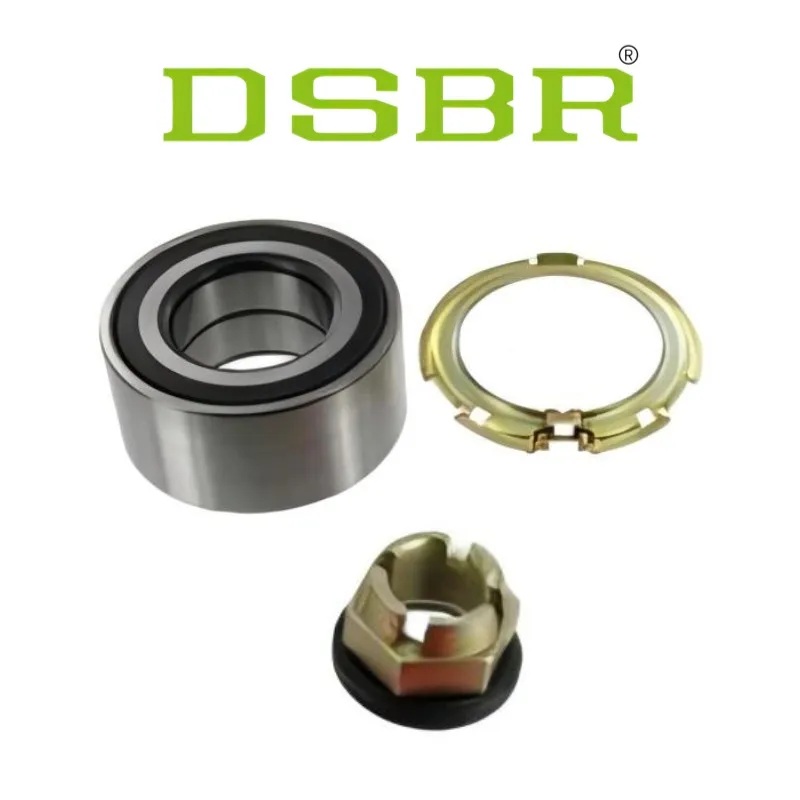
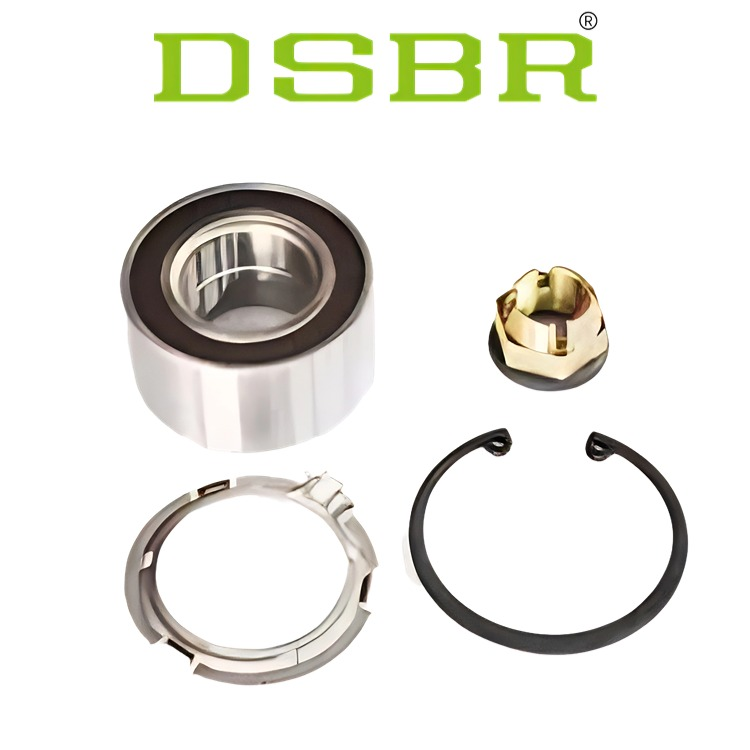
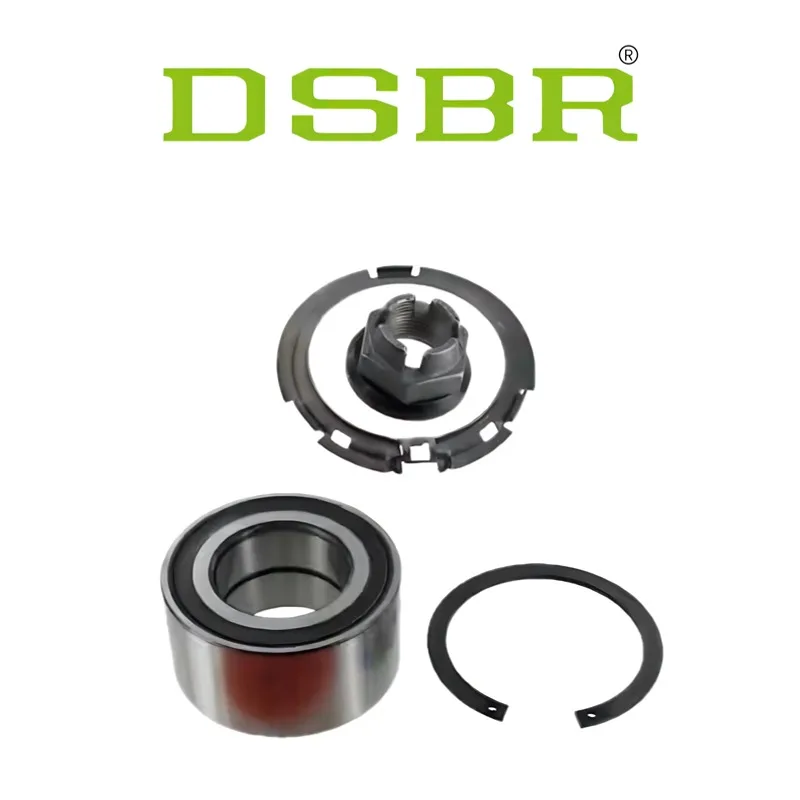

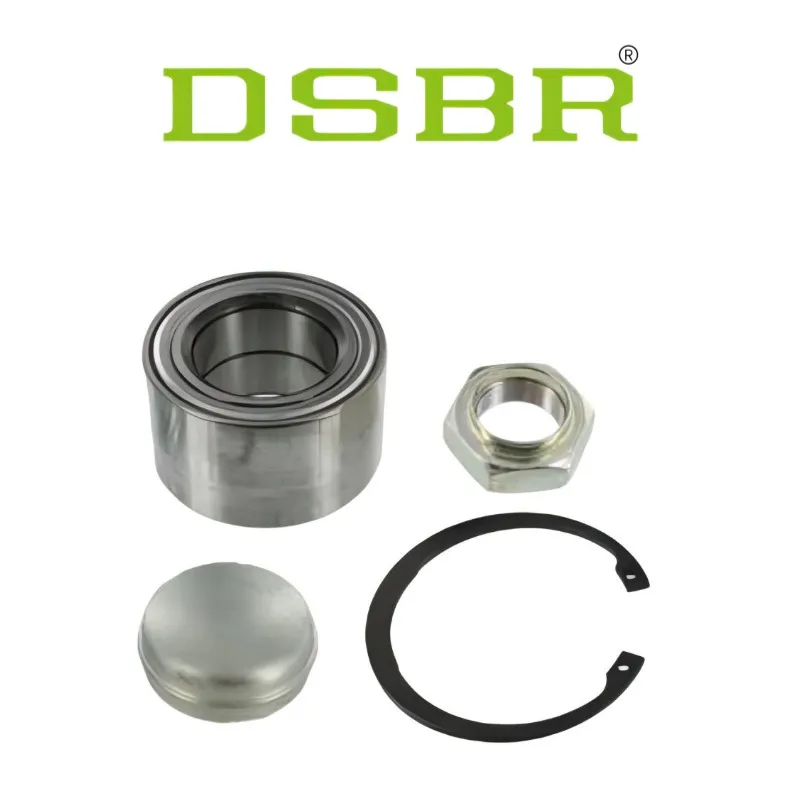
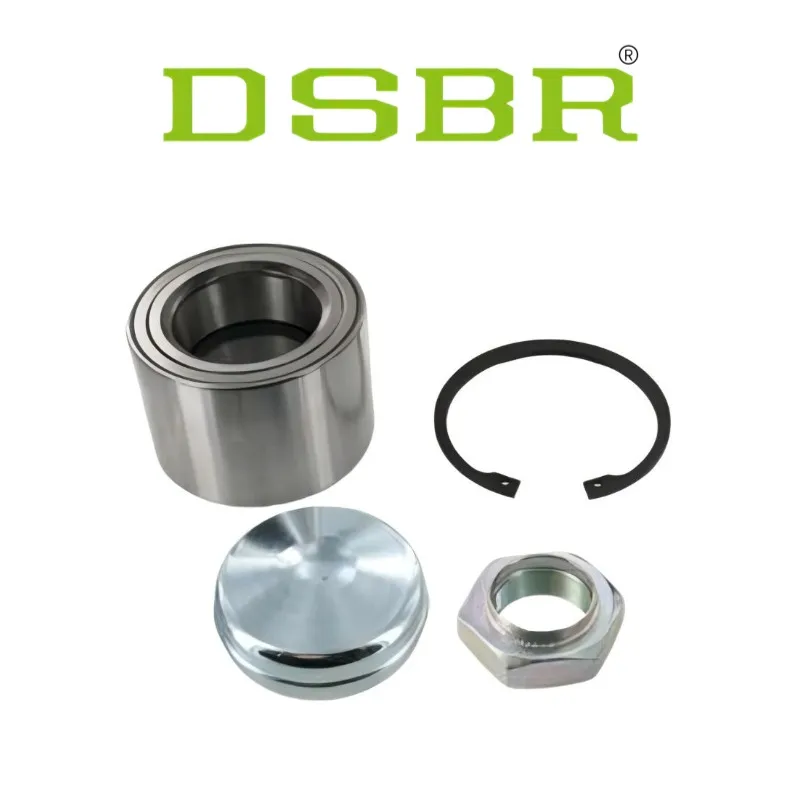
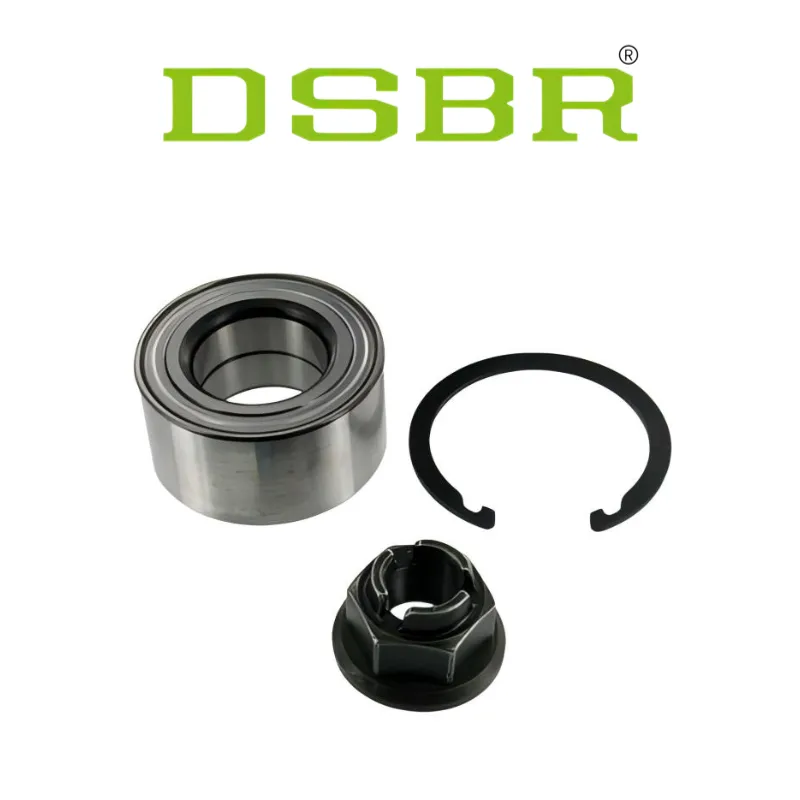
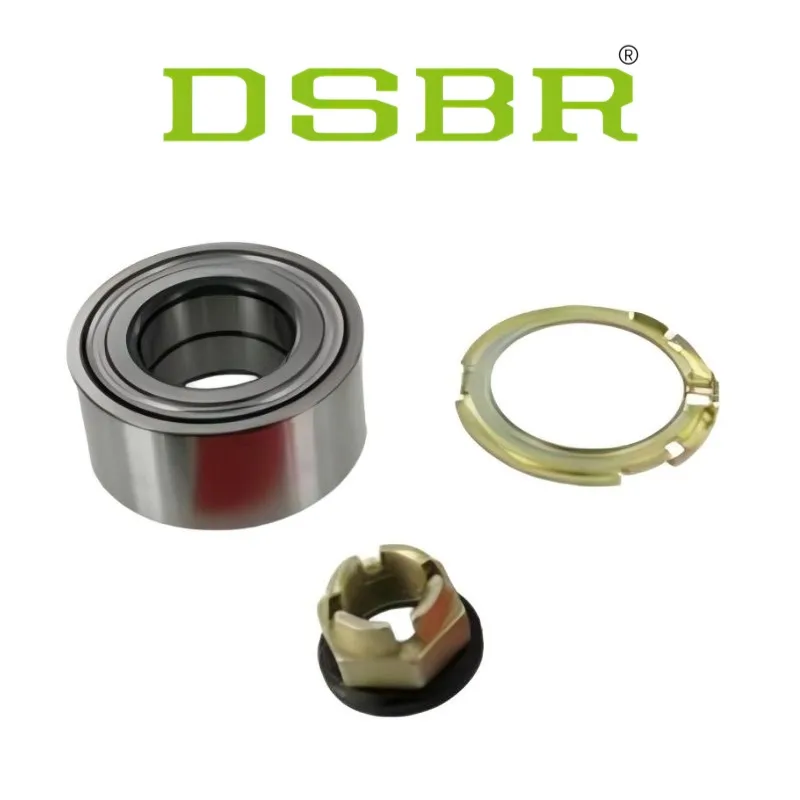
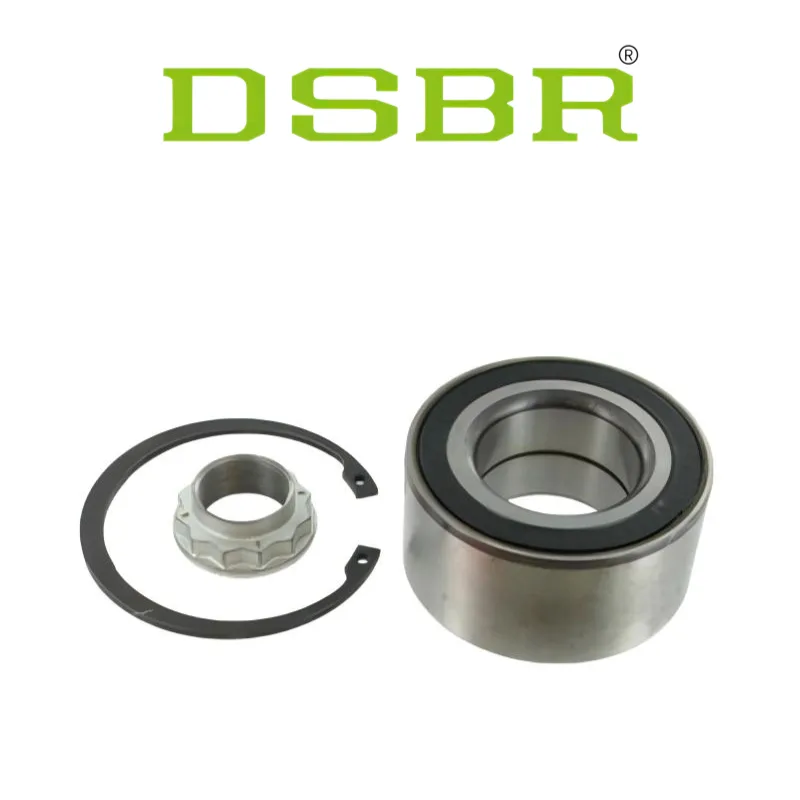
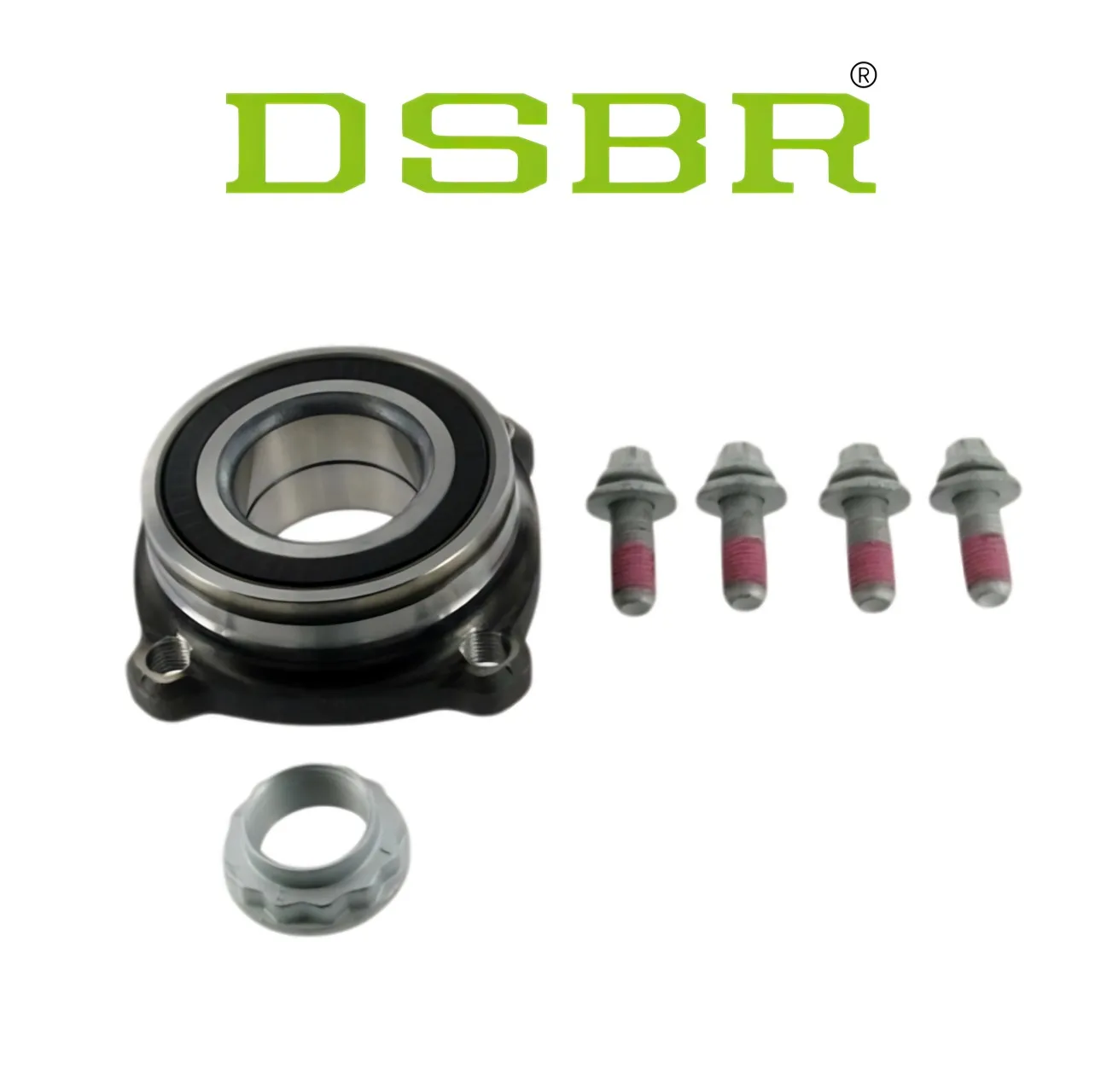
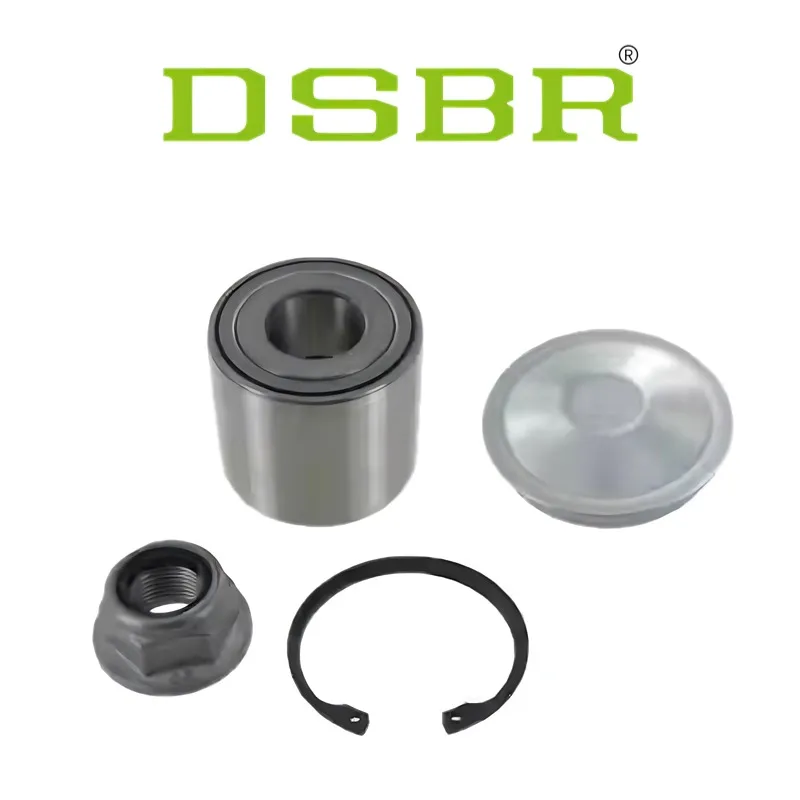
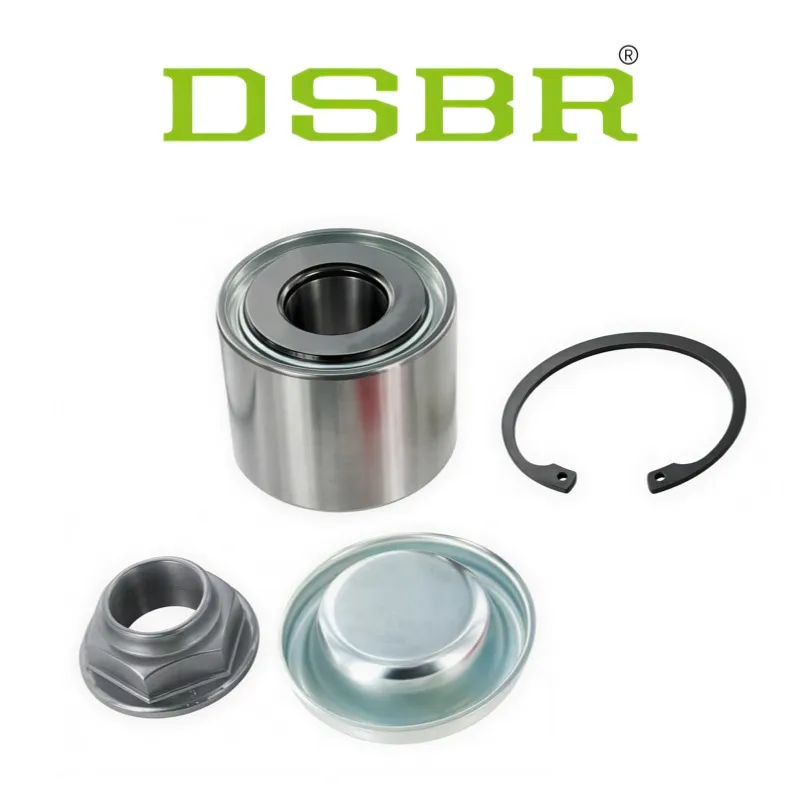
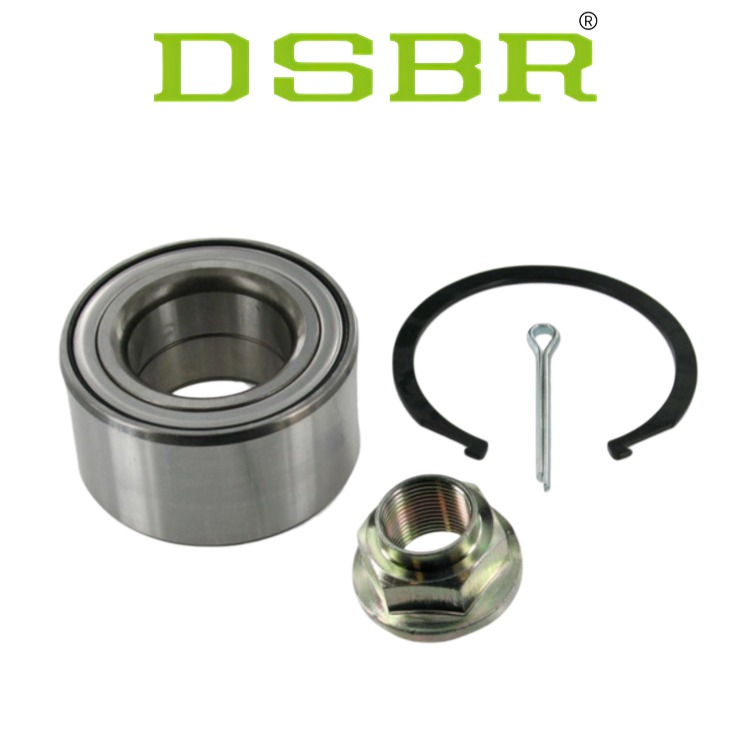
.webp "VKBA 3682-Wheel Bearing Kit")
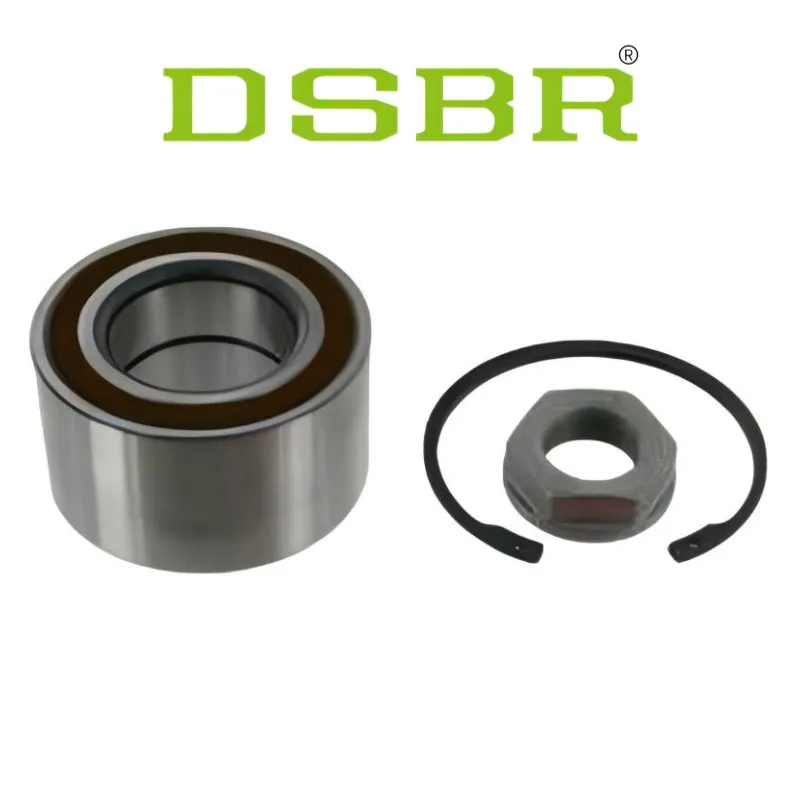
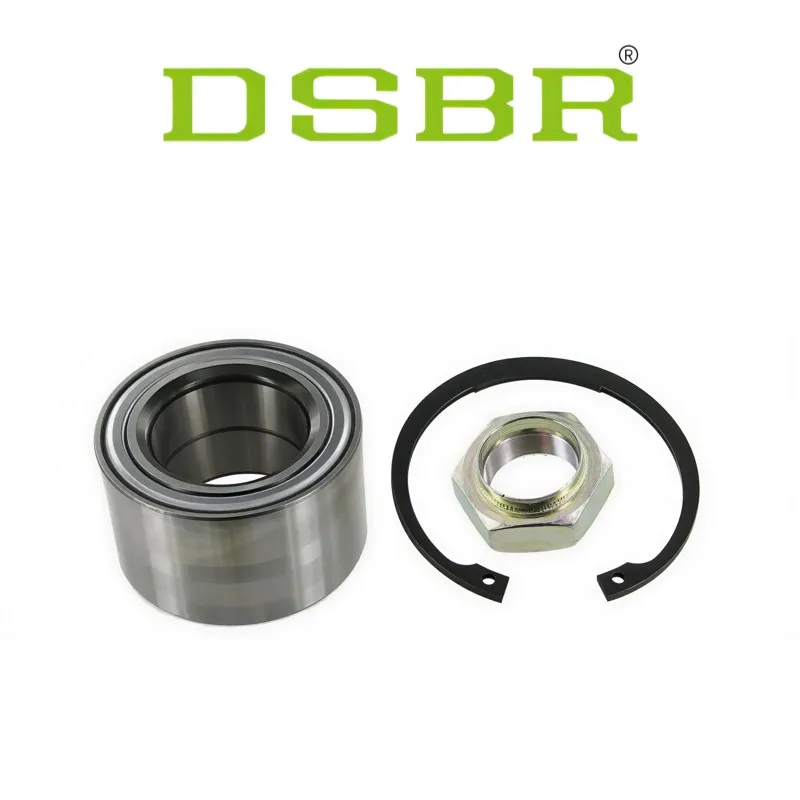
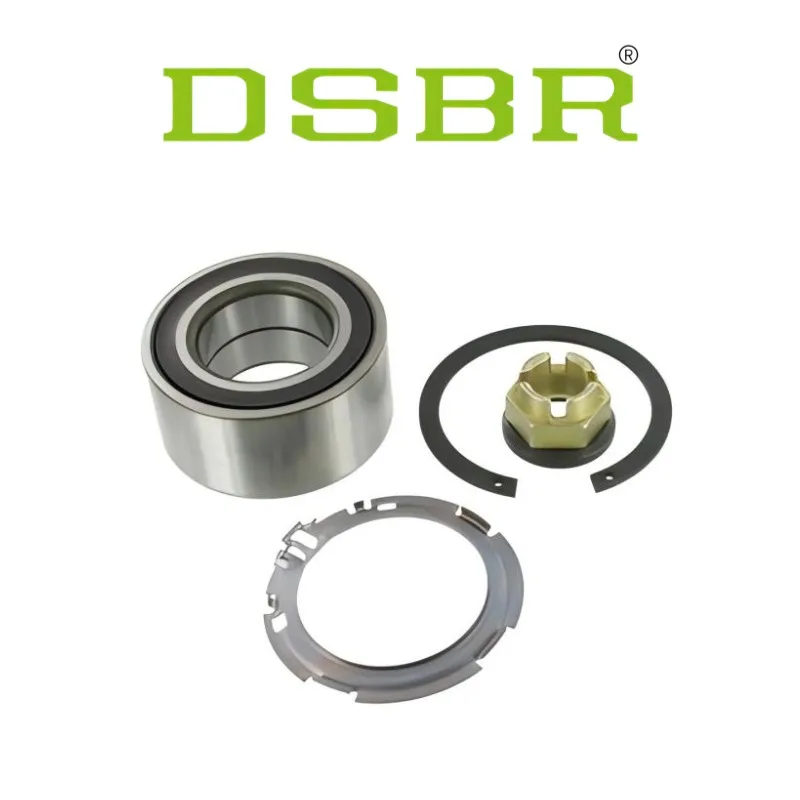
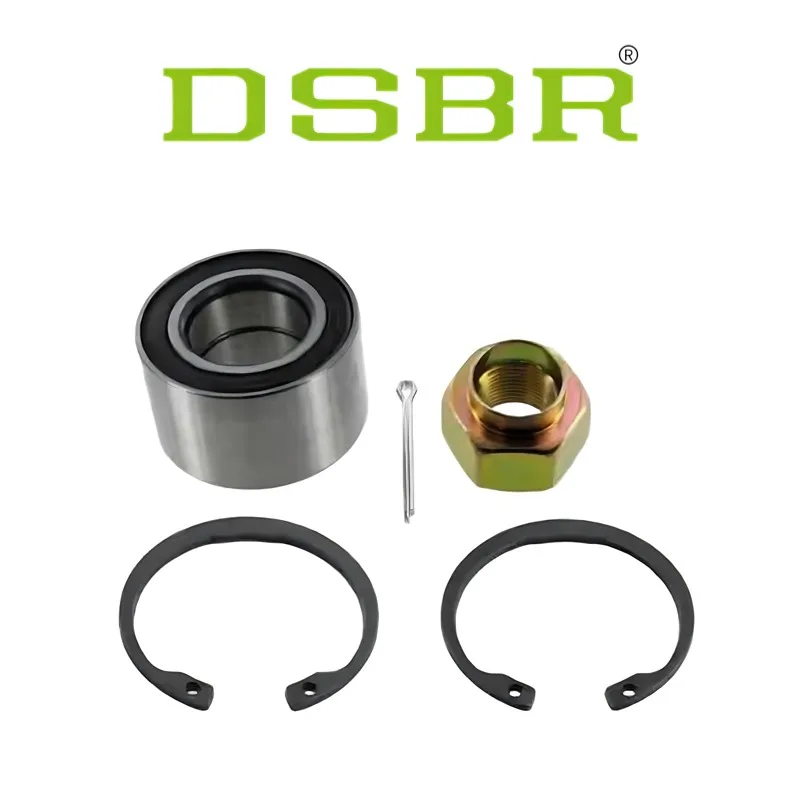
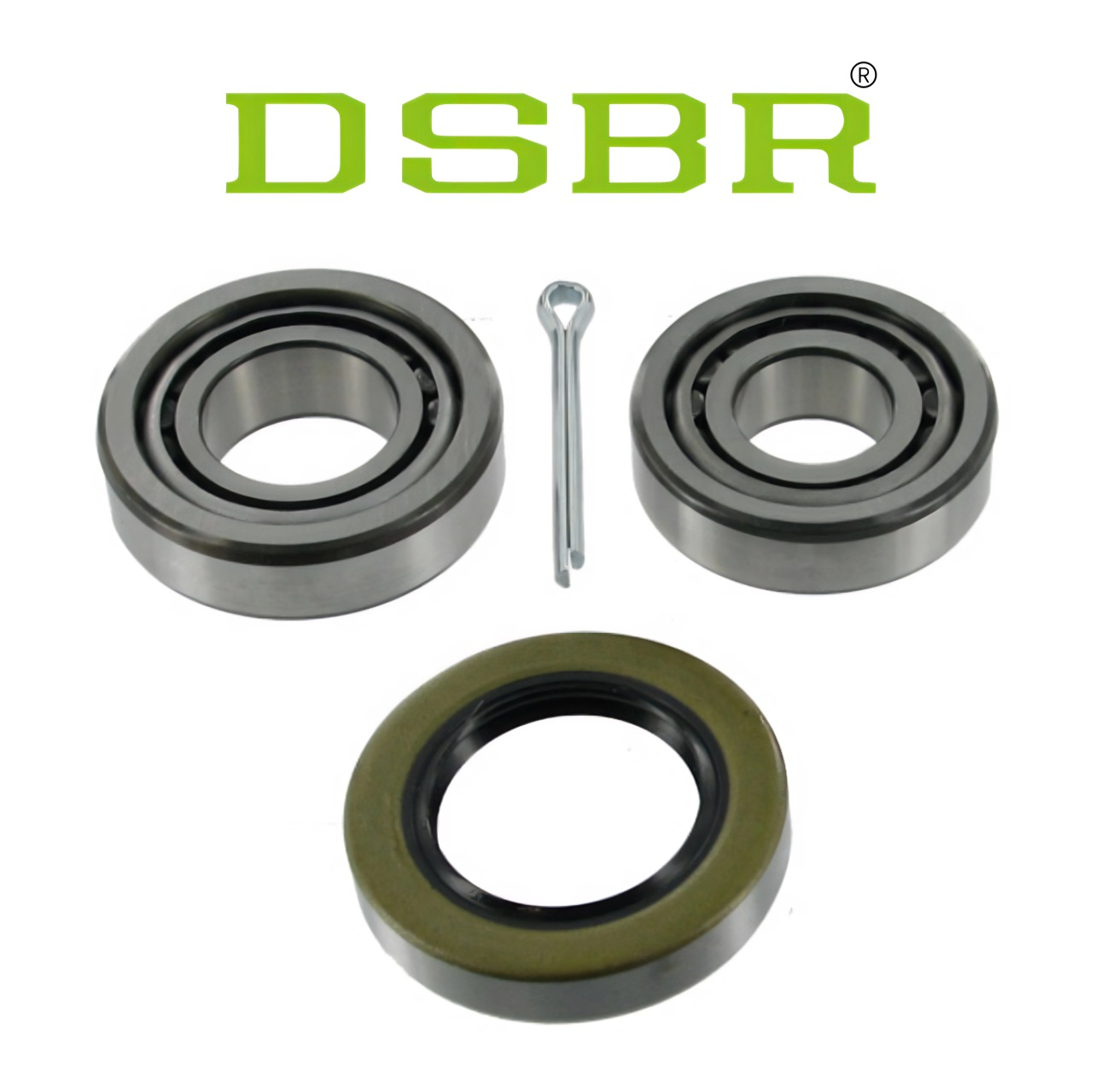

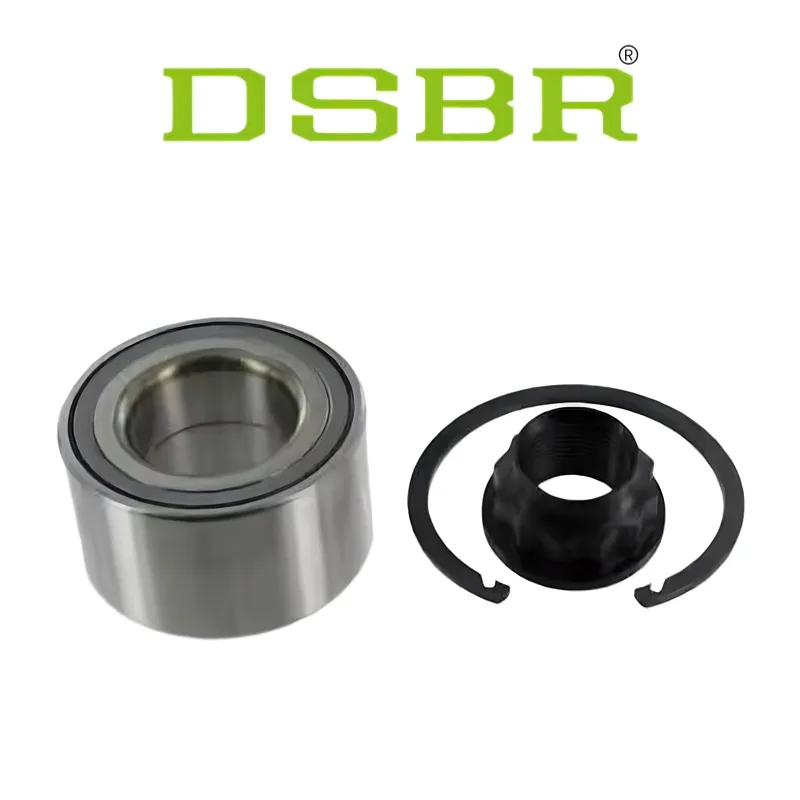
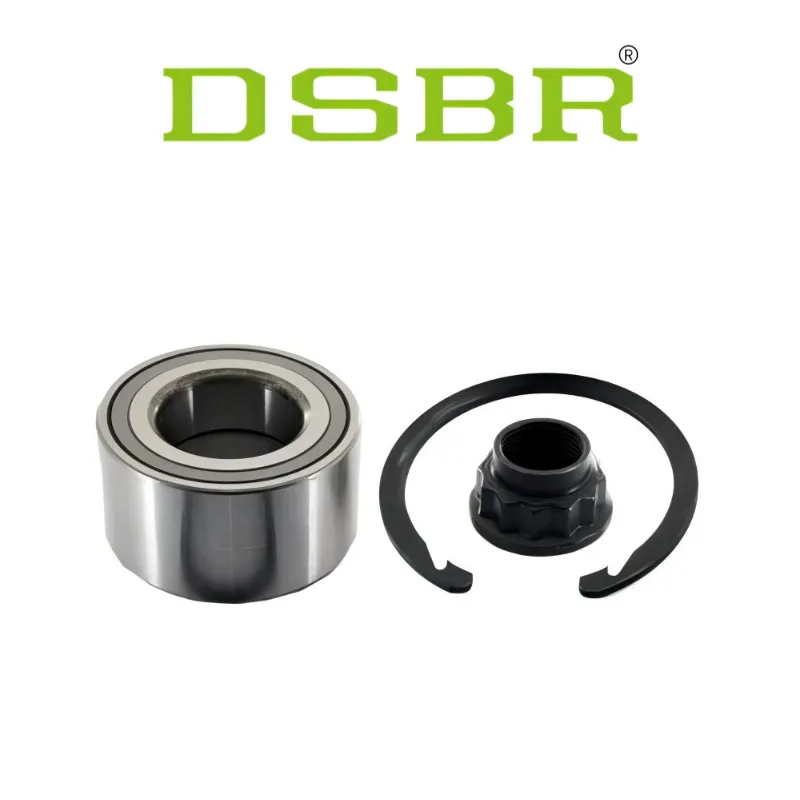
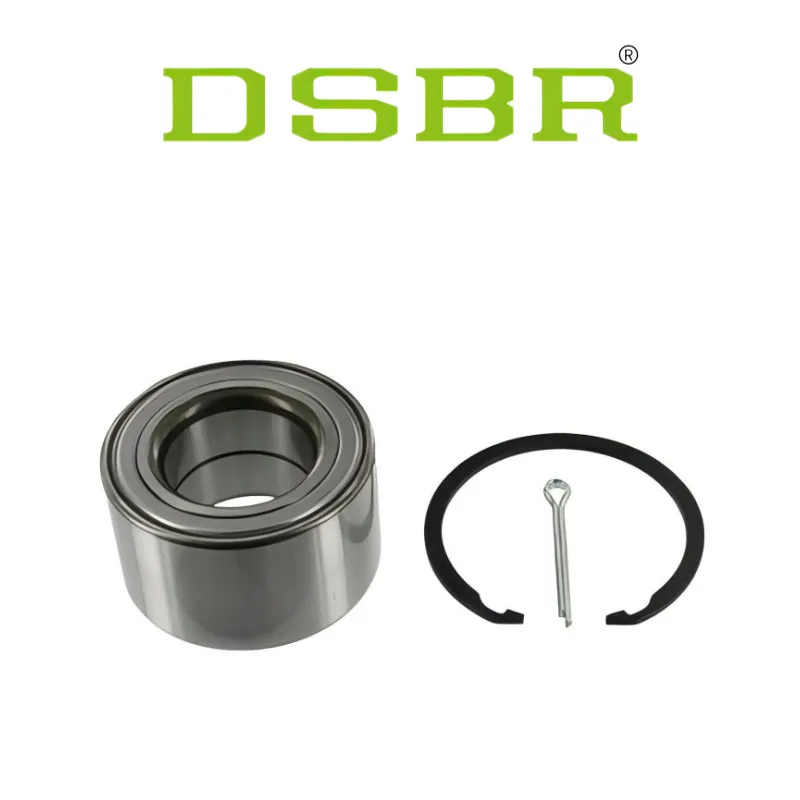
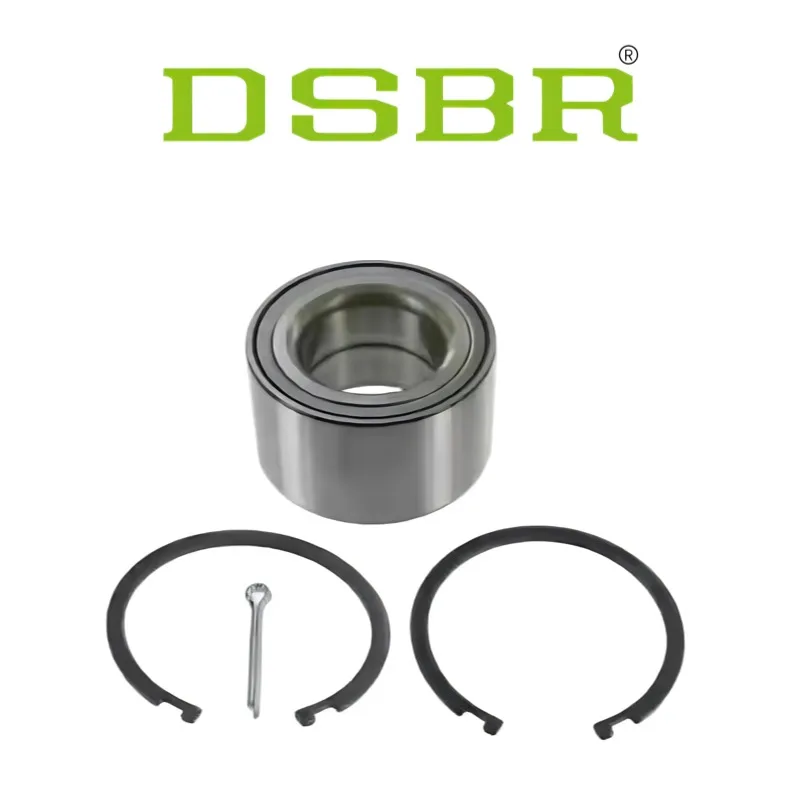
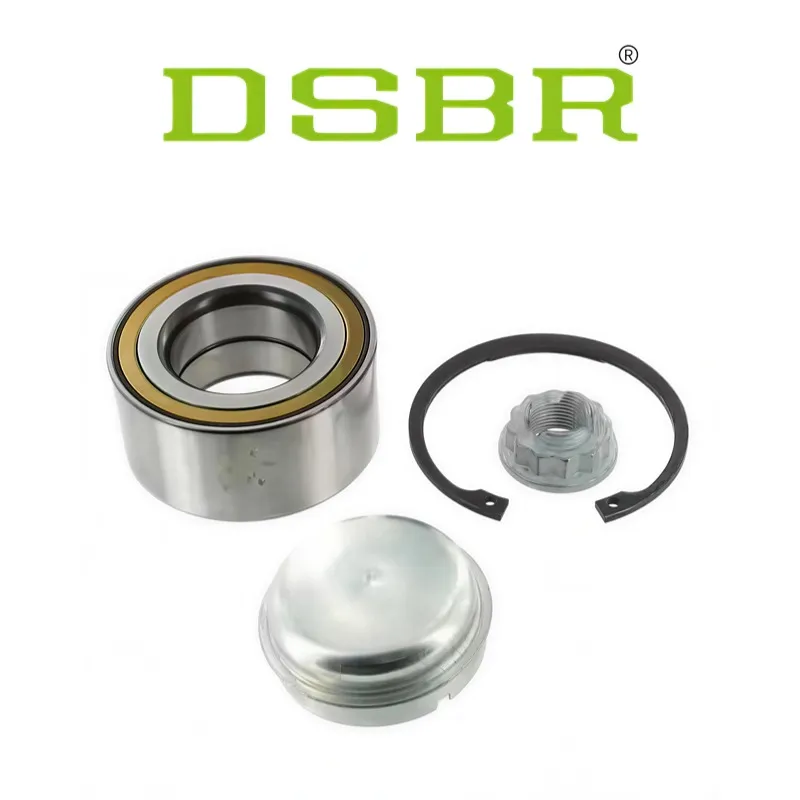
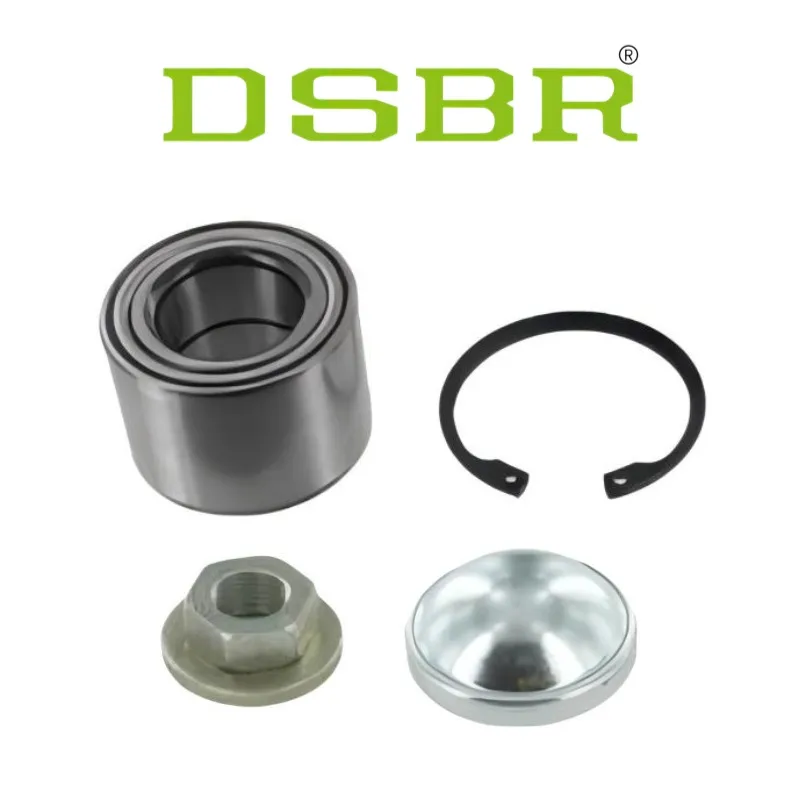
.webp "VKBA 6520-Wheel Bearing Kit")
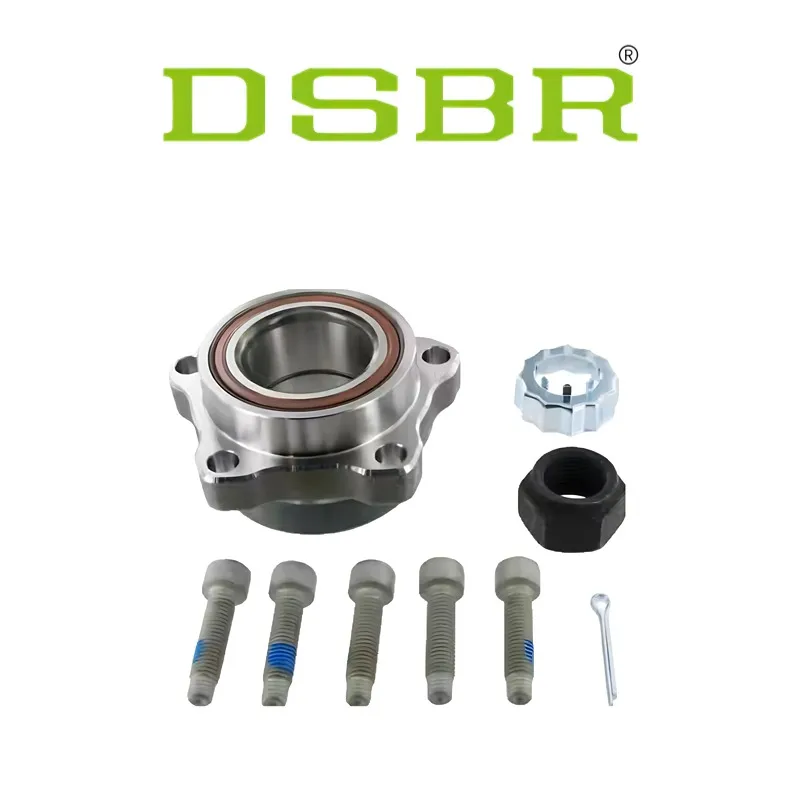
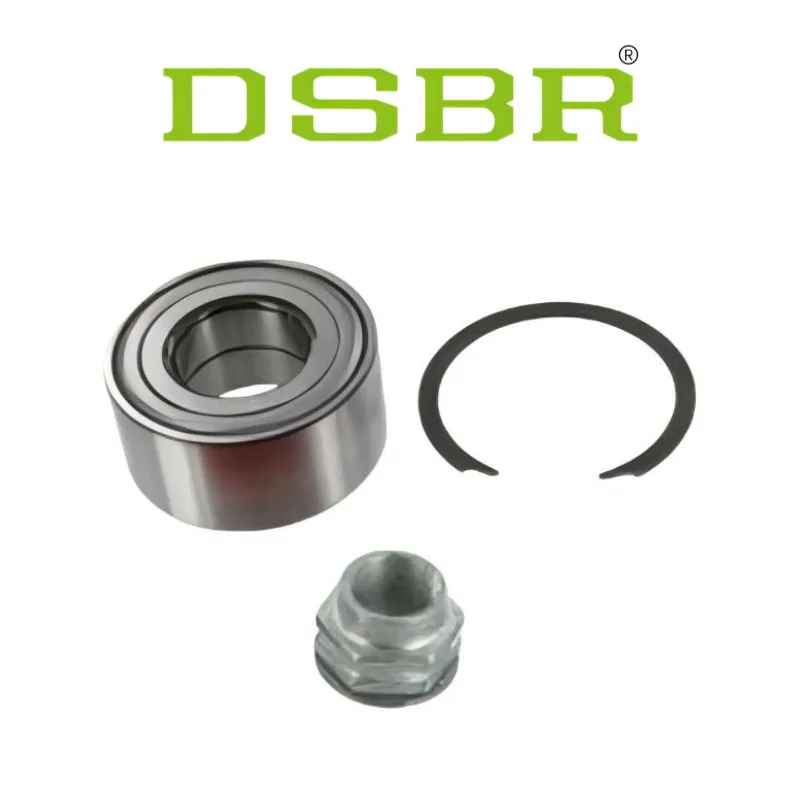
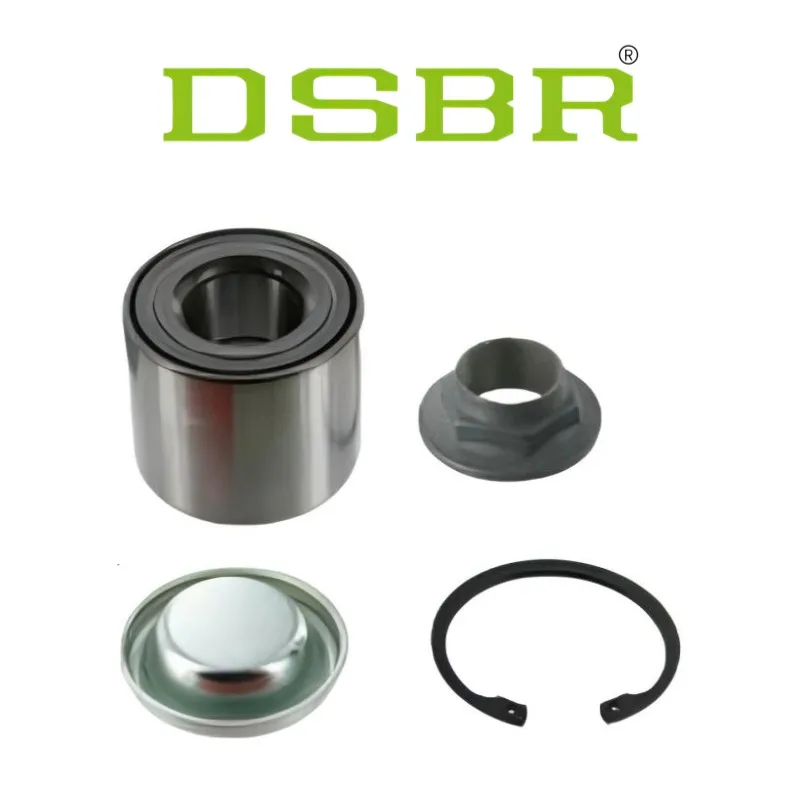
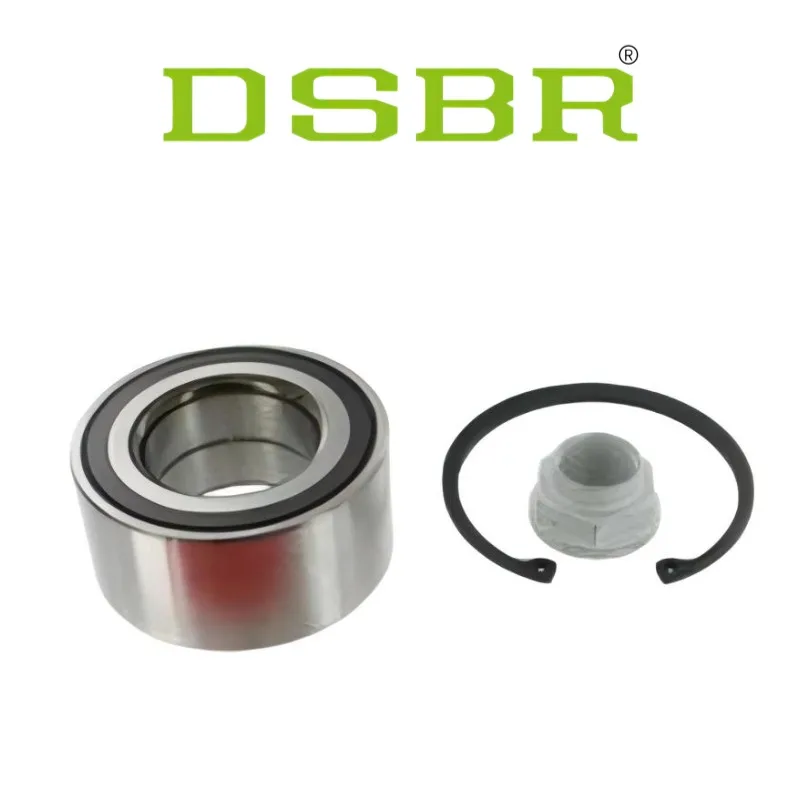
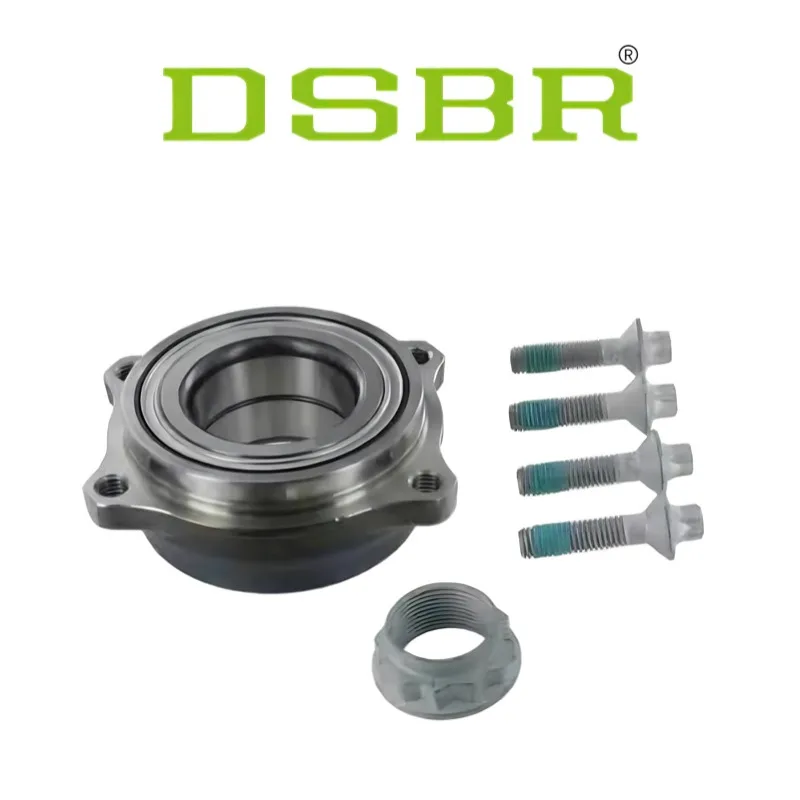
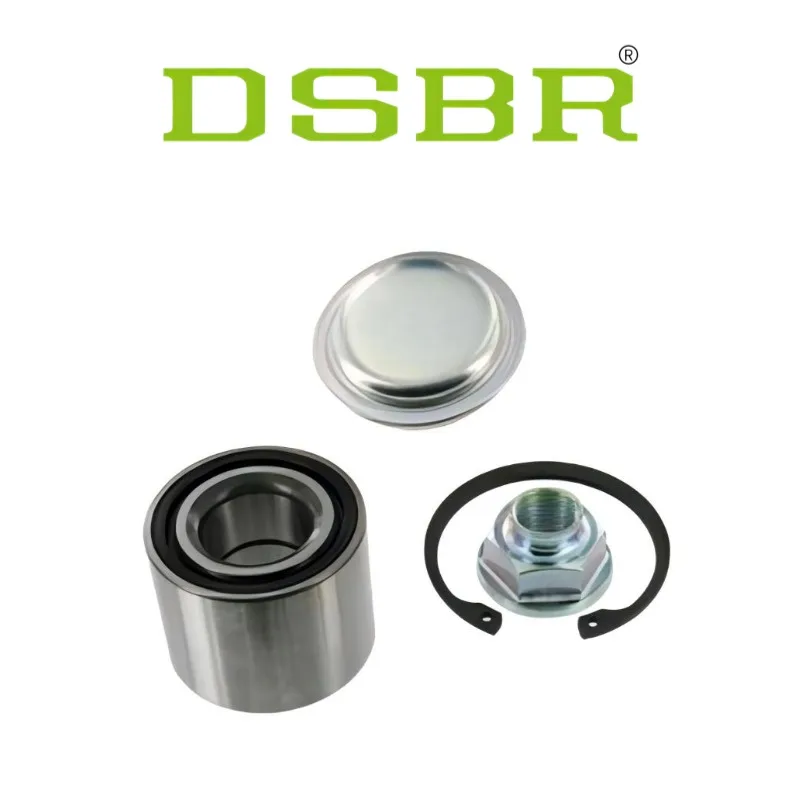
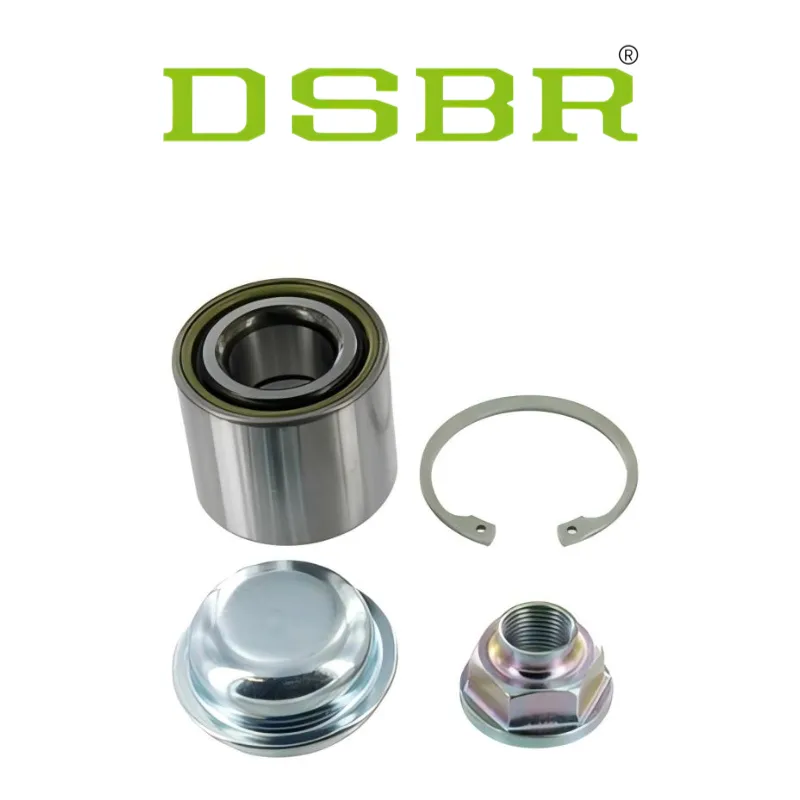
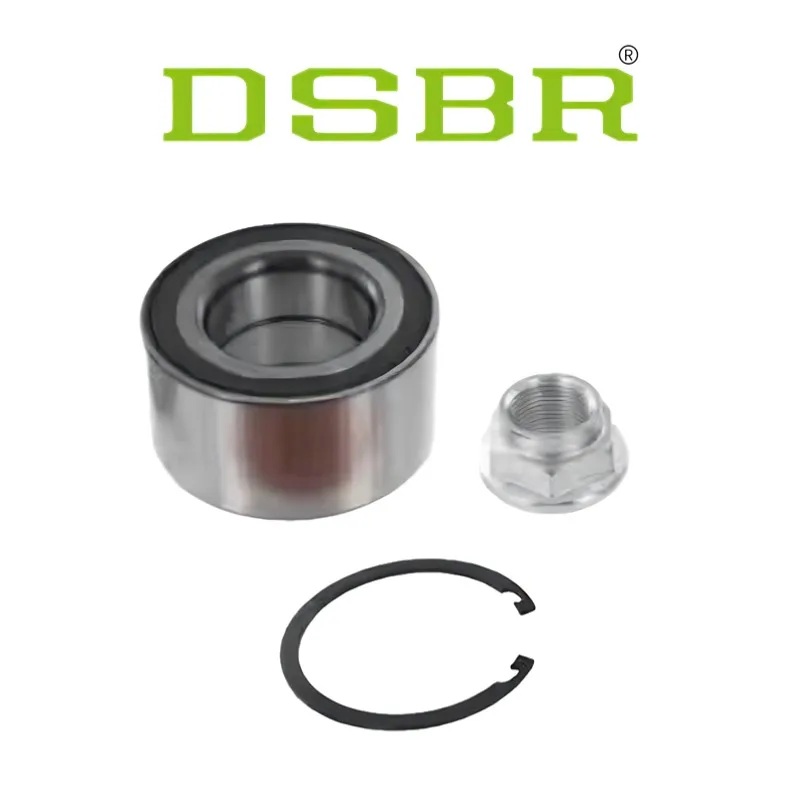
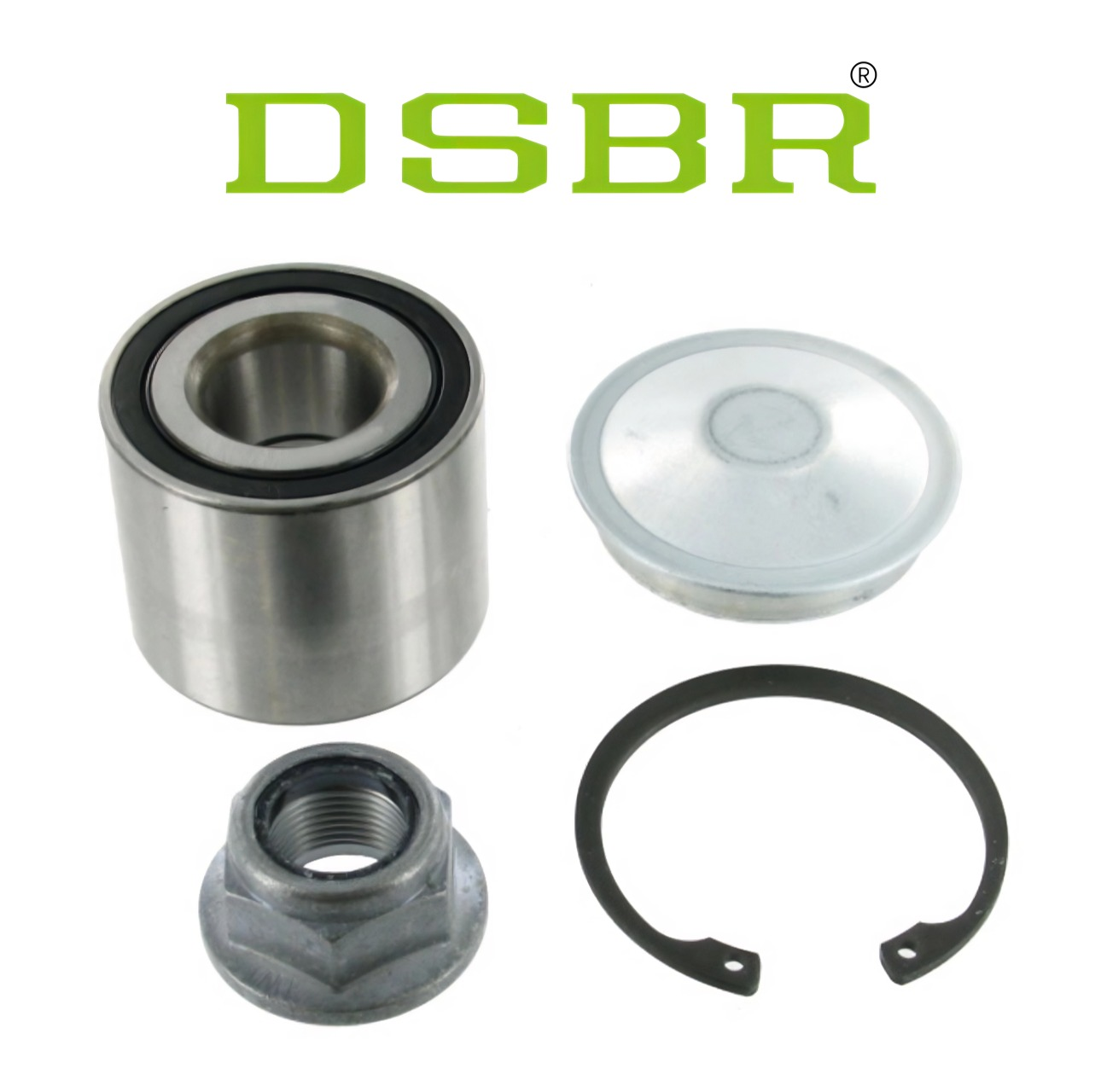
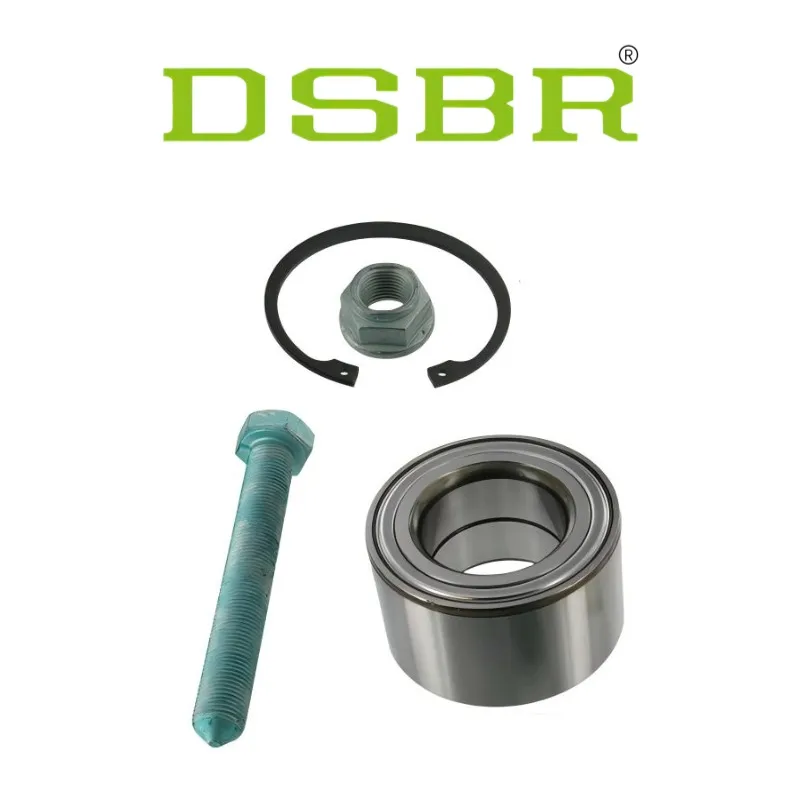
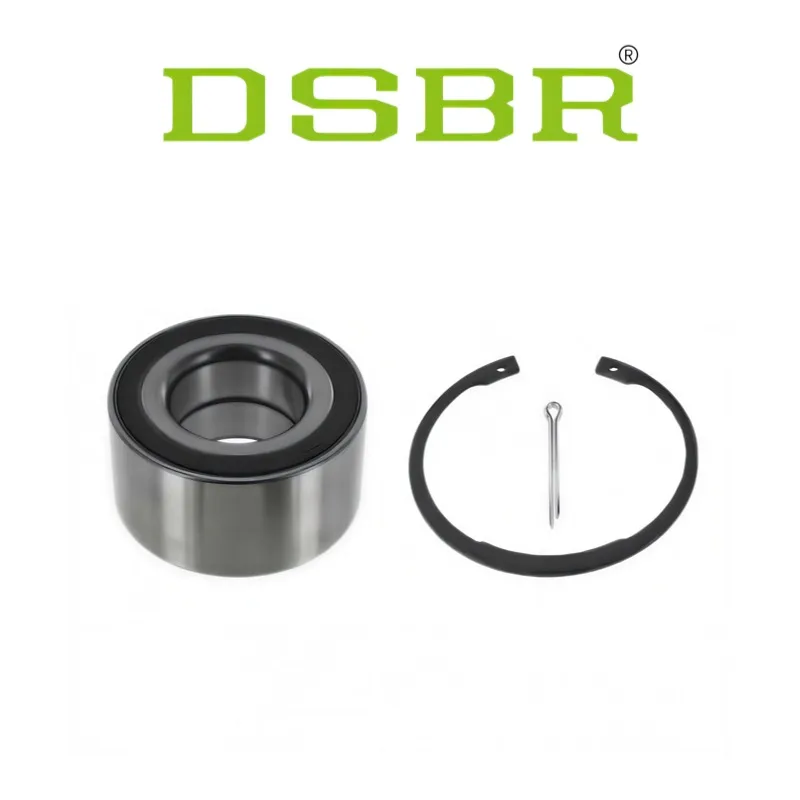
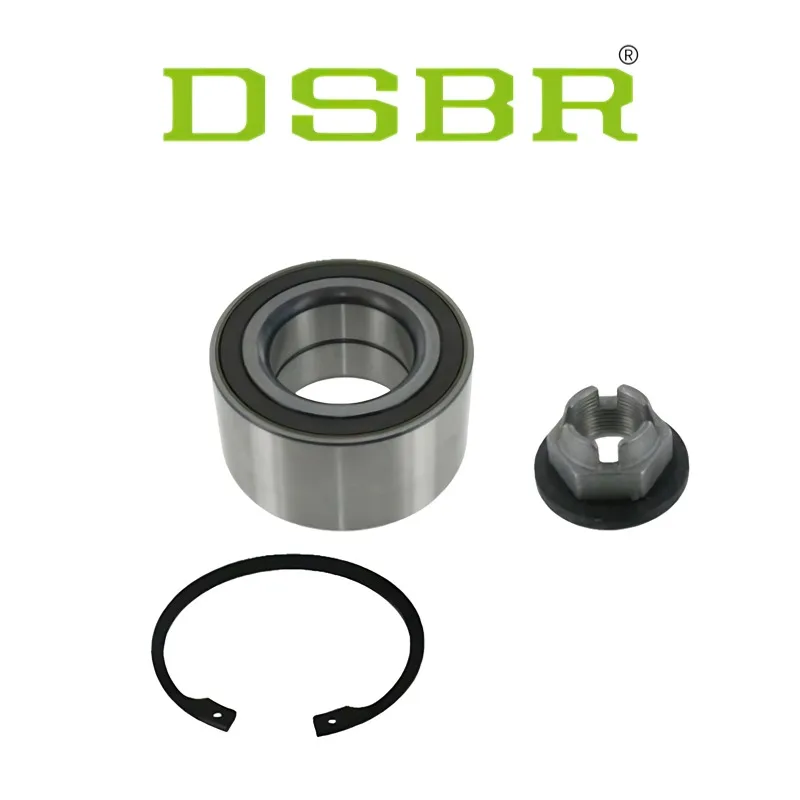
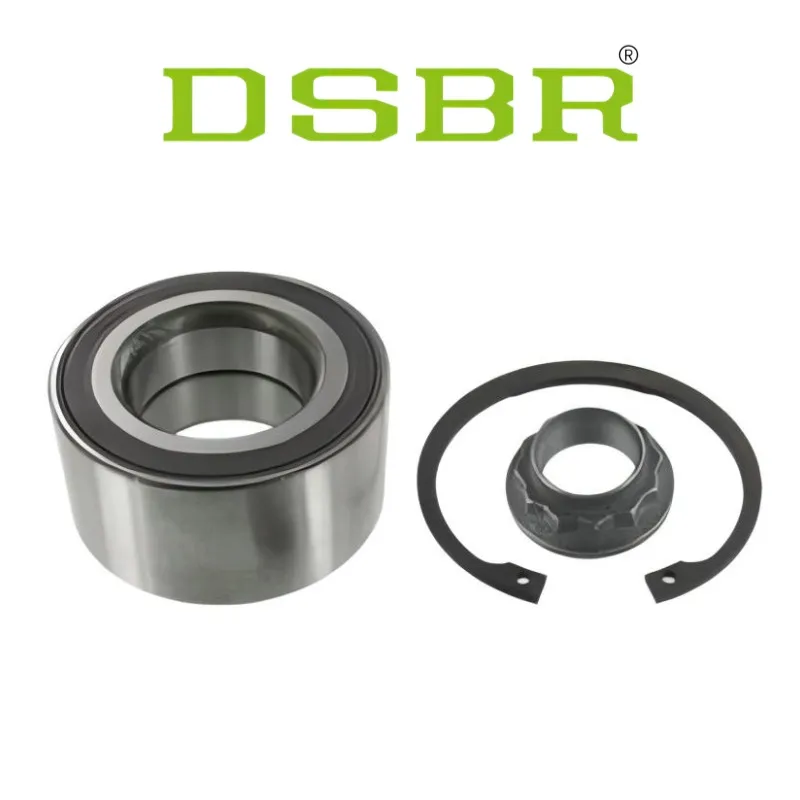
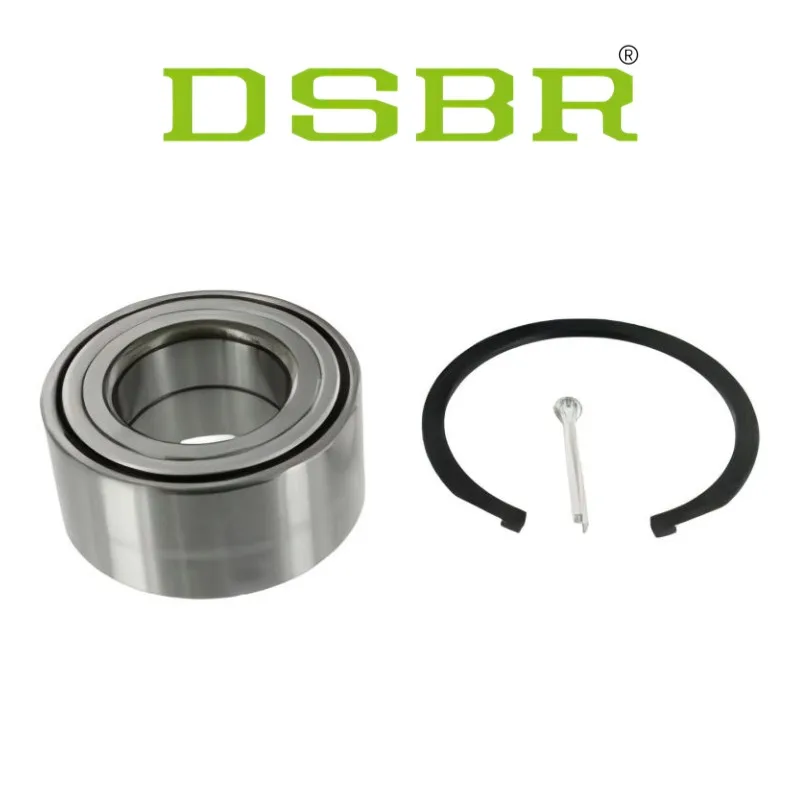
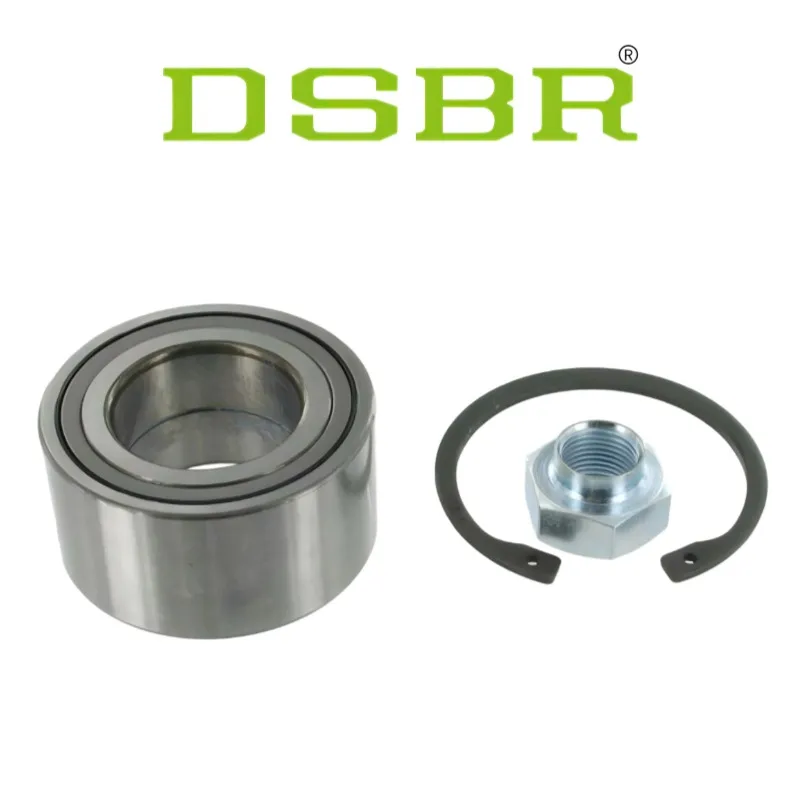
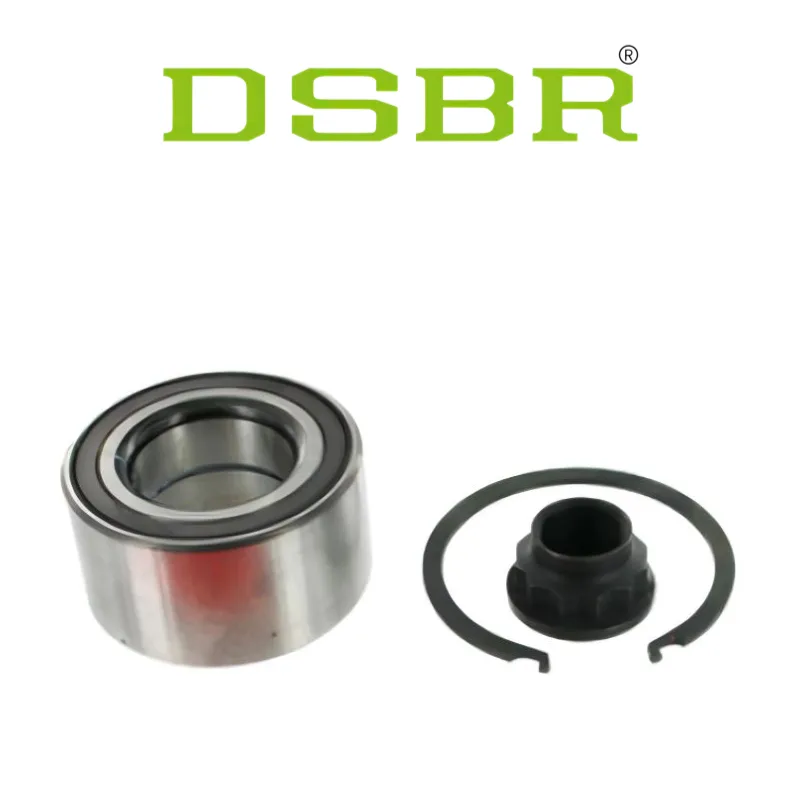
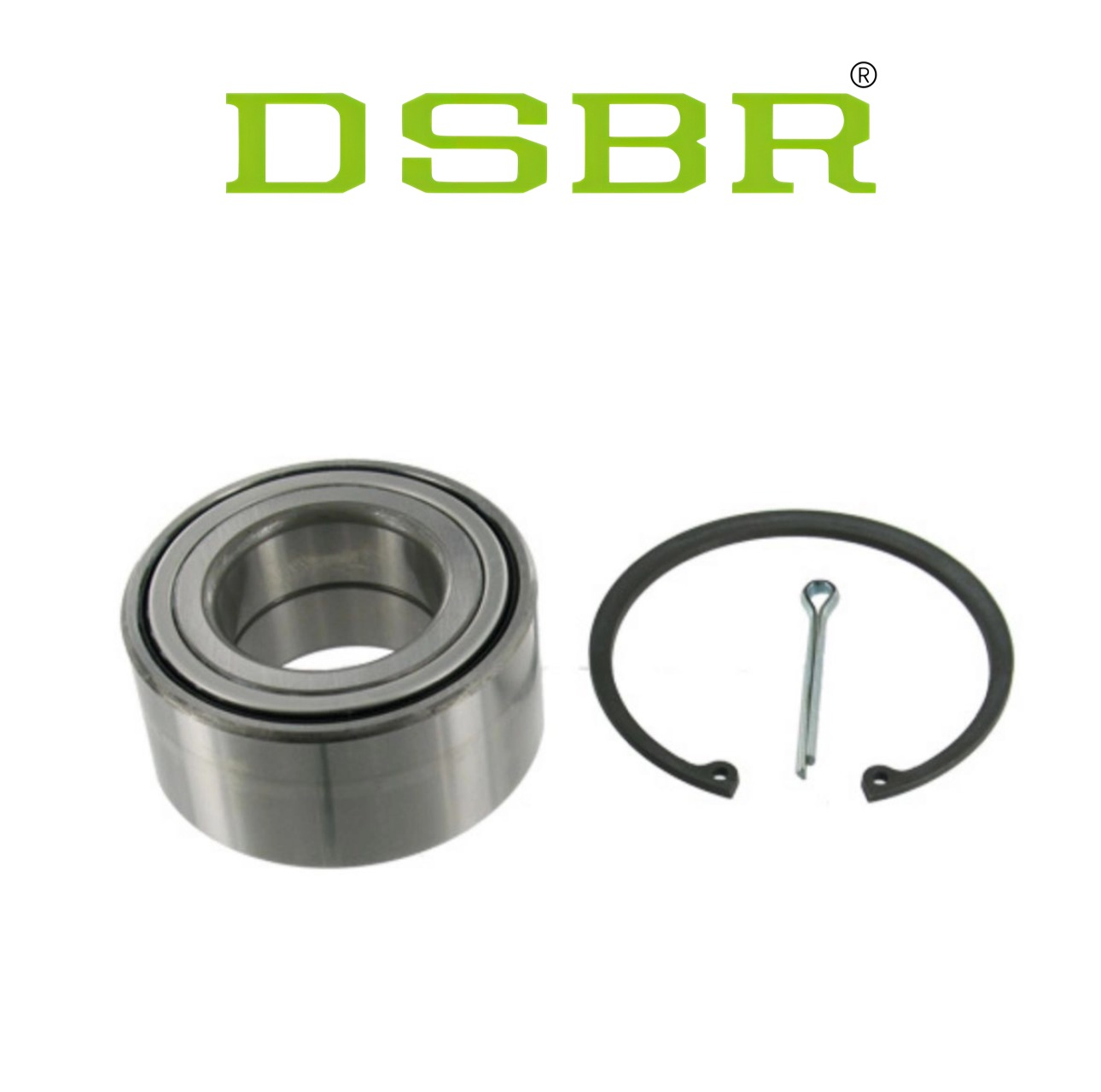

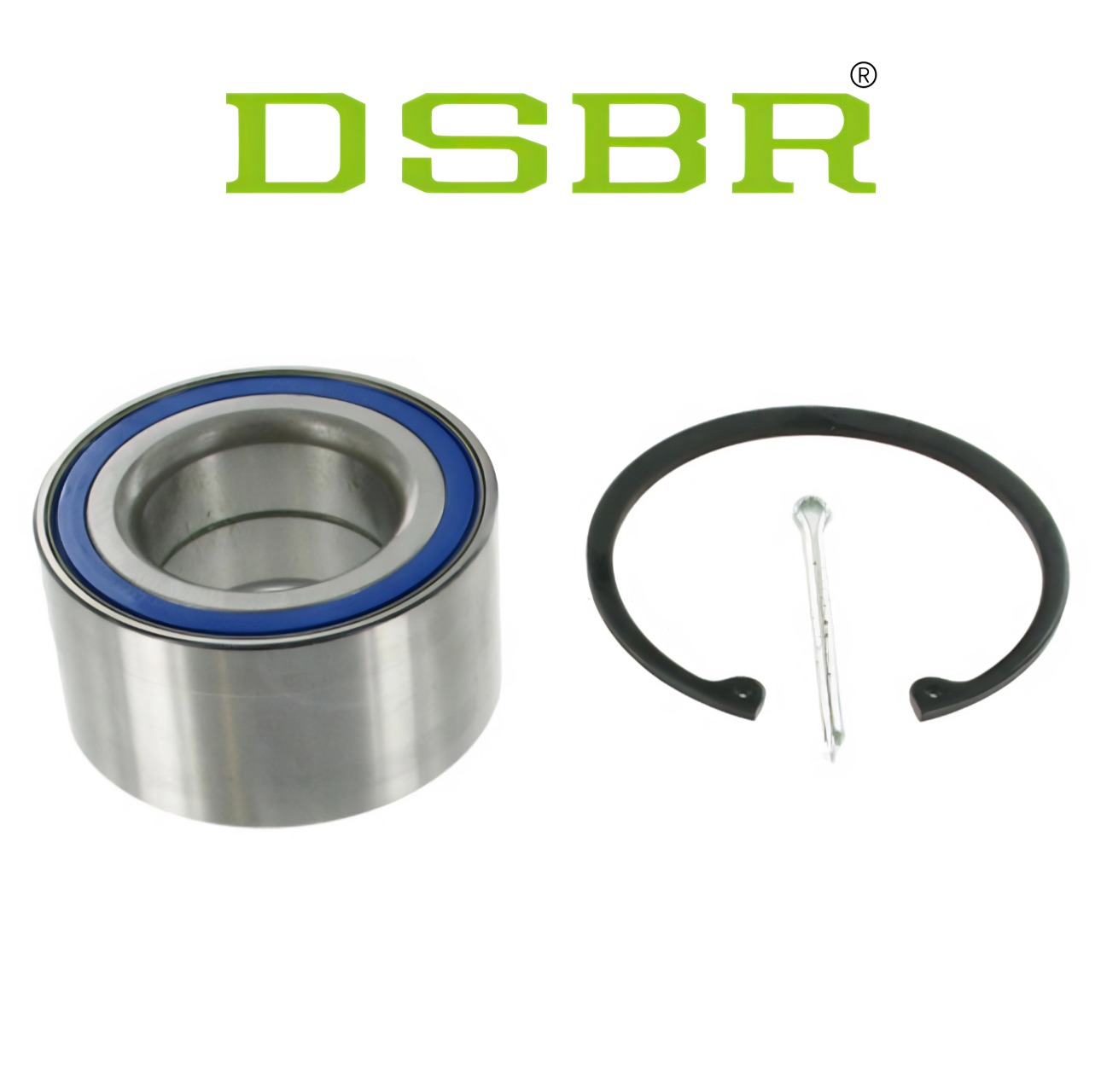
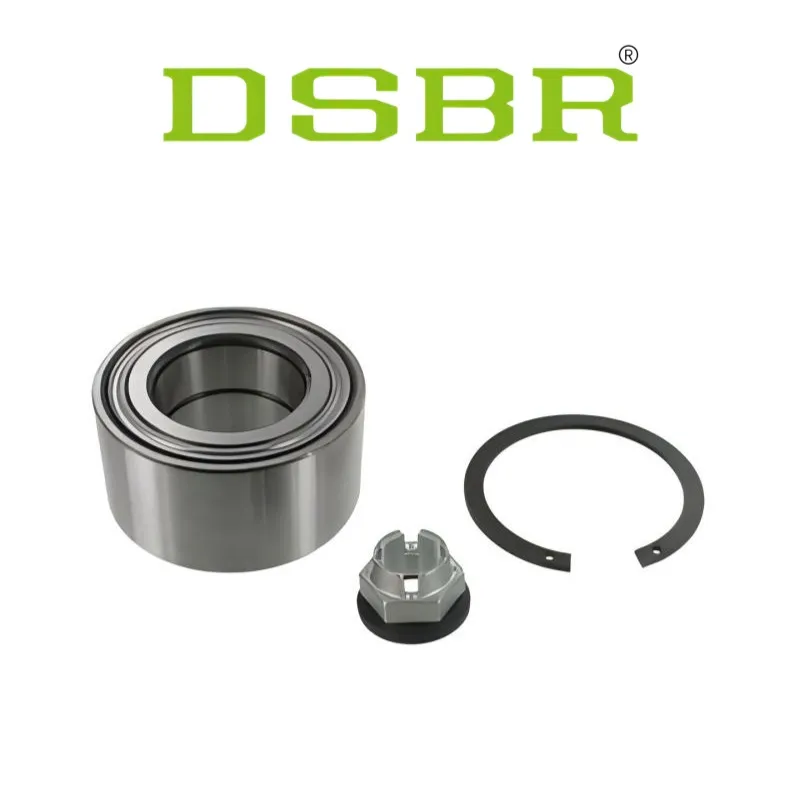

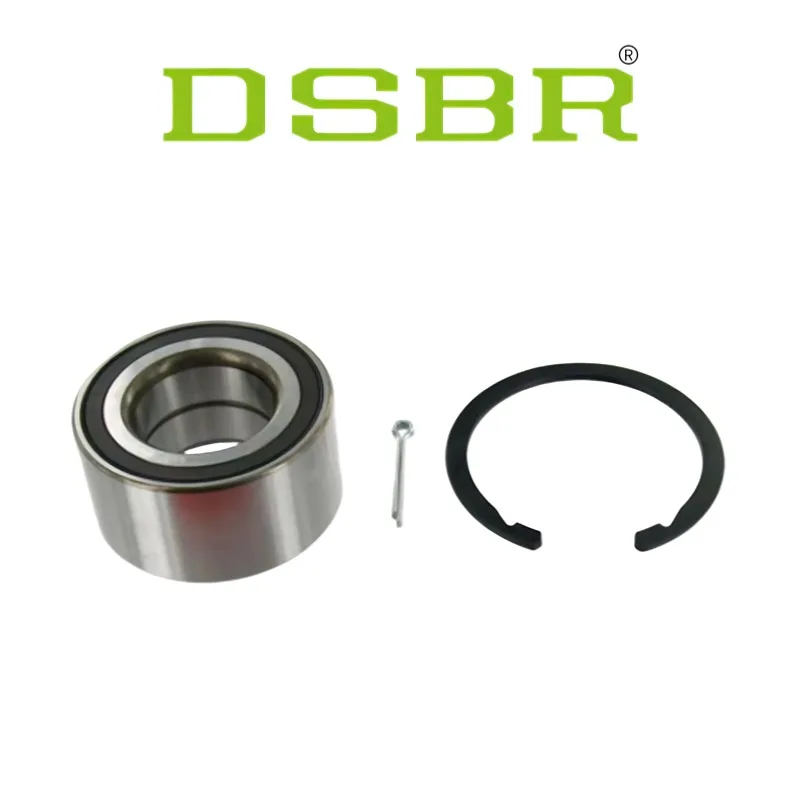
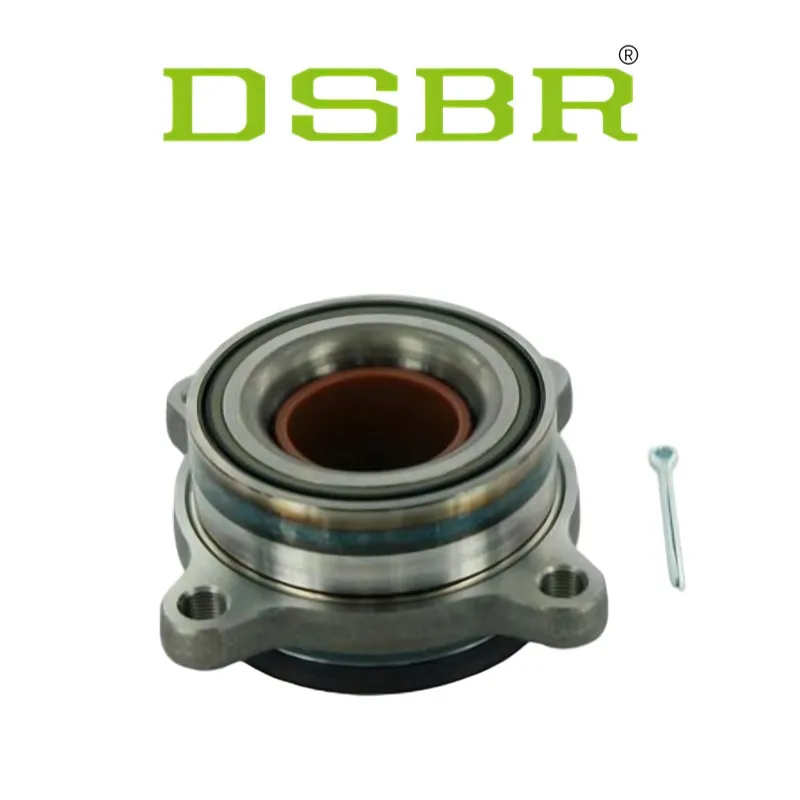
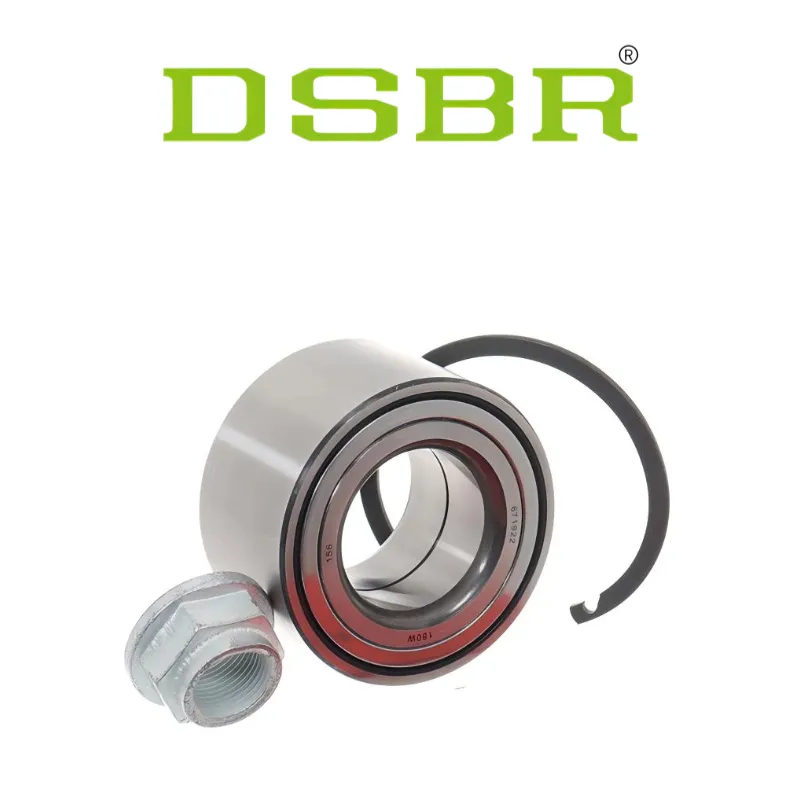
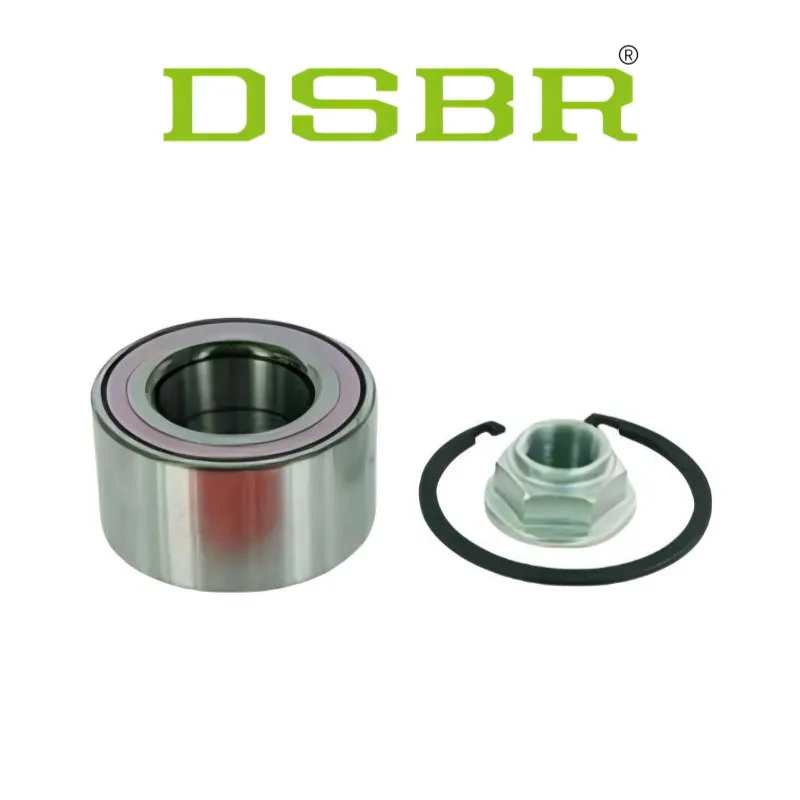
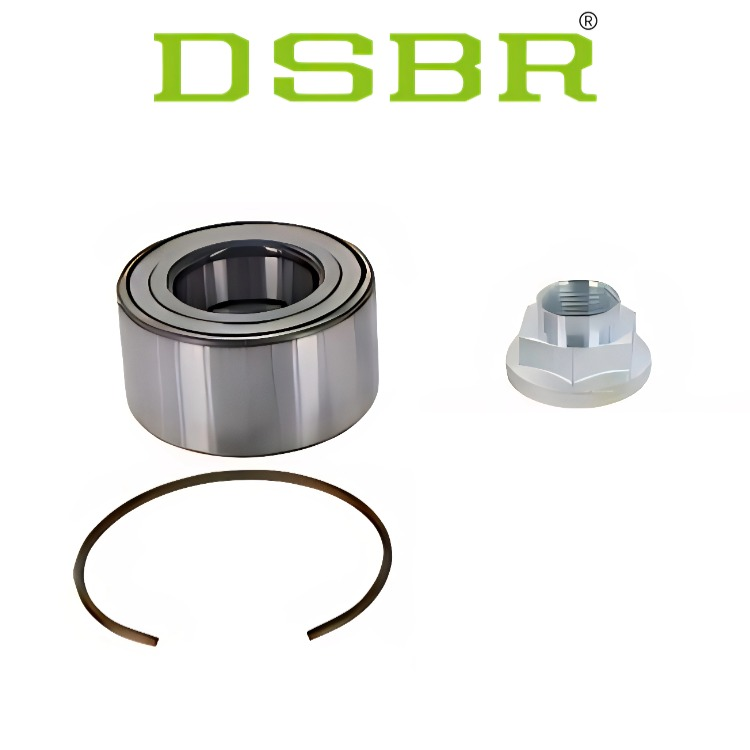
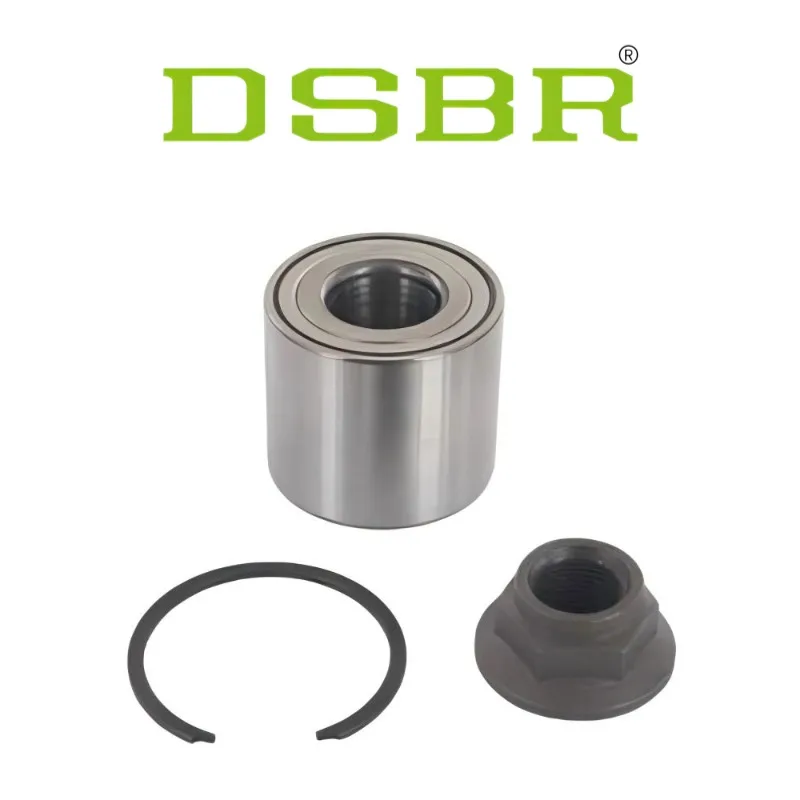

.webp "VKBA 906-Wheel Bearing Kit")