Why Choose Standard Bearings?
Standard bearings are widely used in automotive, industrial, agricultural, mining, and heavy-duty equipment because of their reliability, interchangeability, stable supply capability, and cost efficiency.
In modern mechanical systems, bearings are critical components that reduce friction, support rotating parts, and improve operational stability. Whether in passenger vehicles, trailers, electric motors, industrial machinery, or agricultural equipment, bearings directly affect equipment performance and service life.
For most applications, standard bearings remain the preferred choice because they provide proven performance under standardized dimensions and internationally recognized manufacturing specifications.
This article explains why standard bearings are widely used across global industries, their main advantages, application areas, and the important factors customers should consider when selecting bearing products.
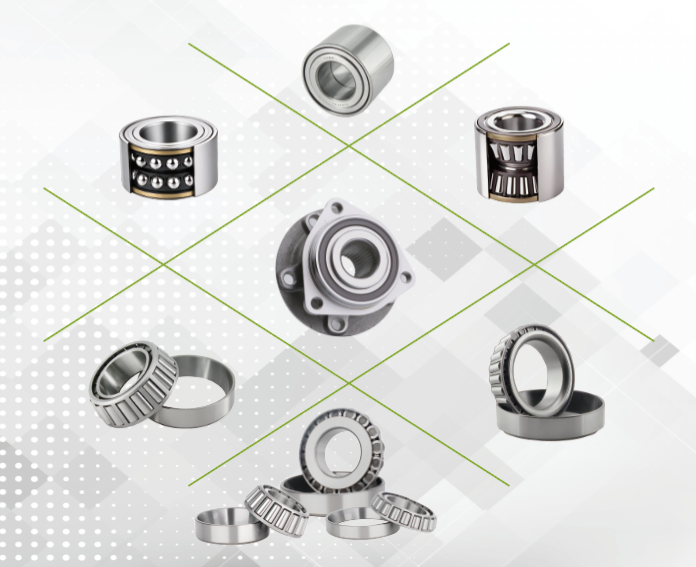
What Are Standard Bearings?
**Standard bearings** are components designed, manufactured, and classified according to universal dimensions and technical requirements set by international bodies like ISO, ANSI, and DIN.
They are defined by three distinct unifications:
Unified Dimensions:** A standard bearing code (e.g., 6204) dictates the exact inner diameter (20mm), outer diameter (47mm), and width (14mm) across the globe.
Unified Designation:** Whether bought in Europe, the Americas, or Asia, the nomenclature remains identical.
Unified Tolerance Classes:** Running accuracy and dimensional tolerances follow strict, predictable industry tiers.
Because of these standards, standard bearings from different manufacturers are generally interchangeable under similar operating conditions.
This makes them highly suitable for global manufacturing systems, maintenance operations, and aftermarket replacement markets.
Compared with customized bearings, standard bearings are easier to source, easier to replace, and more economical for large-scale industrial applications.
The Main Reasons Why Standard Bearings Are Widely Used
There are several important reasons why standard bearings remain the dominant choice in modern industry.
Excellent Interchangeability
One of the biggest advantages of standard bearings is interchangeability.
Because dimensions and specifications follow international standards, customers can replace bearings more easily without redesigning equipment structures.
This simplifies:
Equipment maintenance
Spare parts management
Global procurement
Inventory control
OEM production planning
For distributors and maintenance companies, interchangeability significantly reduces operational complexity and replacement time.
Stable Global Supply Capability
Standard bearings are manufactured in large quantities worldwide.
Because production standards are unified, manufacturers can maintain stable supply capability for automotive and industrial customers.
Stable supply is especially important for:
Compared with highly customized products, standard bearings are generally easier to source and replenish.
Lower Production and Procurement Costs
Standard bearings benefit from large-scale manufacturing.
Mass production improves:
Manufacturing efficiency
Production consistency
Raw material utilization
Cost control
As a result, standard bearings are usually more cost-effective than custom-designed bearings.
For many industrial and automotive applications, standard bearings provide an ideal balance between performance and cost efficiency.
Proven Operational Reliability
Standard bearings have been widely tested across different industries and operating environments for many years.
Their advantages include:
This proven reliability makes them suitable for long-term industrial and automotive use.
Easier Maintenance and Replacement
Maintenance efficiency is a major consideration for industrial equipment and vehicle systems.Because standard bearings follow standardized dimensions, replacement procedures are usually simpler and faster.
This helps reduce:
For industrial production systems, minimizing downtime is critical for maintaining productivity.
Standard Bearings in Automotive Applications
Automotive systems rely heavily on standard bearings for stable operation and safety.
Common automotive applications include:
Automotive bearings must provide:
Rotational accuracy
Stable load support
Low noise performance
Reliable sealing
Long service life
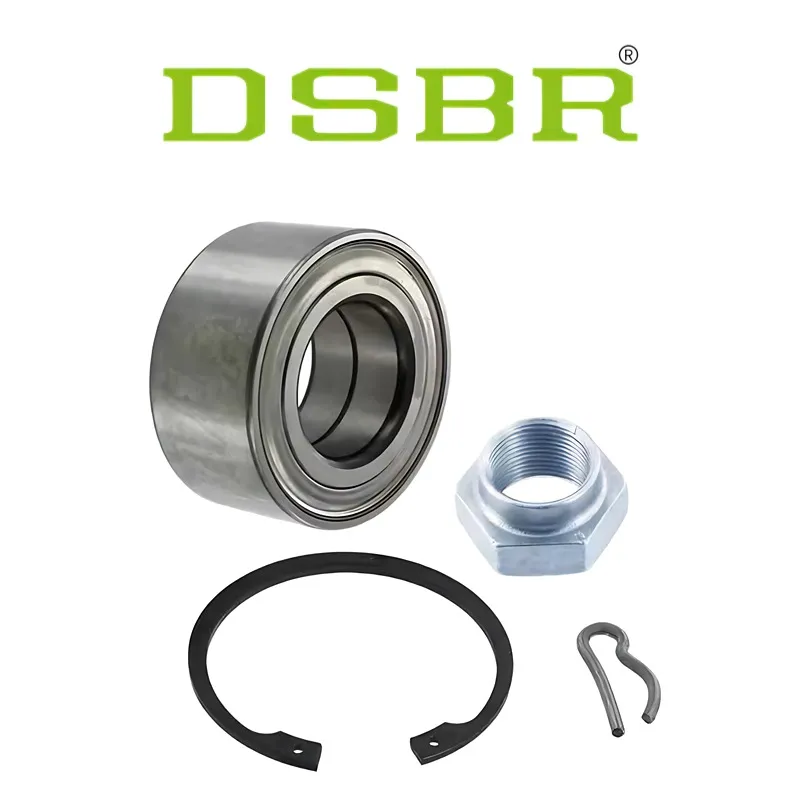
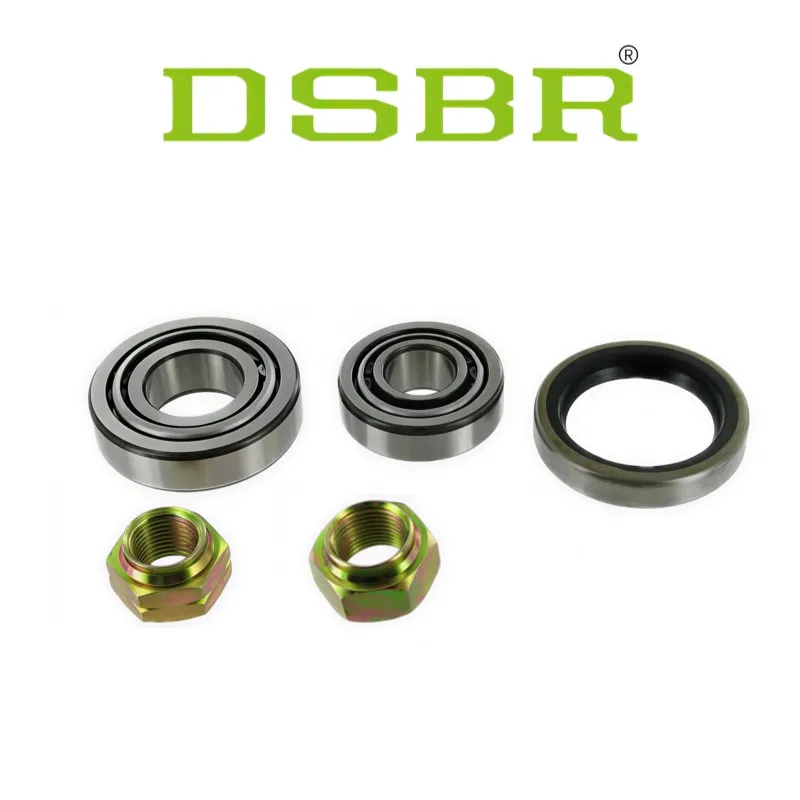
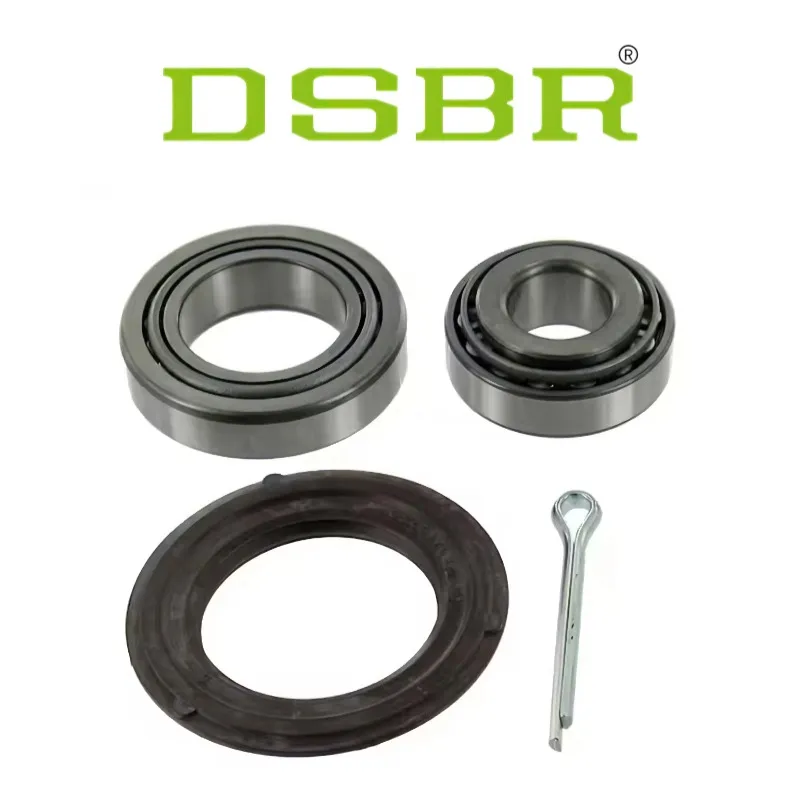
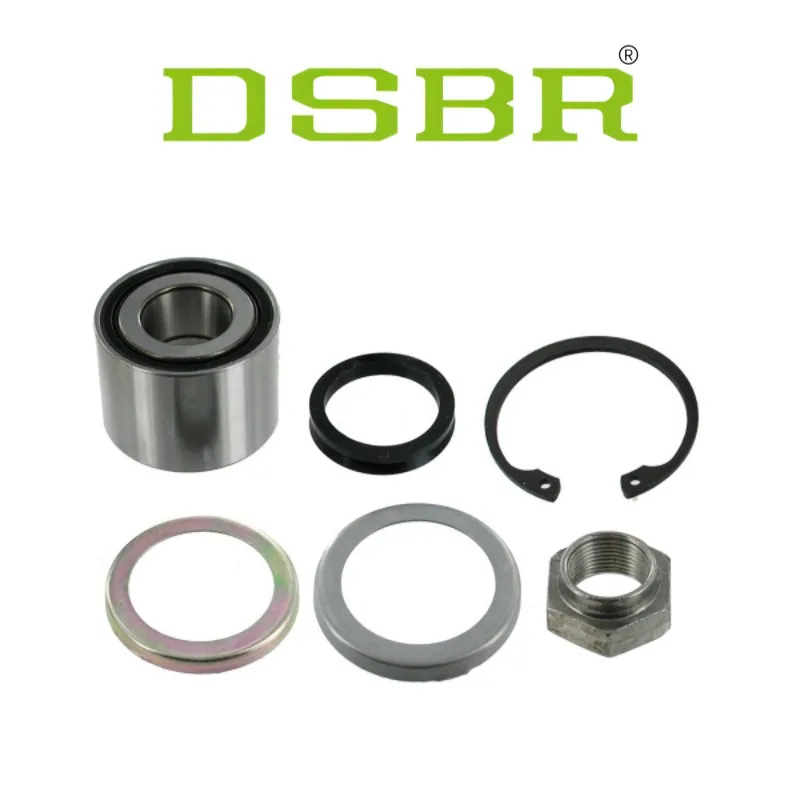
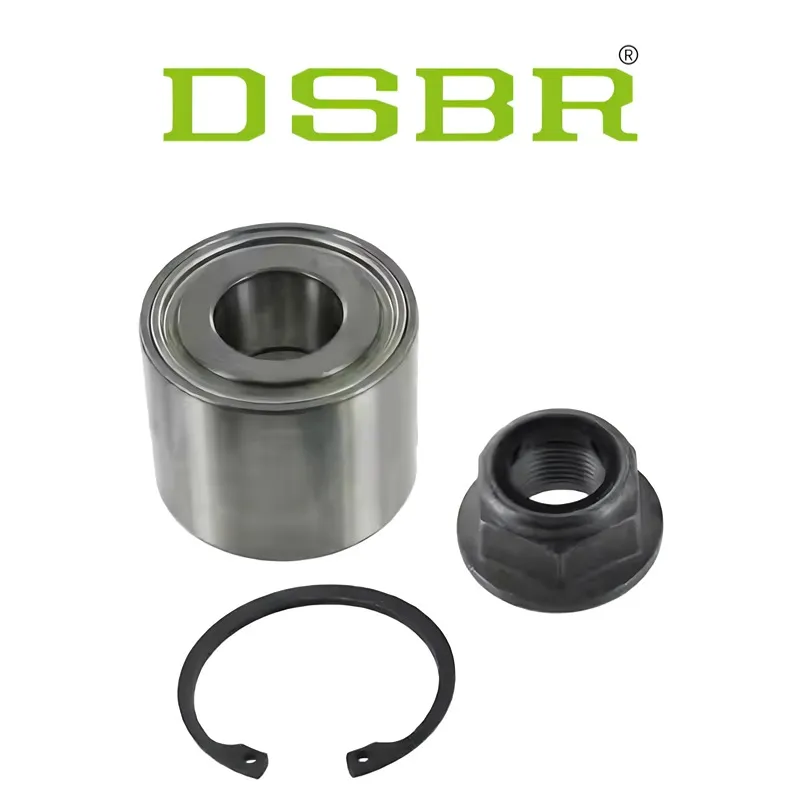
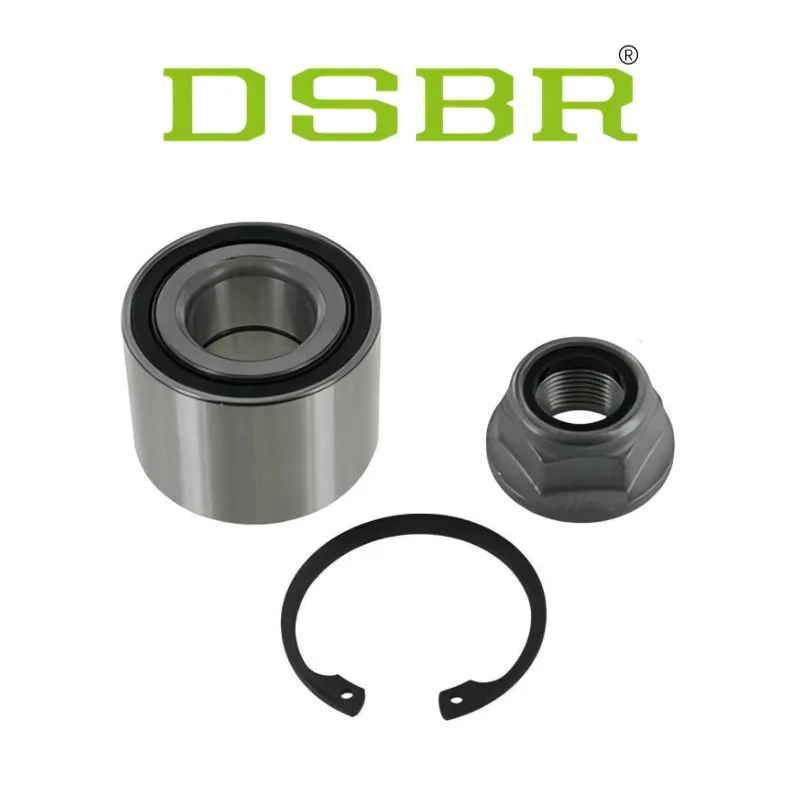
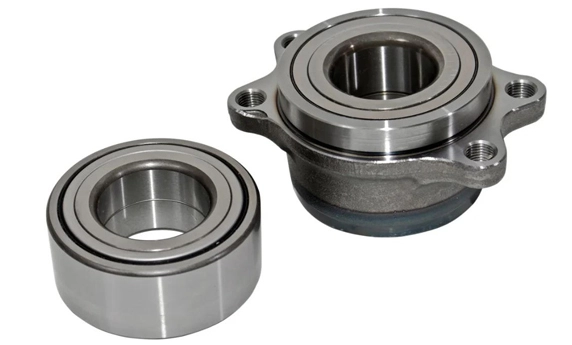
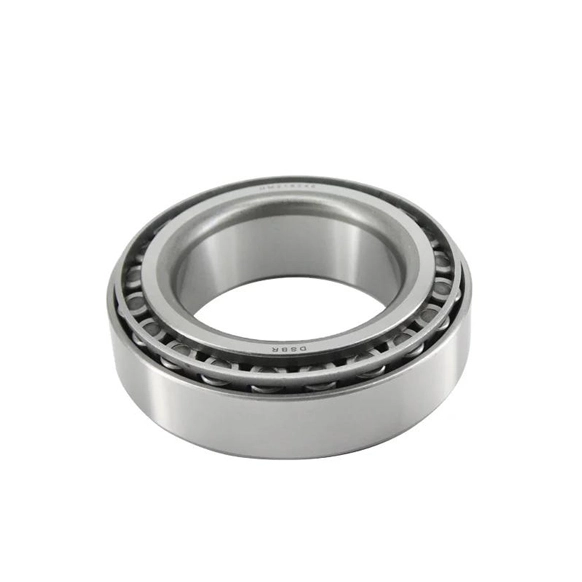
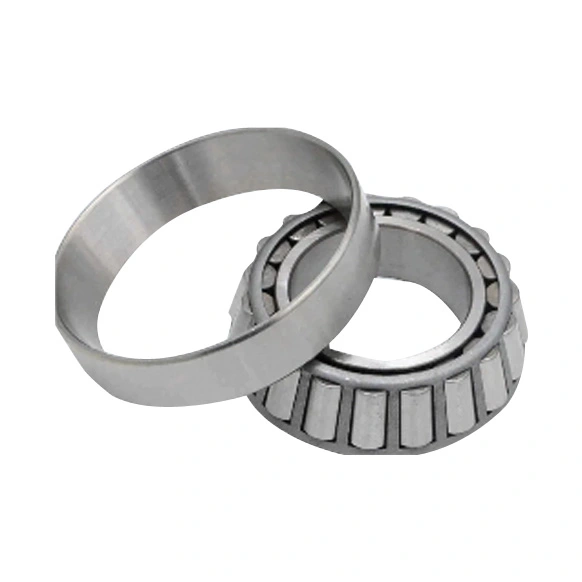
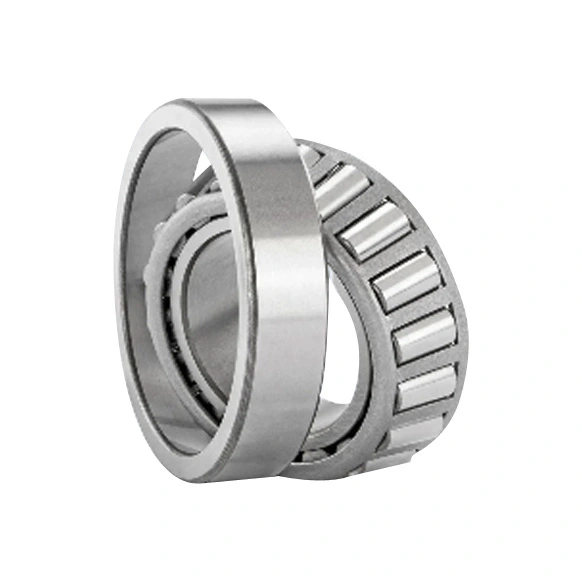
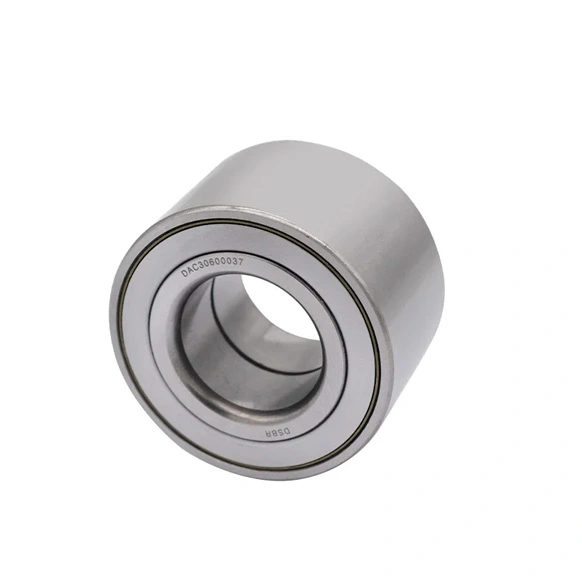
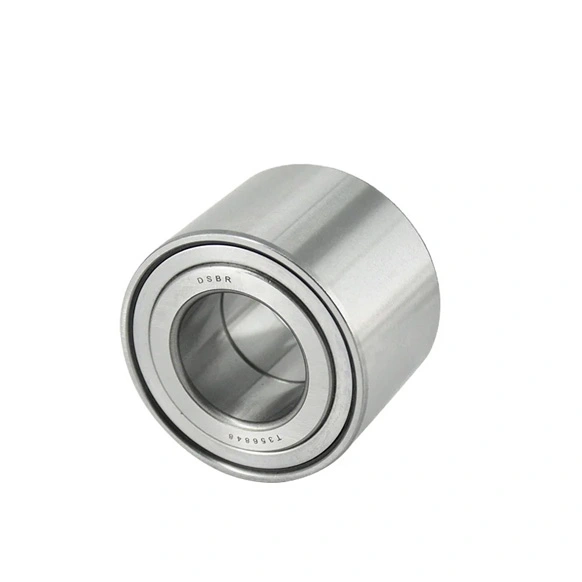
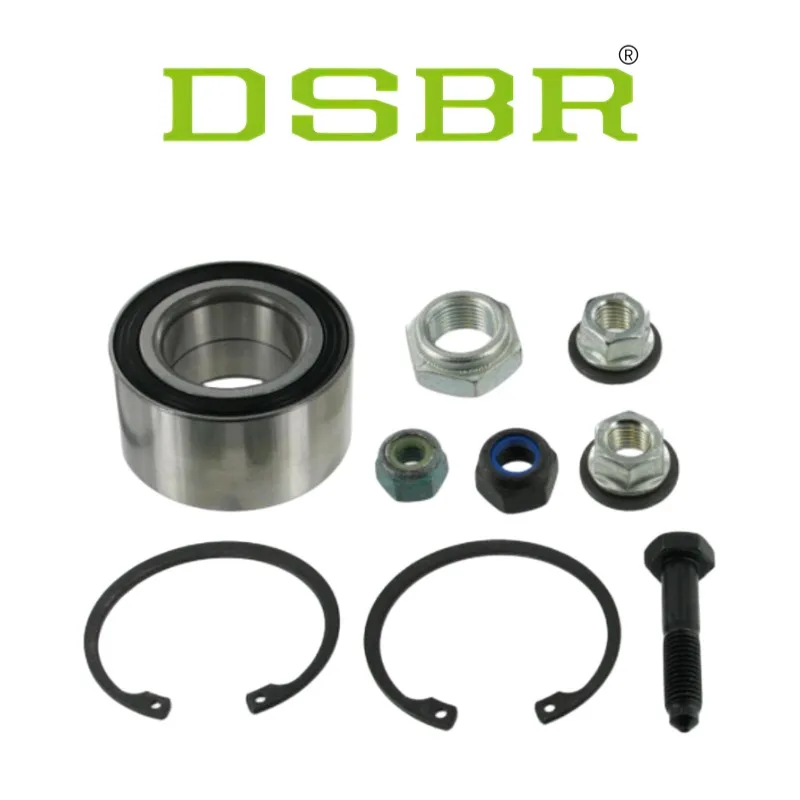
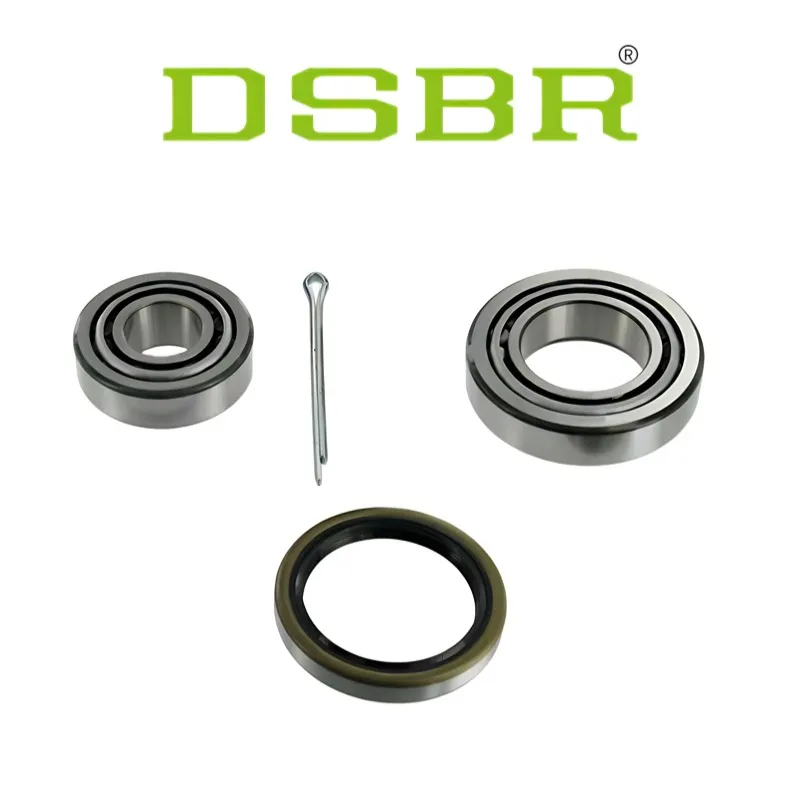
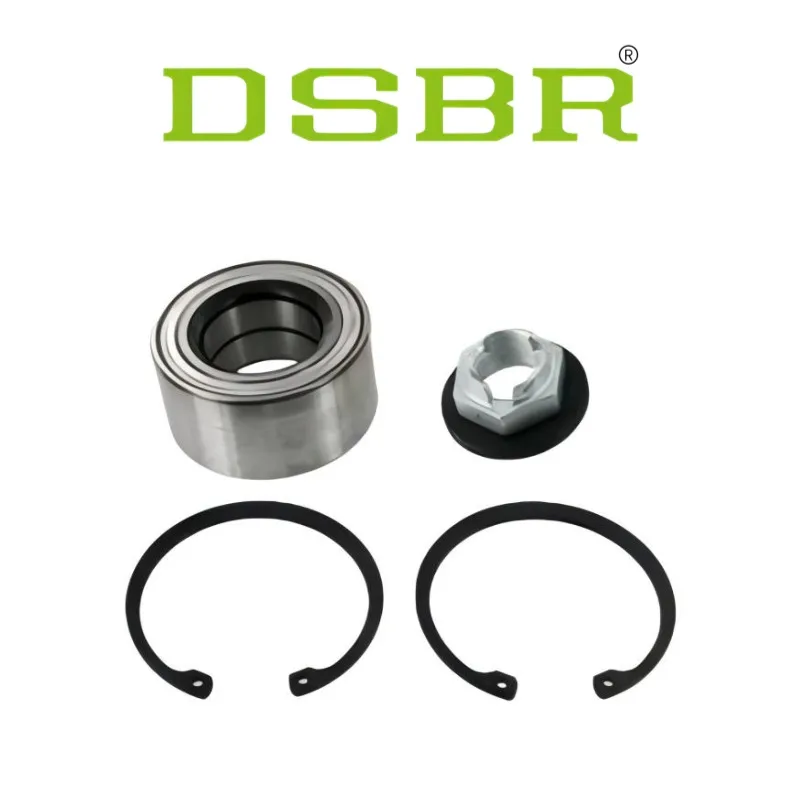
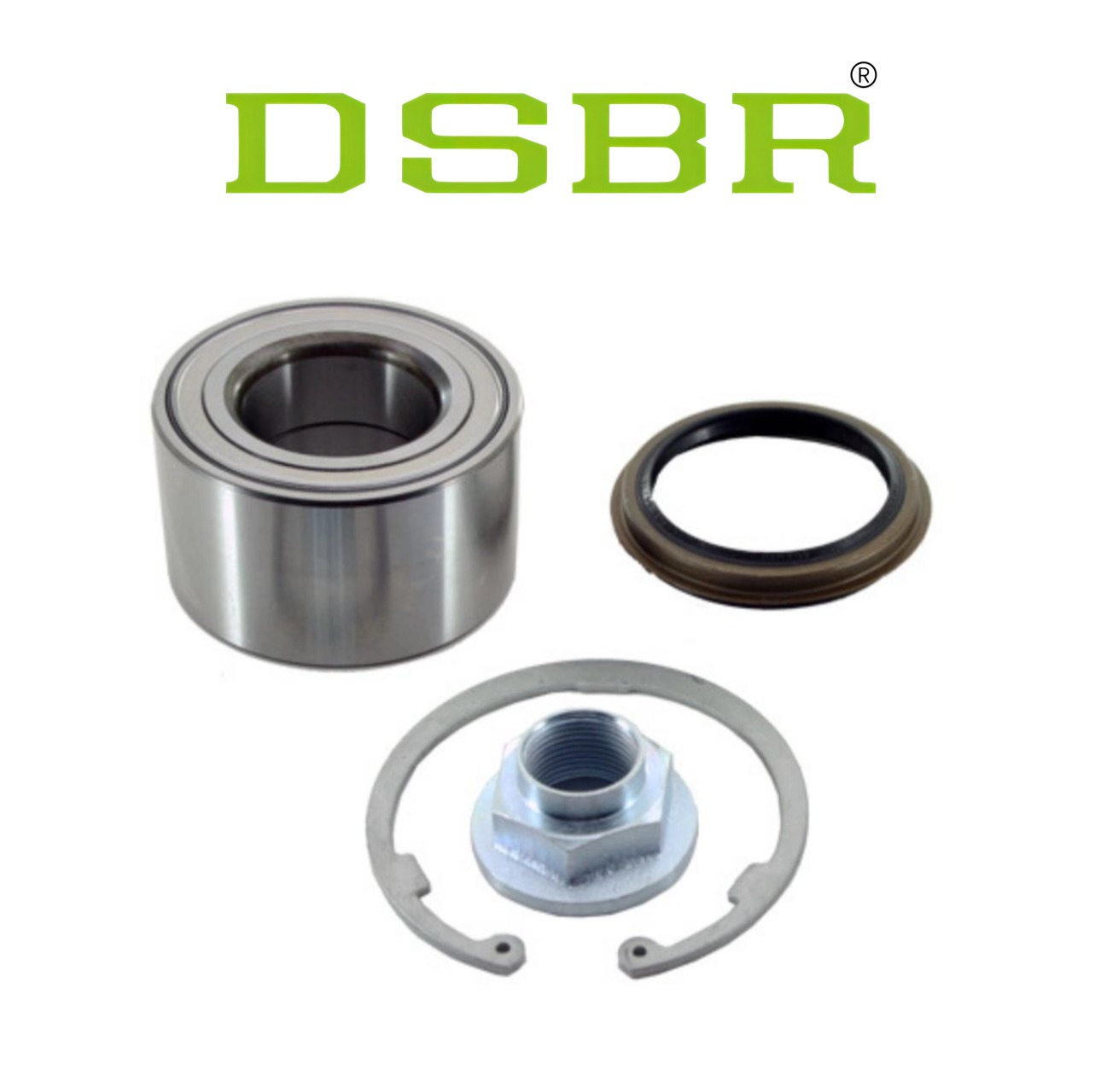
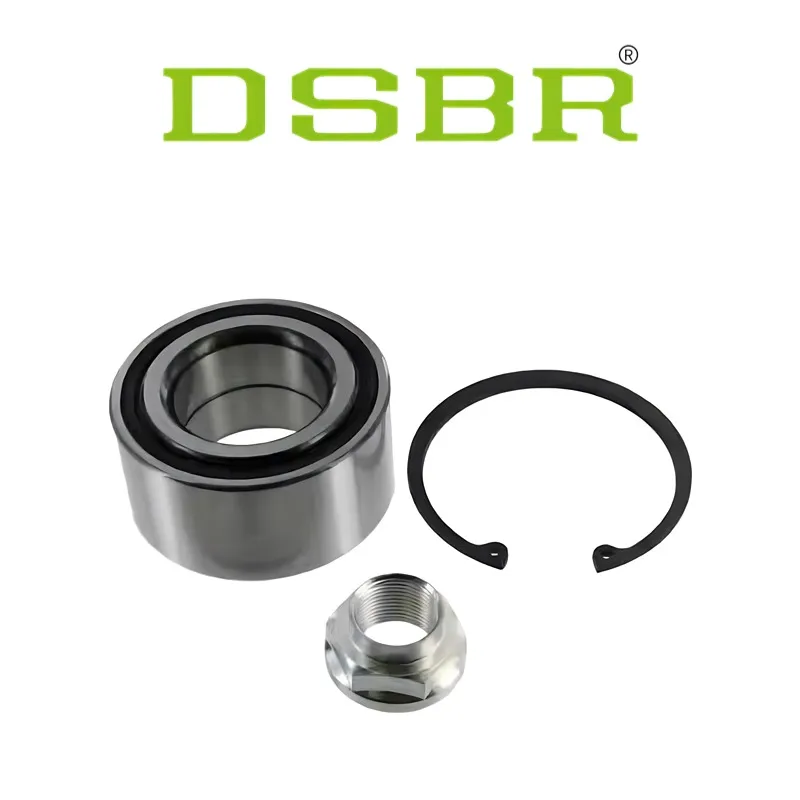
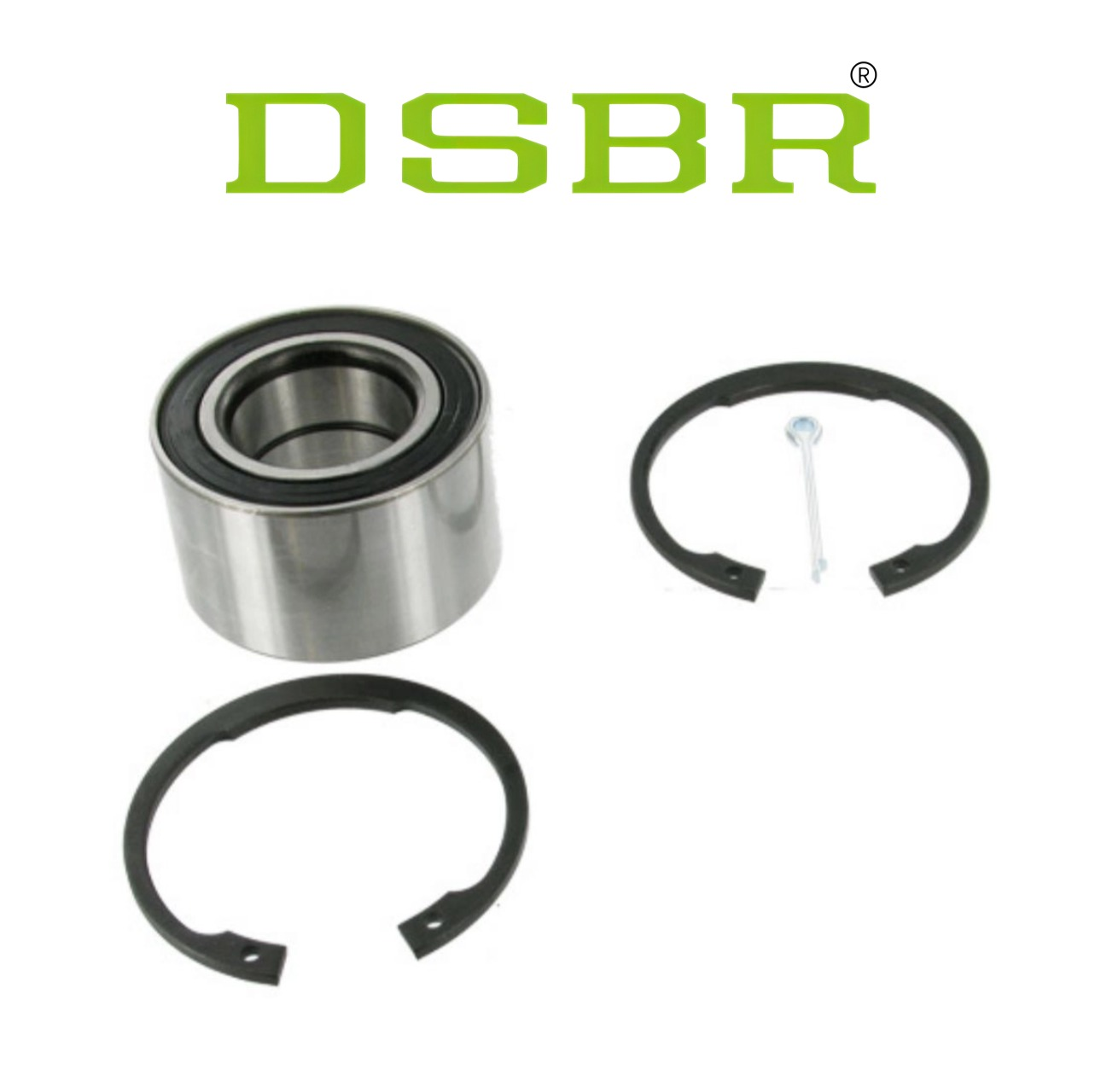
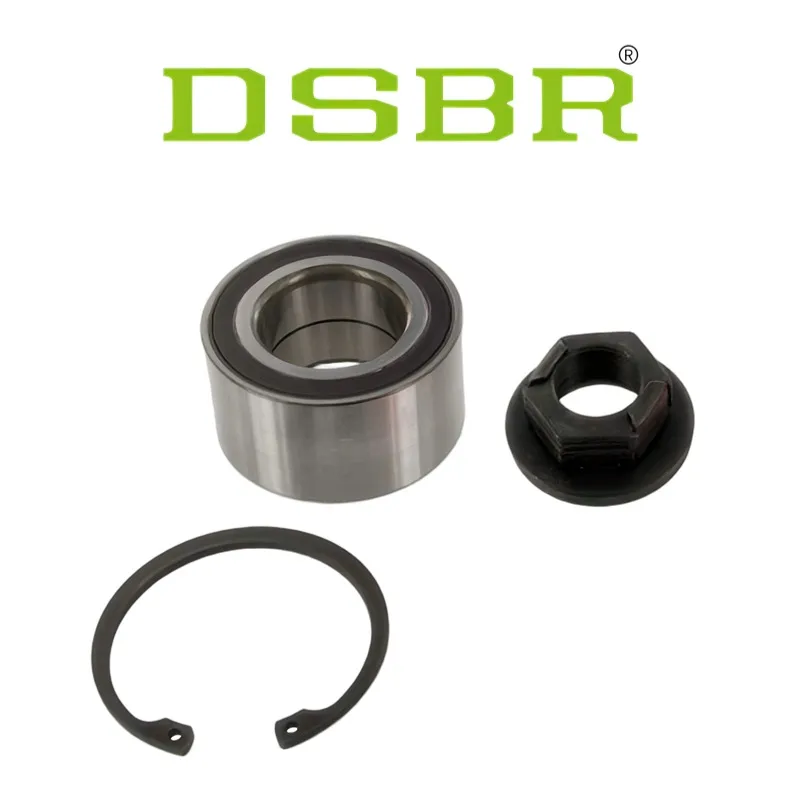
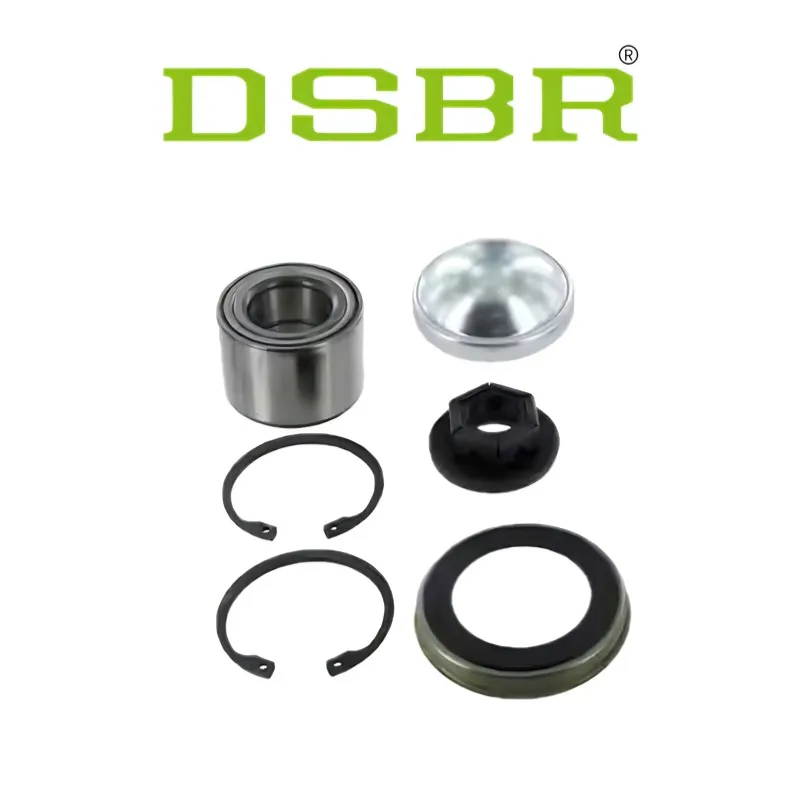
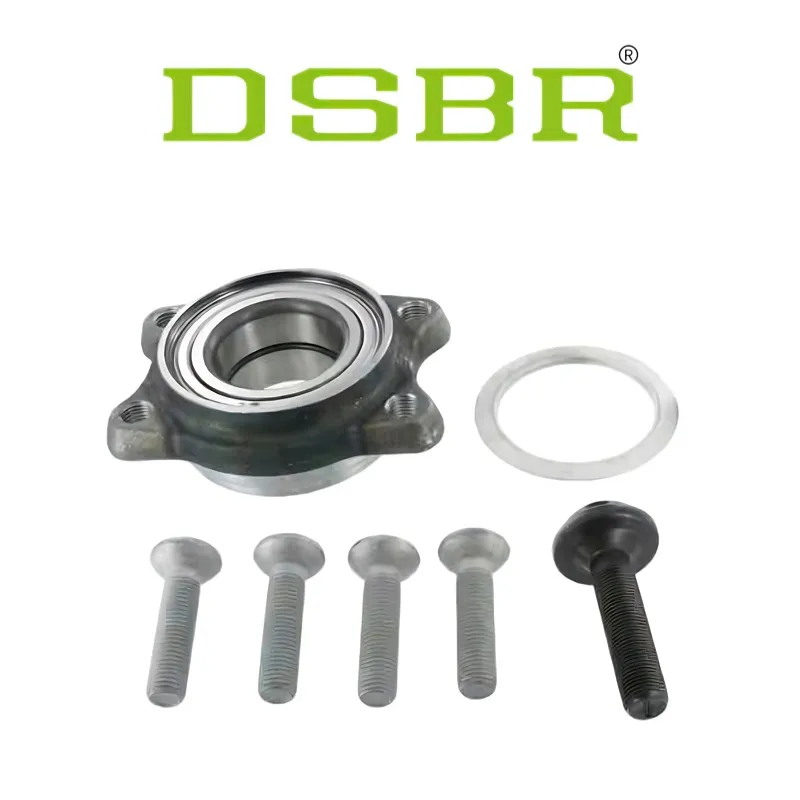
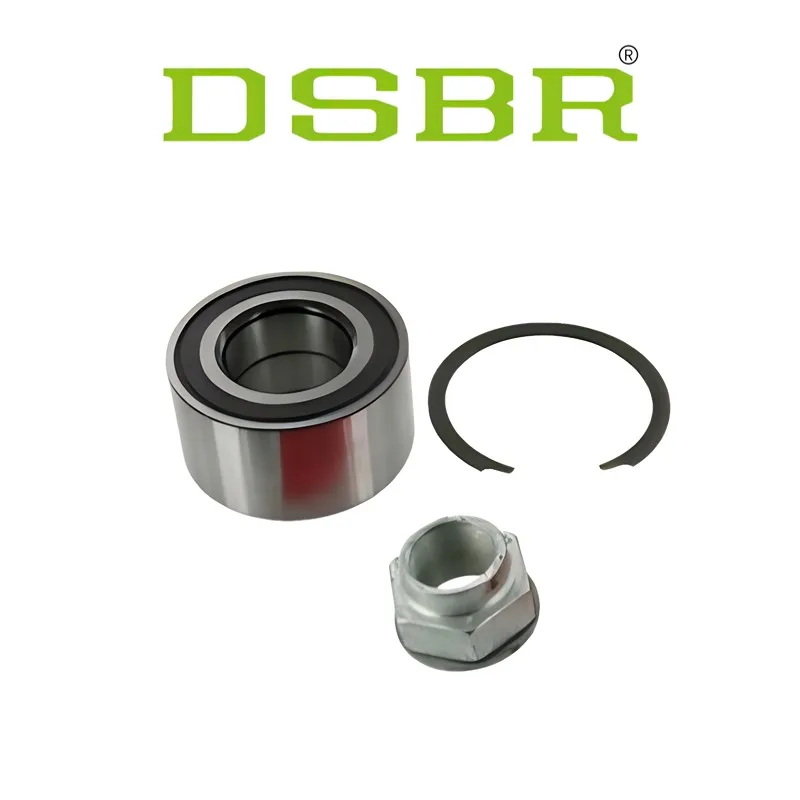
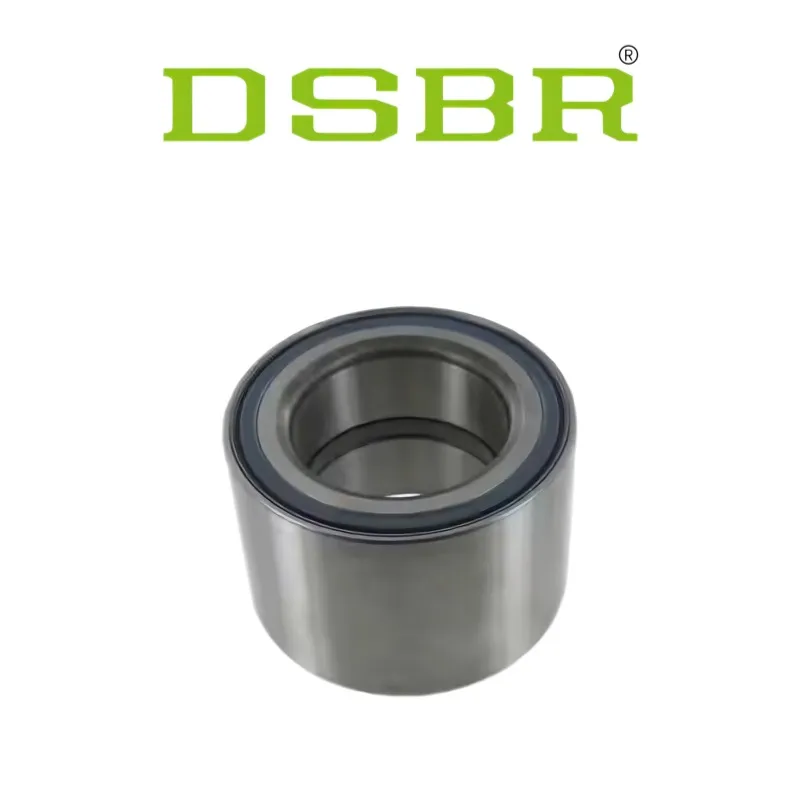
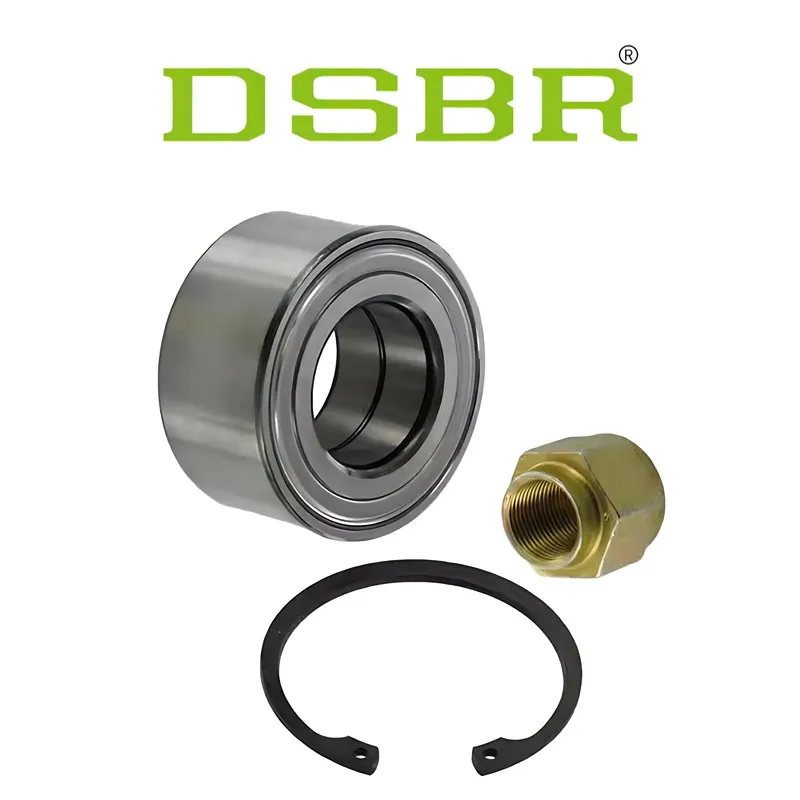
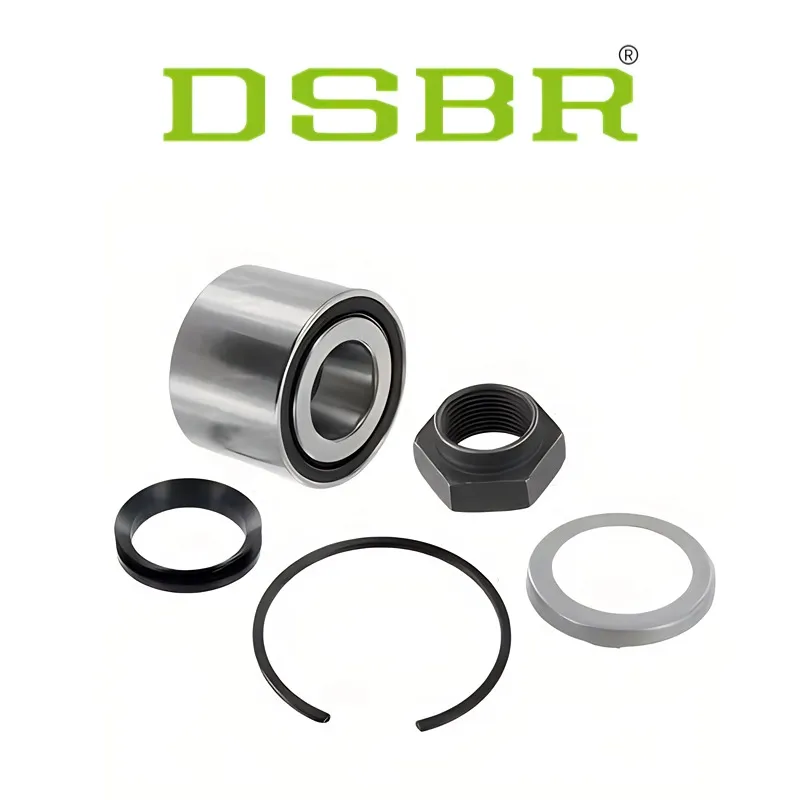
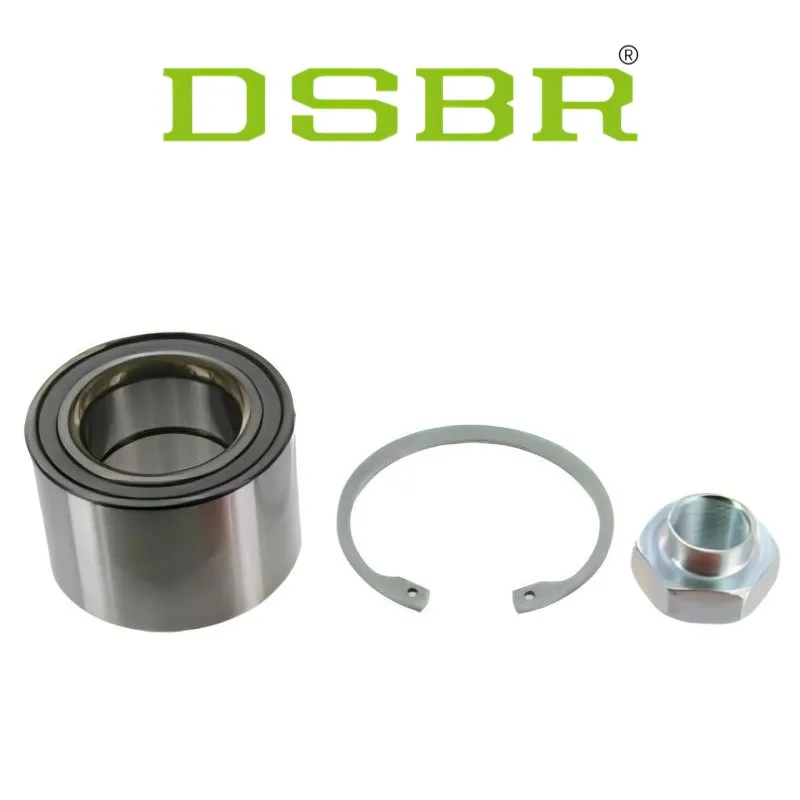
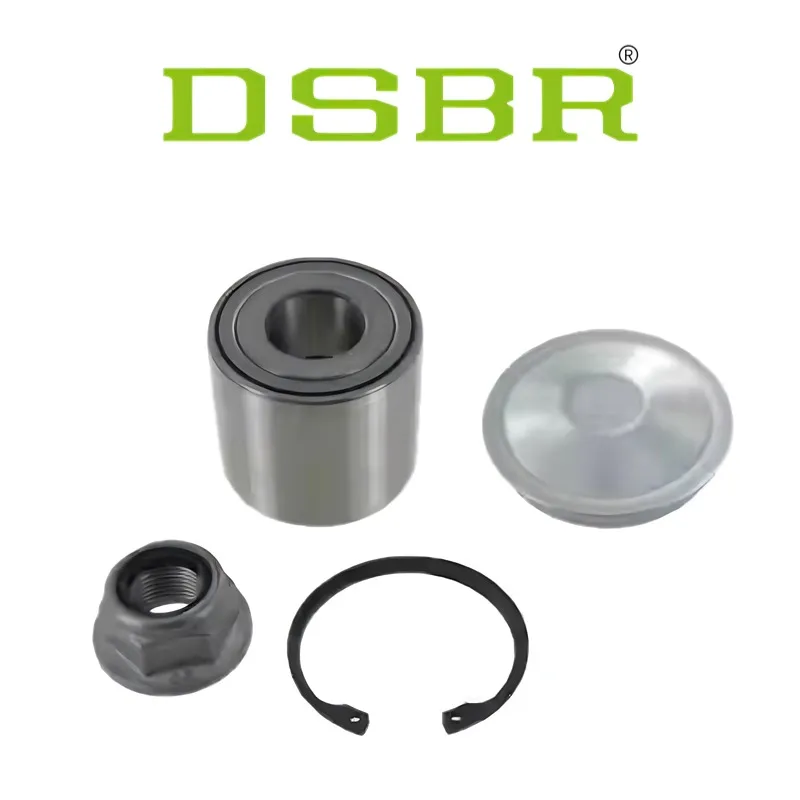
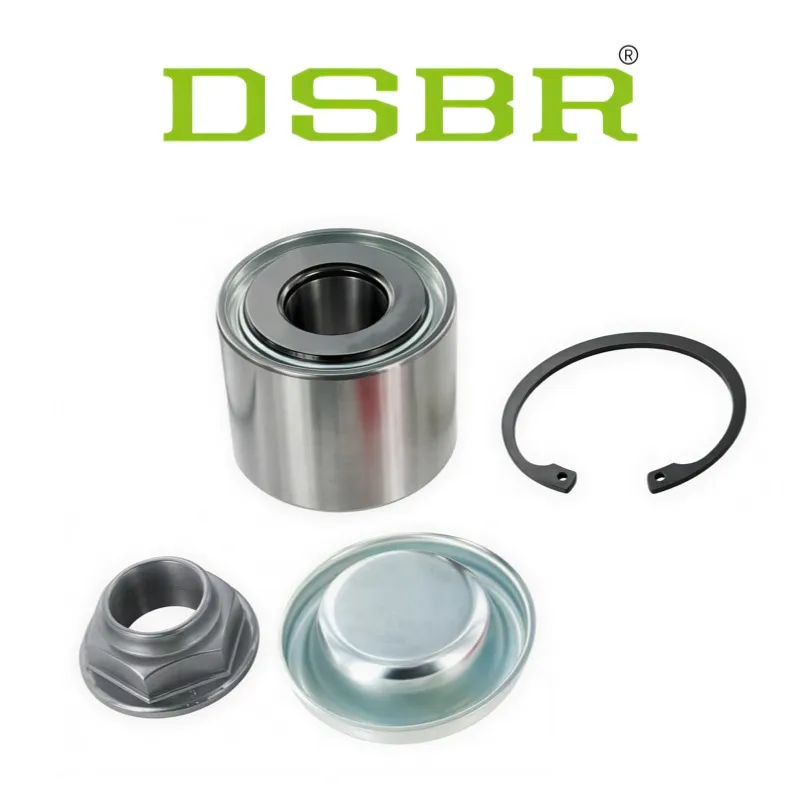
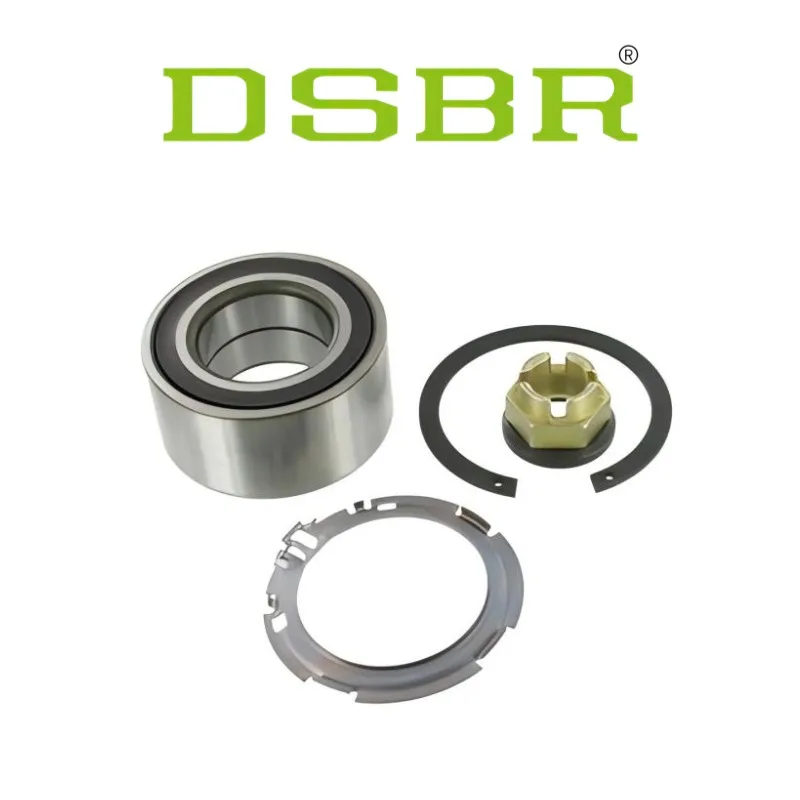
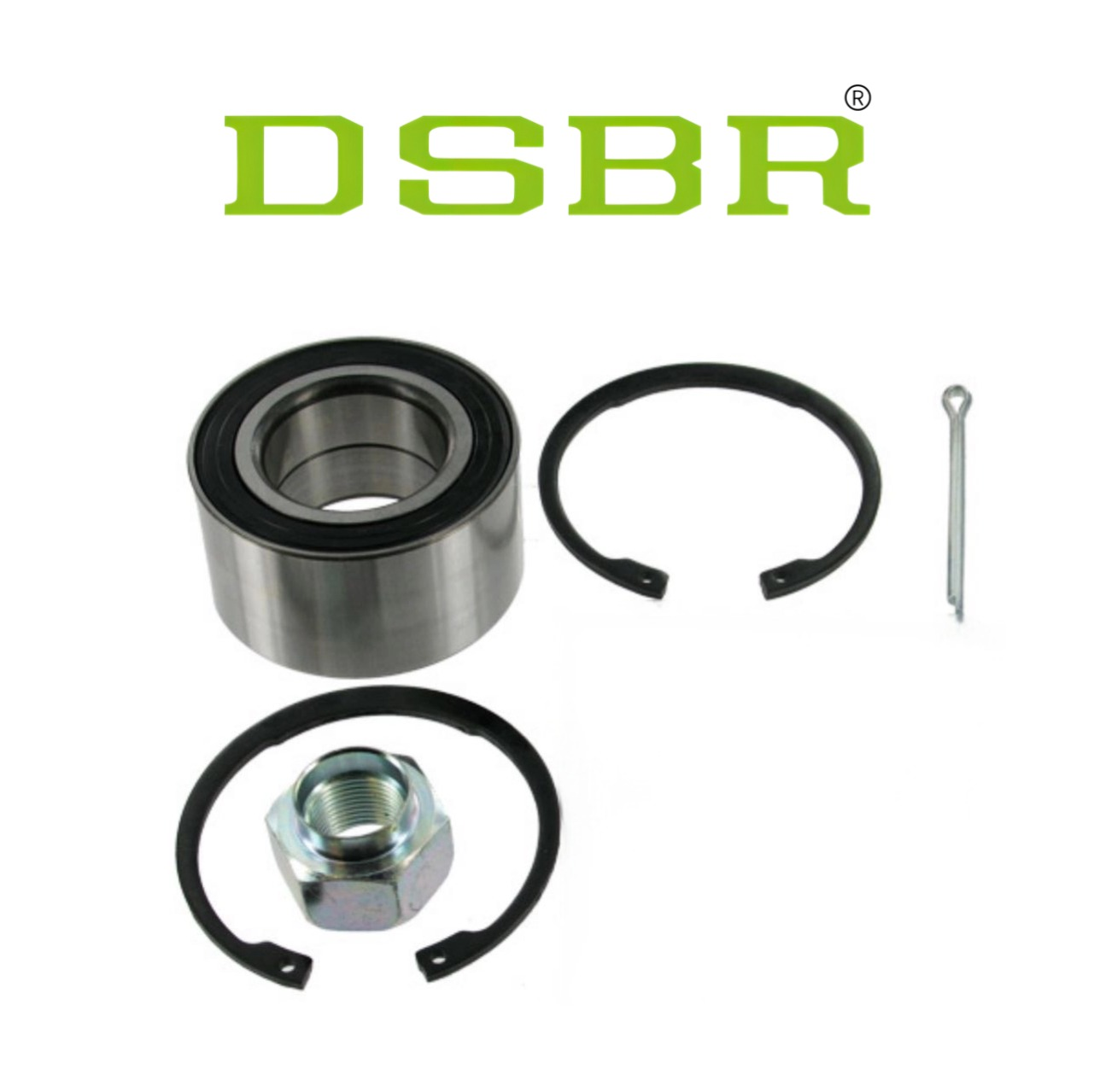
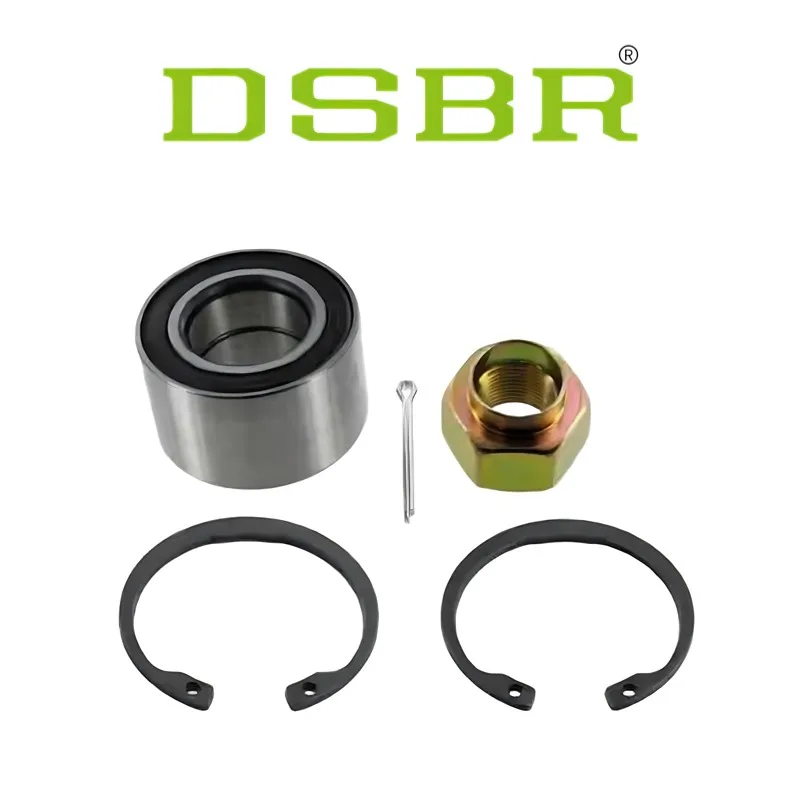
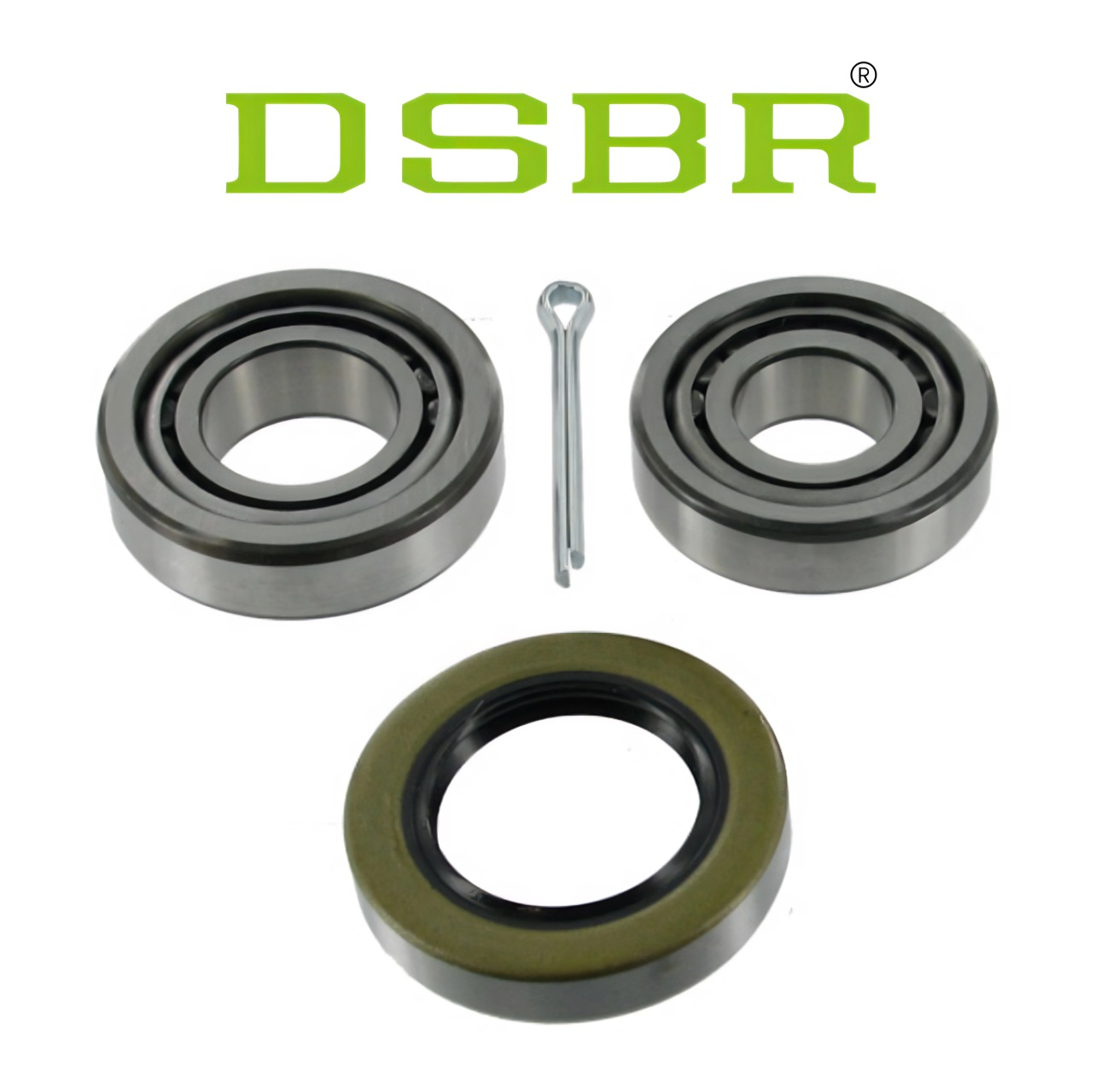
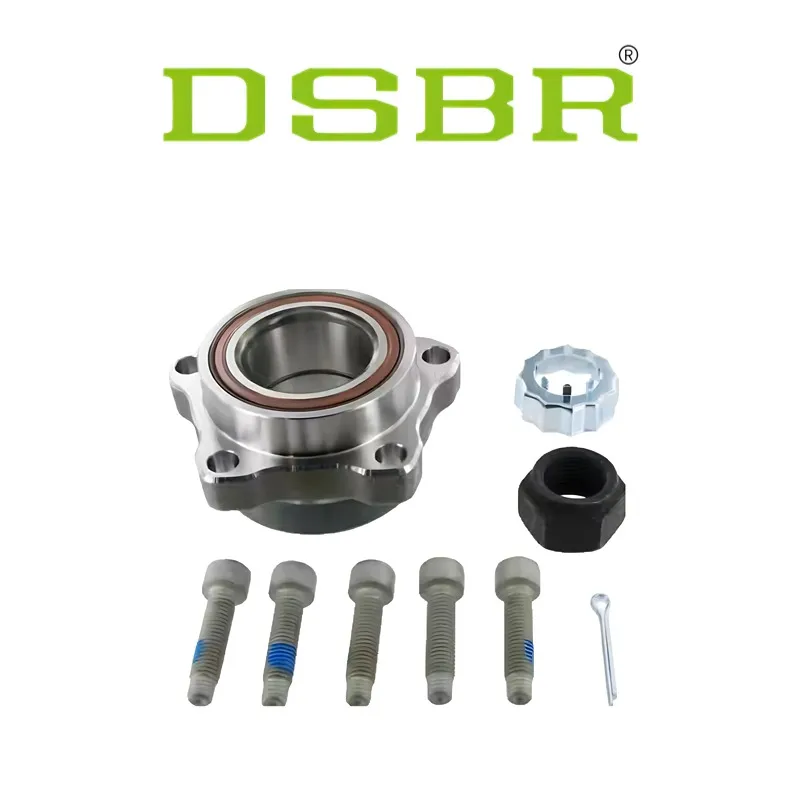
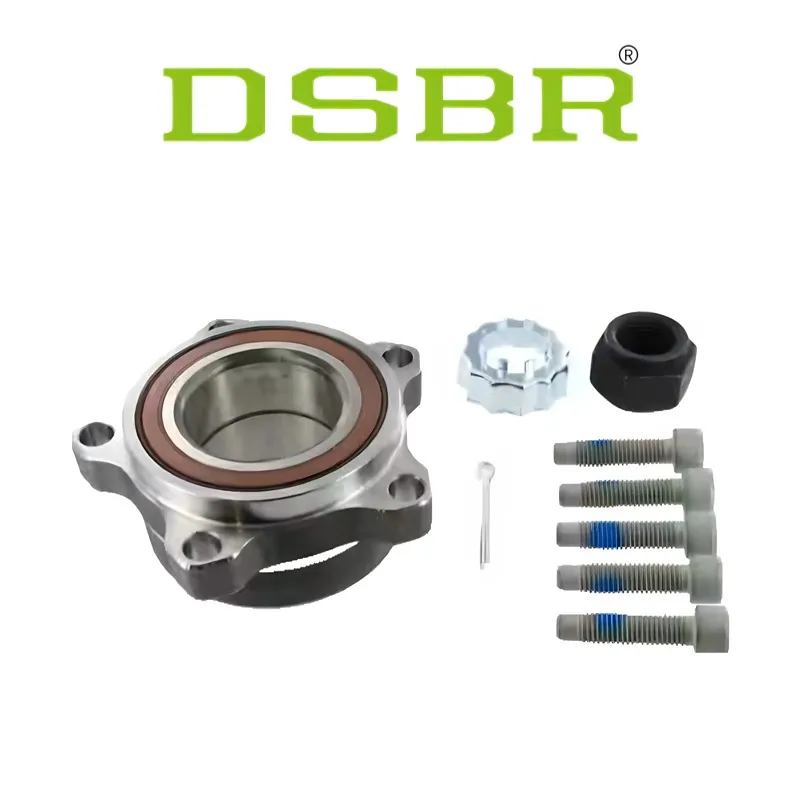
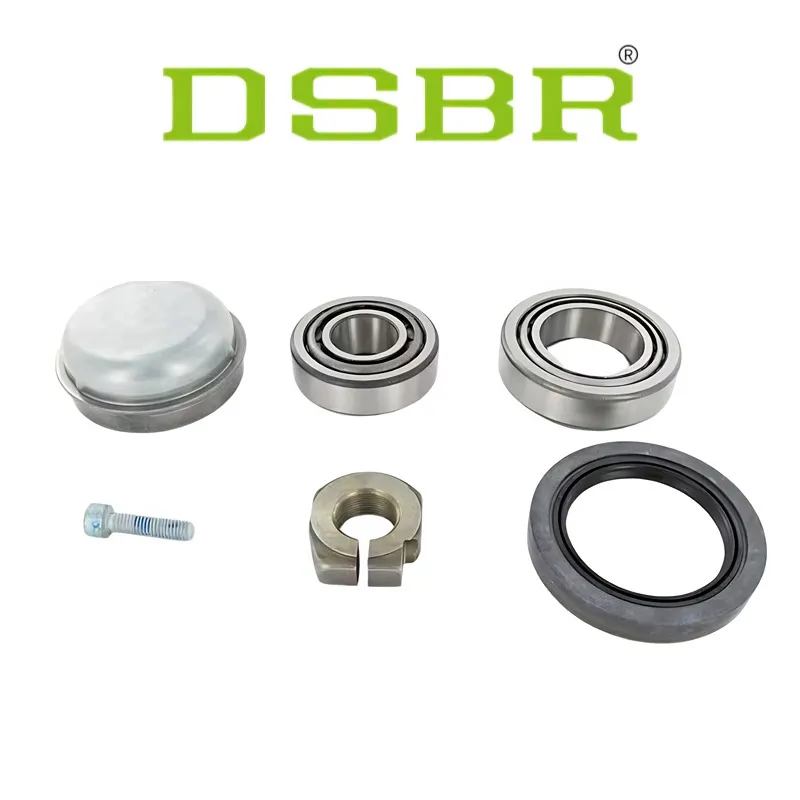
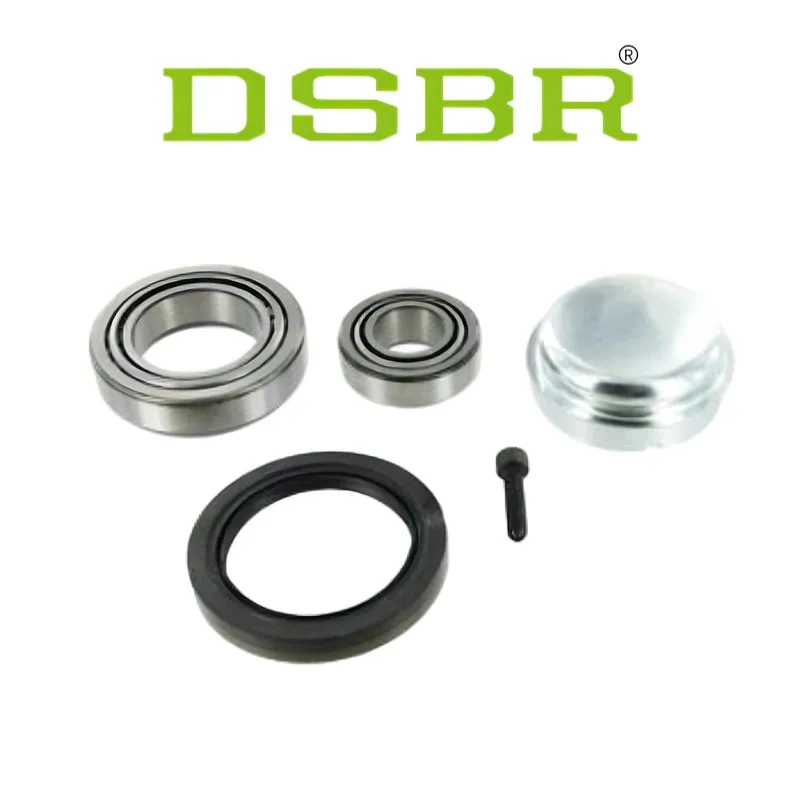
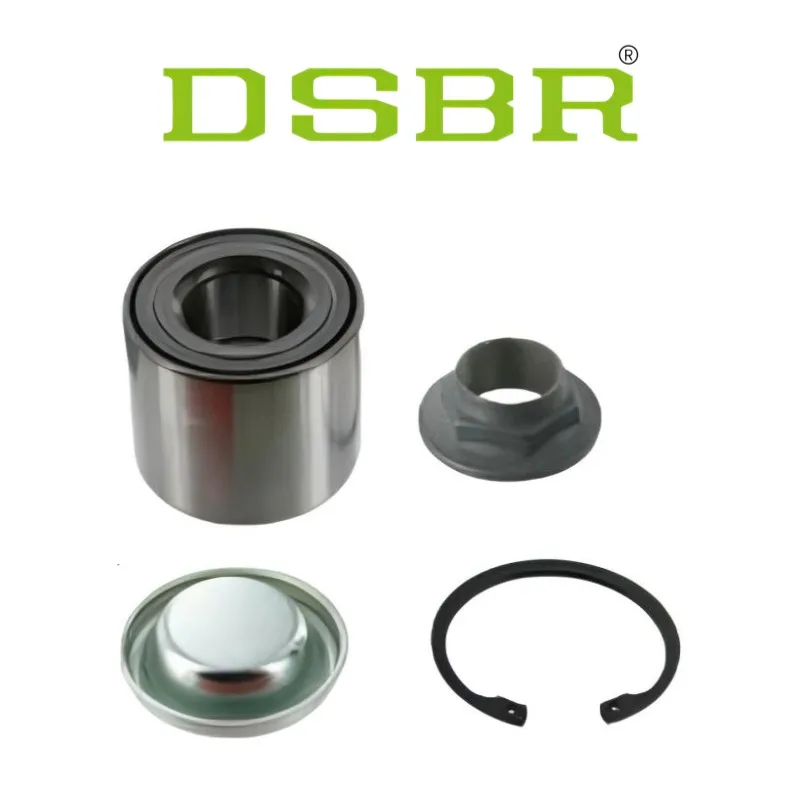
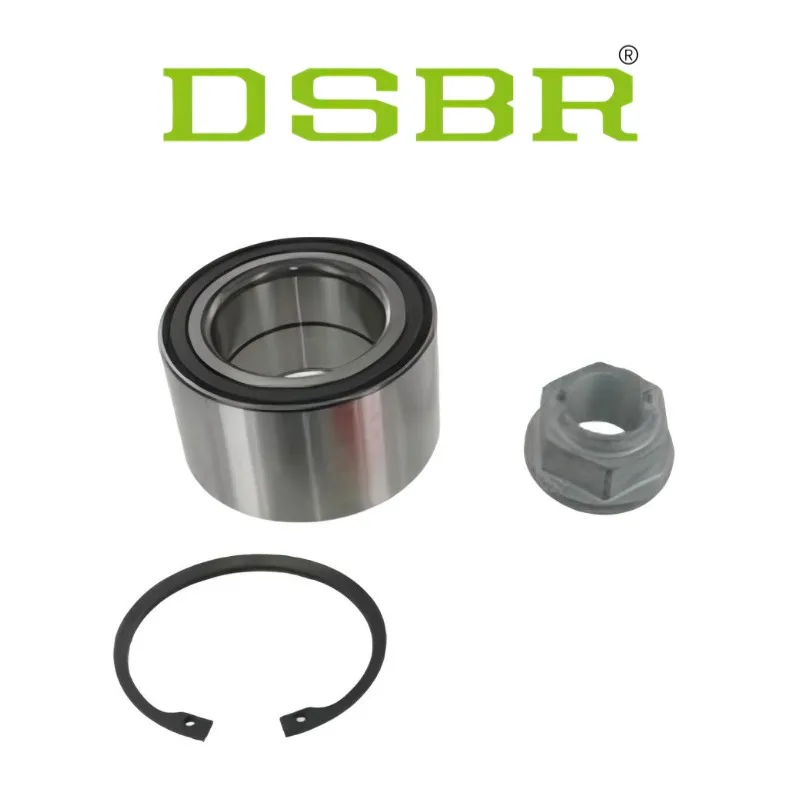
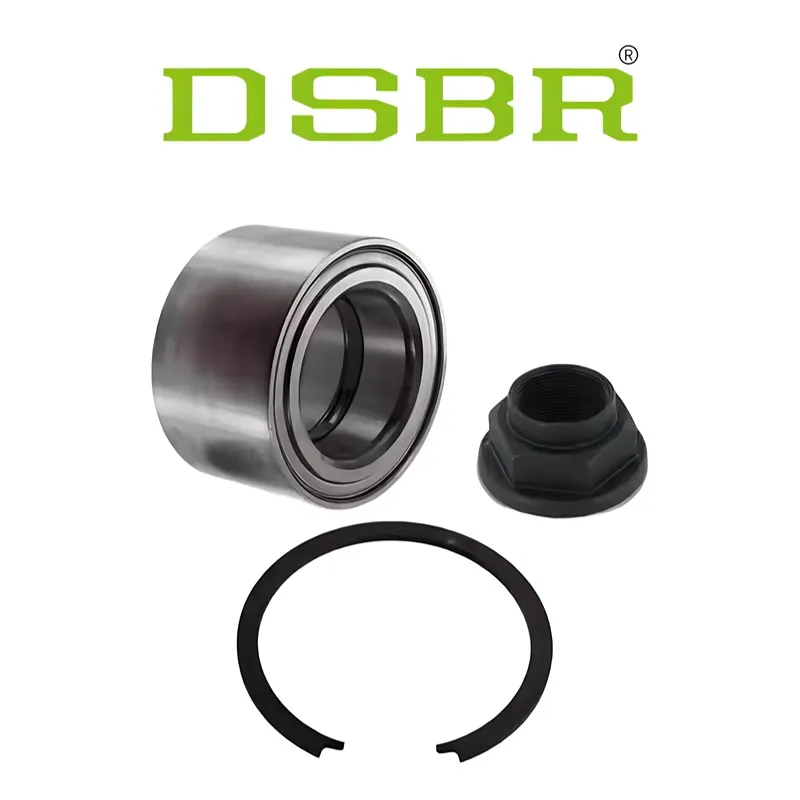
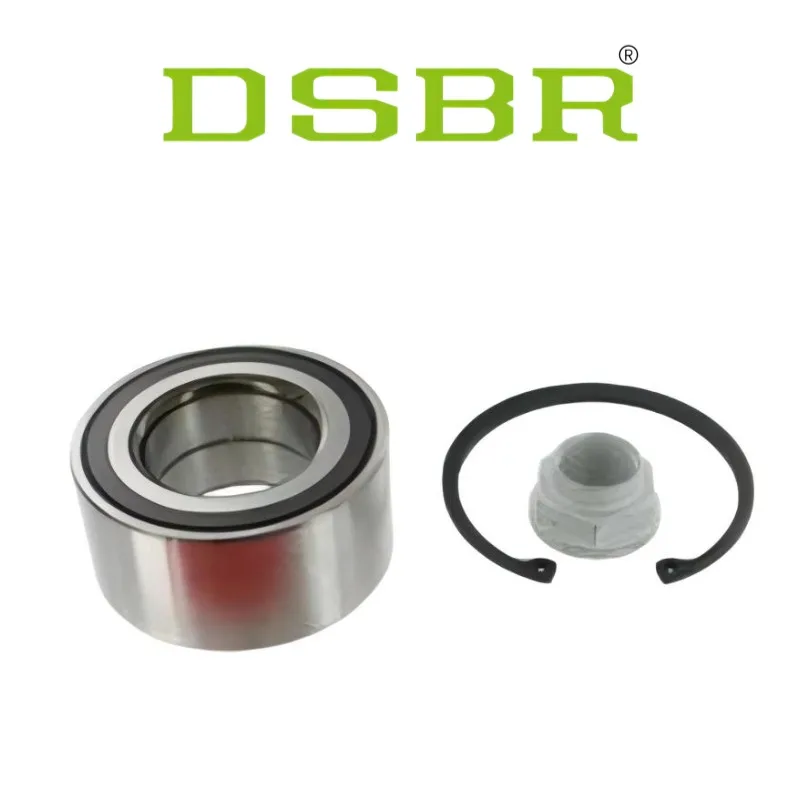
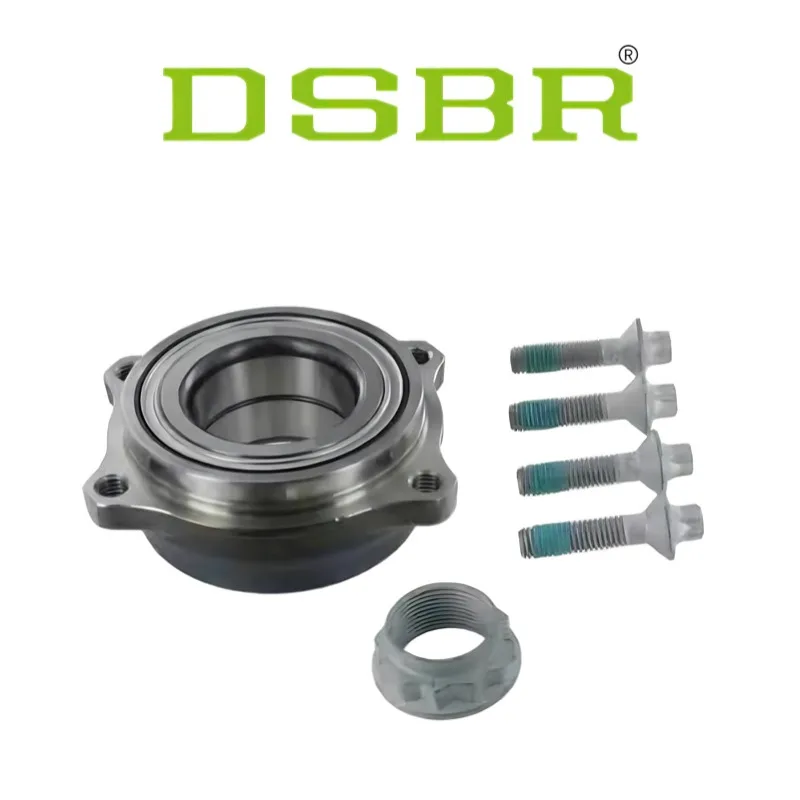
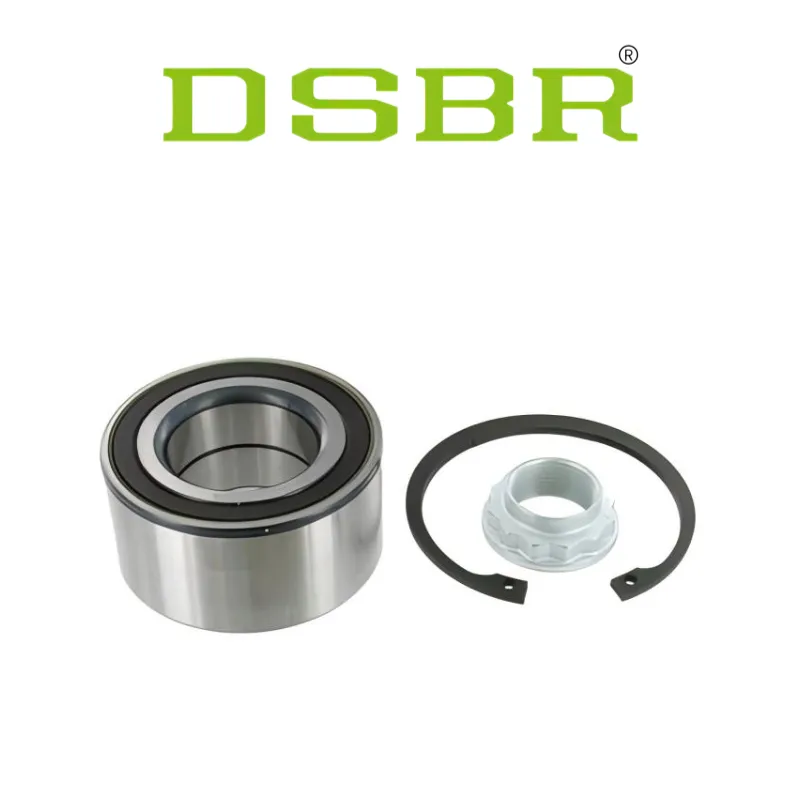
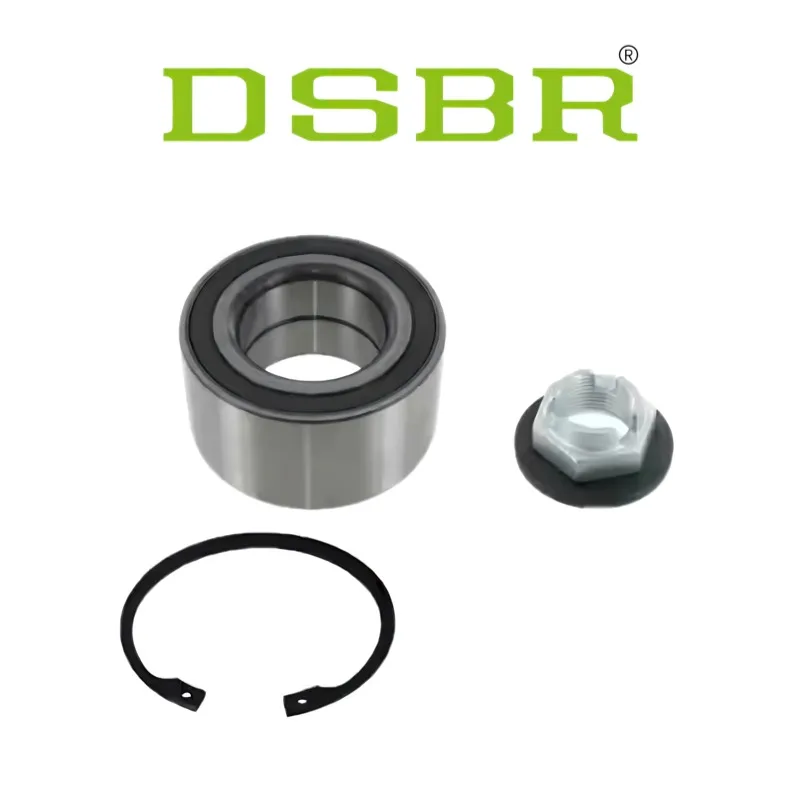
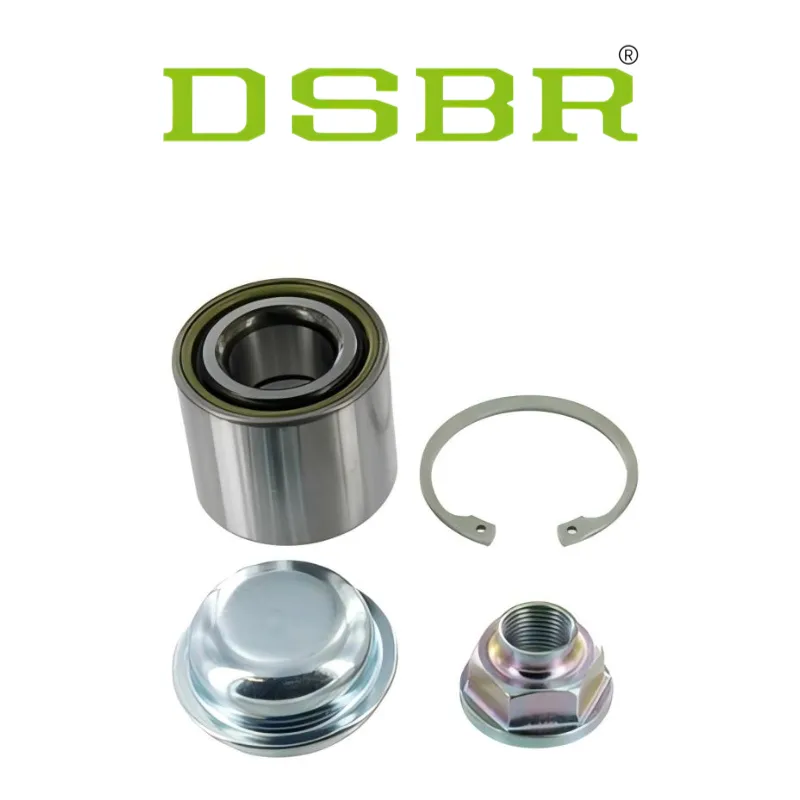
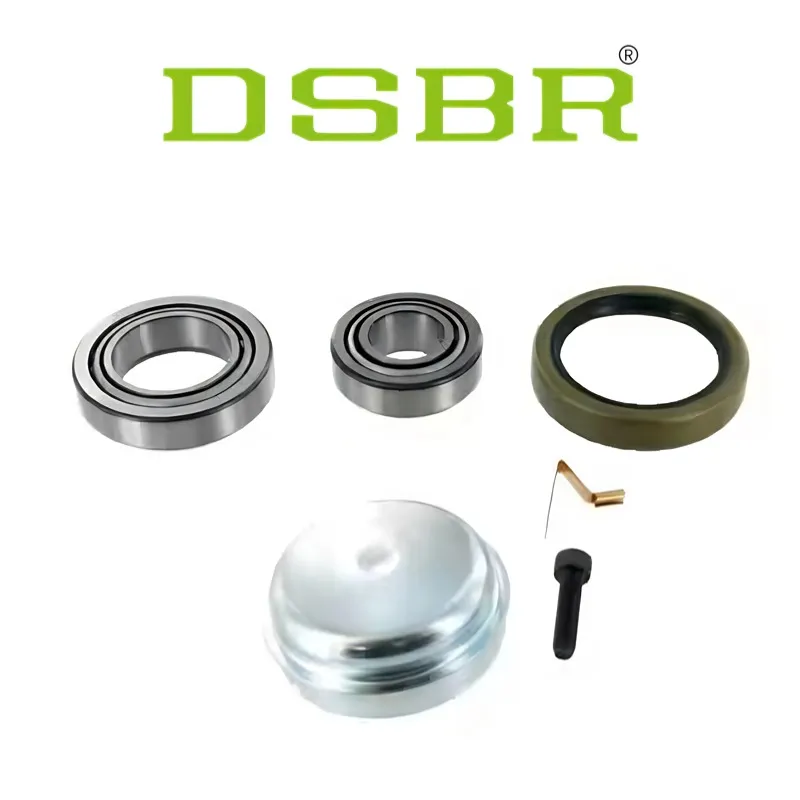
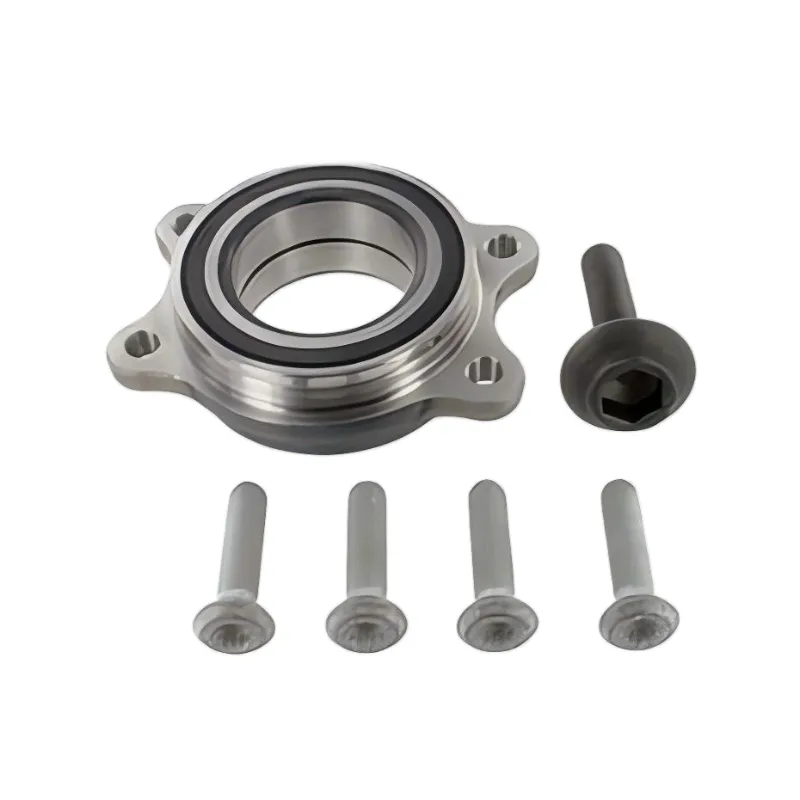
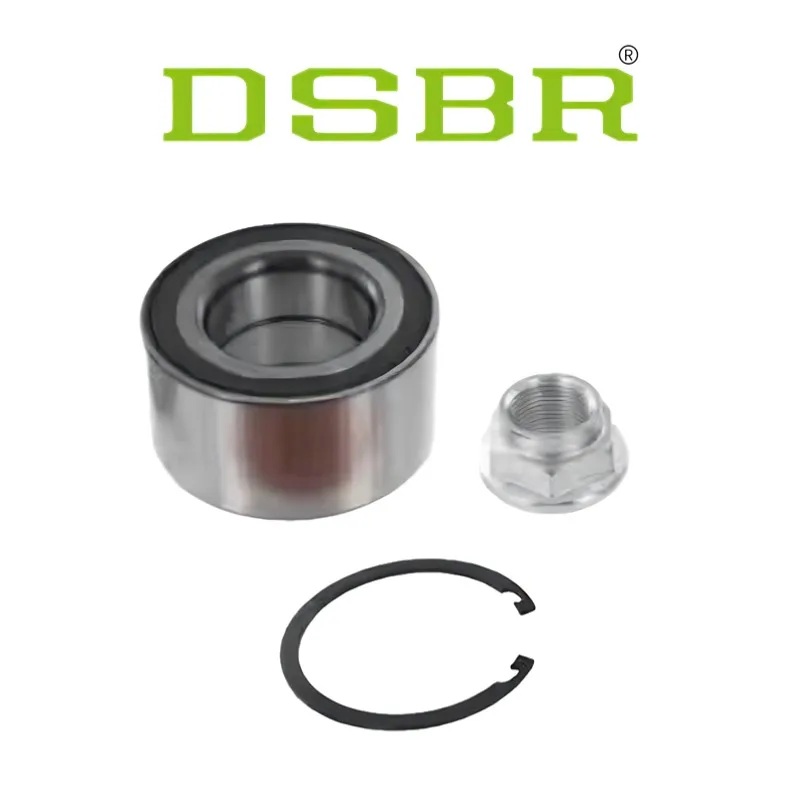
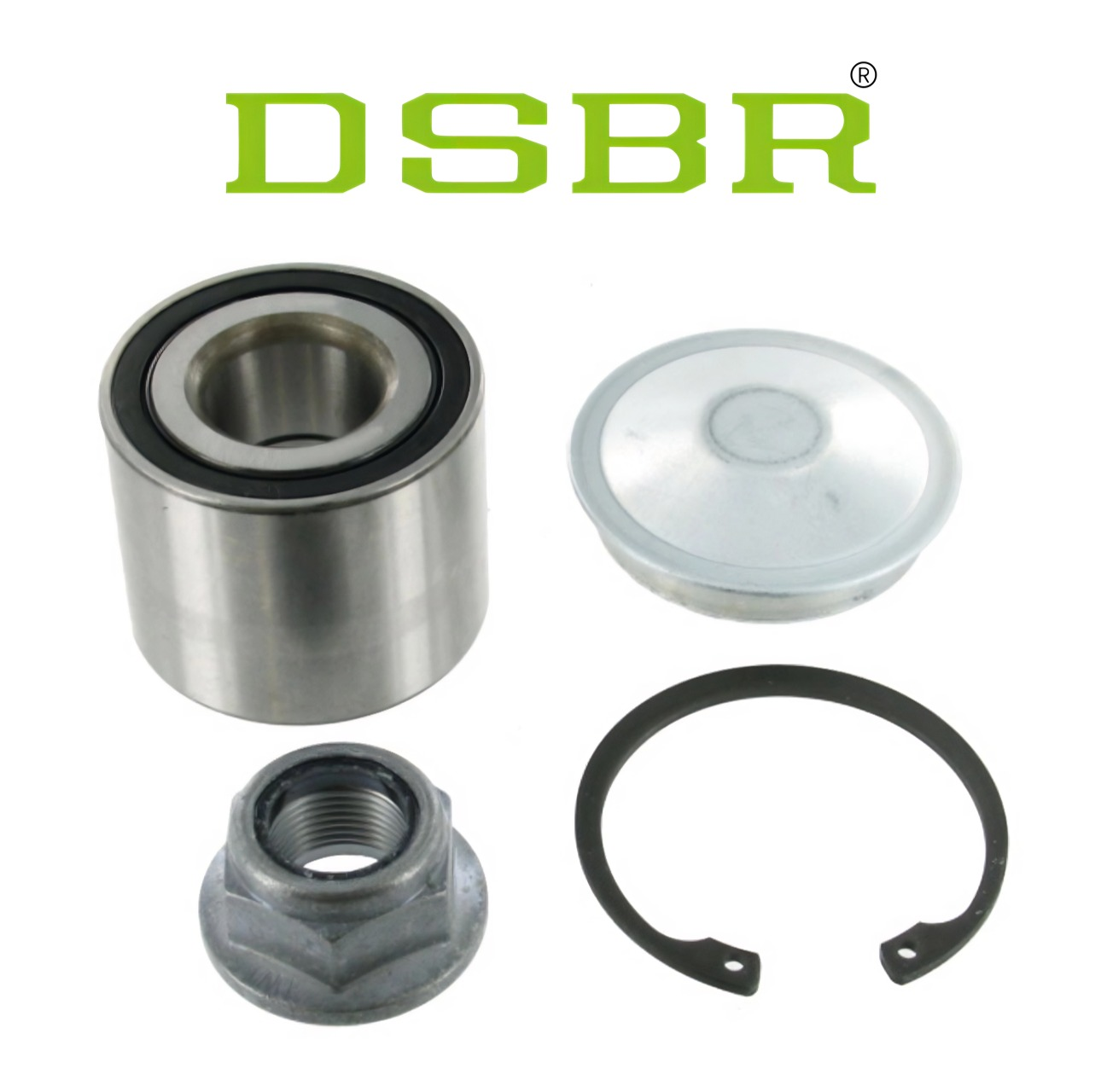
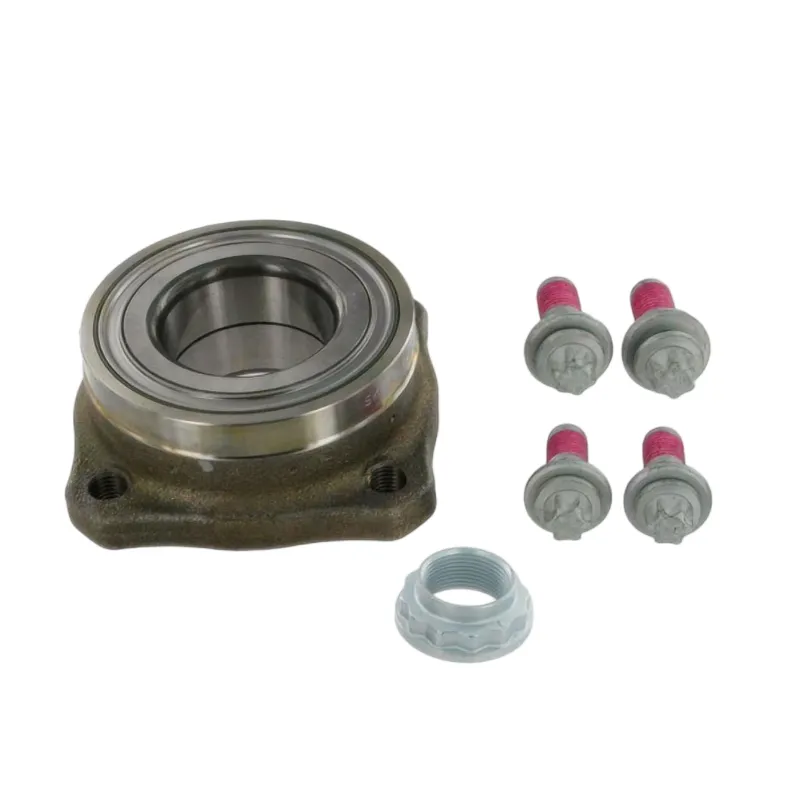
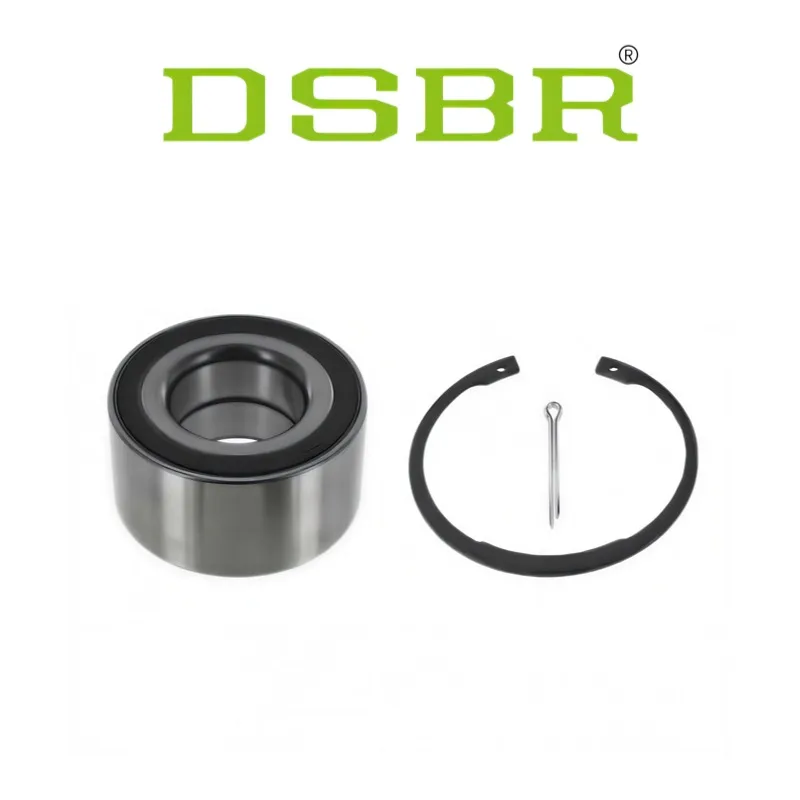
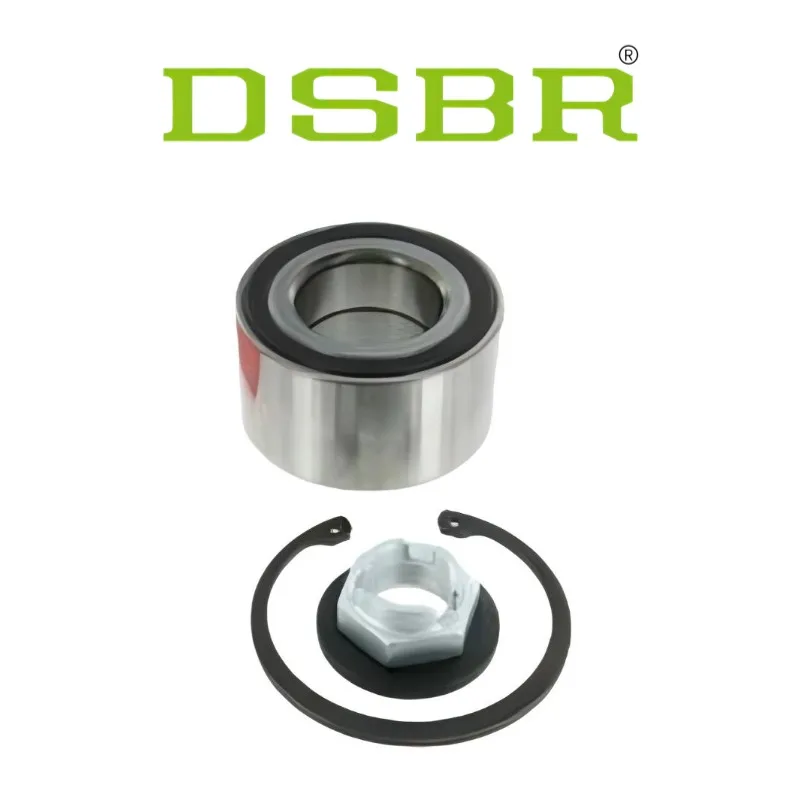
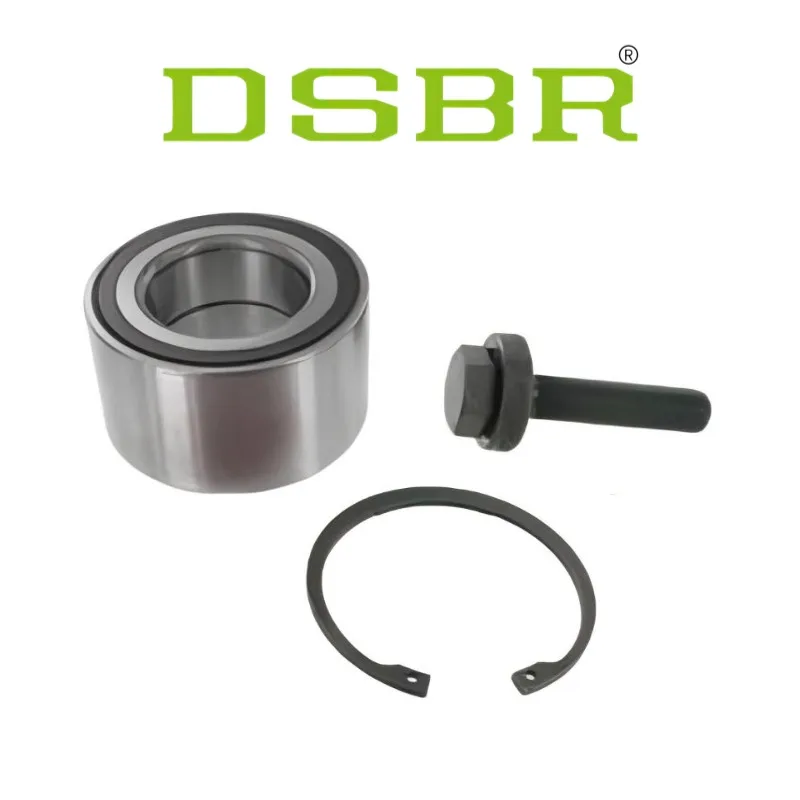
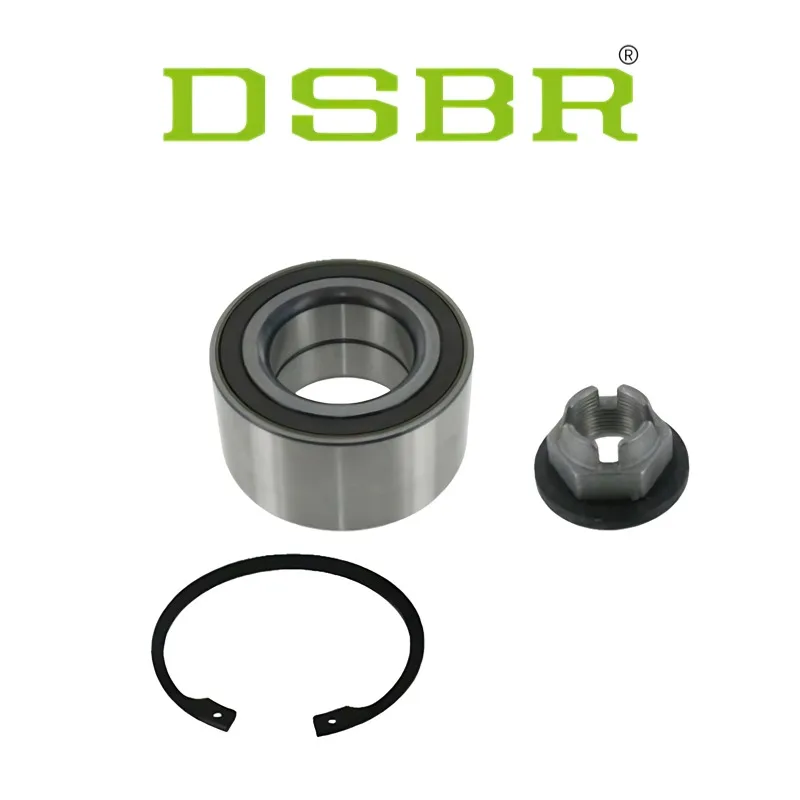
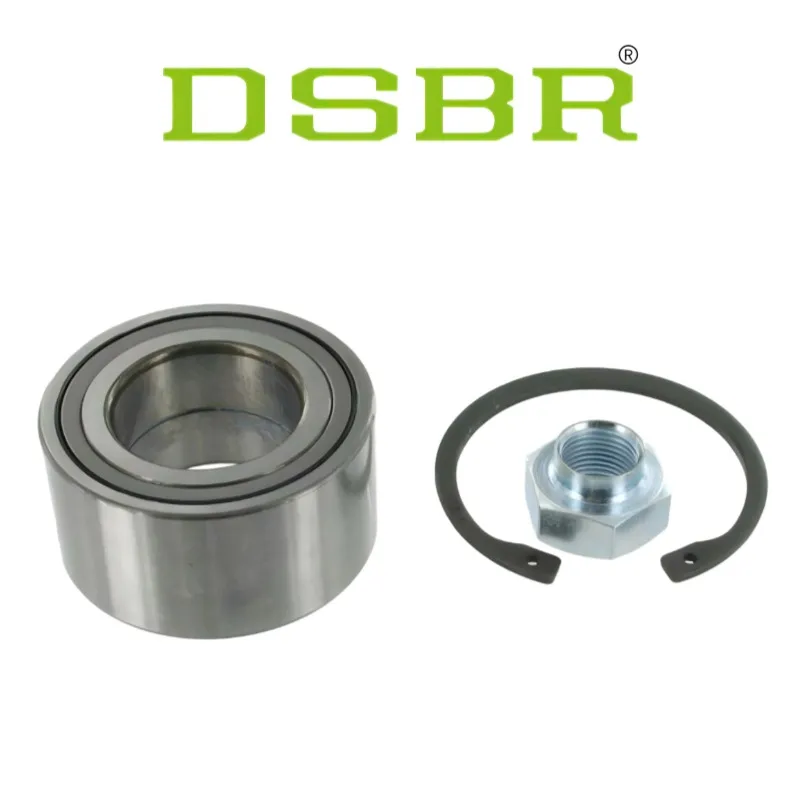
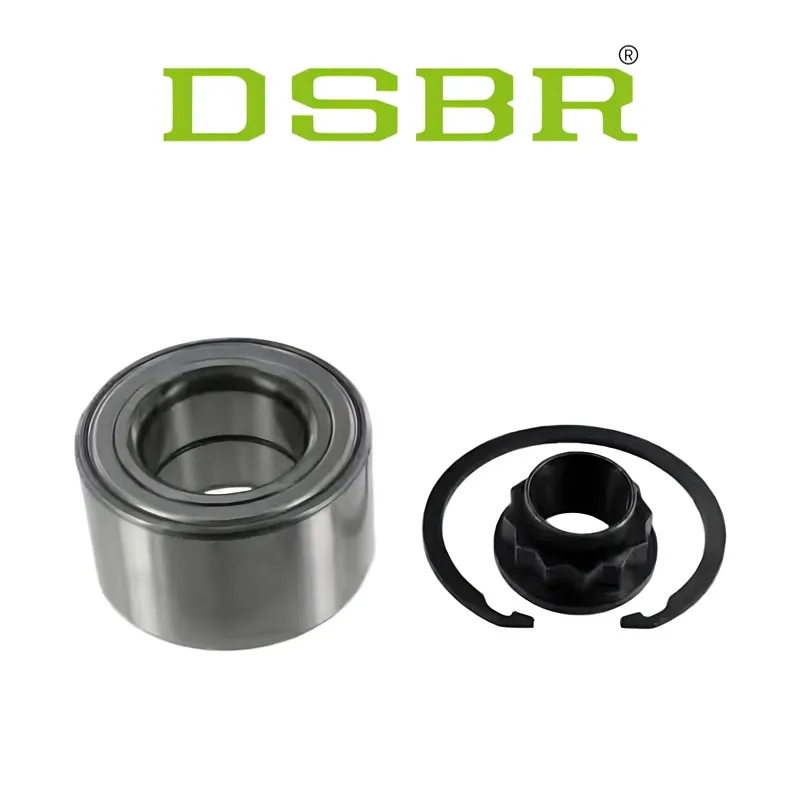
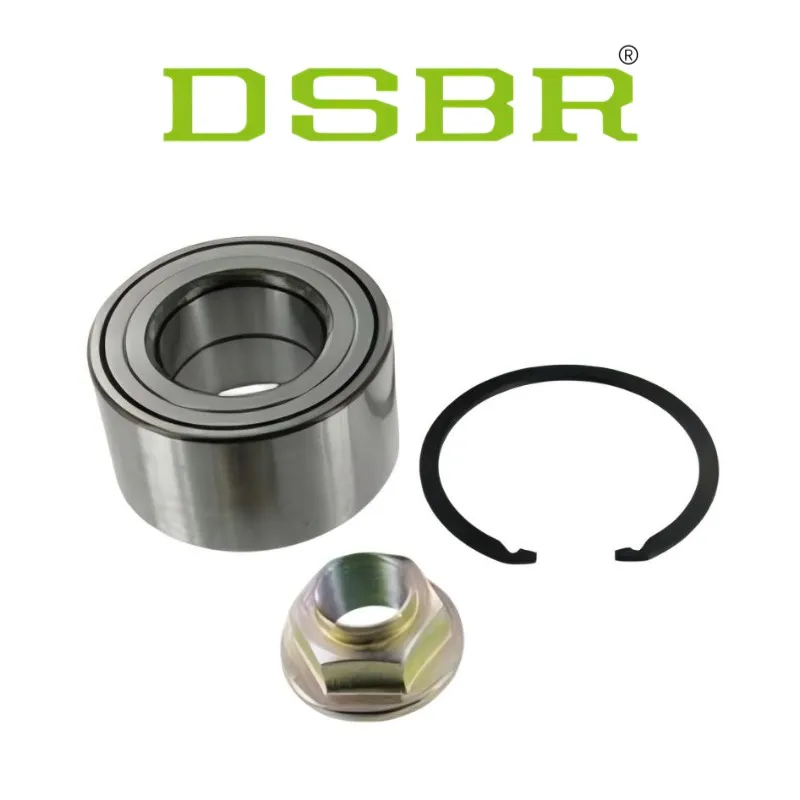
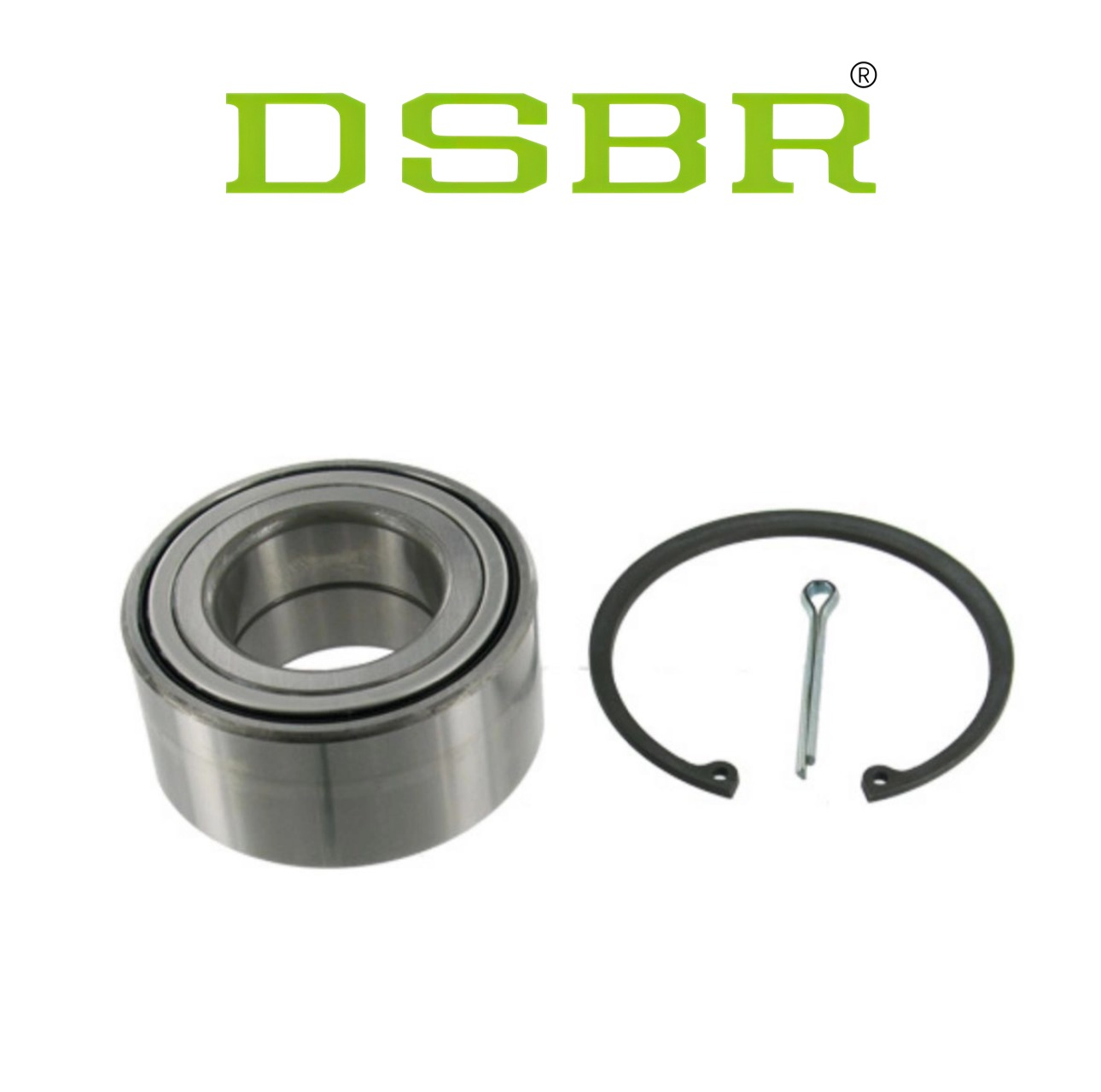
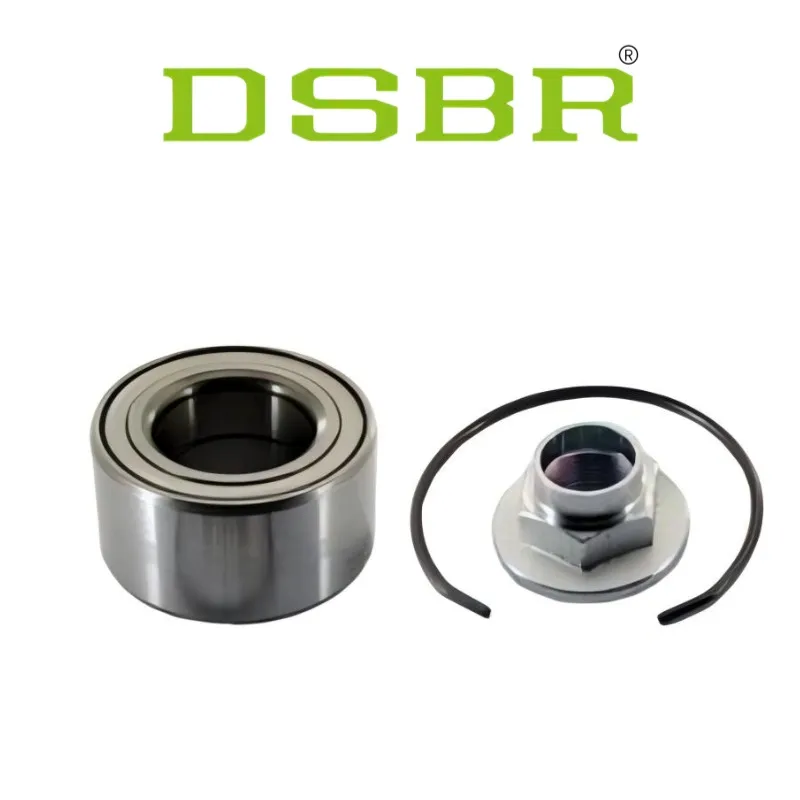
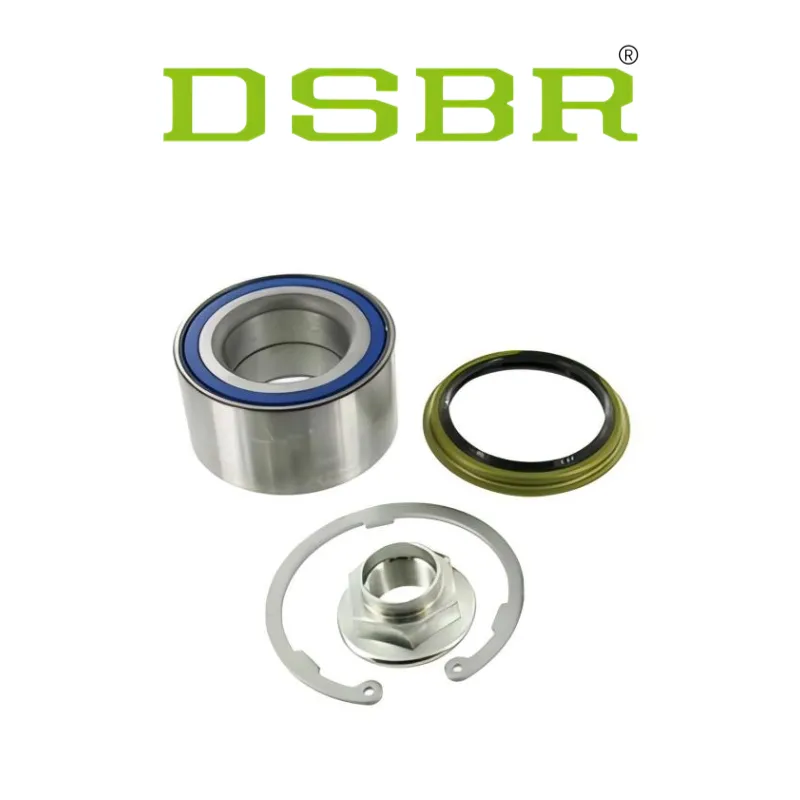
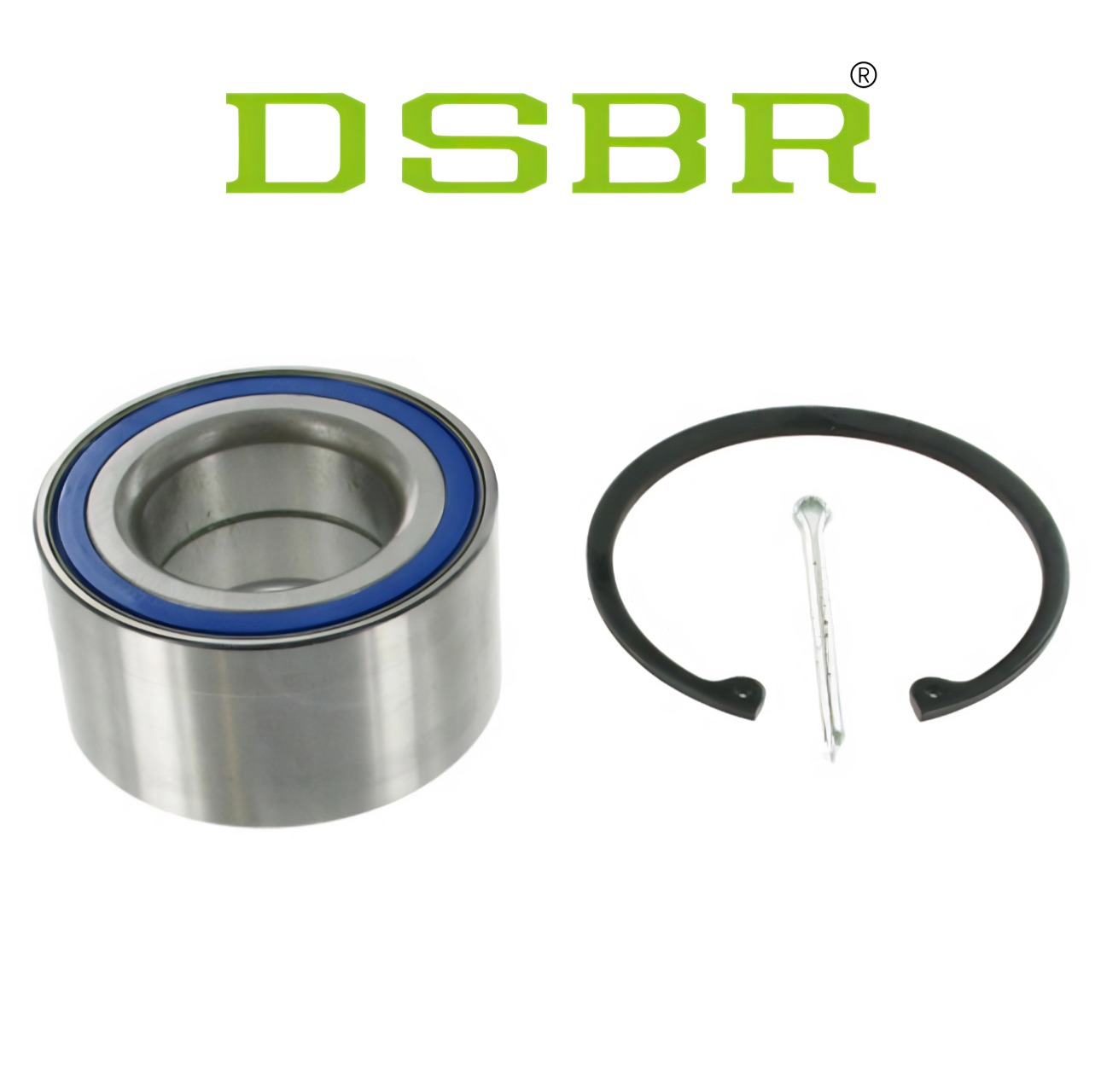
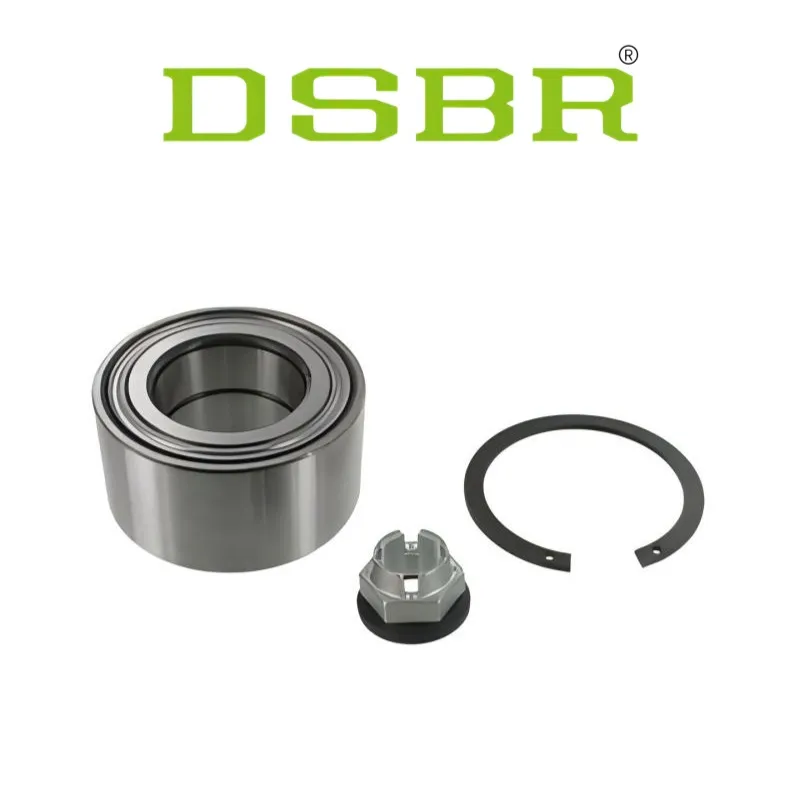
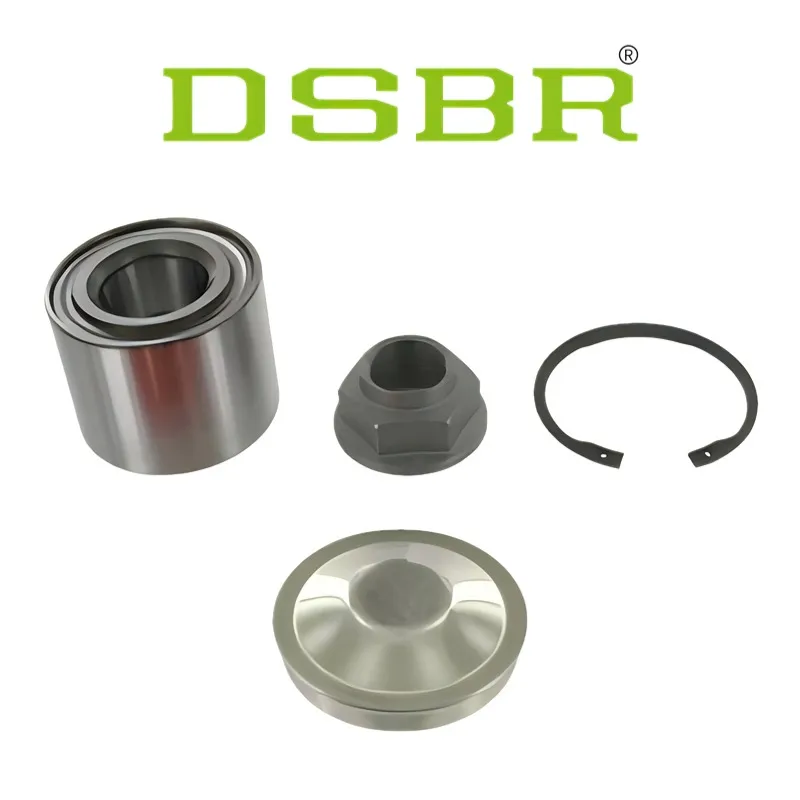
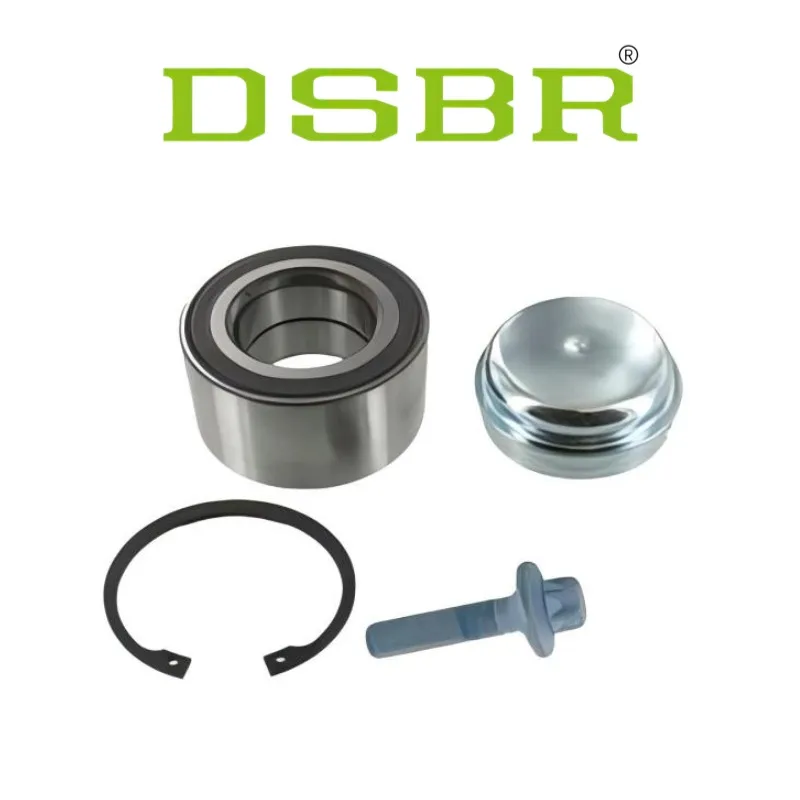
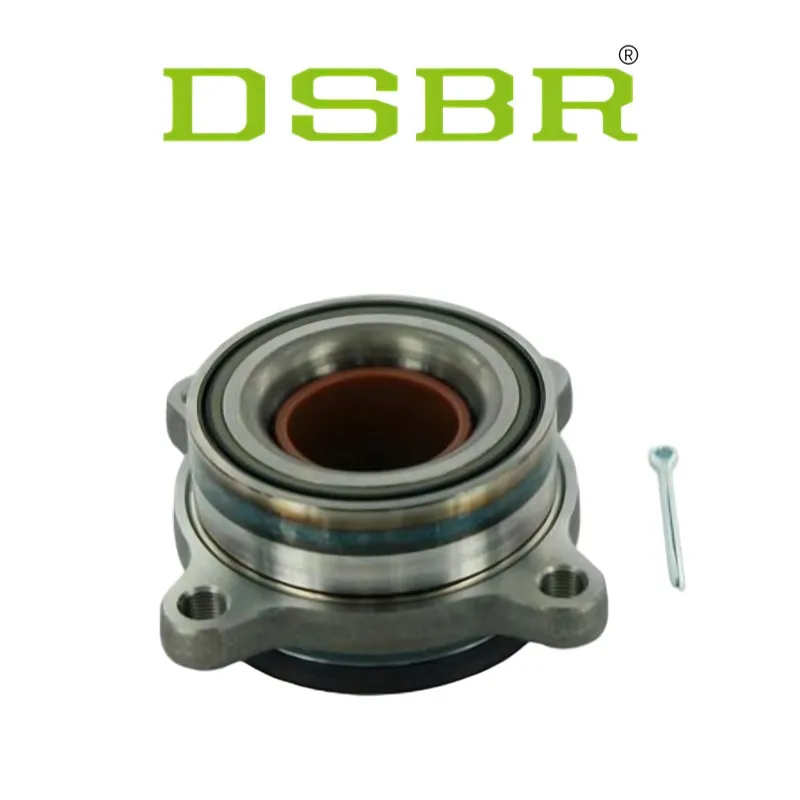
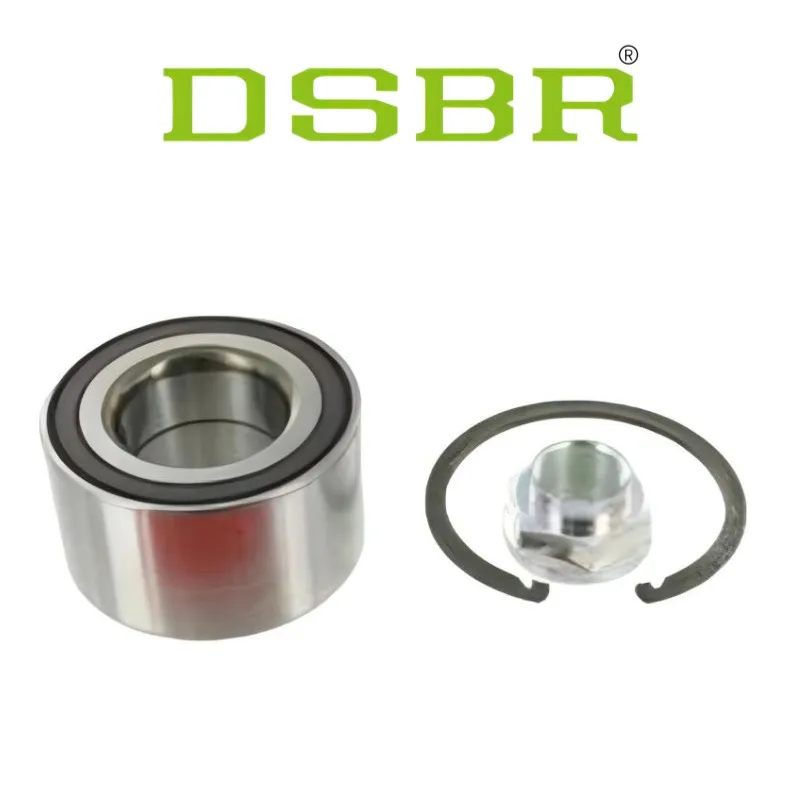
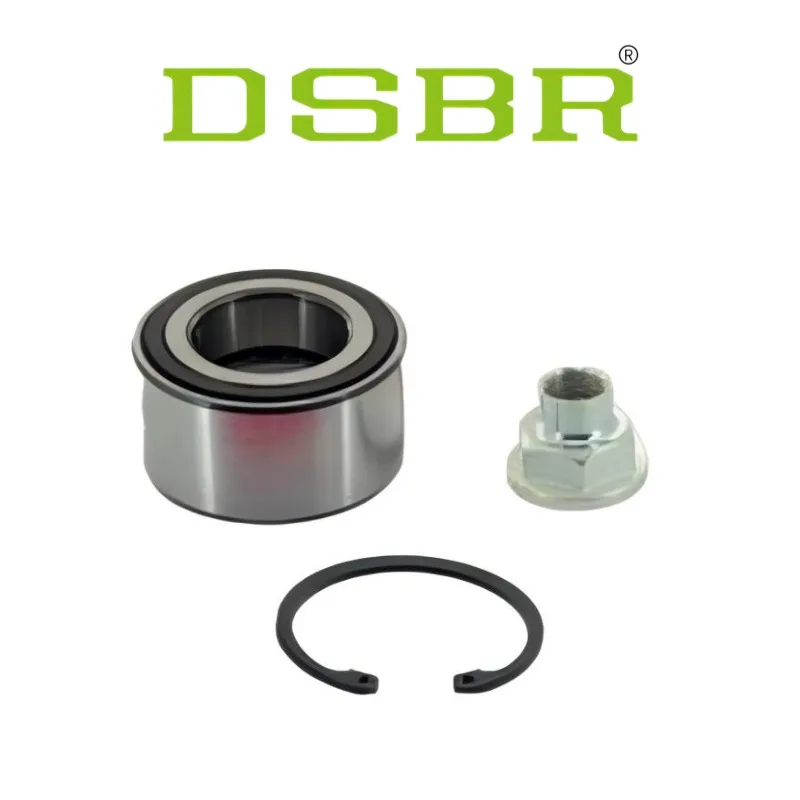
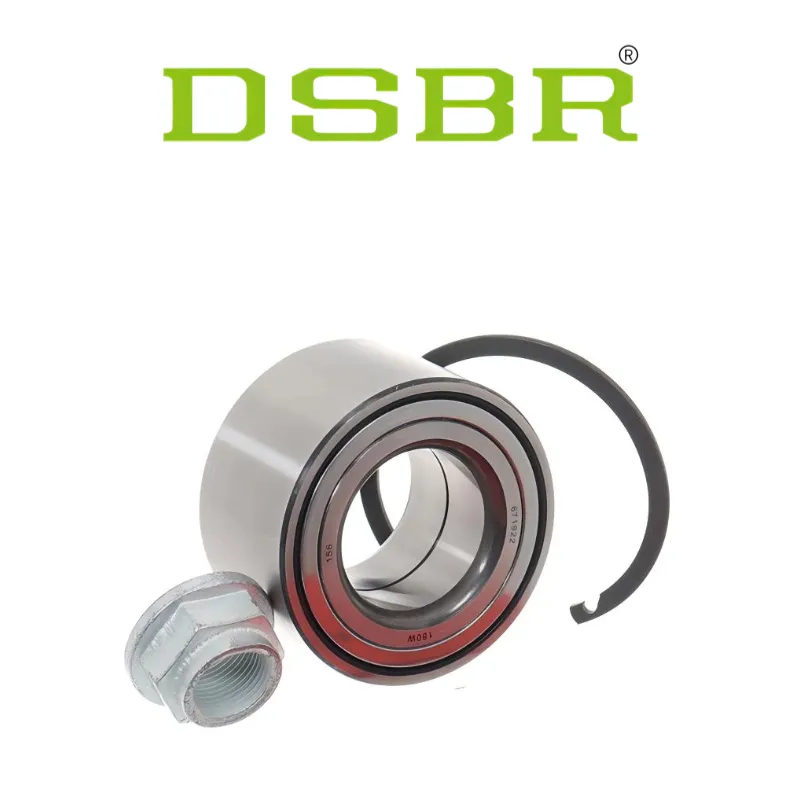
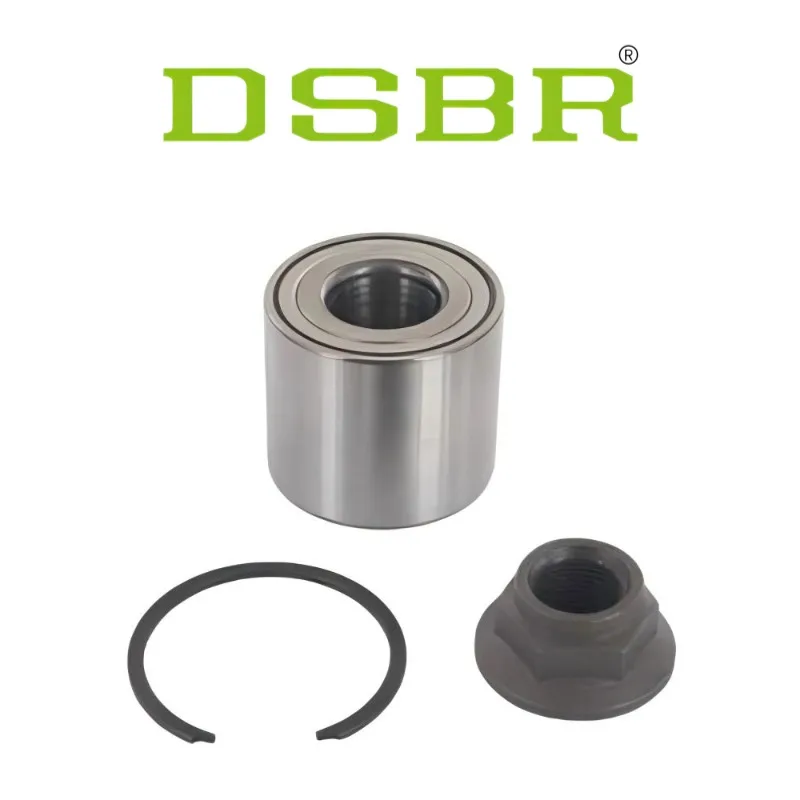
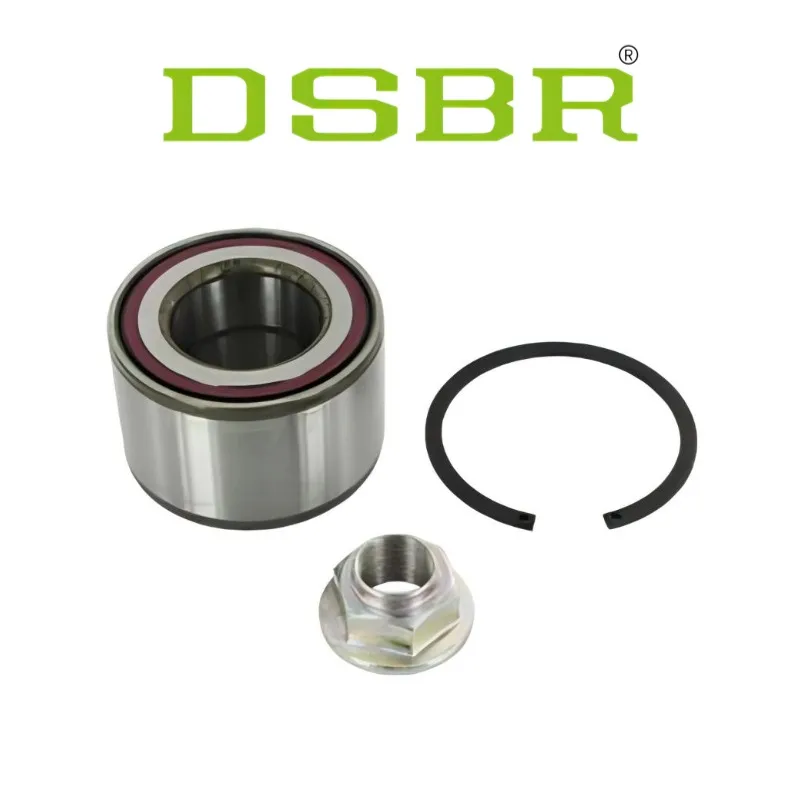
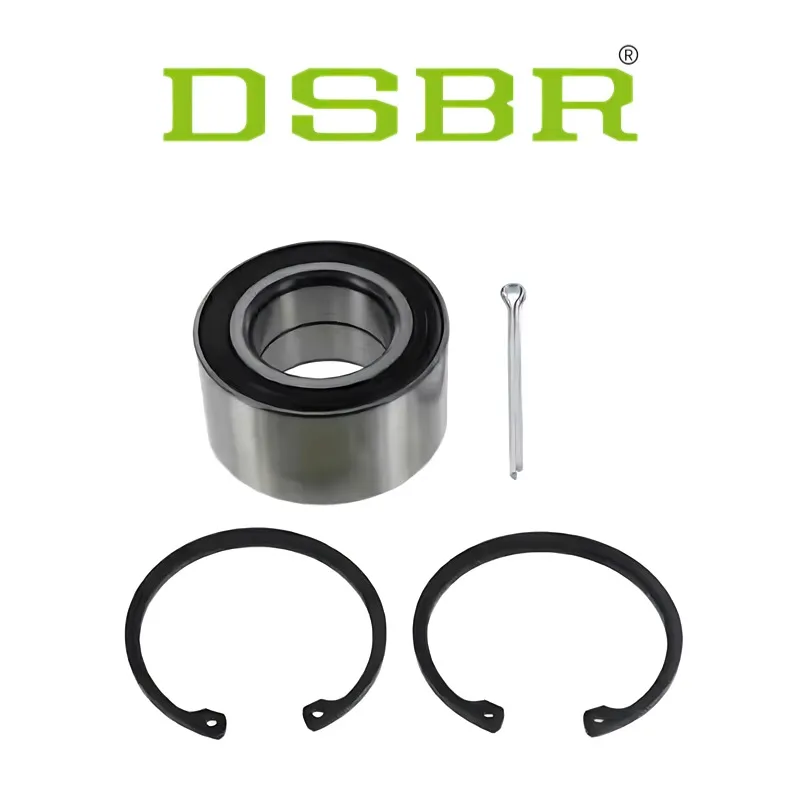
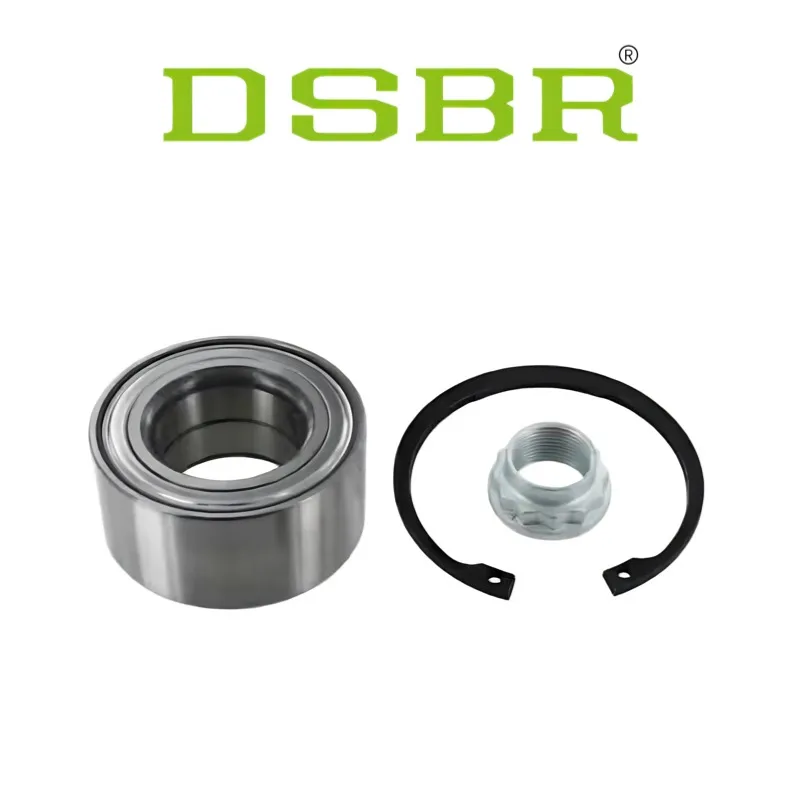
Wheel hub bearings and tapered roller bearings are among the most important standard bearings used in automotive systems.
Automotive Application Table
| Automotive Application | Common Bearing Type | Main Requirement |
|---|
| Passenger Vehicle Wheel Hub | Wheel Hub Bearing | Rotational stability |
| Trailer Axle | Tapered Roller Bearing | High load capacity |
| Gearbox | Cylindrical Roller Bearing | Heavy radial load support |
| Electric Motor | Ball Bearing | High-speed operation |
| Differential System | Tapered Roller Bearing | Combined radial and axial load |
Standard Bearings in Industrial Applications
Industrial machinery also depends heavily on standard bearings.
Applications include:
Mining equipment
Agricultural machinery
Conveyor systems
Pumps
Compressors
Construction machinery
Industrial motors
Industrial applications often involve:
Heavy loads
Long operating hours
Harsh environments
Dust contamination
High temperatures
Standard bearings provide reliable and economical solutions for these demanding conditions.
Standard Bearings vs Custom Bearings
Both standard bearings and custom bearings have their advantages, but standard bearings are usually preferred for general industrial and automotive applications.
Comparison Table
| Factor | Standard Bearings | Custom Bearings |
|---|
| Availability | High | Limited |
| Cost | Lower | Higher |
| Replacement Convenience | Easy | More Complex |
| Manufacturing Time | Shorter | Longer |
| Interchangeability | Excellent | Limited |
| Suitable Applications | General Industrial Use | Specialized Applications |
Important Factors When Choosing Standard Bearings
Although standard bearings are widely used, selecting the correct bearing remains important.Several factors should be considered during selection.
Load Conditions
Bearings may operate under:
Radial loads
Axial loads
Combined loads
Different bearing types are designed for different load conditions.
For example:
Improper selection may reduce bearing life and operational stability.
Operating Speed
High-speed applications require bearings with:
Ball bearings are commonly selected for high-speed systems.
Operating Environment
Environmental conditions strongly affect bearing performance.
Factors include:
Dust
Moisture
Temperature
Corrosion
Vibration
Applications in mining or agricultural machinery may require stronger sealing performance and contamination resistance.
Lubrication Requirements
Proper lubrication is essential for:
Wear reduction
Heat control
Friction reduction
Service life improvement
Different applications may require grease lubrication or oil lubrication.
Dimensional Accuracy
Bearings must match shaft and housing dimensions accurately.
Incorrect dimensions may cause:
Abnormal vibration
Noise
Premature failure
Installation problems
Professional bearing manufacturers maintain strict dimensional control during production.
Behind the Scenes: How Professional Manufacturers Eliminate Risk
To guarantee production continuity for OEM clients, a professional bearing manufacturer transforms raw steel into high-precision components through a rigorous, transparent manufacturing workflow.
Forging & Machining (Structure): High-grade GCr15 bearing steel is forged and turned into raw inner and outer rings, ensuring a uniform material density.
Heat Treatment (Hardness): The rings undergo precise quenching and tempering to transform the crystalline structure of the steel. This achieves a hardness of HRC 60–65, giving the bearing its vital wear resistance and fatigue strength.
Precision Grinding (Tolerance): High-speed CNC grinding wheels correct any micro-deformations caused by heat treatment, bringing the raceway geometries down to micrometer-level ($\mu\text{m}$) tolerances.
Superfinishing (Friction Reduction): The raceways are polished using ultra-fine abrasive stones to achieve a mirror-like finish. This minimizes operational friction, heat generation, and running noise.
100% Automated Testing (Quality Control): Before assembly, components undergo automated checks for noise and vibration (BVT testing), radial clearance, and structural integrity.
Understanding Industry Precision Tiers
When verifying standard bearings, procurement teams must align their mechanical requirements with the appropriate international precision classifications:
| Standard System | Baseline Precision | ➔ | ➔ | ➔ | High Precision |
| ISO / DIN Standard | Normal / P0 | P6 | P5 | P4 | P2 |
| ANSI / ABMA (ABEC) | ABEC 1 | ABEC 3 | ABEC 5 | ABEC 7 | ABEC 9 |
Application Tip: Over 85% of standard industrial applications (such as electric motors, pumps, and gearboxes) operate perfectly on P0 / ABEC 1 bearings. Investing in ultra-precision tiers like P4/ABEC 7 is only necessary for specialized setups like high-speed machine tool spandles.
Quality Standards for Standard Bearings
Bearing quality is critical for equipment safety and operational reliability.
Professional manufacturers usually follow international quality standards such as:
Quality inspections may include:
Stable quality control is especially important for automotive and industrial applications.
OEM and Private Label Standard Bearings
Many bearing distributors and aftermarket companies cooperate with manufacturers through OEM projects.
OEM services may include:
OEM standard bearings help distributors establish their own brands while maintaining stable product supply.
Professional bearing manufacturers often provide both manufacturing capability and OEM support for international customers.
OEM Support Table
| OEM Service | Support Availability |
|---|
| Private Label Manufacturing | Yes |
| Customized Packaging | Yes |
| Laser Marking | Yes |
| Carton Design | Yes |
| Product Label Customization | Yes |
| Export Packaging | Yes |
Why Standard Bearings Remain Important in Modern Industry
Despite the development of specialized mechanical systems, standard bearings remain essential because they provide:
Reliable interchangeability
Stable supply capability
Cost-effective manufacturing
Proven operational performance
Easier maintenance
Global compatibility
From automotive wheel systems to industrial machinery, standard bearings continue supporting efficient and reliable operation worldwide.
Their mature manufacturing systems and wide availability make them indispensable for modern industrial production and equipment maintenance.
Future Development Trends of Standard Bearings
As industrial technology continues evolving, standard bearings are also improving.
Future development trends include:
Improved sealing structures
Lower noise operation
Higher rotational precision
Better lubrication compatibility
Enhanced durability
Lightweight bearing structures
The development of electric vehicles and intelligent manufacturing systems is also creating new requirements for precision automotive bearings and wheel hub bearing technology.
Manufacturers continue investing in engineering improvements and advanced production equipment to meet these changing market demands.
Conclusion
Standard bearings remain the preferred choice for automotive and industrial applications because of their interchangeability, stable supply capability, proven reliability, and cost efficiency.
They simplify maintenance, reduce procurement complexity, and provide reliable operational performance across various industries.
Understanding the advantages and selection factors of standard bearings helps customers choose suitable products for different operating conditions and application requirements.
As modern industry continues developing, standard bearings will remain one of the most important components supporting global mechanical systems and industrial equipment.

 CN
CN
 EN
EN
 ko
ko  fr
fr  de
de  es
es  it
it  ru
ru  pt
pt  ar
ar  vi
vi  tr
tr  th
th  fi
fi  hi
hi  id
id  no
no 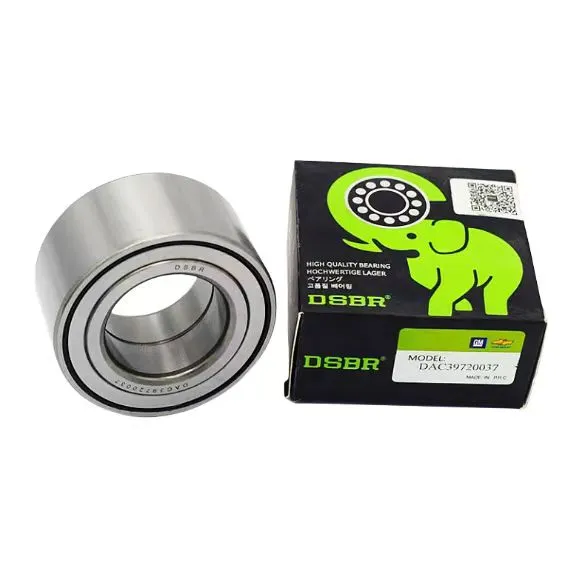




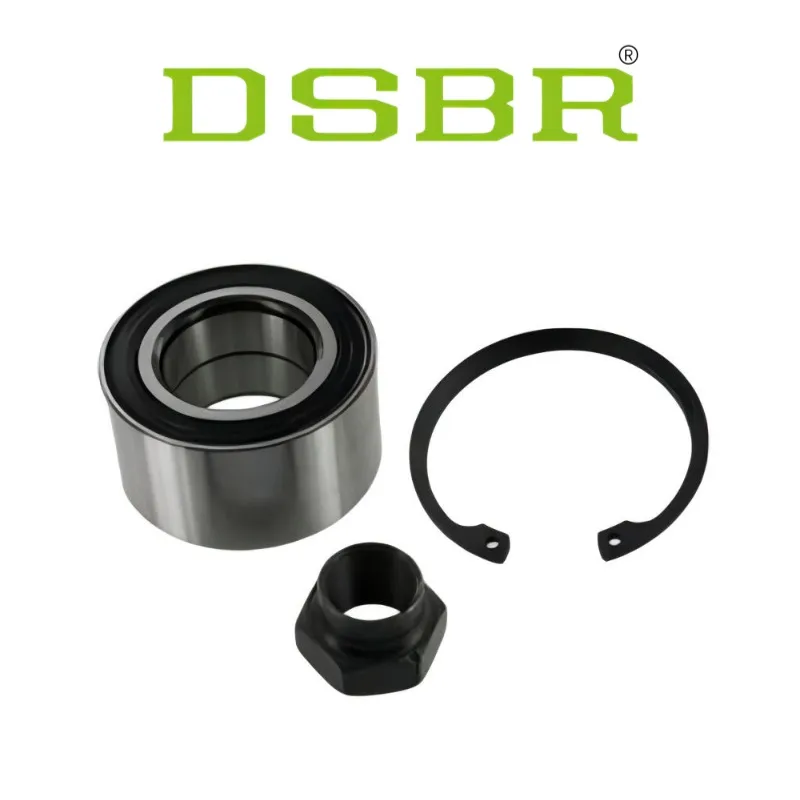
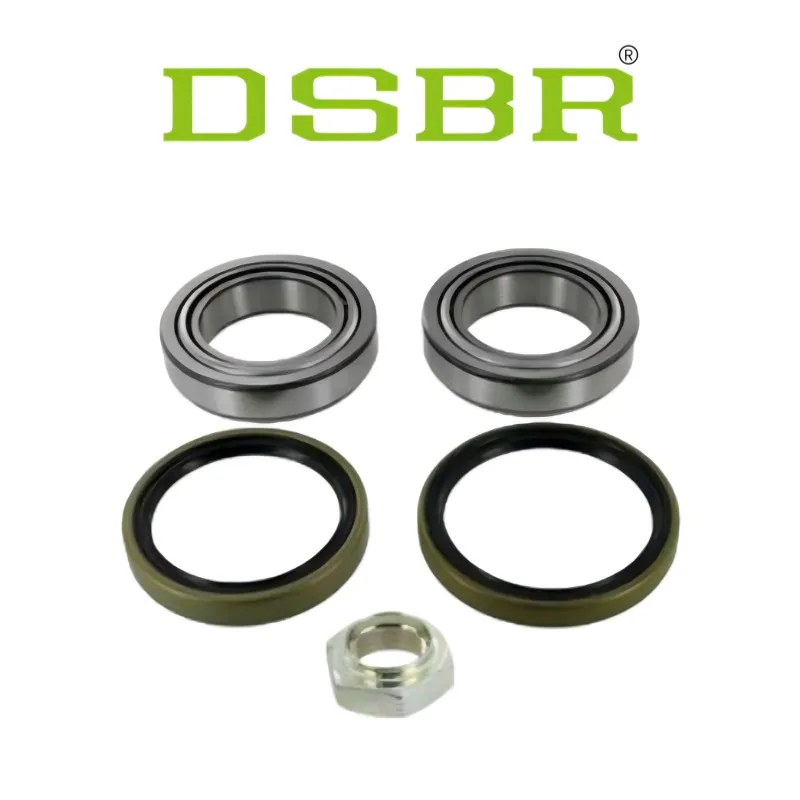
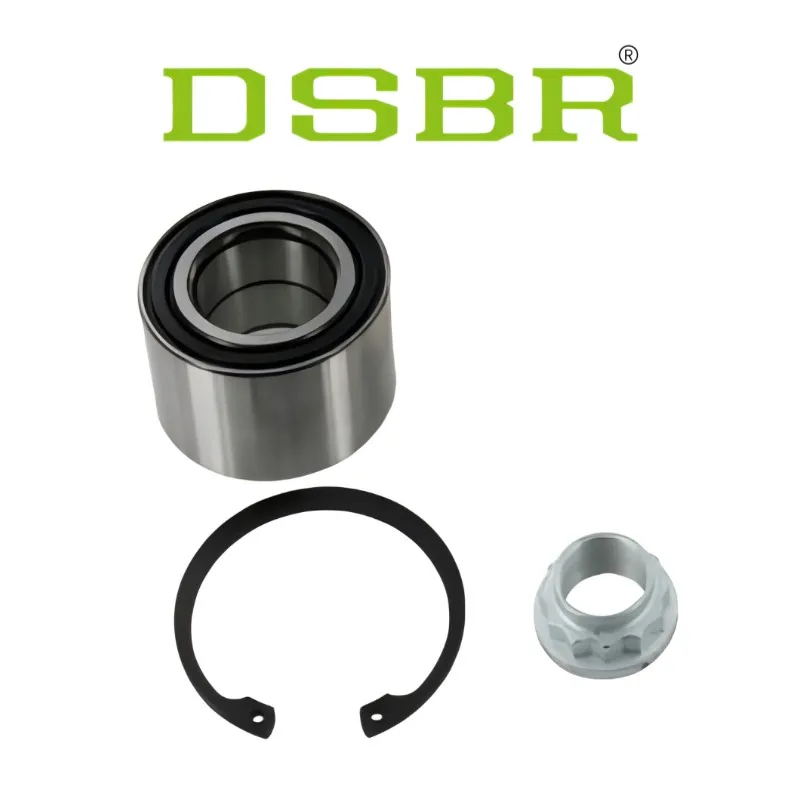
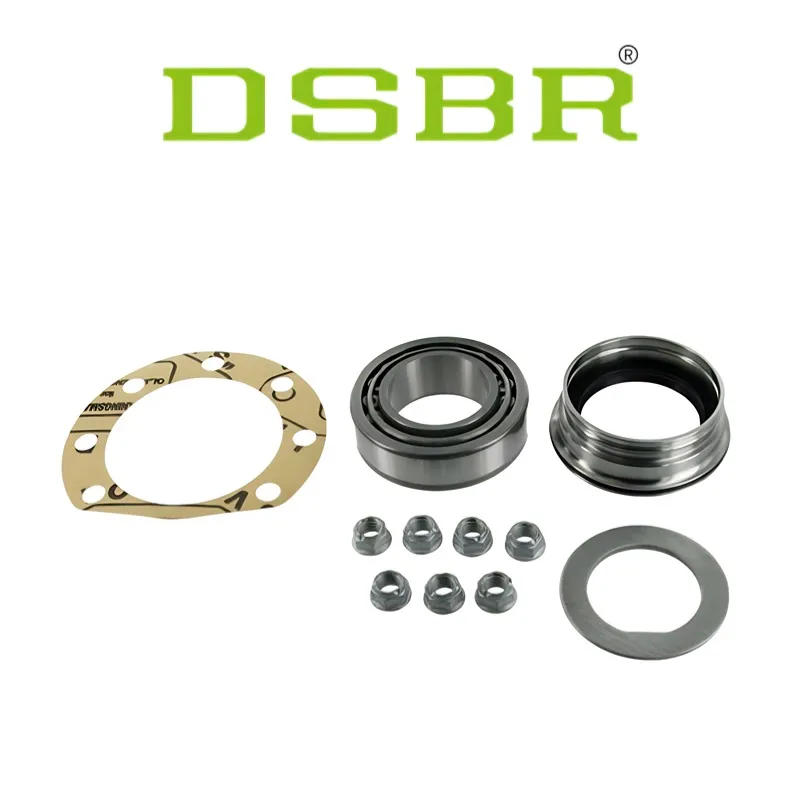
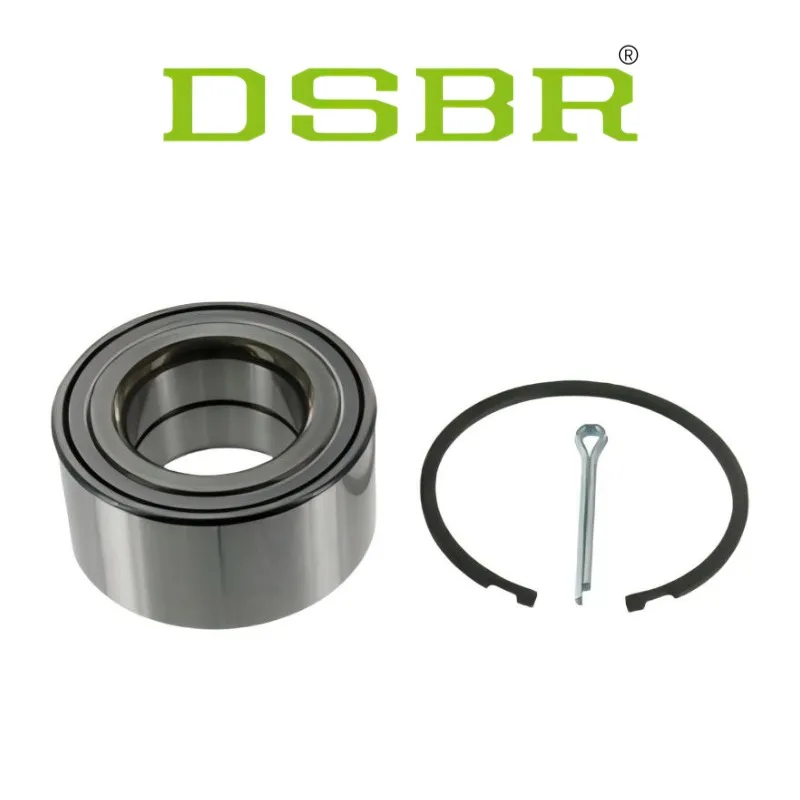
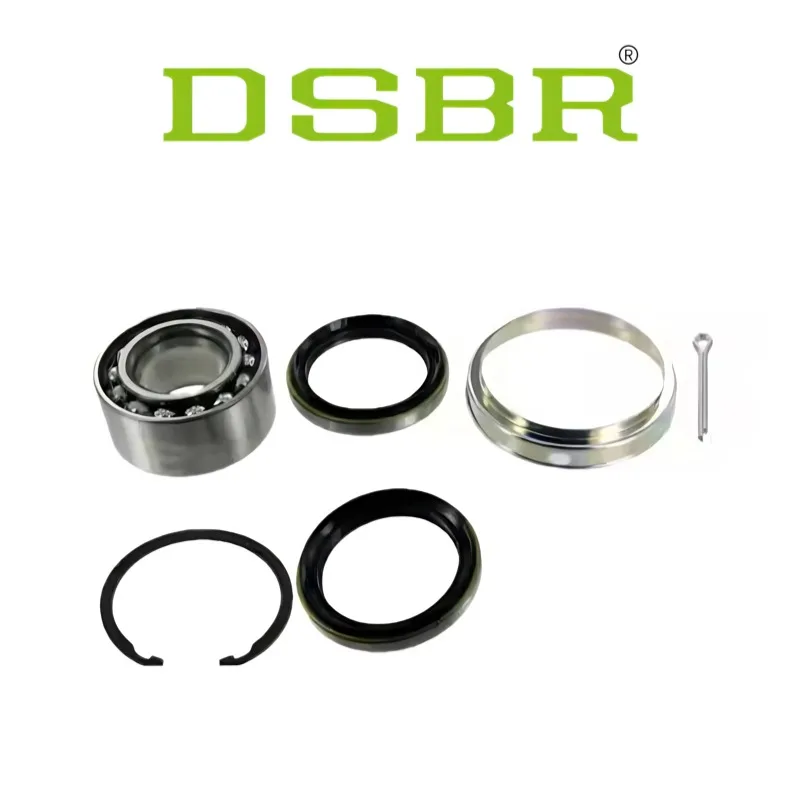
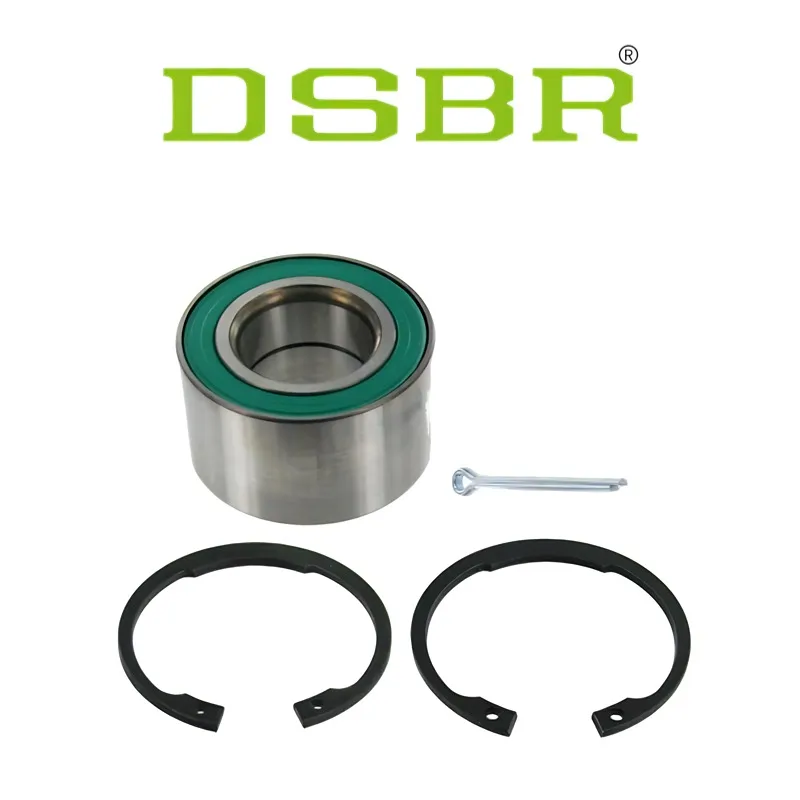
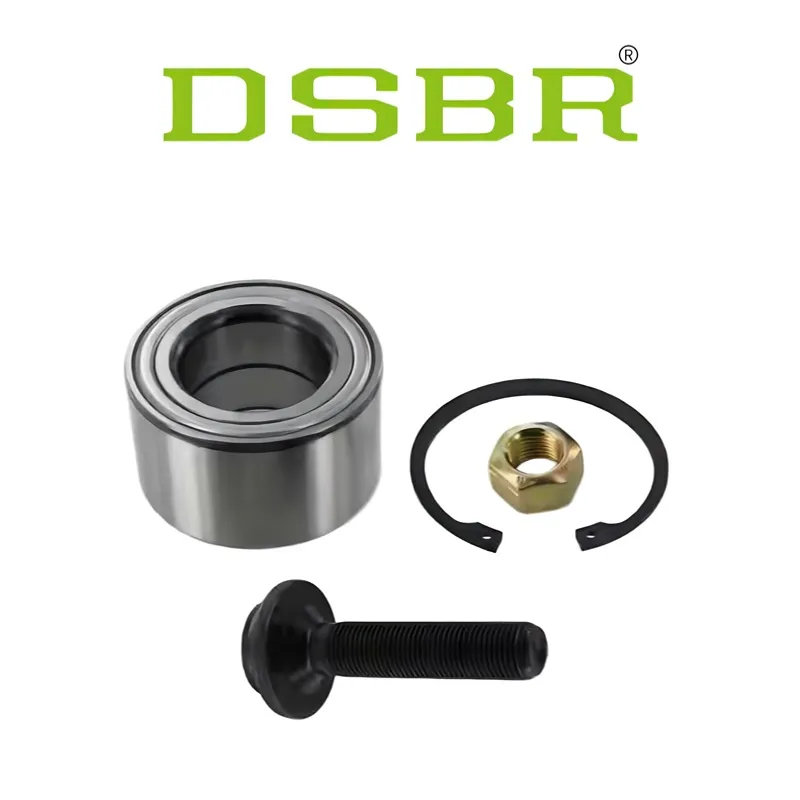
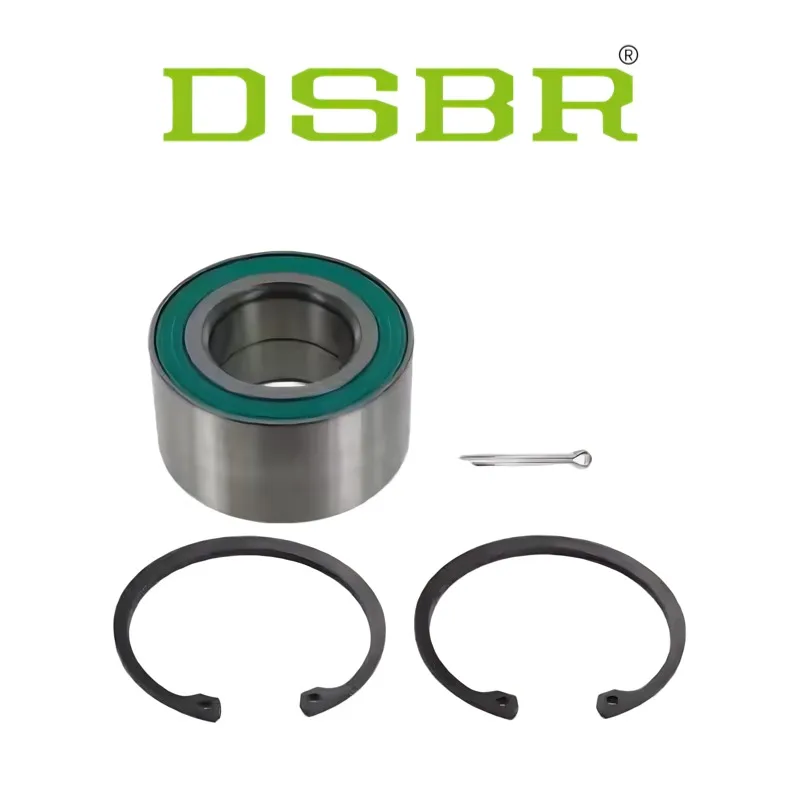
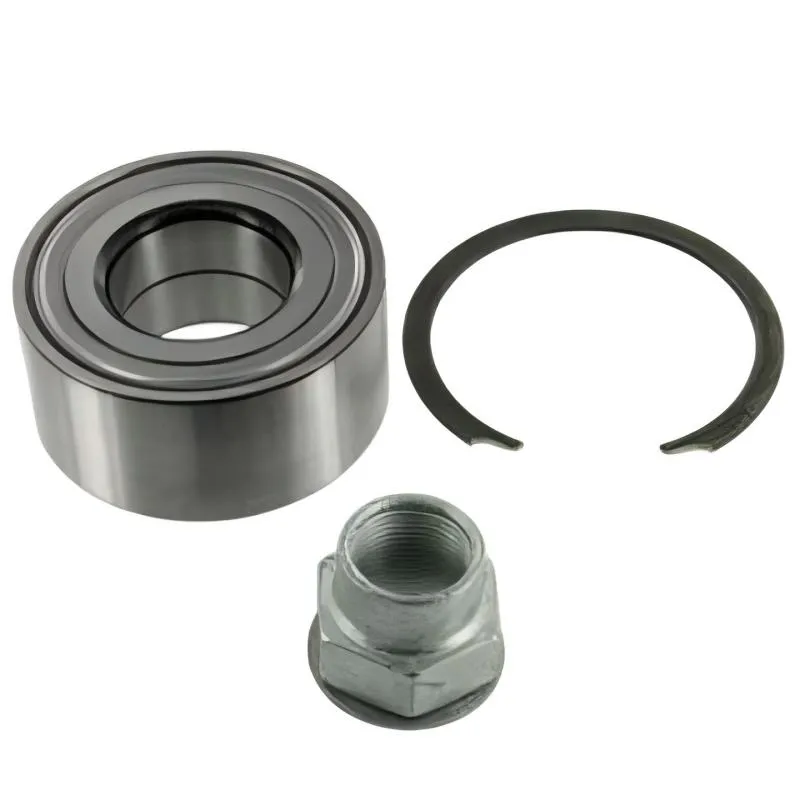
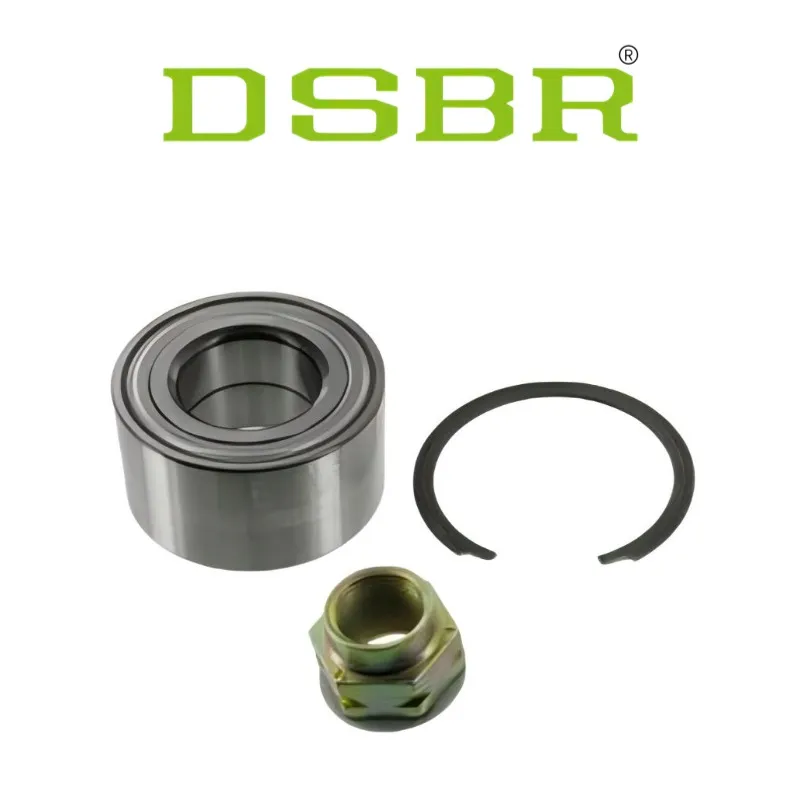


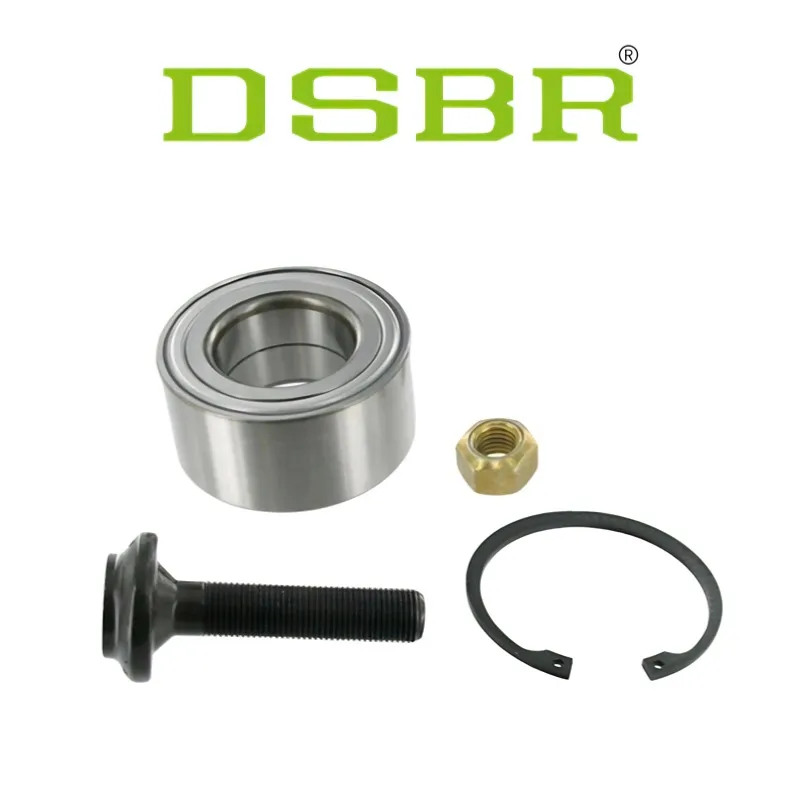
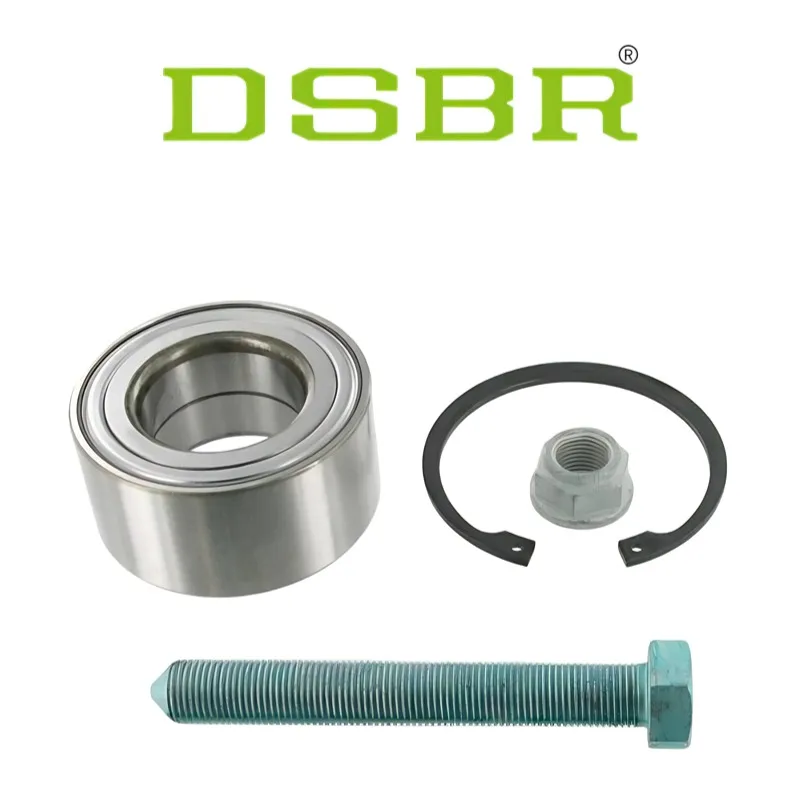
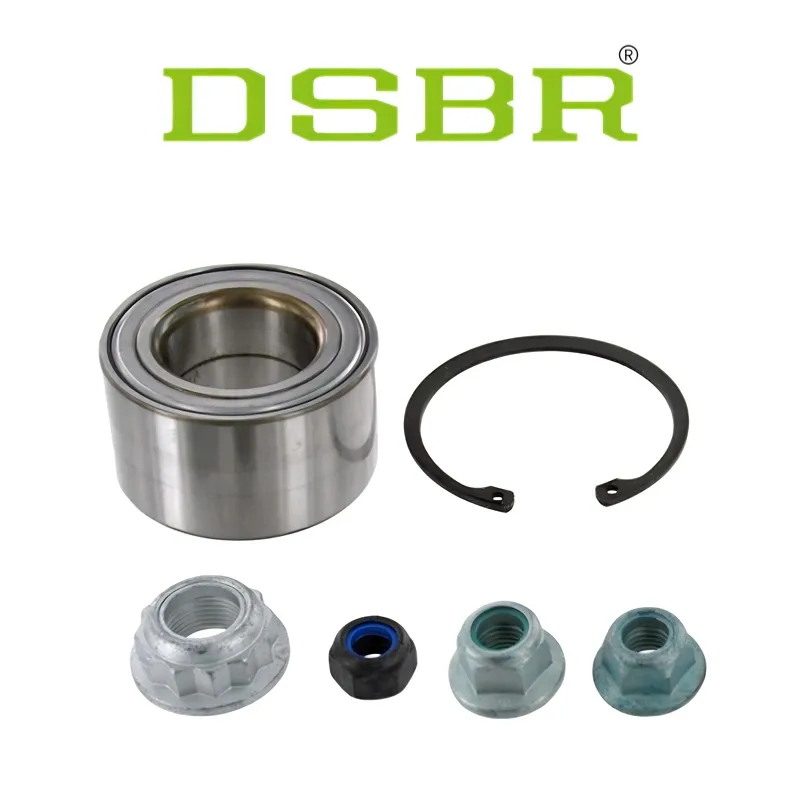
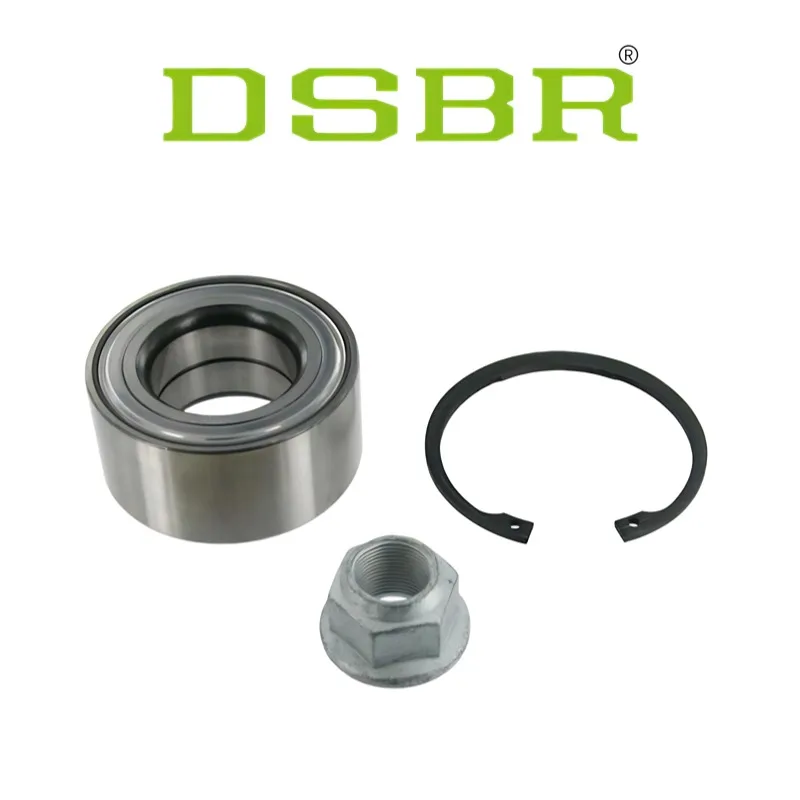
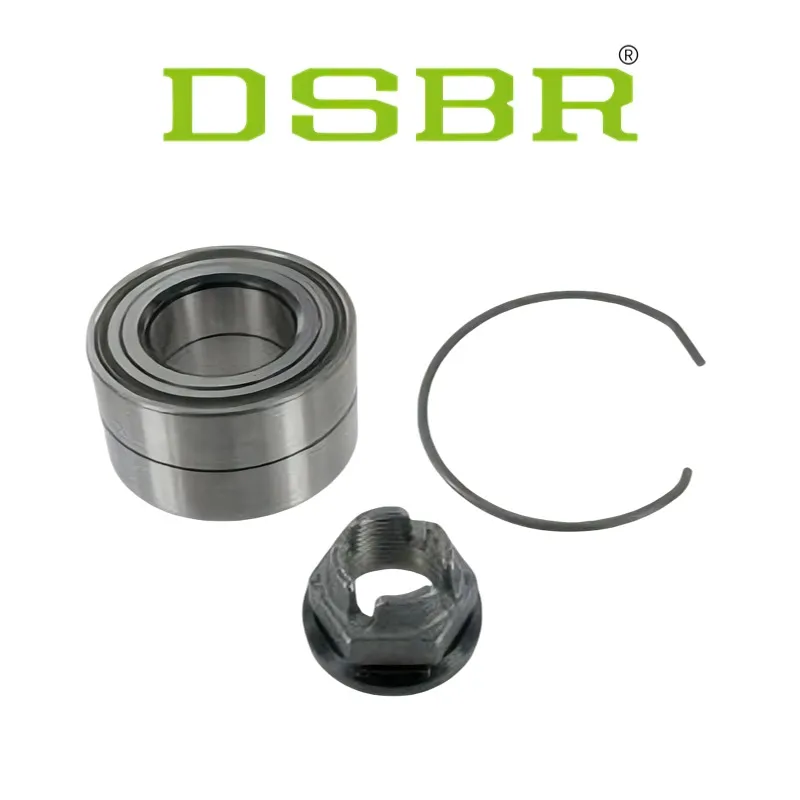
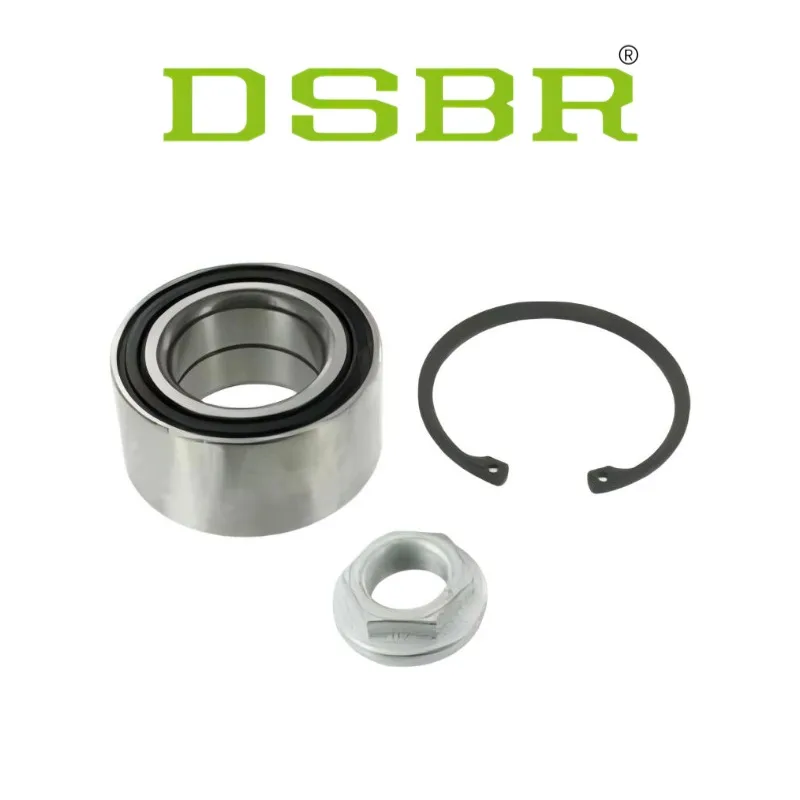
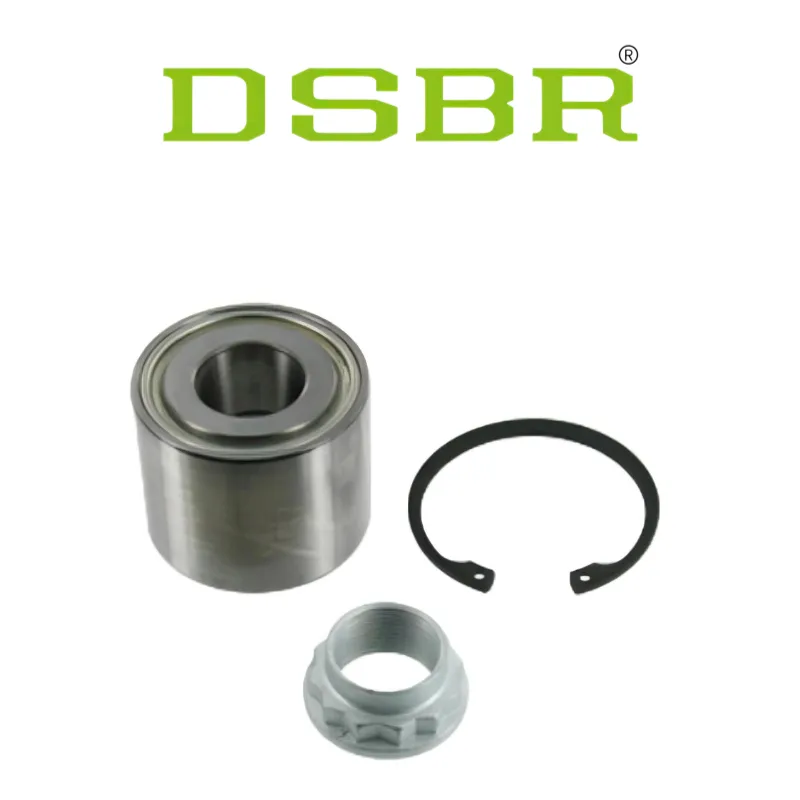
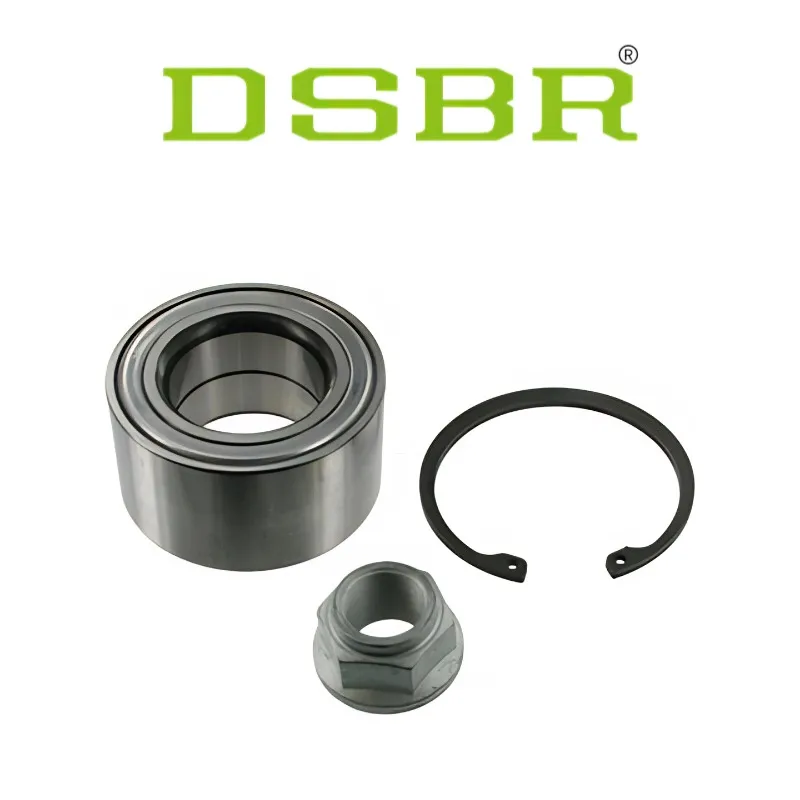
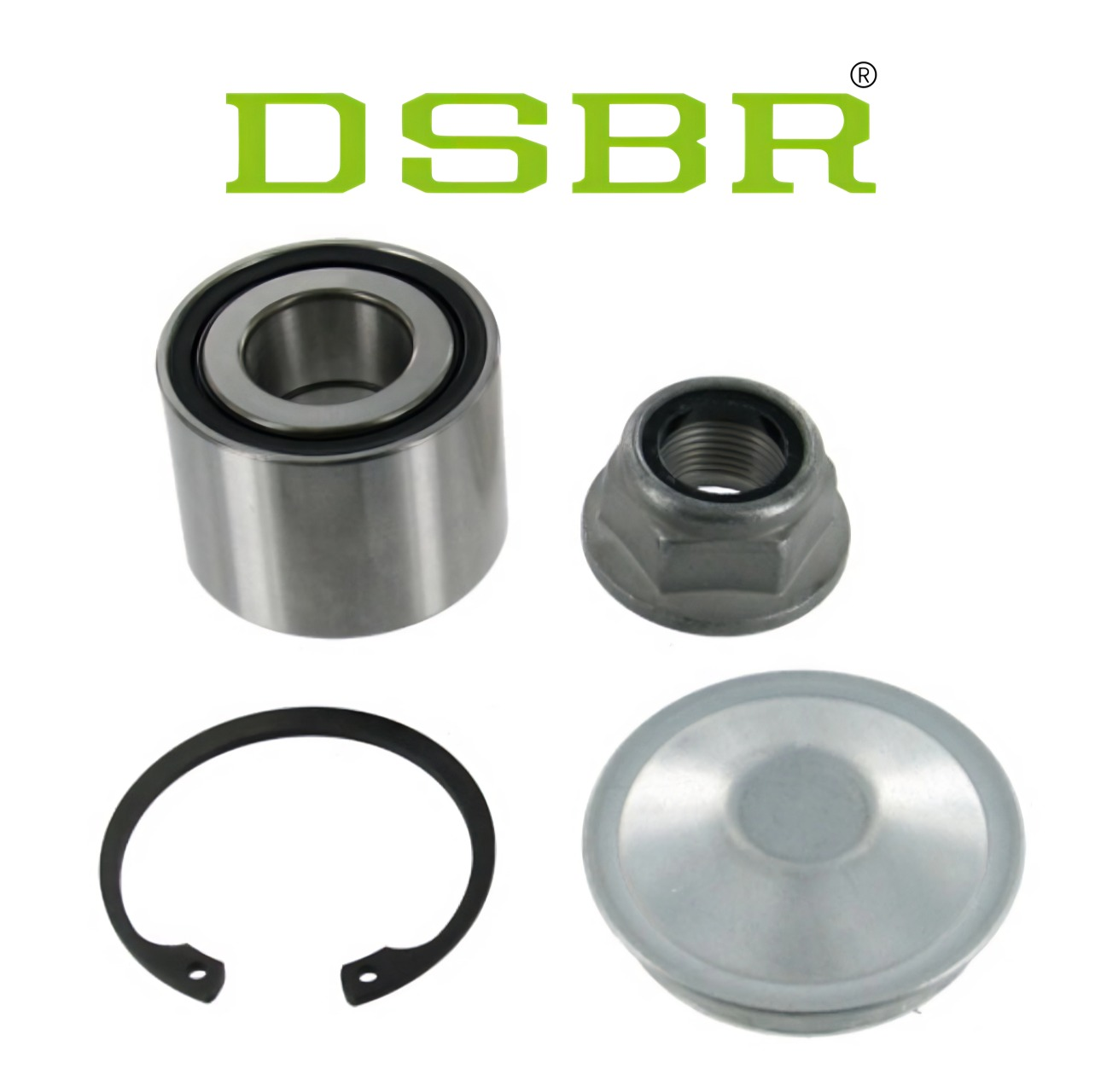
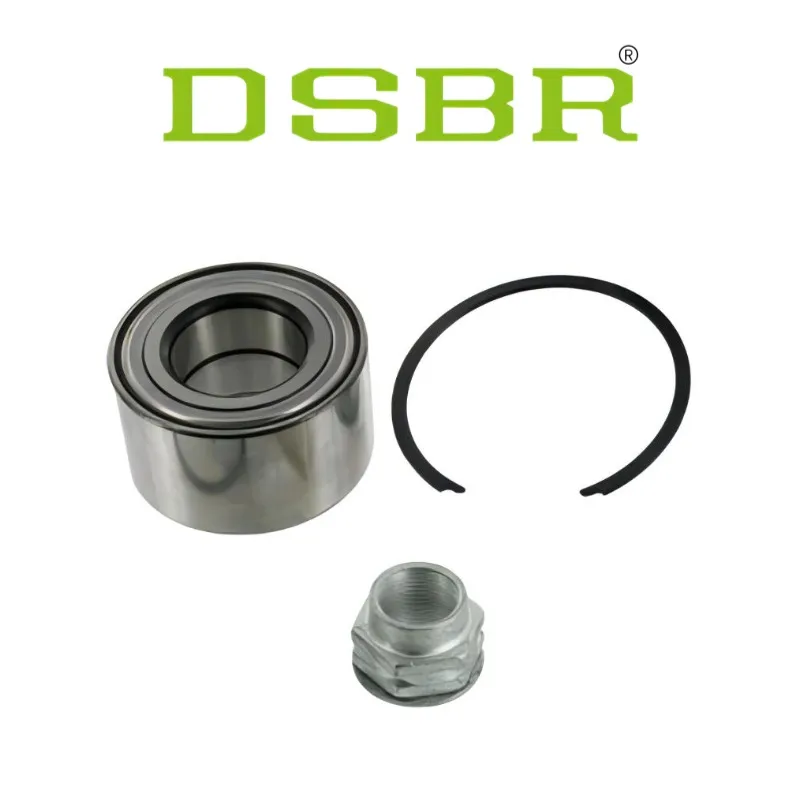
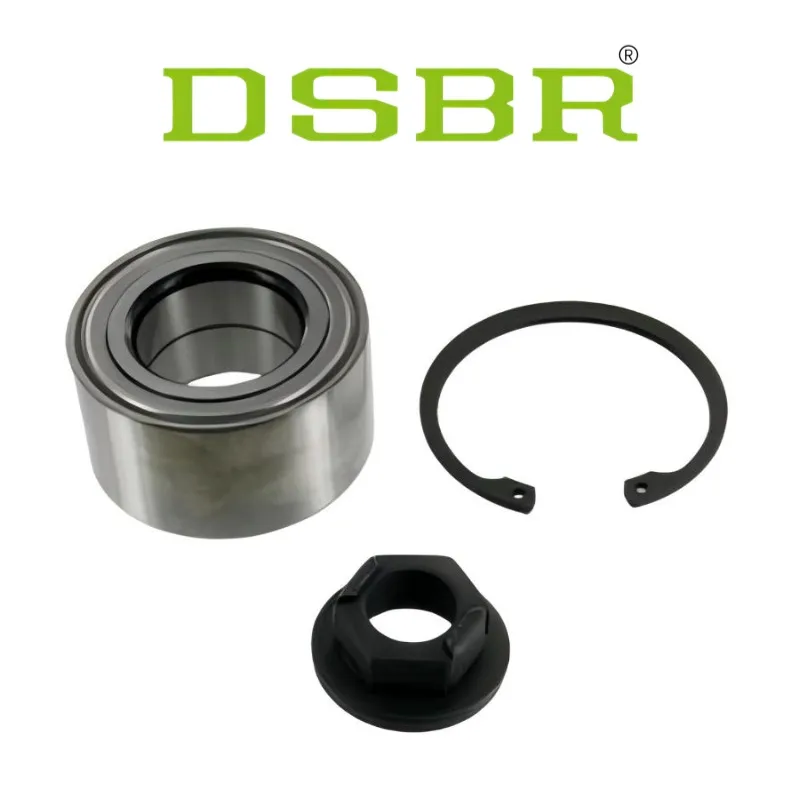
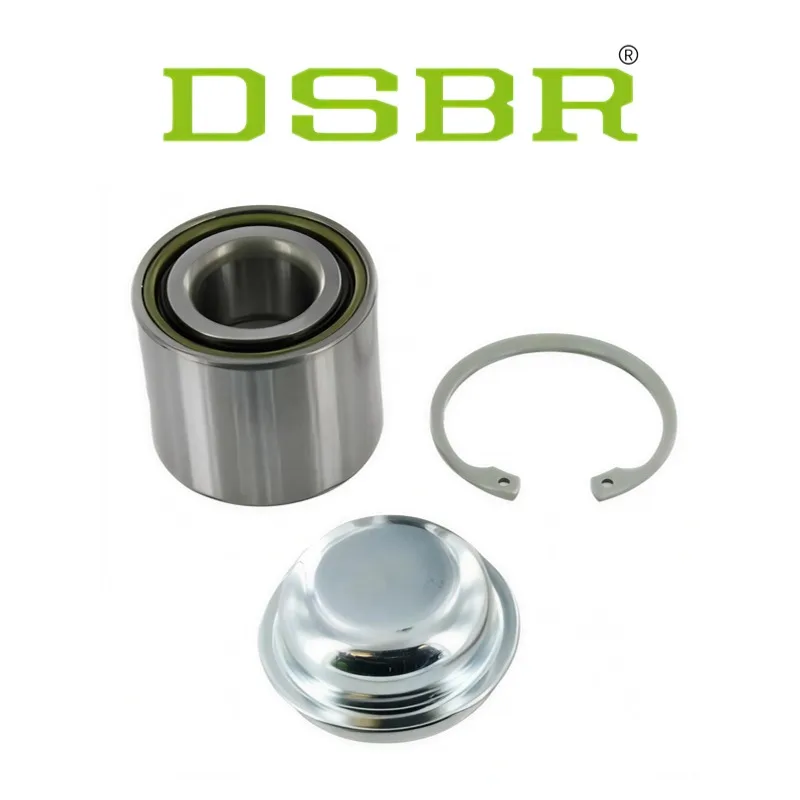
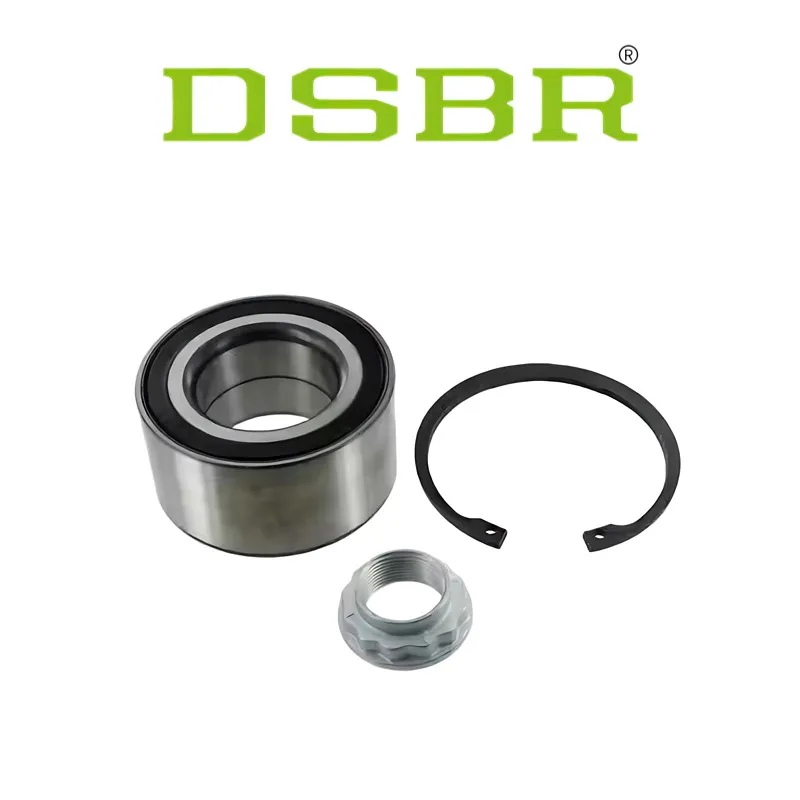
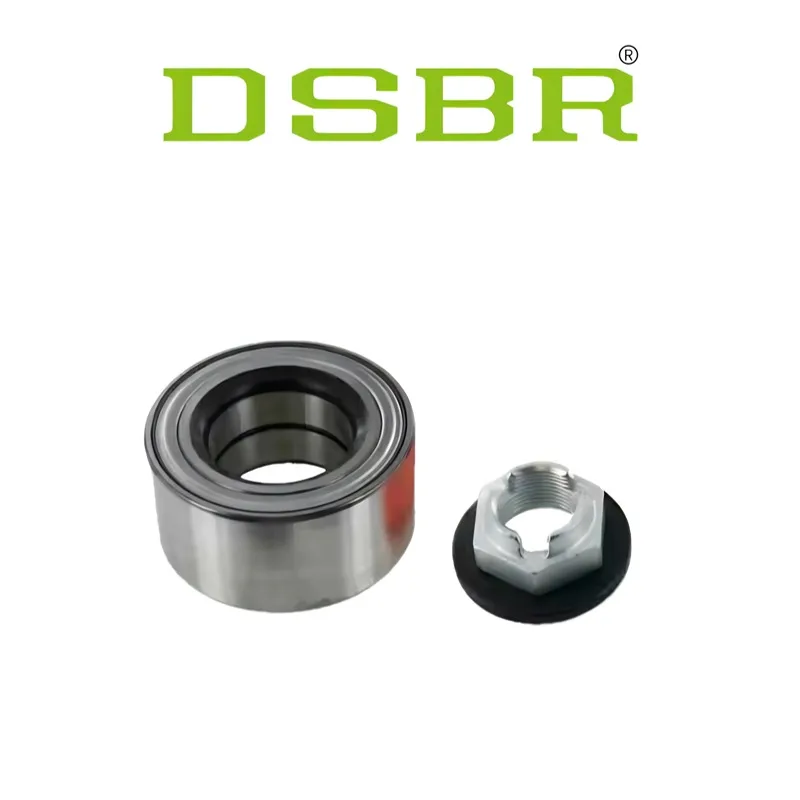
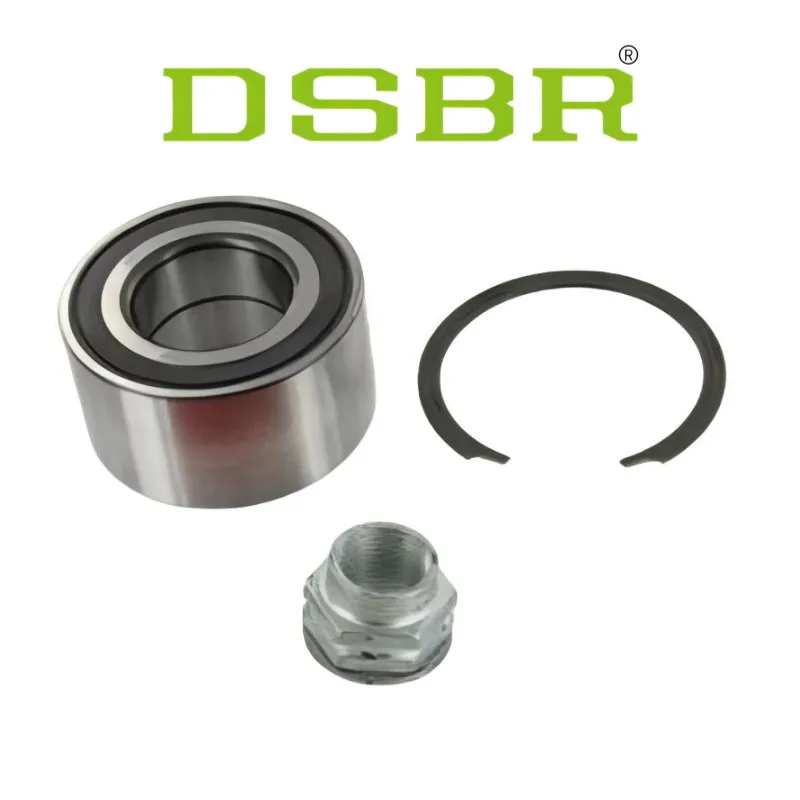
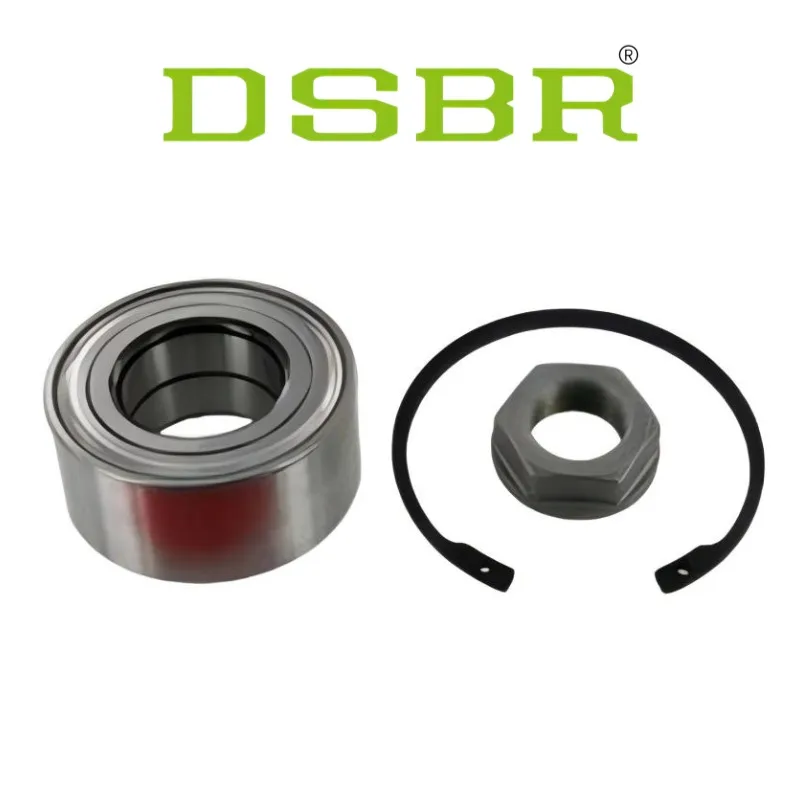
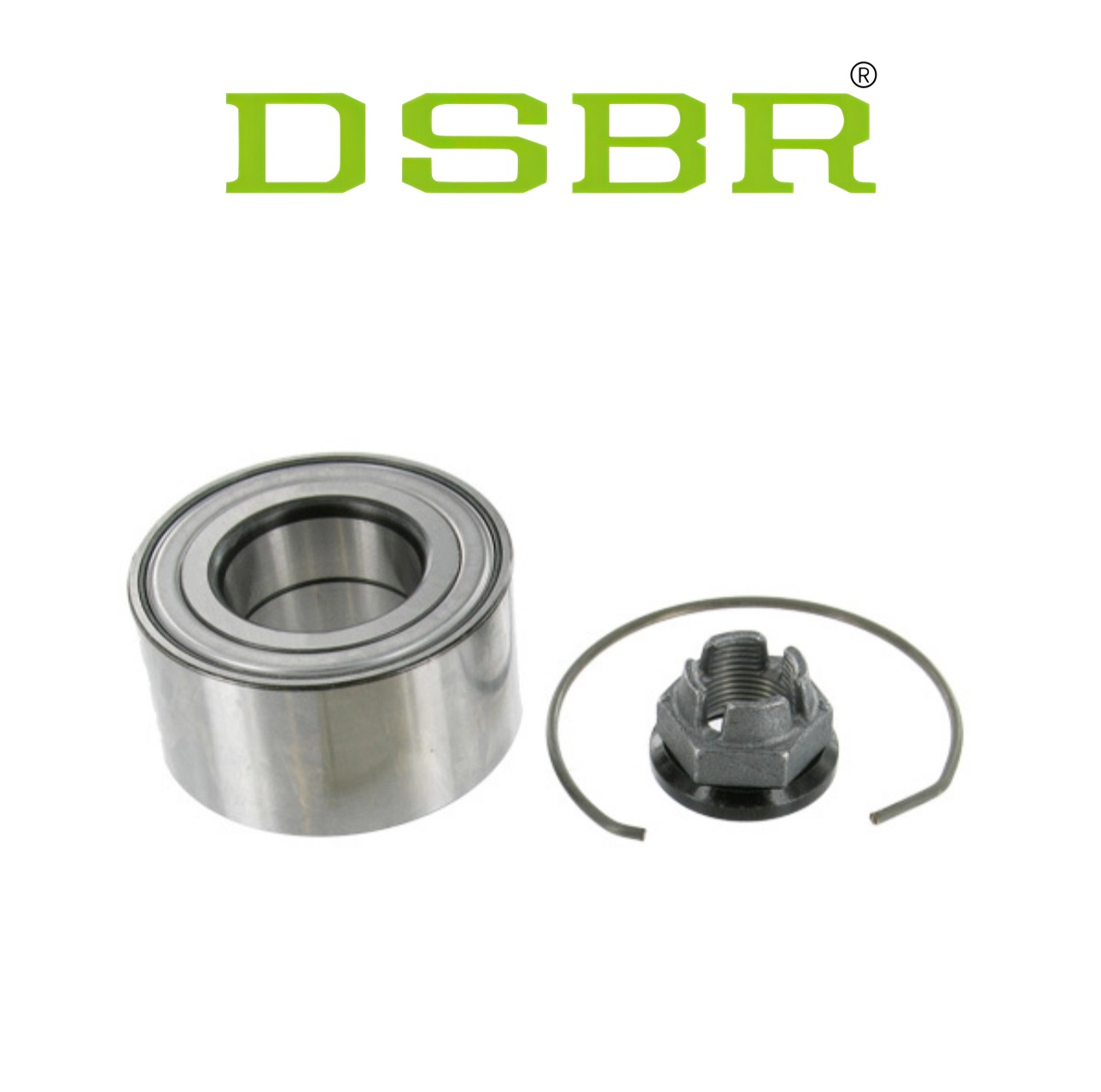
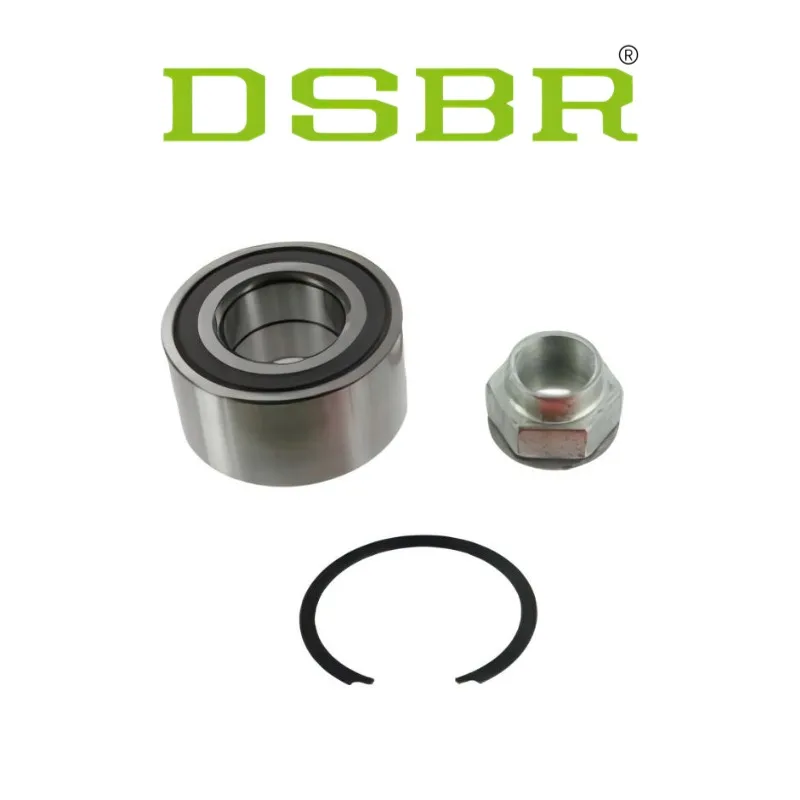
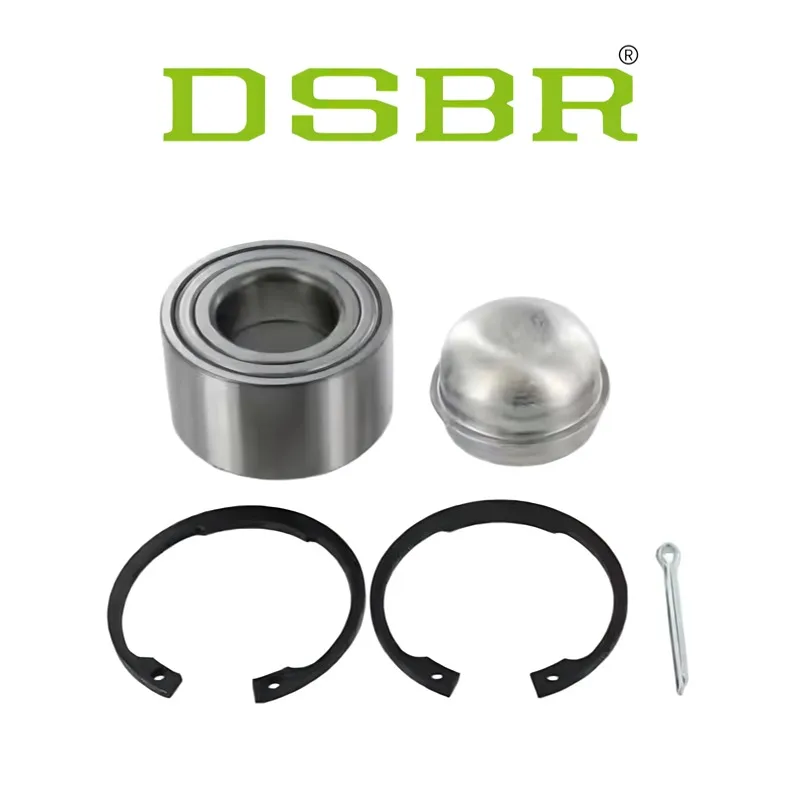
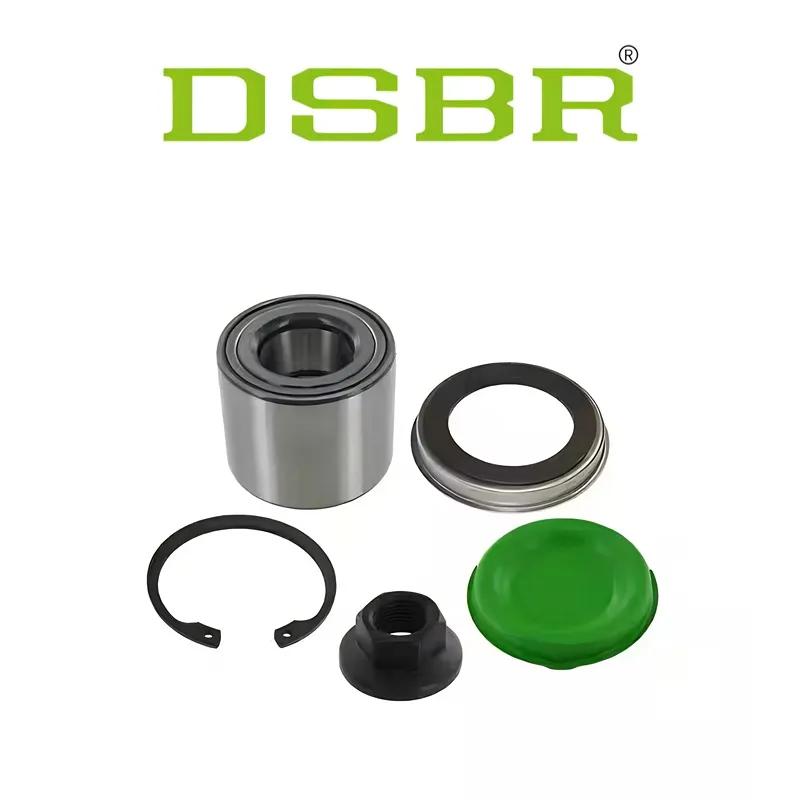
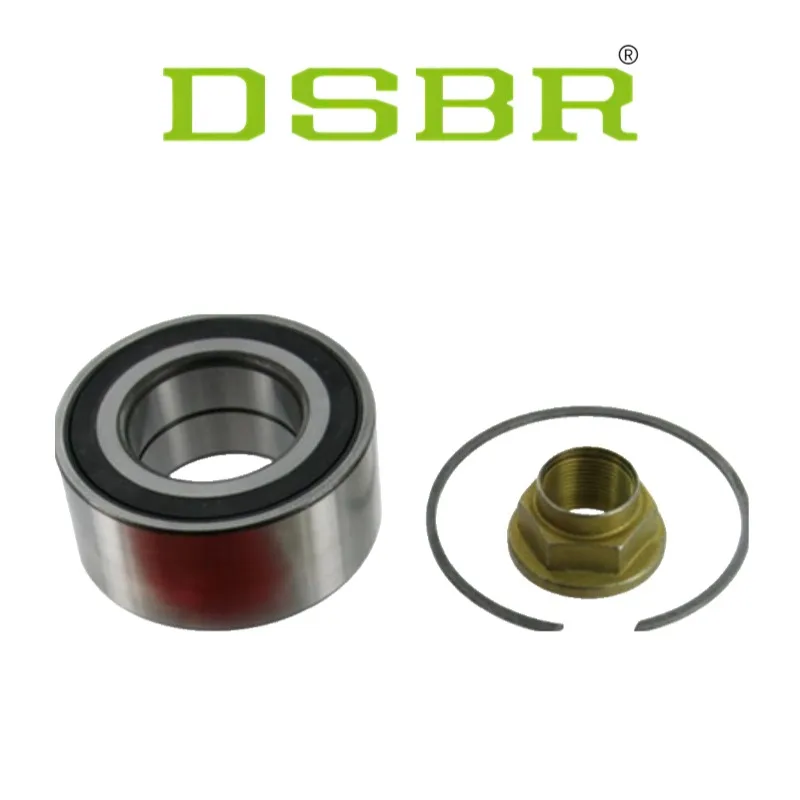
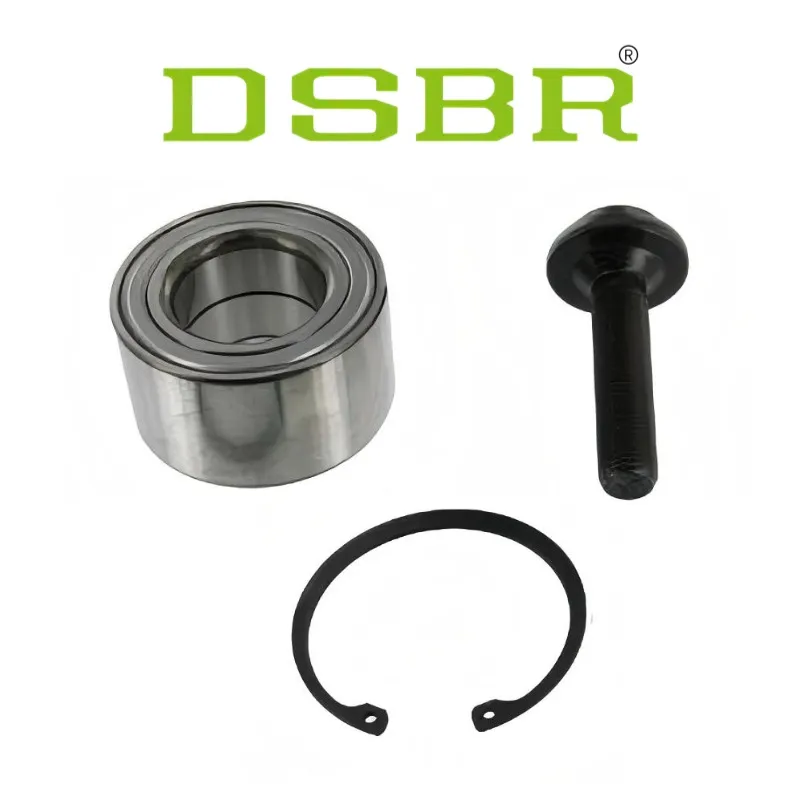
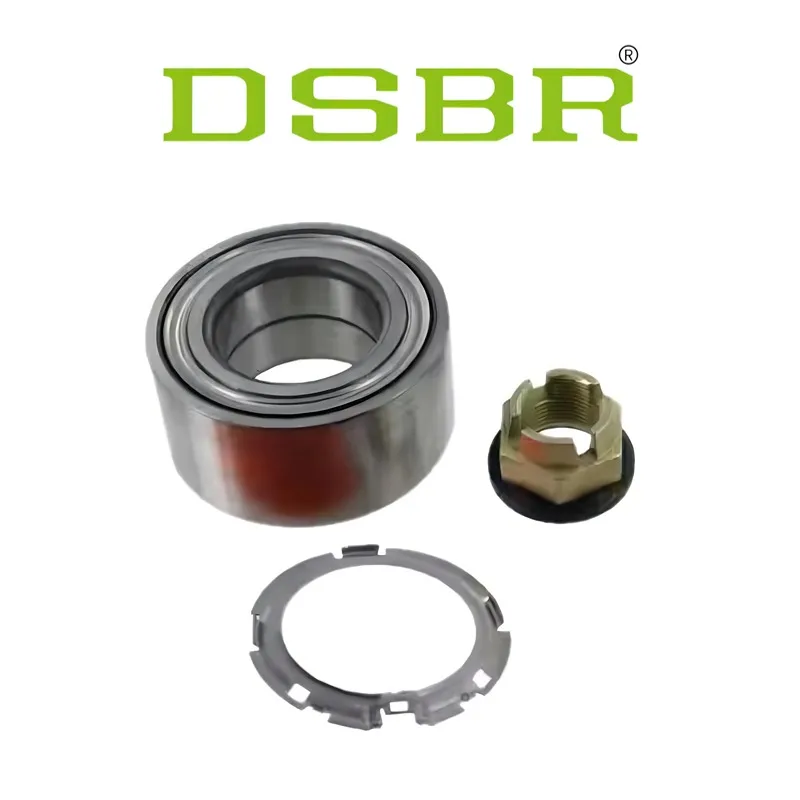
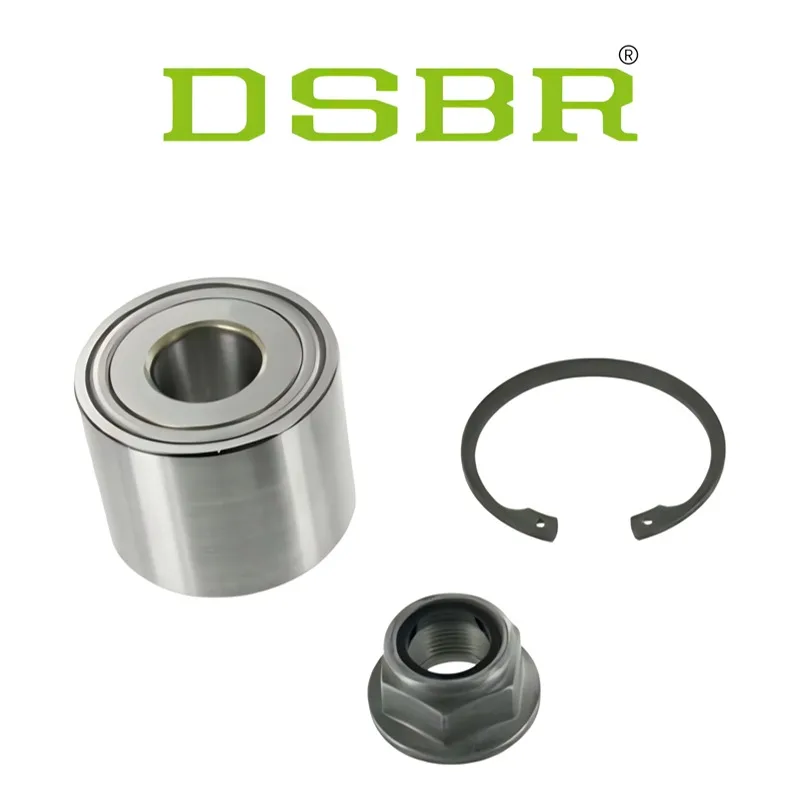
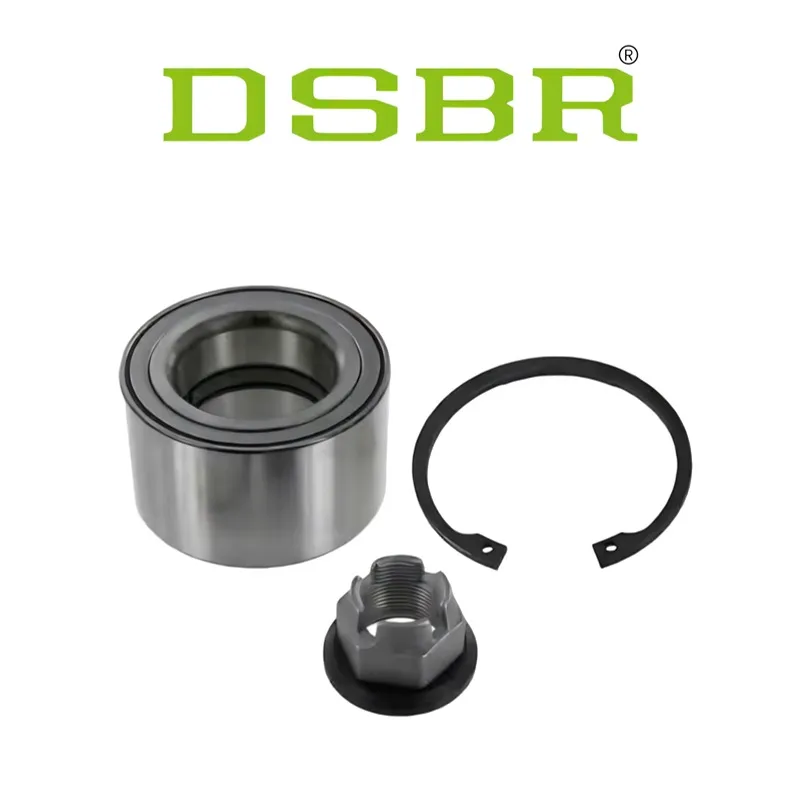
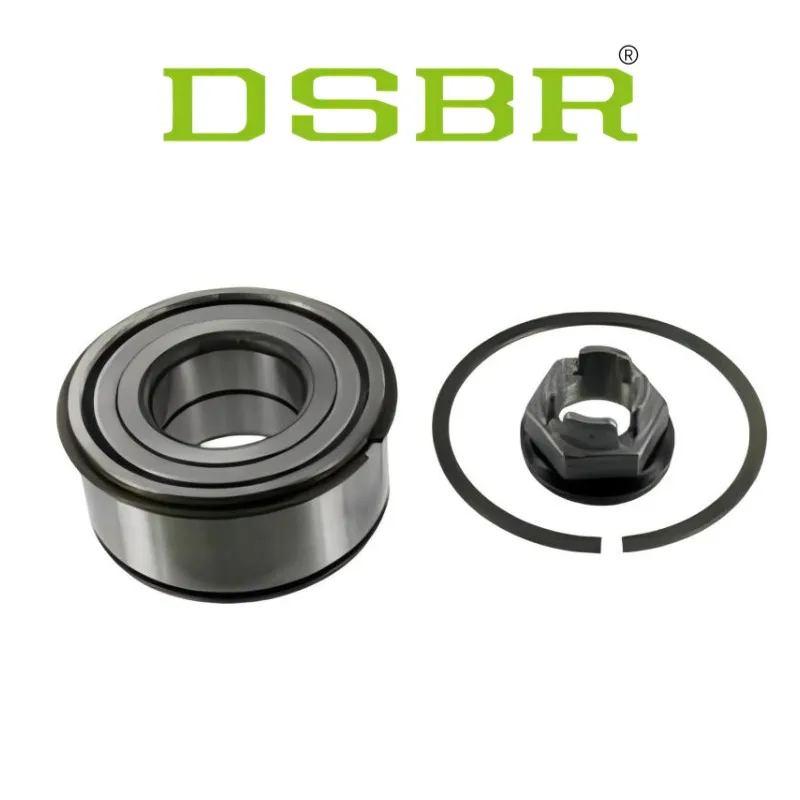
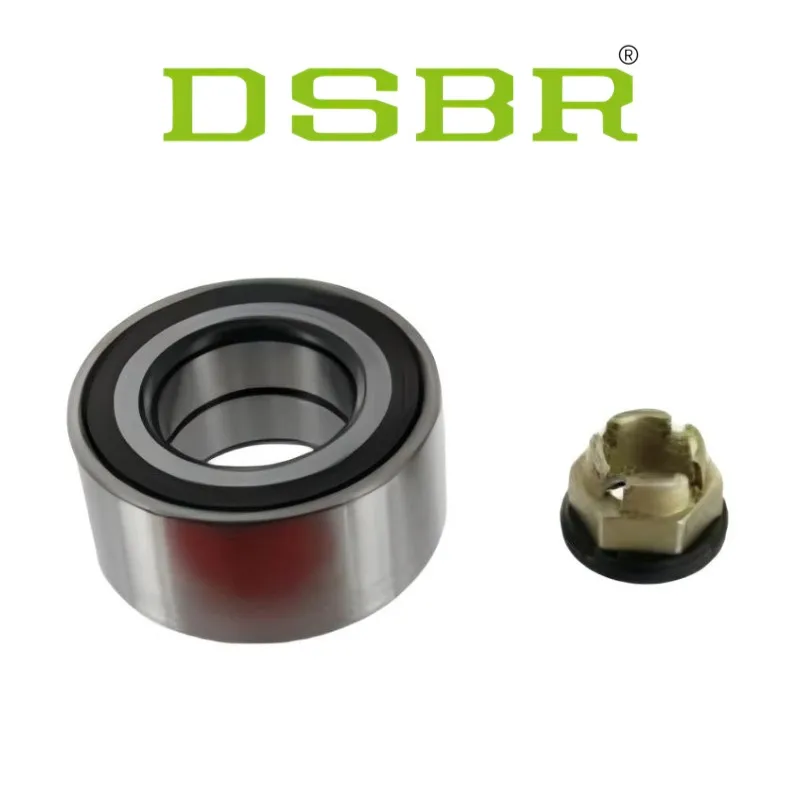
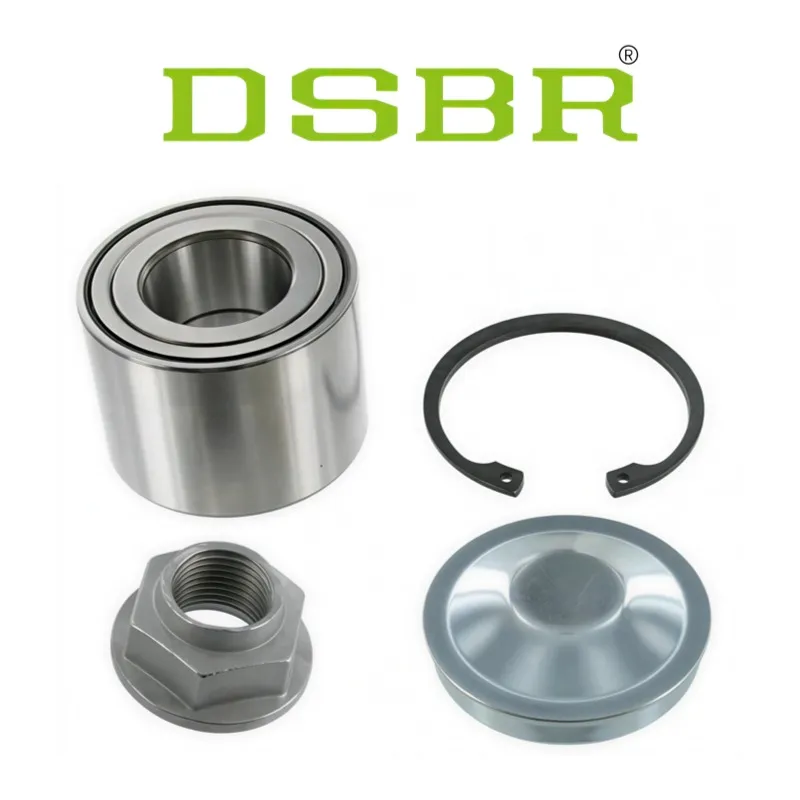
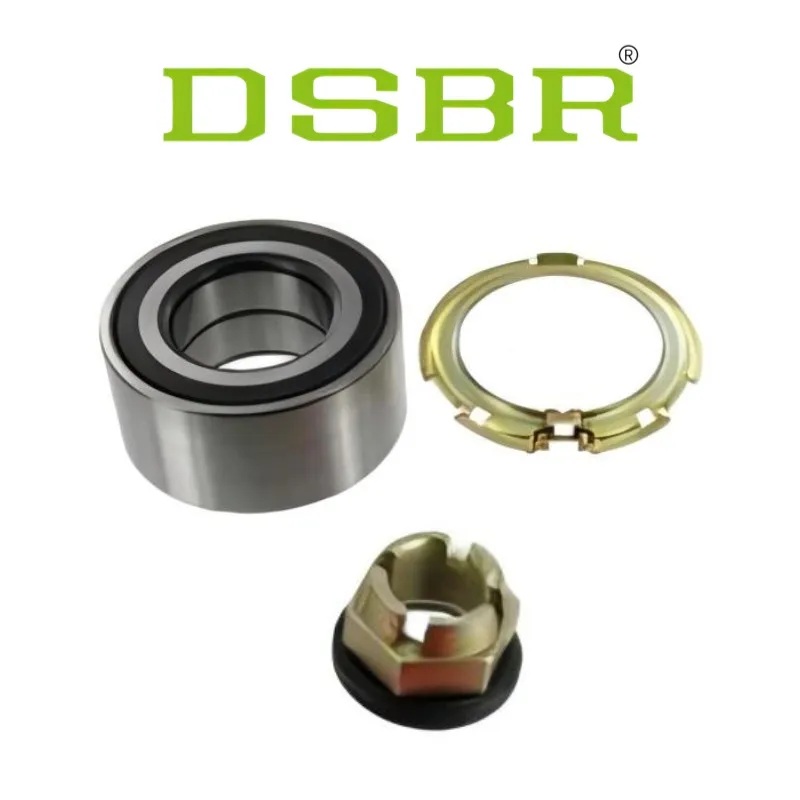
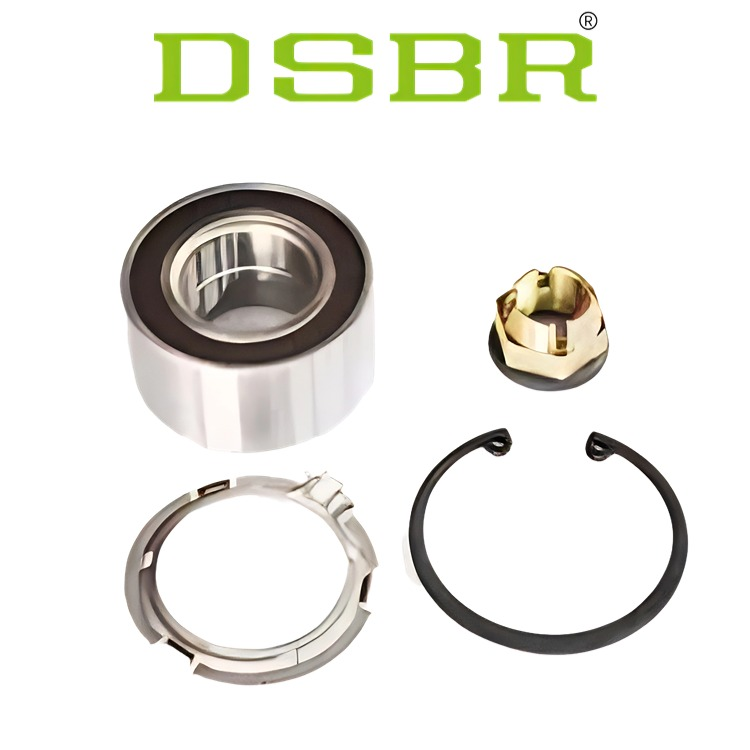
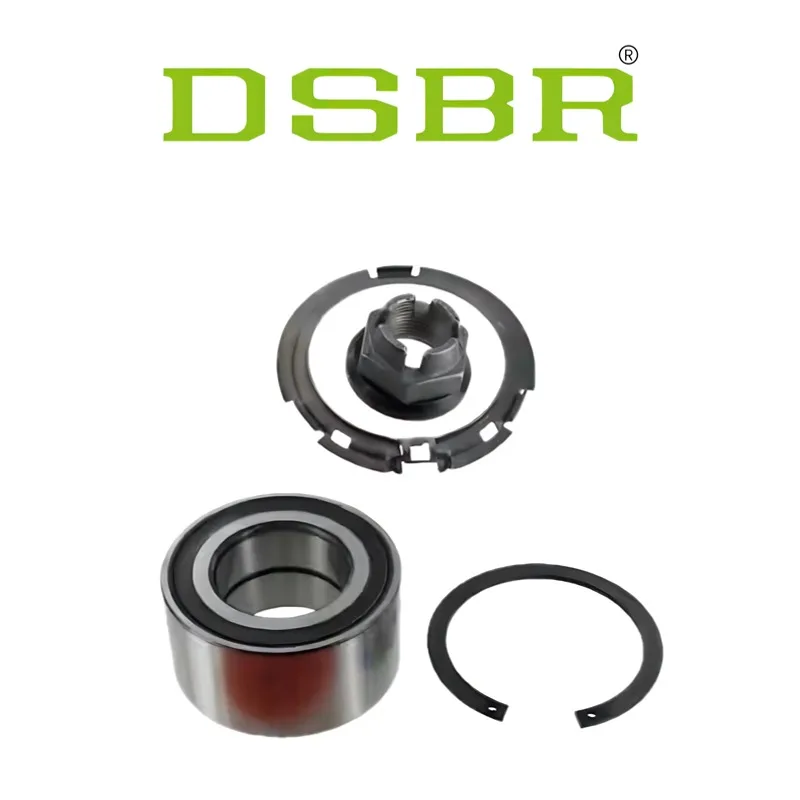

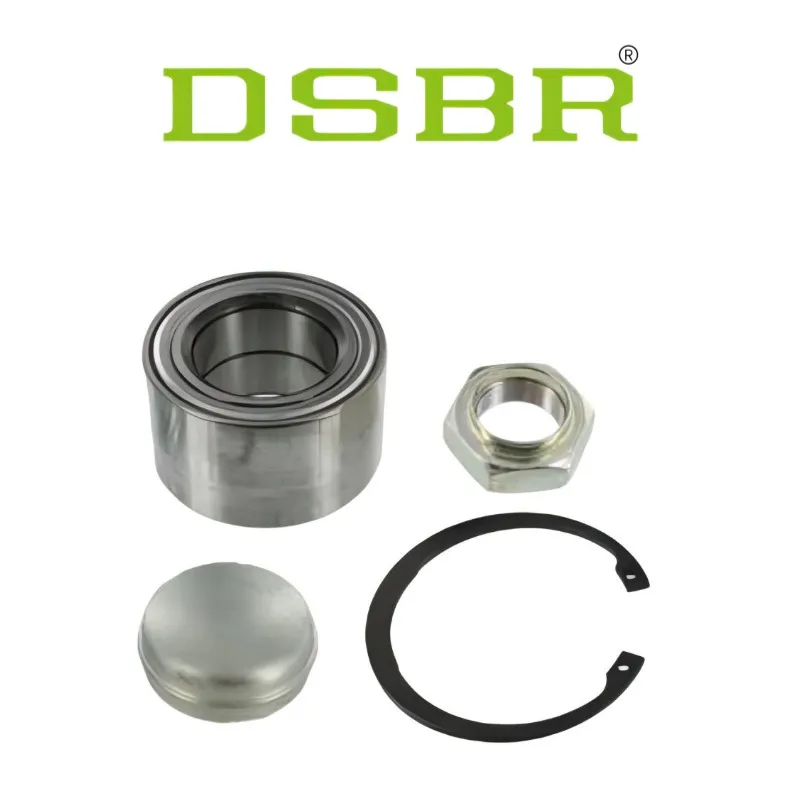
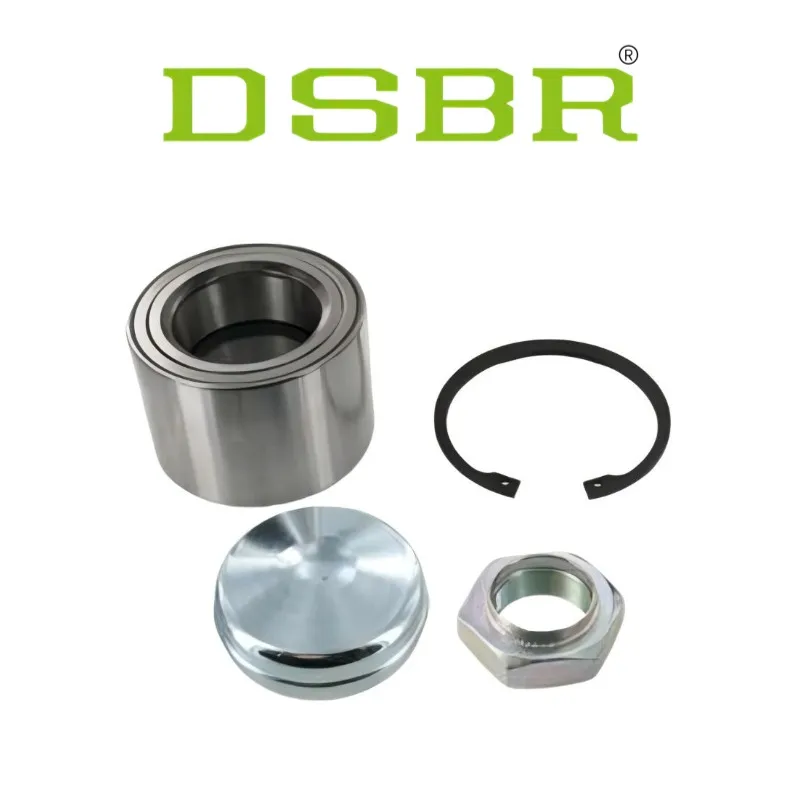
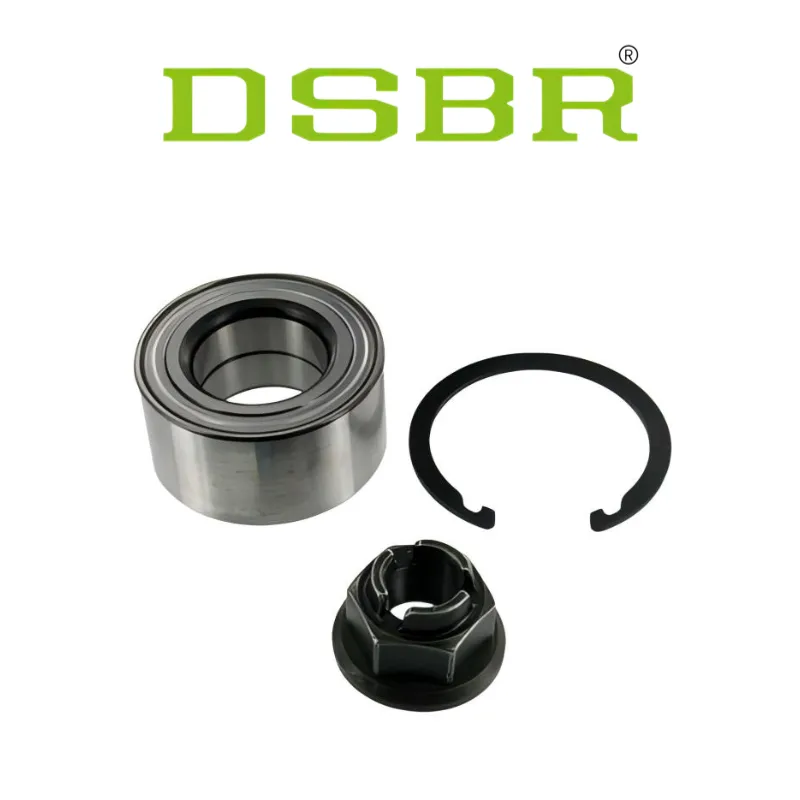
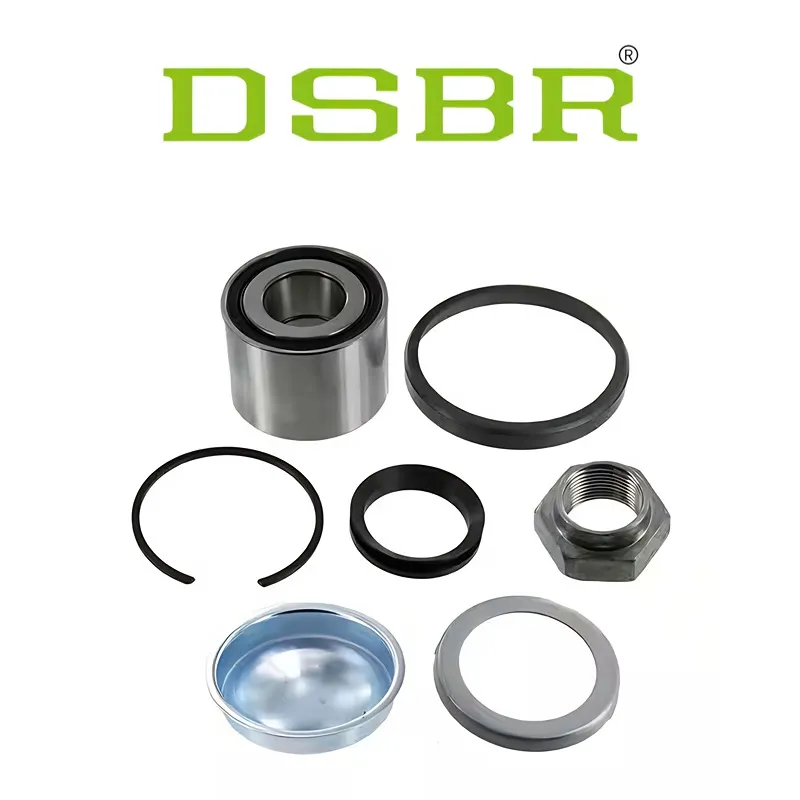
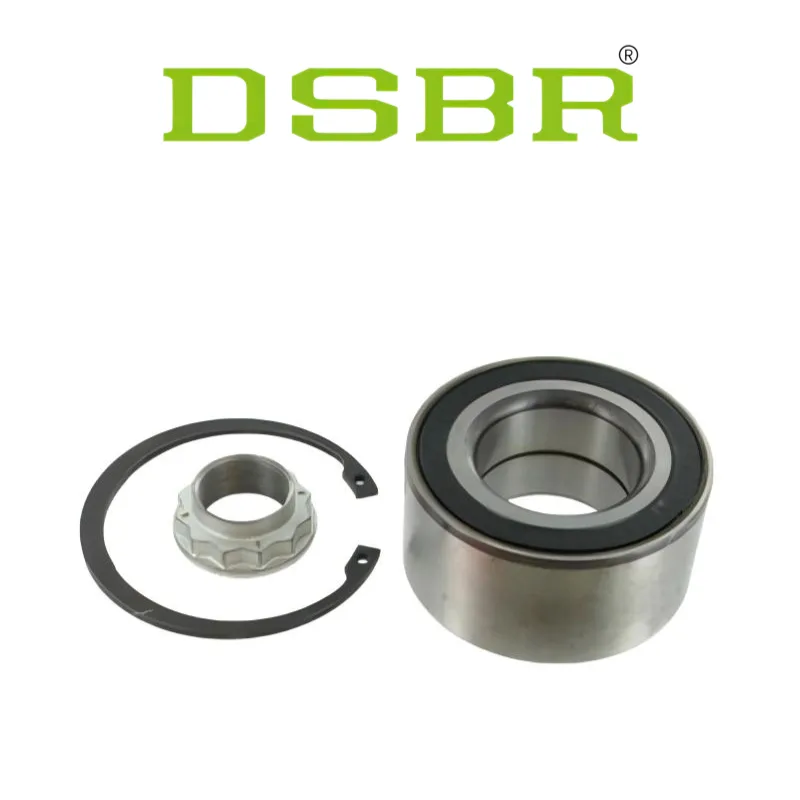
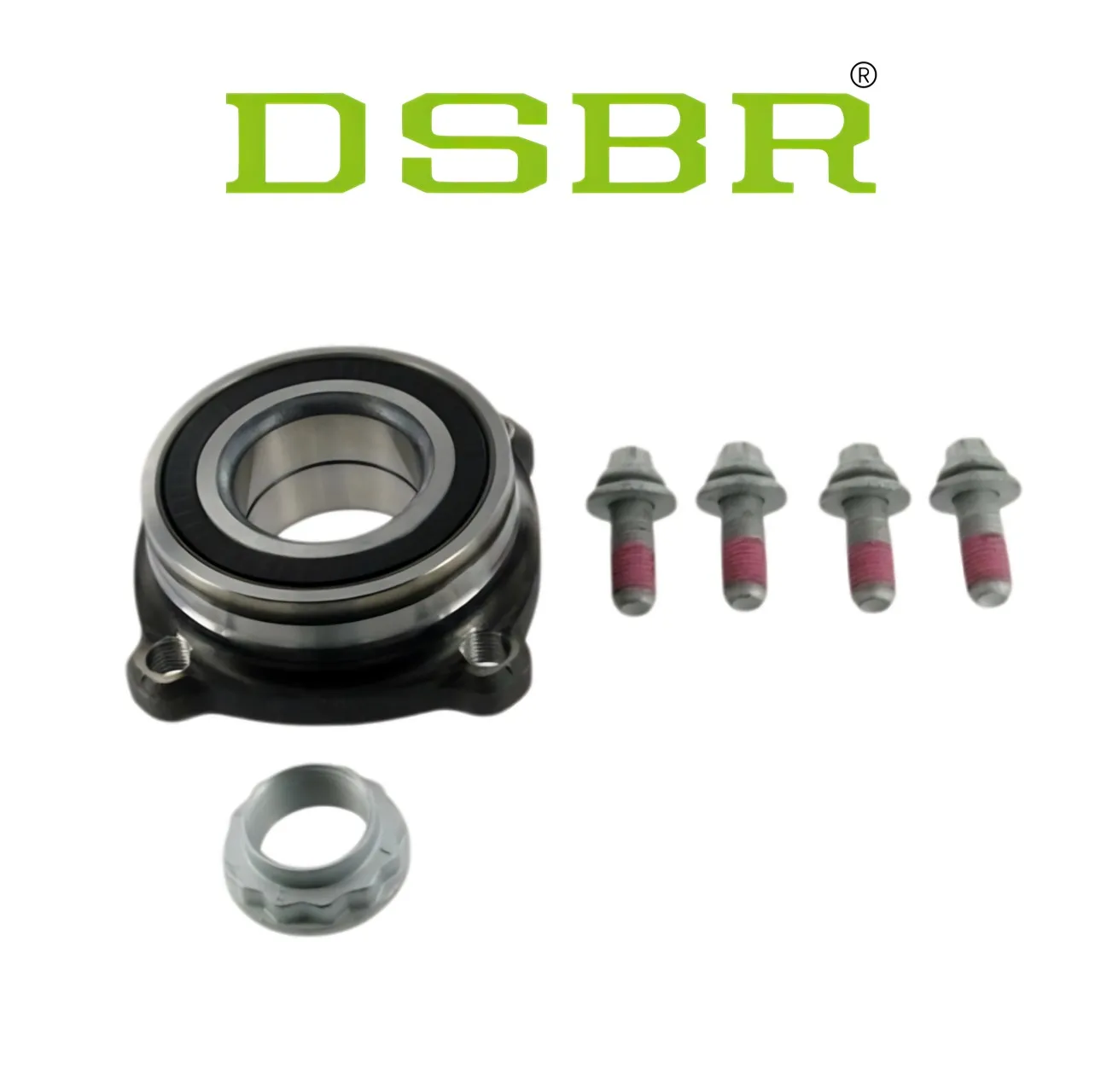
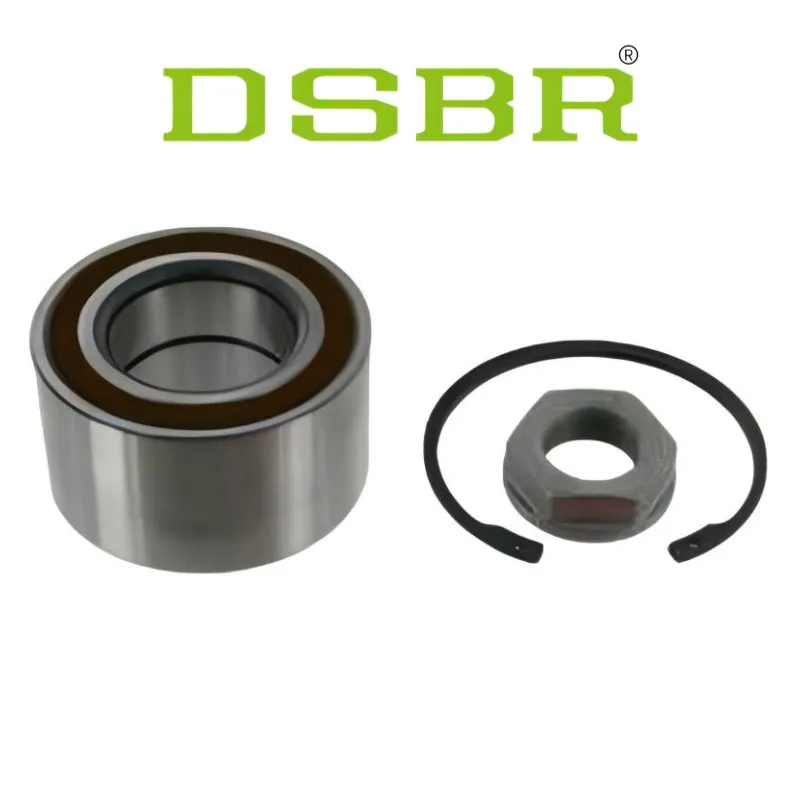
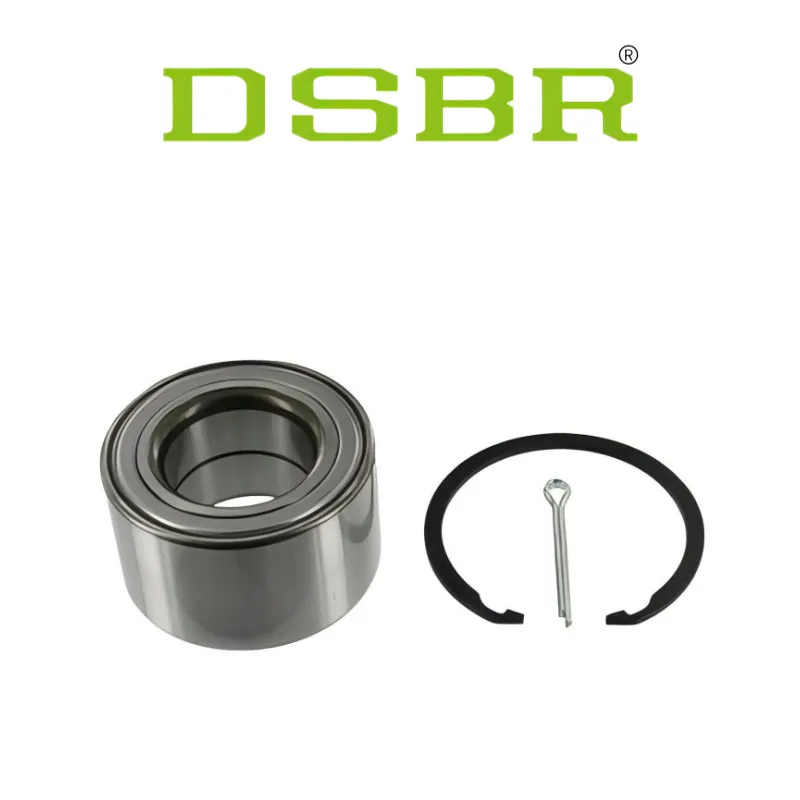
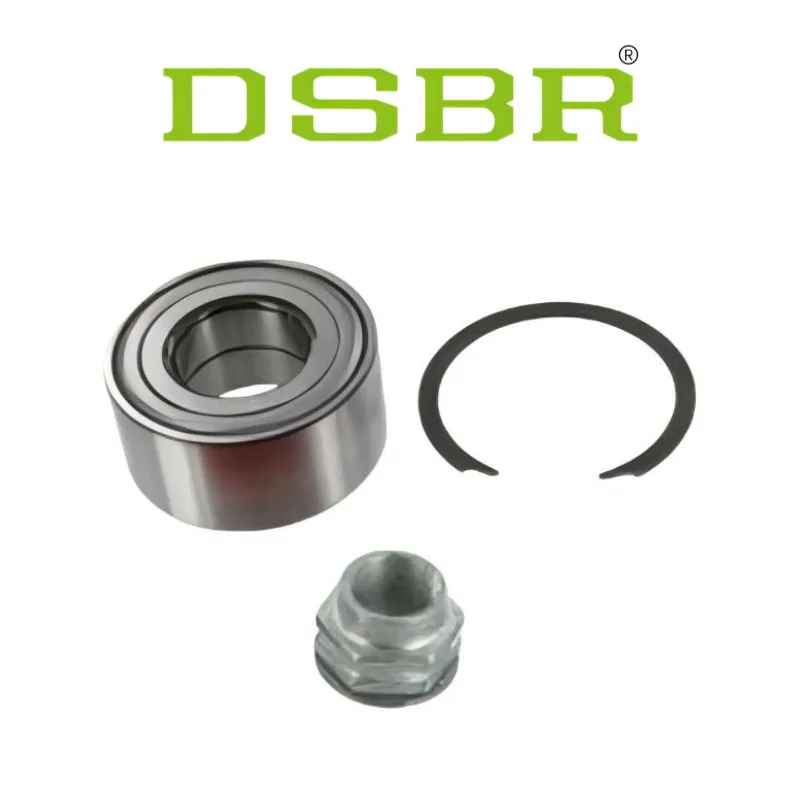
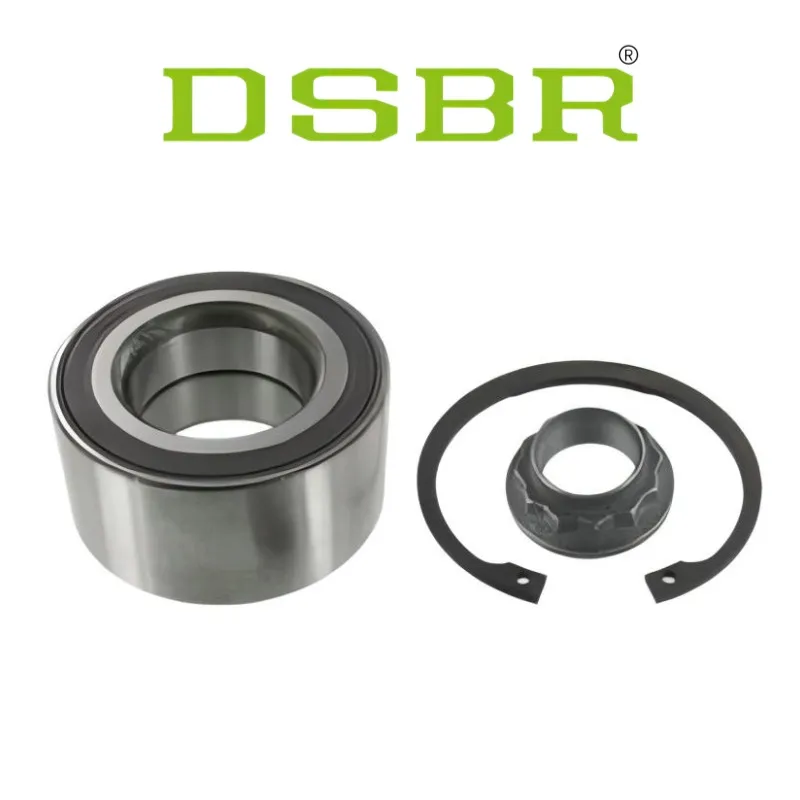
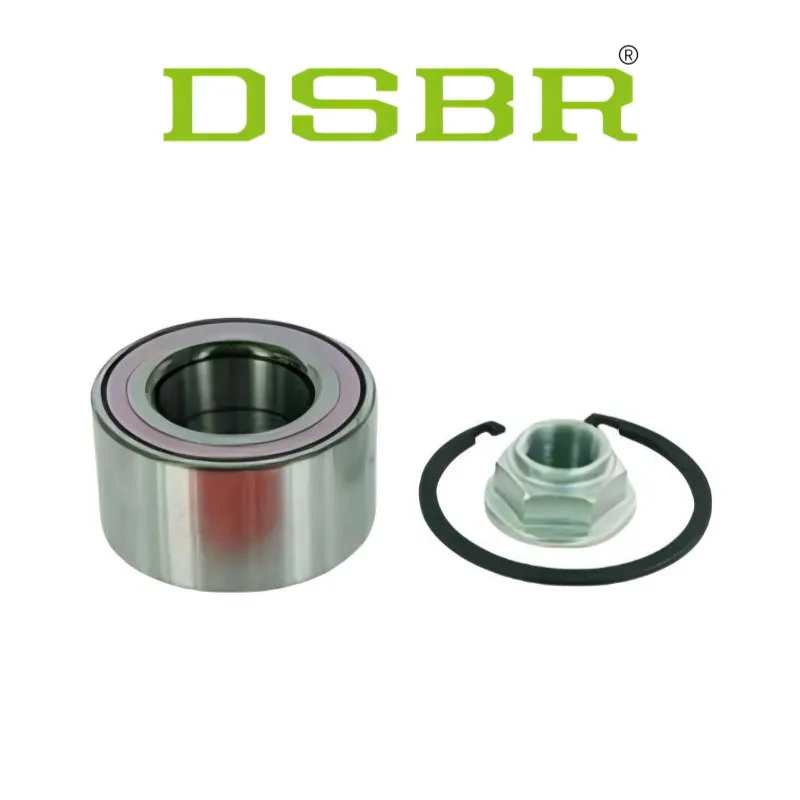
.webp "VKBA 3682-Wheel Bearing Kit")
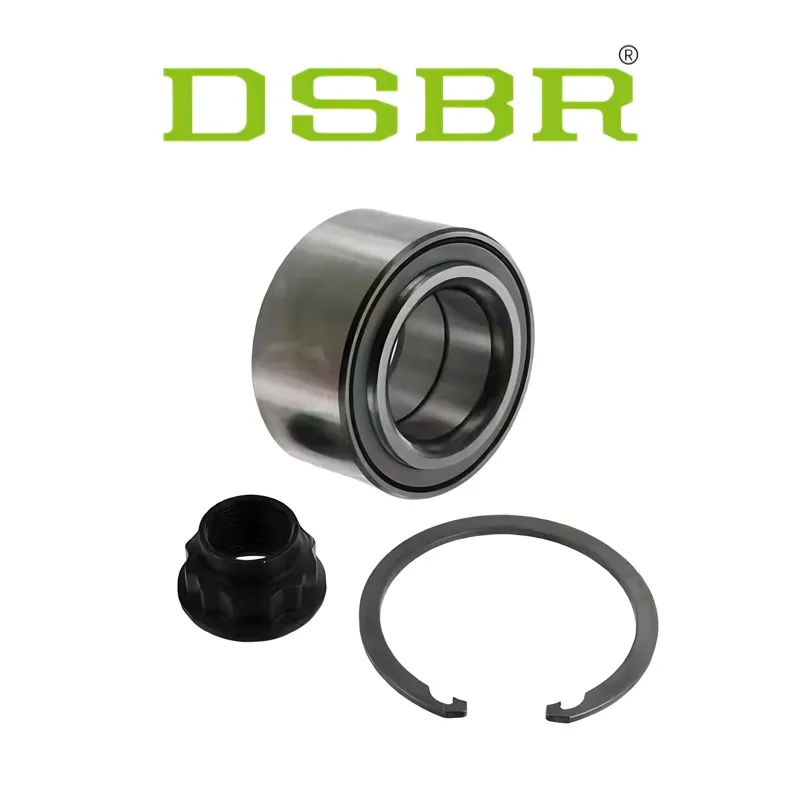
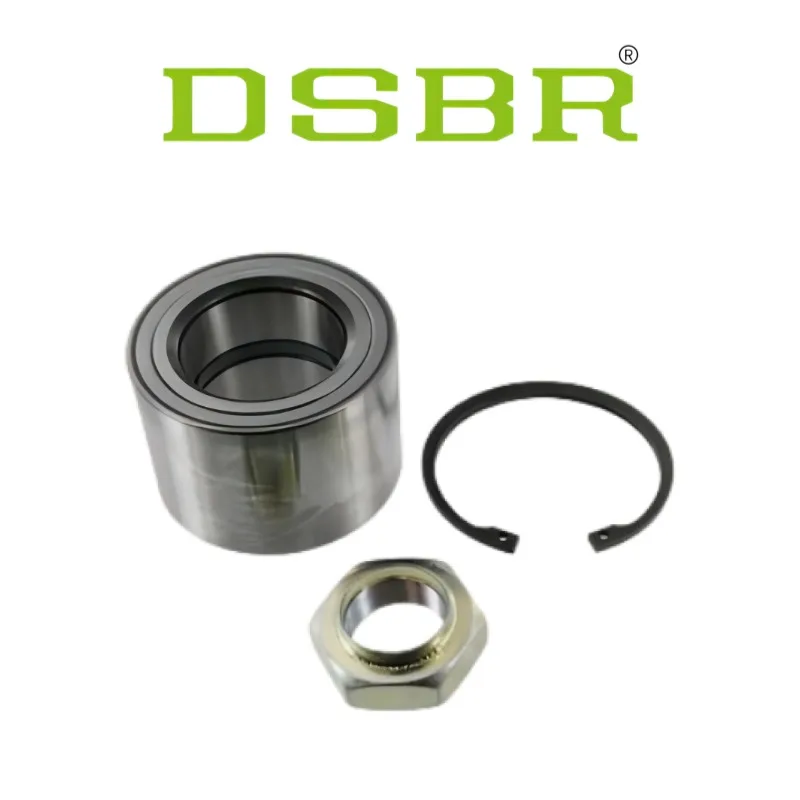

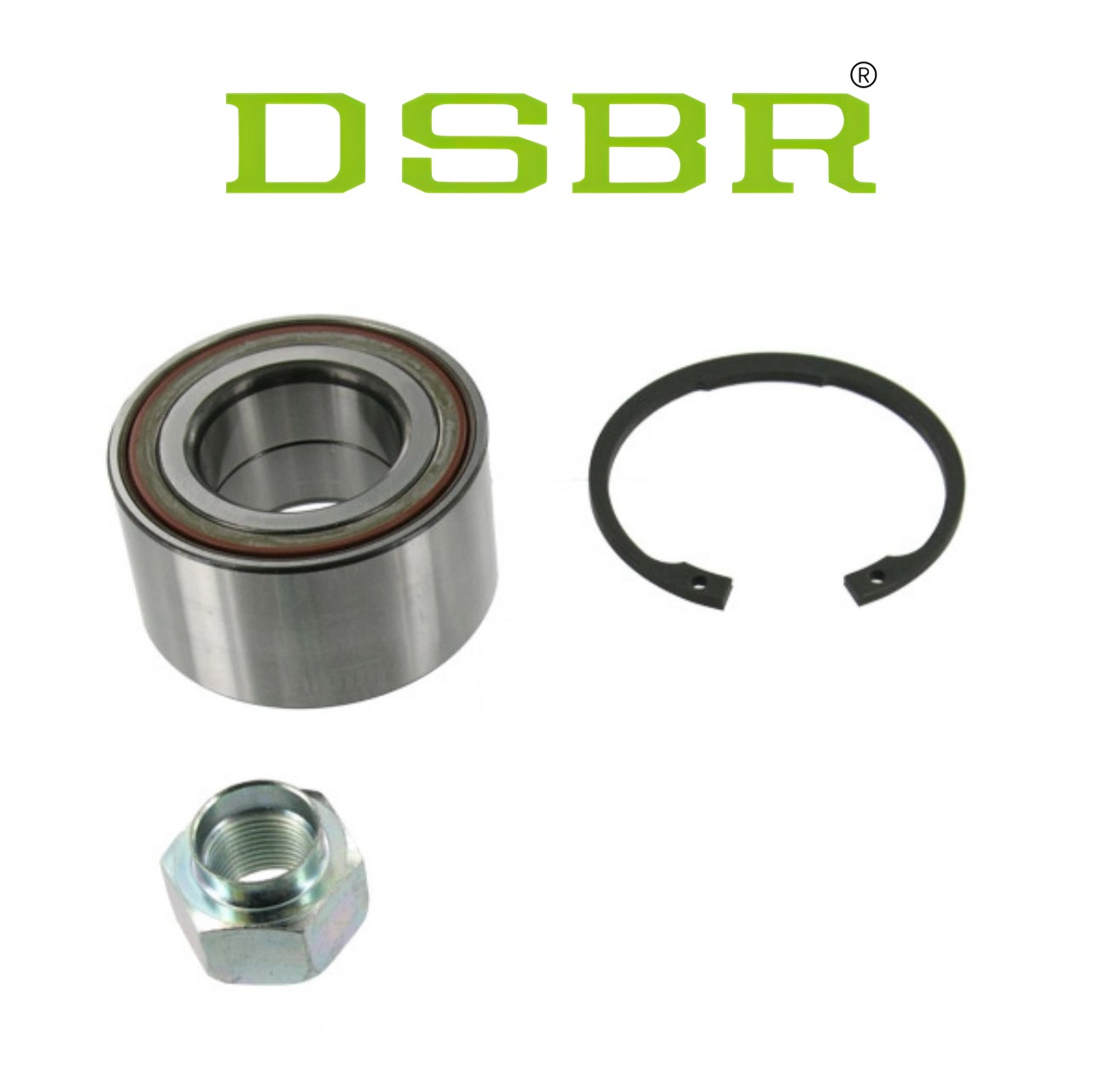
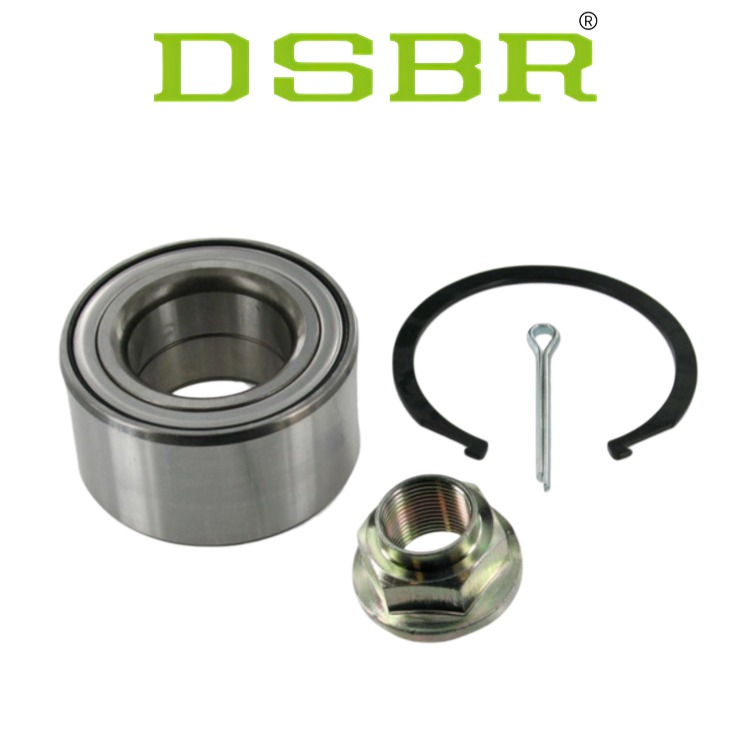
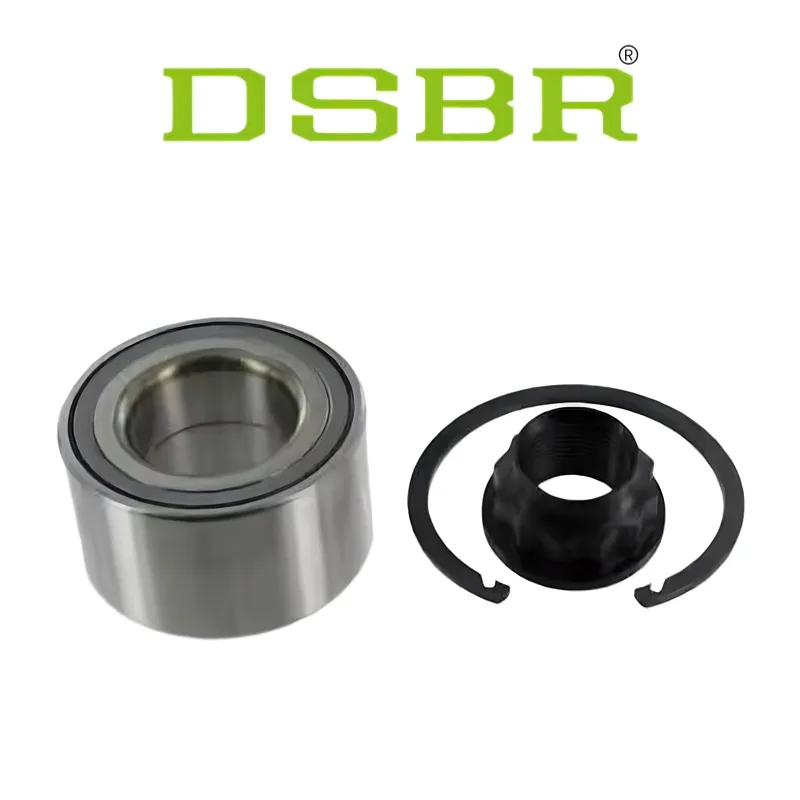
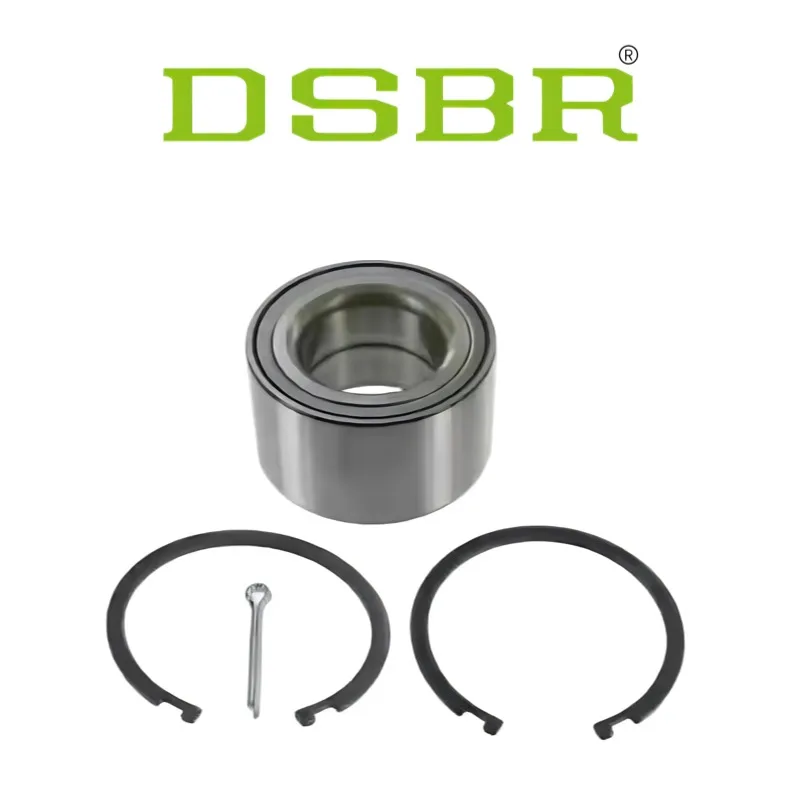
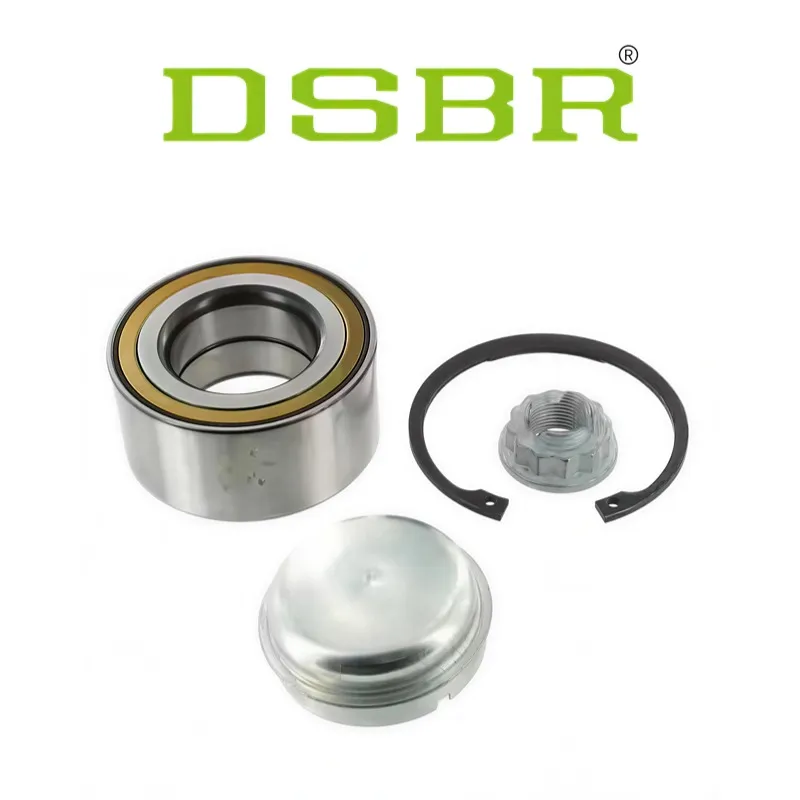
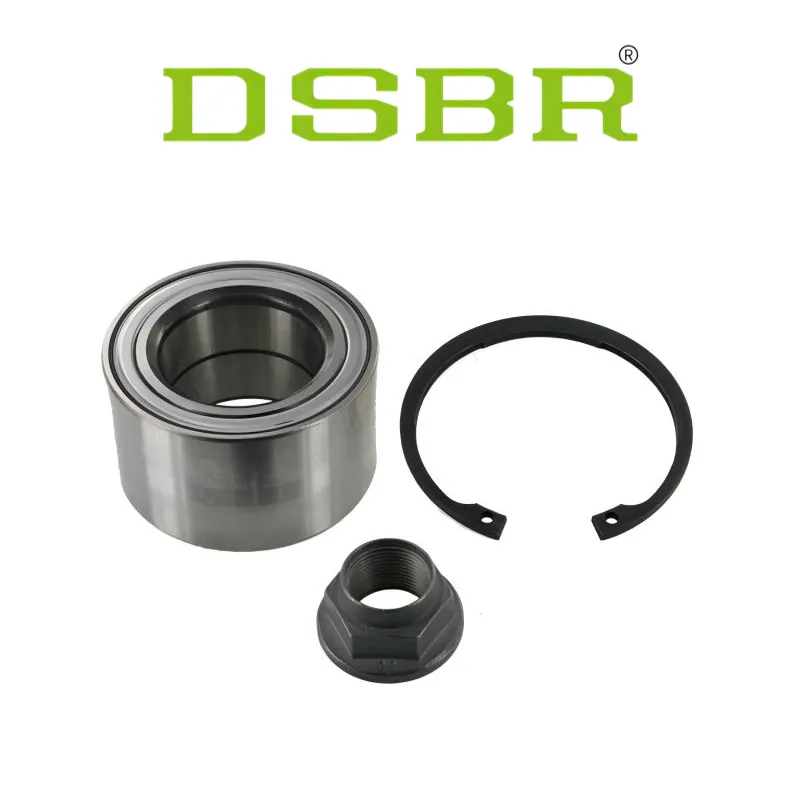
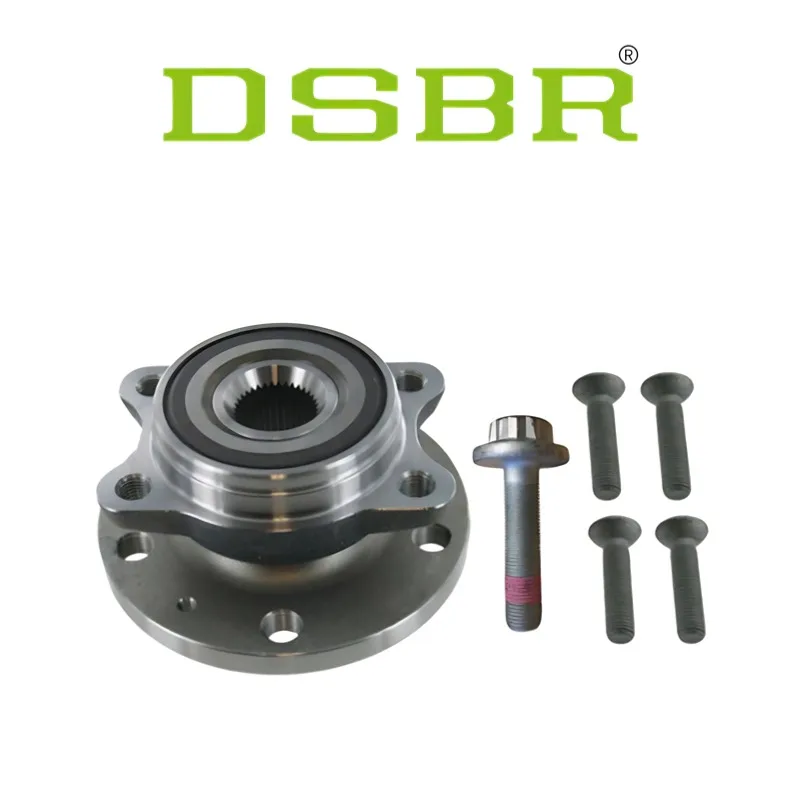
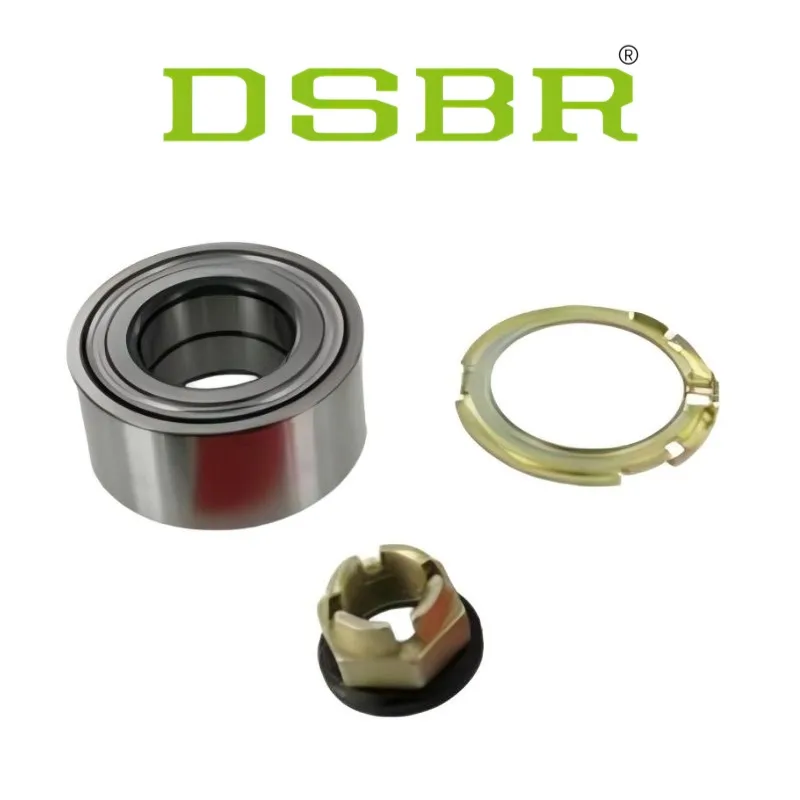
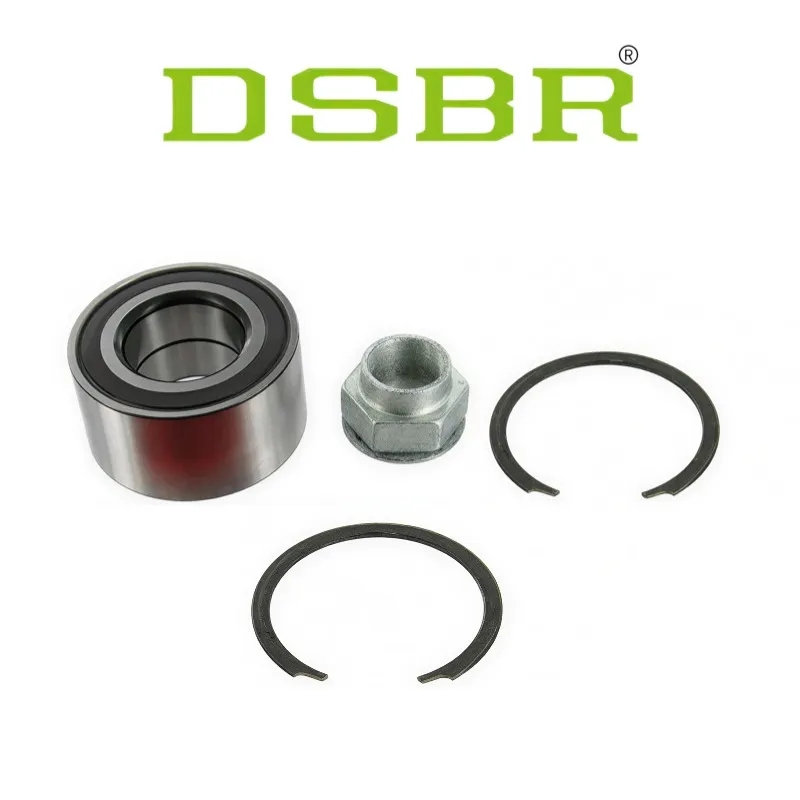
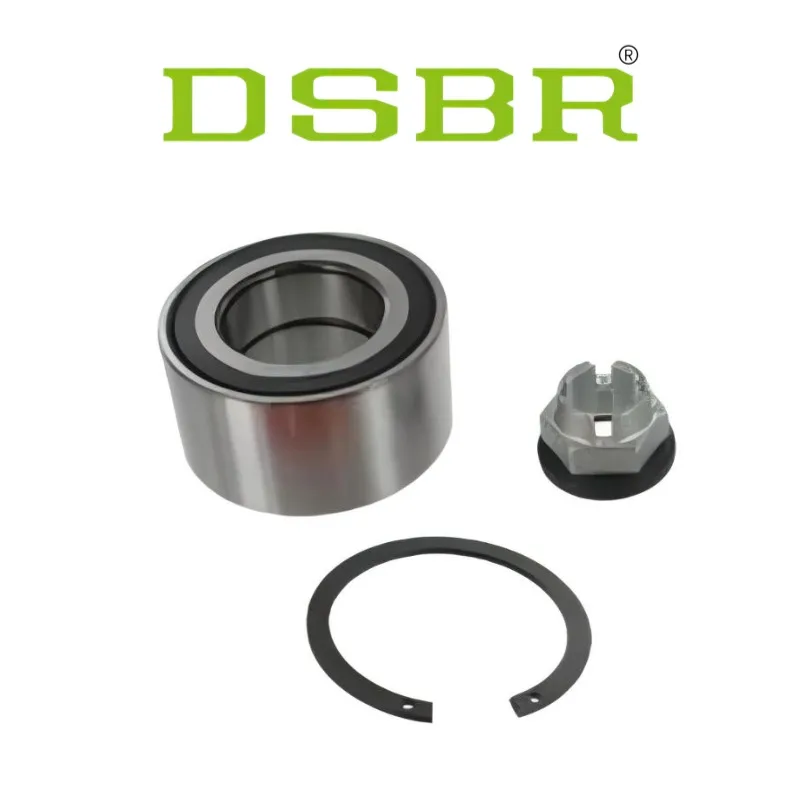
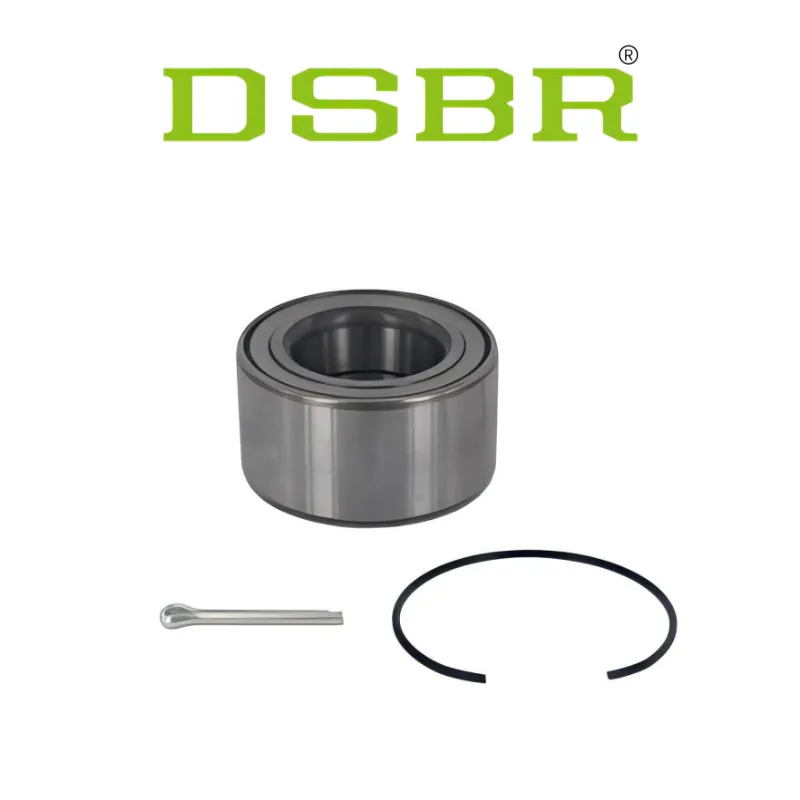
.webp "VKBA 6520-Wheel Bearing Kit")
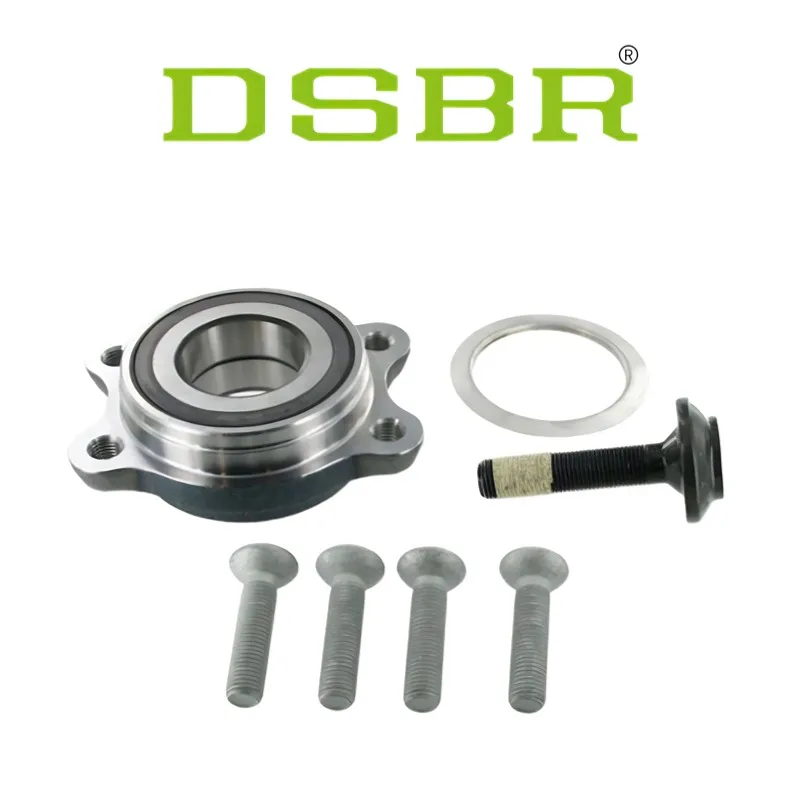
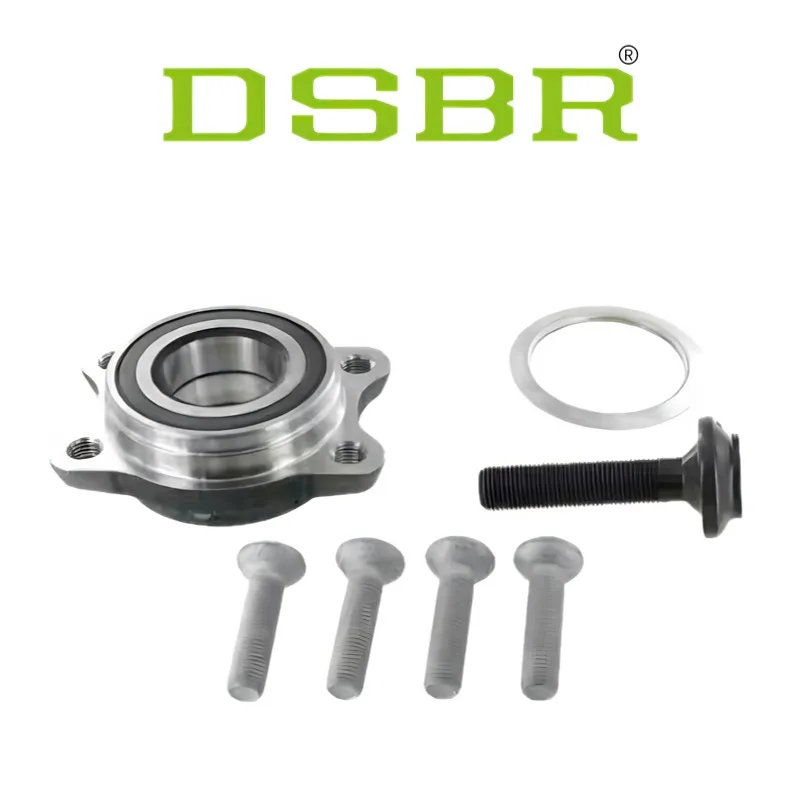
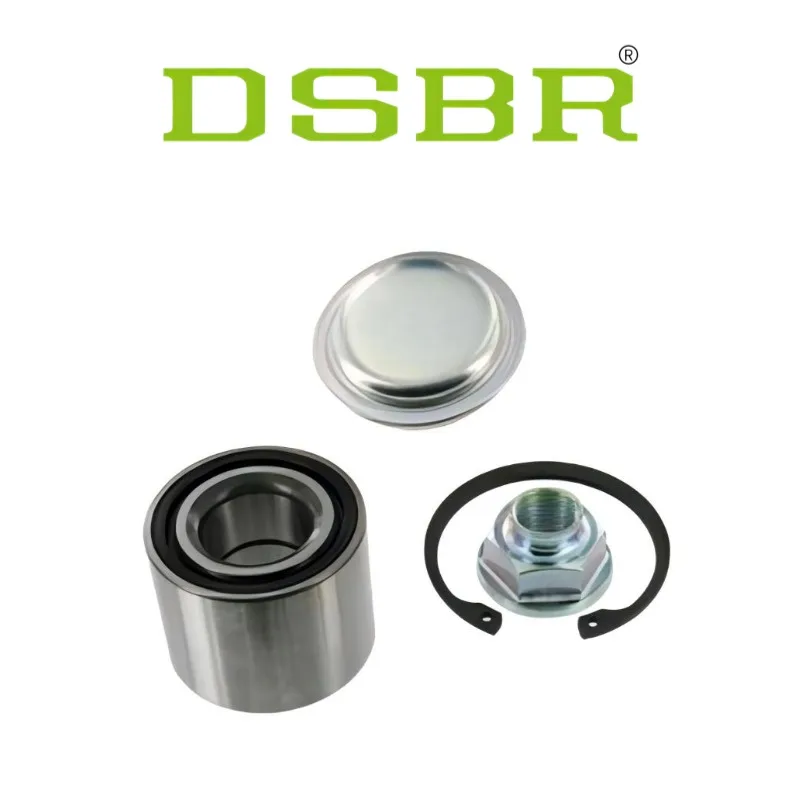
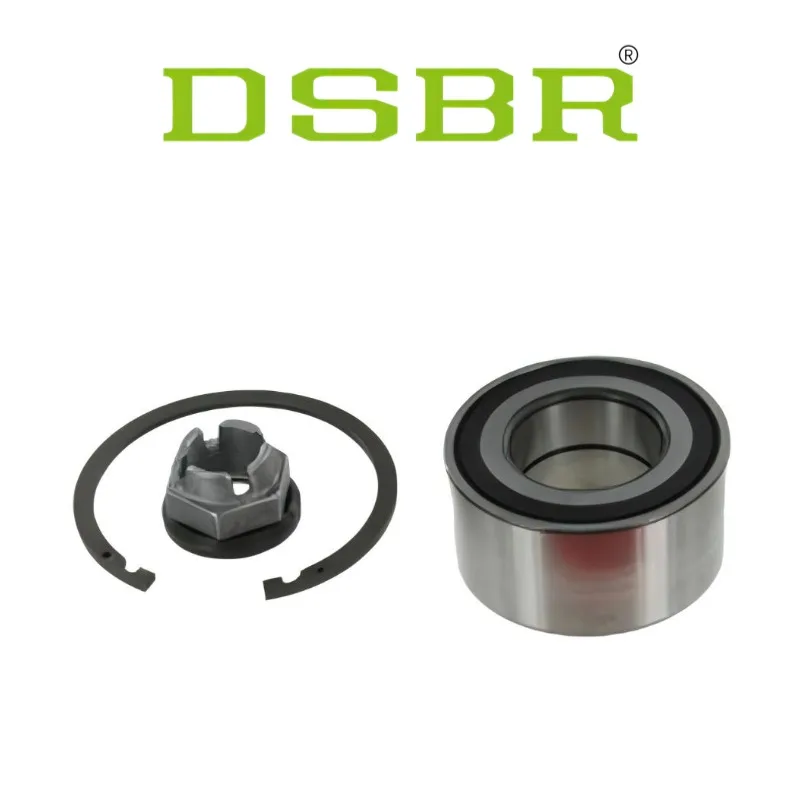
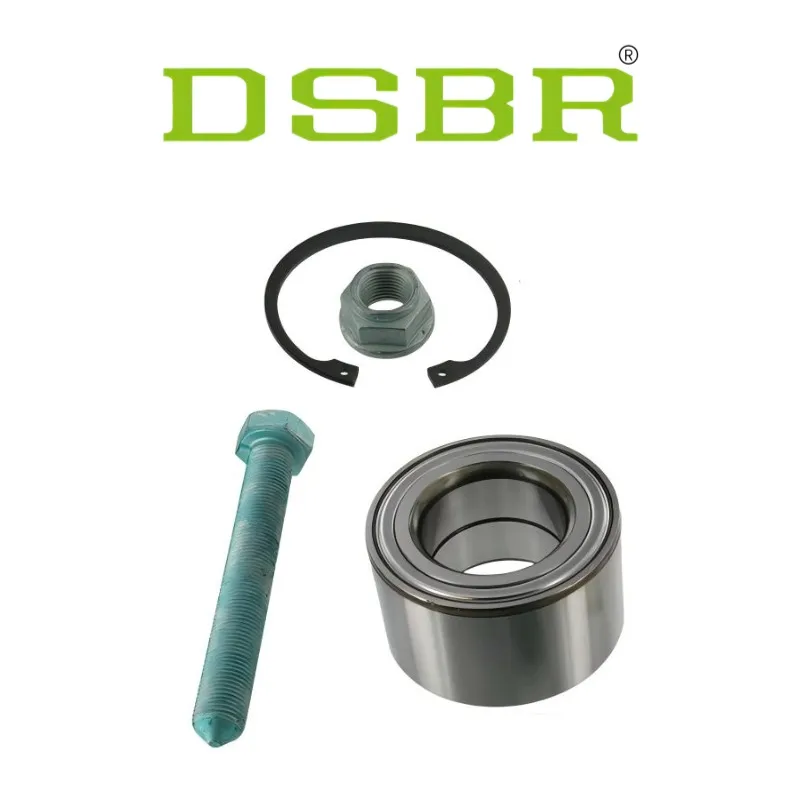
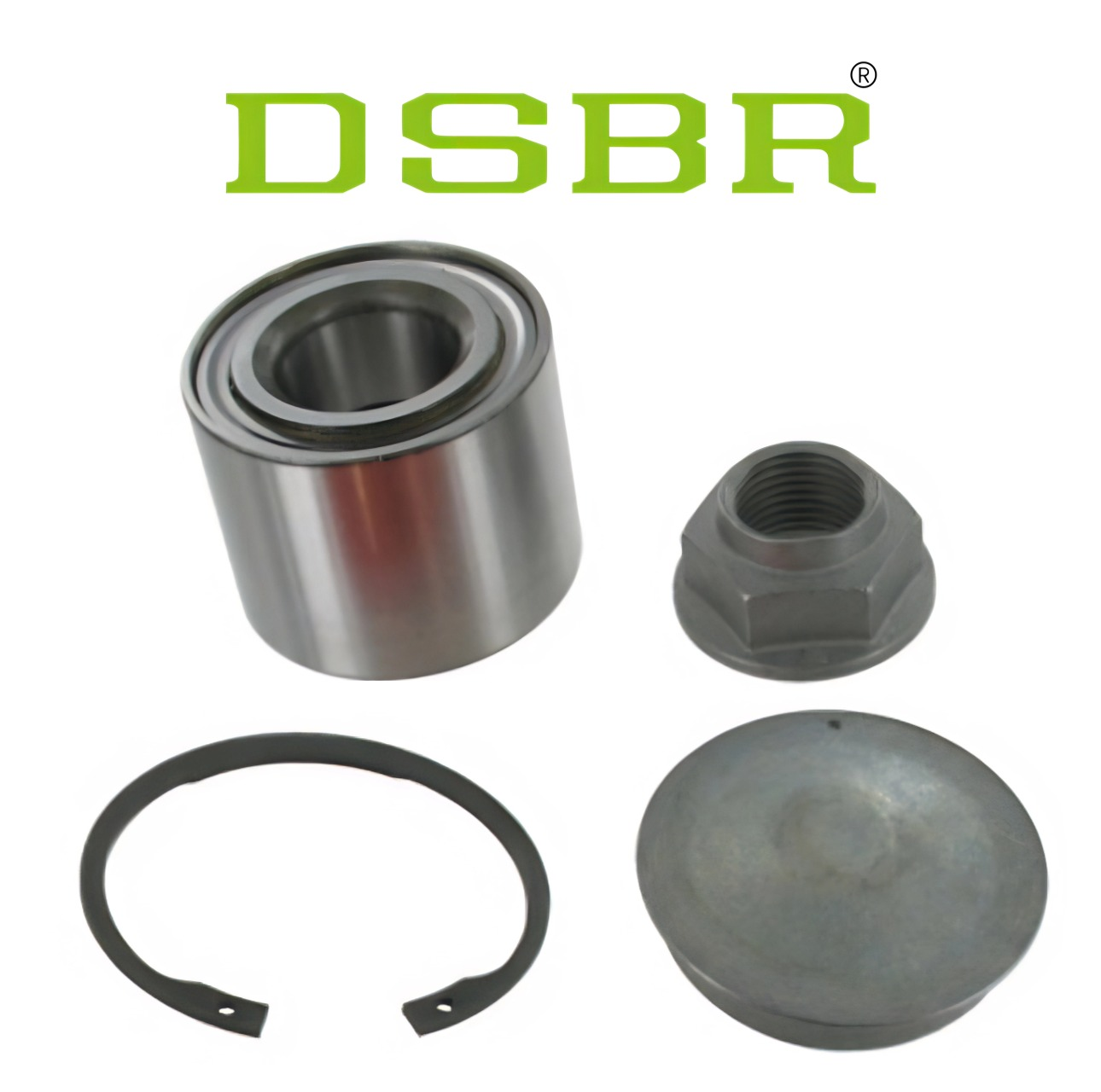
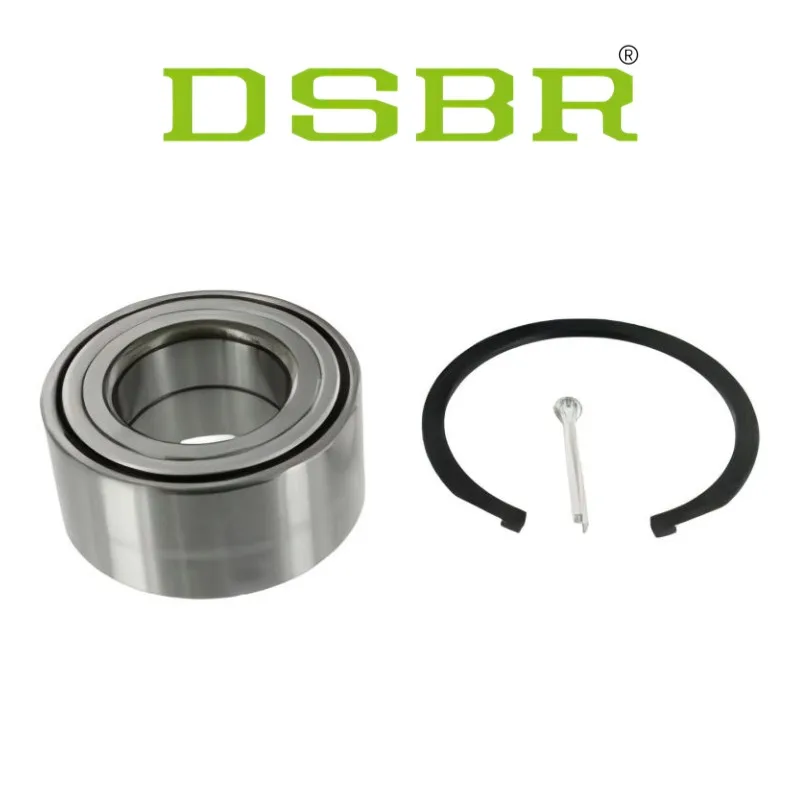
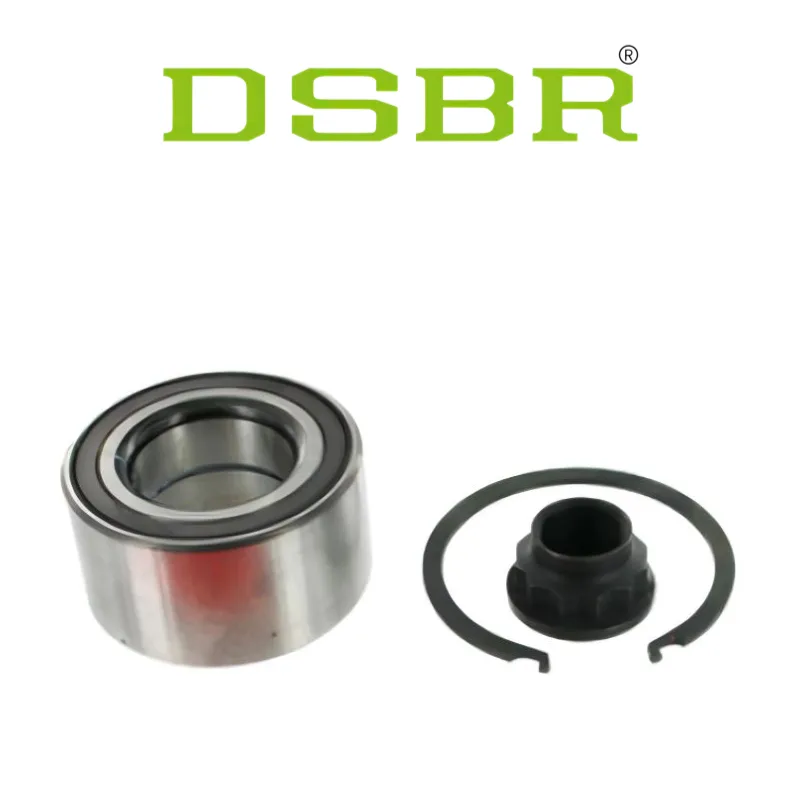


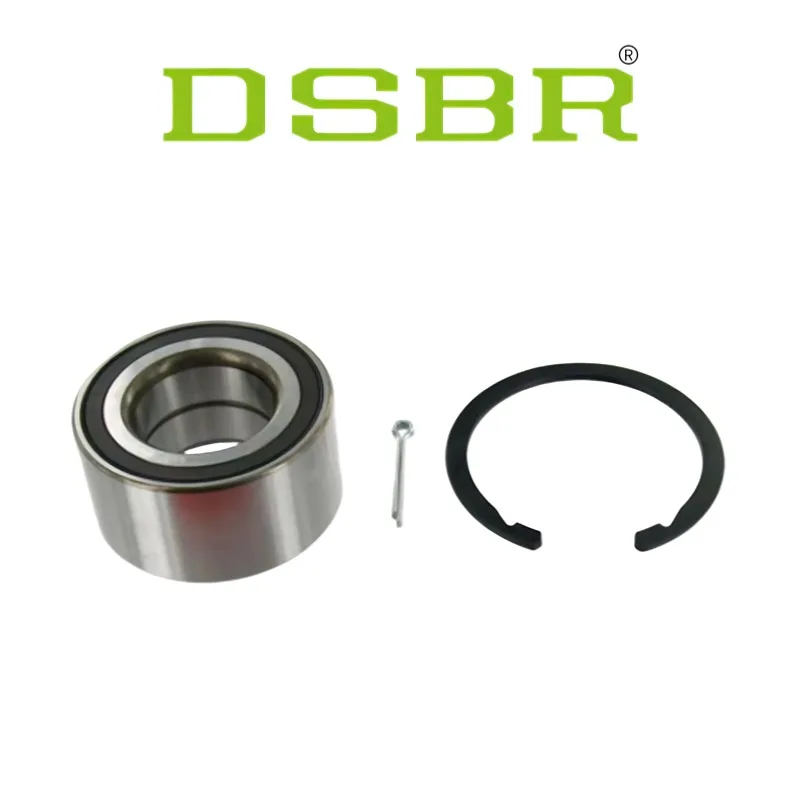
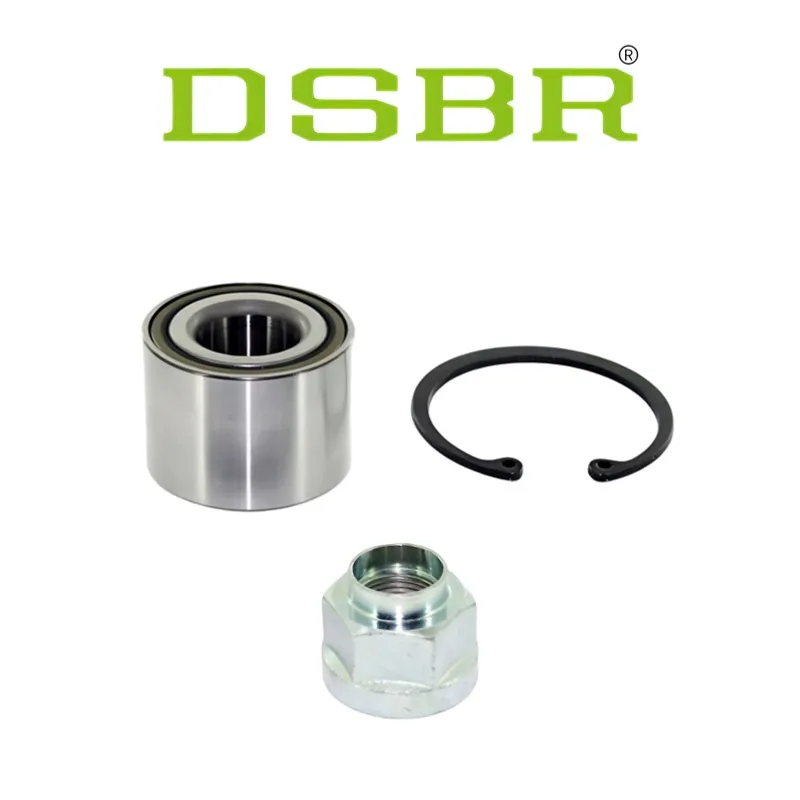
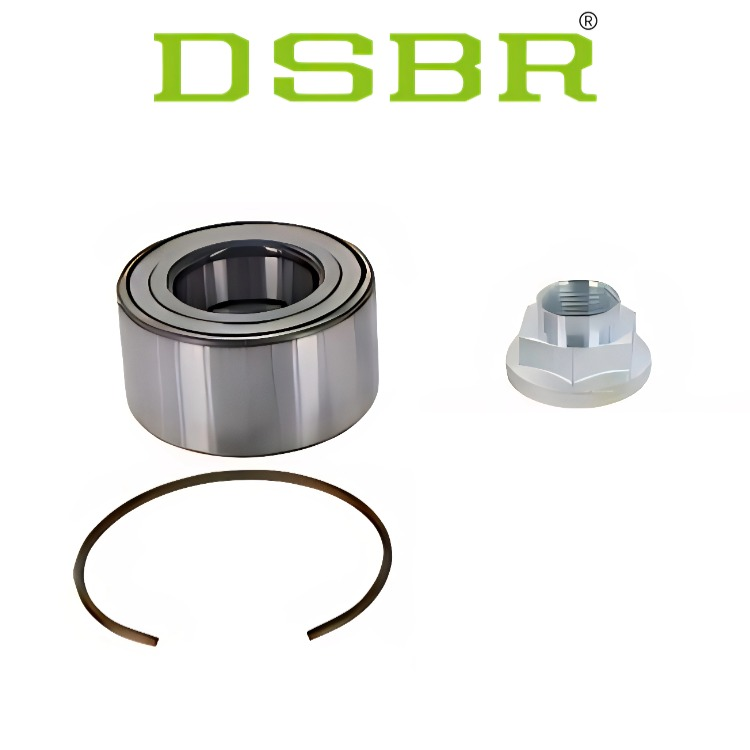

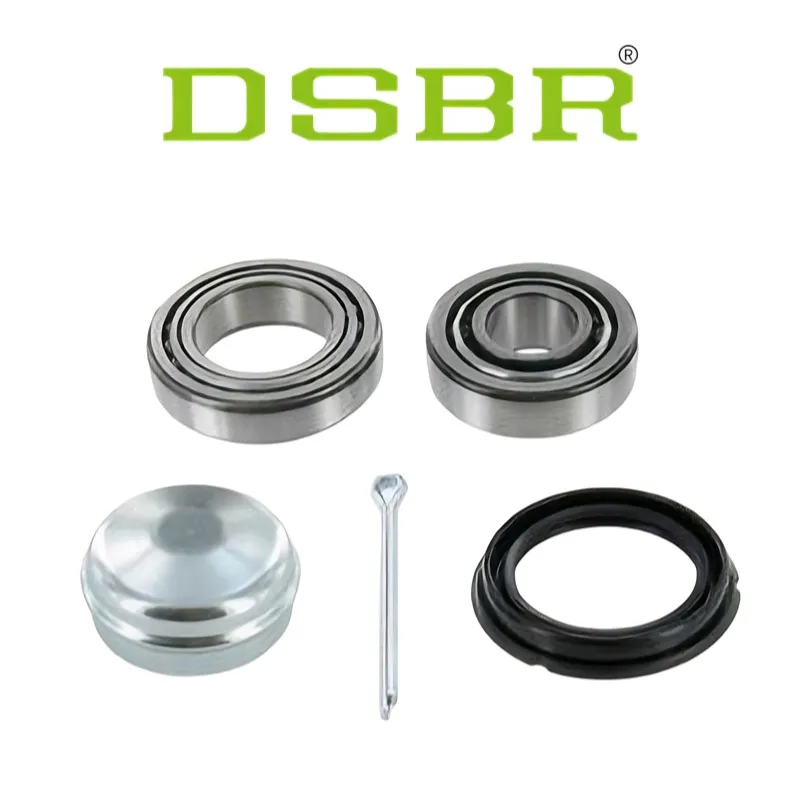
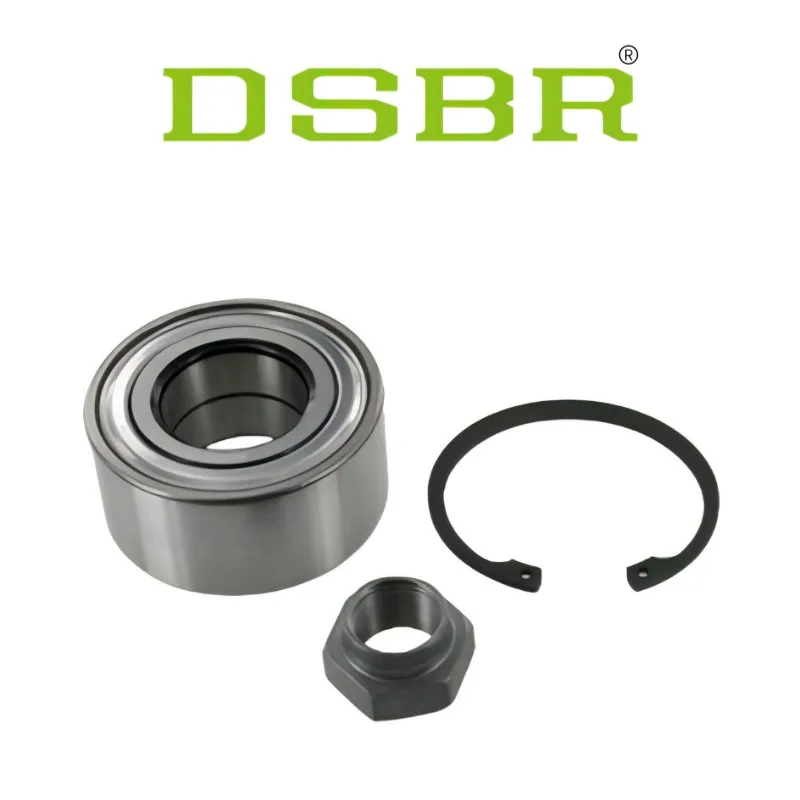
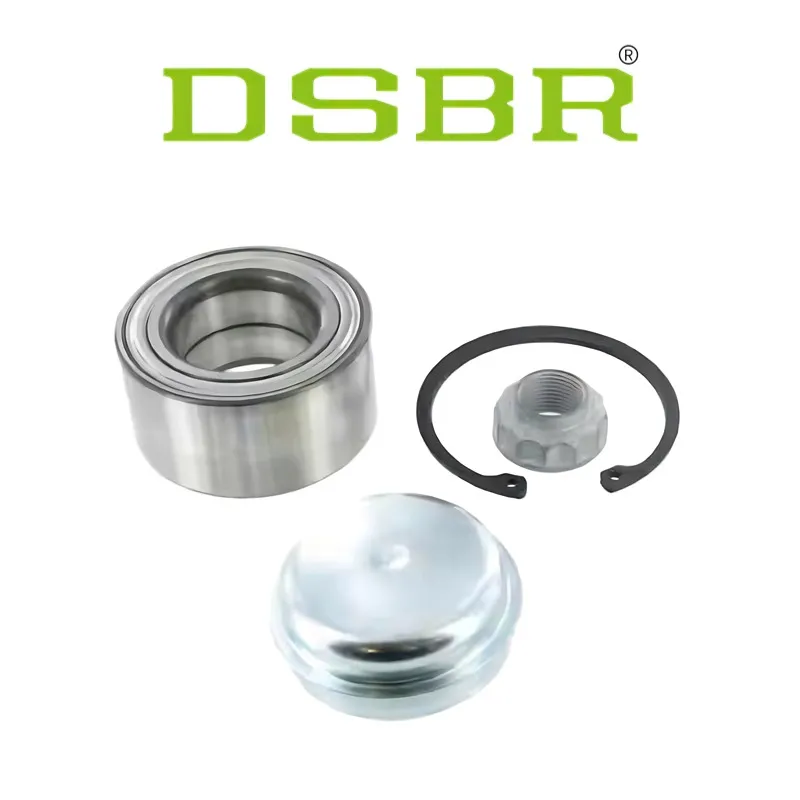
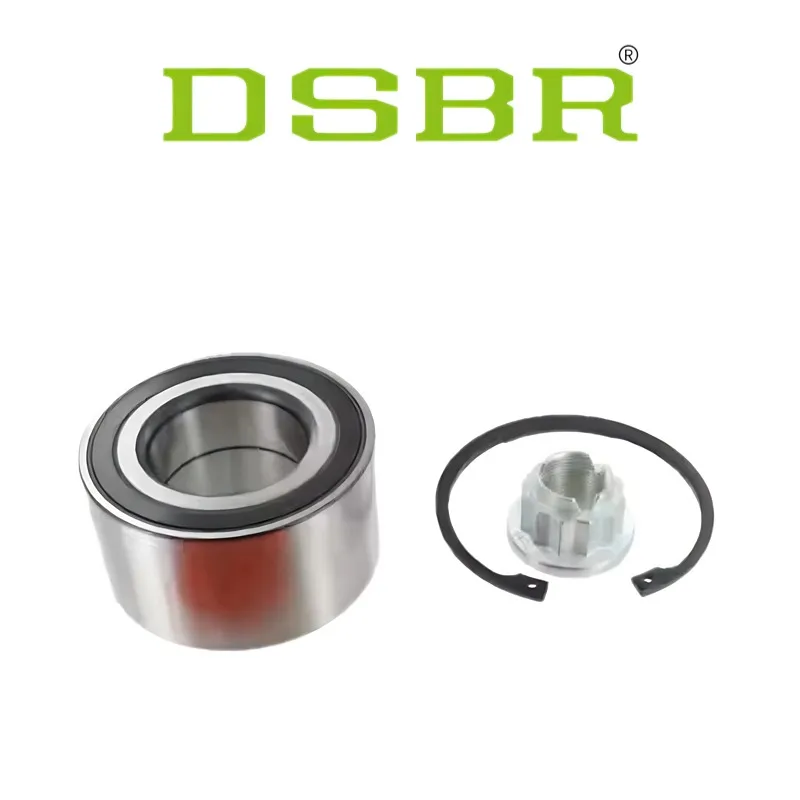
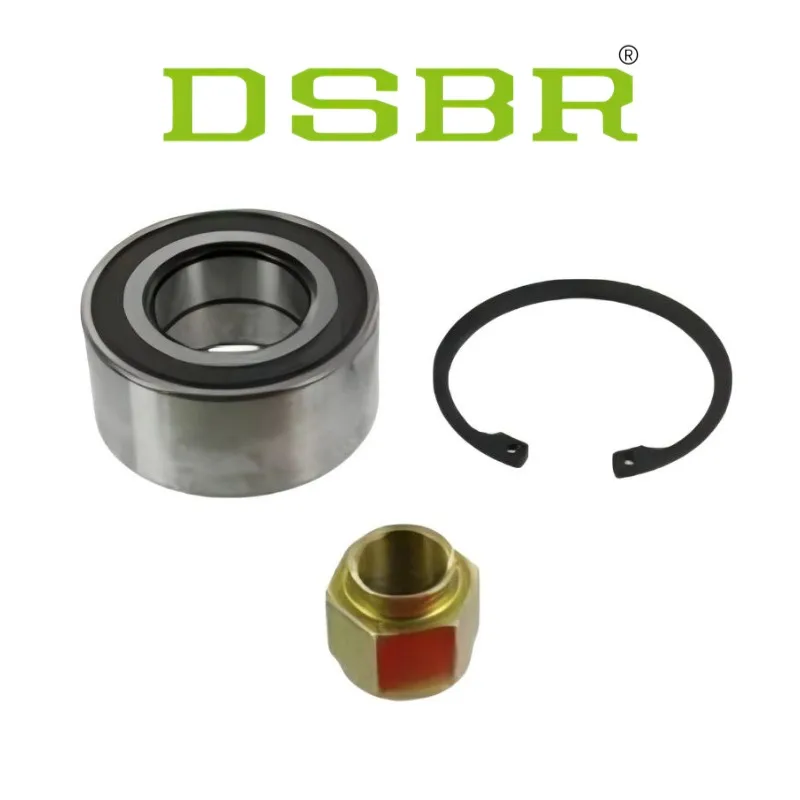
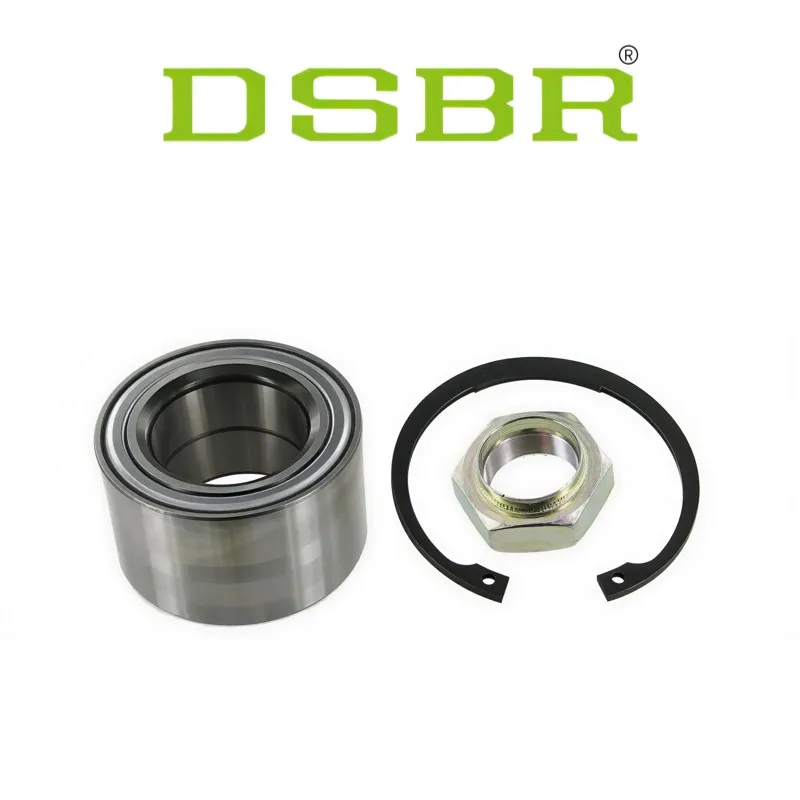
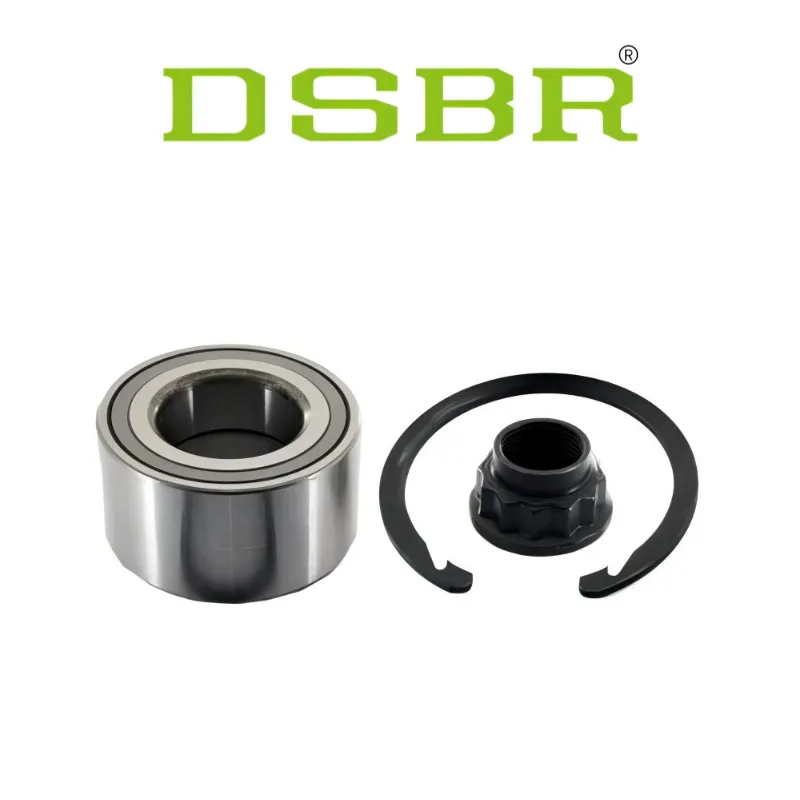
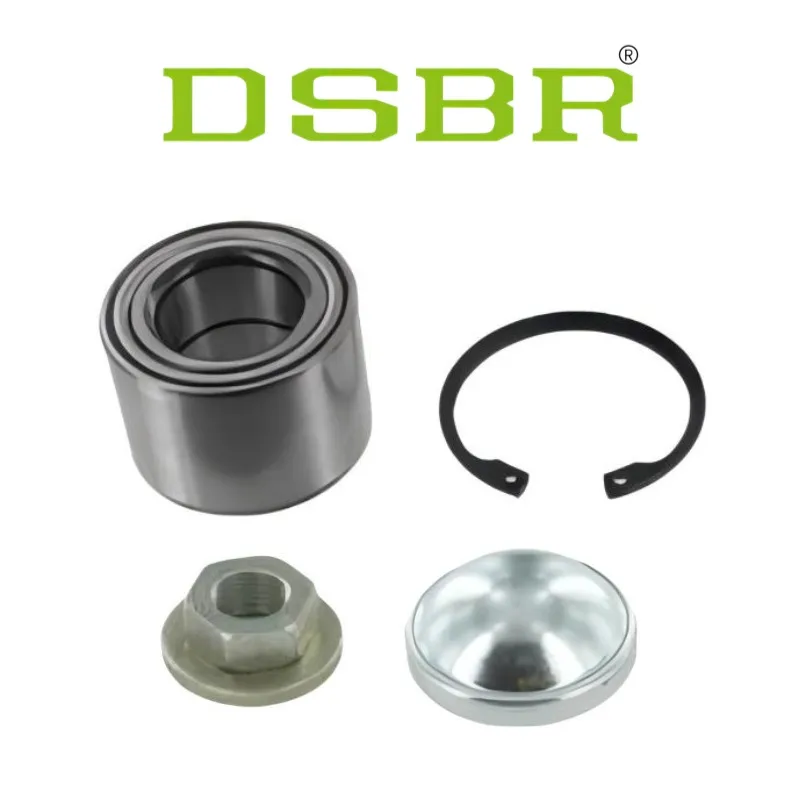
.webp "VKBA 906-Wheel Bearing Kit")