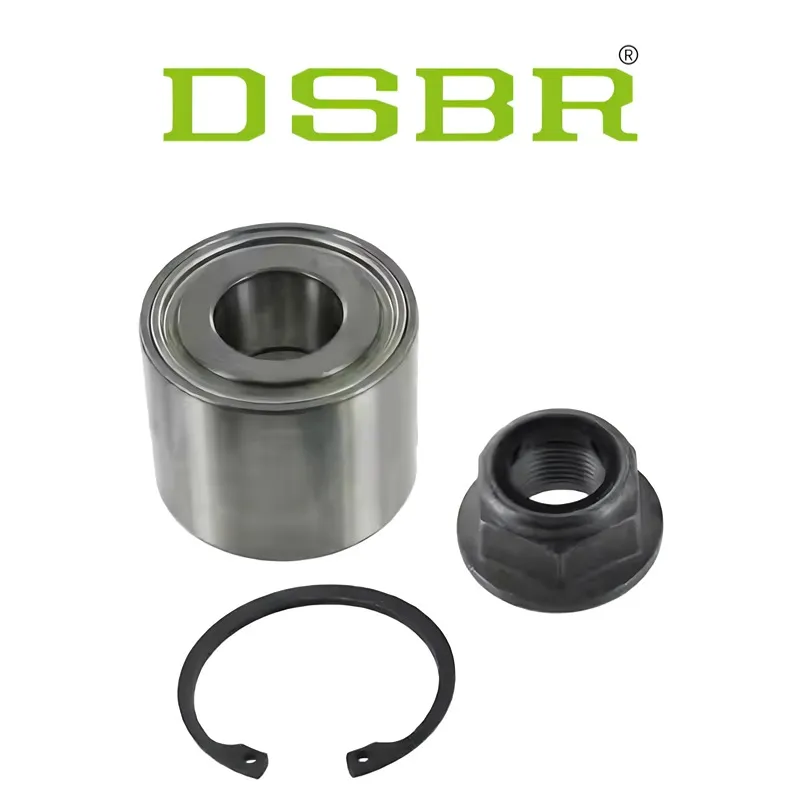
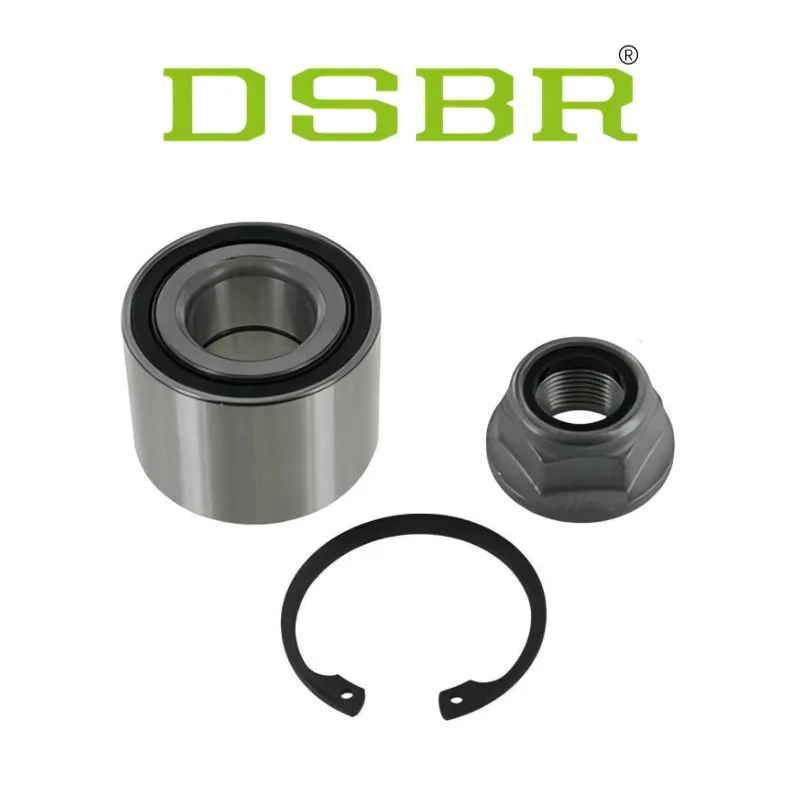
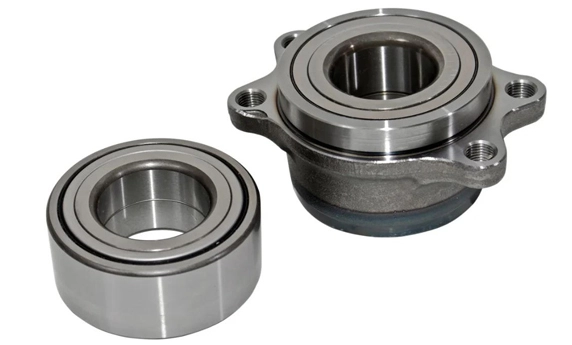
What Are Bearings and Why Are They Important?
Although bearings are often hidden inside machines and equipment, they are among the most critical components in modern mechanical systems.From automobiles and industrial machinery to agricultural equipment and household appliances, bearings help ensure smooth, reliable, and efficient operation.By supporting moving parts and minimizing friction, bearings enable machines to perform their functions with greater precision, lower energy consumption, and longer service life.In this article, we will explore what bearings are, how they work, and why they are indispensable in countless applications.
Common Types of Bearings
Different operating conditions require different bearing designs. The most commonly used bearing types include:
Each type is designed to handle specific combinations of radial loads, axial loads, speeds, and operating environments.
The Function of Bearings
The primary purpose of a bearing is to support motion while reducing friction between moving components.Consider a rotating shaft inside a machine. Without a bearing, direct metal-to-metal contact would generate excessive friction, heat, and wear, eventually leading to component failure.Bearings create a smooth rolling interface between moving parts, allowing motion to occur with minimal resistance. As a result, machinery operates more efficiently, consumes less energy, and experiences reduced maintenance requirements.In addition to reducing friction, bearings help maintain proper alignment, support loads, and improve the overall reliability of mechanical systems.
How Bearings Operate
At first glance, bearings may appear to be simple mechanical parts. However, their operating principle is based on highly engineered rolling elements and precision-manufactured raceways.
Most bearings function by replacing sliding friction with rolling friction. Balls or rollers positioned between inner and outer rings roll smoothly as the shaft rotates, significantly reducing resistance and wear.Lubrication also plays a crucial role in bearing performance. A proper lubricant forms a protective film between contact surfaces, reducing friction, minimizing heat generation, and preventing corrosion.When correctly selected, installed, and maintained, bearings can provide years of dependable service even under demanding operating conditions.
Types of Bearings
Bearings are available in a wide variety of designs to accommodate different operating conditions, load requirements, and performance expectations. They are commonly categorized according to load direction and structural configuration.
Classification by Load Type
Radial Bearings
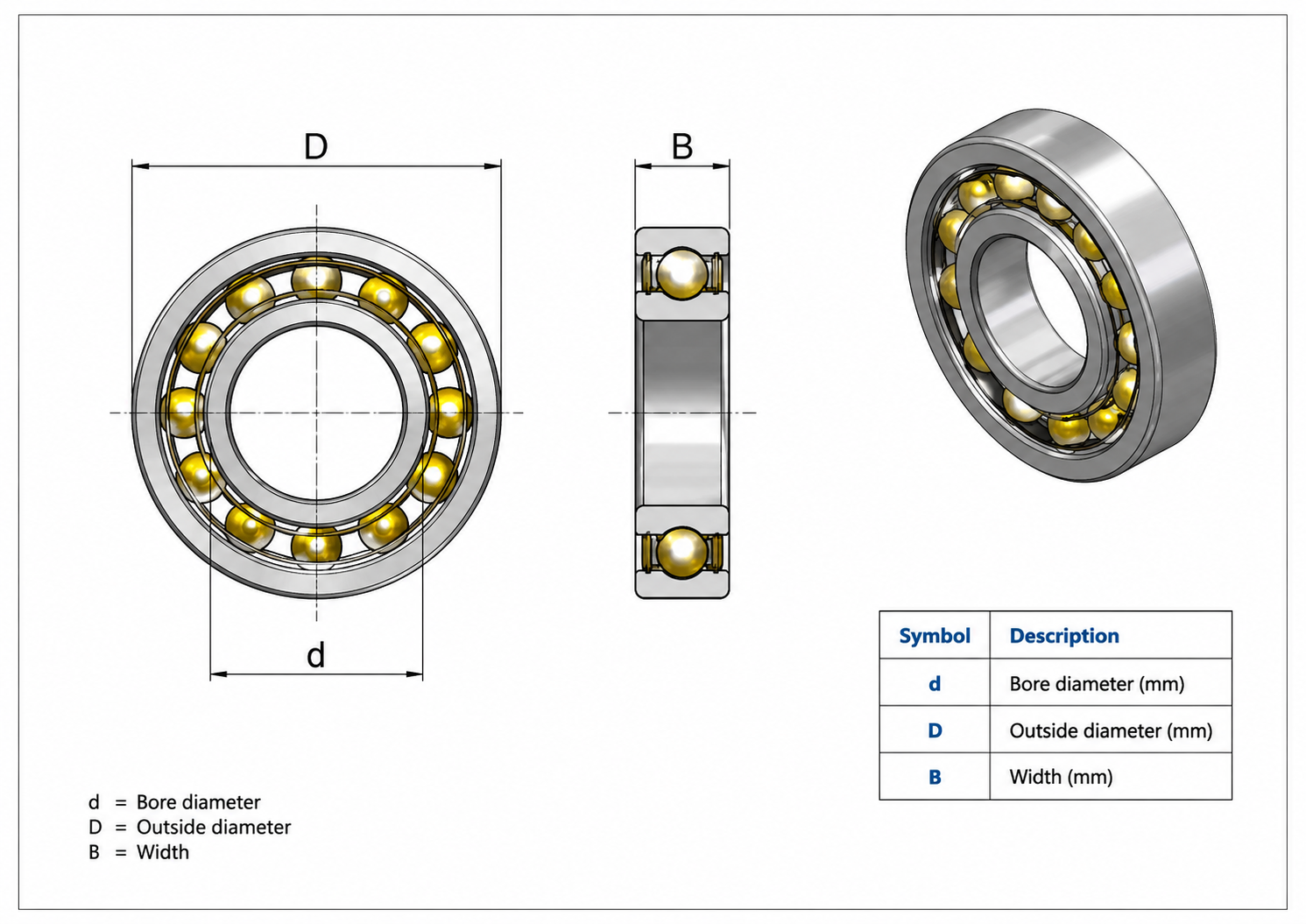
Radial bearings are engineered to support forces acting perpendicular to the shaft centerline.They are among the most widely used bearing types and are commonly found in electric motors, gearboxes, conveyors, and industrial machinery. Deep groove ball bearings and cylindrical roller bearings are typical examples of radial bearings.Their design allows smooth rotation while efficiently carrying radial loads generated during operation.
Thrust Bearings
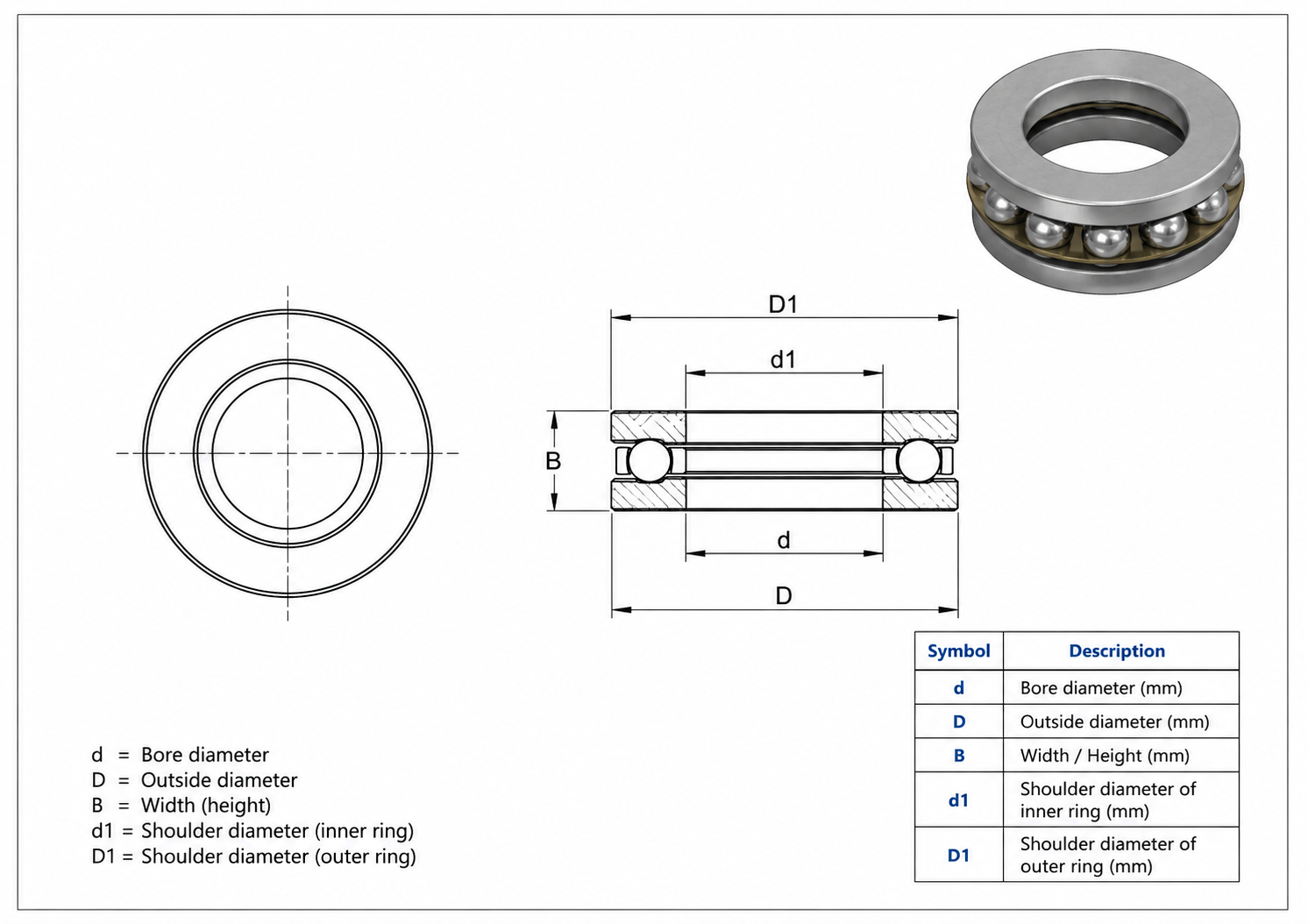
Thrust bearings are specifically designed to accommodate loads acting parallel to the shaft axis.Unlike radial bearings, these bearings focus on supporting axial forces and are frequently used in automotive transmissions, vertical pumps, cranes, and machine tool spindles.Depending on the application requirements, thrust bearings may utilize balls or rollers as rolling elements.
Angular Contact Bearings
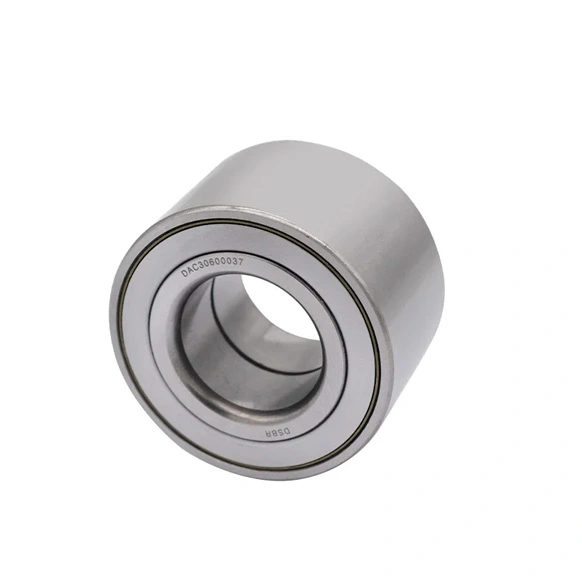
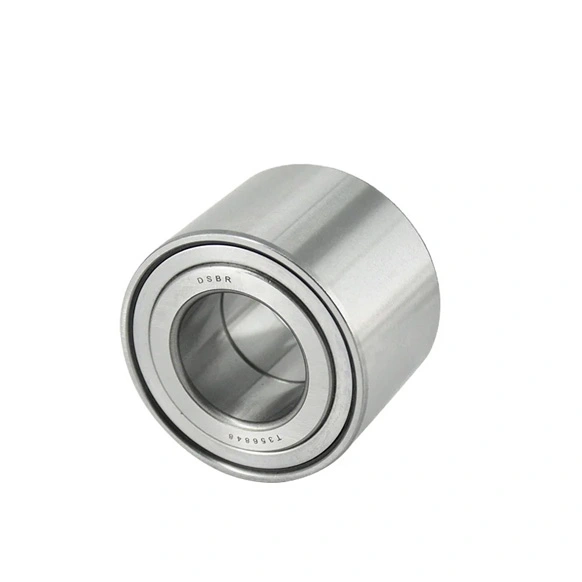
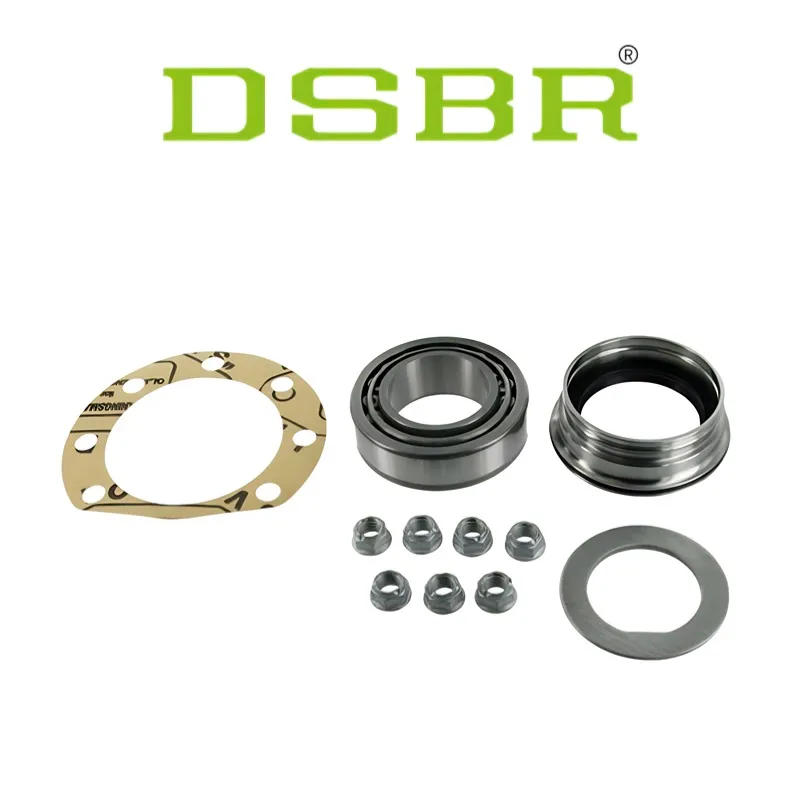
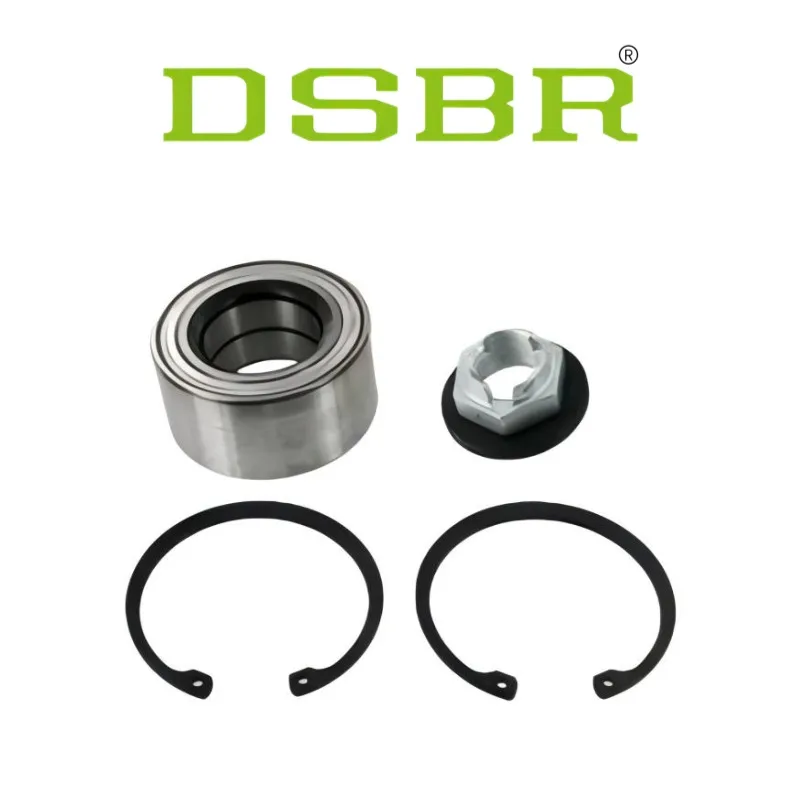
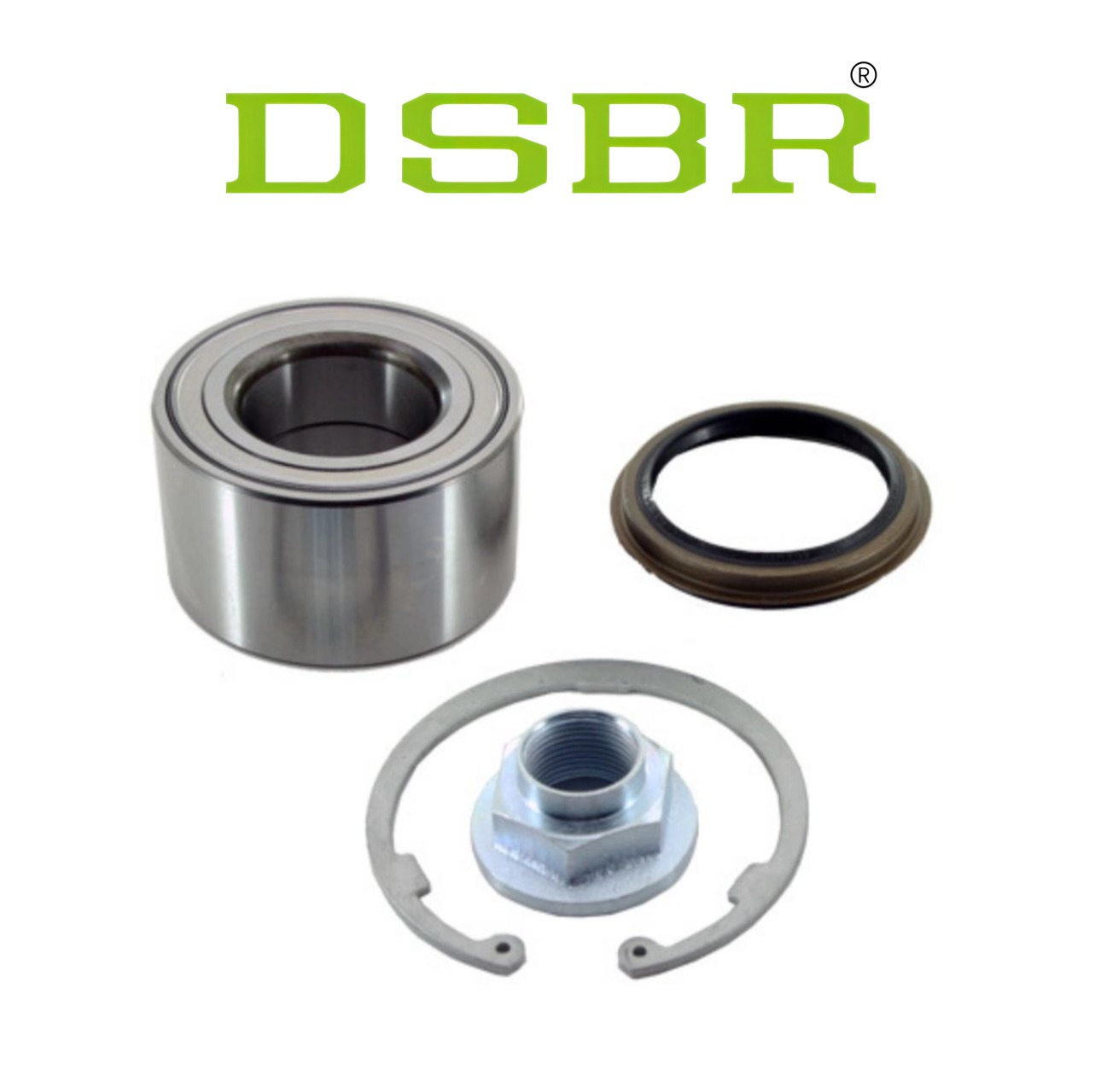
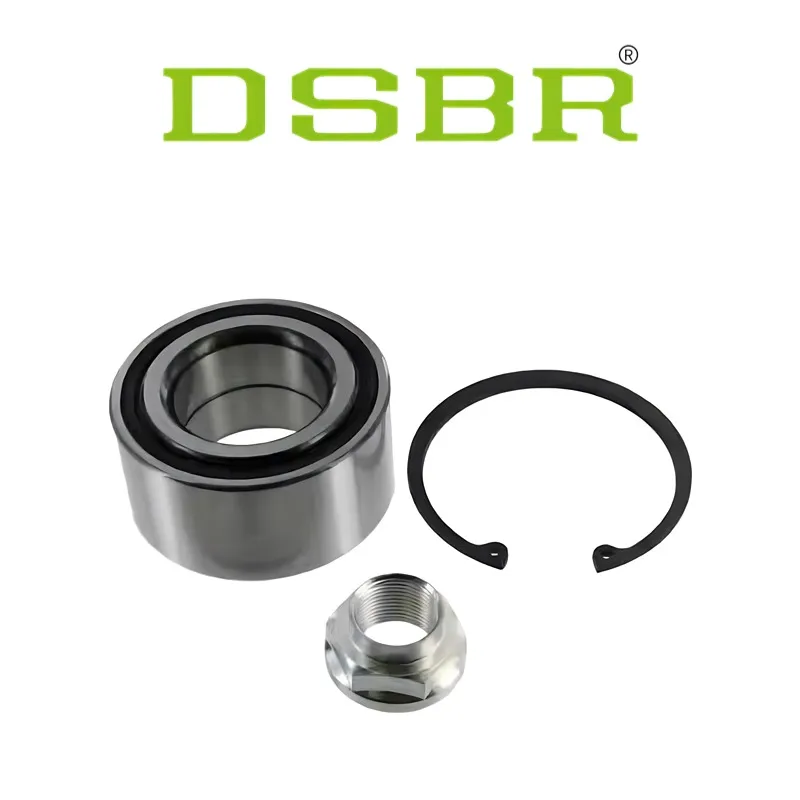
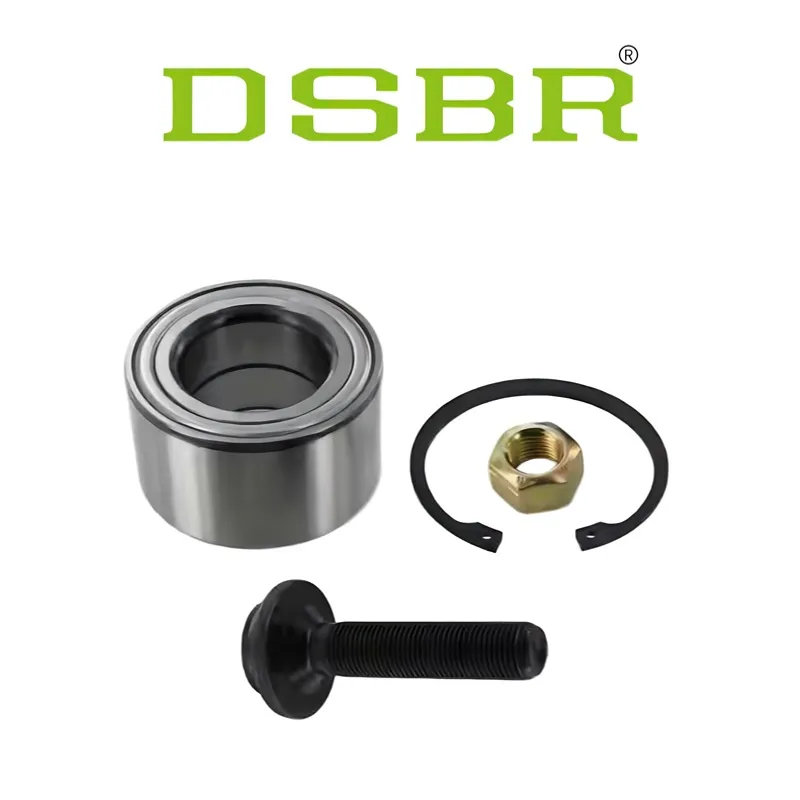
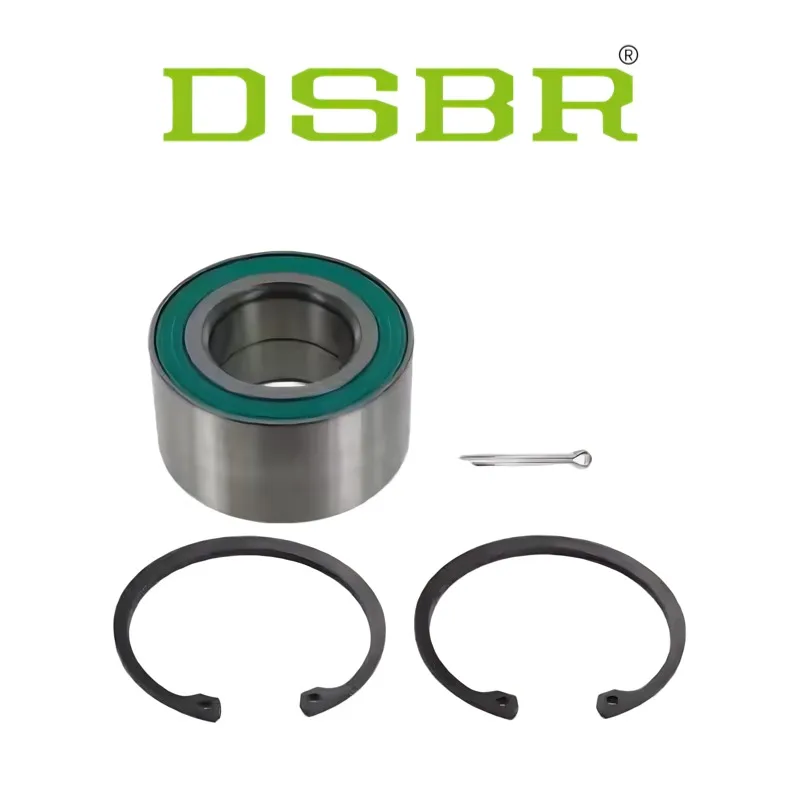
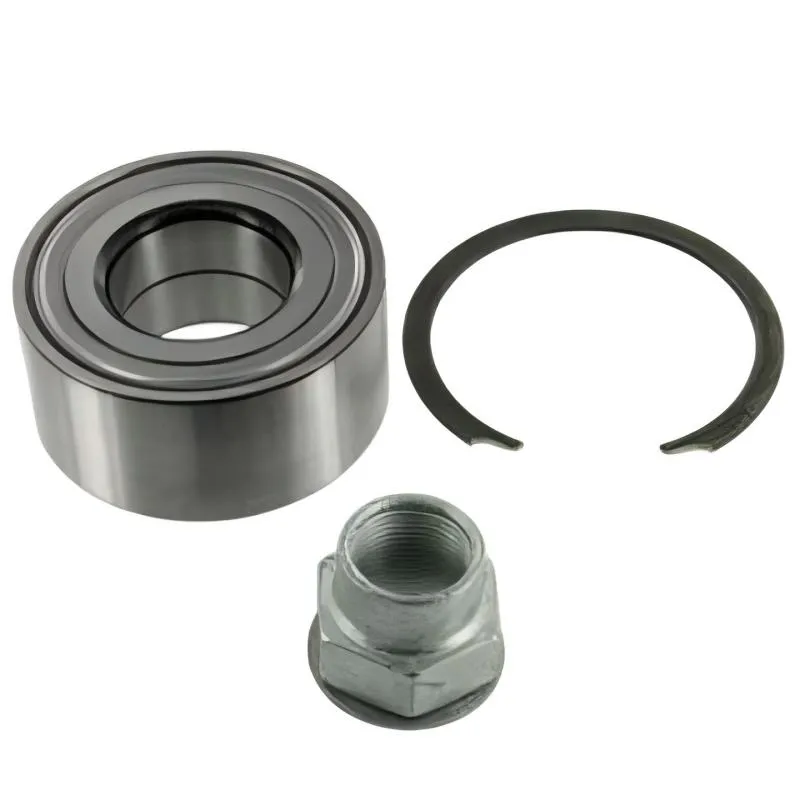
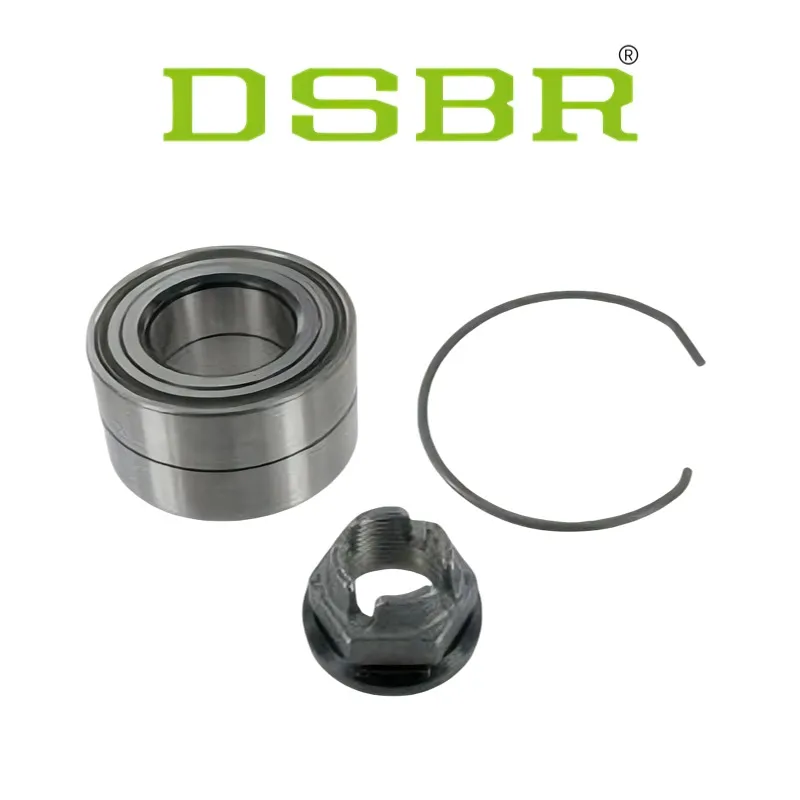
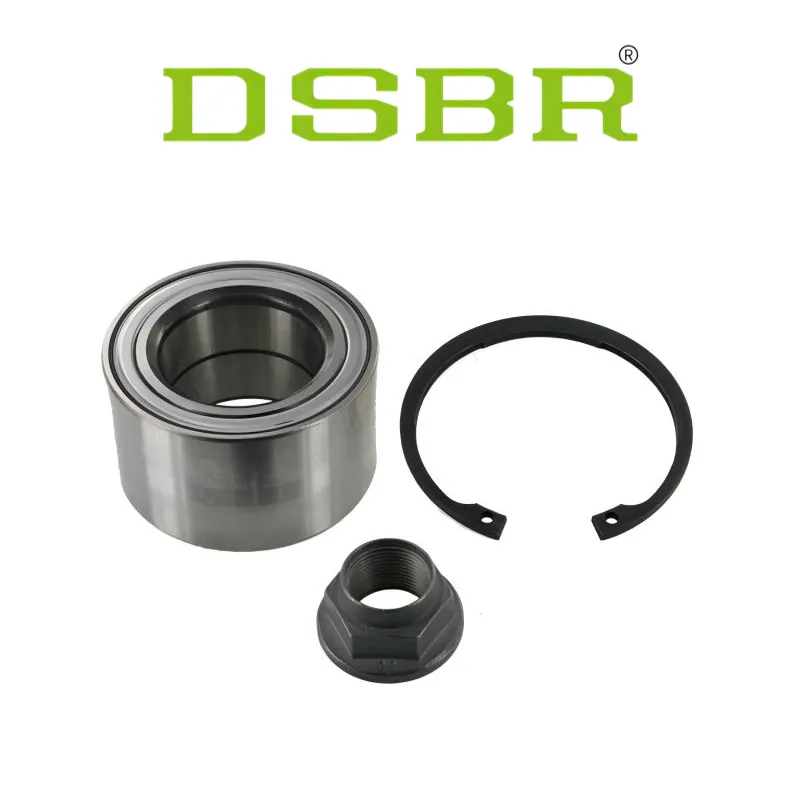
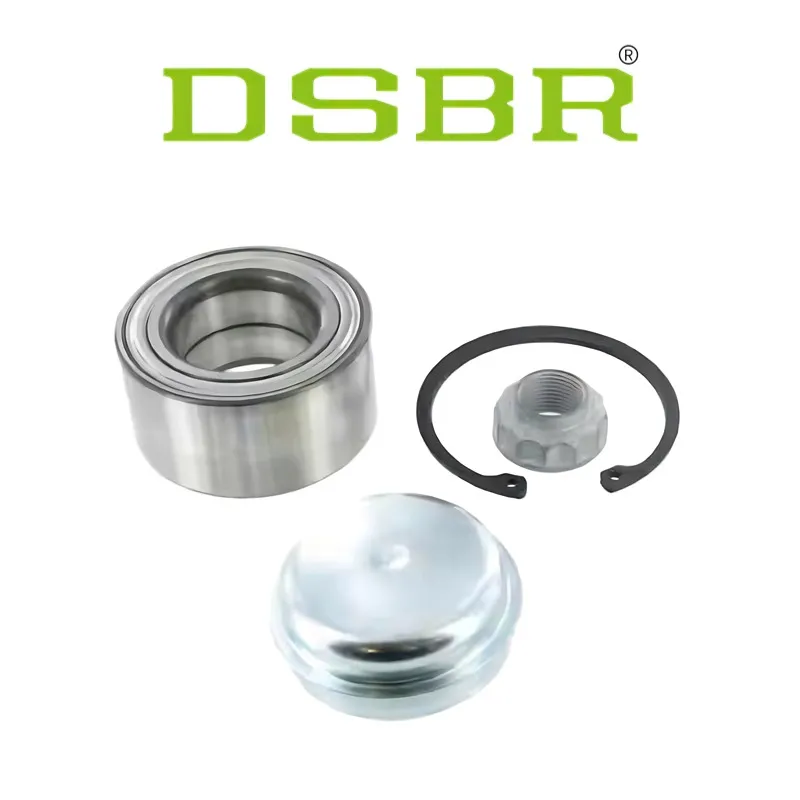
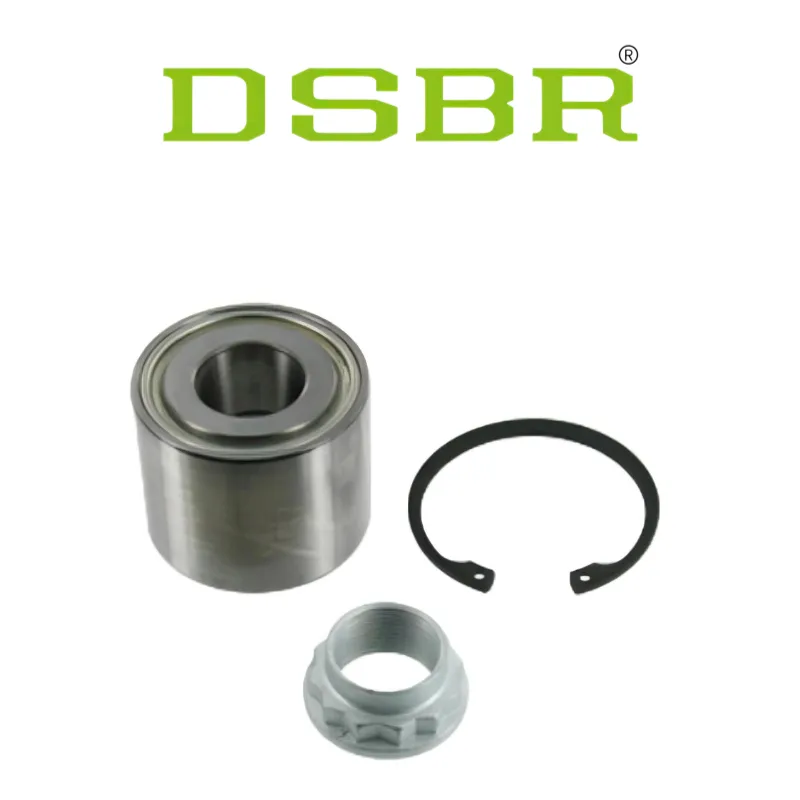
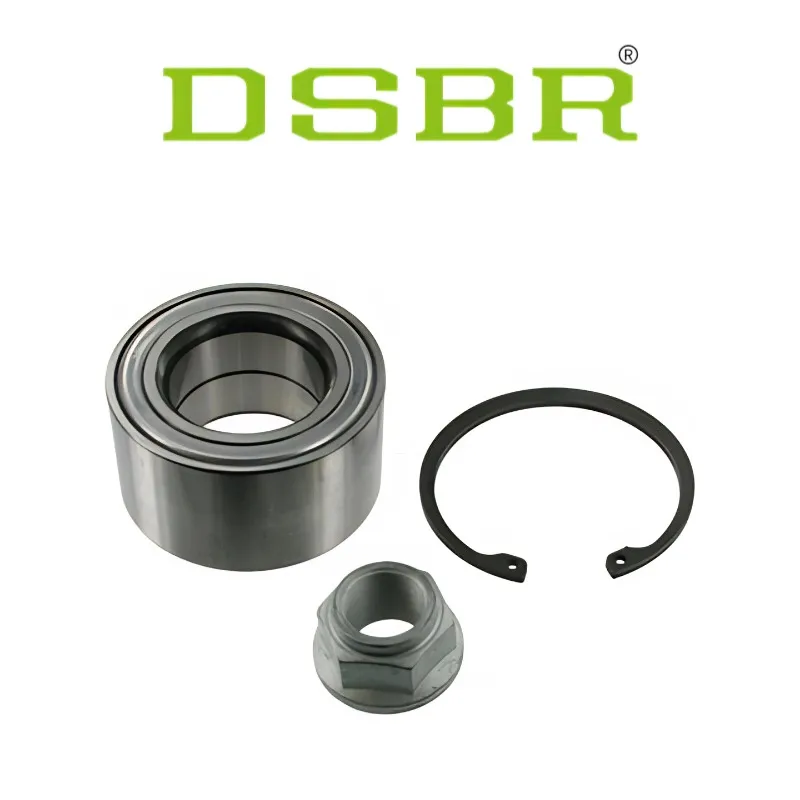
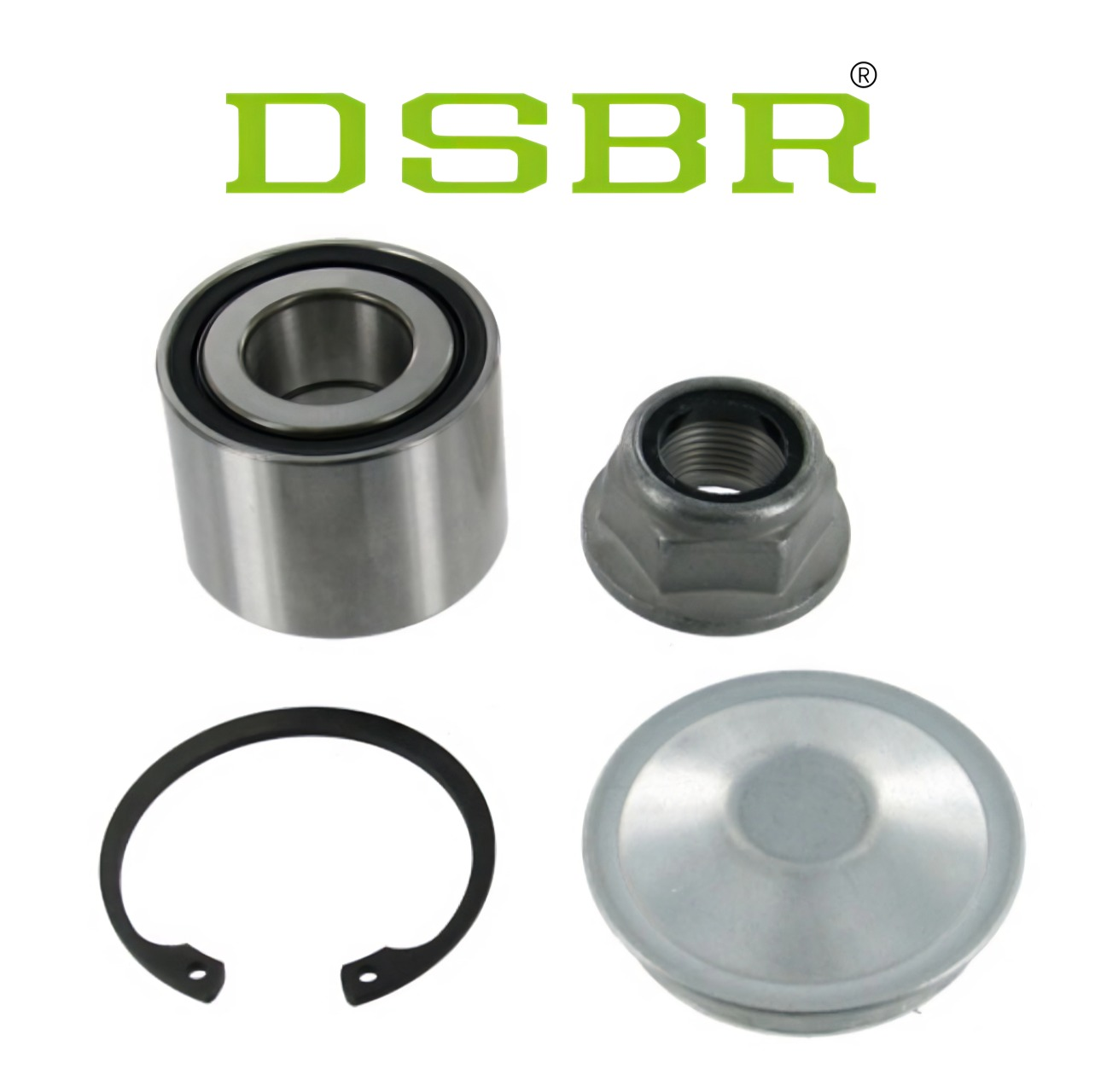
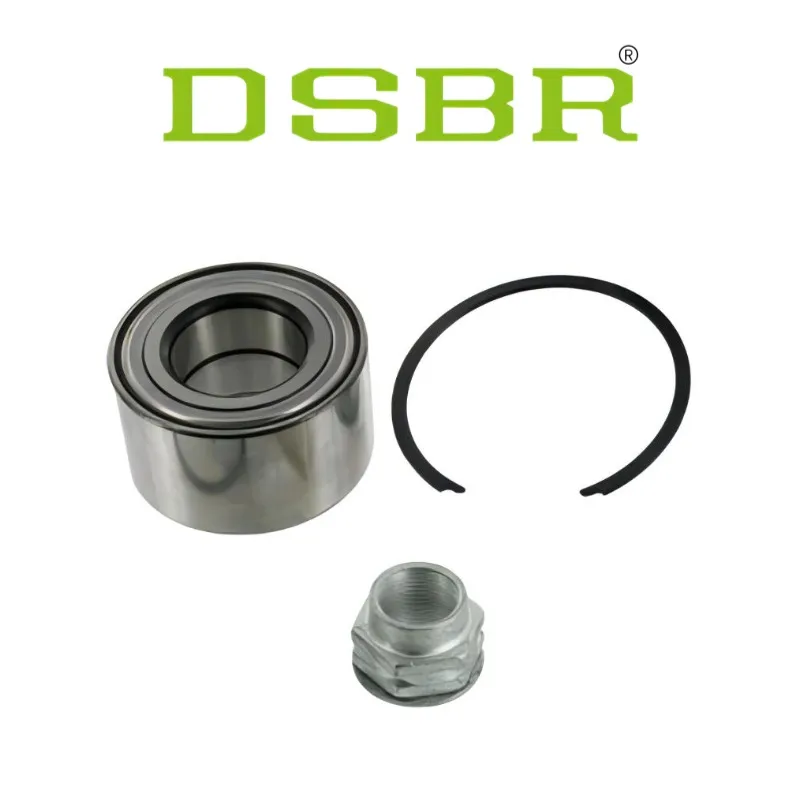
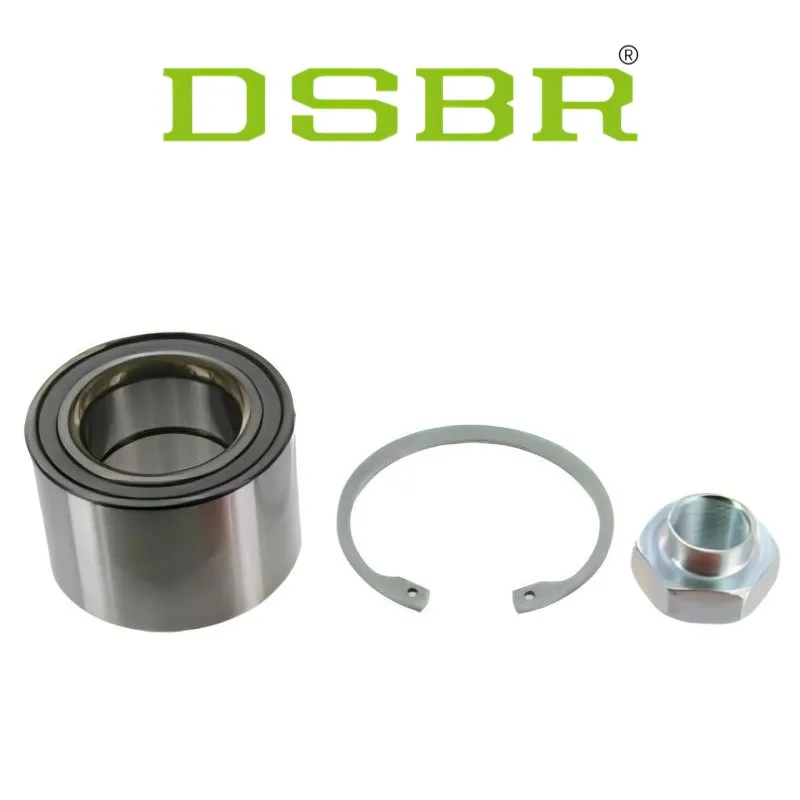
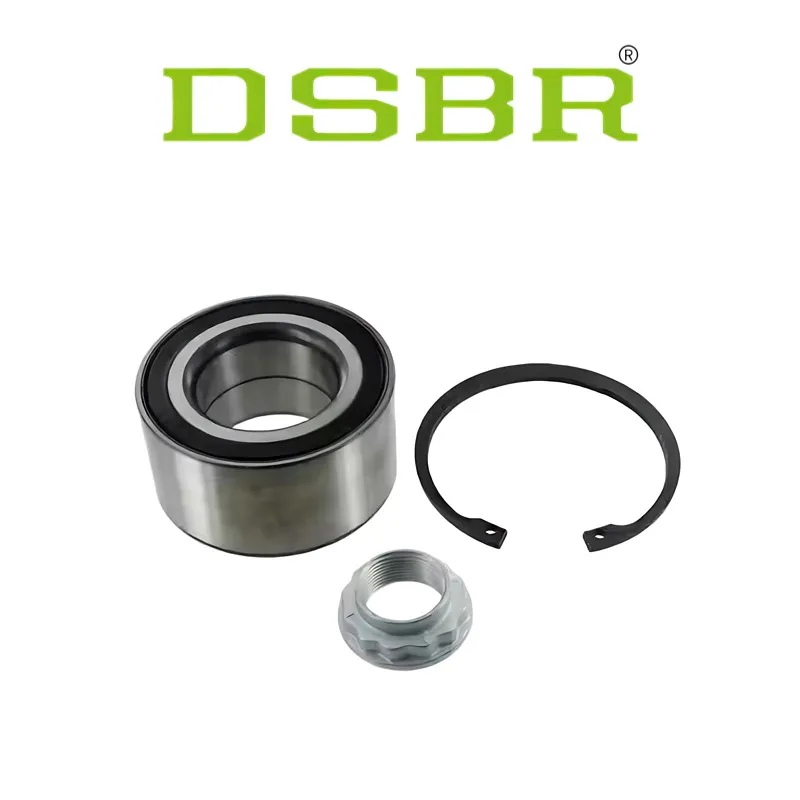
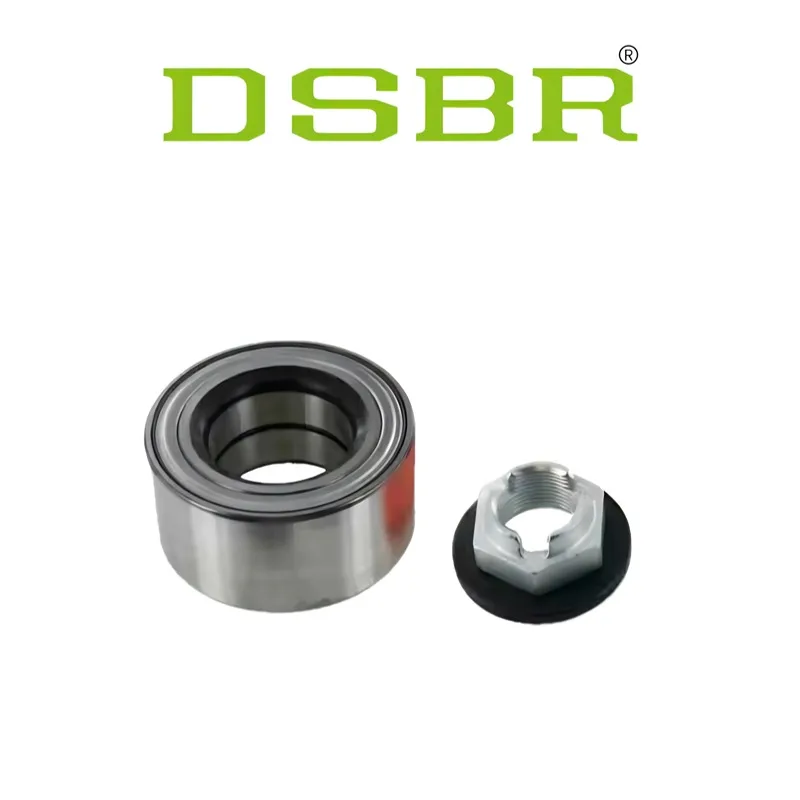
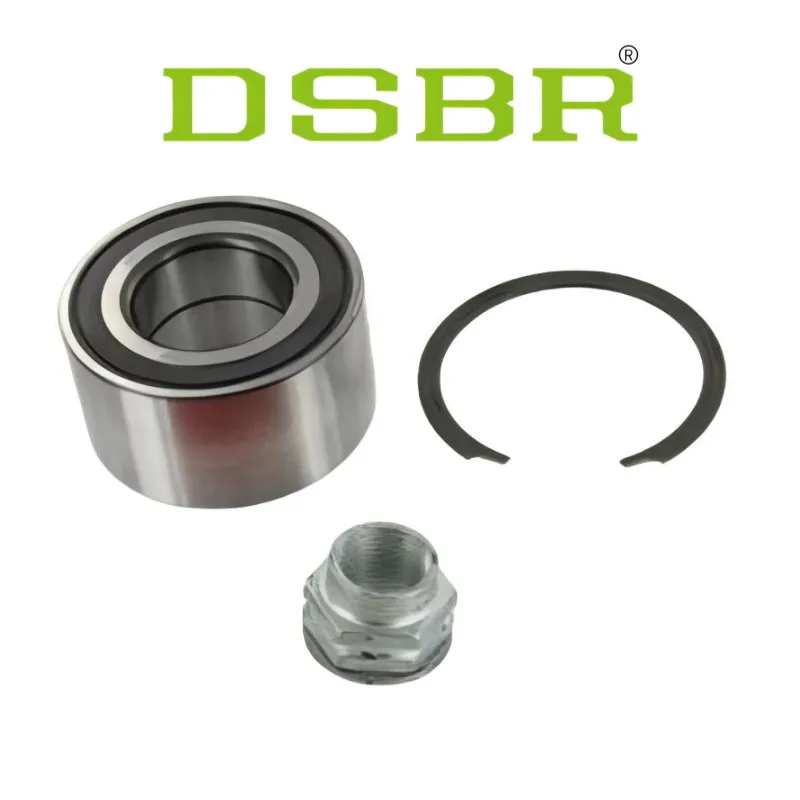
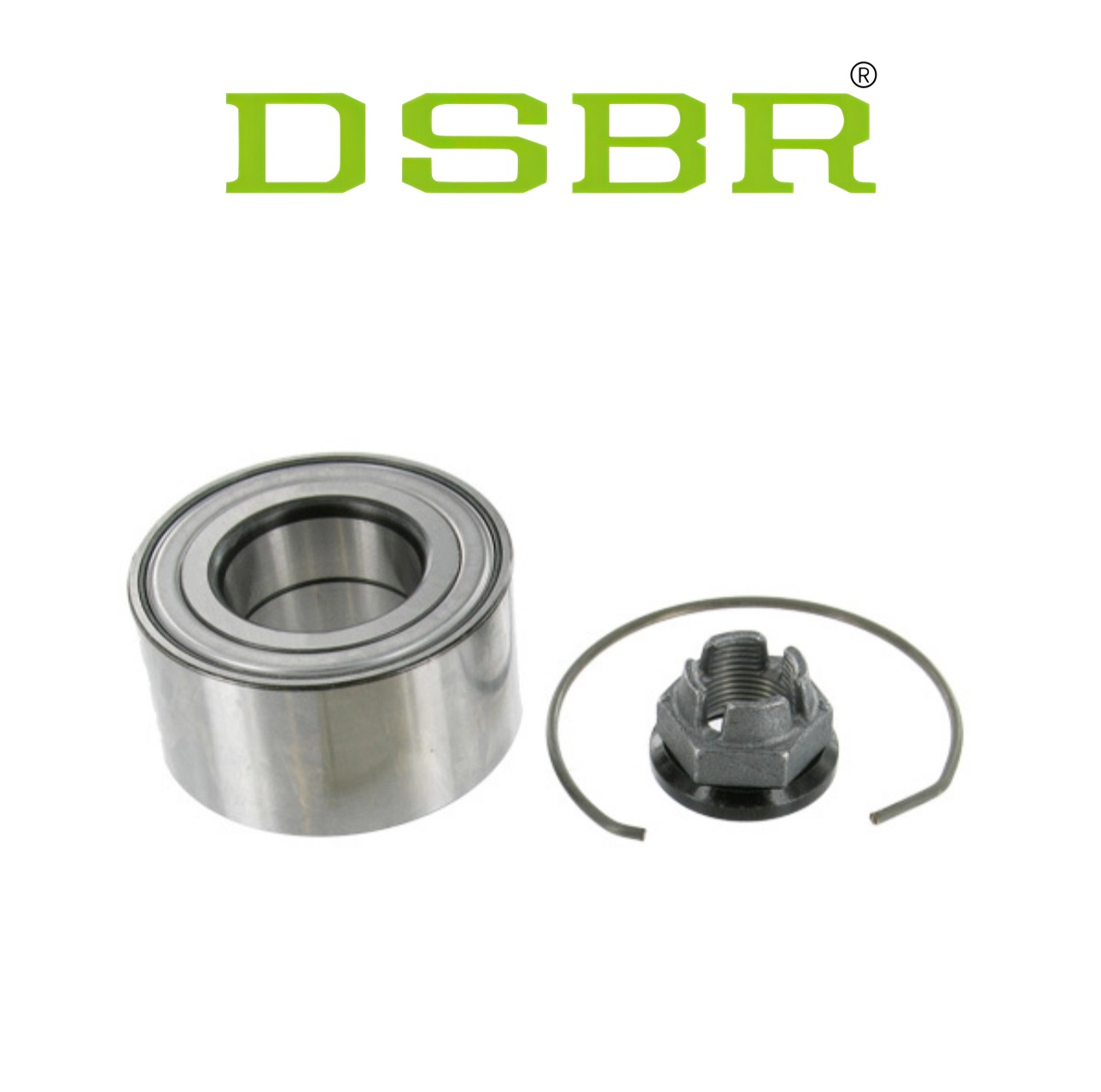
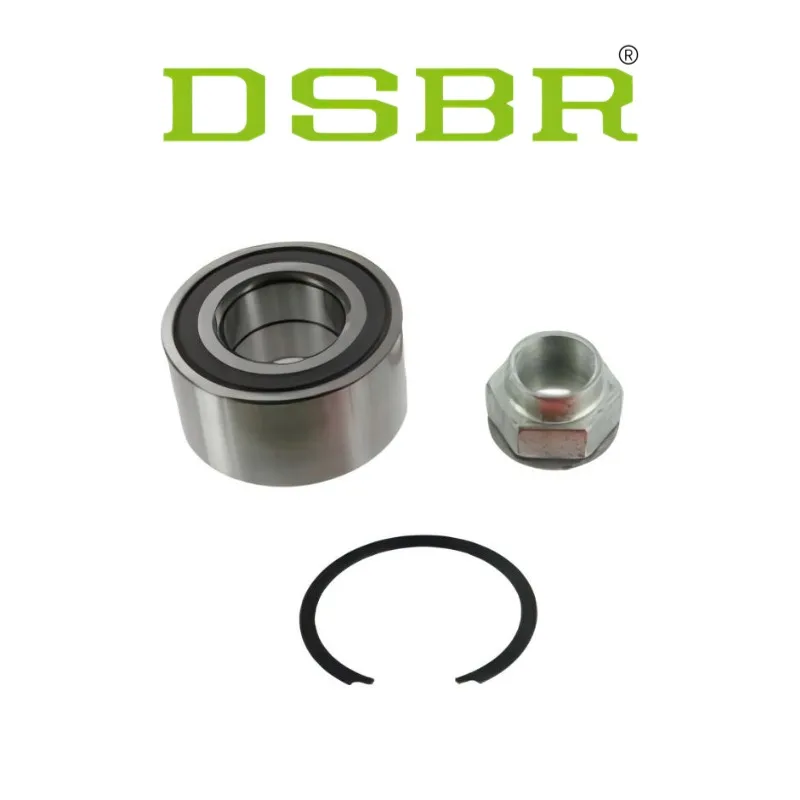
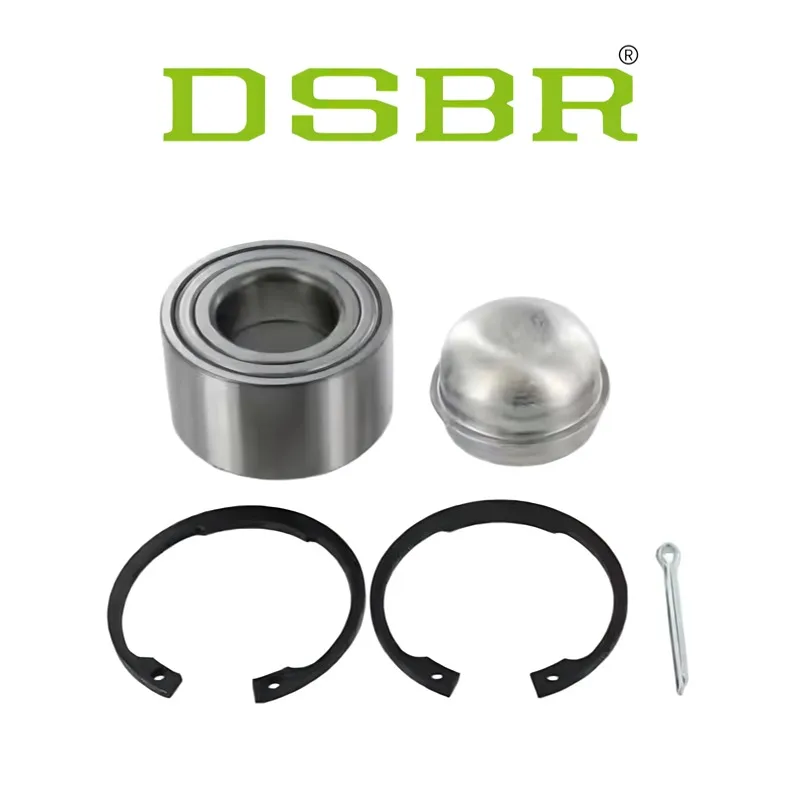
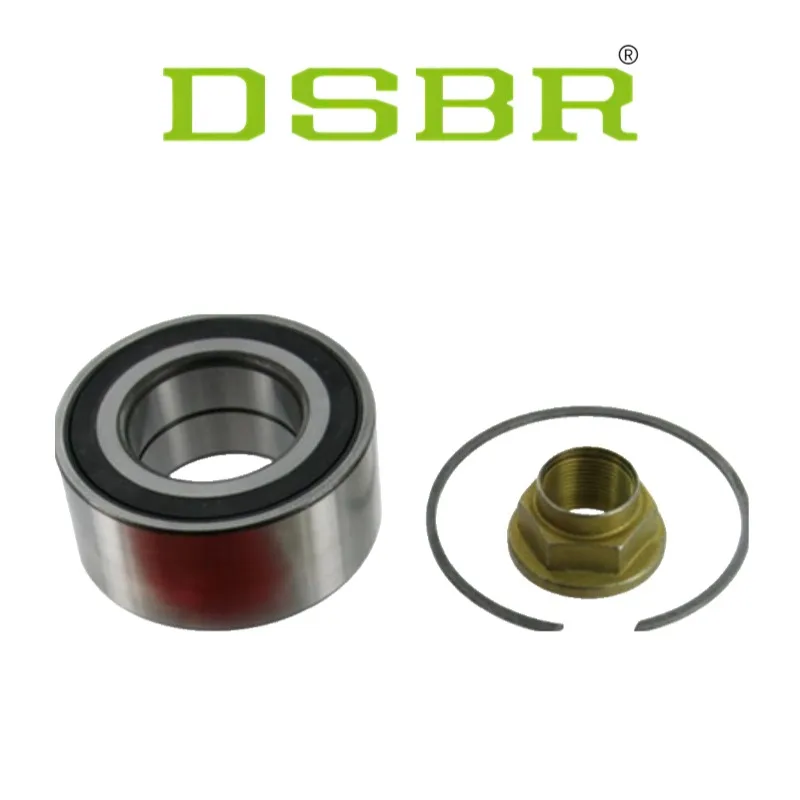
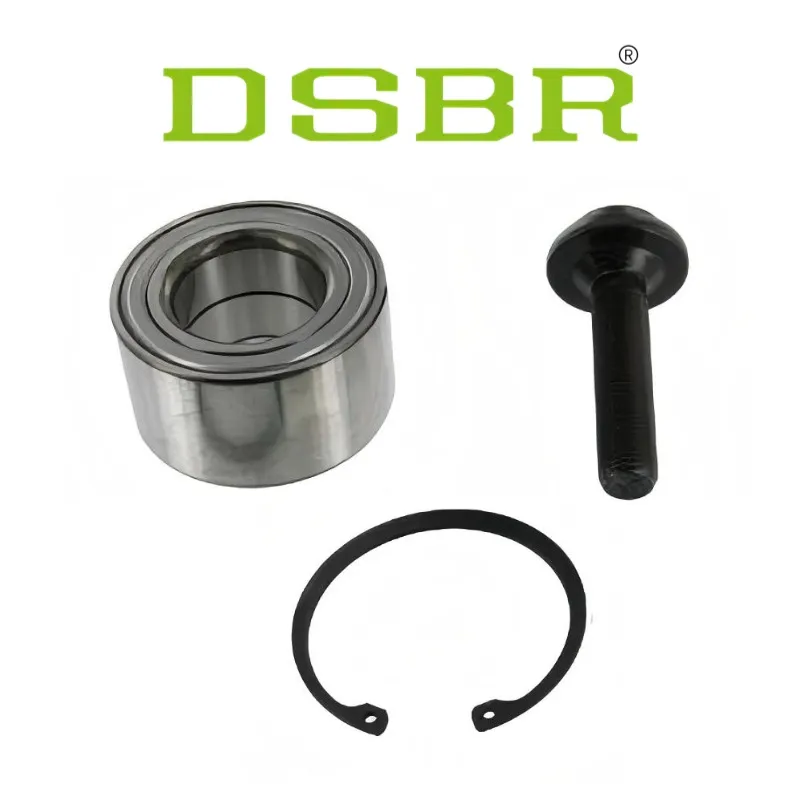
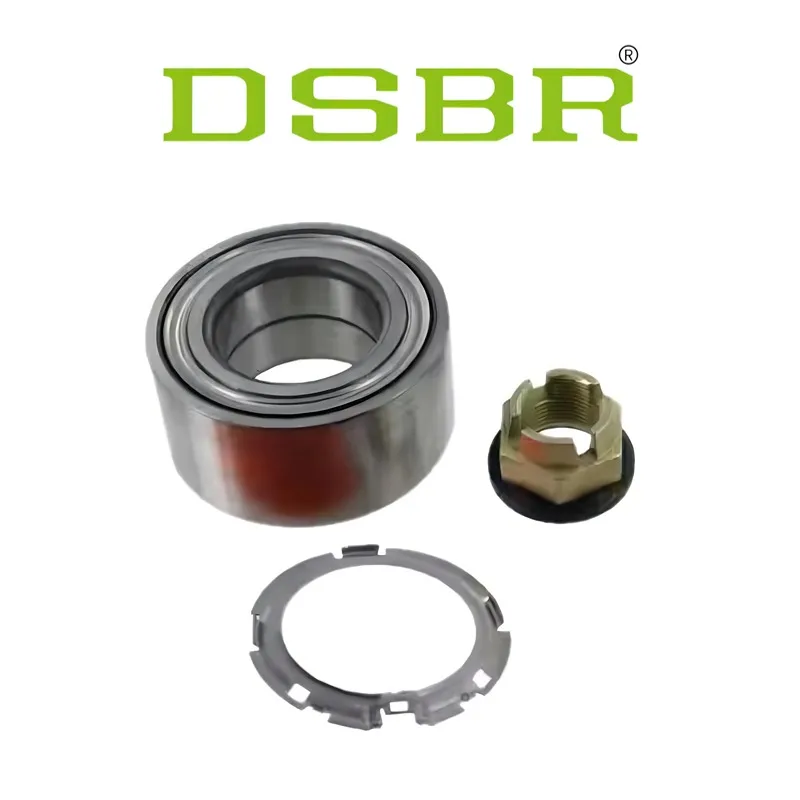
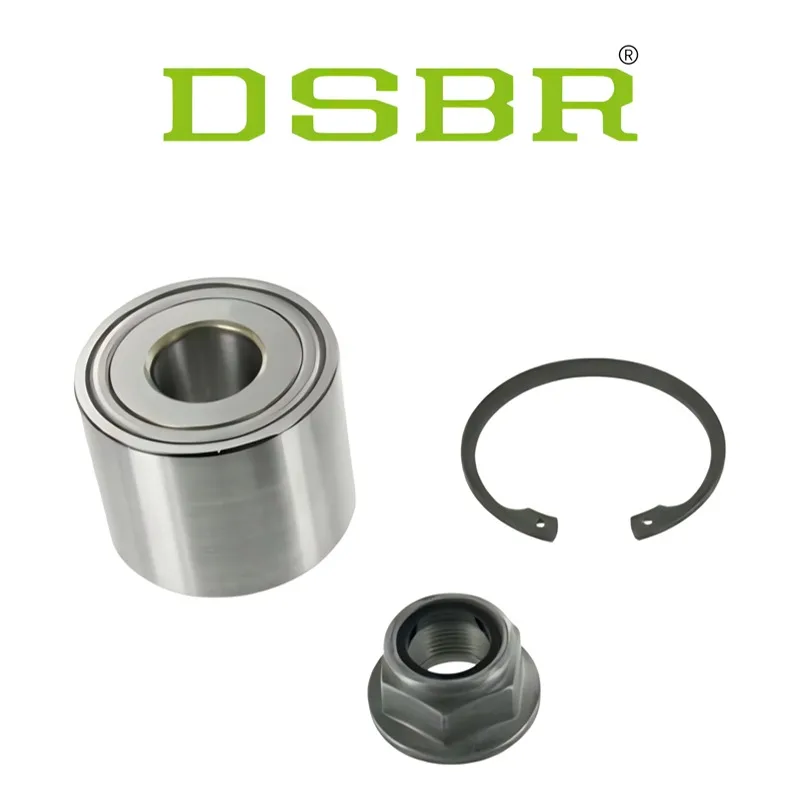
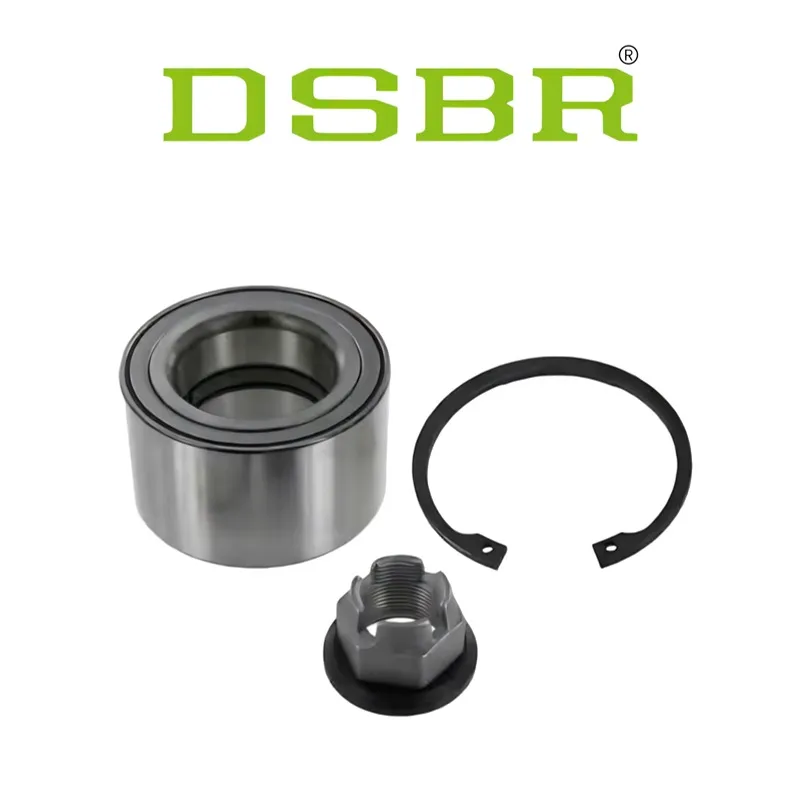
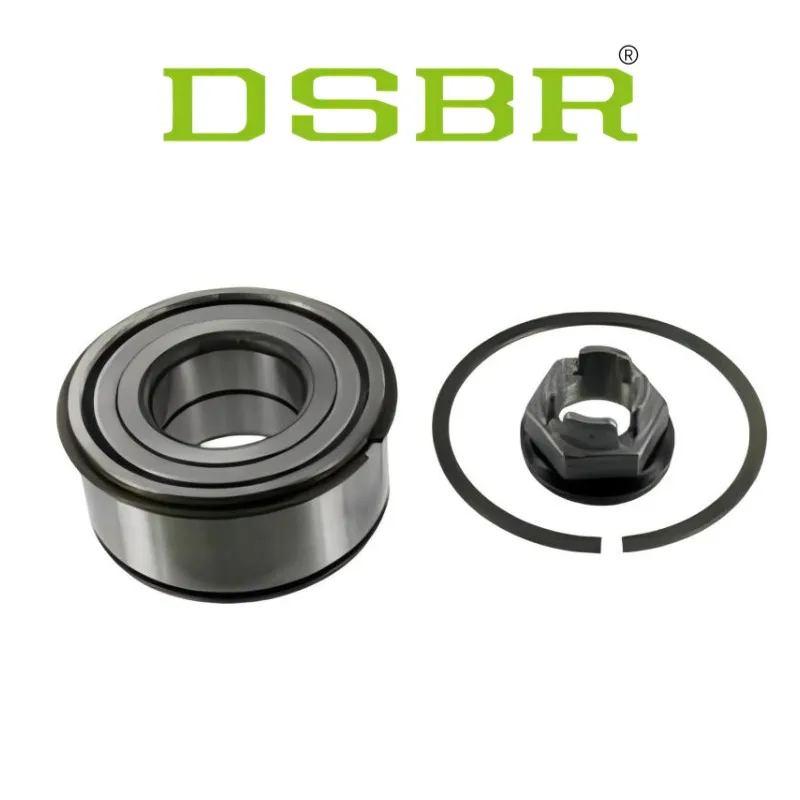
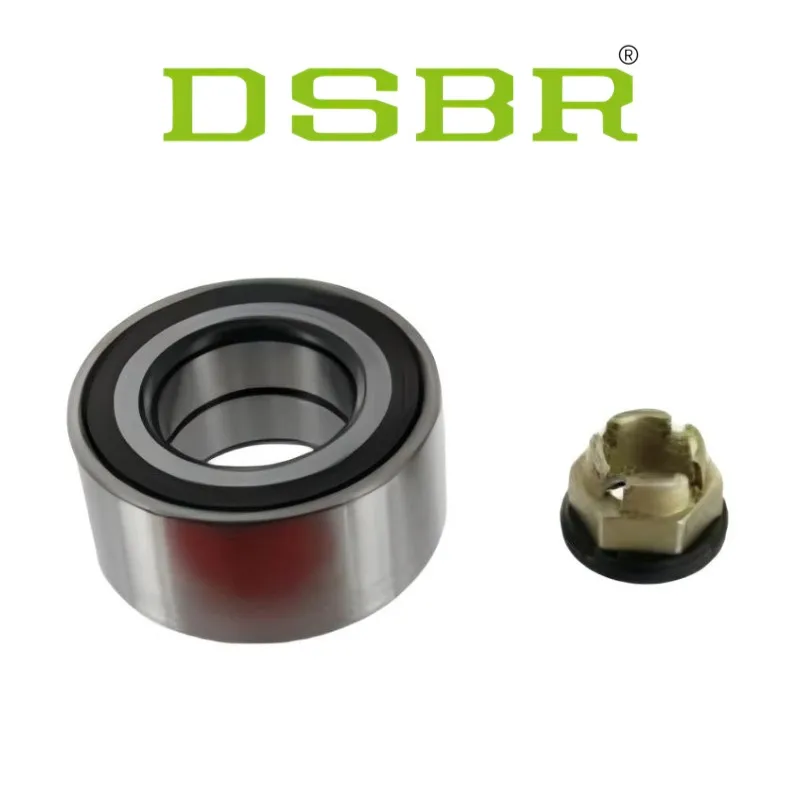
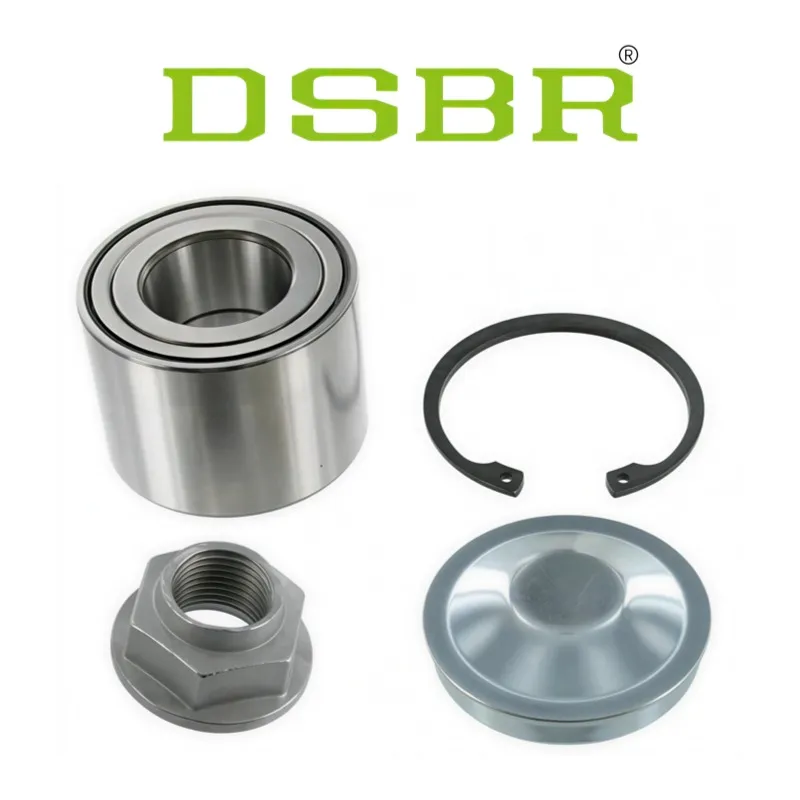
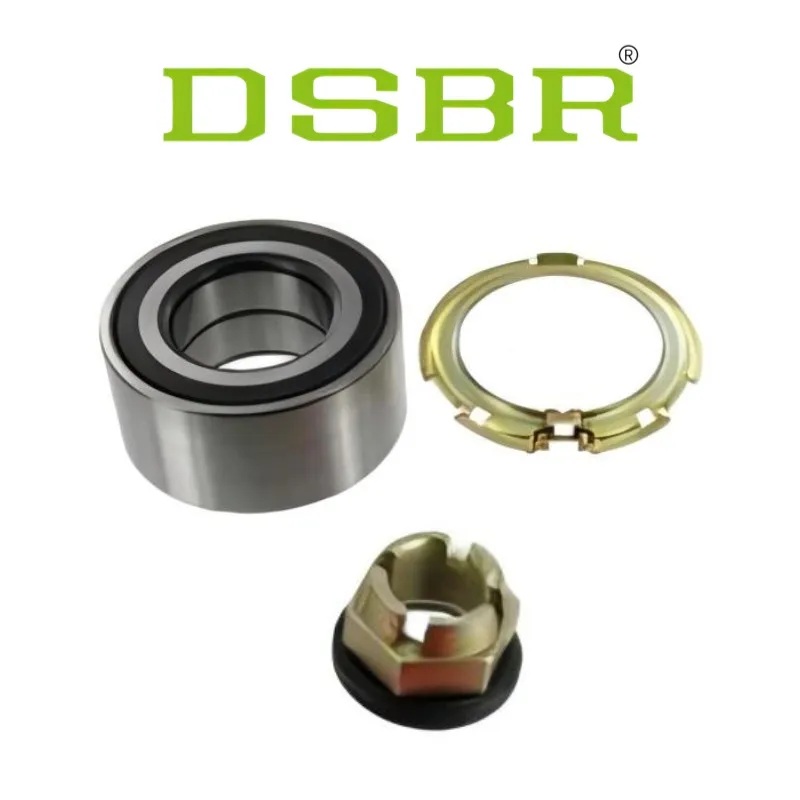
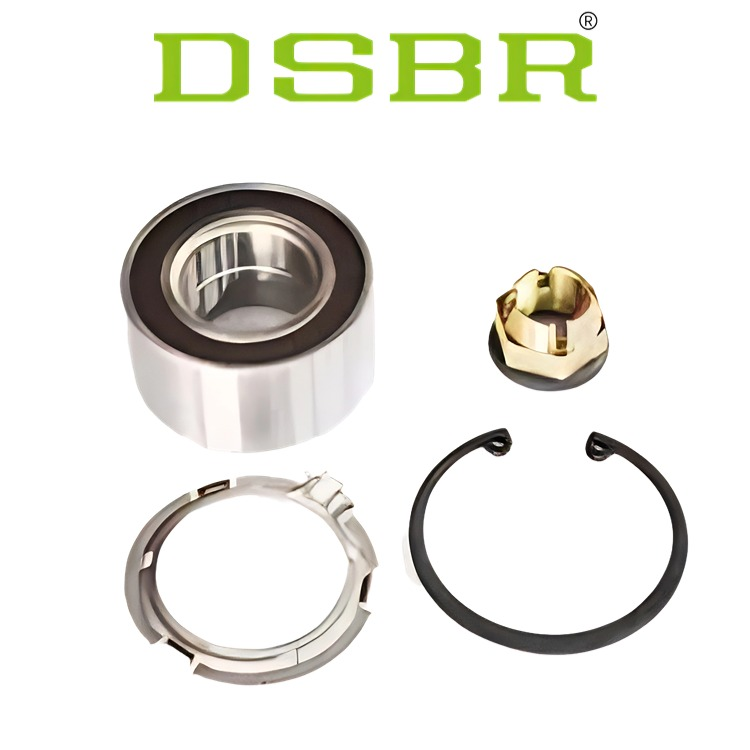
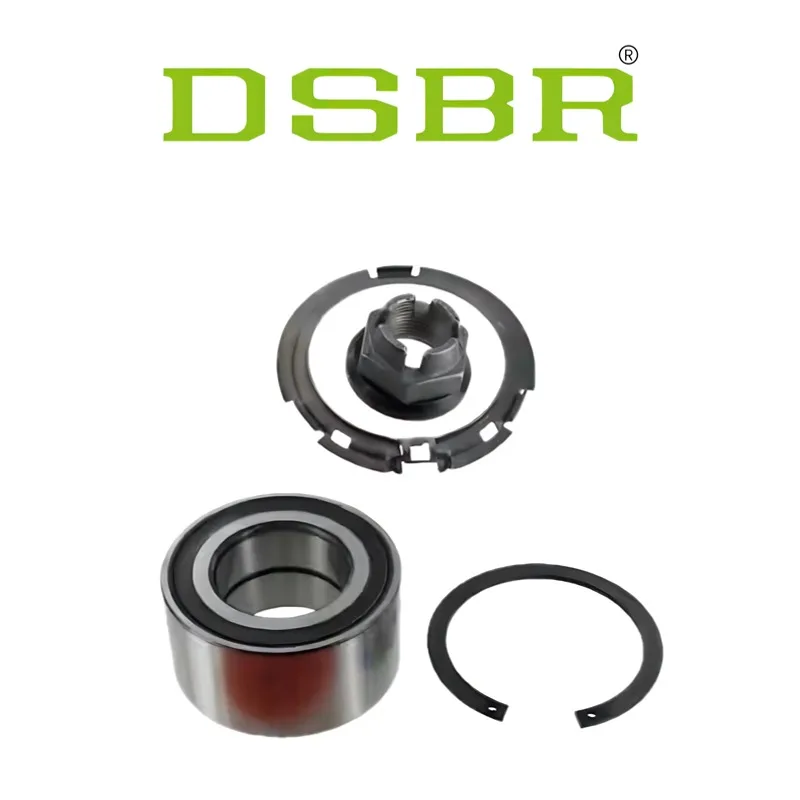
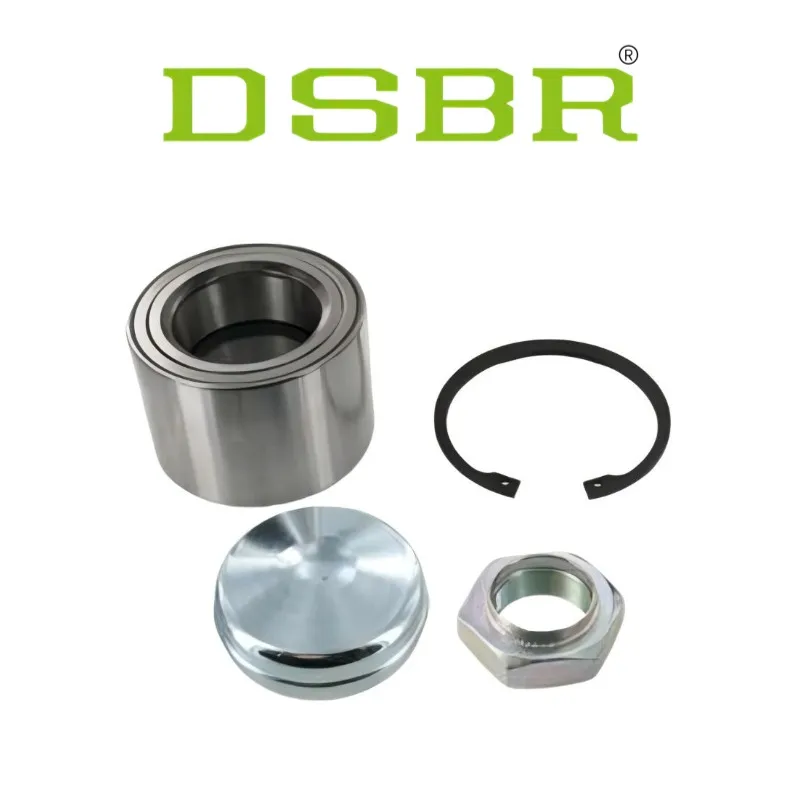
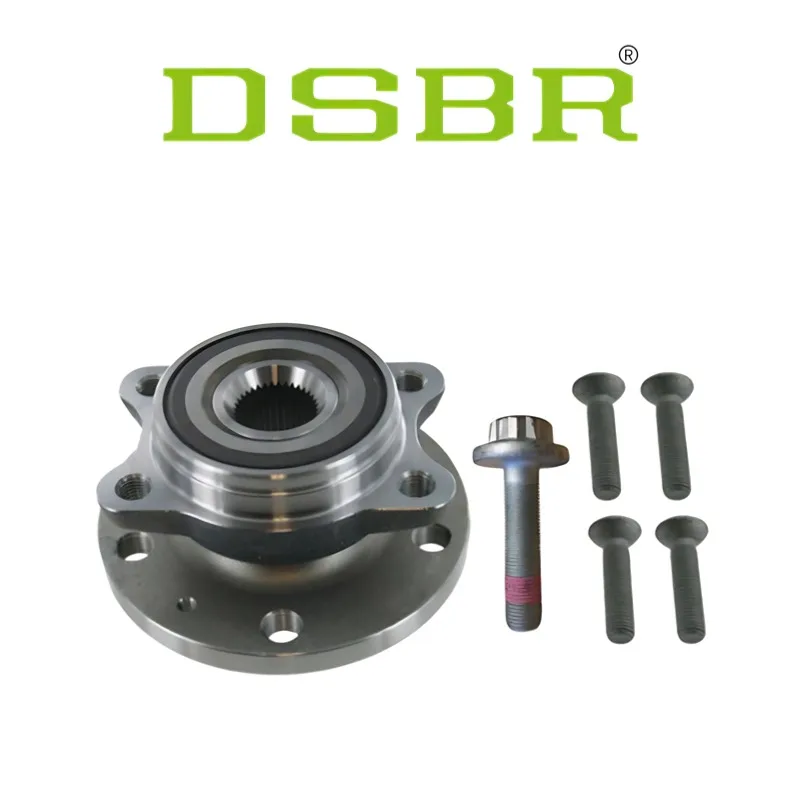
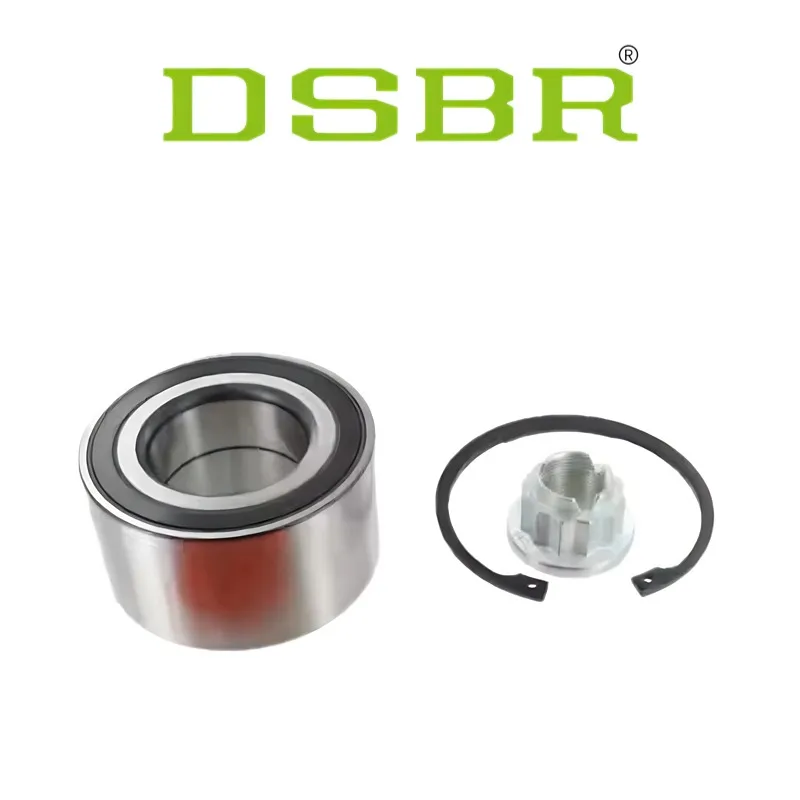
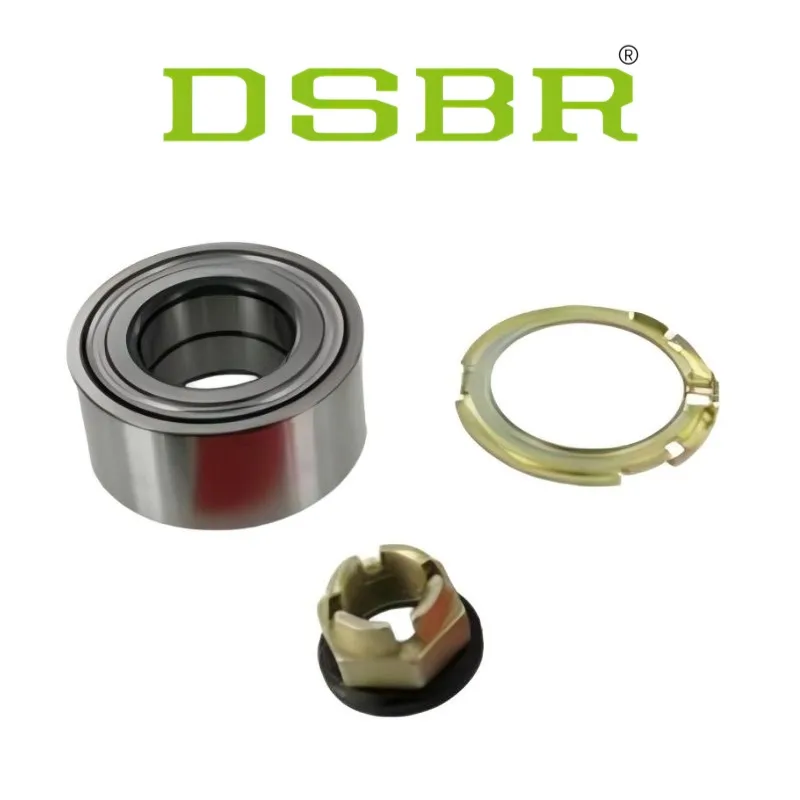
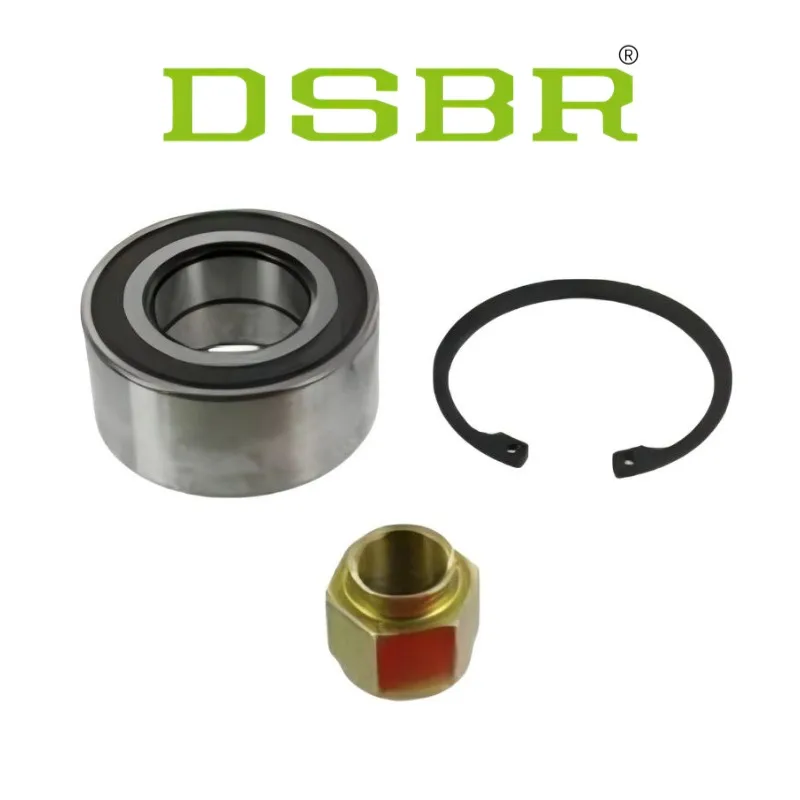
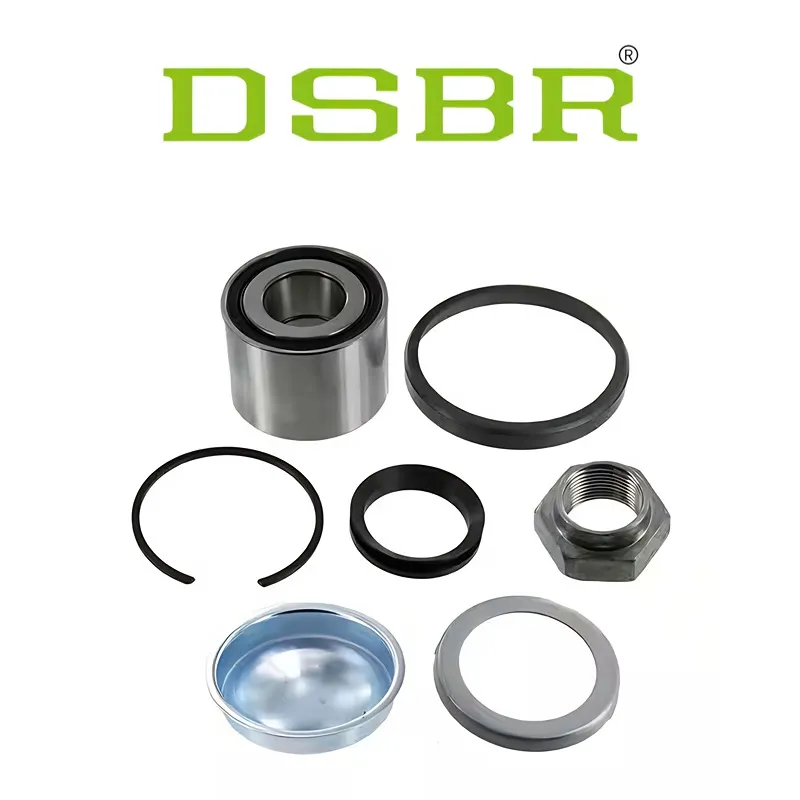
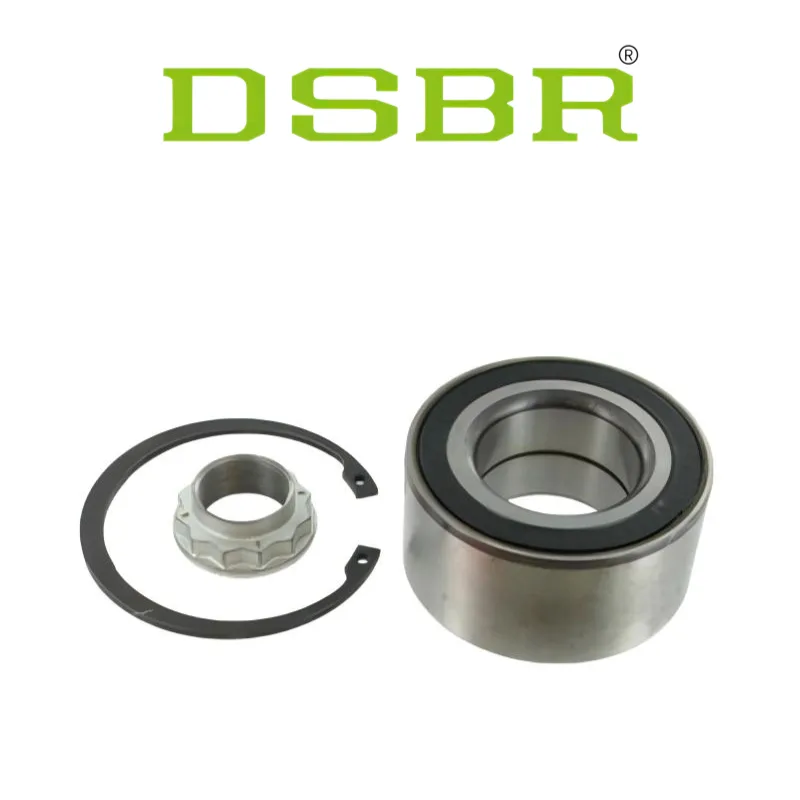
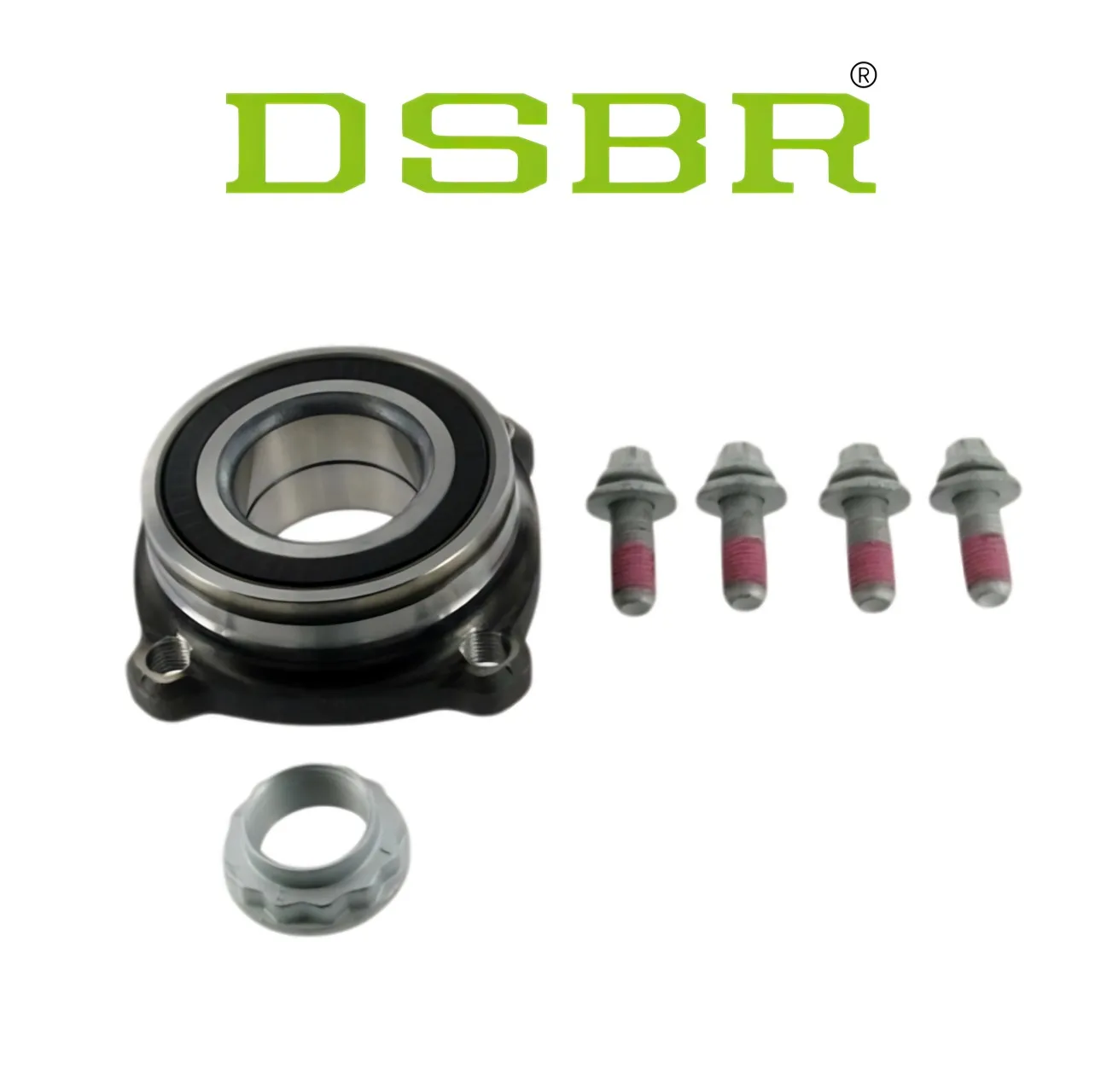
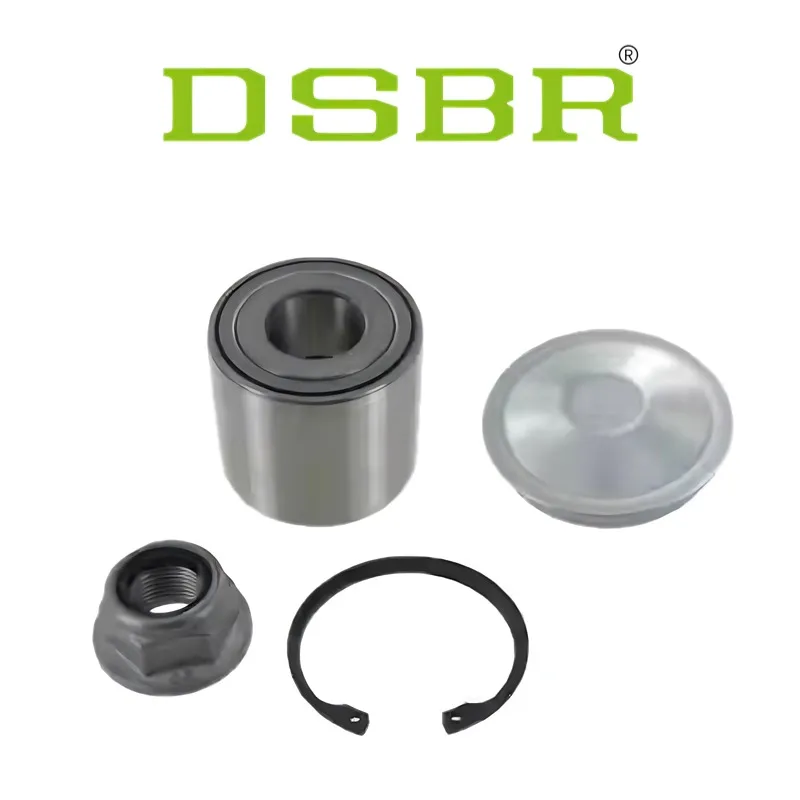
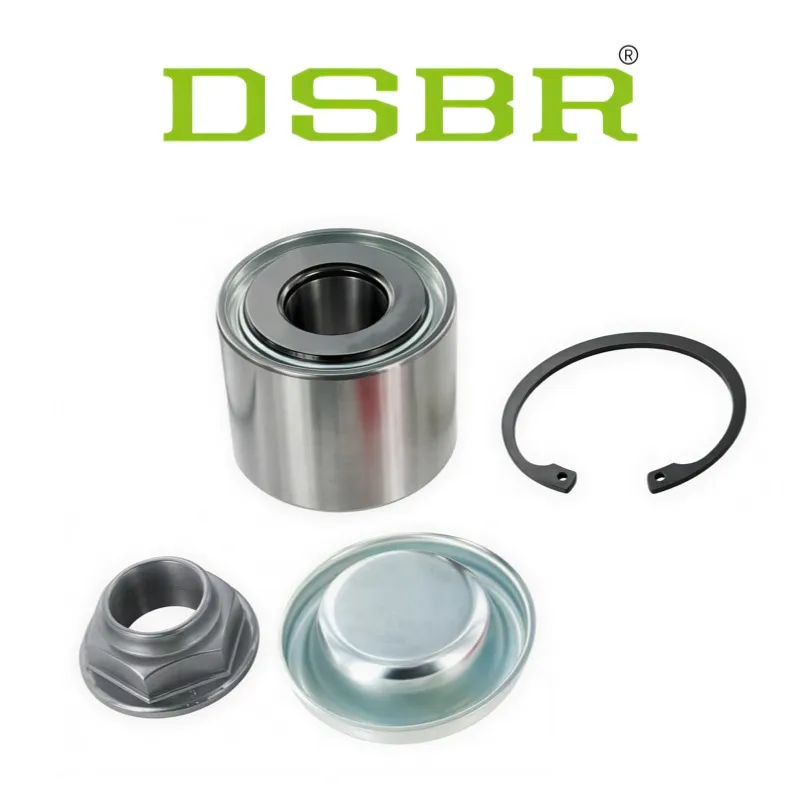
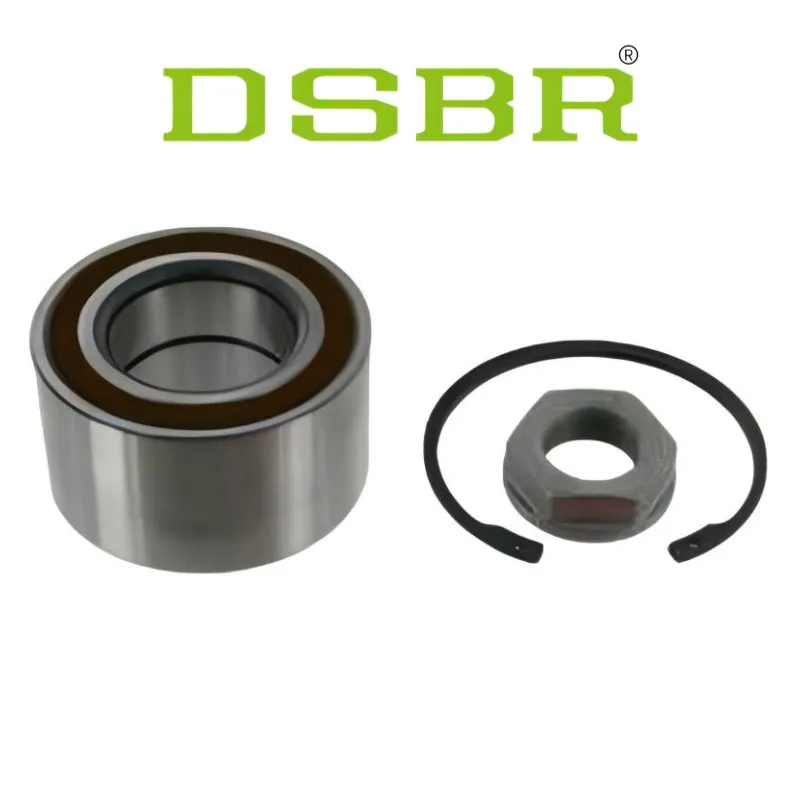
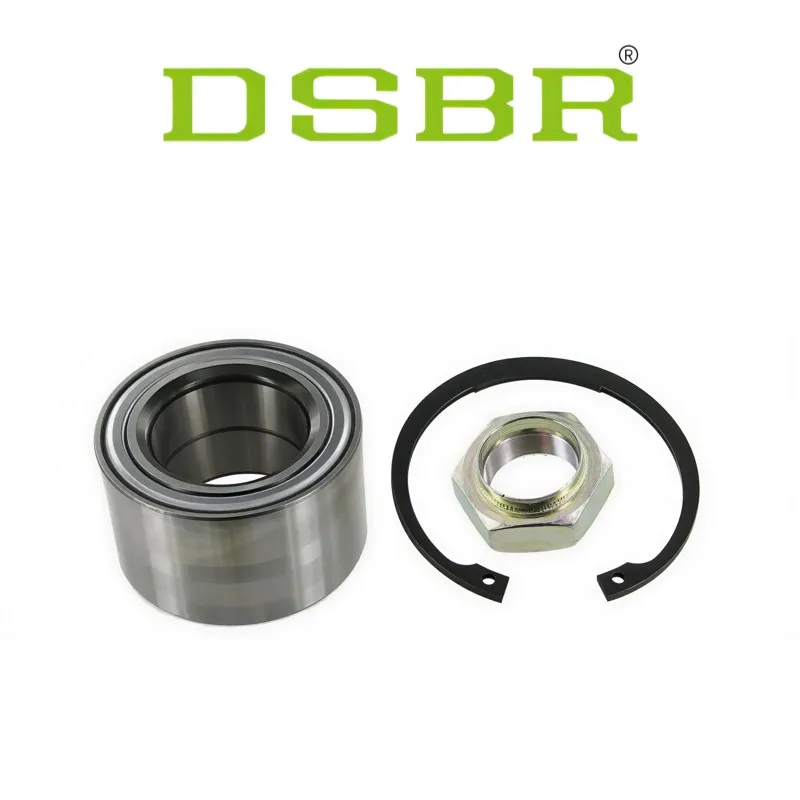
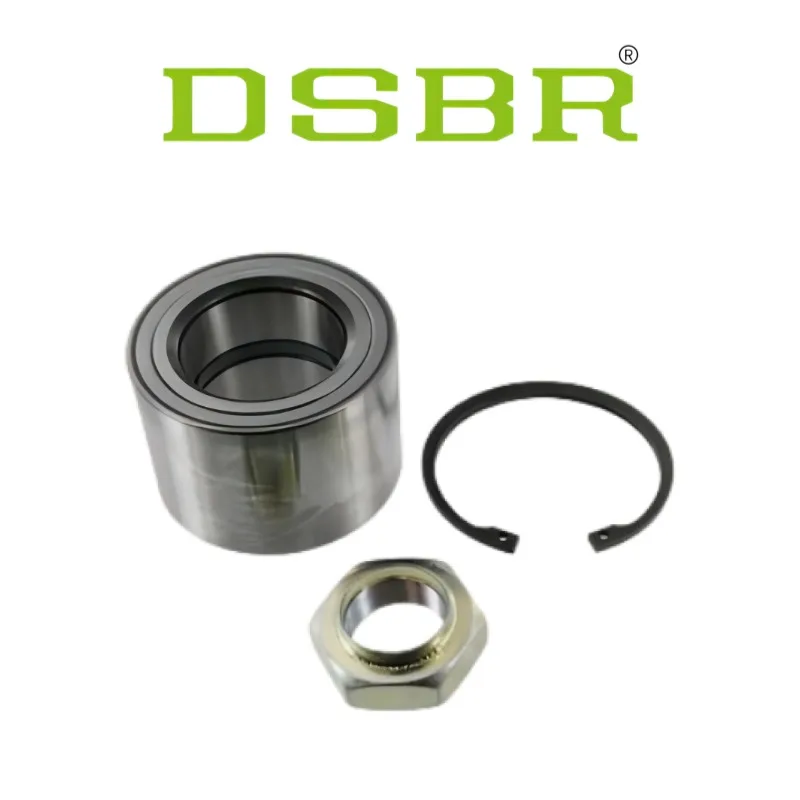
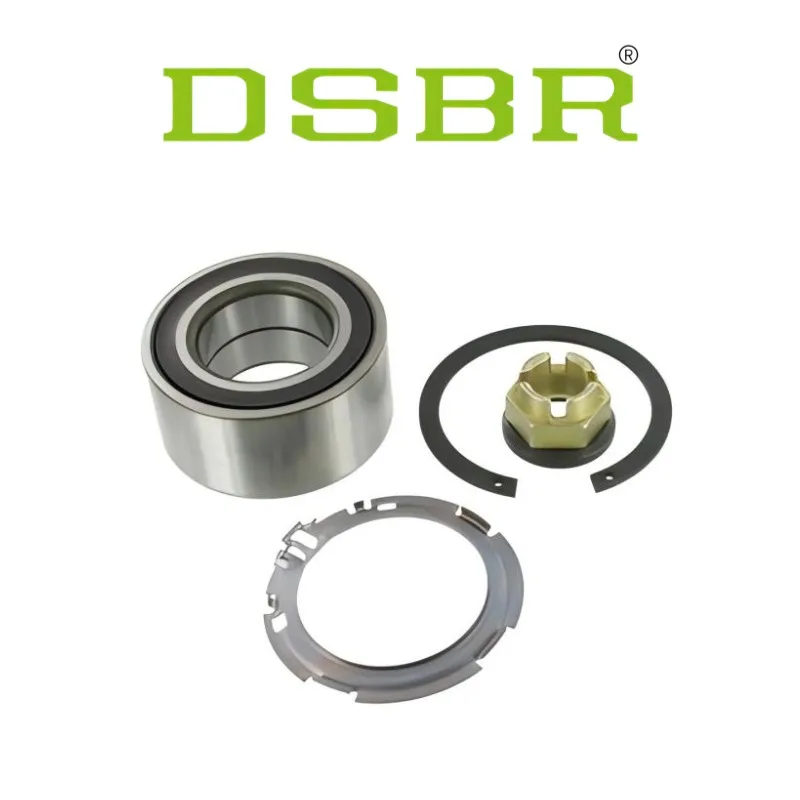
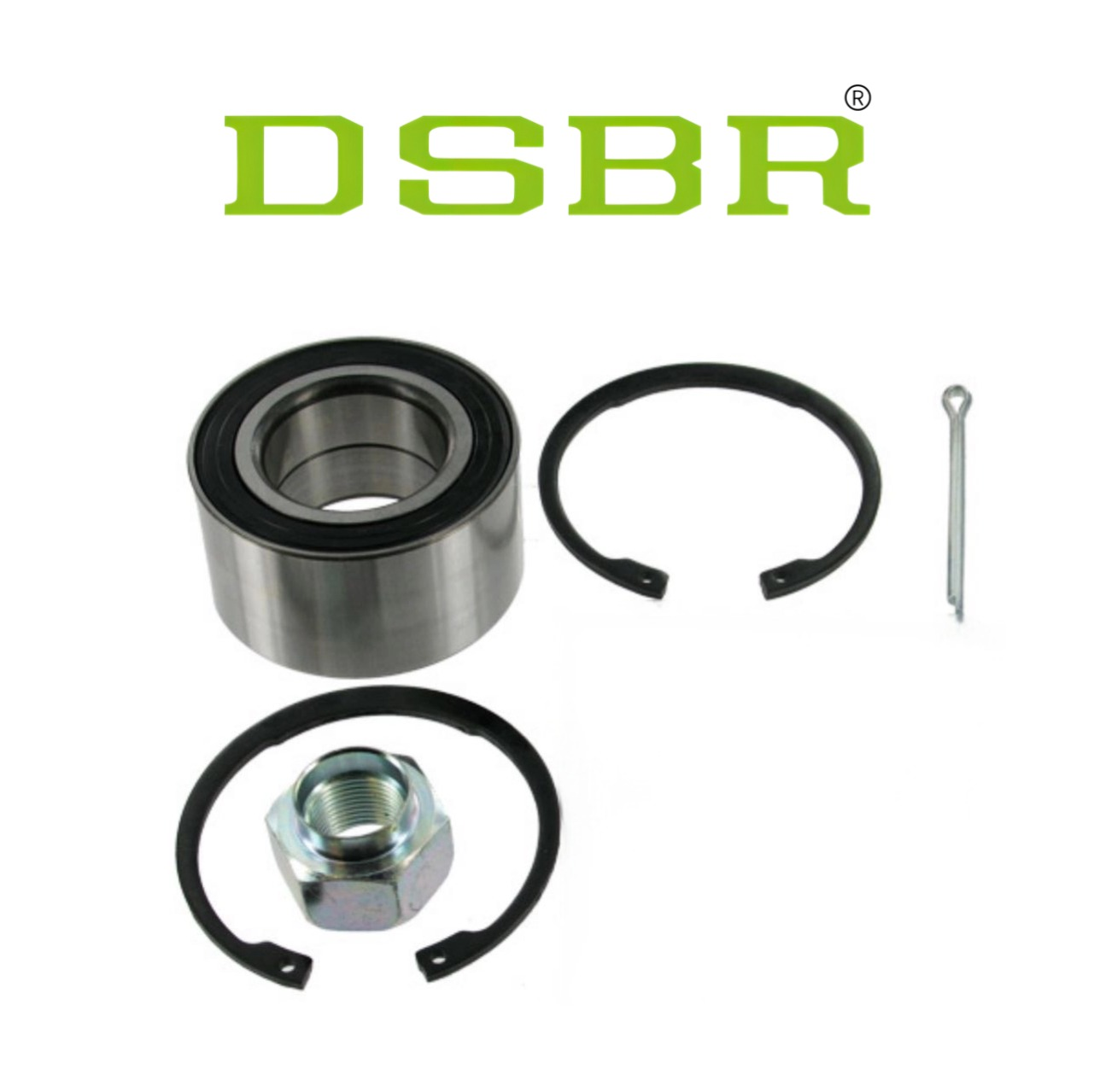
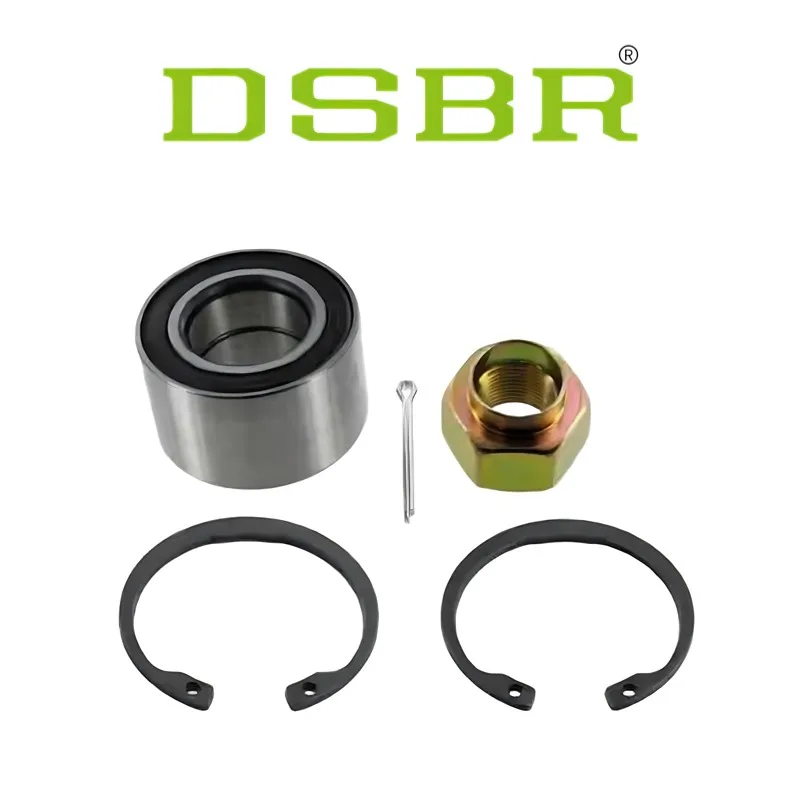
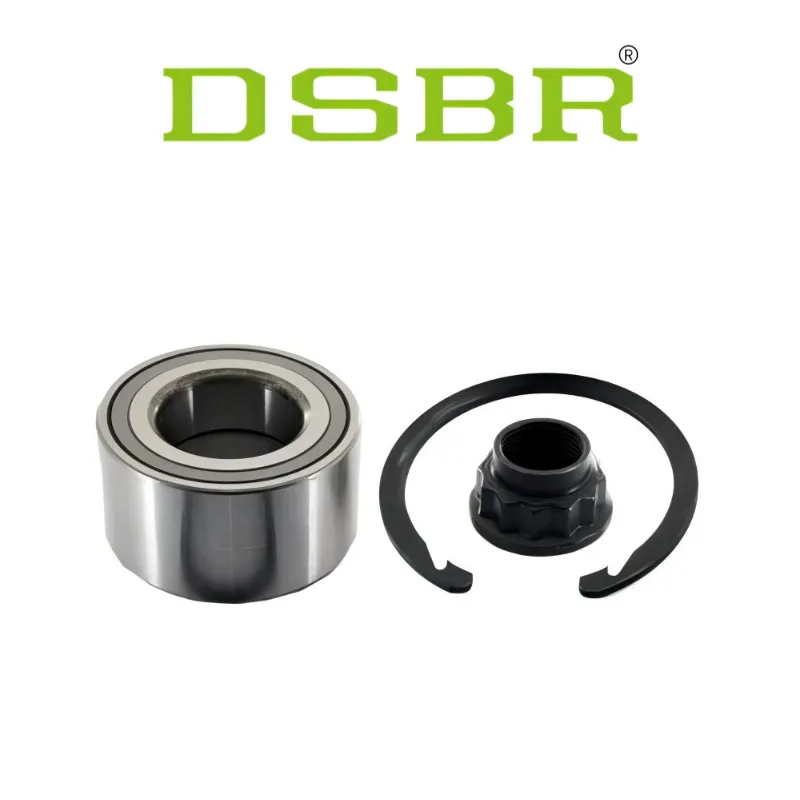
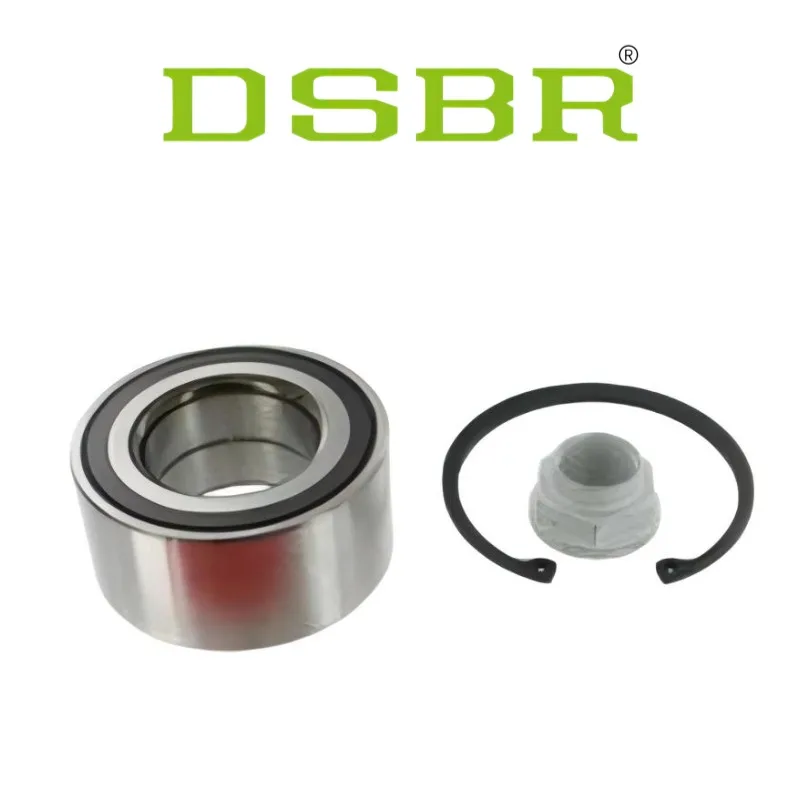
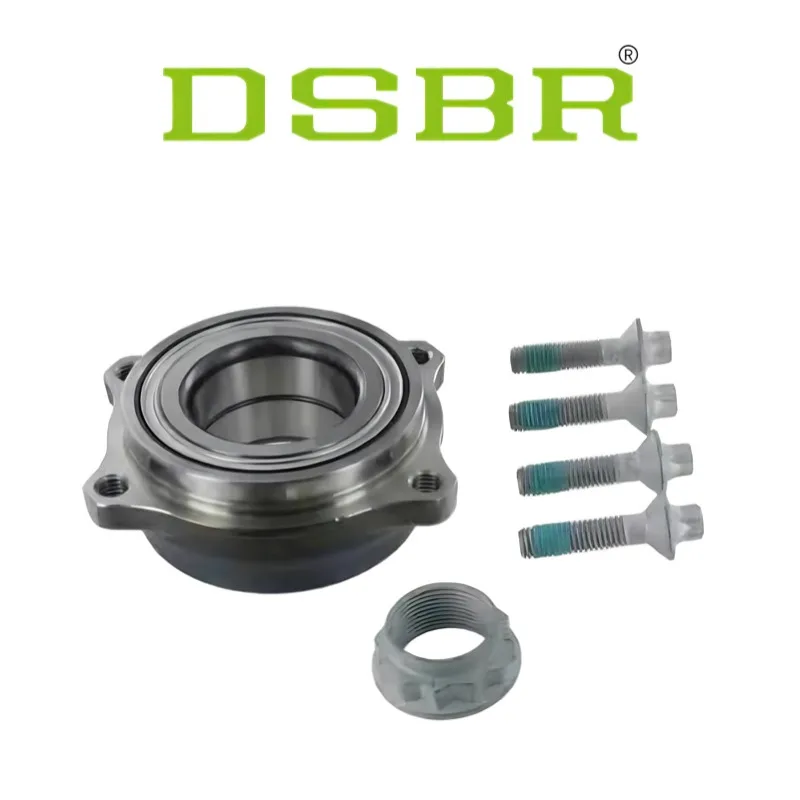
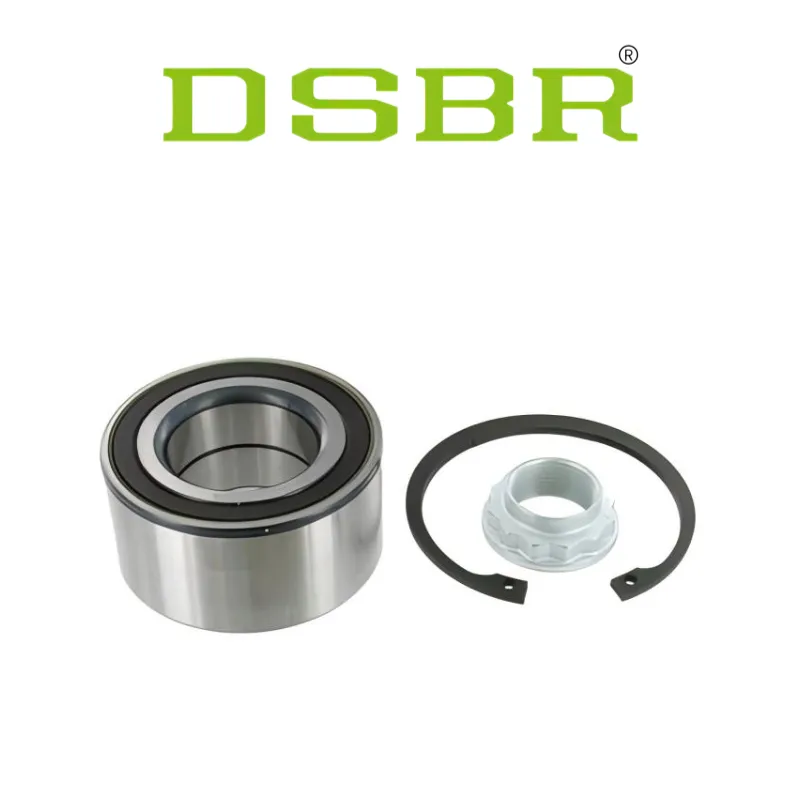
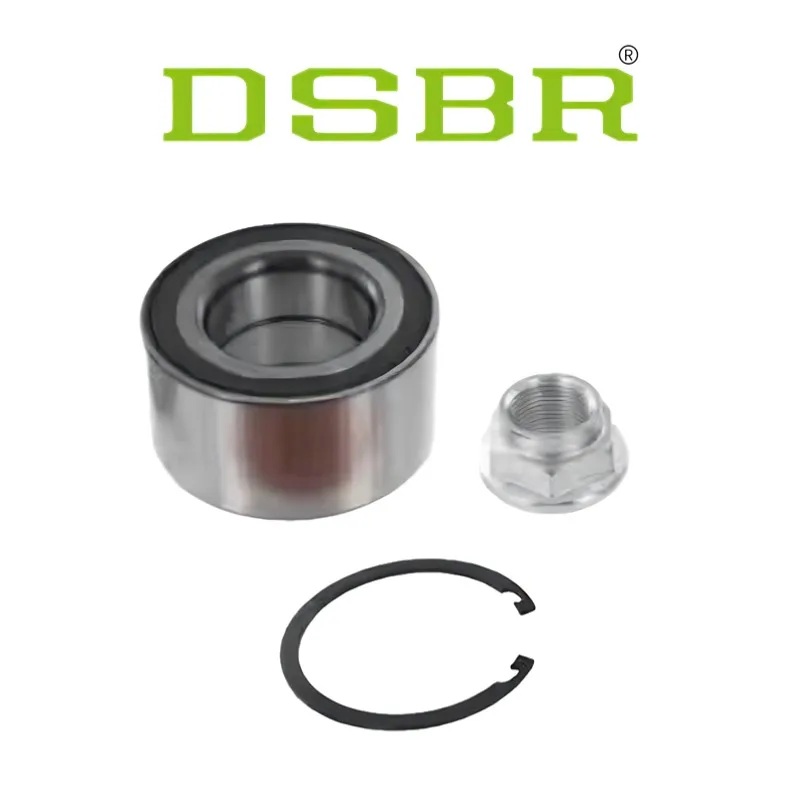
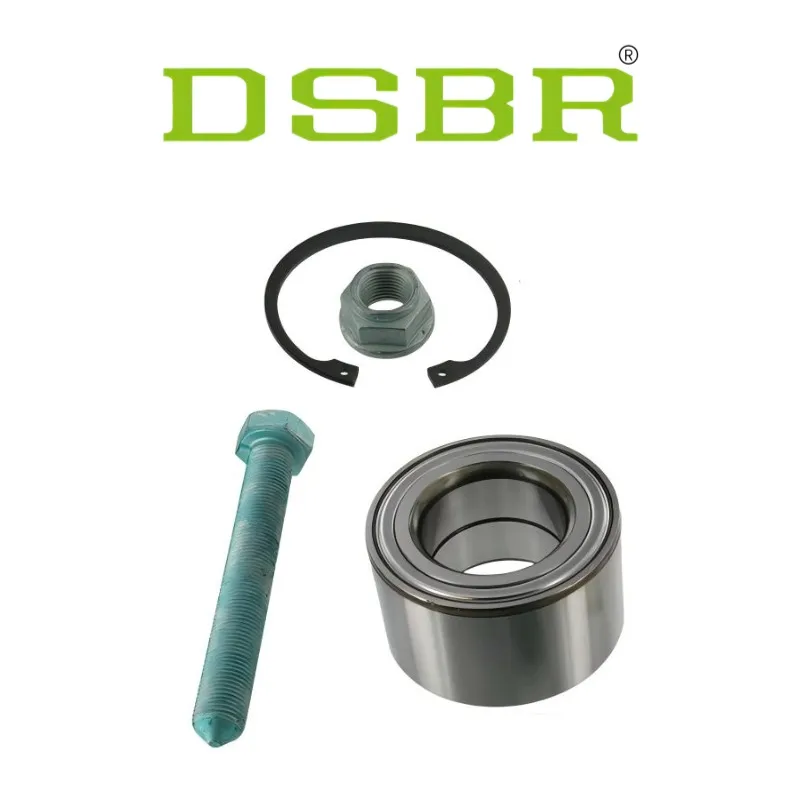
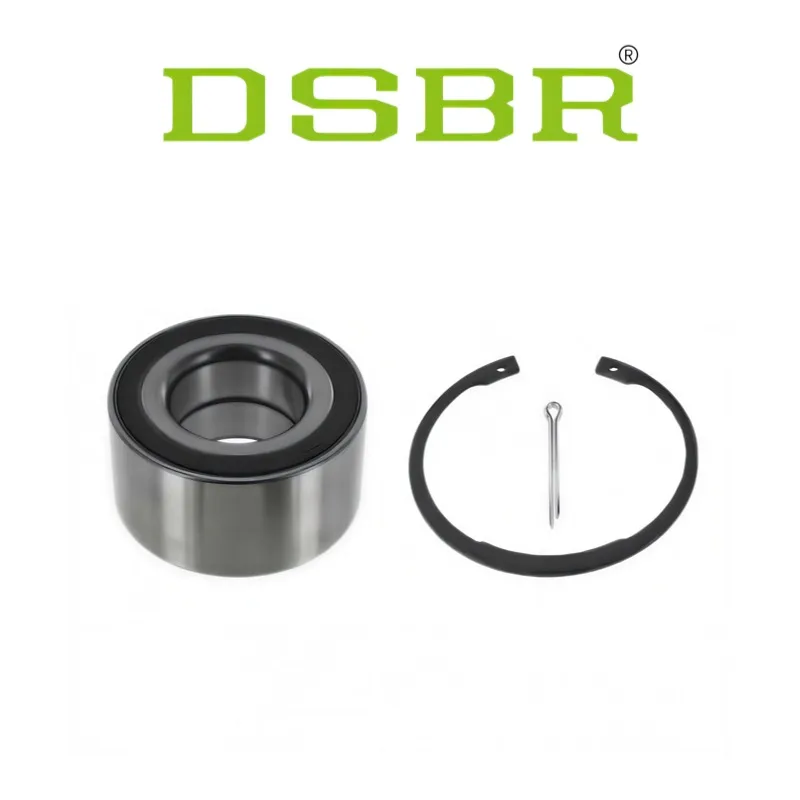
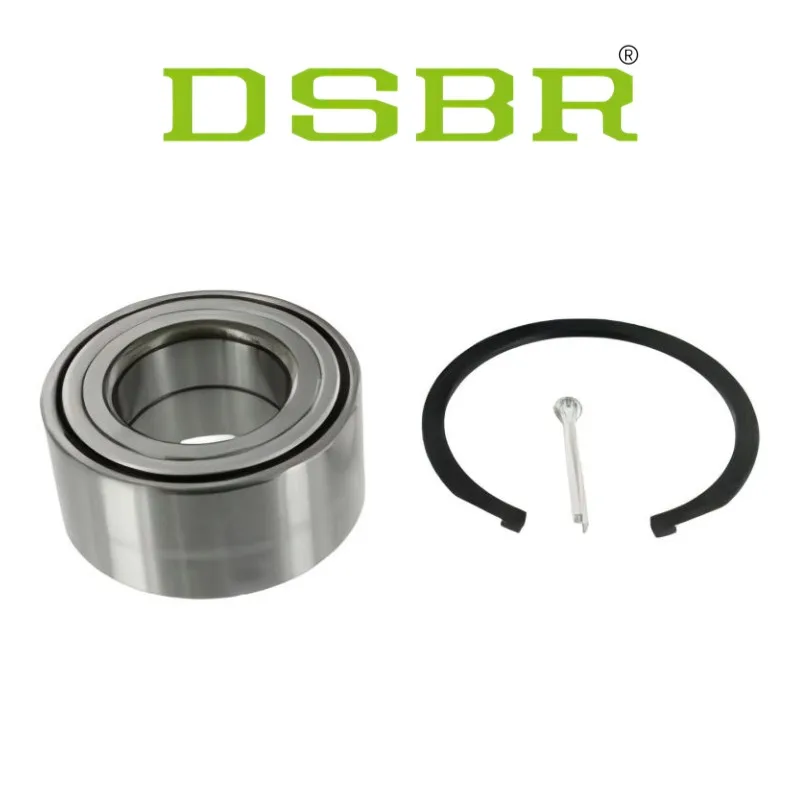
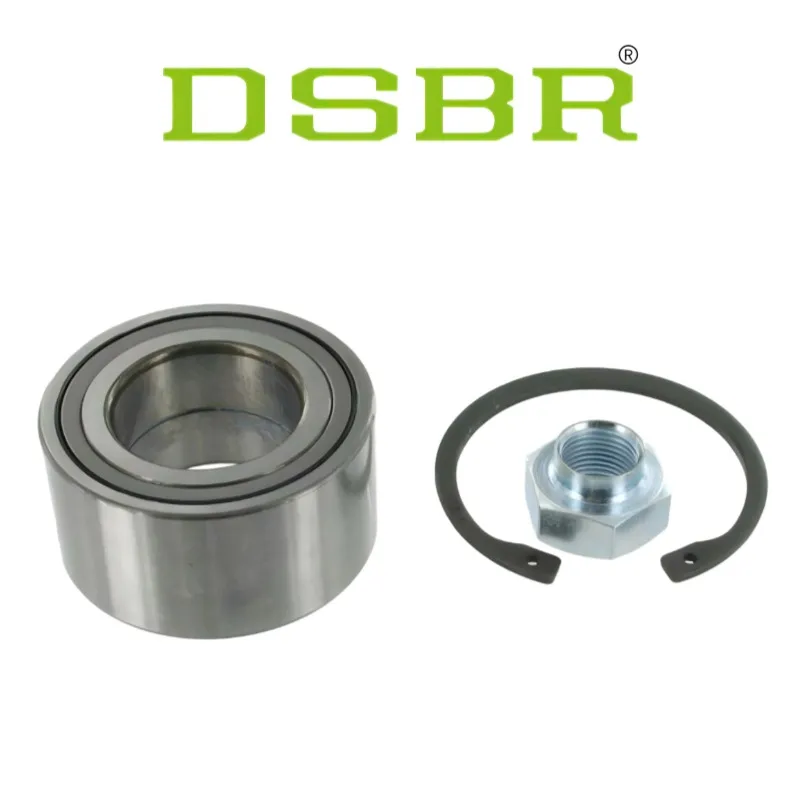
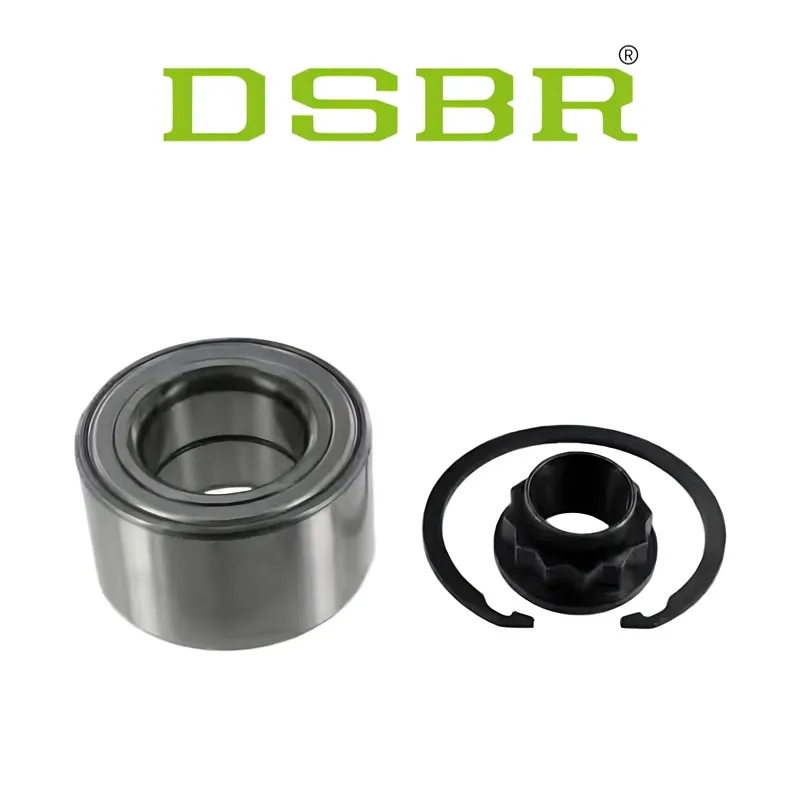
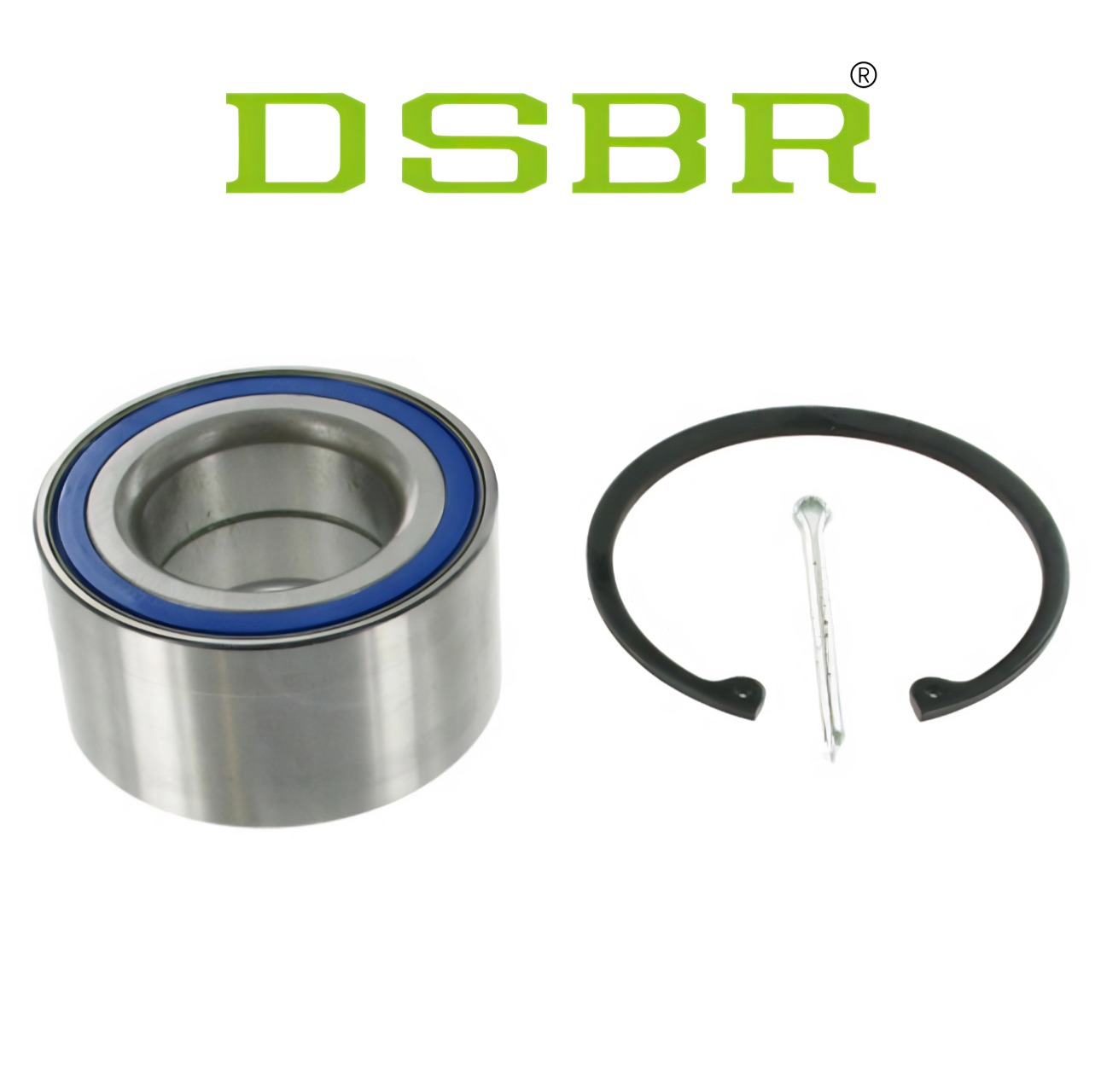
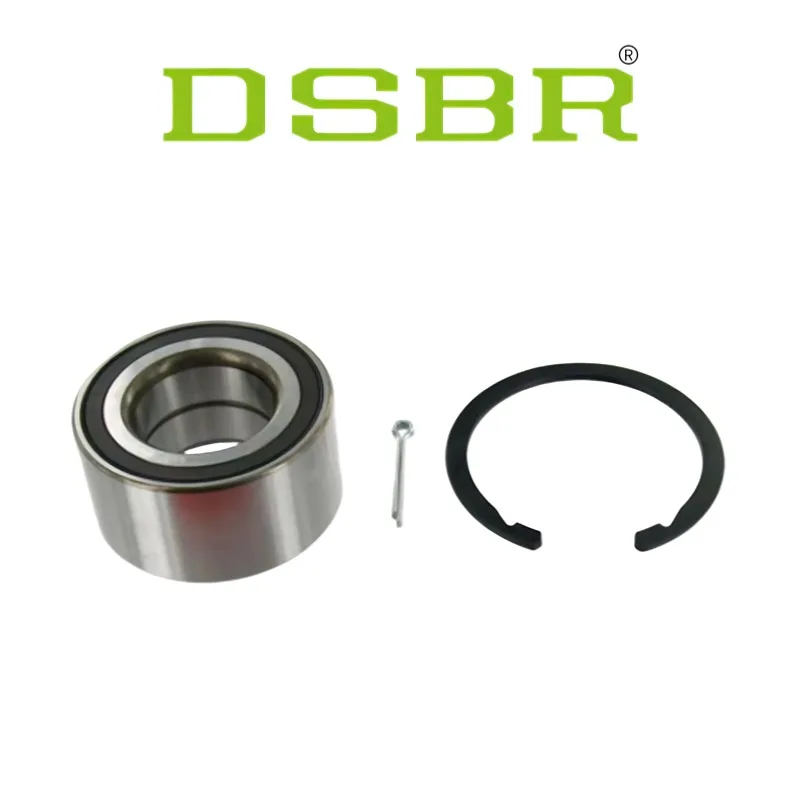
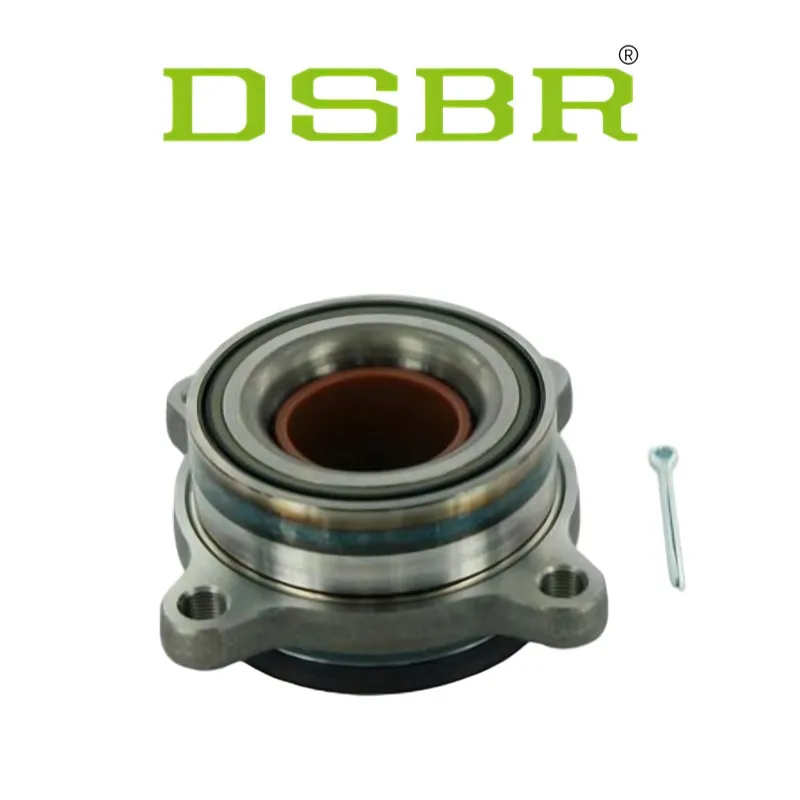
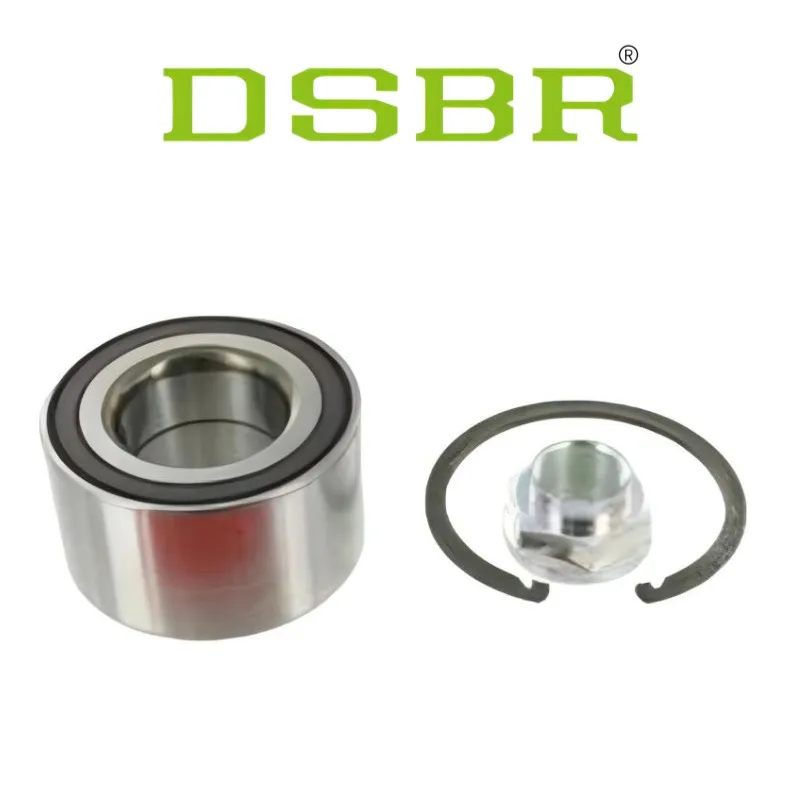
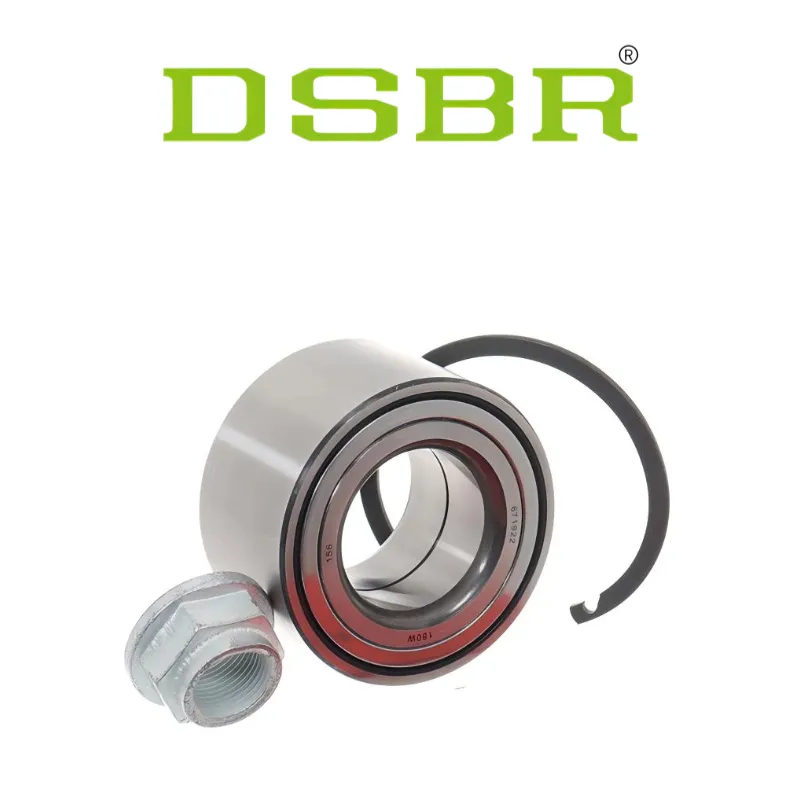
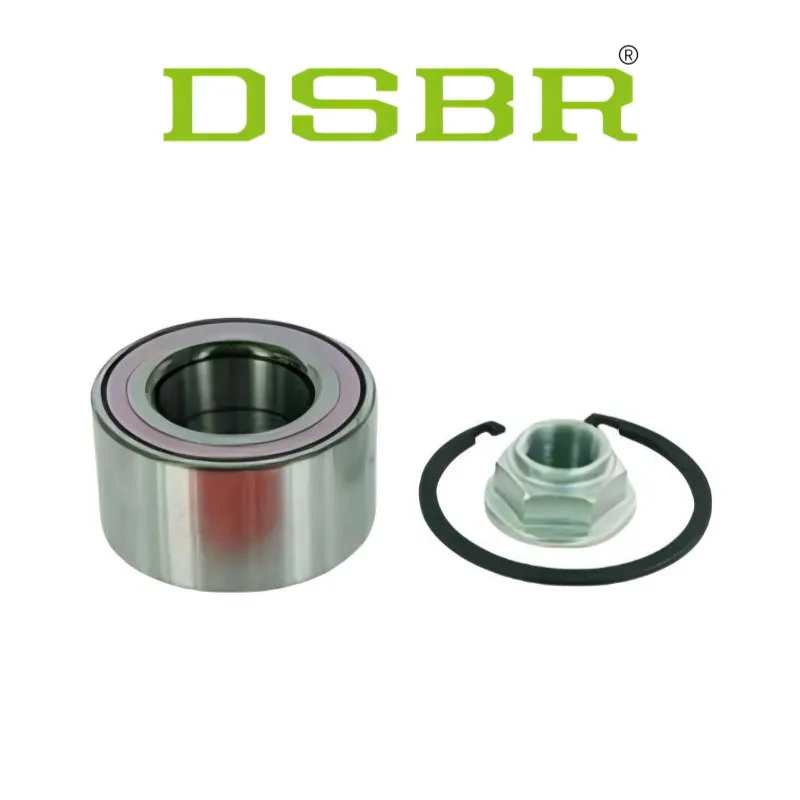
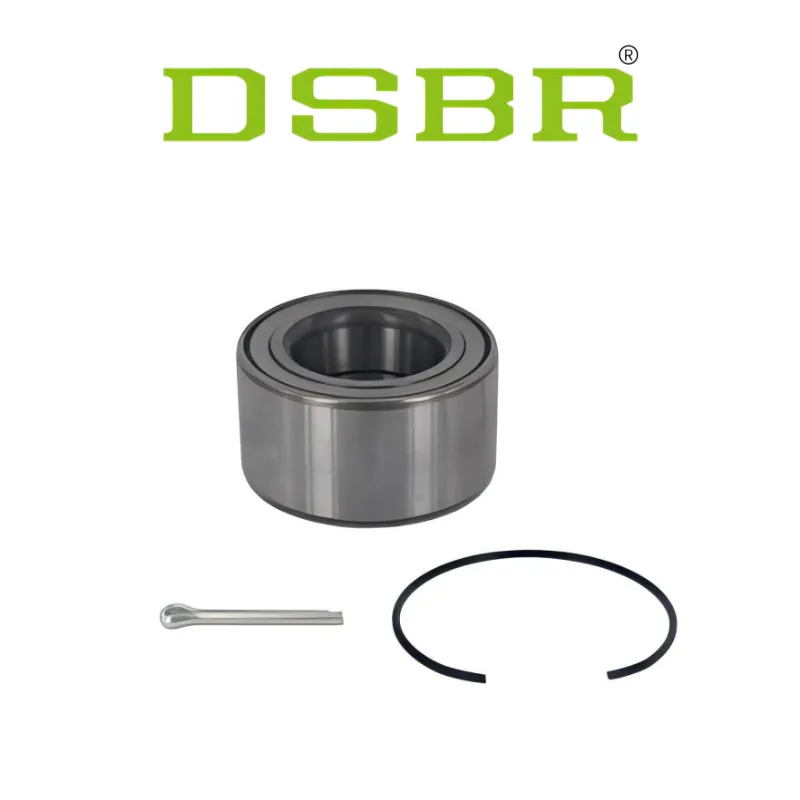
Angular contact bearings are designed to handle both radial and axial loads simultaneously.The contact angle between the rolling elements and raceways enables these bearings to carry combined loads while maintaining high rotational accuracy.They are widely used in machine tool spindles, automotive wheel hubs, pumps, and high-speed industrial equipment where precision and rigidity are critical.
Classification by Bearing Structure
Ball Bearings
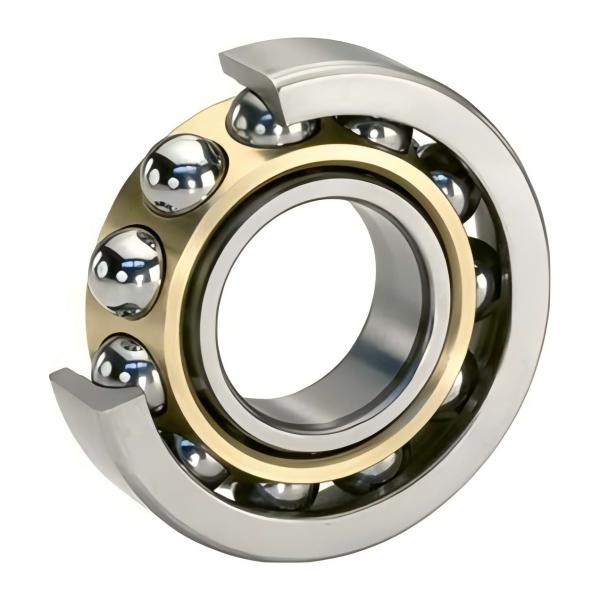
Ball bearings use spherical rolling elements positioned between inner and outer rings.Their point-contact design results in low friction, making them ideal for high-speed applications. Depending on the bearing configuration, they can accommodate radial loads, axial loads, or a combination of both.Because of their versatility and cost-effectiveness, ball bearings are found in everything from household appliances to industrial machinery.
Roller Bearings
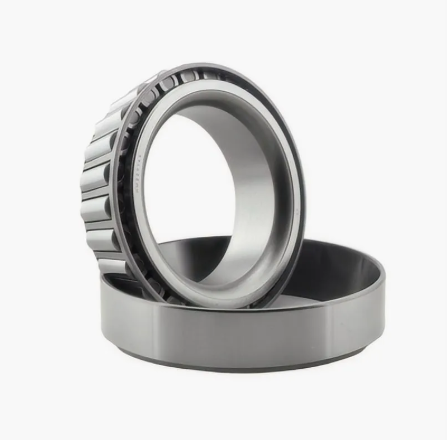
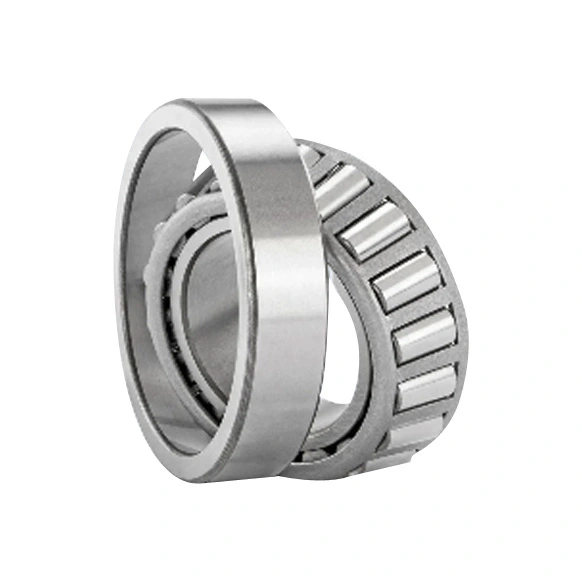
Roller bearings utilize cylindrical, tapered, spherical, or needle-shaped rollers instead of balls.The larger contact area between rollers and raceways allows these bearings to support heavier loads compared to ball bearings.Roller bearings are commonly employed in mining equipment, construction machinery, steel mills, and other heavy-duty industrial applications where high load capacity is essential.
Plain Bearings
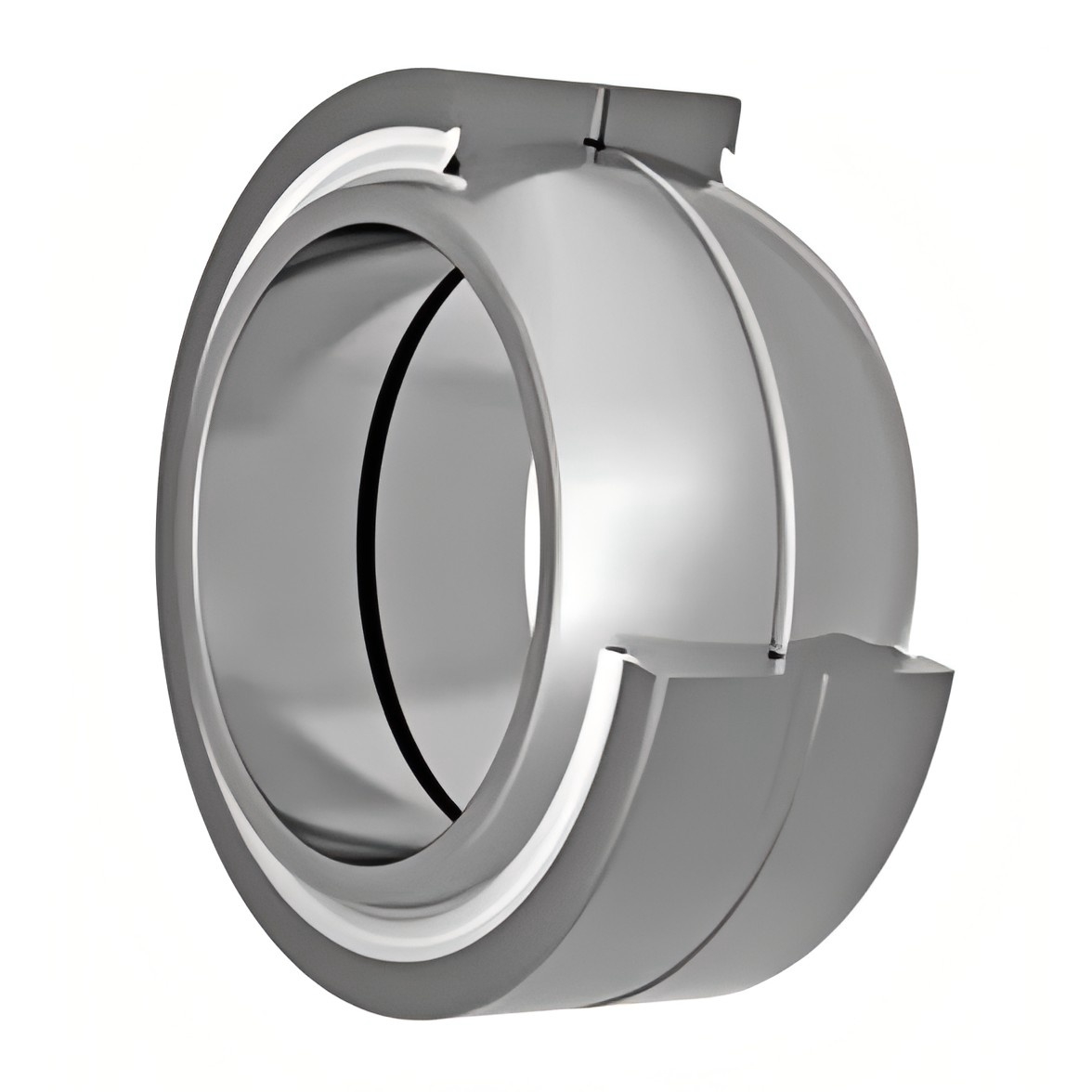
Plain bearings, also known as sleeve bearings or bushings, operate without rolling elements.Instead, the shaft slides directly against a bearing surface designed to minimize friction.
These bearings feature a simple structure, compact design, and excellent load-carrying capability, making them suitable for applications with limited installation space or oscillating motion.
Common applications include agricultural equipment, hydraulic cylinders, and construction machinery.
Bearing Materials
The performance, durability, and service life of a bearing are strongly influenced by the materials used in its construction. Bearing materials generally fall into two primary categories: steel and ceramic.
Steel Bearing Materials
High Carbon Chromium Steel (AISI 52100)
AISI 52100 is the most widely used bearing steel worldwide.It offers excellent hardness, fatigue resistance, and wear resistance after heat treatment, making it suitable for most industrial and automotive bearing applications.
Stainless Steel Bearings
Stainless steel bearings provide enhanced corrosion resistance in challenging environments.
Common grades include:
AISI 440C Stainless Steel – High hardness, excellent wear resistance, and good corrosion protection.
AISI 304 Stainless Steel – Outstanding corrosion resistance and formability for food-grade and light industrial applications.
AISI 316 Stainless Steel – Superior resistance to chemicals, saltwater, and corrosive environments.
AISI 420 Stainless Steel – Good strength and moderate corrosion resistance with heat-treatable properties.
These materials are frequently used in food processing, marine equipment, pharmaceutical machinery, and medical devices.
Ceramic Bearing Materials
Zirconia (ZrO₂)
Zirconia ceramic offers excellent toughness, high strength, and outstanding wear resistance.Its ability to operate under demanding conditions makes it suitable for precision machinery and specialized bearing applications.
Silicon Carbide (SiC)
Silicon carbide is known for its exceptional hardness, thermal conductivity, and resistance to corrosion.It performs particularly well in aggressive chemical environments and high-temperature operating conditions.
Silicon Nitride (Si₃N₄)
Silicon nitride is one of the most advanced ceramic bearing materials available.It combines low density, high strength, superior thermal stability, and excellent fatigue resistance.Hybrid ceramic bearings using silicon nitride balls and steel rings are widely used in electric motors, machine tools, aerospace equipment, and high-speed applications where performance is critical.
Choosing the Right Bearing
Selecting the appropriate bearing requires careful consideration of operating loads, rotational speed, environmental conditions, lubrication methods, and expected service life.Whether the application demands high-speed performance, heavy-load capacity, corrosion resistance, or precision operation, understanding the different bearing types and material options is essential for achieving reliable and efficient equipment performance.
Benefits of Steel Bearings
Steel bearings remain the most commonly used bearing solution across industries due to their excellent balance of performance, durability, and cost.Some of their major advantages include:
Exceptional Strength and Durability
Bearing steels are engineered to withstand heavy loads, repeated stress, and demanding operating conditions. Their high hardness and fatigue resistance contribute to a long service life, even in challenging industrial environments.
Economical Solution
Compared with advanced materials such as ceramics, steel bearings offer a cost-effective option without sacrificing reliability. Their widespread availability and mature manufacturing processes make them an economical choice for OEMs and maintenance operations.
Efficient Heat Dissipation
Steel possesses excellent thermal conductivity, allowing heat generated during operation to dissipate efficiently. This characteristic helps maintain stable operating temperatures and improves bearing reliability.
Broad Application Flexibility
Steel bearings are available in numerous configurations, including ball bearings, roller bearings, tapered roller bearings, and angular contact bearings, making them suitable for virtually every industry.
Typical Applications of Steel Bearings
Automotive Industry
Steel bearings are widely used in wheel hubs, transmissions, differentials, and engine systems, where they ensure smooth operation and dependable performance.
Aerospace Equipment
Aircraft engines, landing gear assemblies, and auxiliary systems rely on high-quality steel bearings to maintain safety and operational reliability.
Industrial Machinery
Manufacturing equipment, machine tools, pumps, compressors, and conveyor systems all depend on steel bearings to achieve consistent performance and reduced downtime.The widespread adoption of steel bearings across critical industries demonstrates their proven reliability and outstanding value.
Benefits of Ceramic Bearings
Ceramic bearings have gained popularity in specialized applications where conventional steel bearings may not provide sufficient performance.Their unique material properties offer several important advantages.
Outstanding High-Temperature Resistance
Ceramic materials maintain their mechanical properties even under extreme temperatures. This makes ceramic bearings ideal for applications where excessive heat can shorten the lifespan of traditional bearings.
Reduced Friction and Higher Efficiency
The smooth surface and lightweight nature of ceramic rolling elements generate less friction during operation, resulting in lower energy consumption and improved efficiency.
Corrosion and Chemical Resistance
Unlike steel, ceramic materials are highly resistant to moisture, chemicals, and corrosive substances. This makes them particularly suitable for harsh operating environments.
Electrical Insulation Properties
Ceramic bearings are non-conductive, preventing electrical current from passing through the bearing. This characteristic is especially valuable in electric motors, generators, and medical equipment.
Common Applications of Ceramic Bearings
High-Speed Equipment
Machine tool spindles, turbochargers, and precision manufacturing systems benefit from the low friction and lightweight properties of ceramic bearings.
Aerospace Industry
The combination of high strength, low weight, and thermal stability makes ceramic bearings suitable for aerospace applications where performance is critical.
Chemical Processing Equipment
Ceramic bearings can operate reliably in environments exposed to corrosive chemicals, acids, and aggressive cleaning agents.
Medical Technology
Medical devices such as MRI systems and precision diagnostic equipment utilize ceramic bearings because of their non-magnetic and electrically insulating characteristics.
Key Factors When Selecting Bearing Materials
Choosing between steel and ceramic bearings depends on several operational requirements.
Load Requirements
For heavy-duty applications involving substantial radial or axial loads, steel bearings often provide superior load-carrying capacity.
Rotational Speed
High-speed equipment frequently benefits from ceramic bearings because their lower friction reduces heat generation and improves efficiency.
Operating Environment
Environmental conditions such as humidity, contamination, corrosive chemicals, and temperature extremes should be carefully evaluated when selecting bearing materials.
Budget Considerations
Steel bearings generally offer lower initial costs, while ceramic bearings may provide long-term savings through extended service life and reduced maintenance in specialized applications.
| Selection Factor | Chrome Steel Bearings (52100) | Stainless Steel Bearings | Ceramic Bearings |
|---|
| Load Capacity | Excellent | Good | Good to Excellent |
| Speed Capability | High | High | Very High |
| Corrosion Resistance | Limited | Excellent | Outstanding |
| Temperature Resistance | Moderate | Good | Excellent |
| Maintenance Requirements | Standard | Low | Very Low |
| Initial Cost | Low | Medium | High |
| Service Life | Long | Long | Very Long in suitable conditions |
FAQ
What is the primary function of a bearing?
The primary function of a bearing is to reduce friction between moving parts and support radial and axial loads for smooth operation.
What are the most common types of bearings?
The most common types include deep groove ball bearings, tapered roller bearings, spherical roller bearings, cylindrical roller bearings, and angular contact ball bearings.
Where are bearings used?
Bearings are widely used in automobiles, agricultural machinery, industrial equipment, mining machinery, electric motors, gearboxes, and conveyor systems.
How do I choose the right bearing?
Bearing selection depends on load capacity, operating speed, working environment, lubrication conditions, and installation requirements.
How long do bearings last?
Bearing life varies according to load, speed, lubrication, maintenance, and operating conditions. Properly maintained bearings can operate reliably for many years.
Conclusion
Bearings are essential components that enable efficient motion, reduce friction, and support loads throughout countless mechanical systems. Whether manufactured from traditional bearing steel or advanced ceramic materials, selecting the right bearing is crucial for maximizing equipment performance and reliability.Steel bearings remain the preferred choice for most industrial and automotive applications due to their strength, affordability, and versatility. Ceramic bearings, on the other hand, offer superior performance in high-speed, high-temperature, and corrosive environments.At DSBR Bearings, we understand that every application has unique operating requirements. Our team provides high-quality bearing solutions designed to help customers improve equipment efficiency, reduce maintenance costs, and achieve long-term operational reliability.
 CN
CN
 EN
EN
 ko
ko  fr
fr  de
de  es
es  it
it  ru
ru  pt
pt  ar
ar  vi
vi  tr
tr  th
th  fi
fi  hi
hi  id
id  no
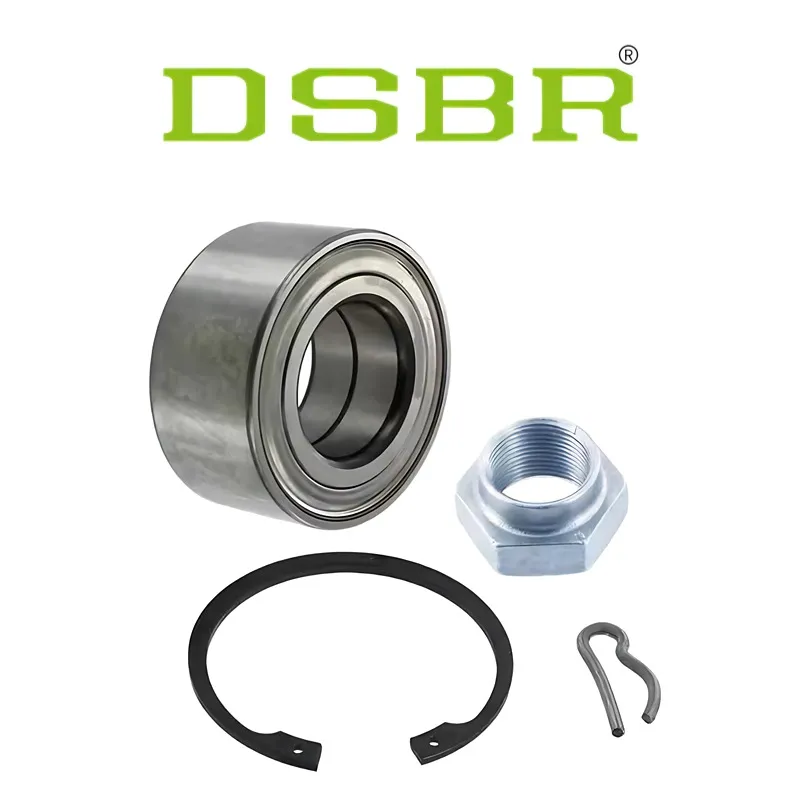
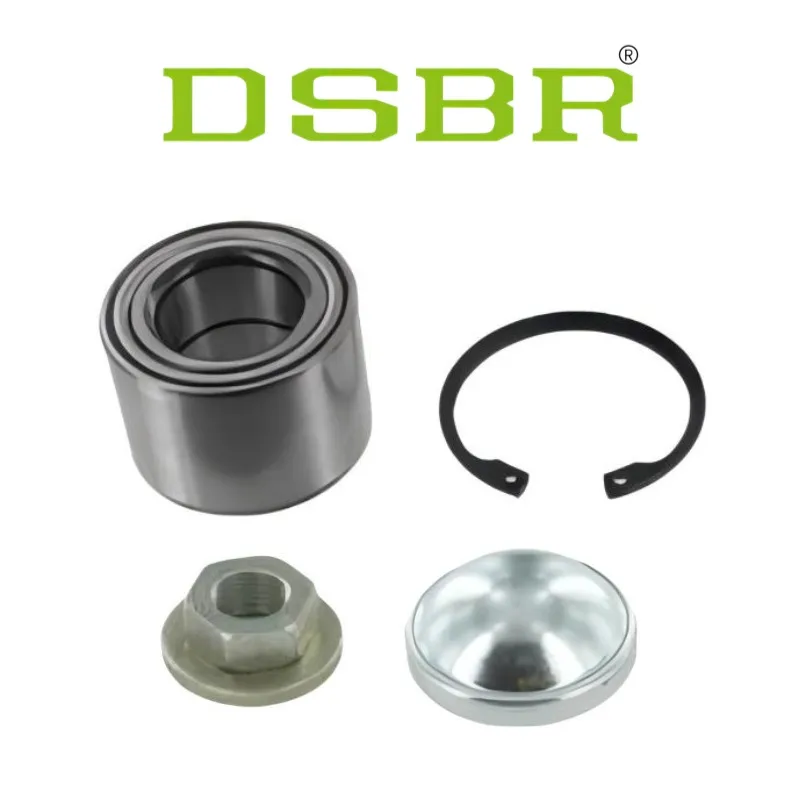
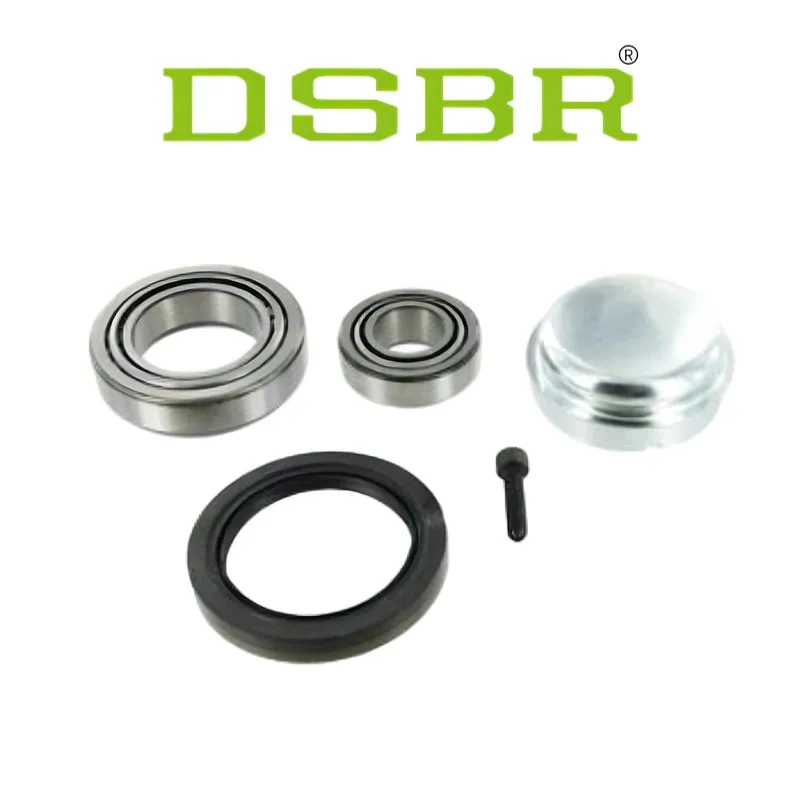
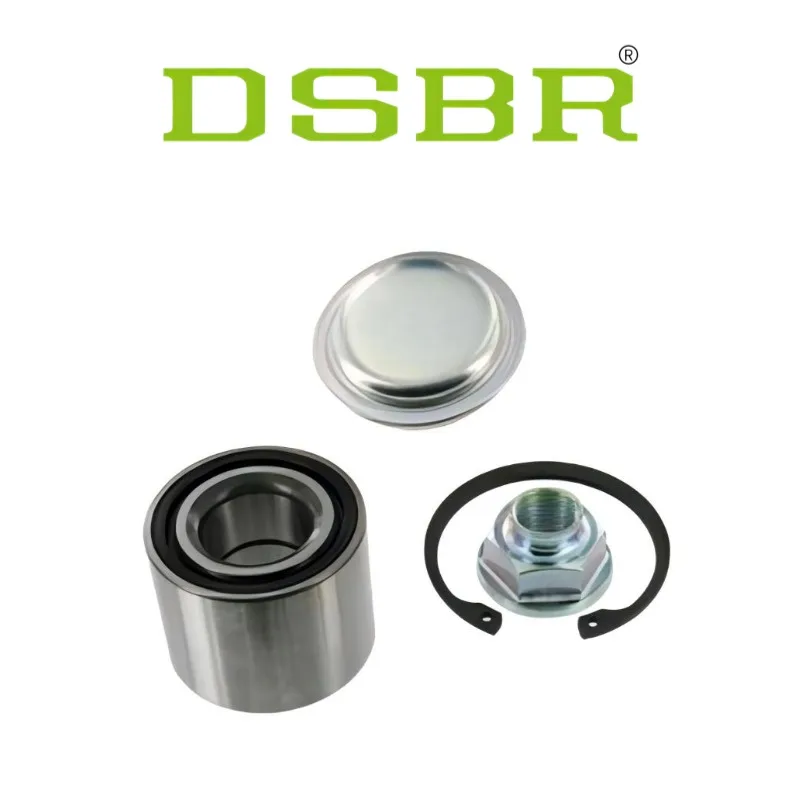
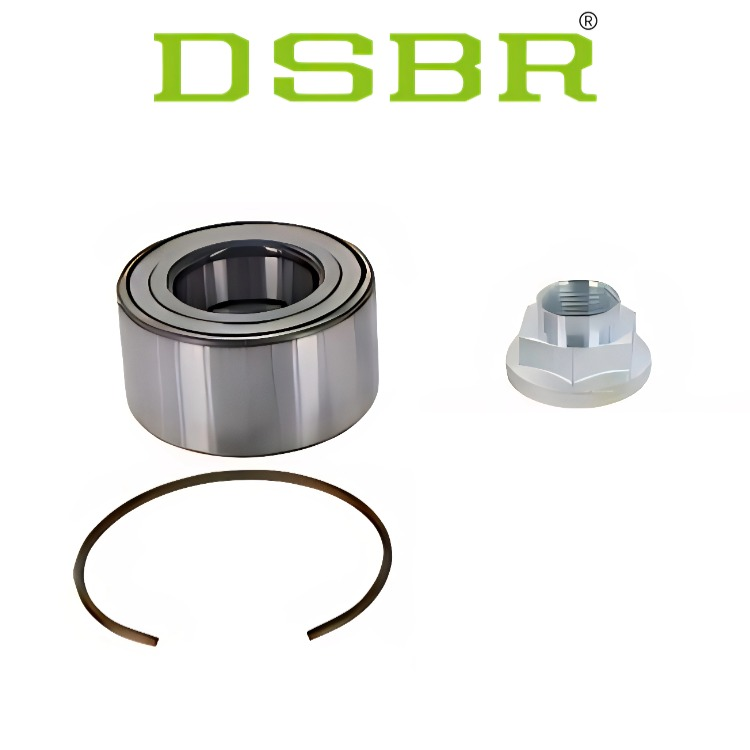
no .webp "(II)Double Row Angular Contact Ball Bearings——Inner Diameter 32-35 mm")




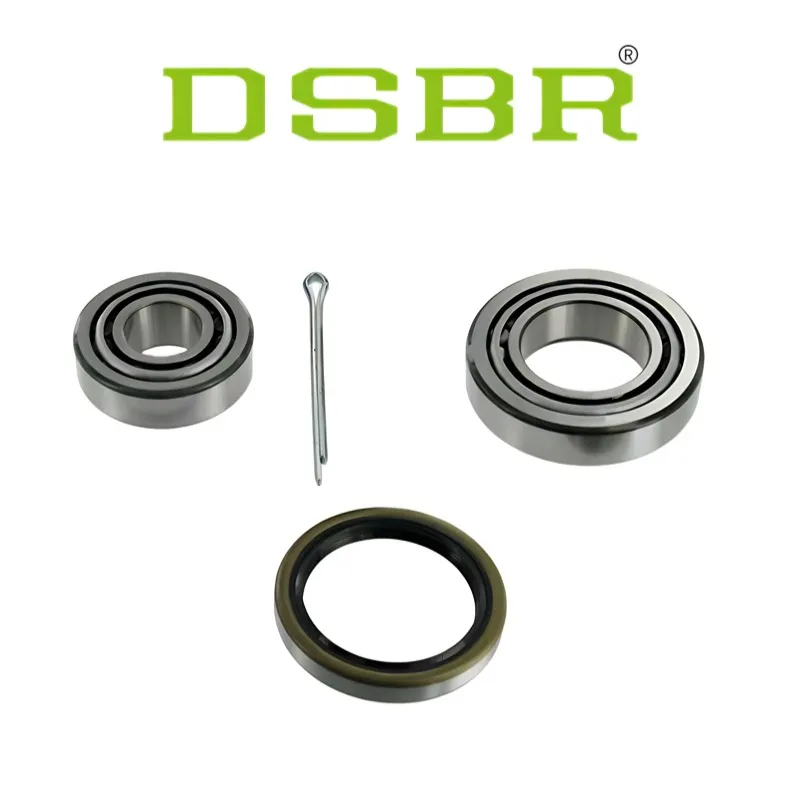
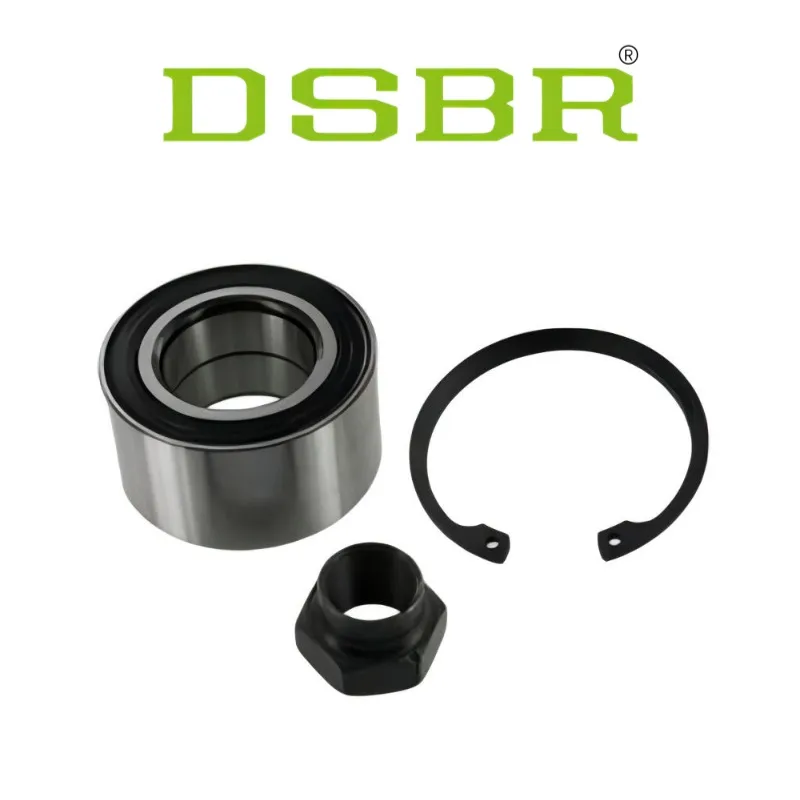
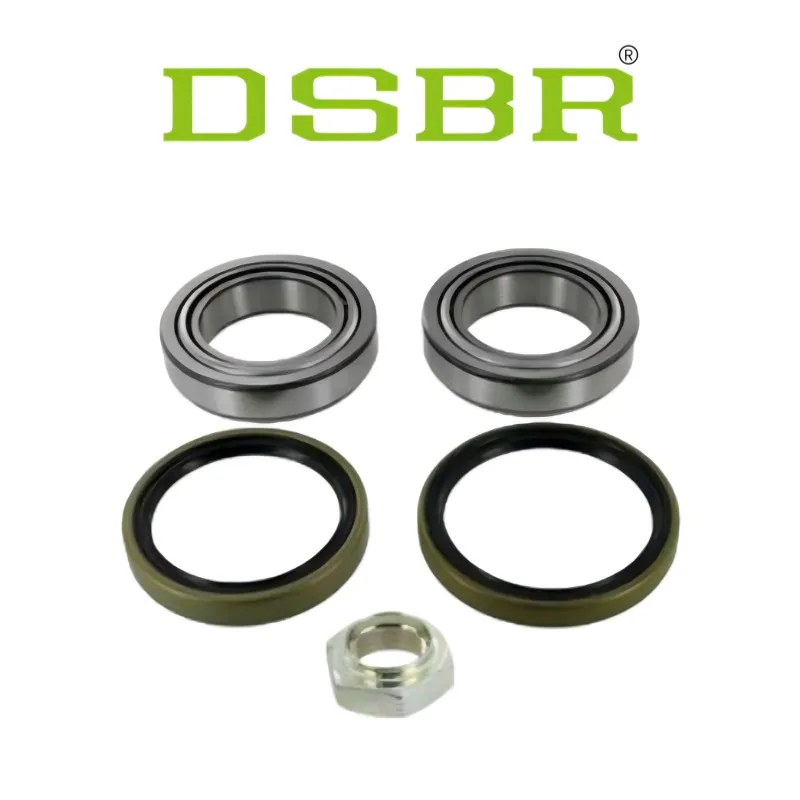
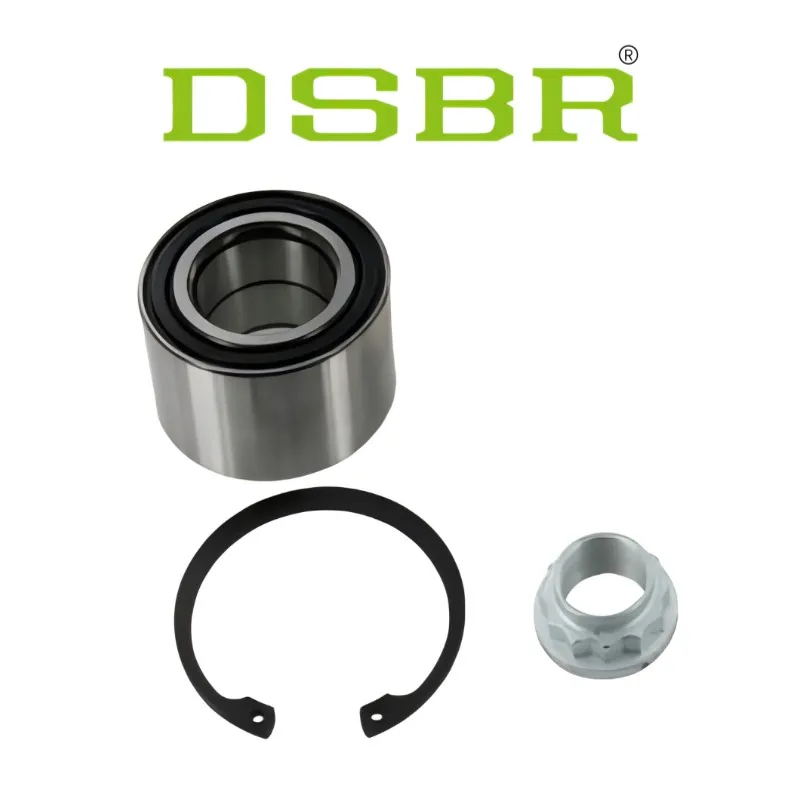
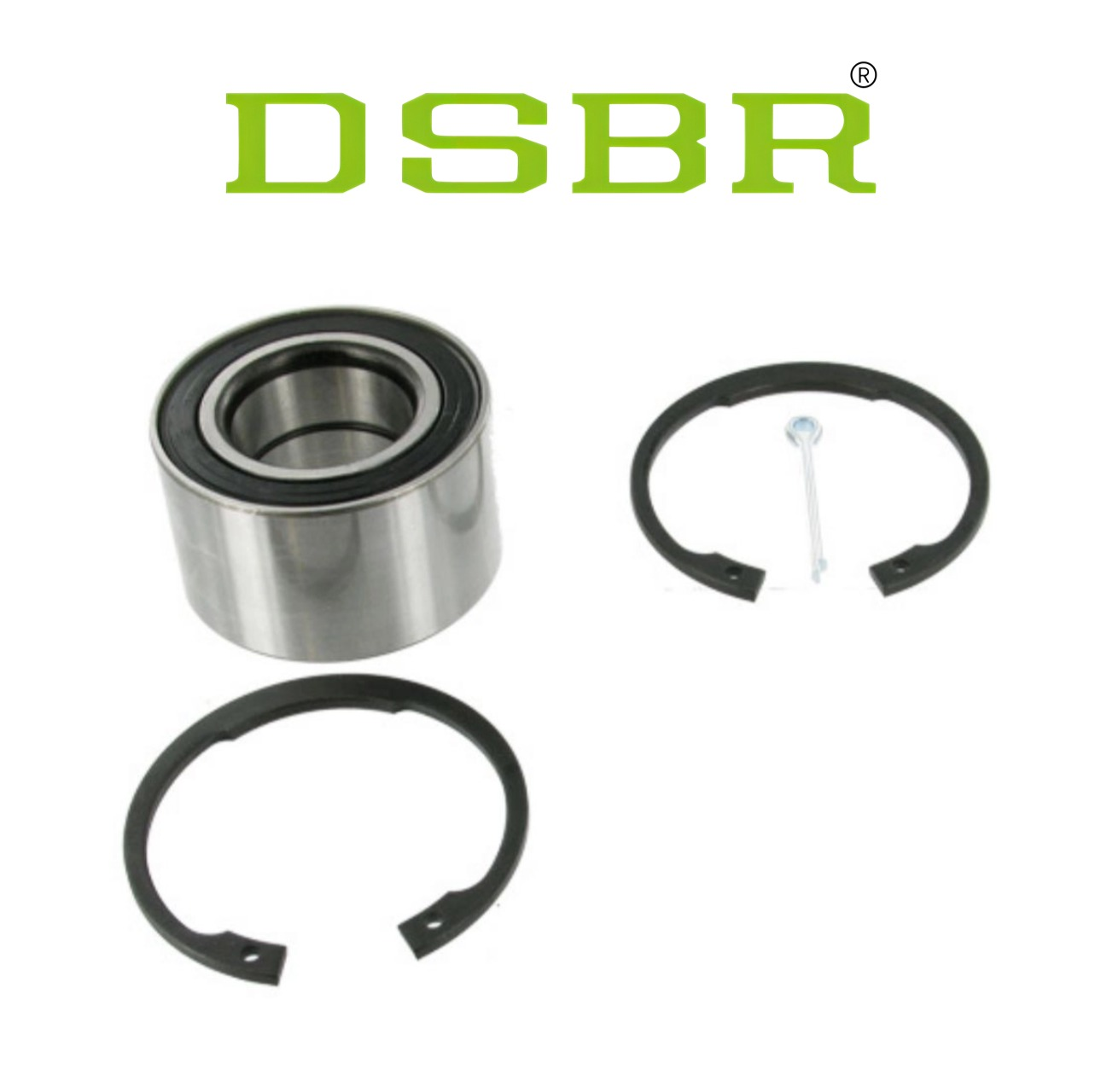
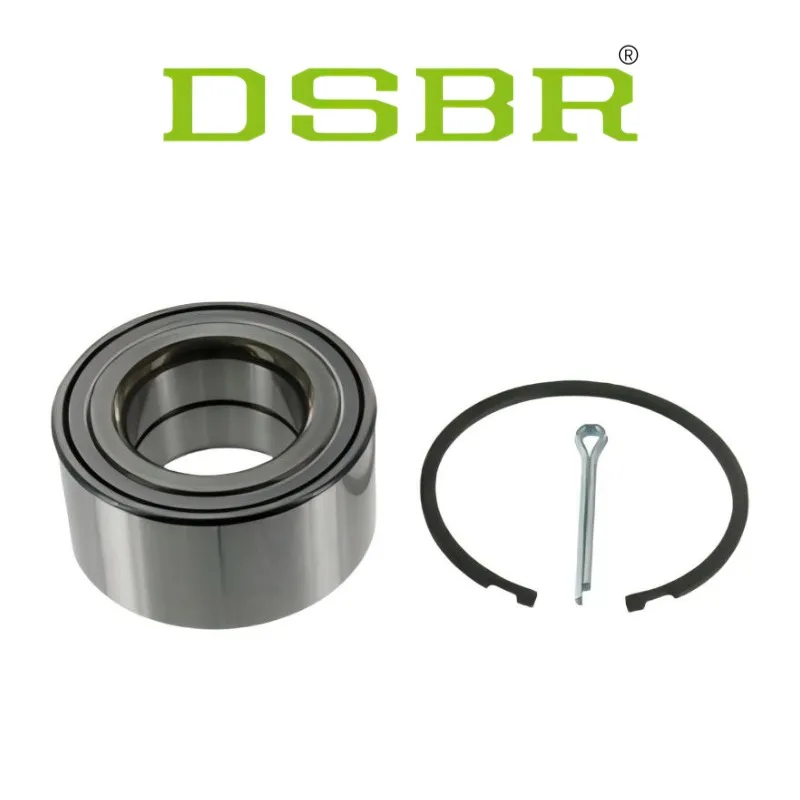
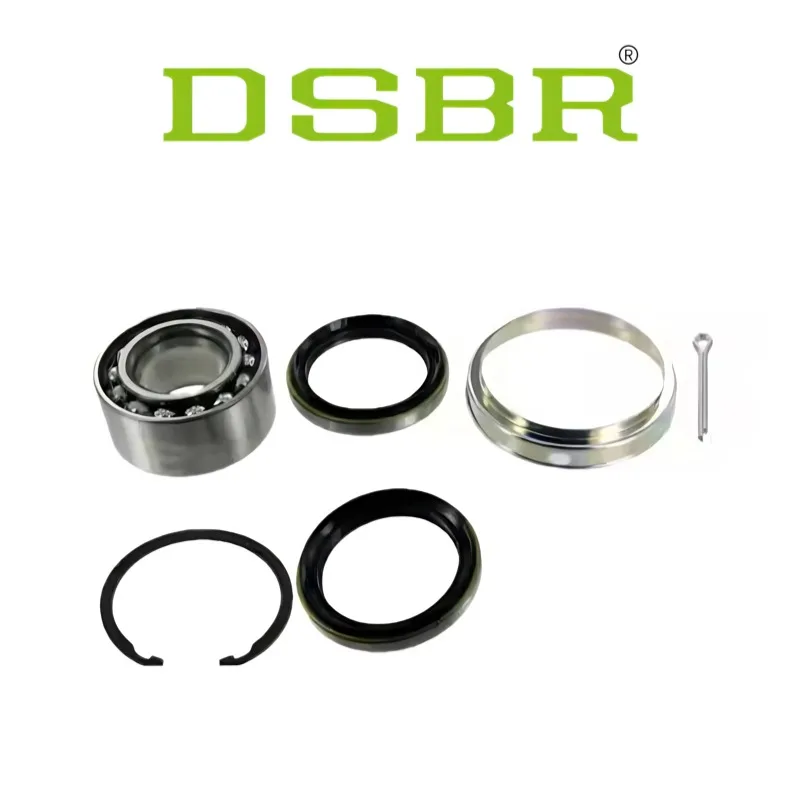
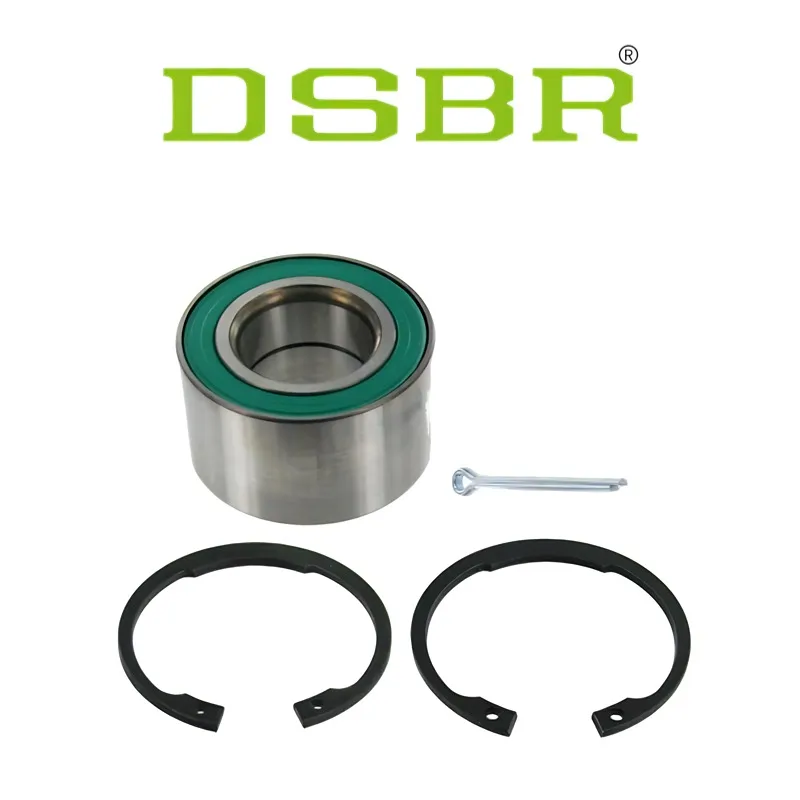
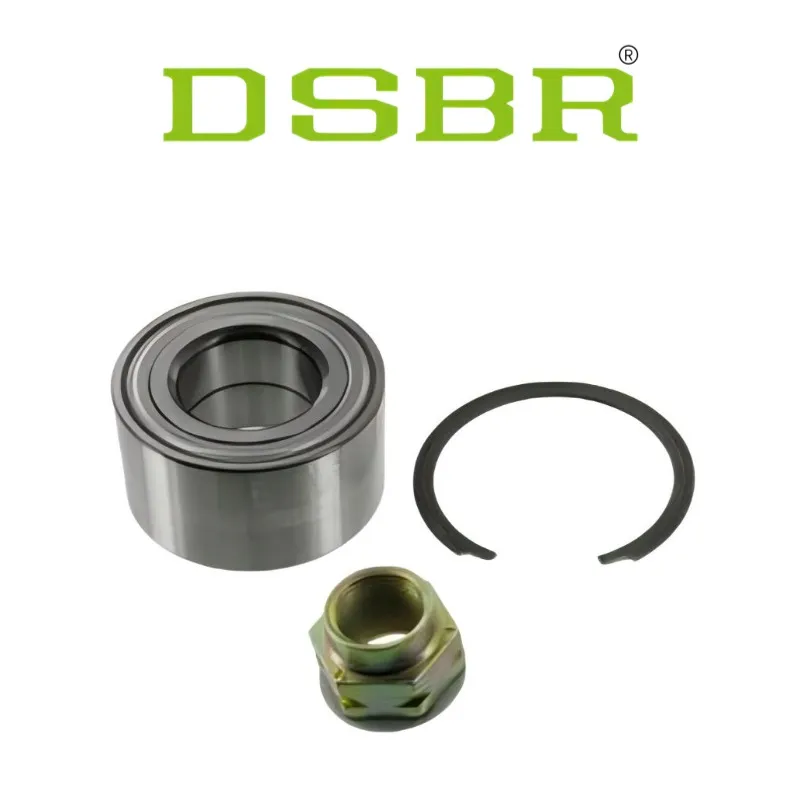


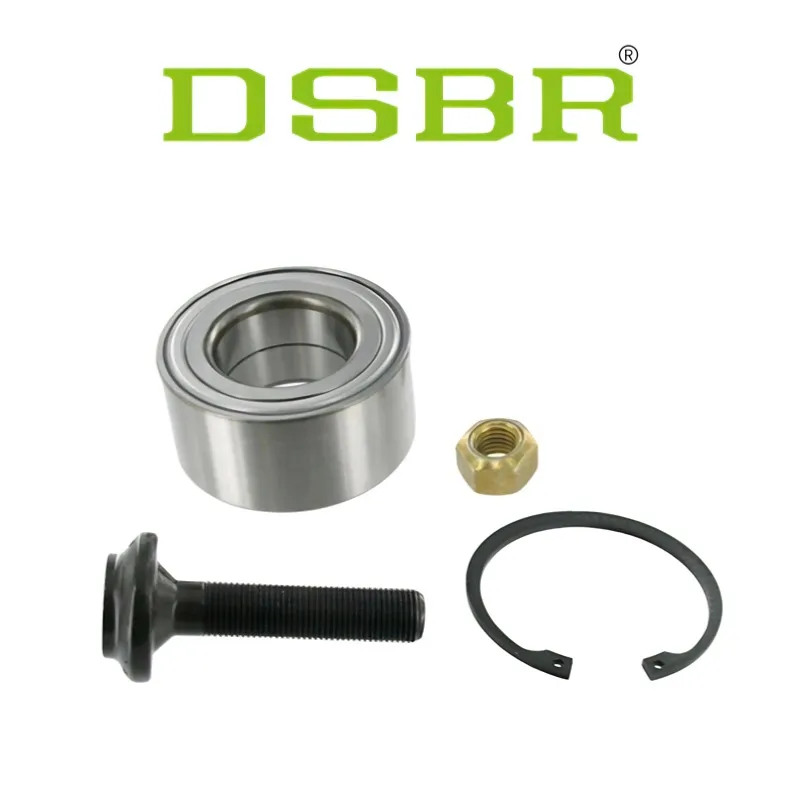
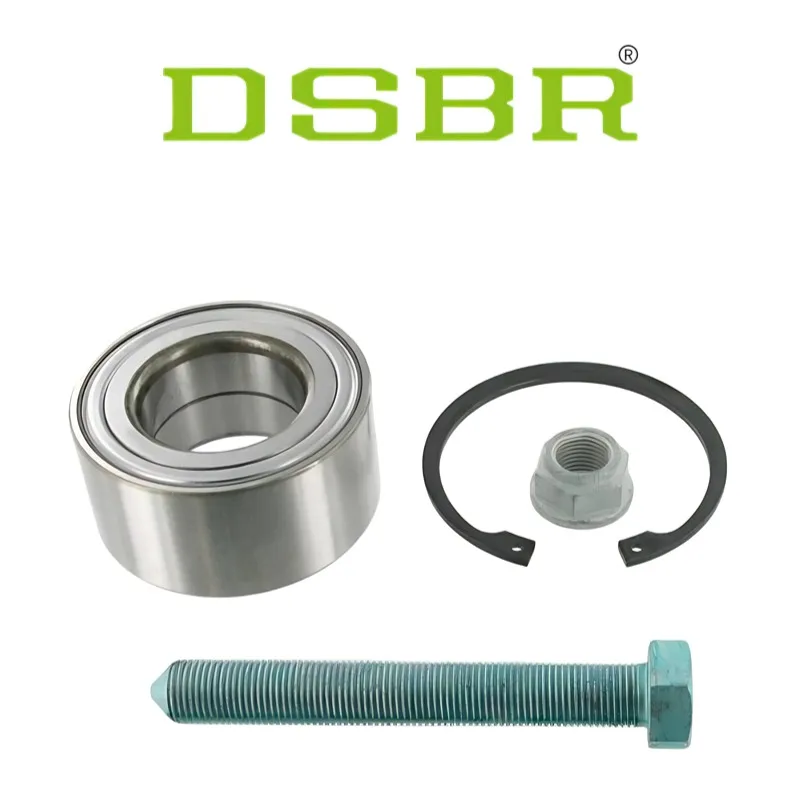
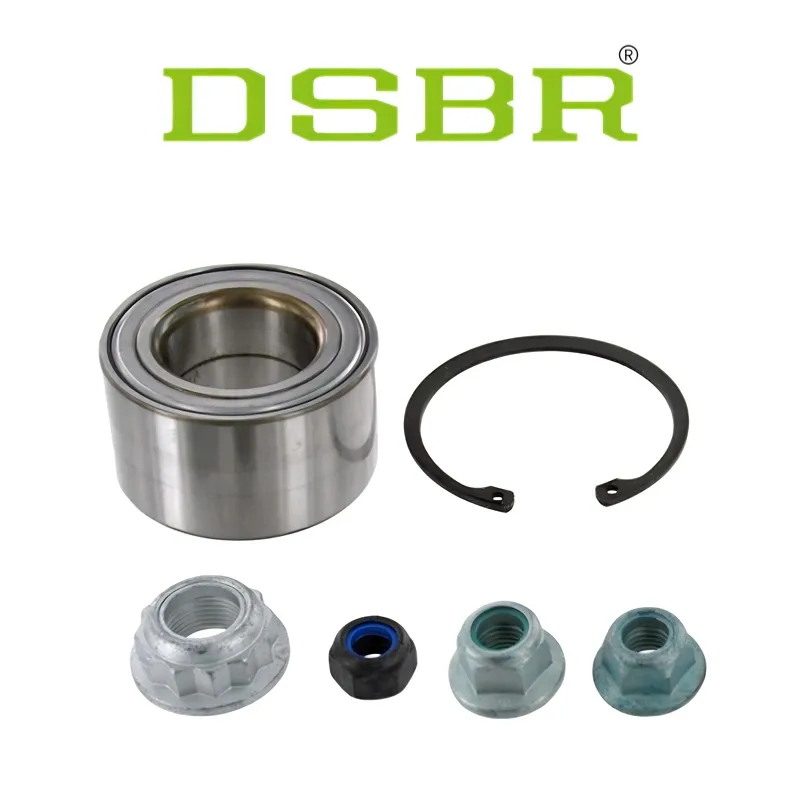
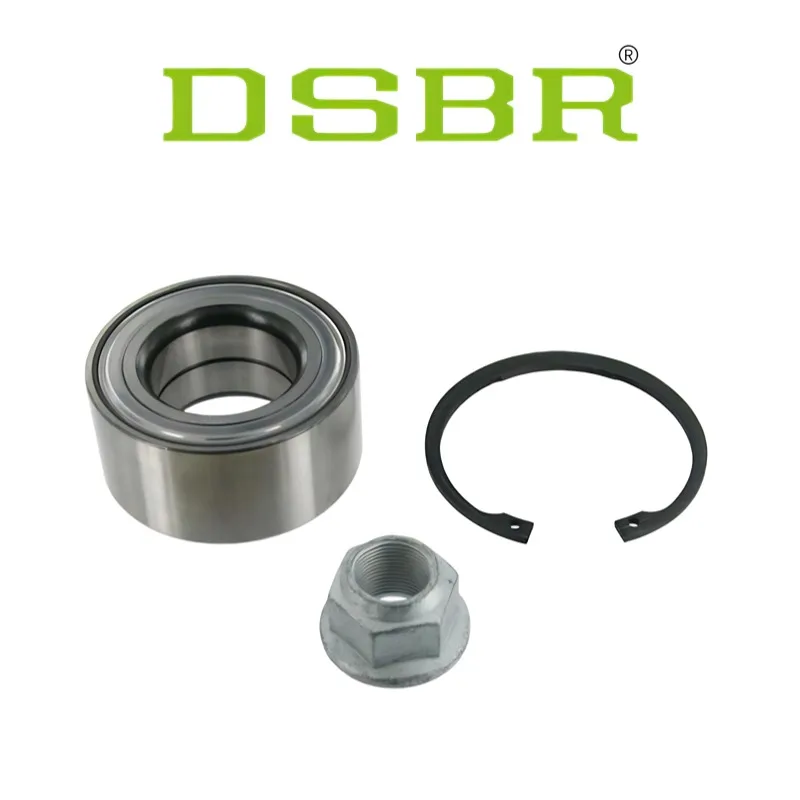
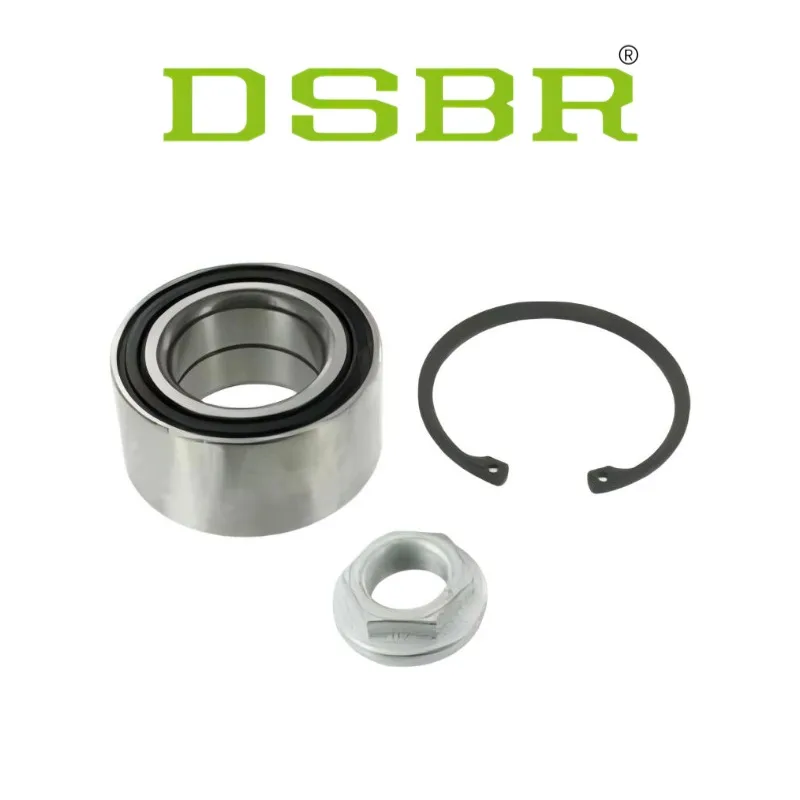
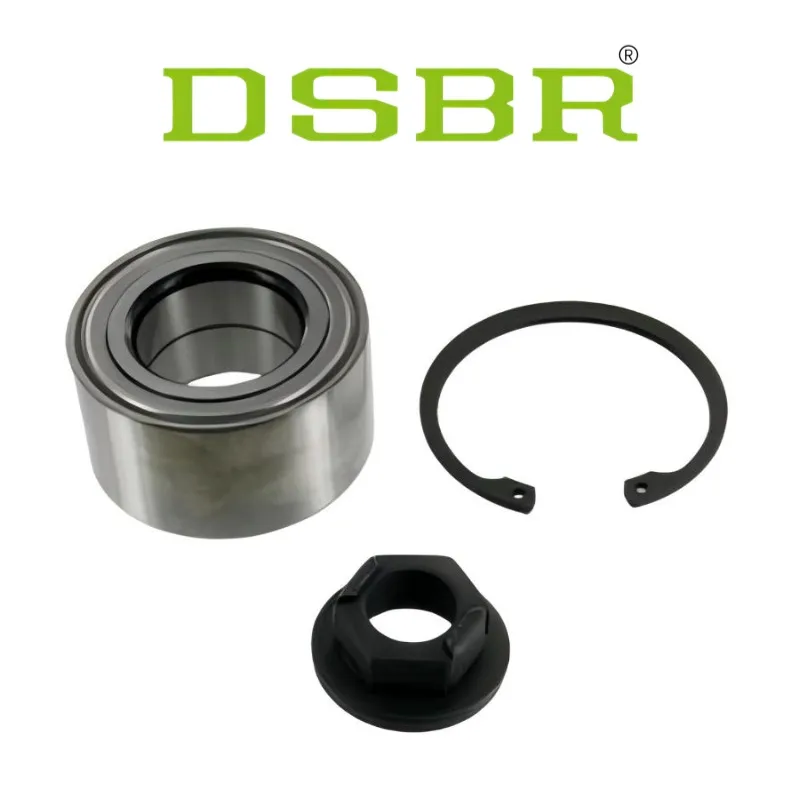
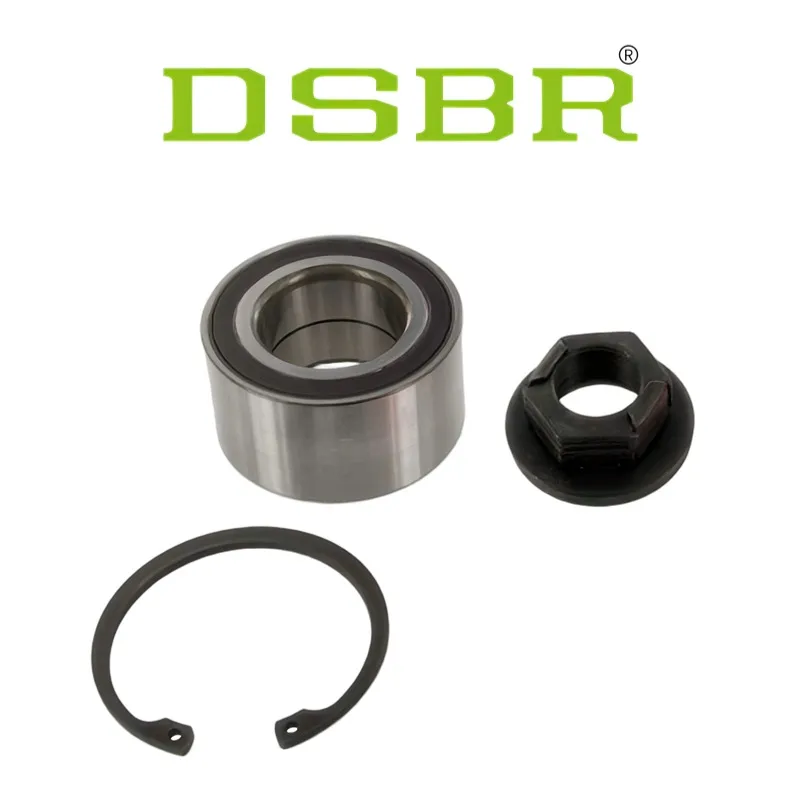
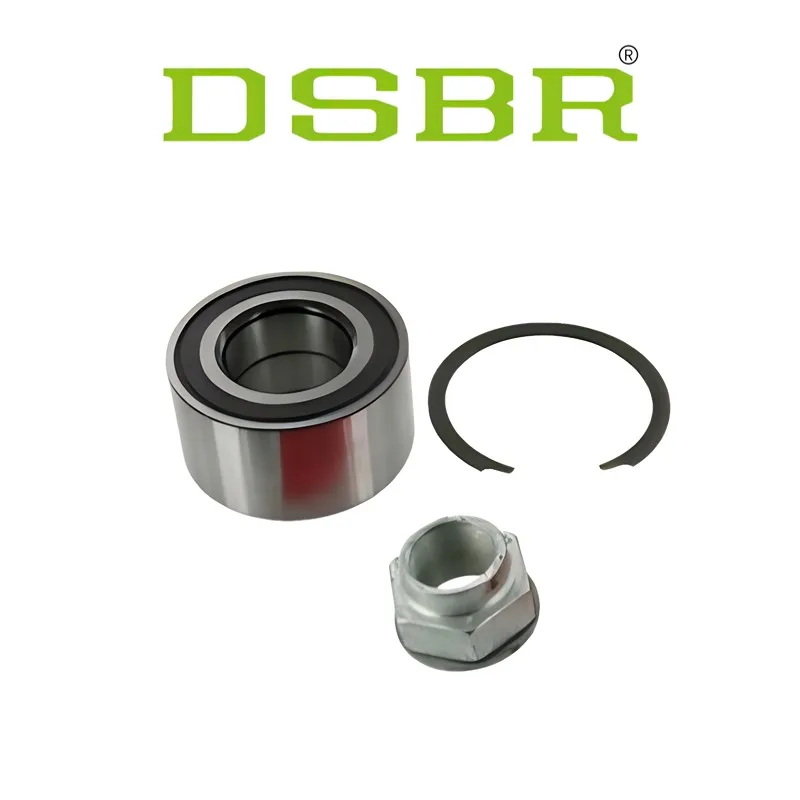
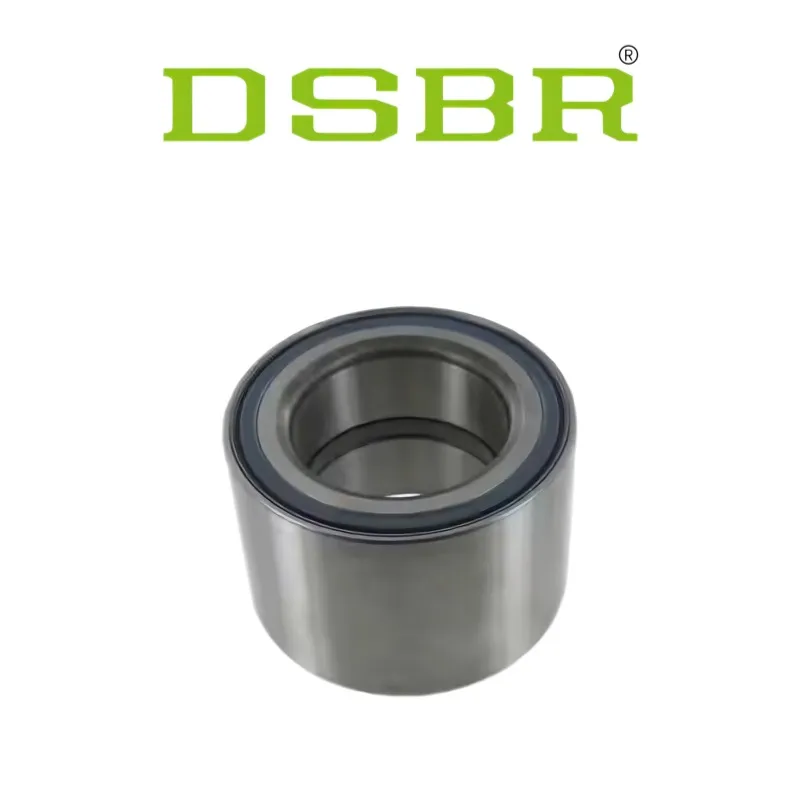
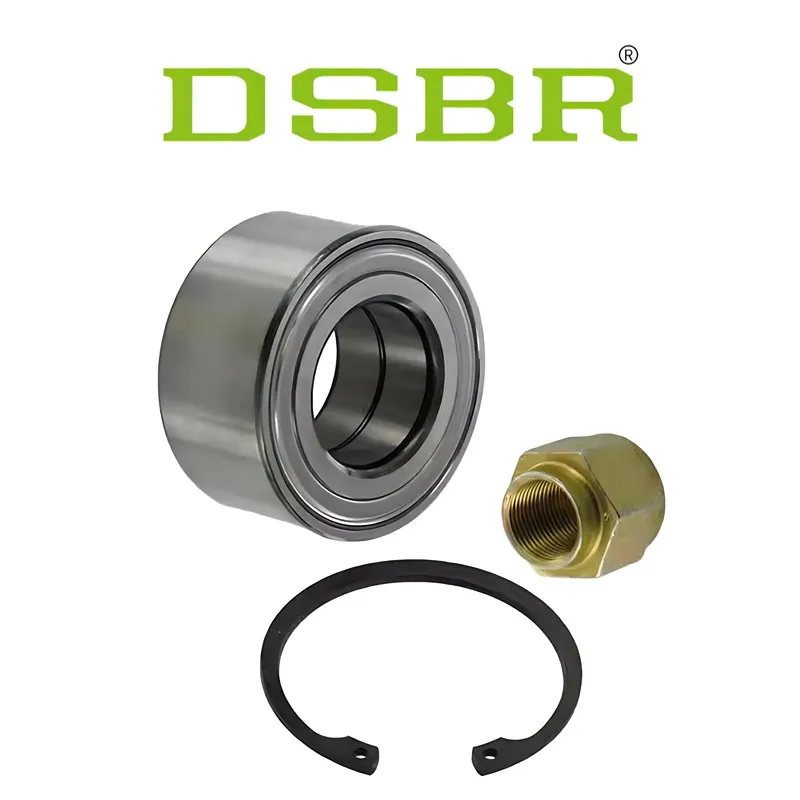
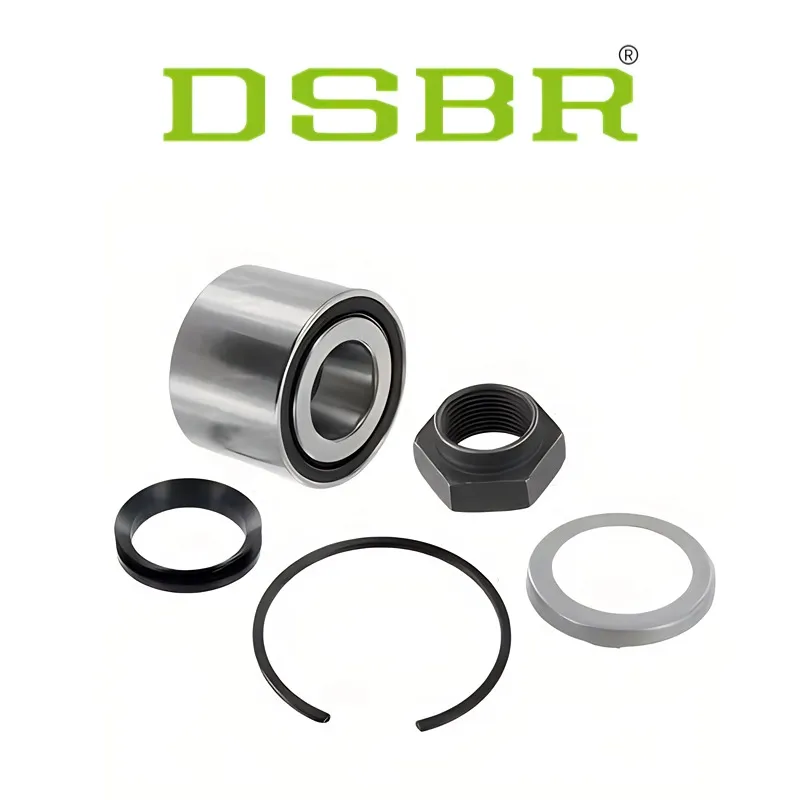
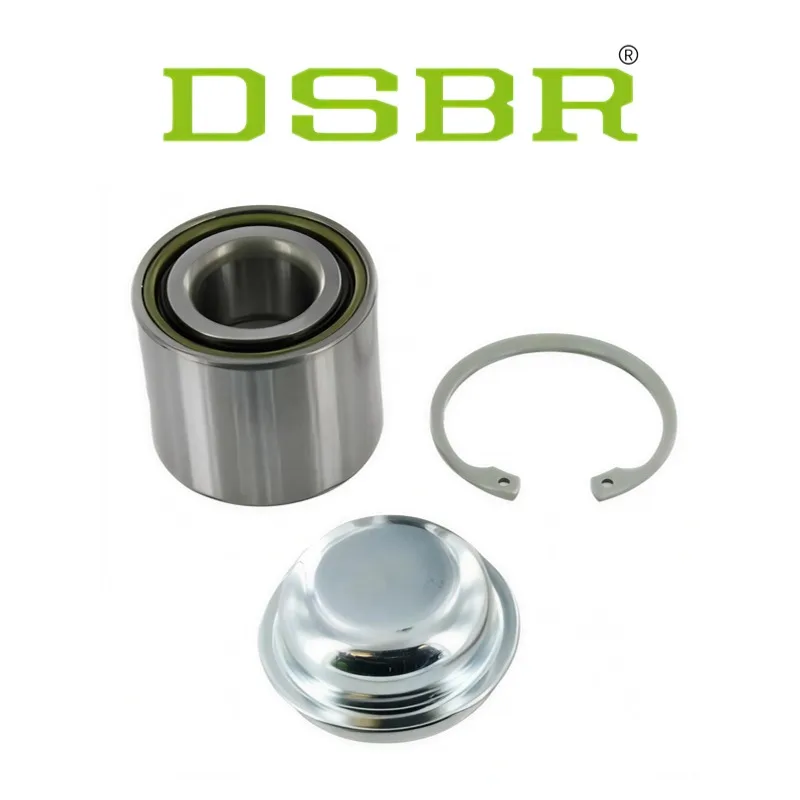
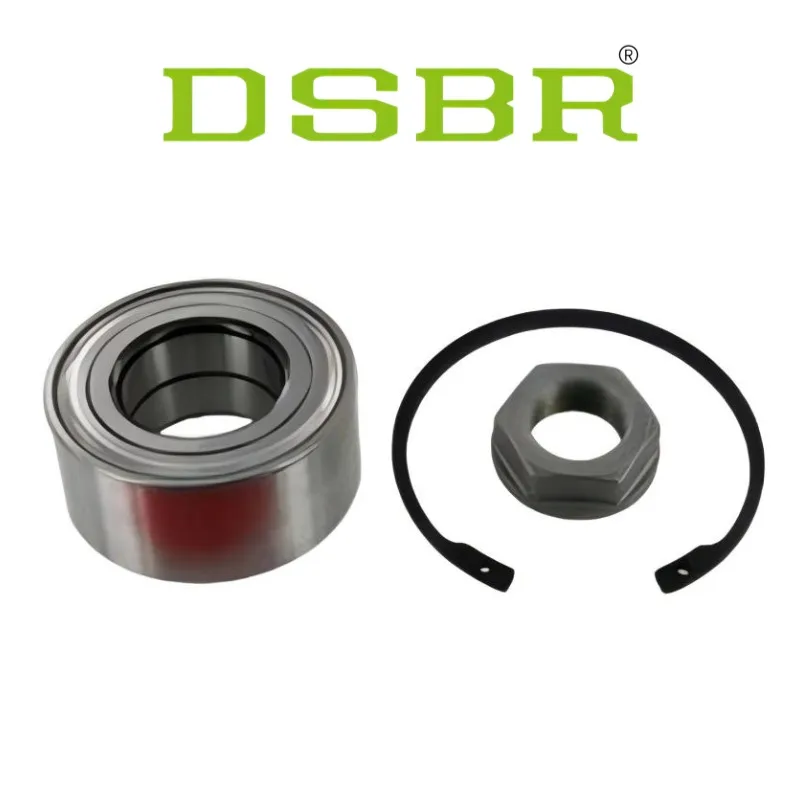
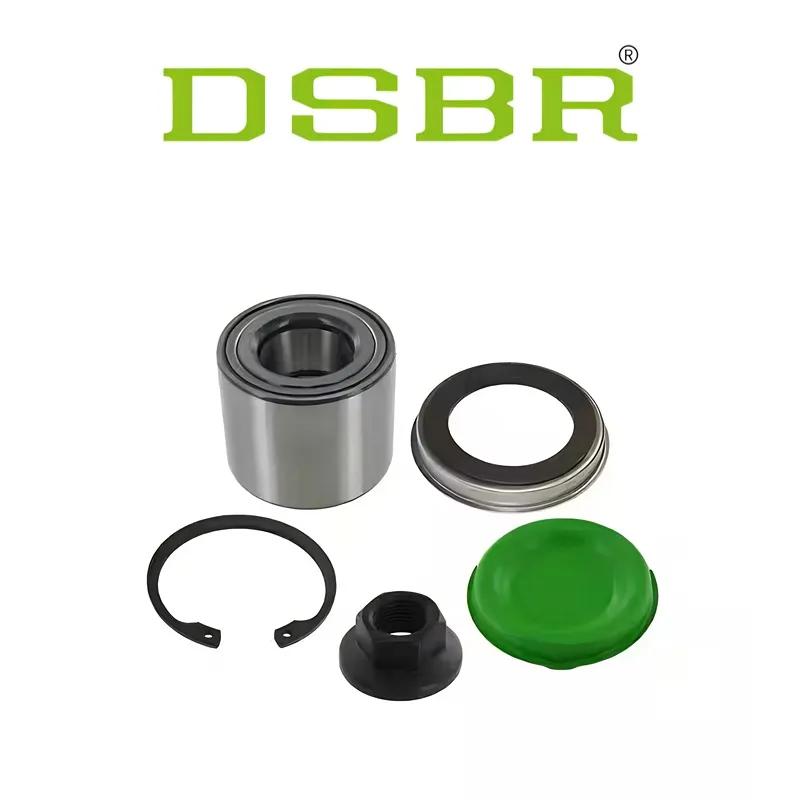

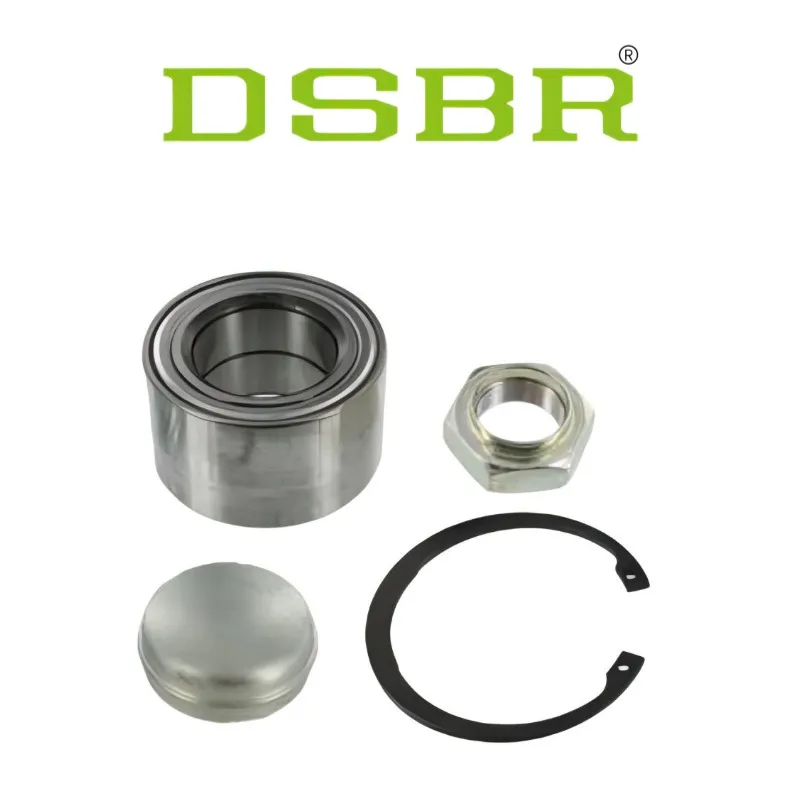
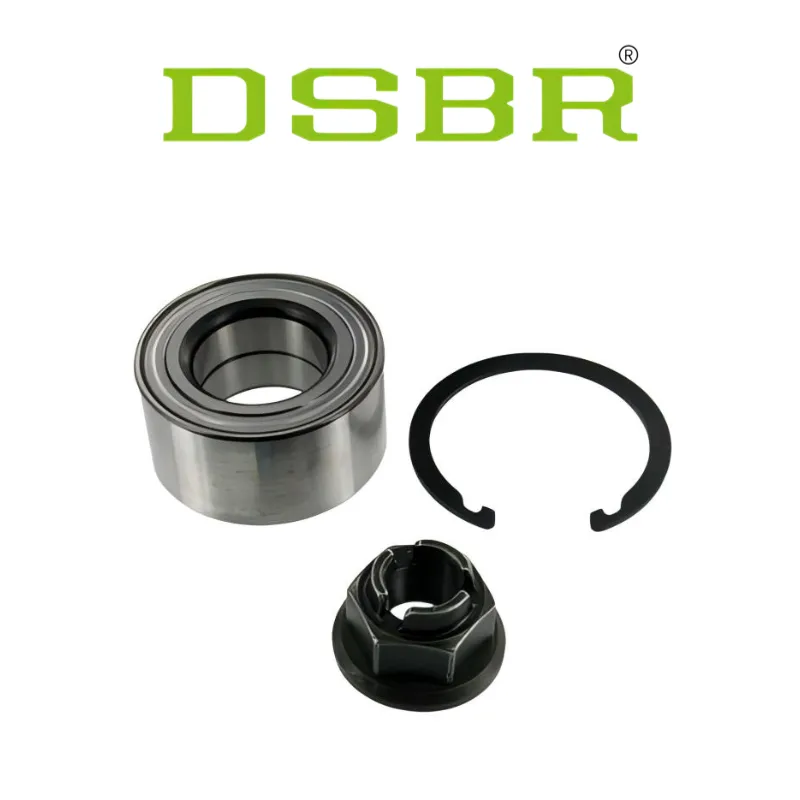
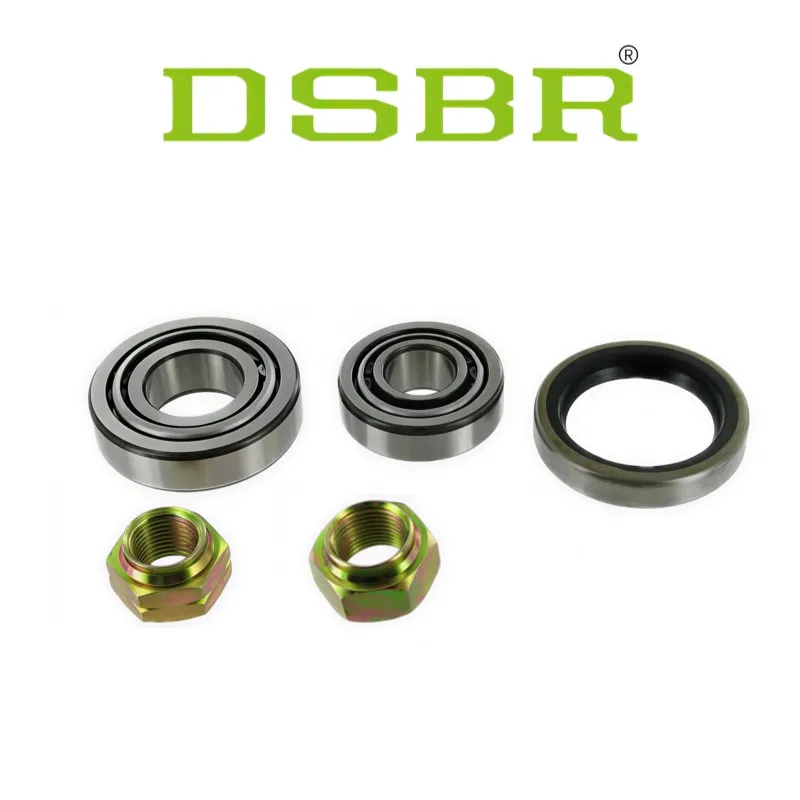
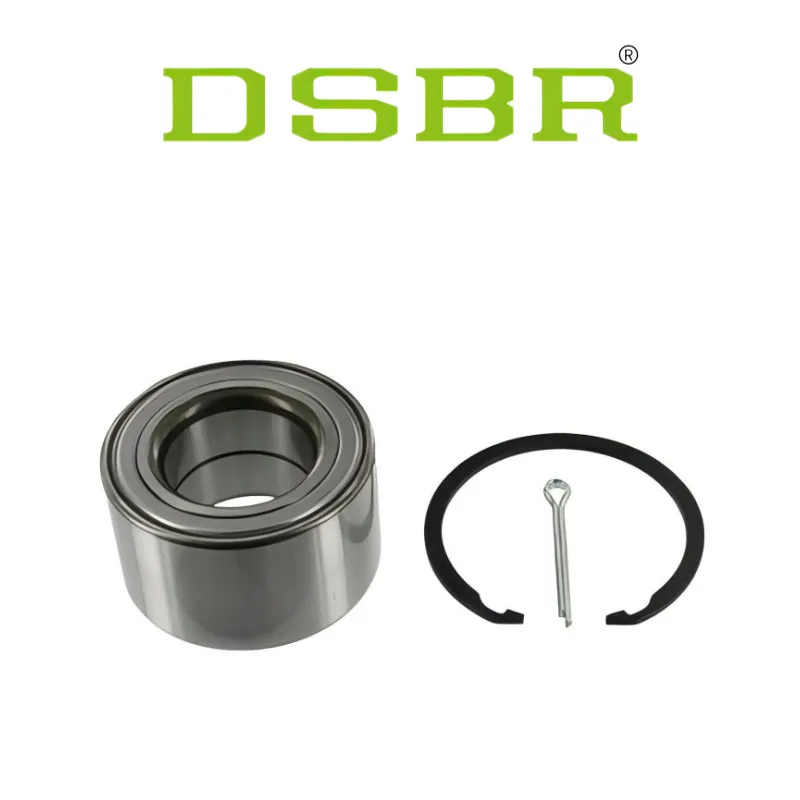
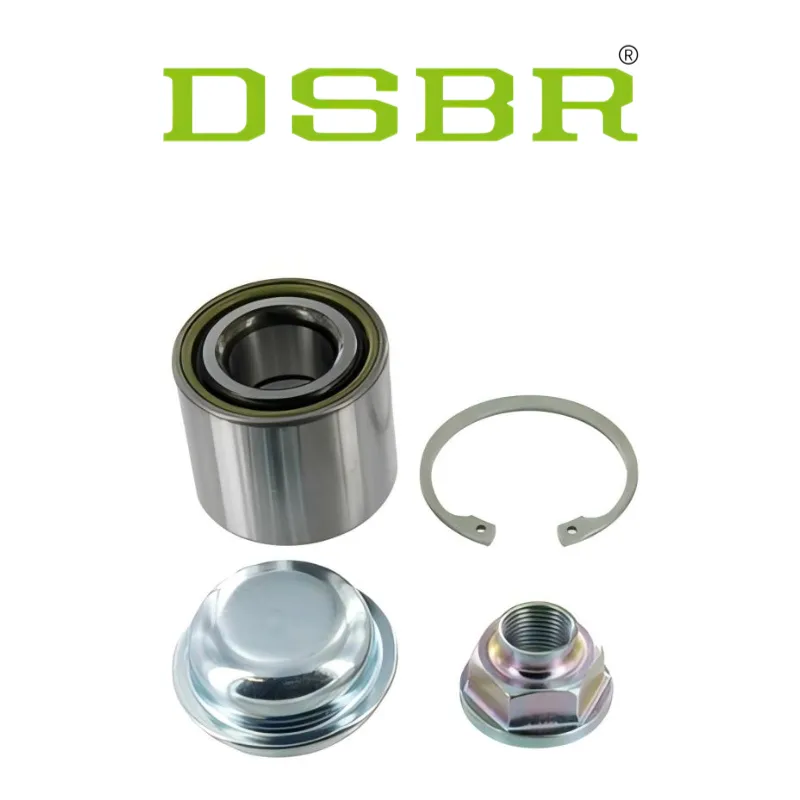
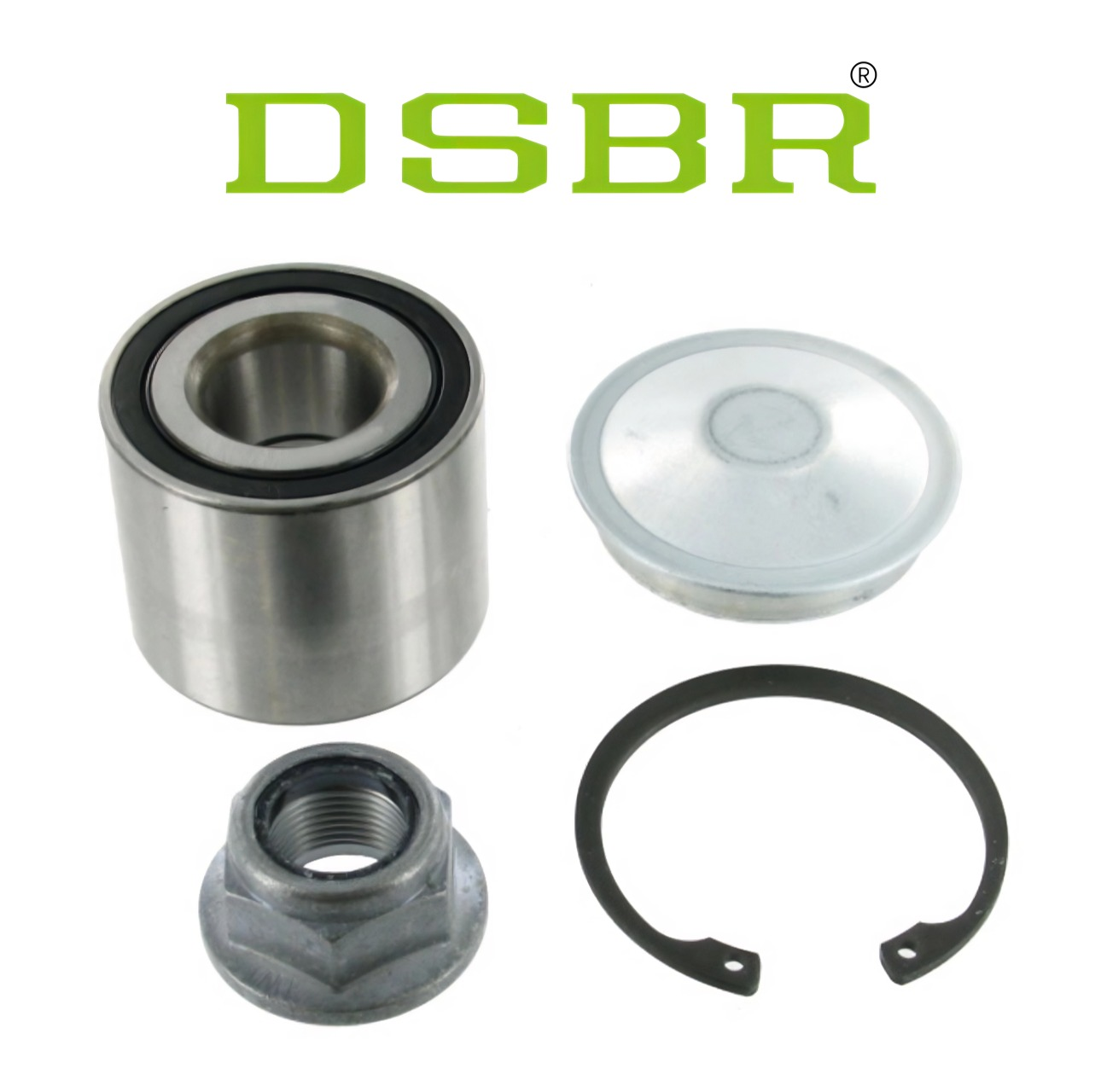
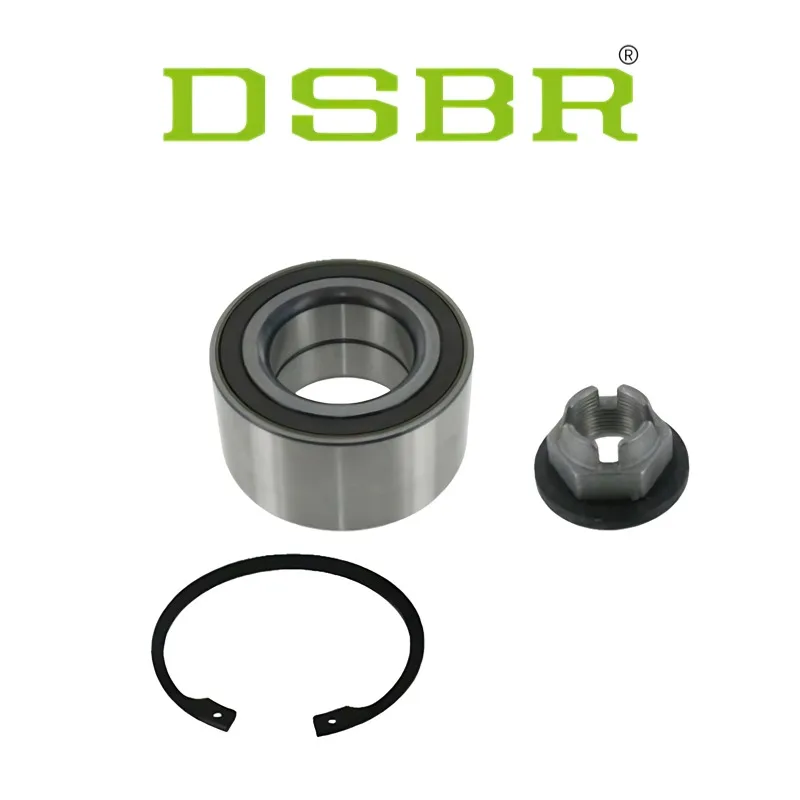
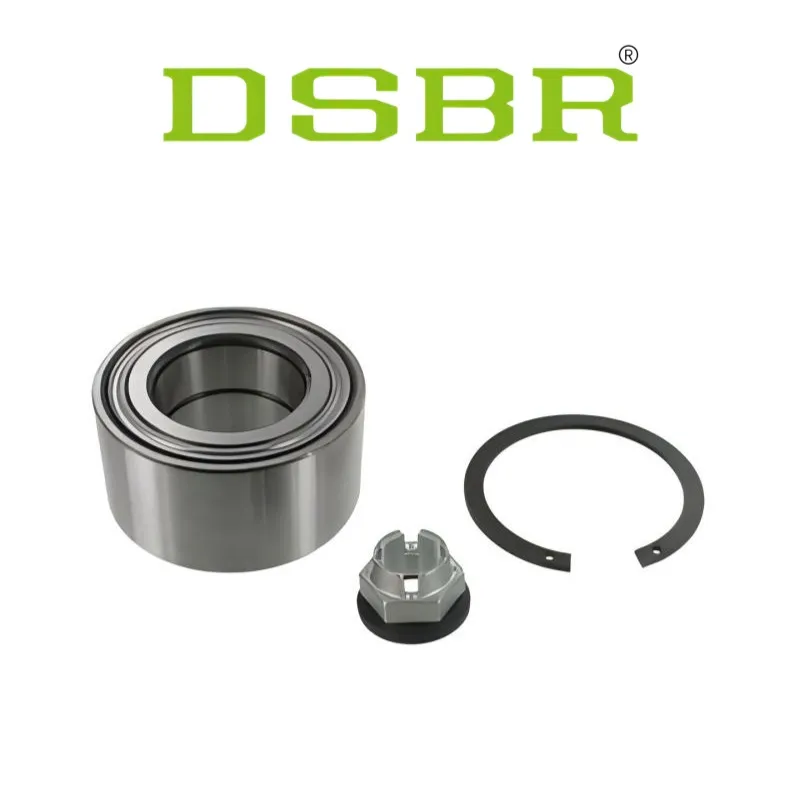
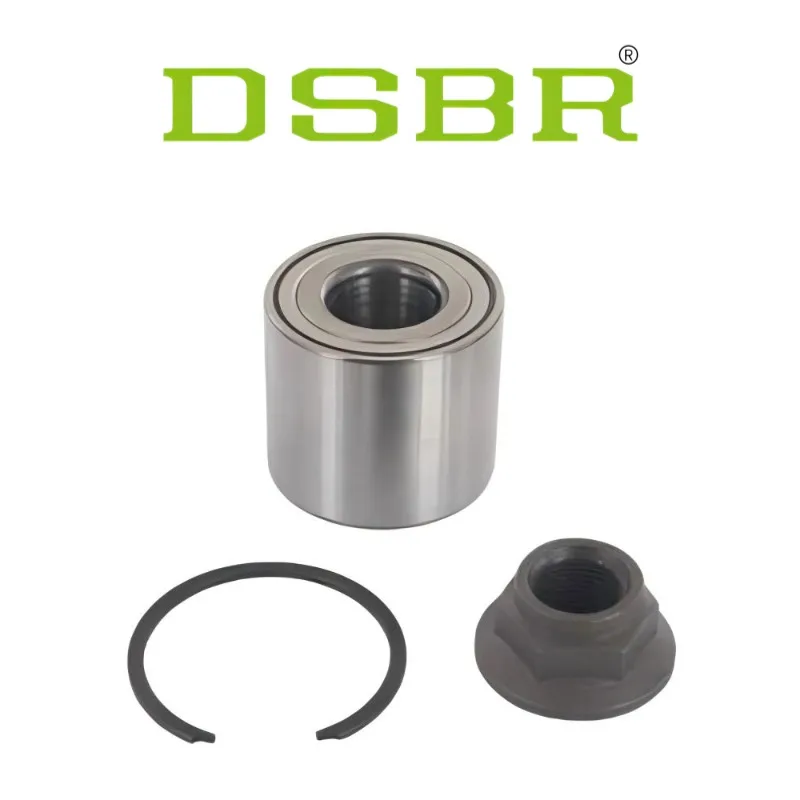
.webp "VKBA 3682-Wheel Bearing Kit")
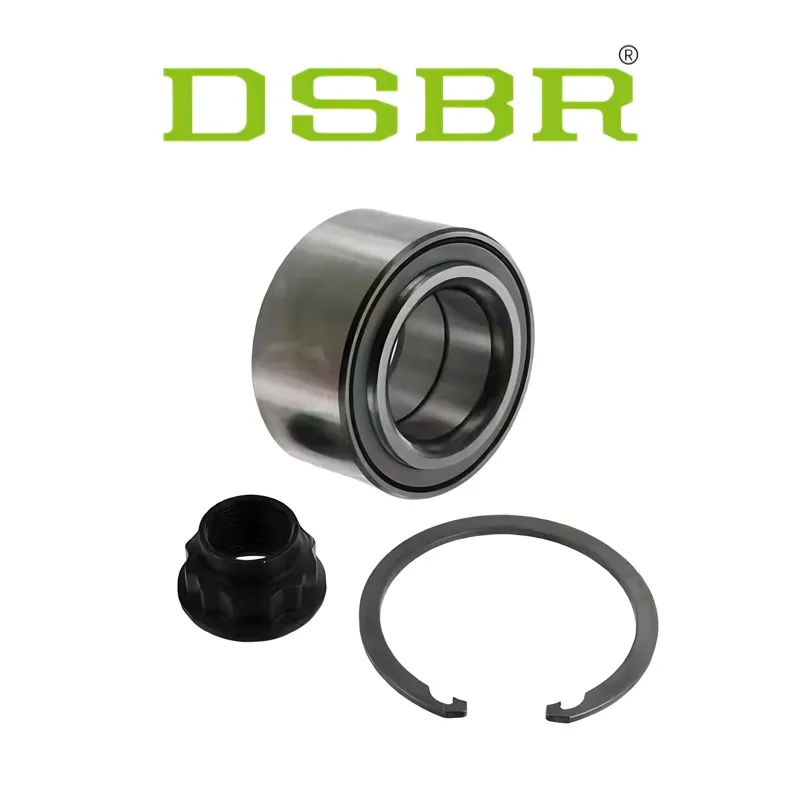
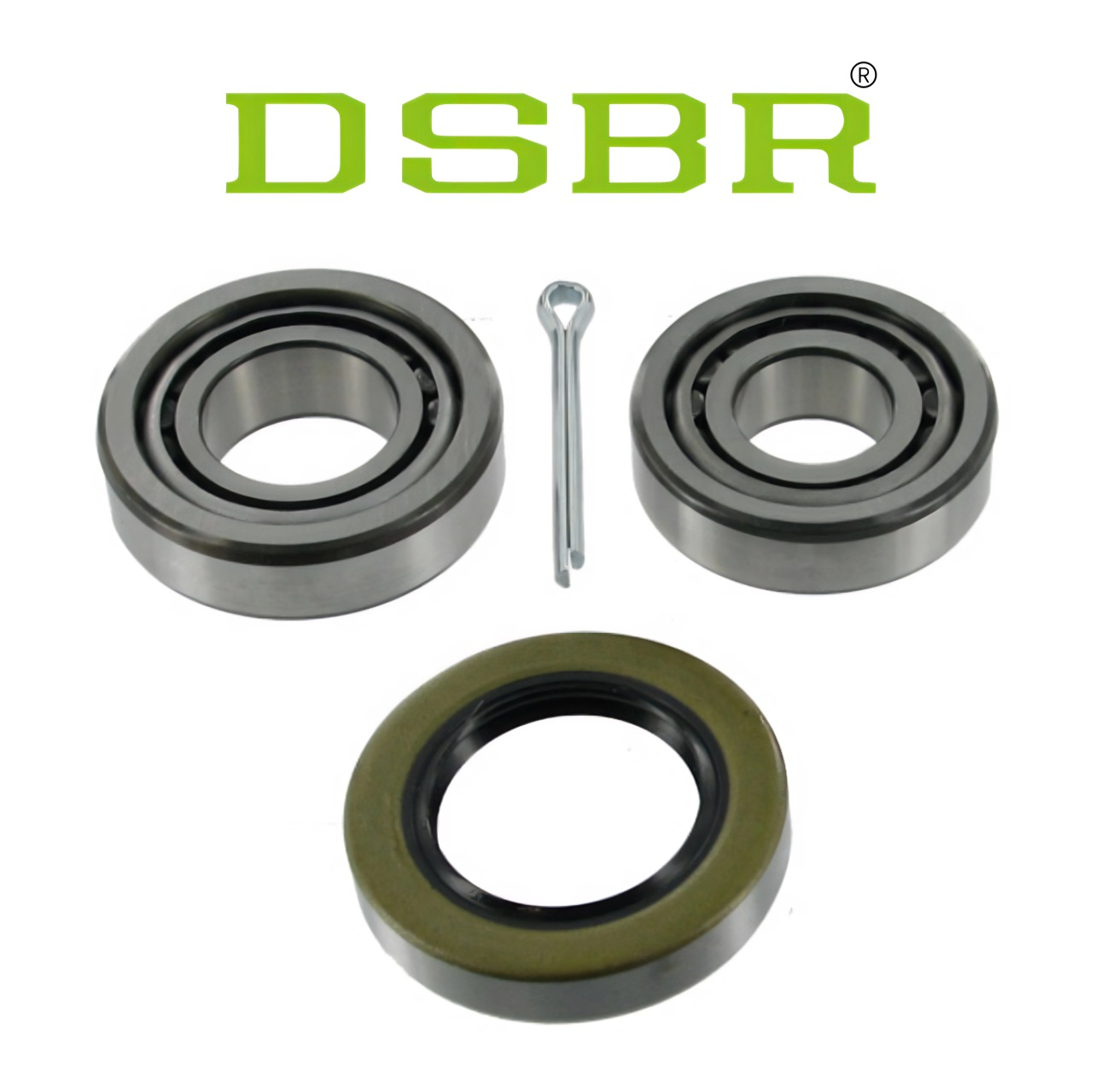

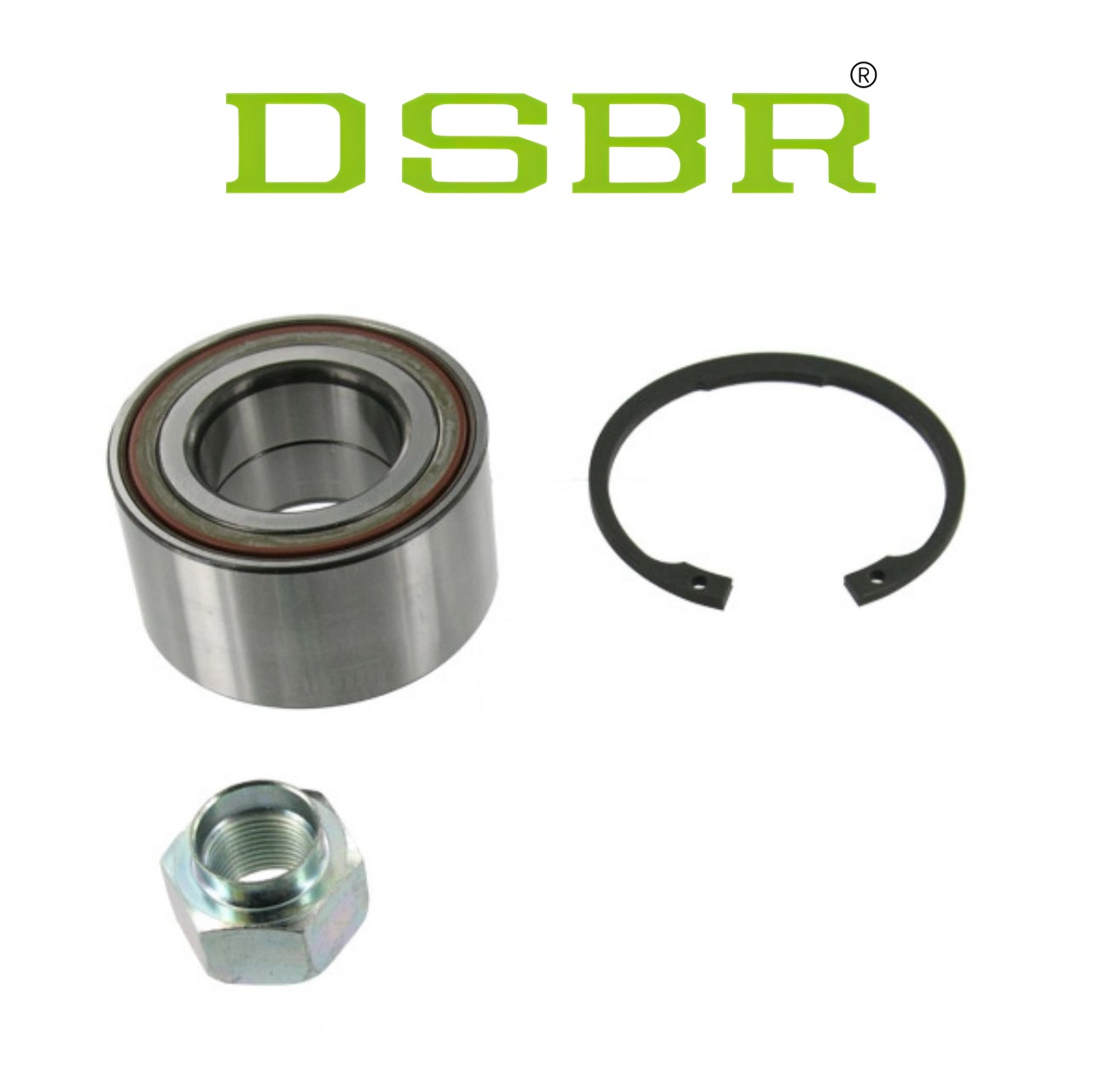
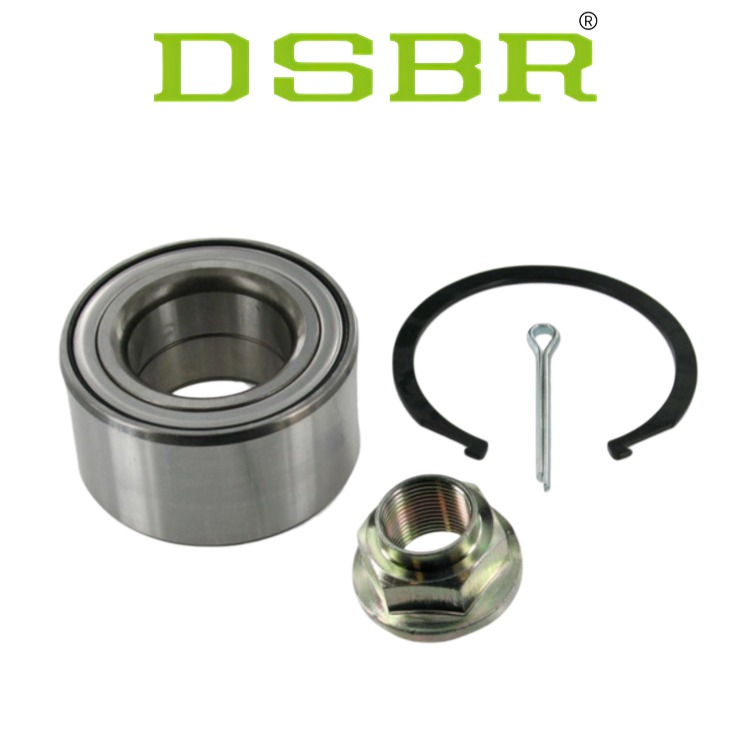
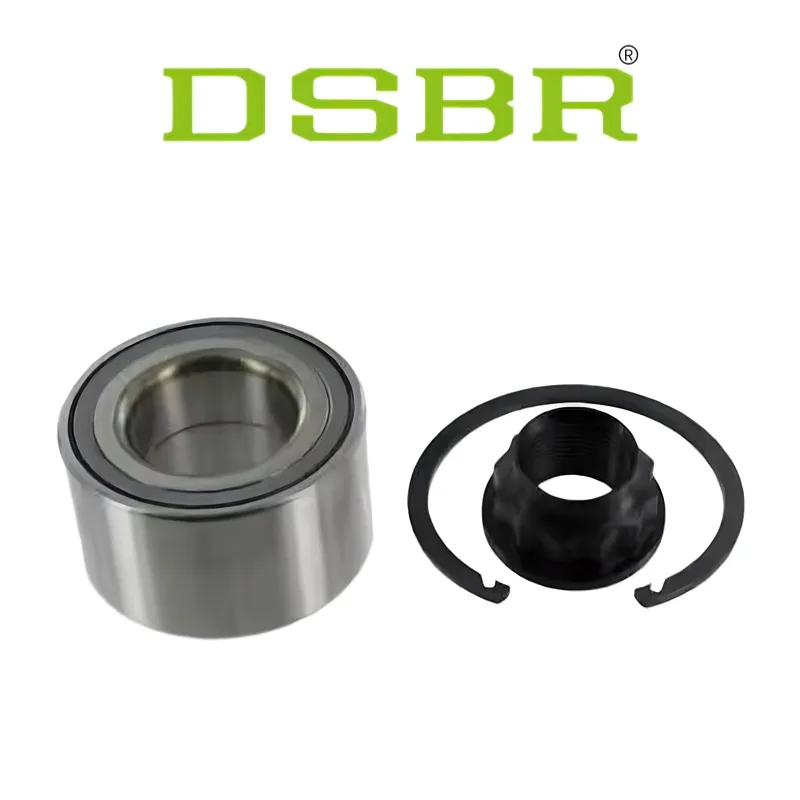
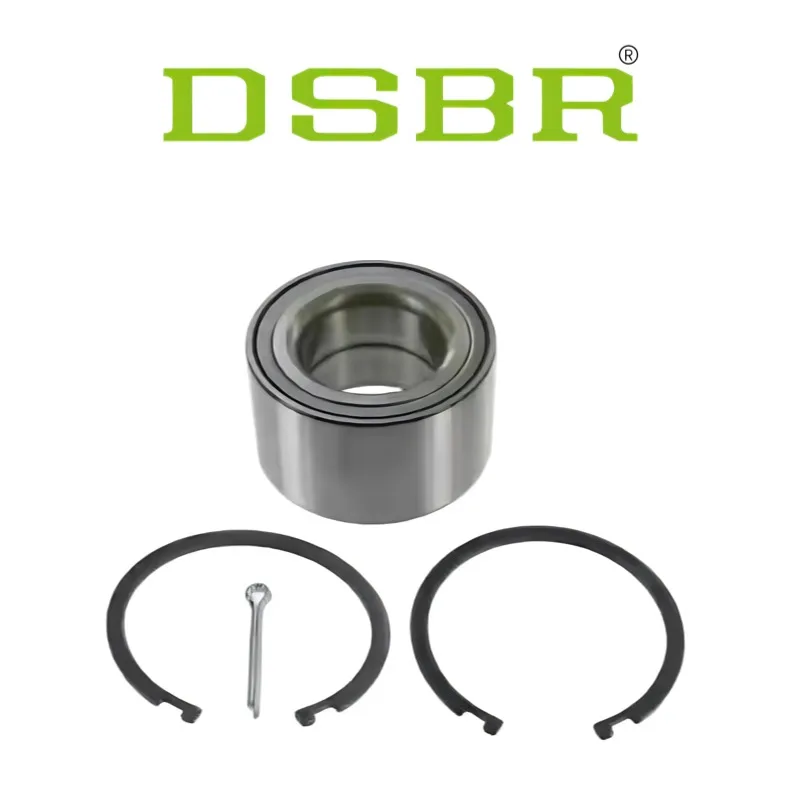
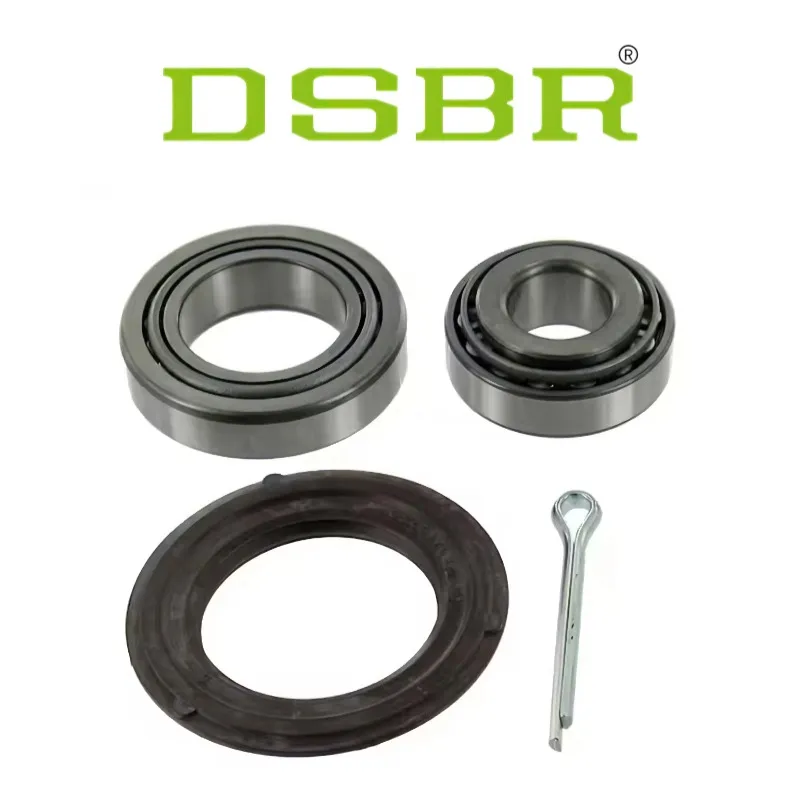
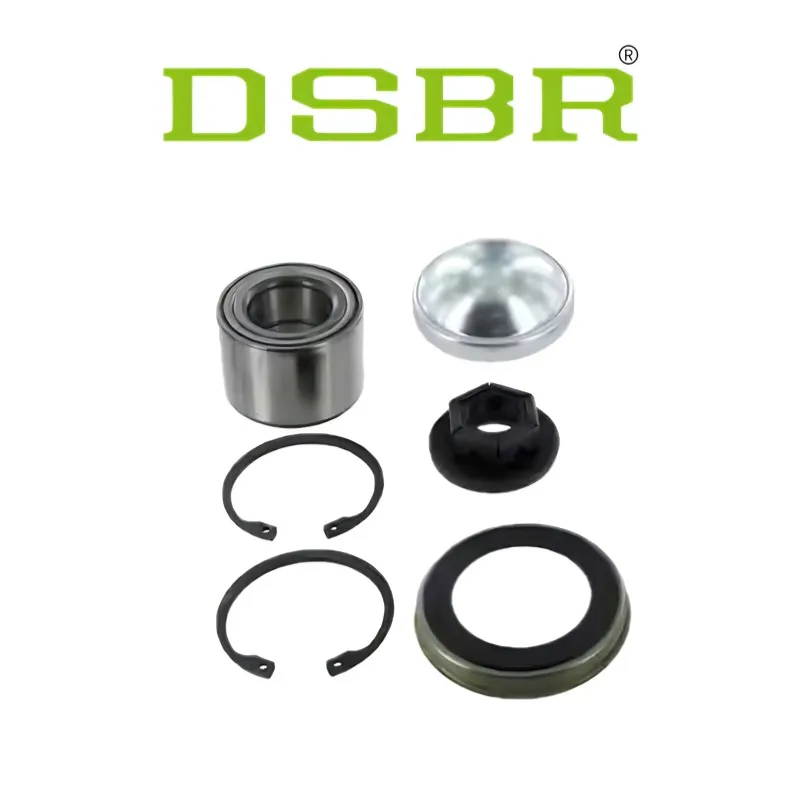
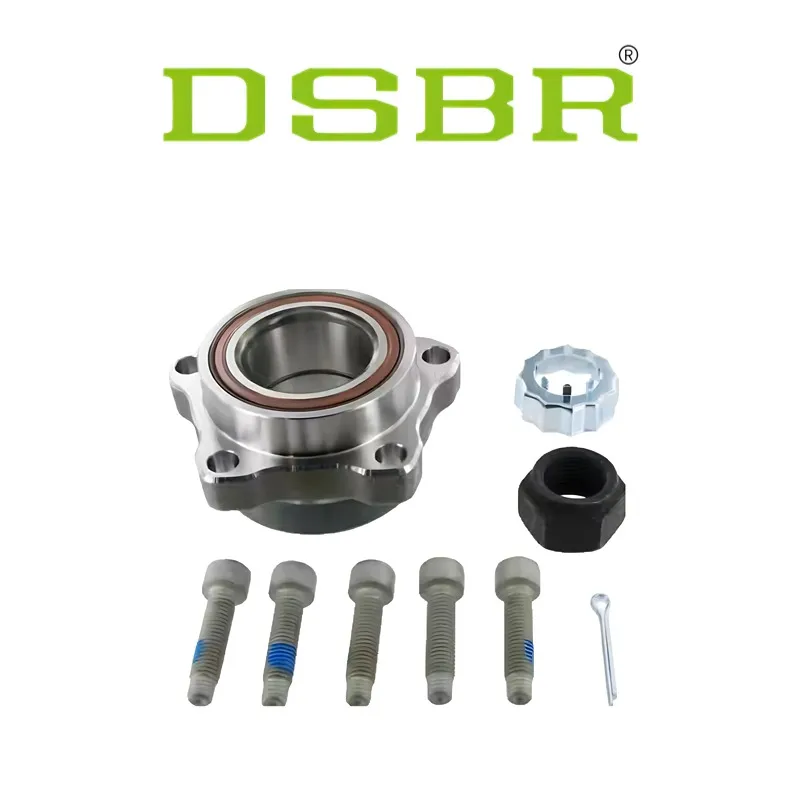
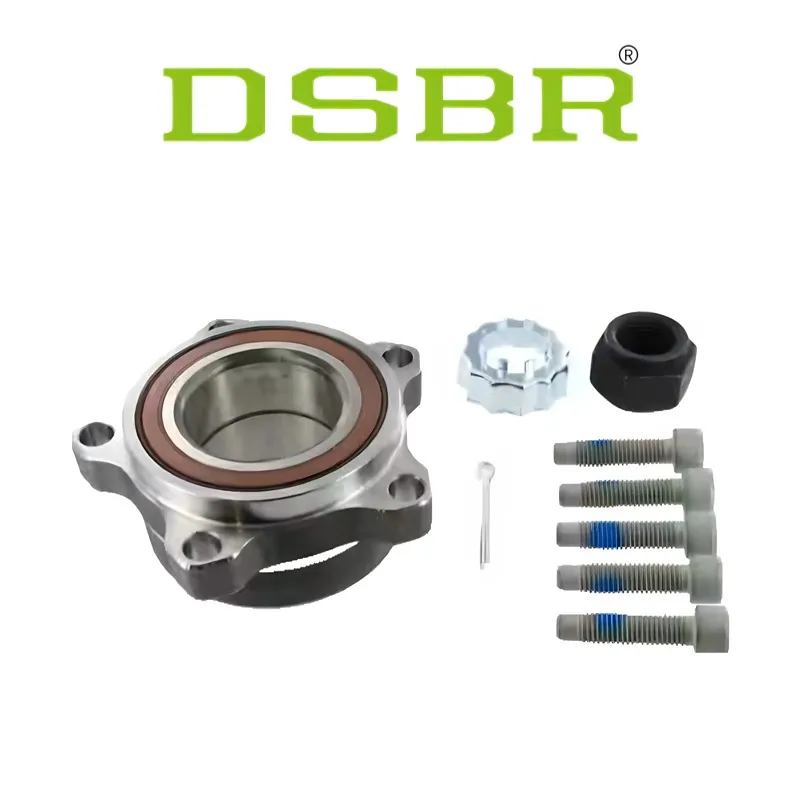
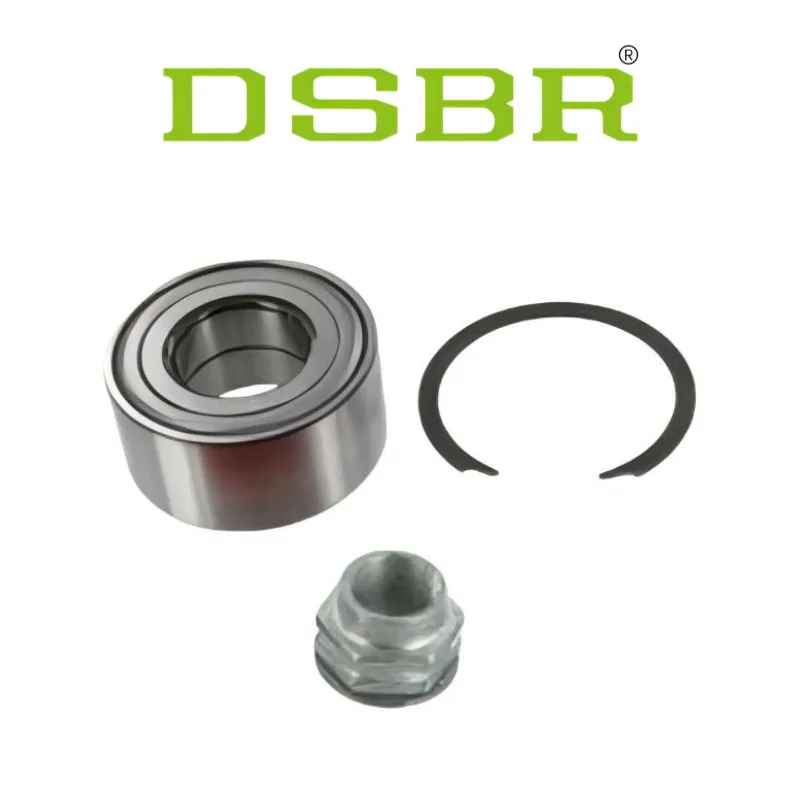
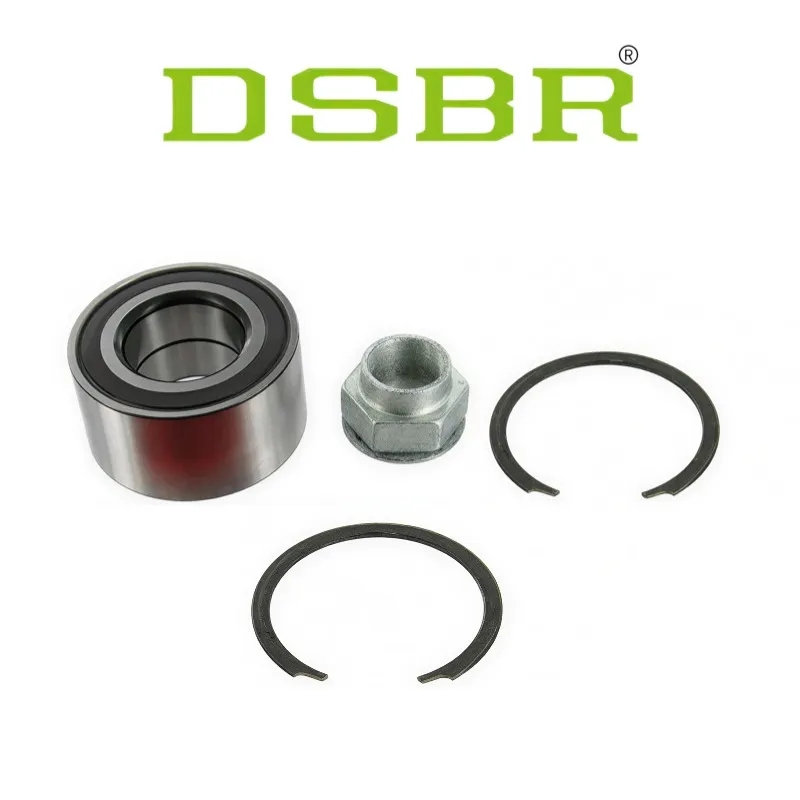
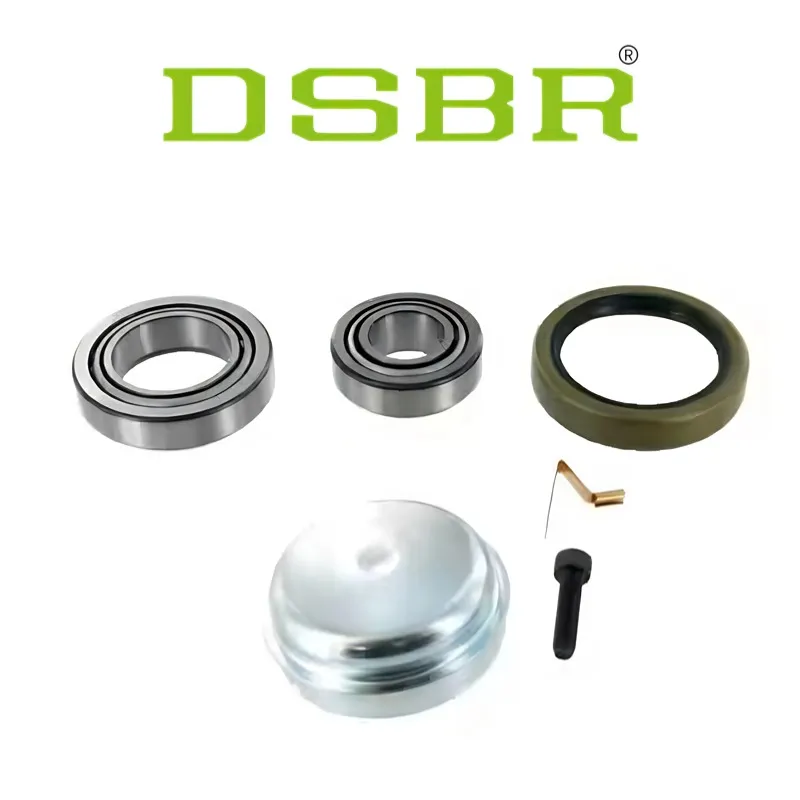
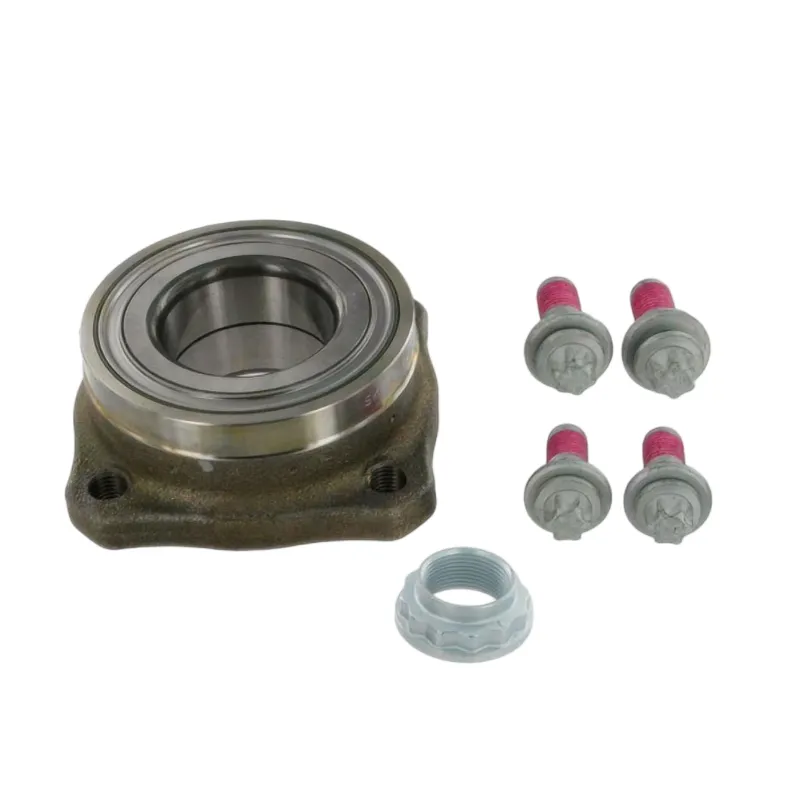
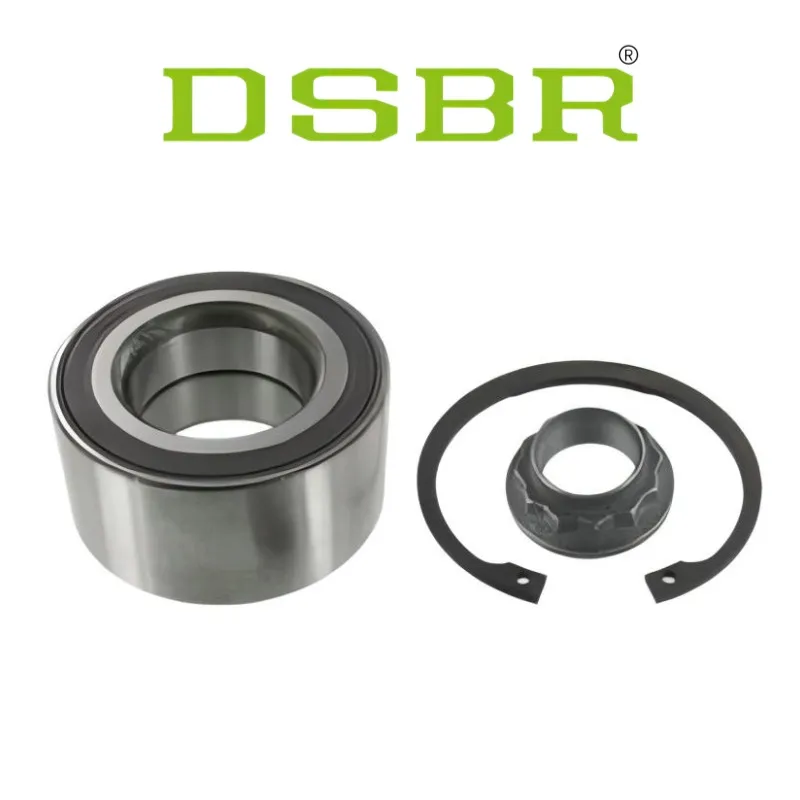
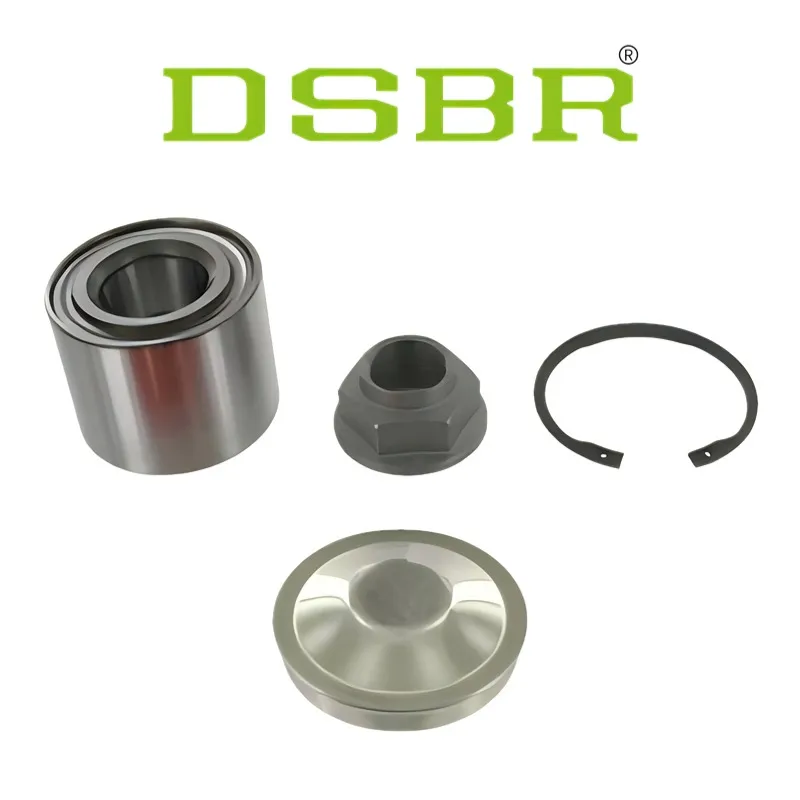
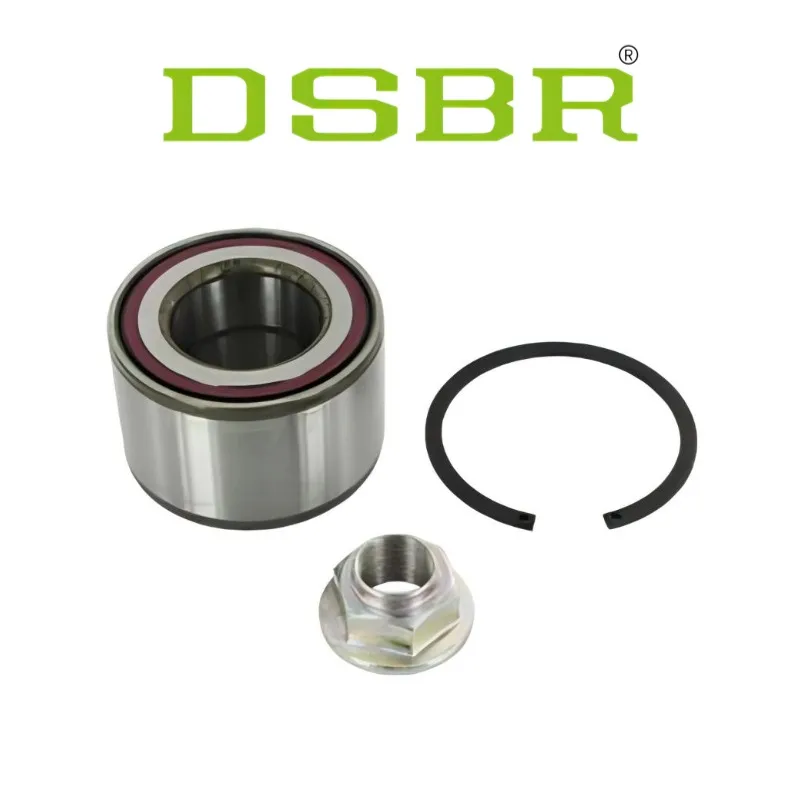
.webp "VKBA 6520-Wheel Bearing Kit")
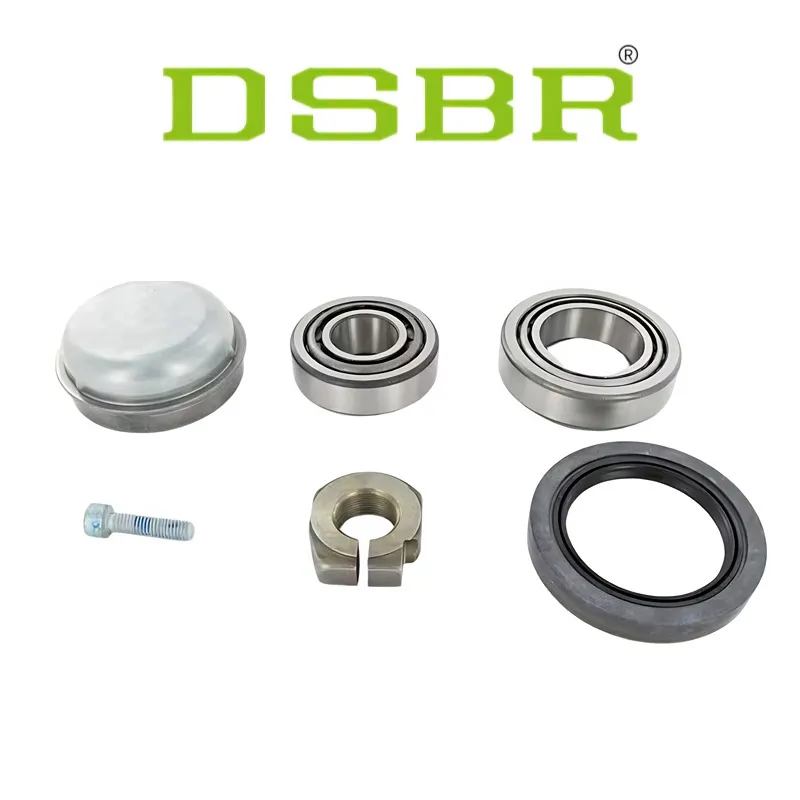
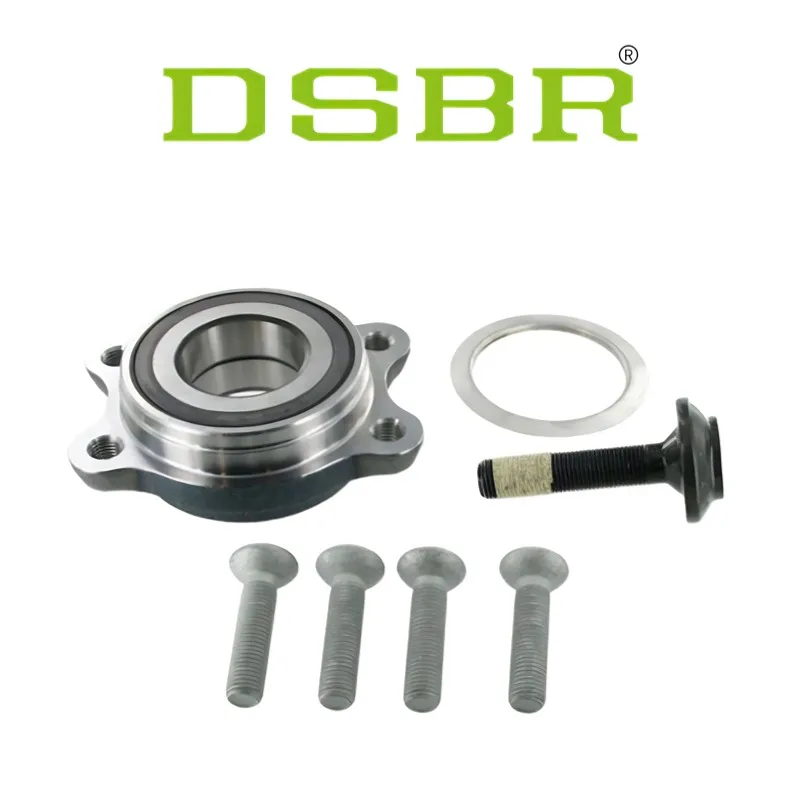
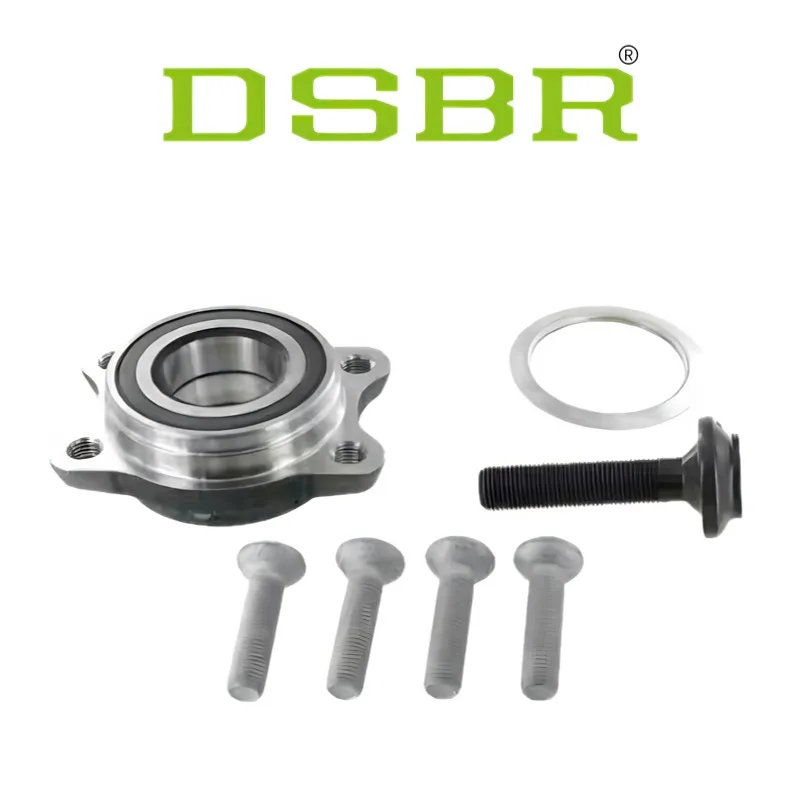
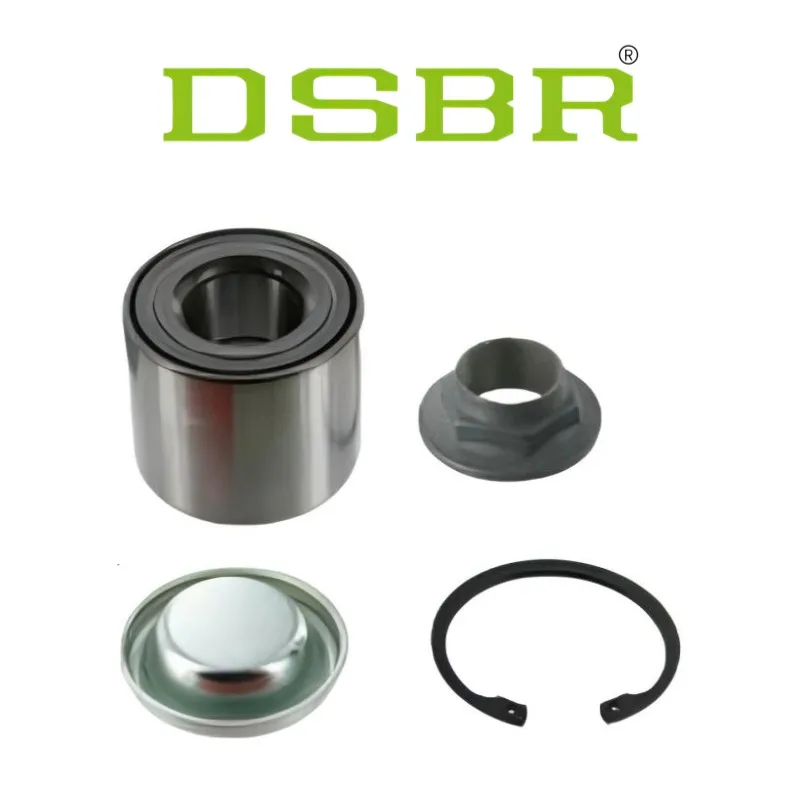
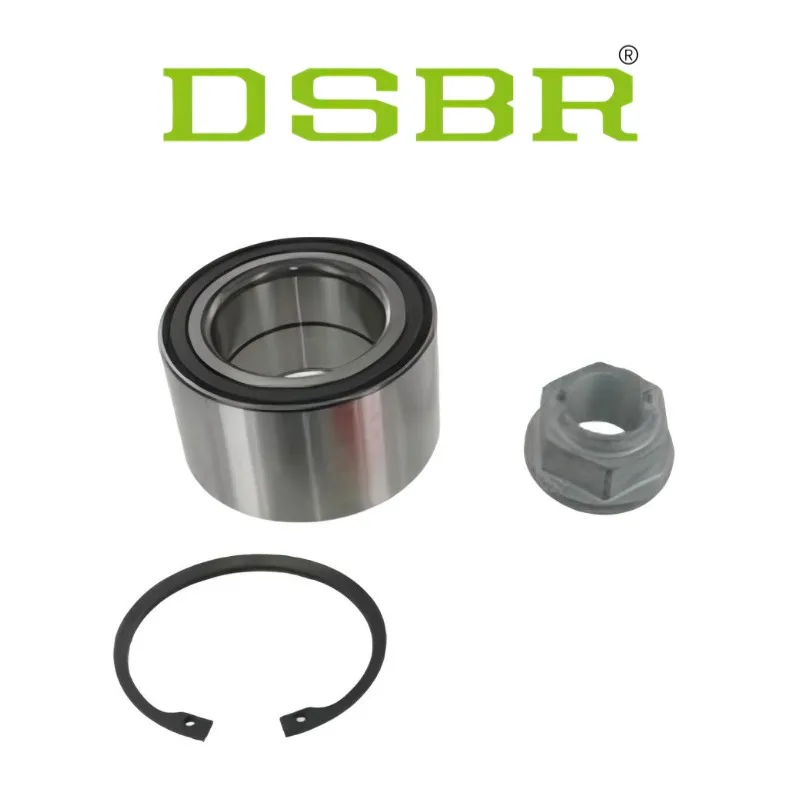
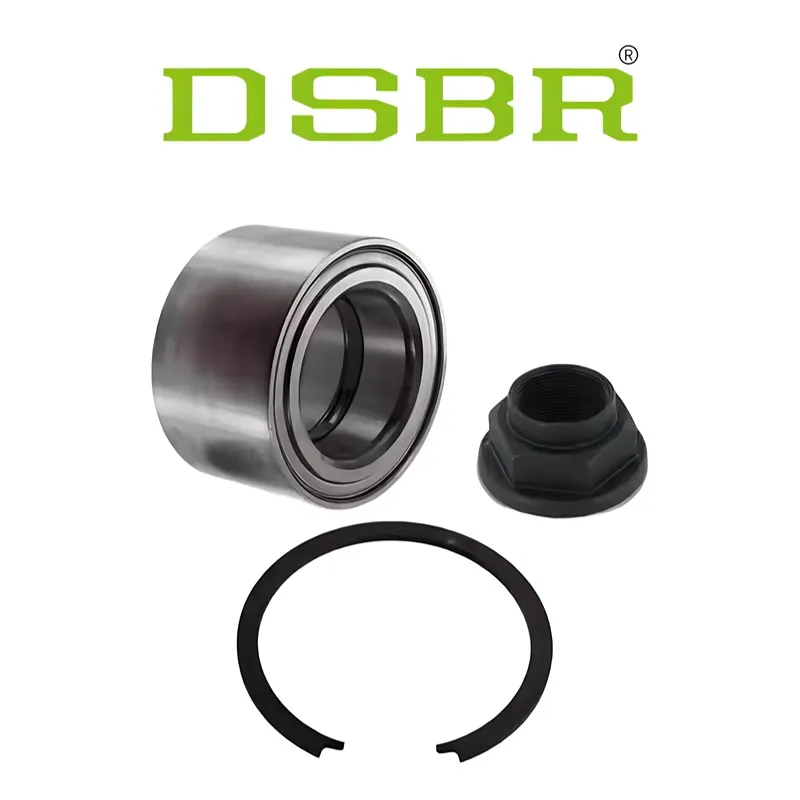
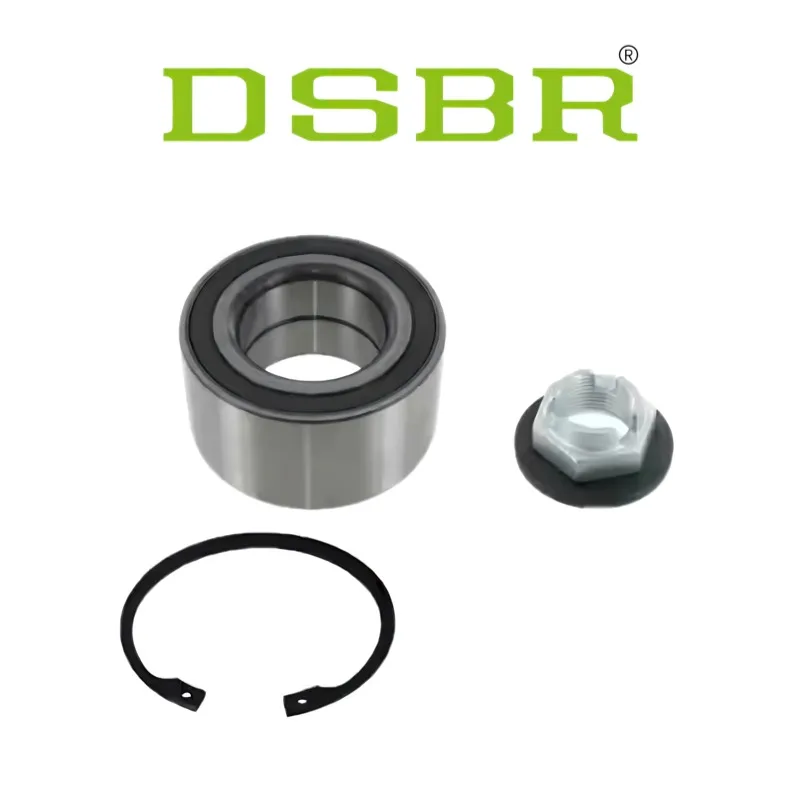
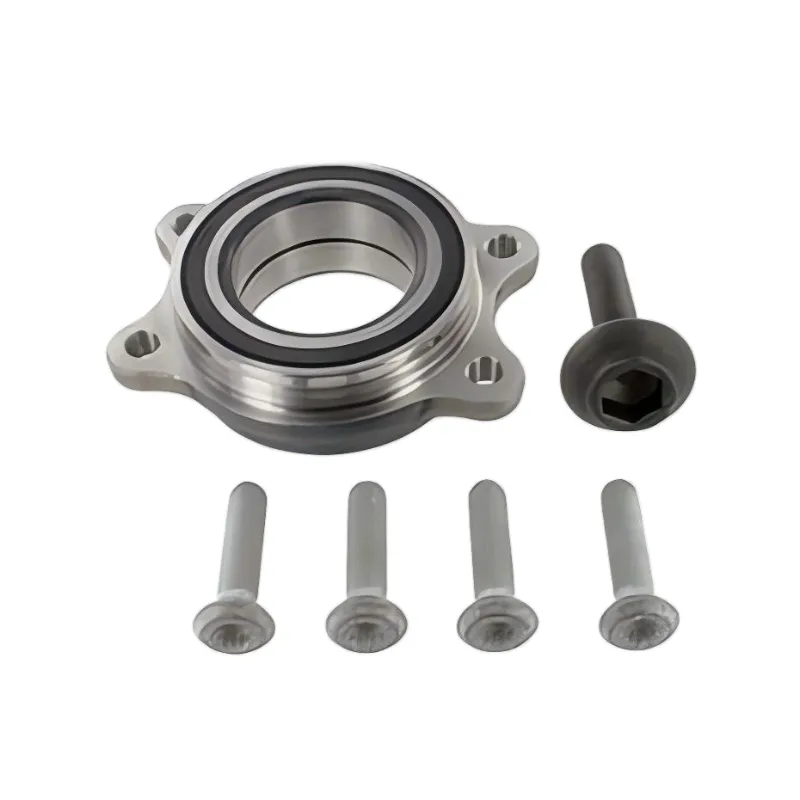
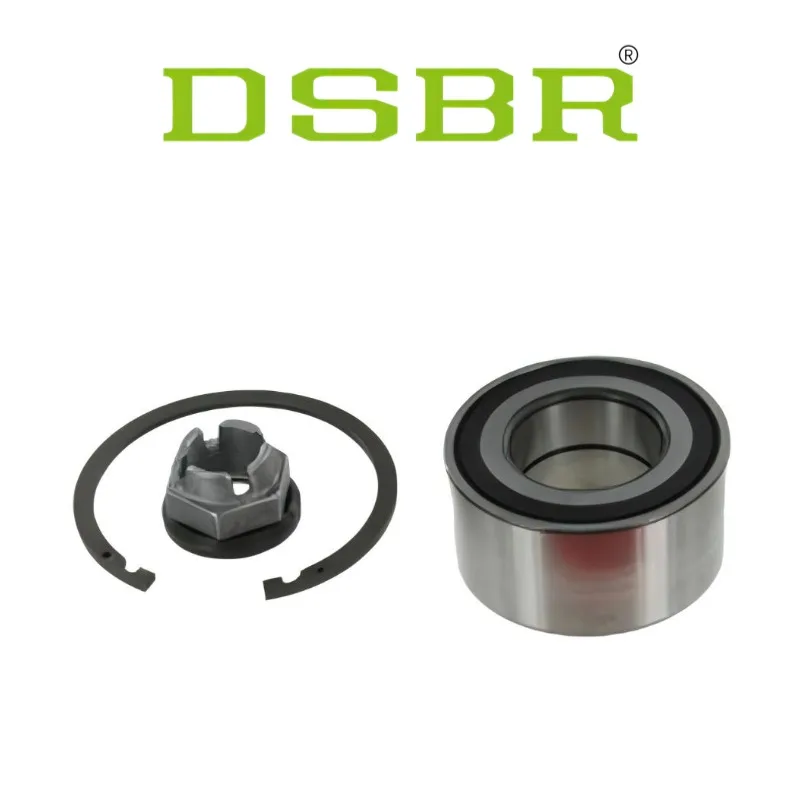
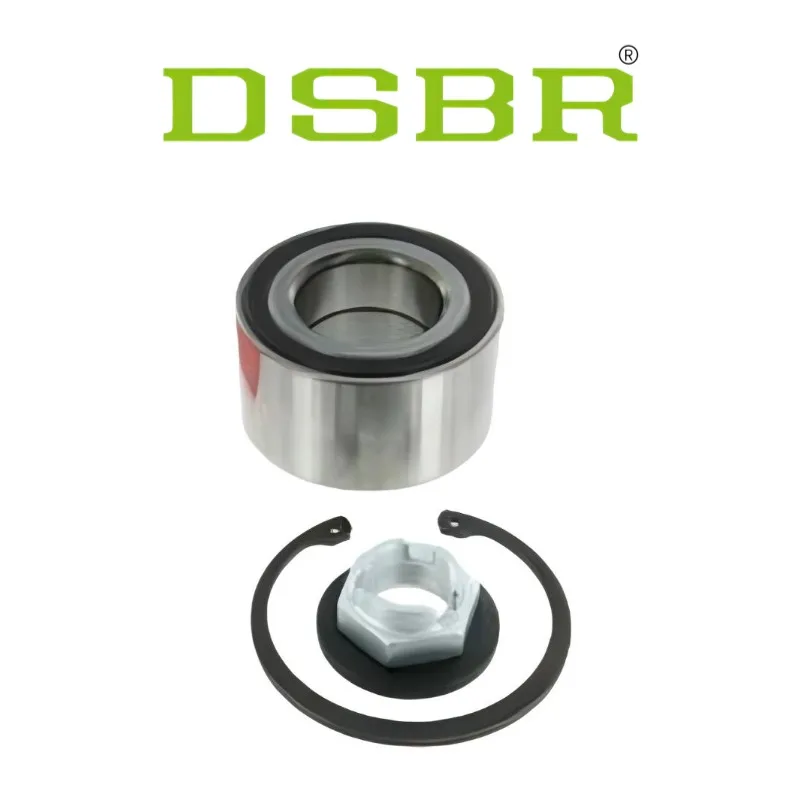
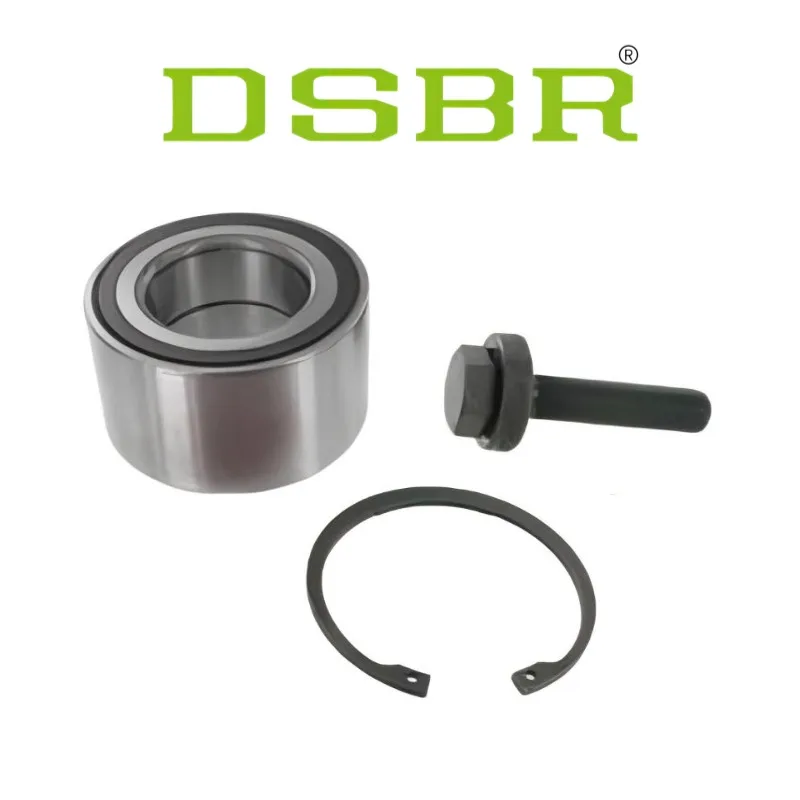
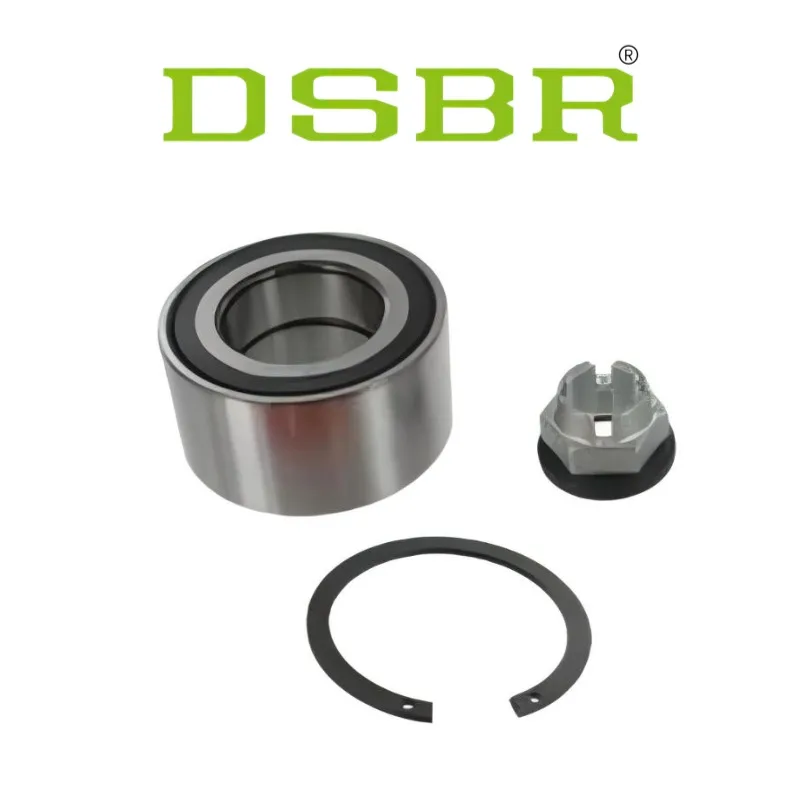
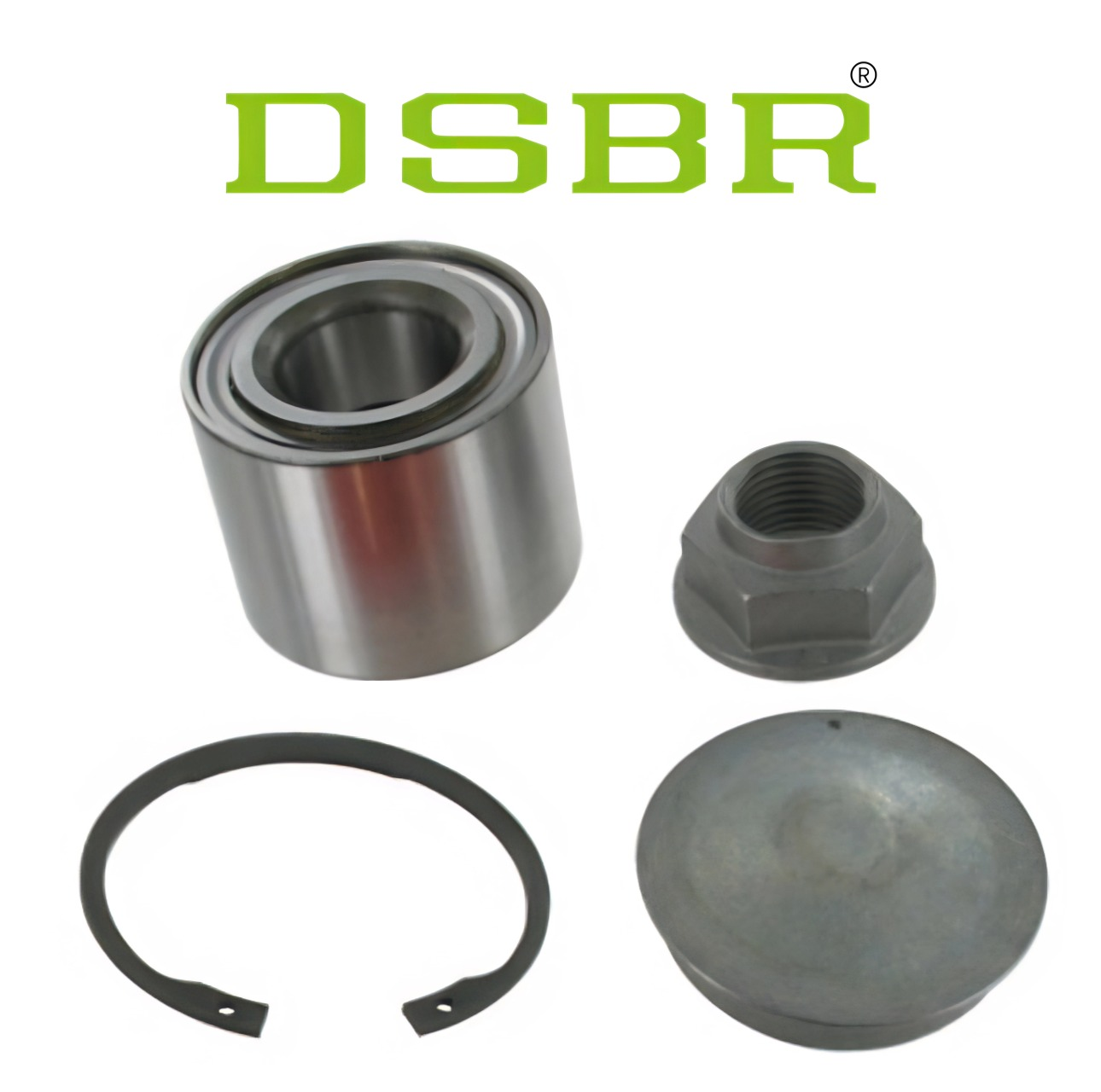
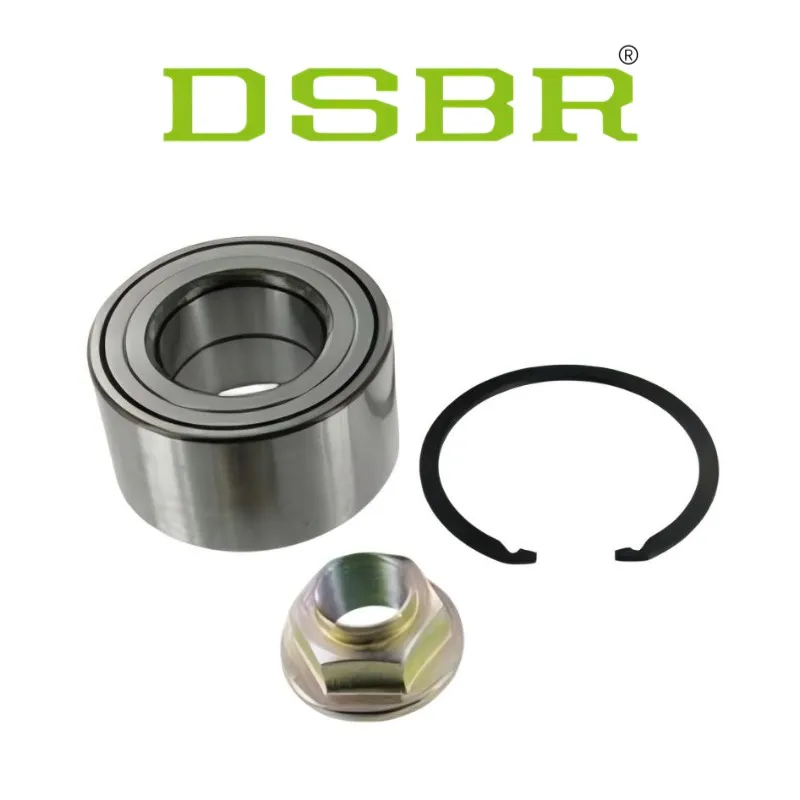
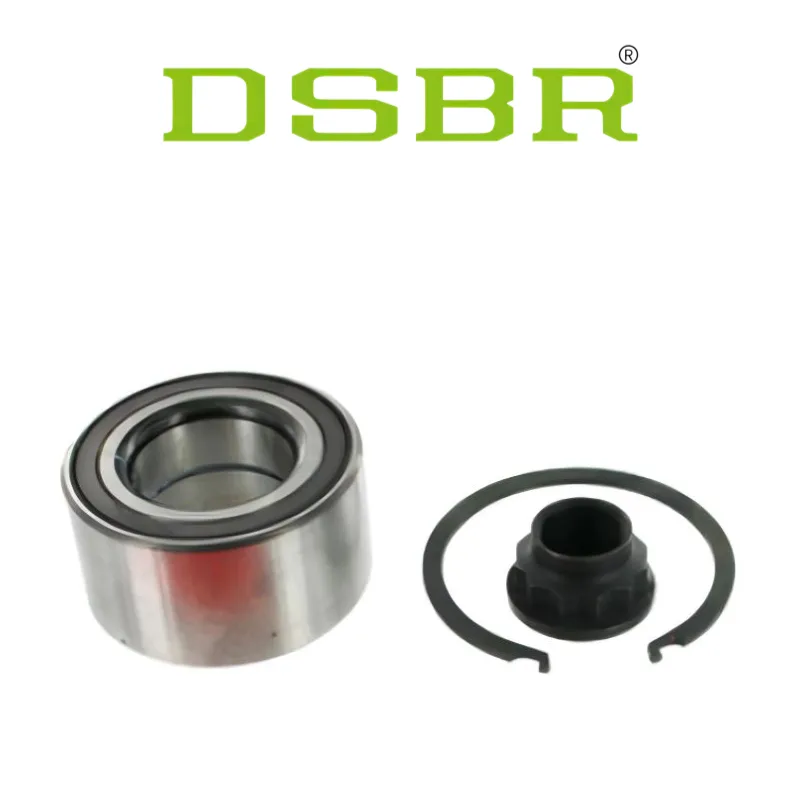
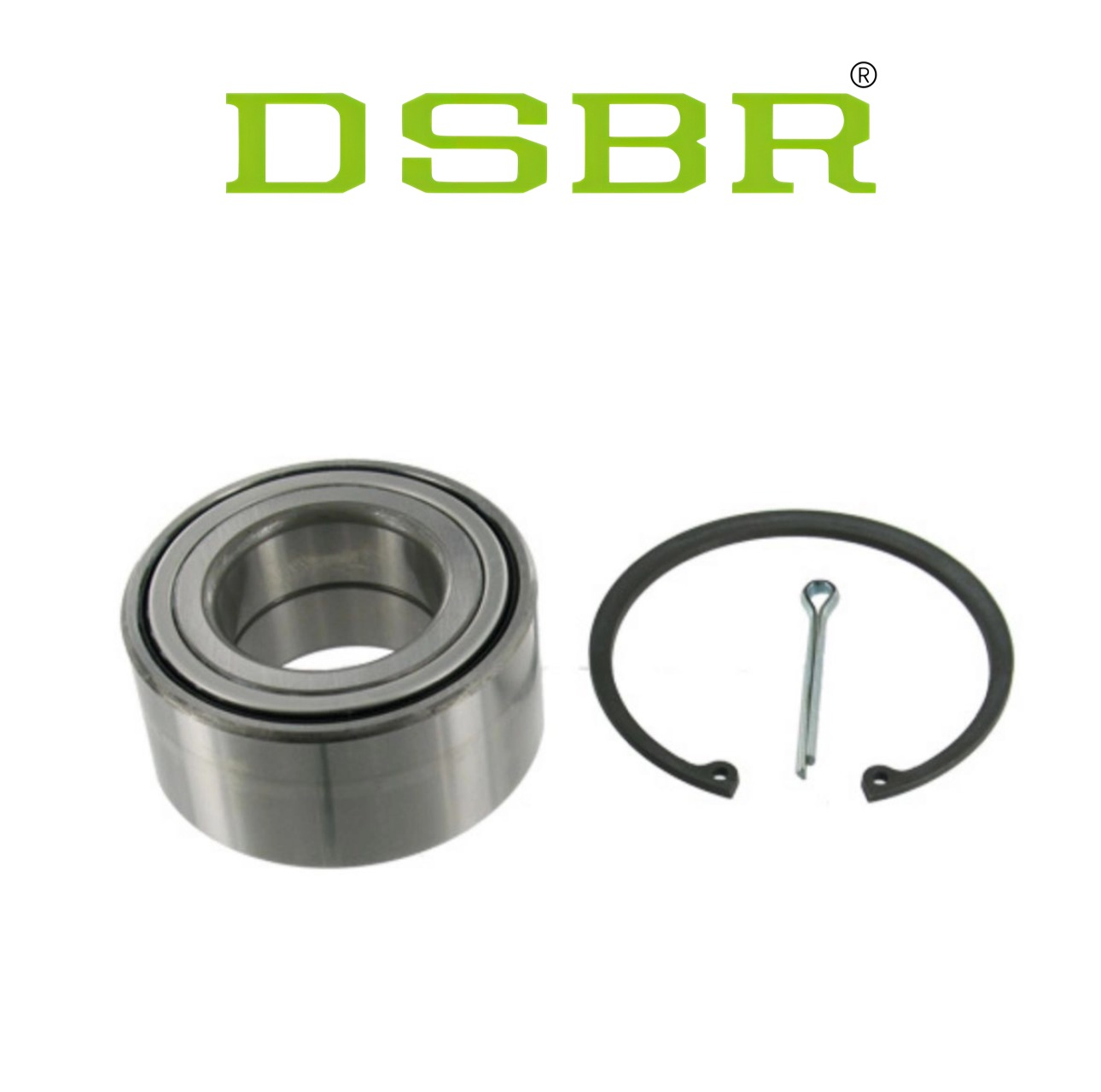

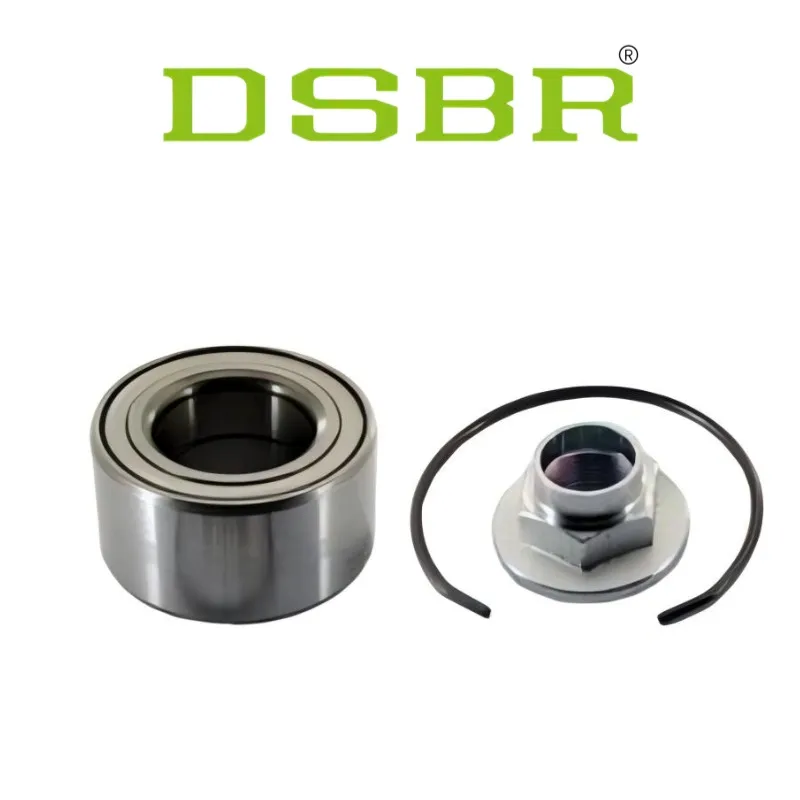
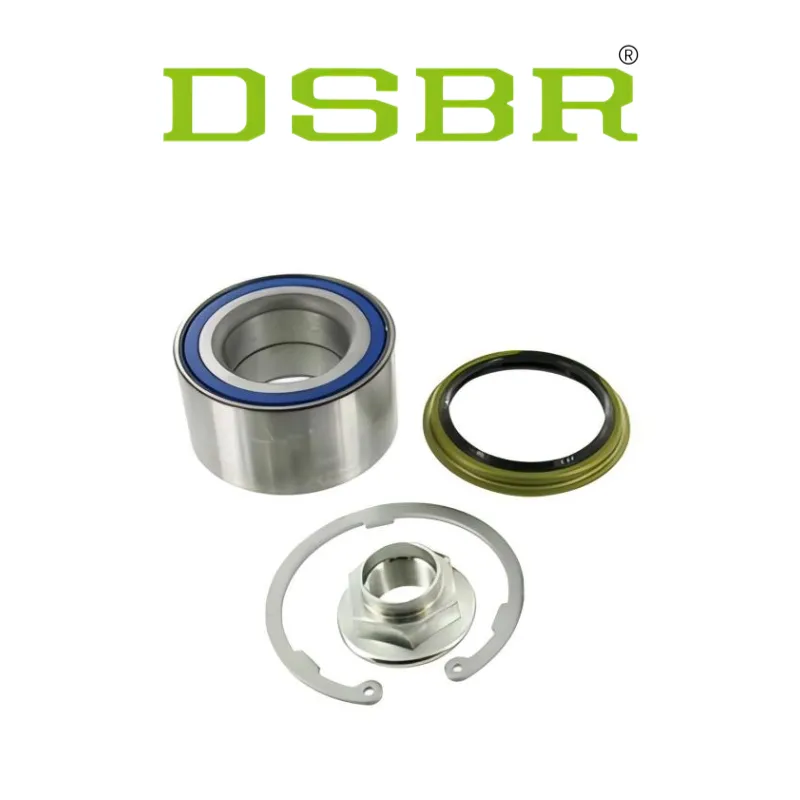
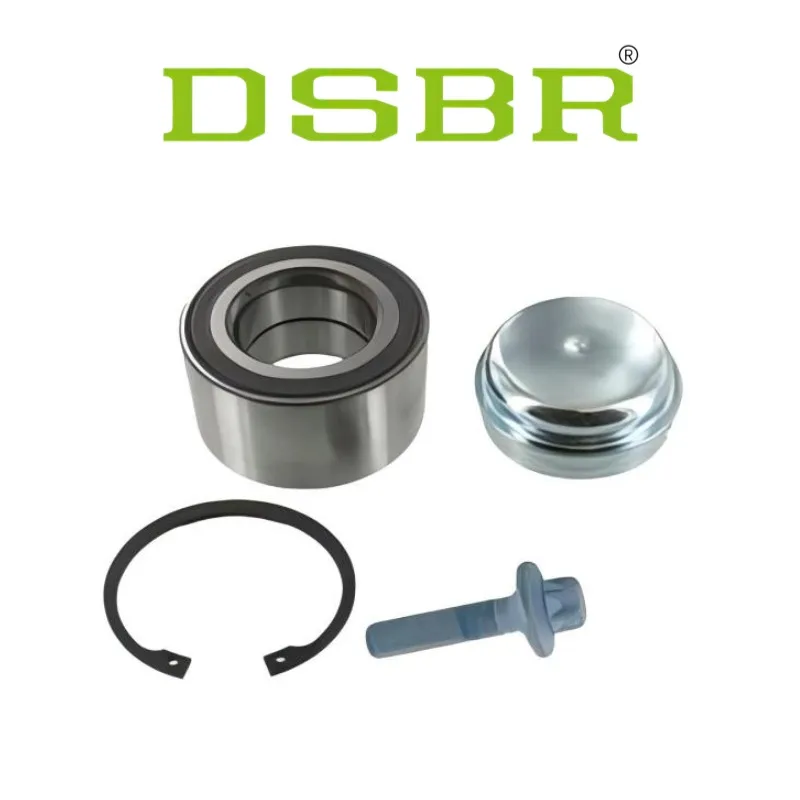

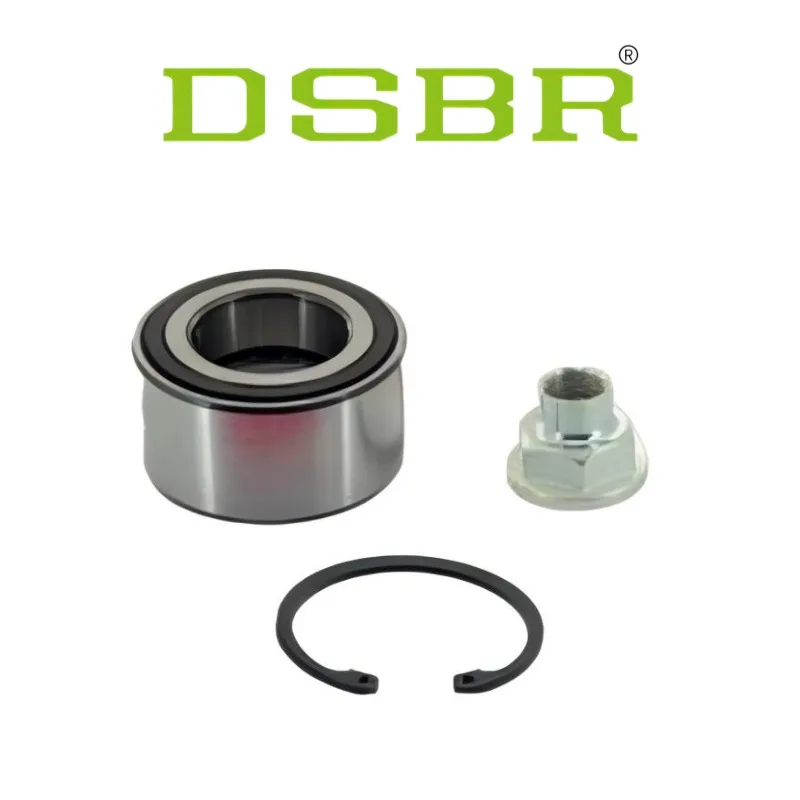
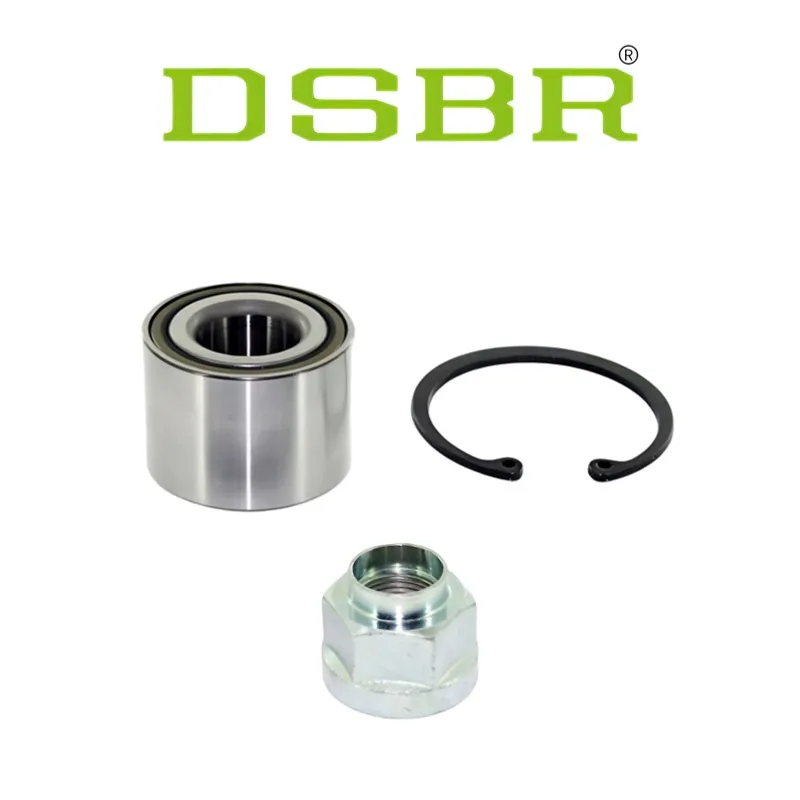

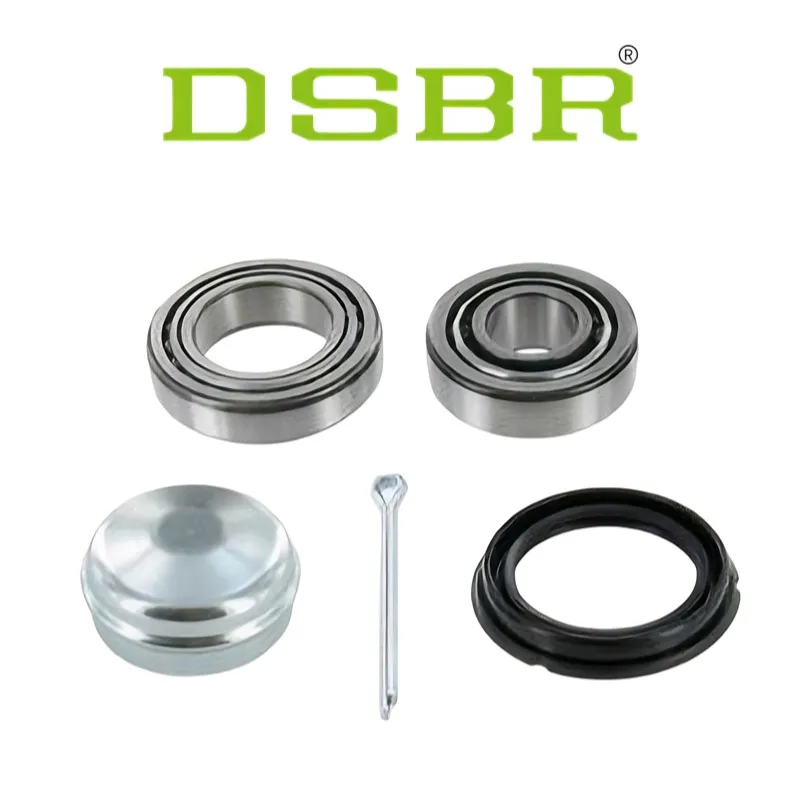
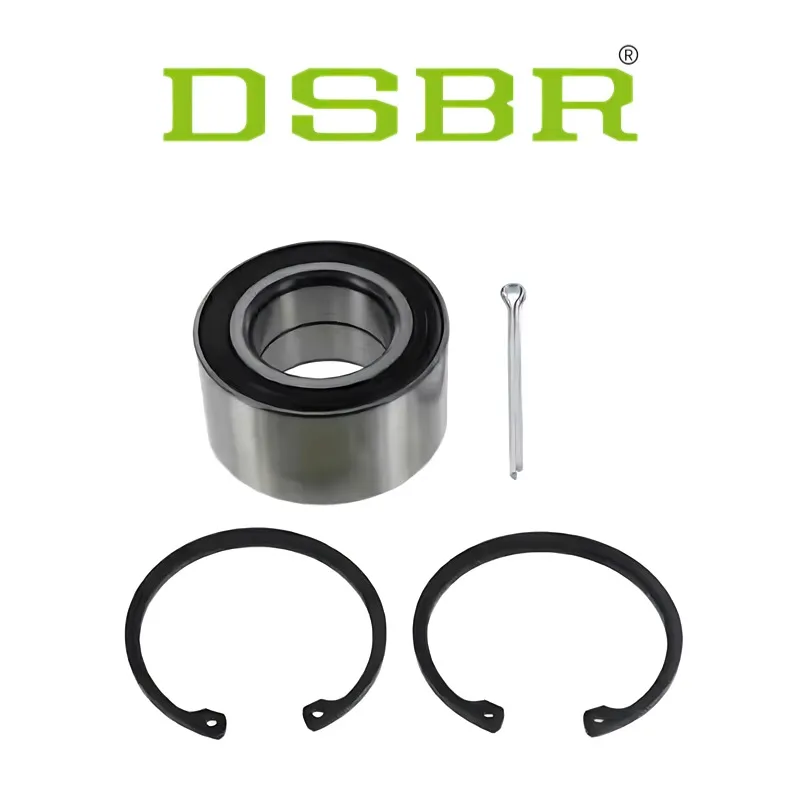
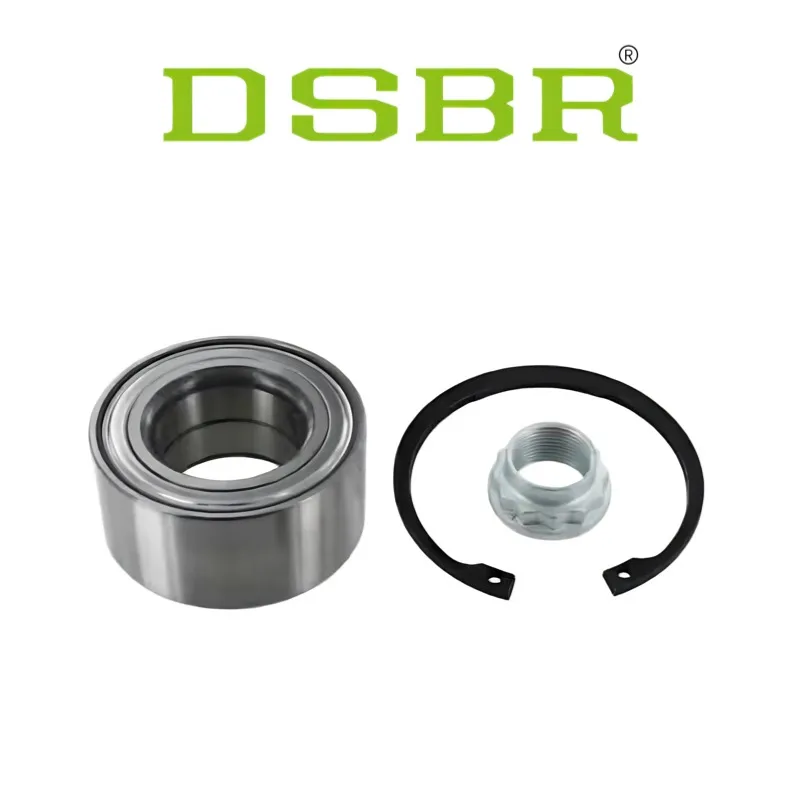
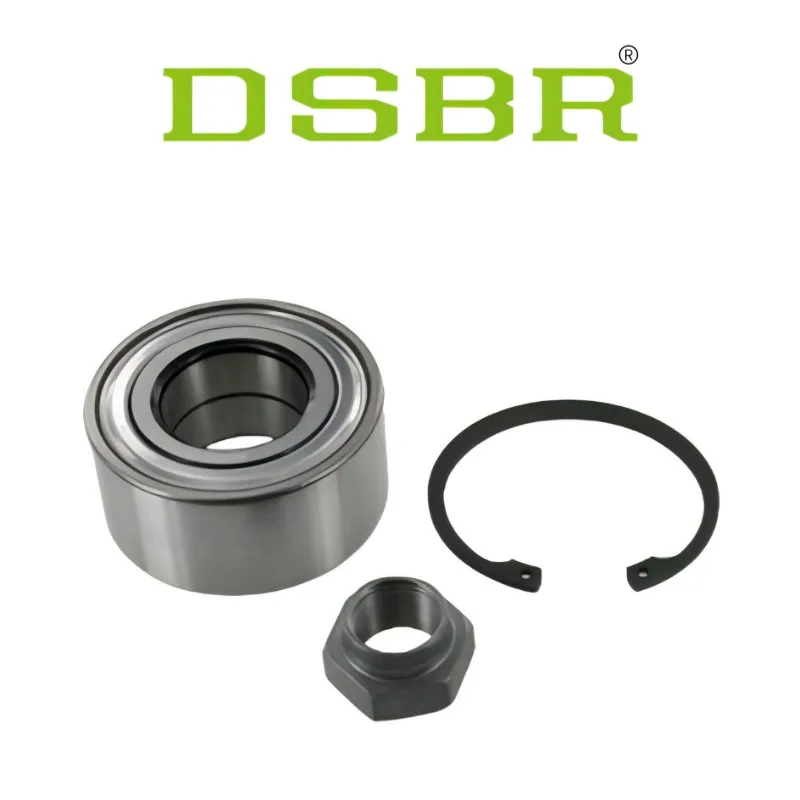
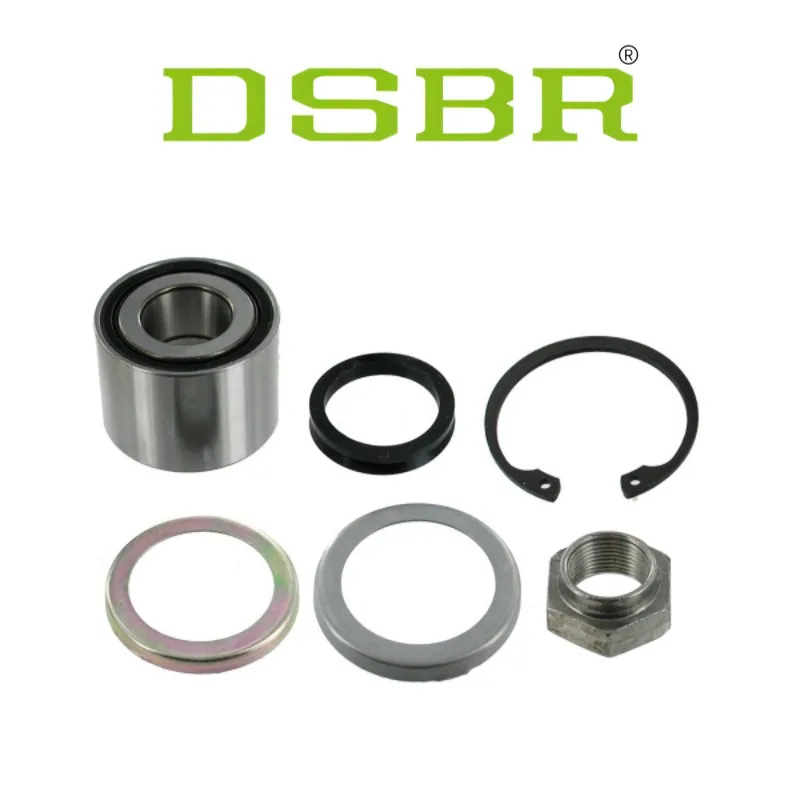
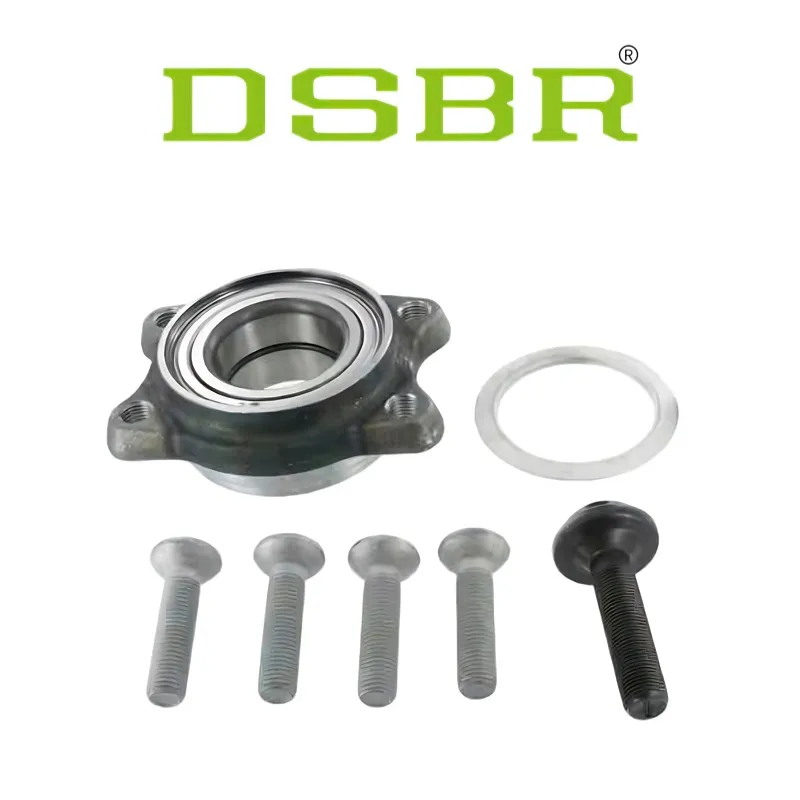
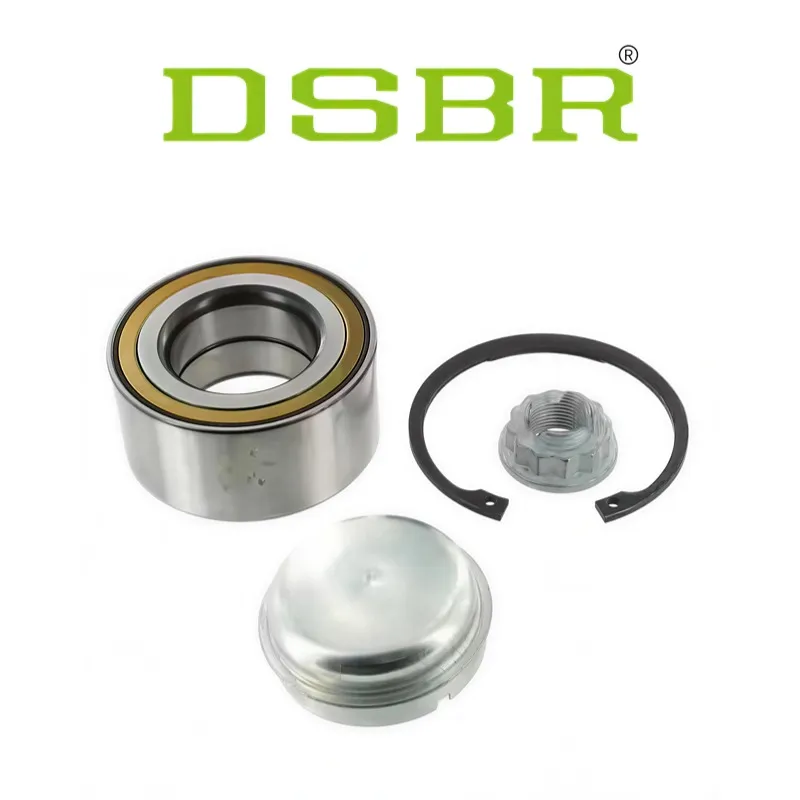
.webp "VKBA 906-Wheel Bearing Kit")