Understanding Radial Load
Radial load is one of the most common forces acting on a bearing and one of the two primary load directions that bearings are designed to support, the other being axial load.
Understanding how radial loads affect bearing performance is essential for selecting the right bearing type, improving equipment reliability, and extending service life.
What Is Radial Load?
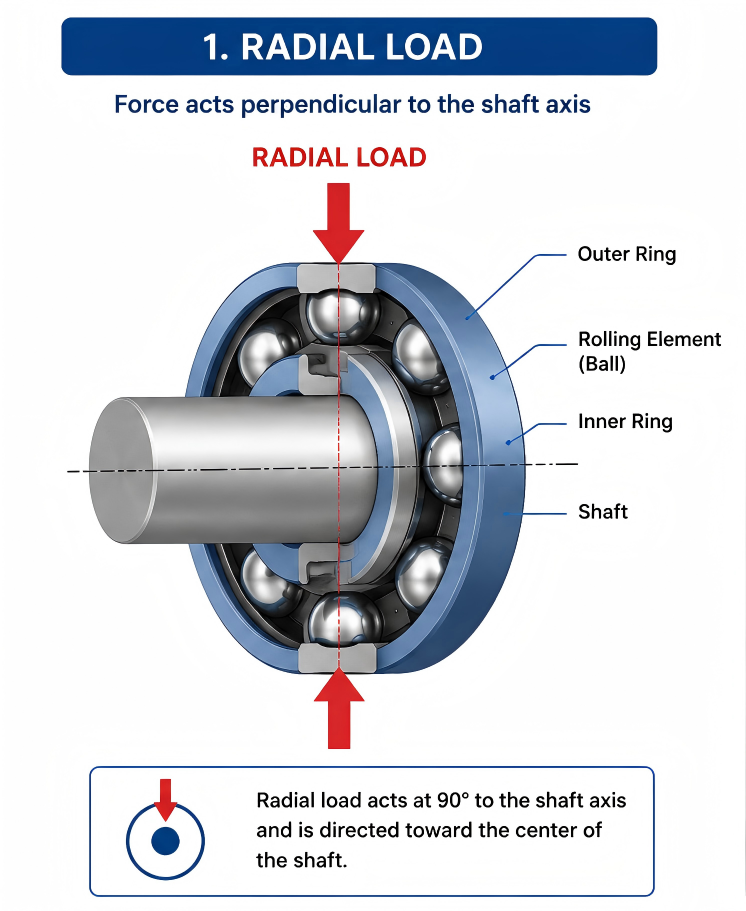
A radial load is a force applied perpendicular (90°) to the shaft's rotational axis. In other words, the force acts toward the center of the shaft rather than along its length.
For rolling bearings, radial loads are transmitted across the bearing's rolling elements while the shaft continues to rotate smoothly.
Common Applications of Radial Load
Radial loads are found in almost every rotating machine. Typical applications include:
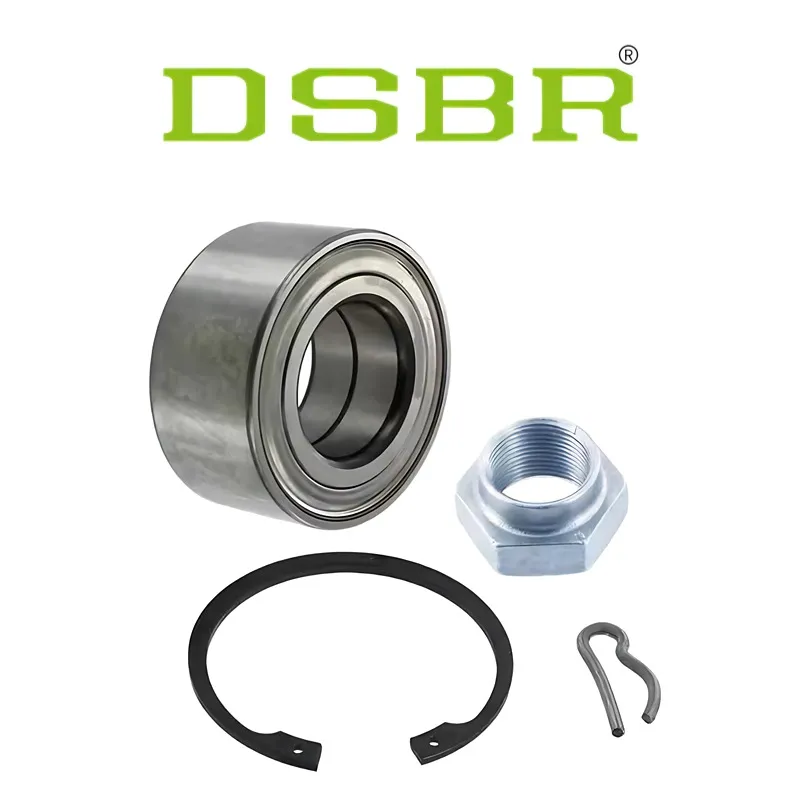
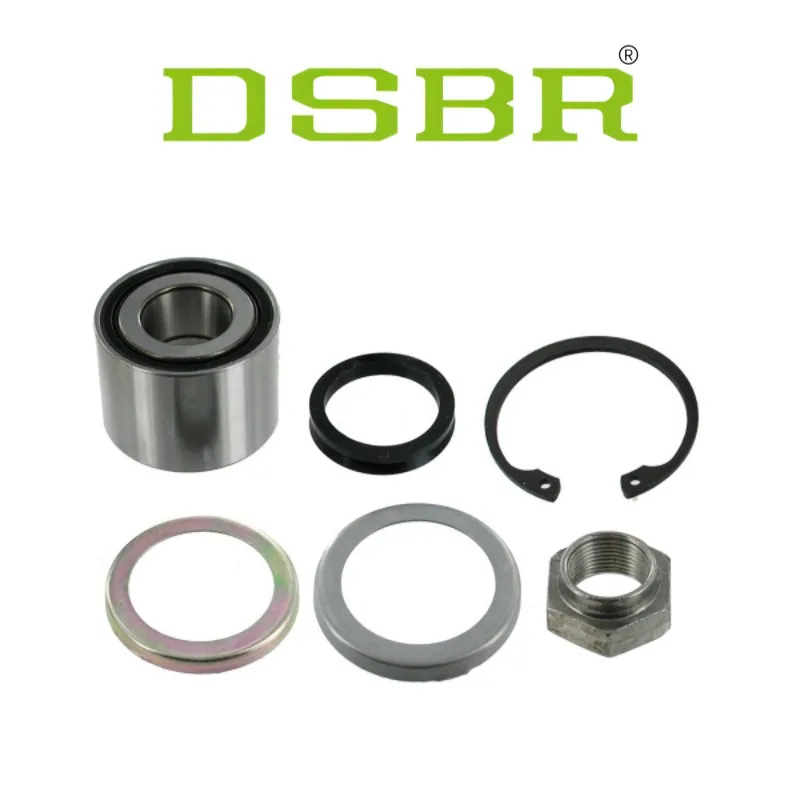
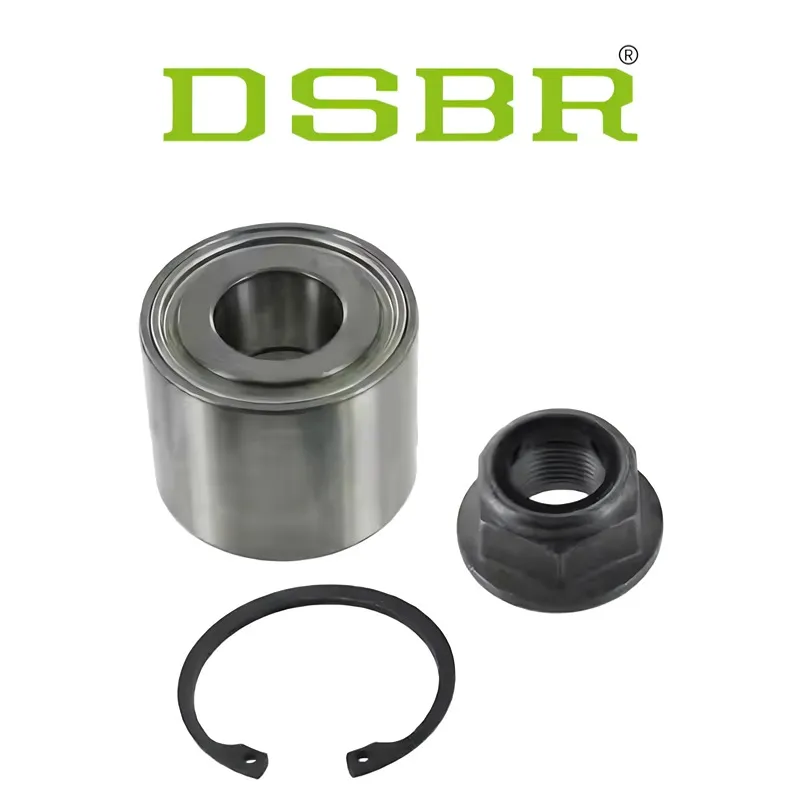
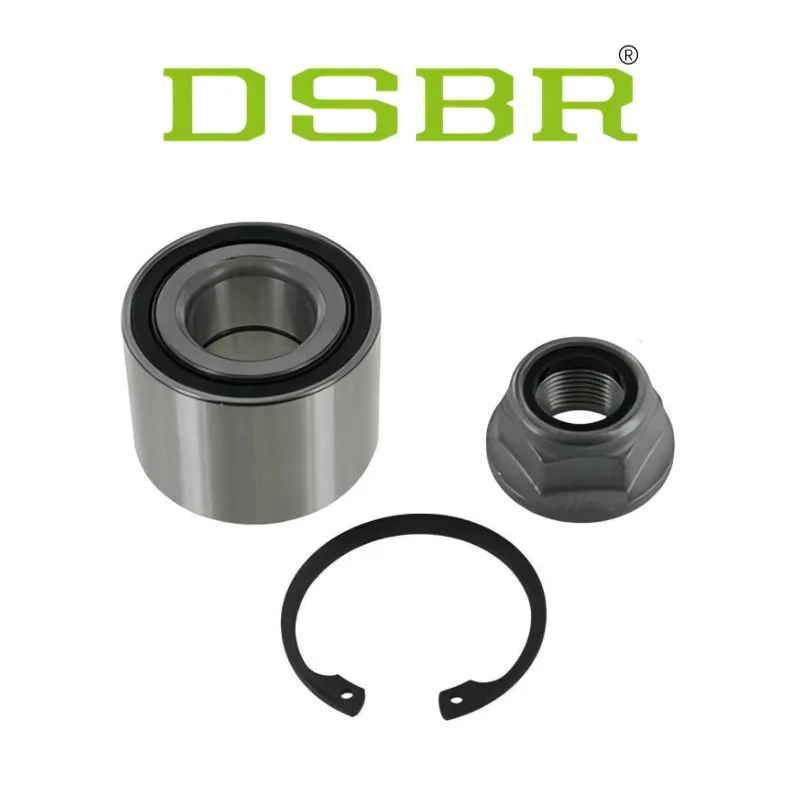
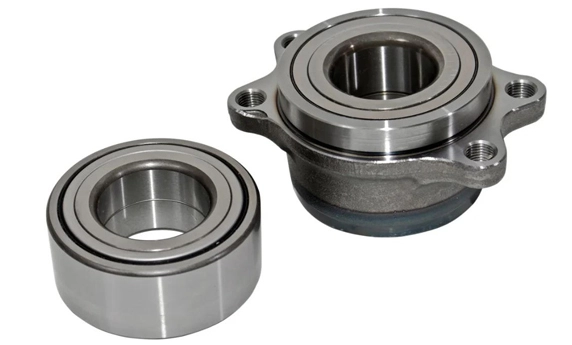
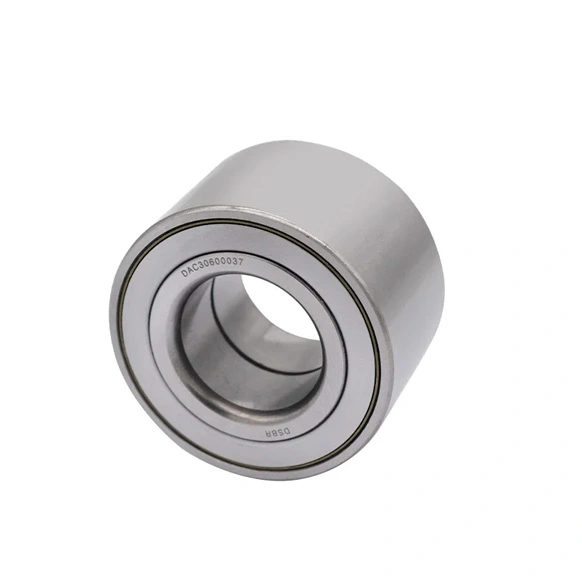
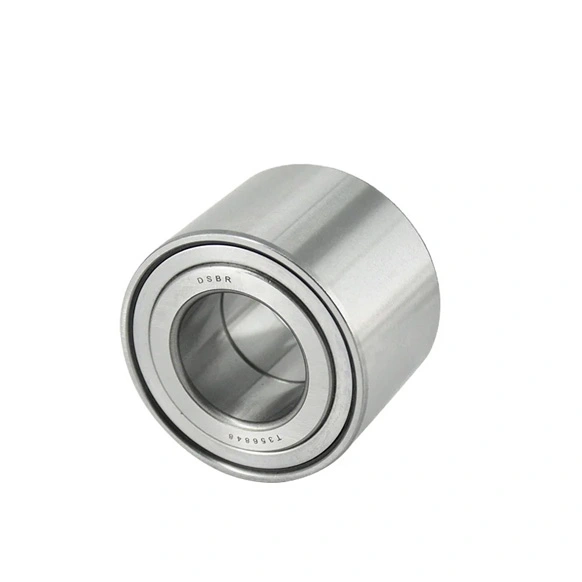
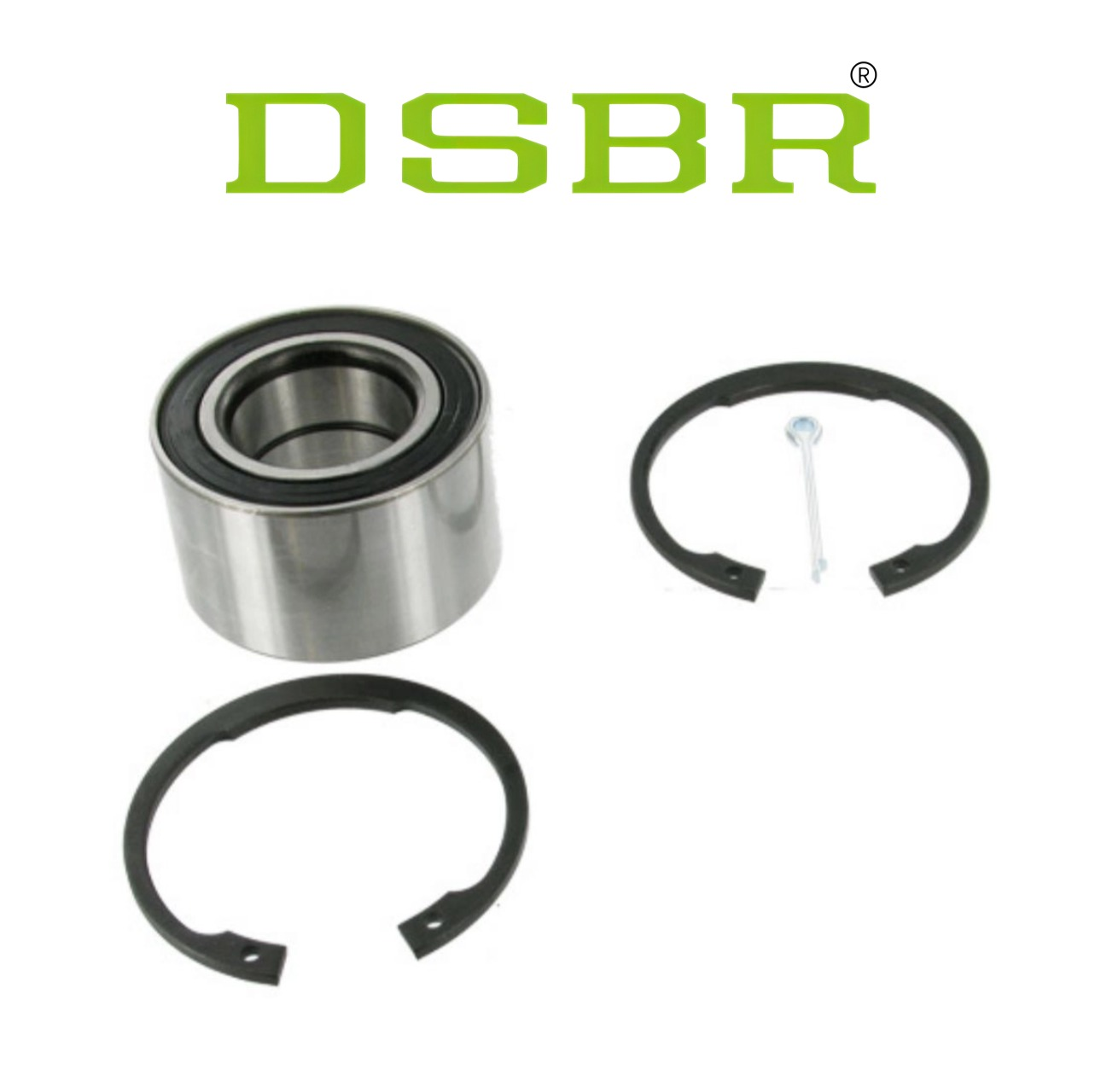
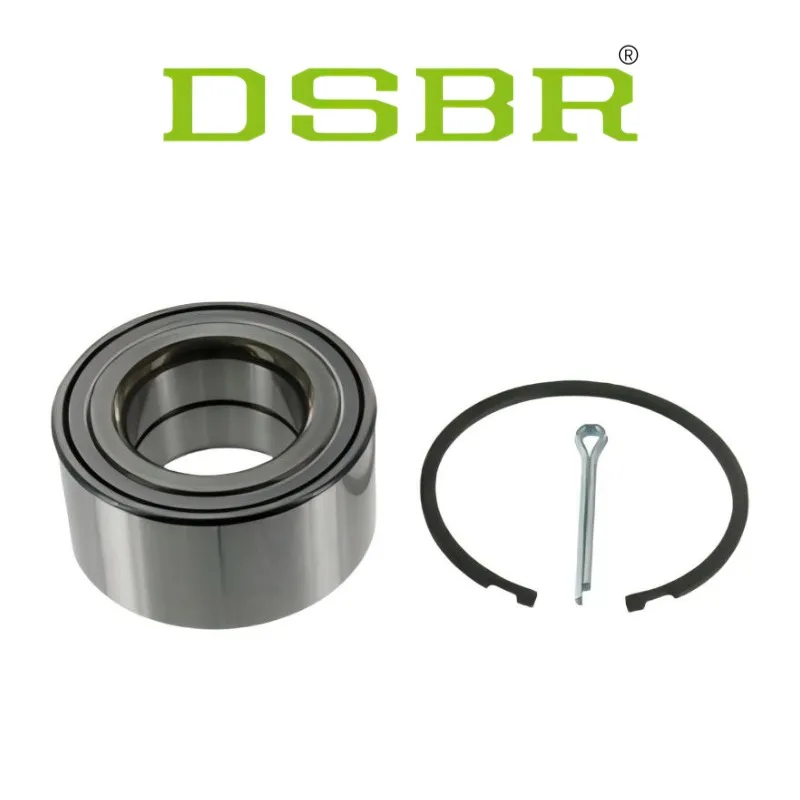
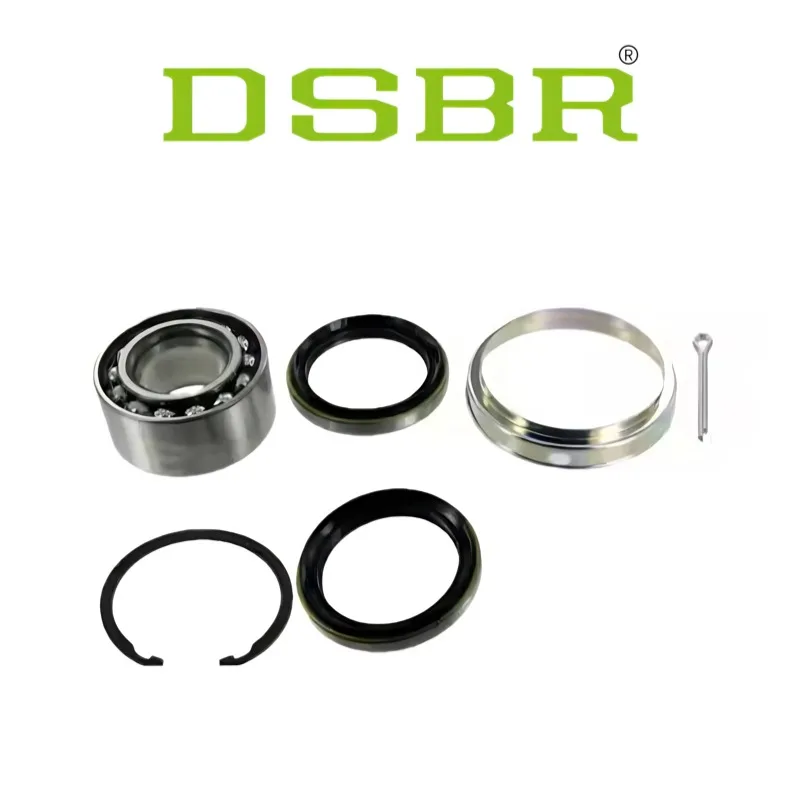
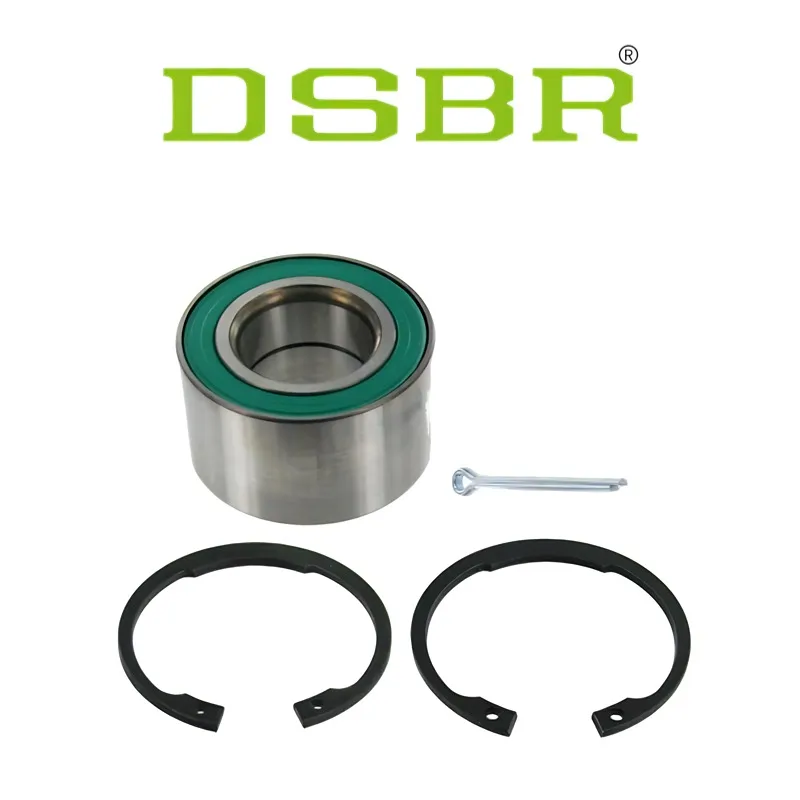
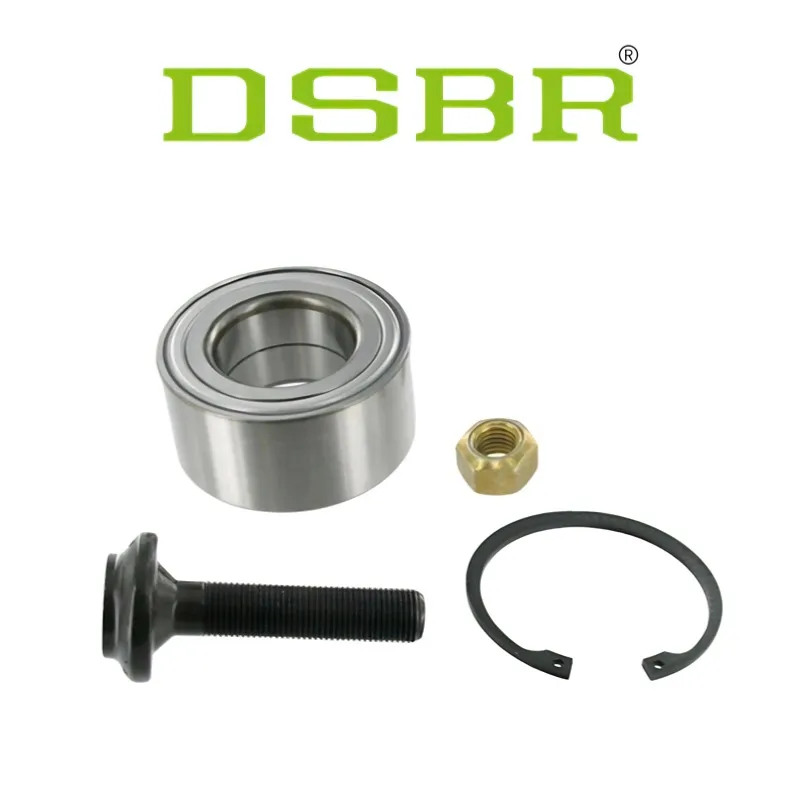
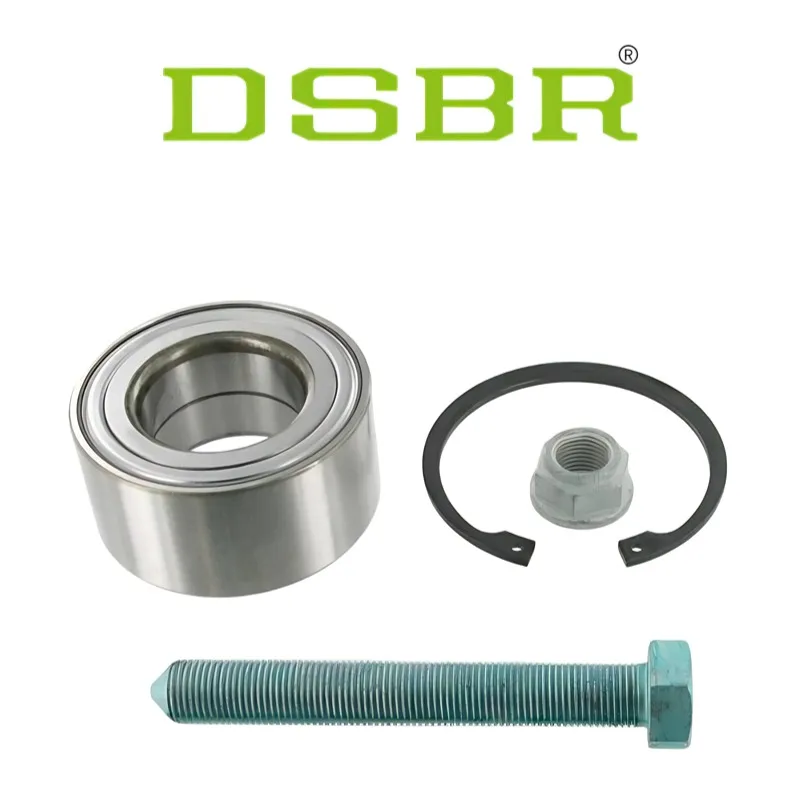
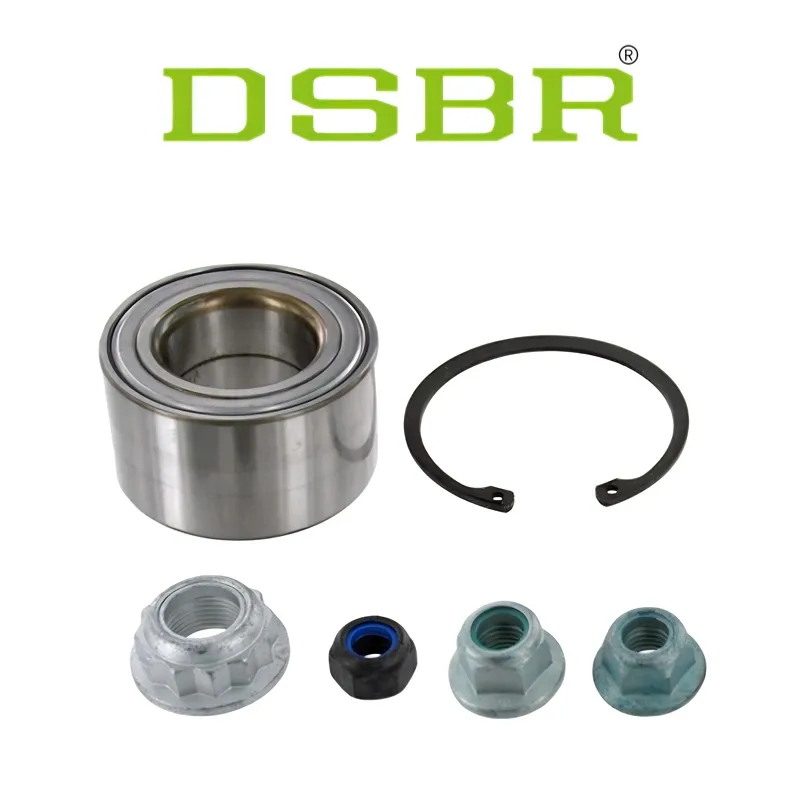
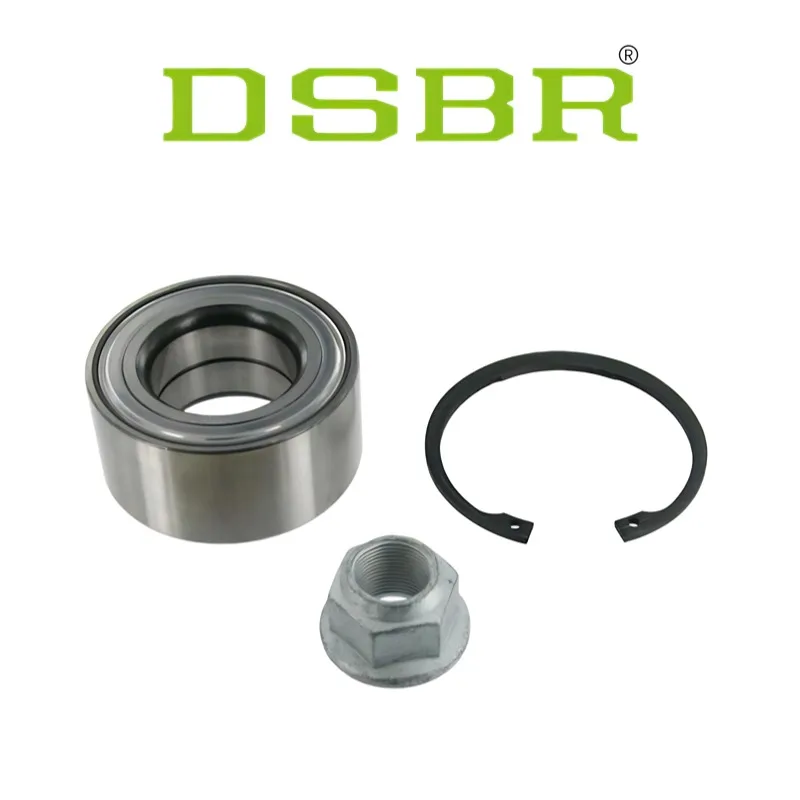
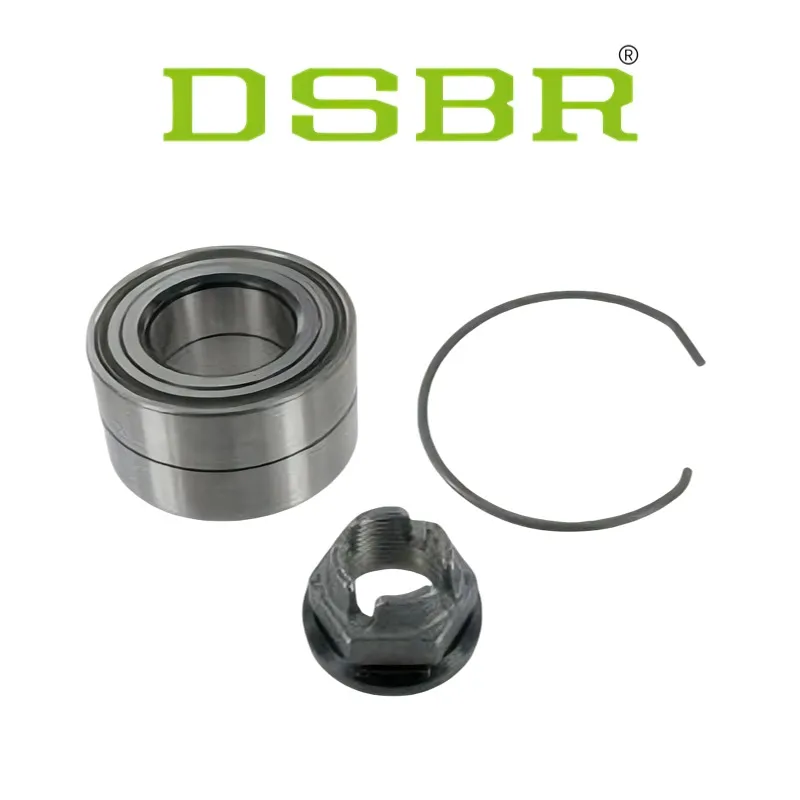
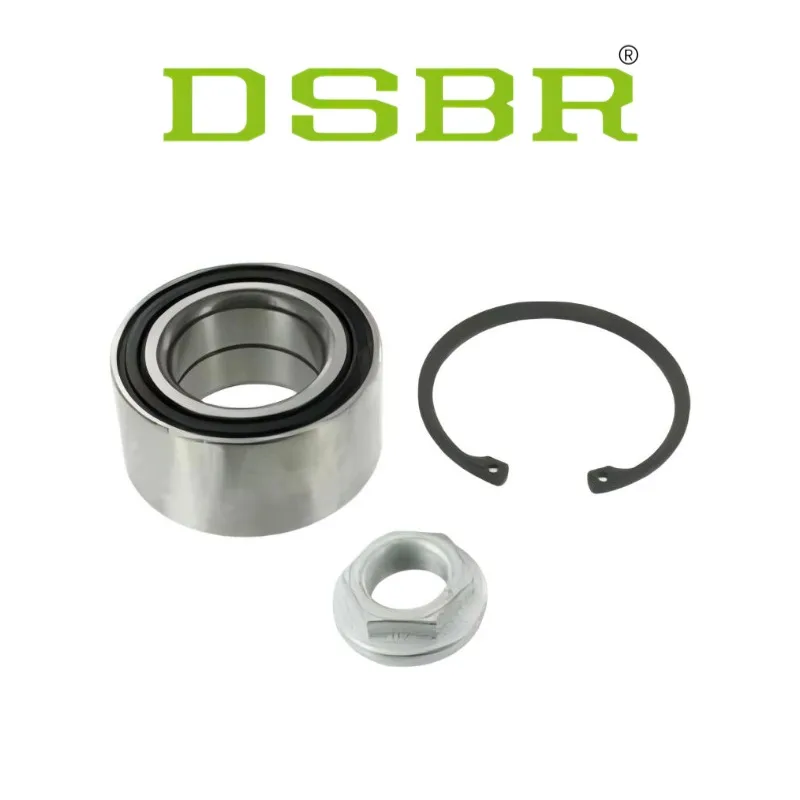
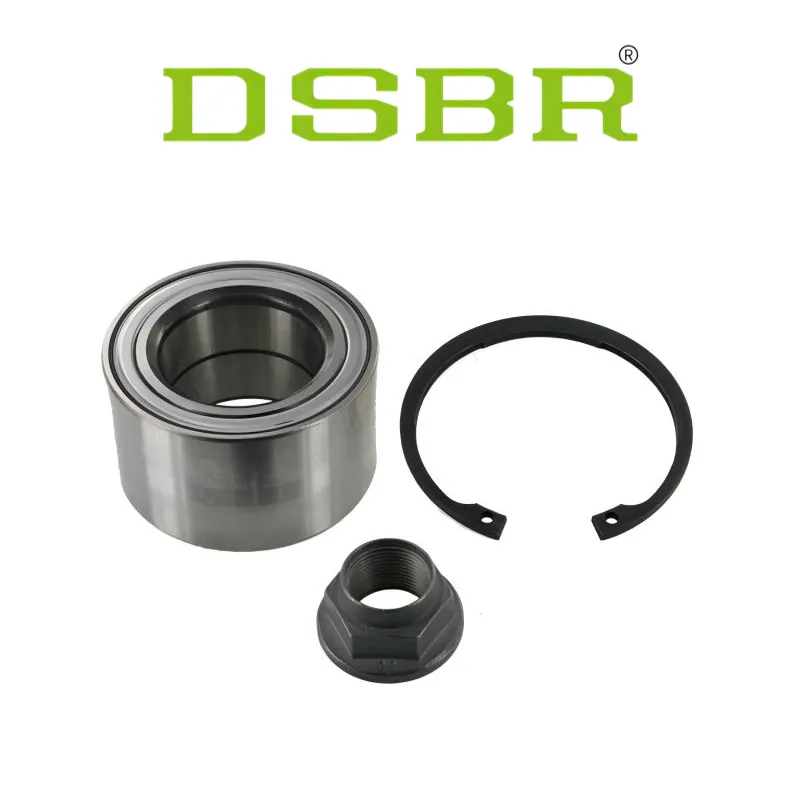
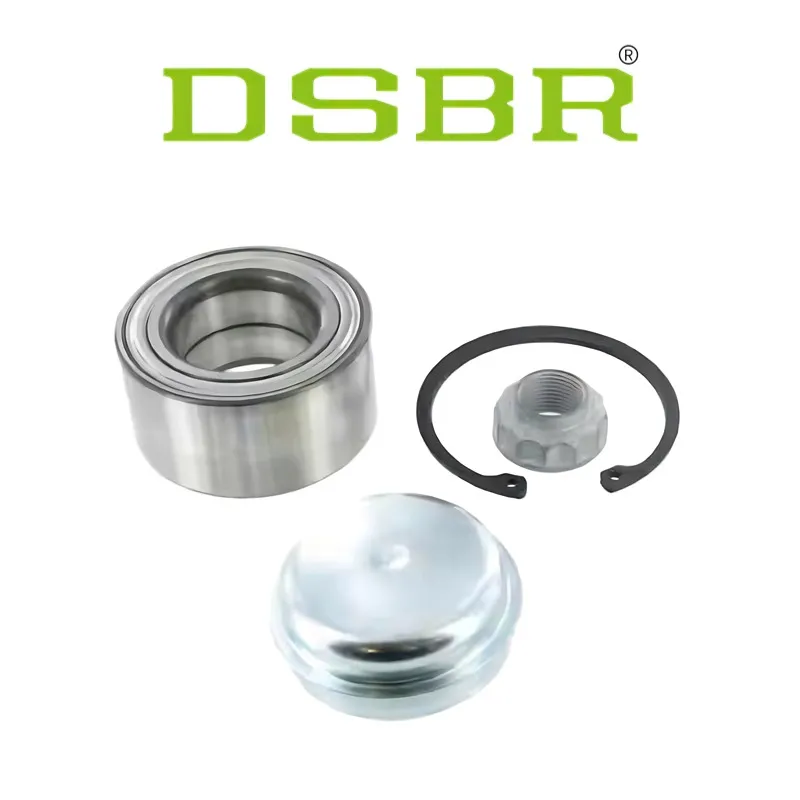
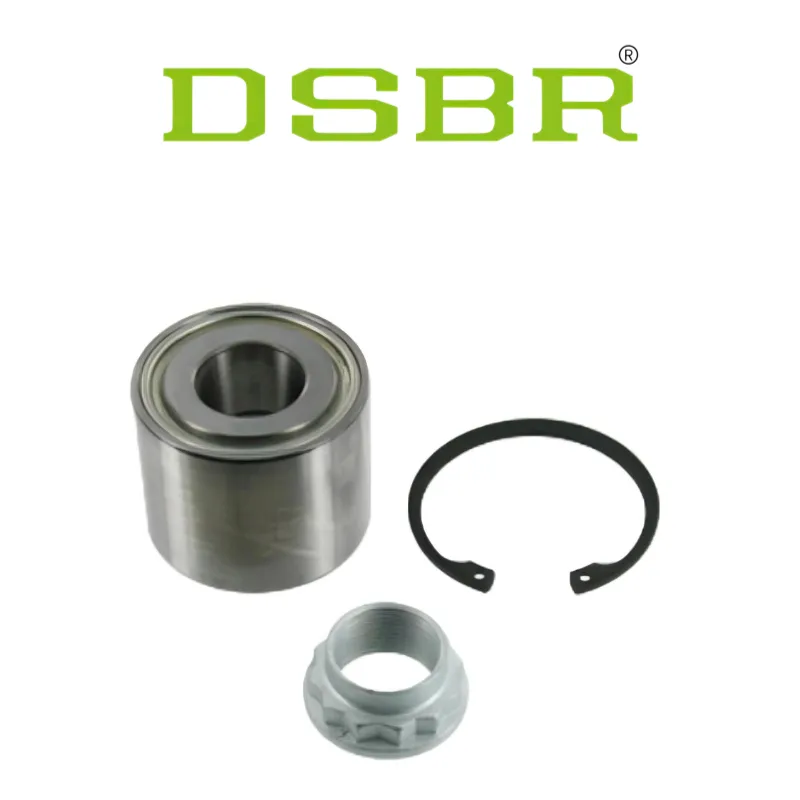
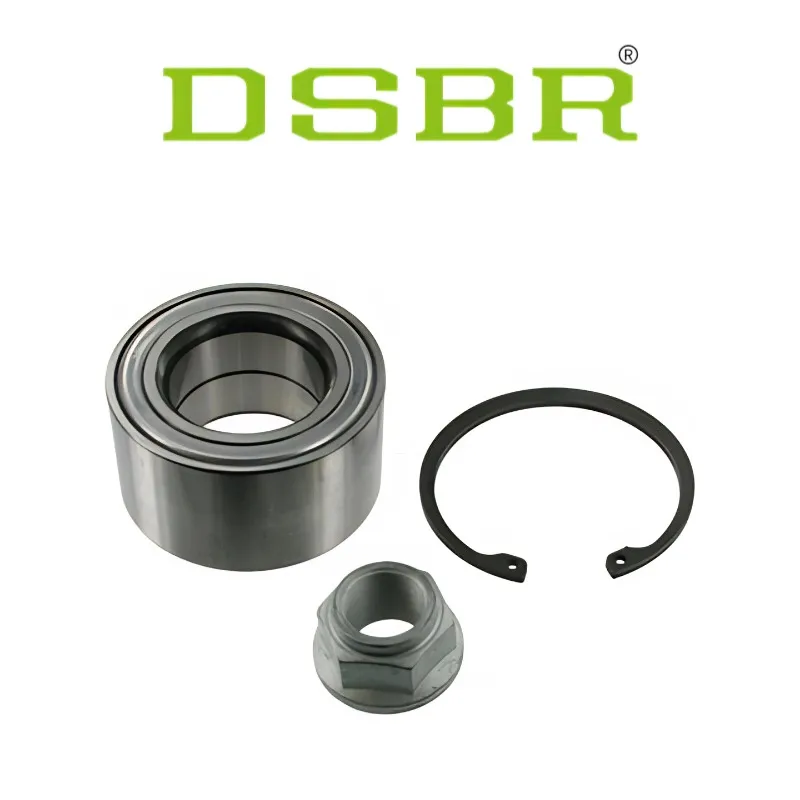
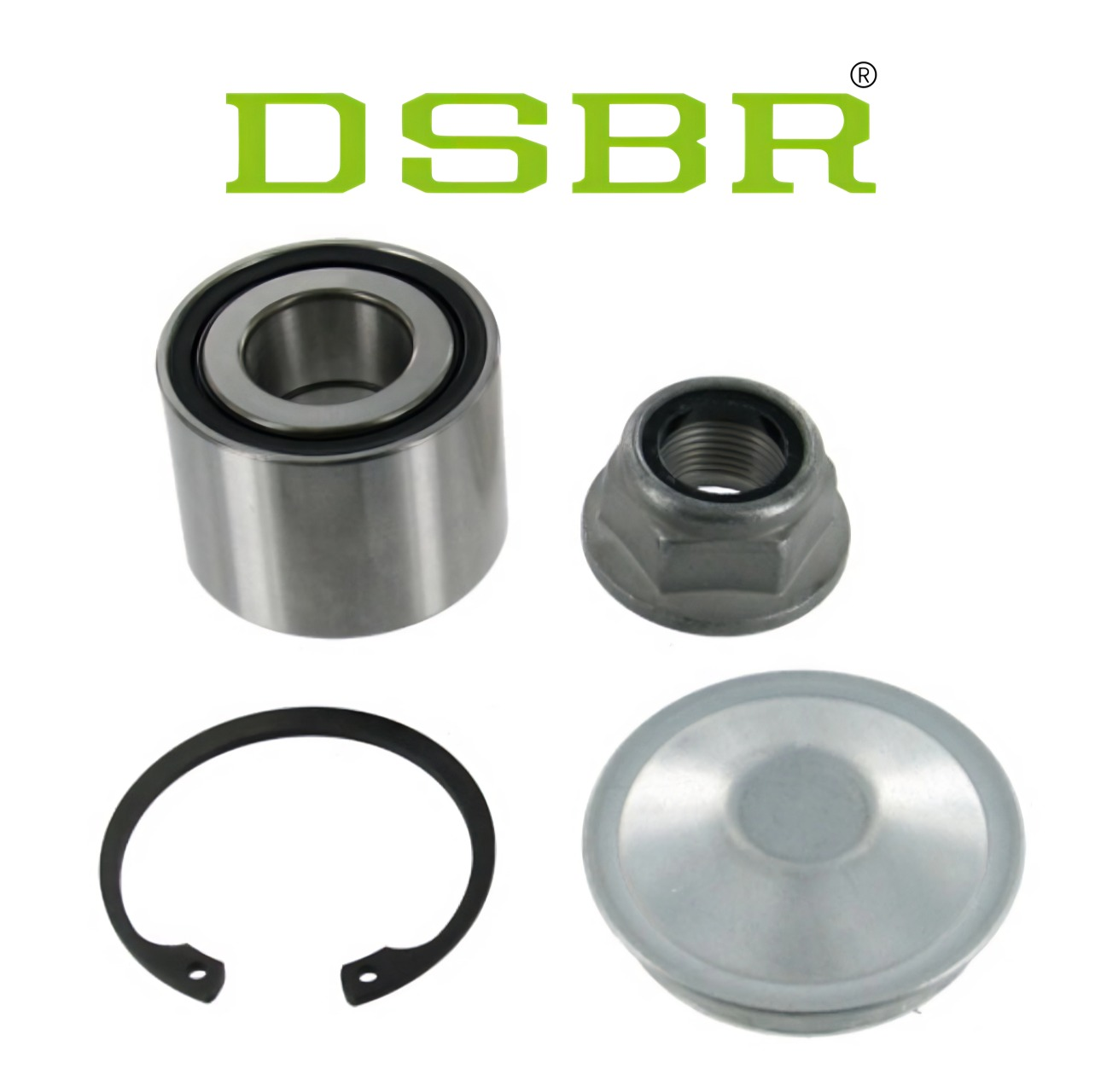
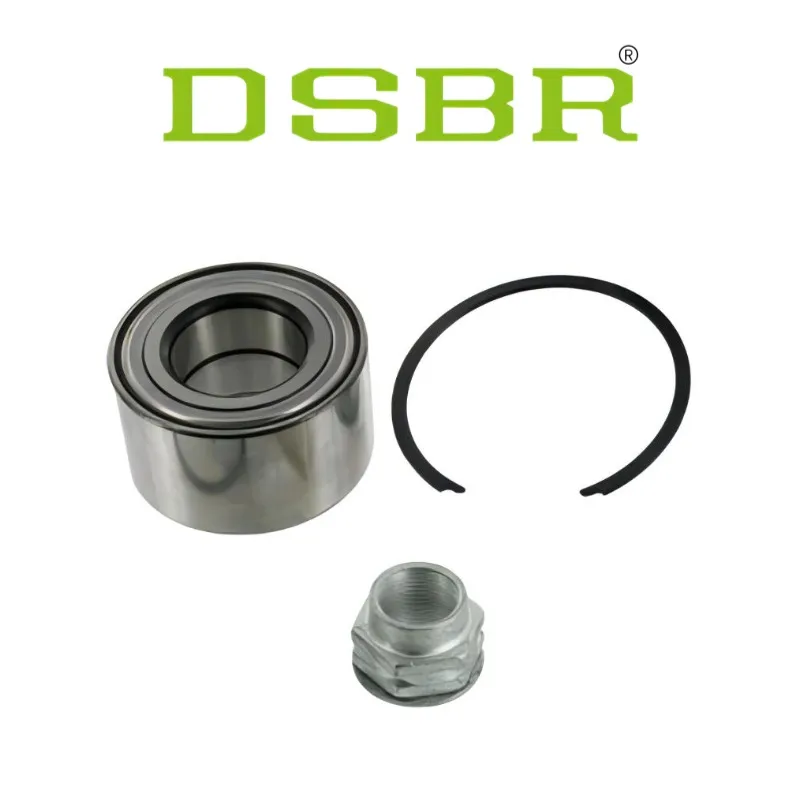
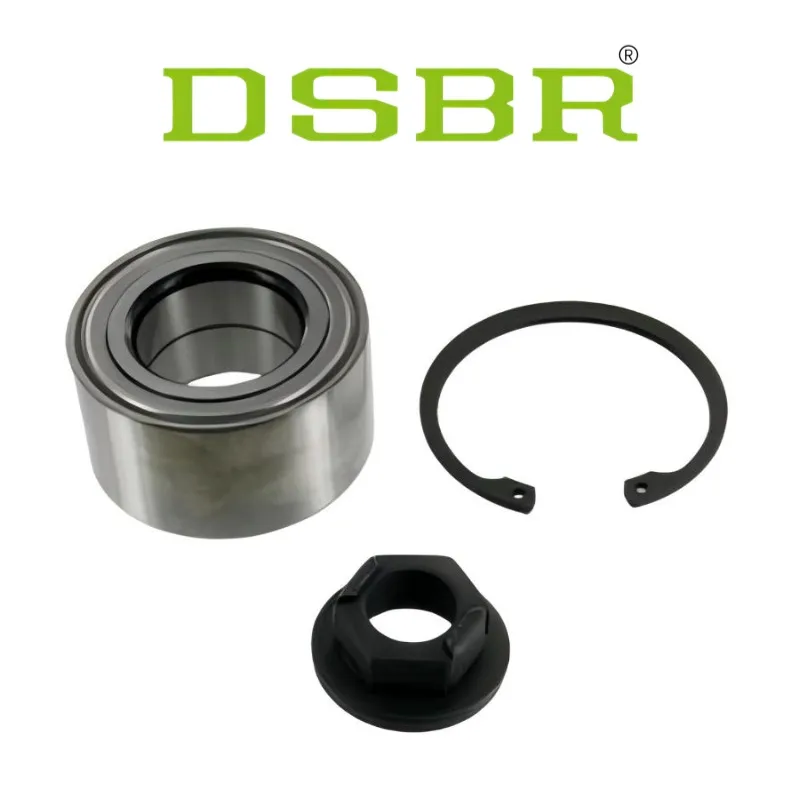
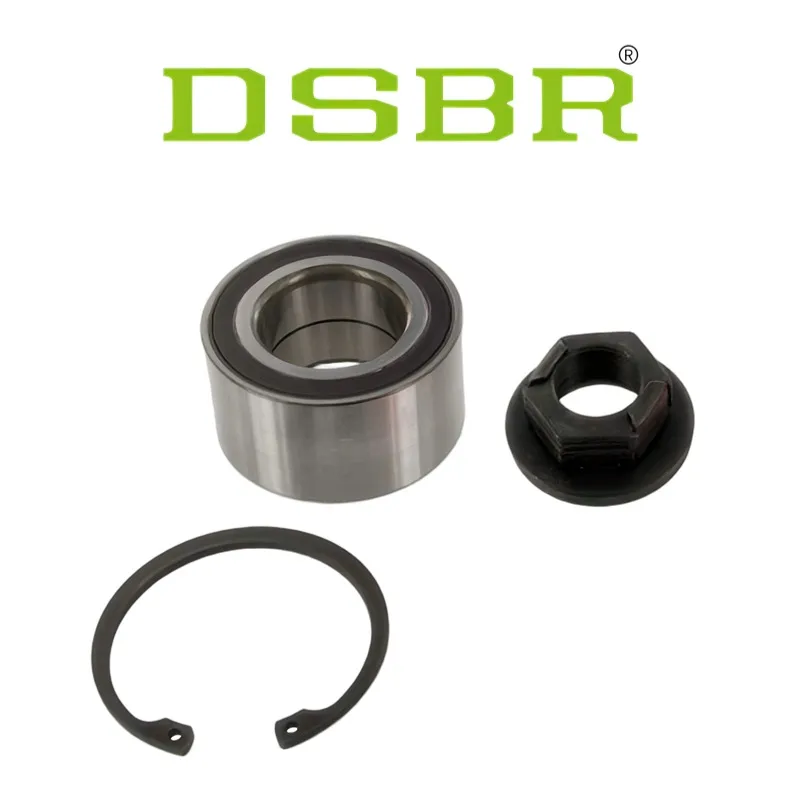
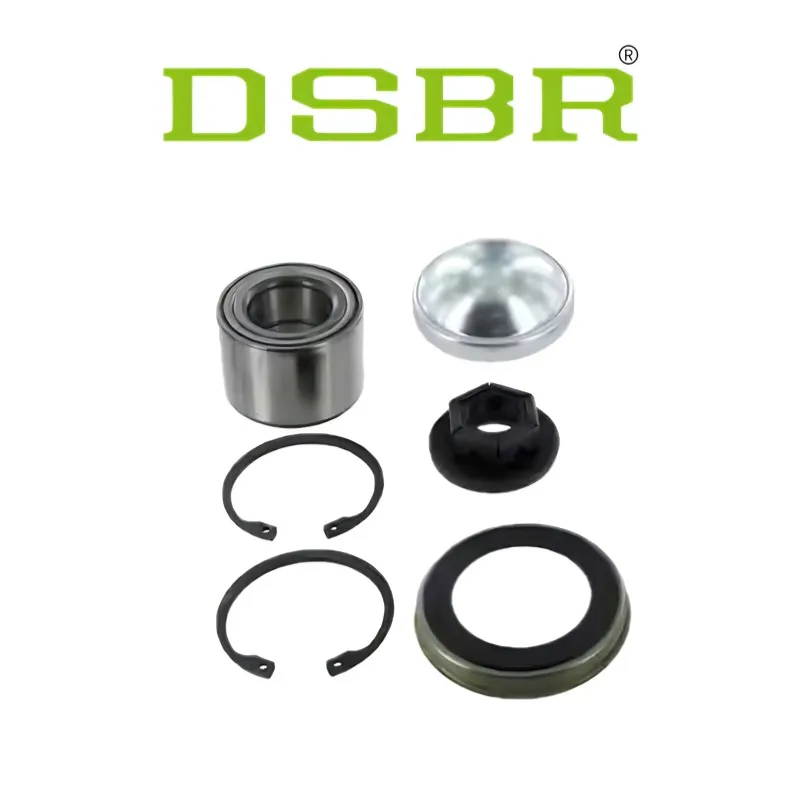
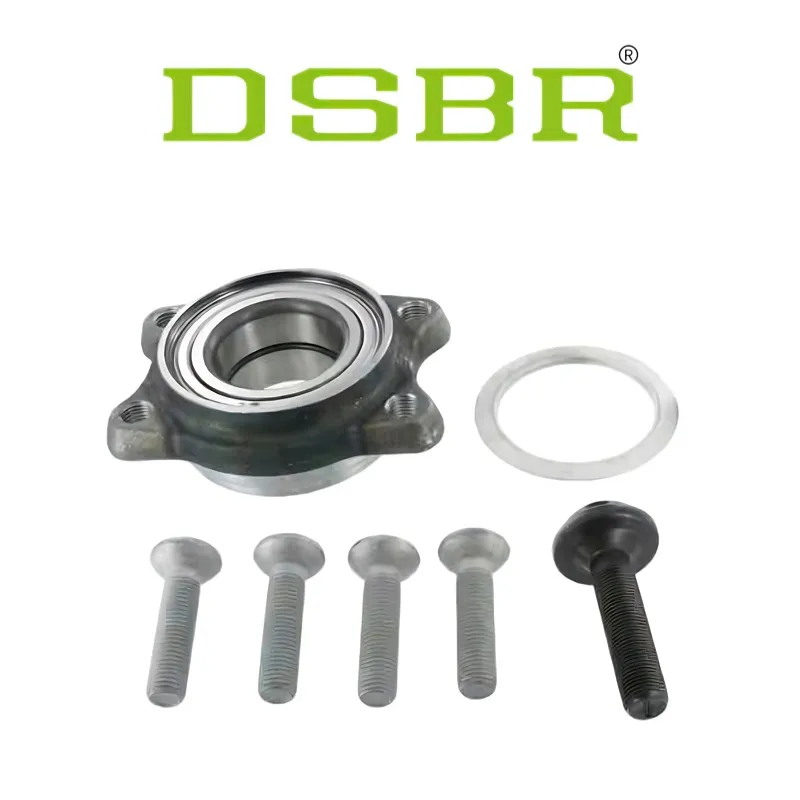
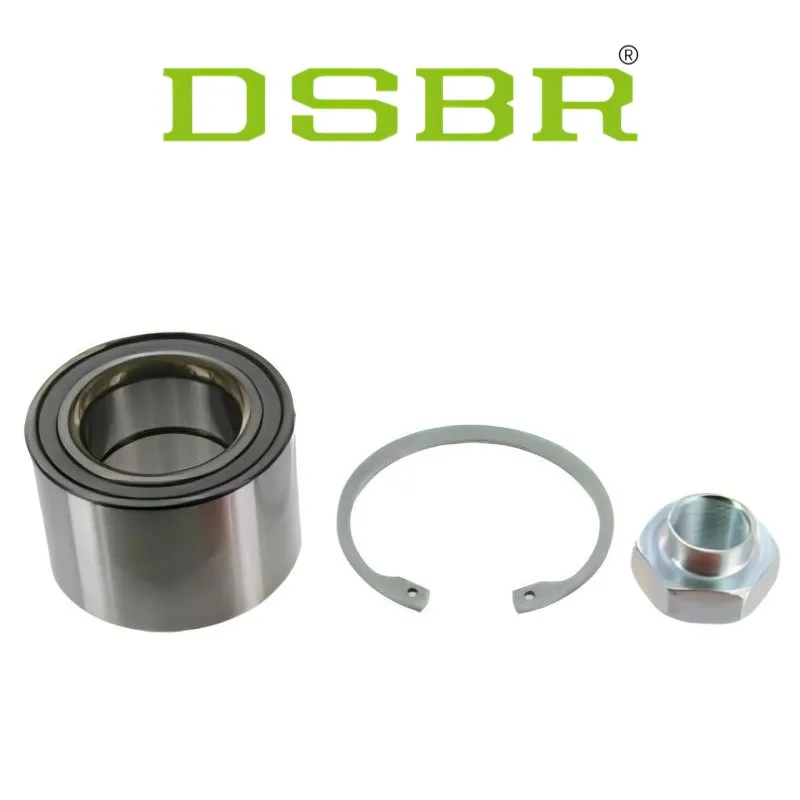
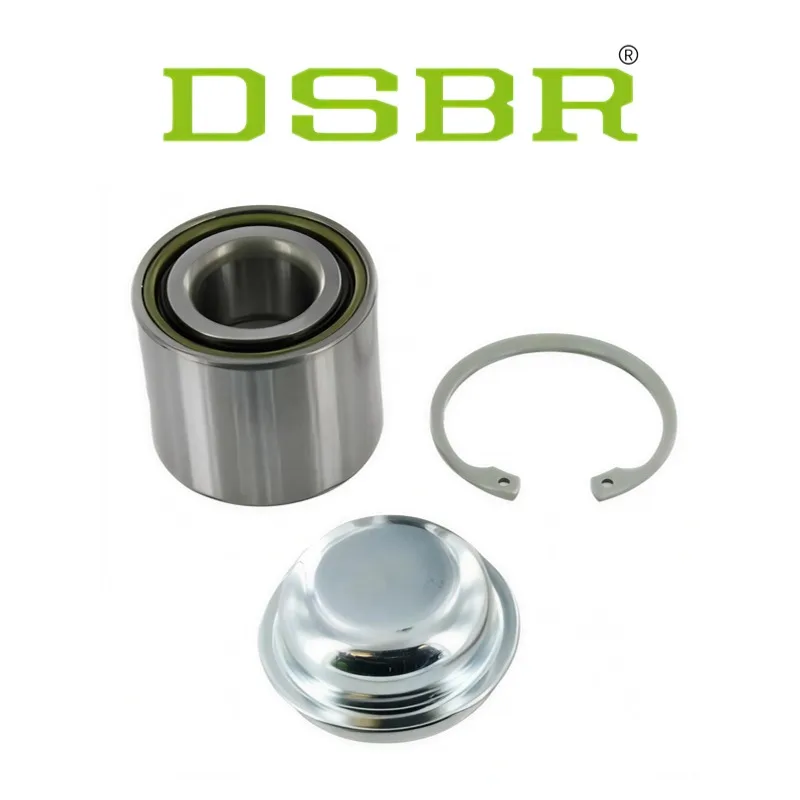
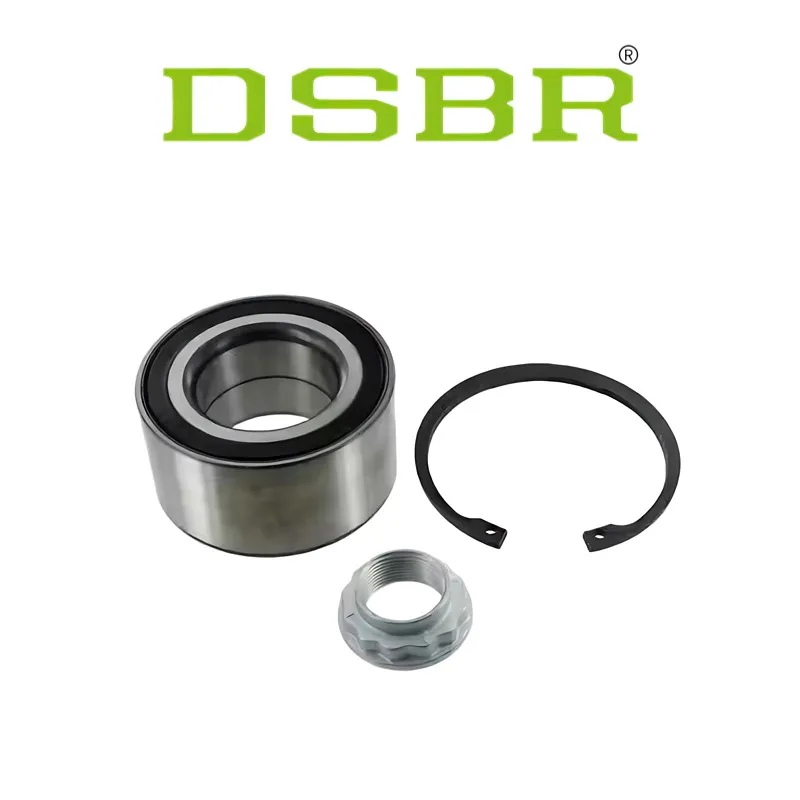
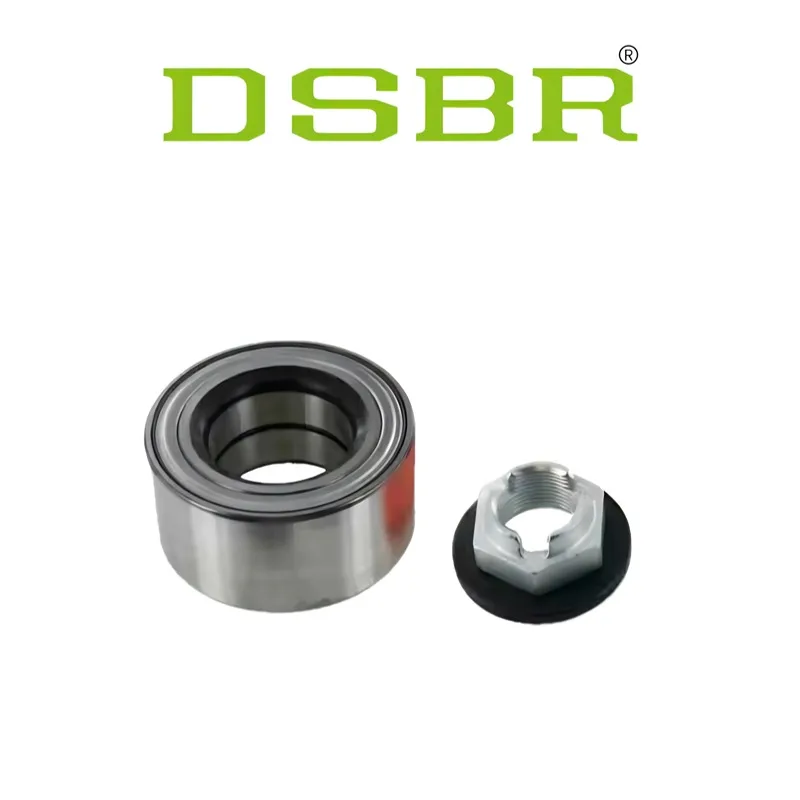
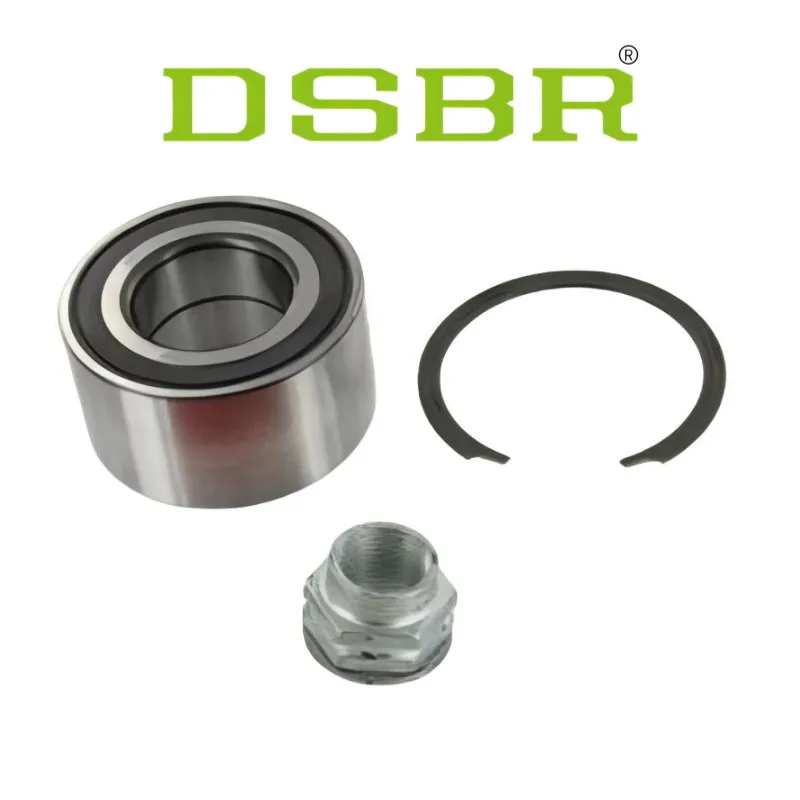
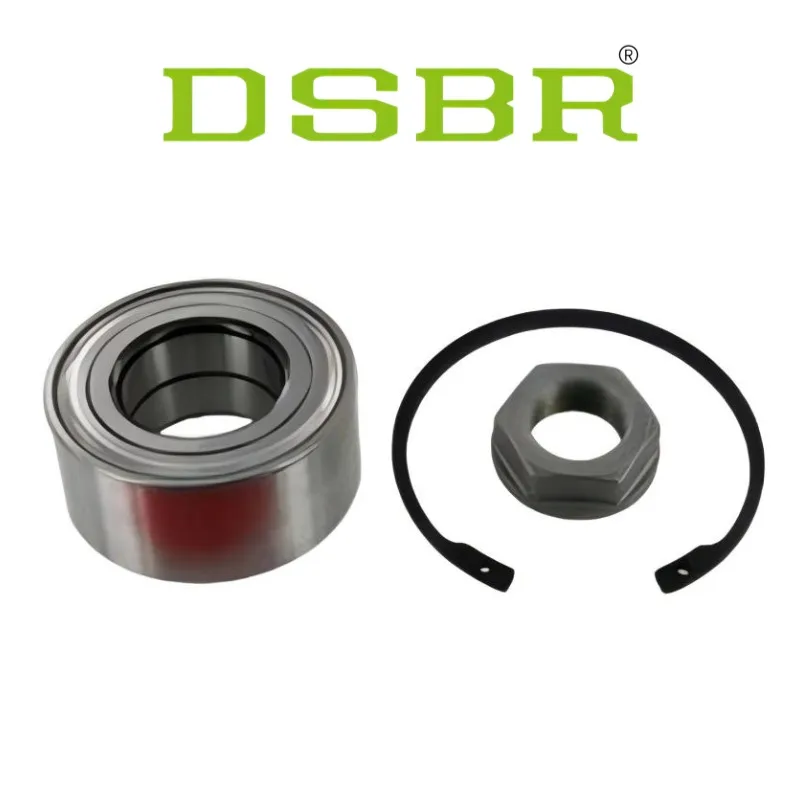
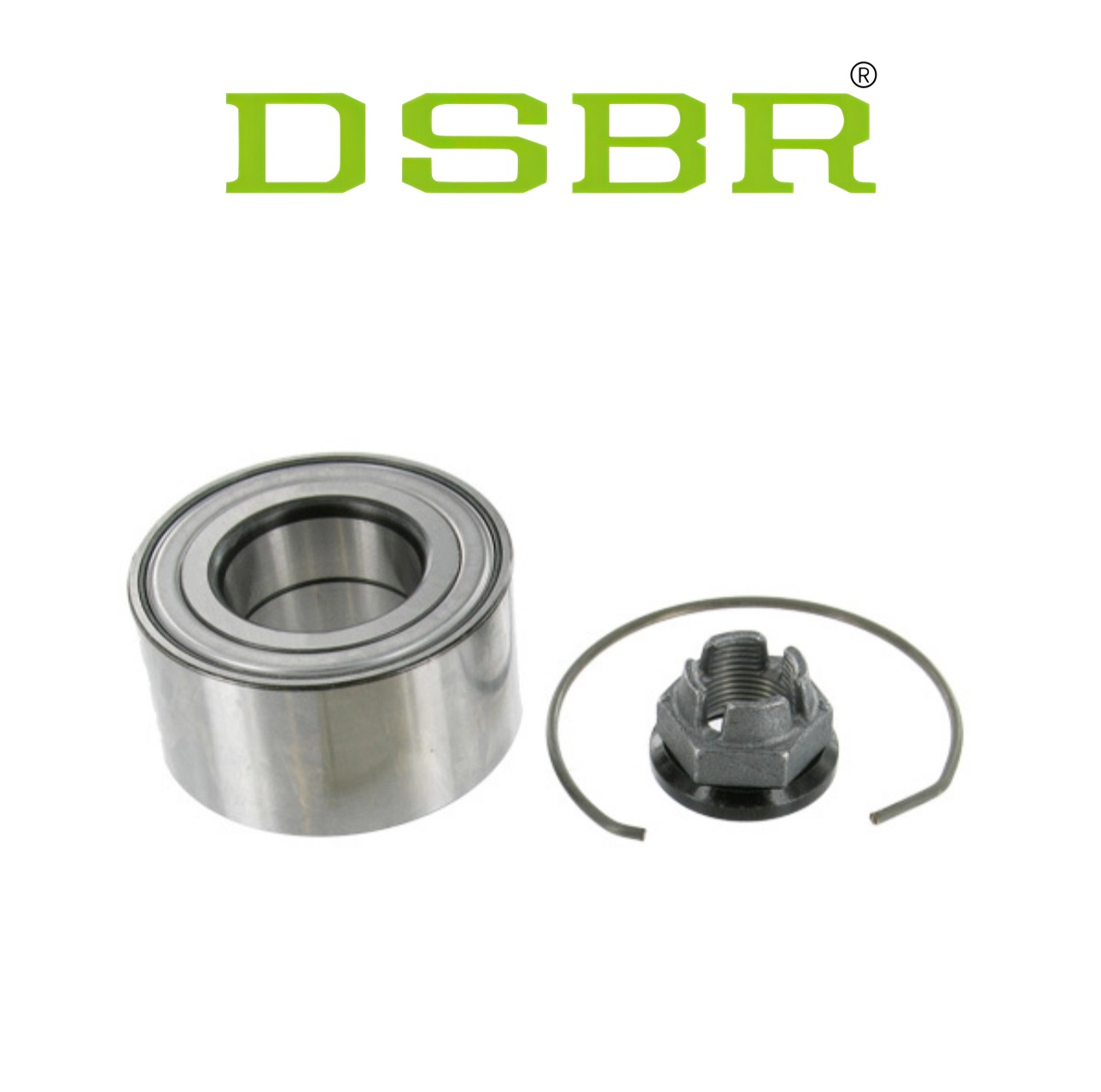
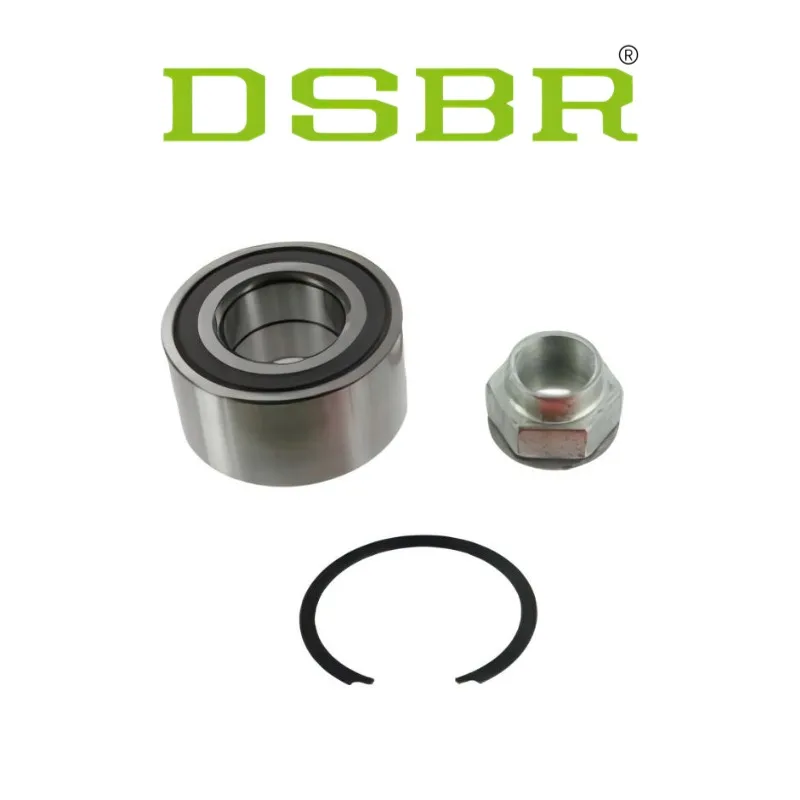
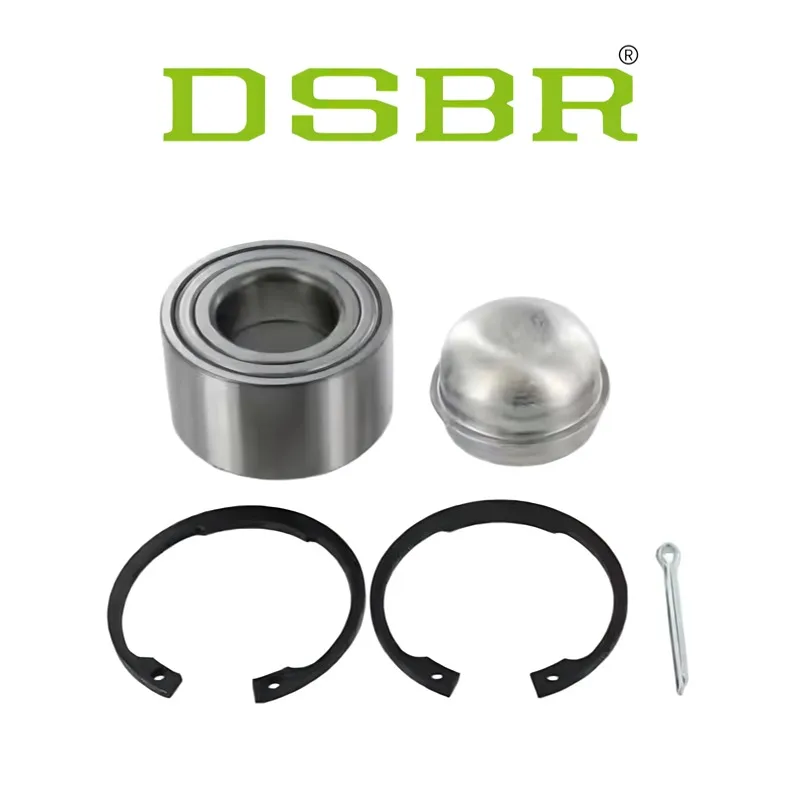
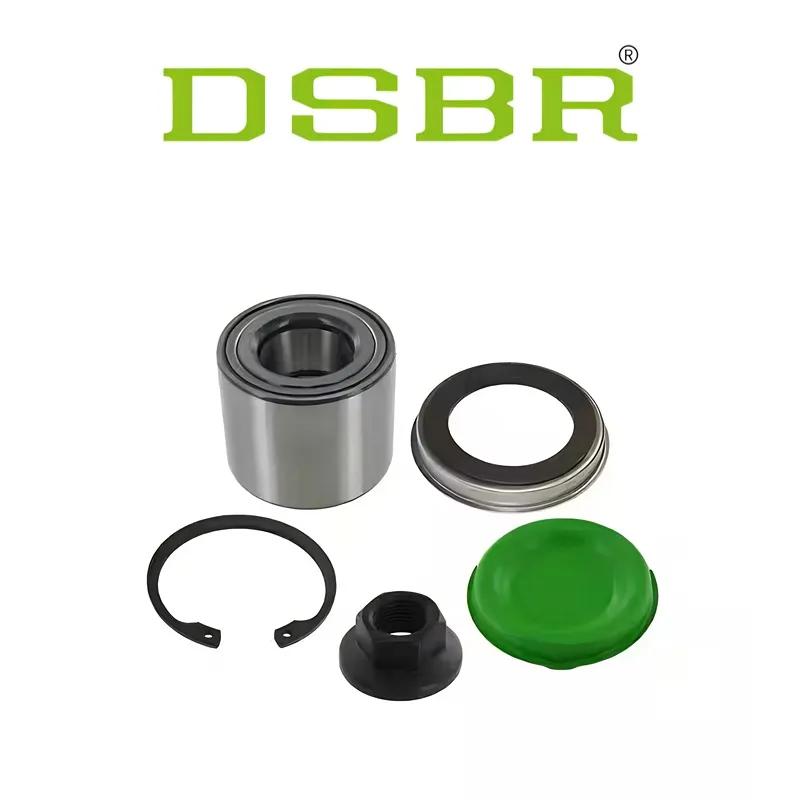
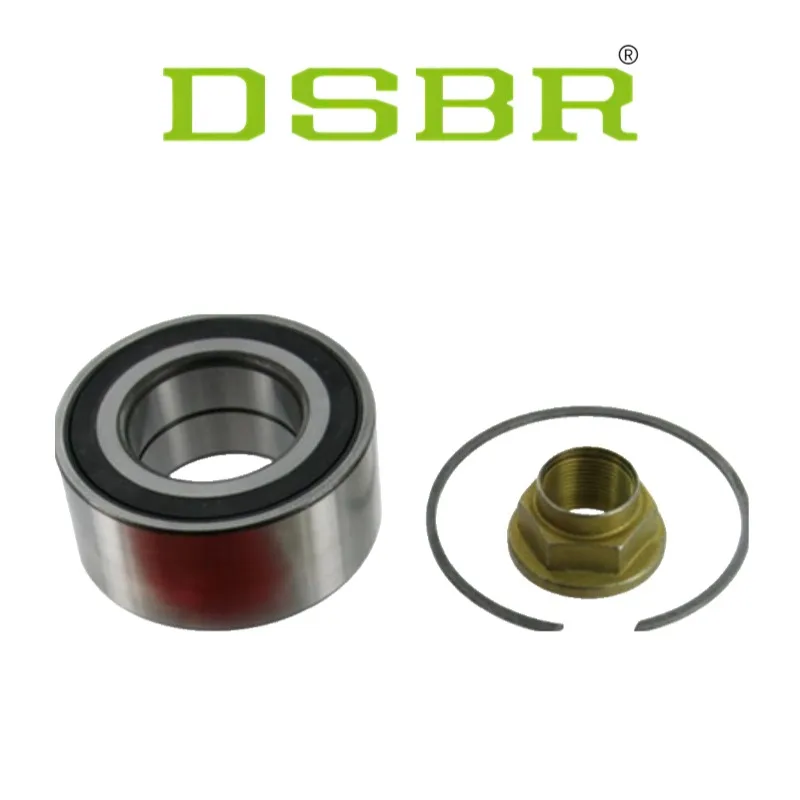
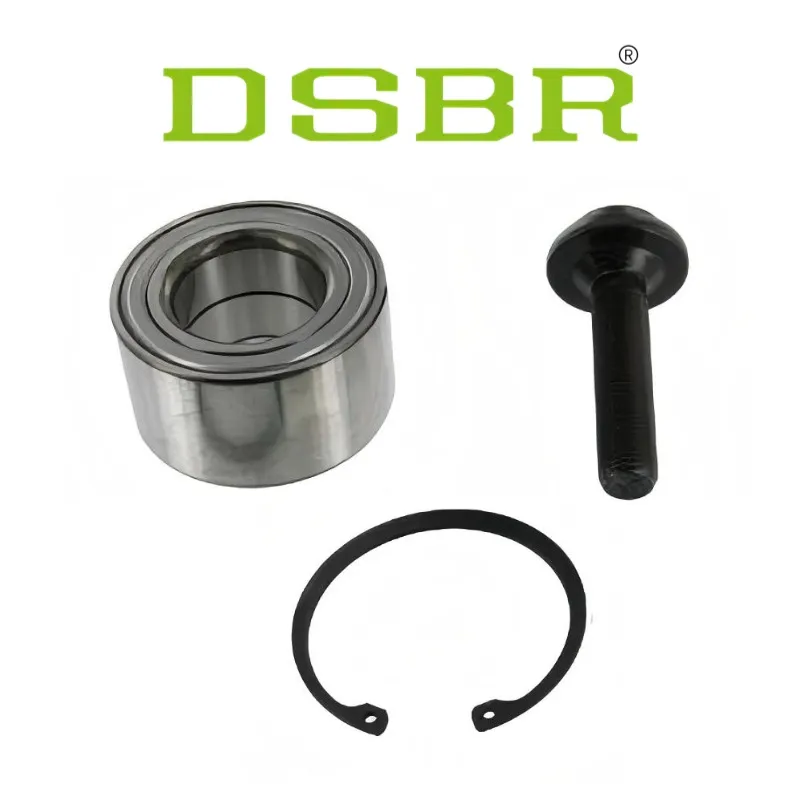
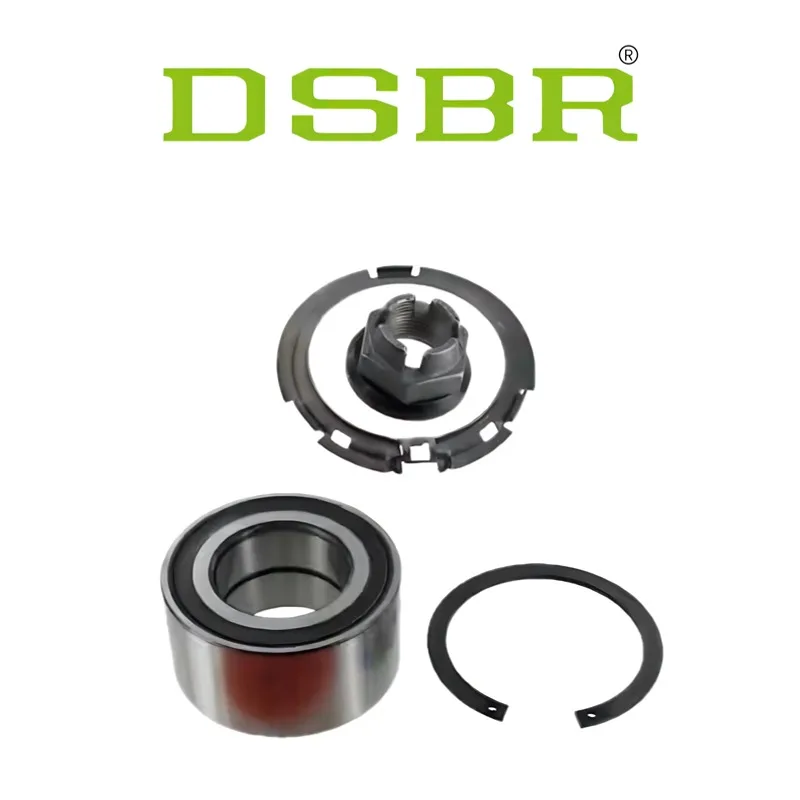
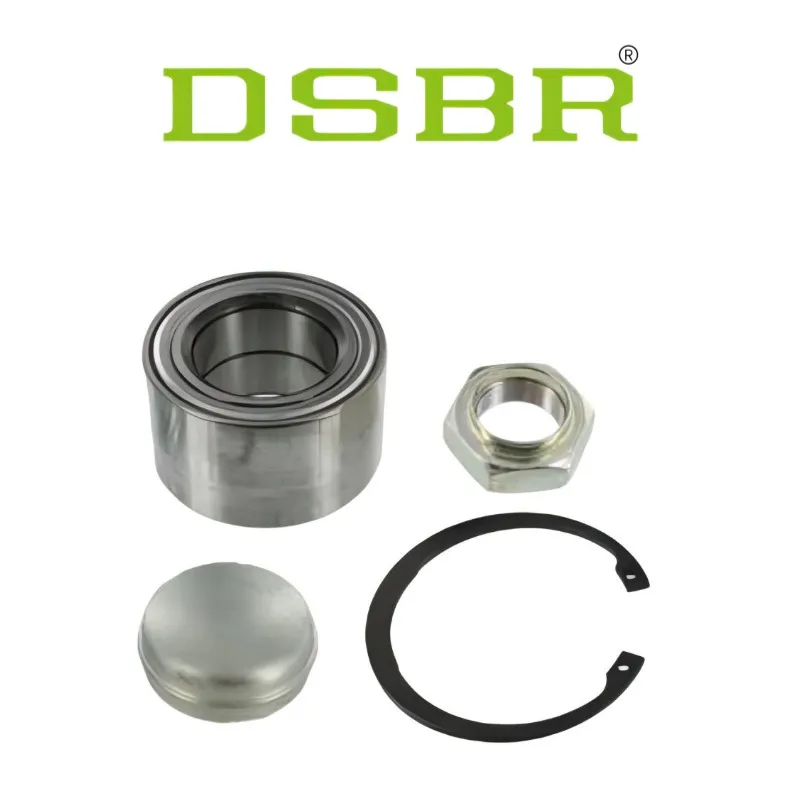
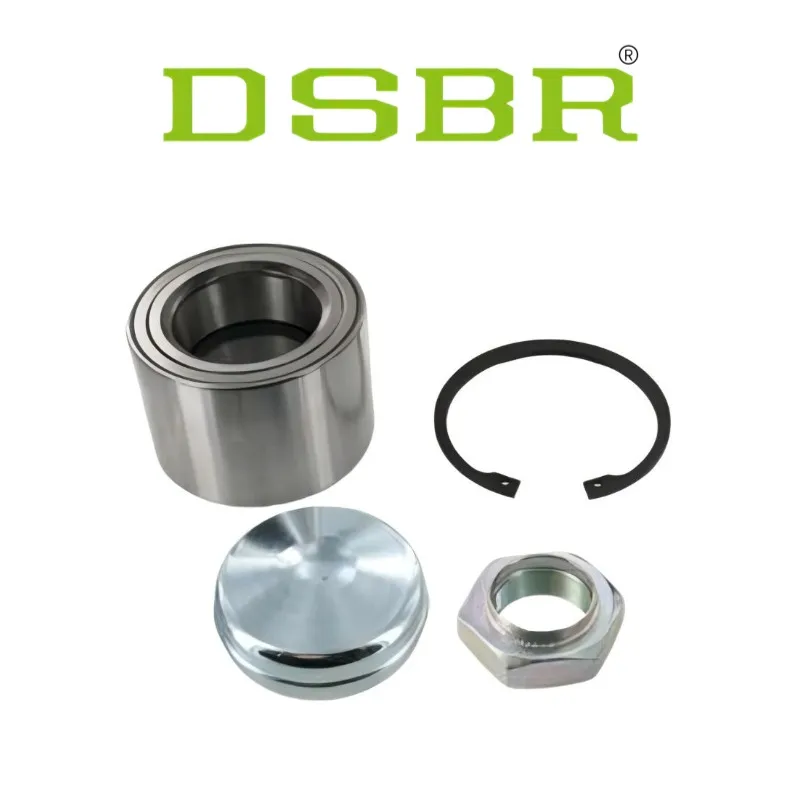
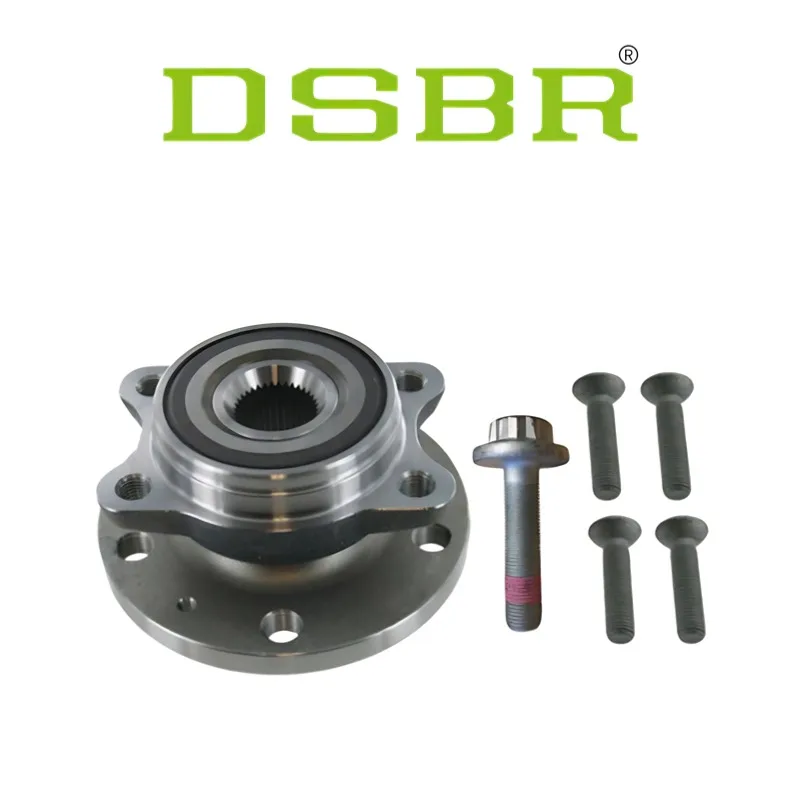
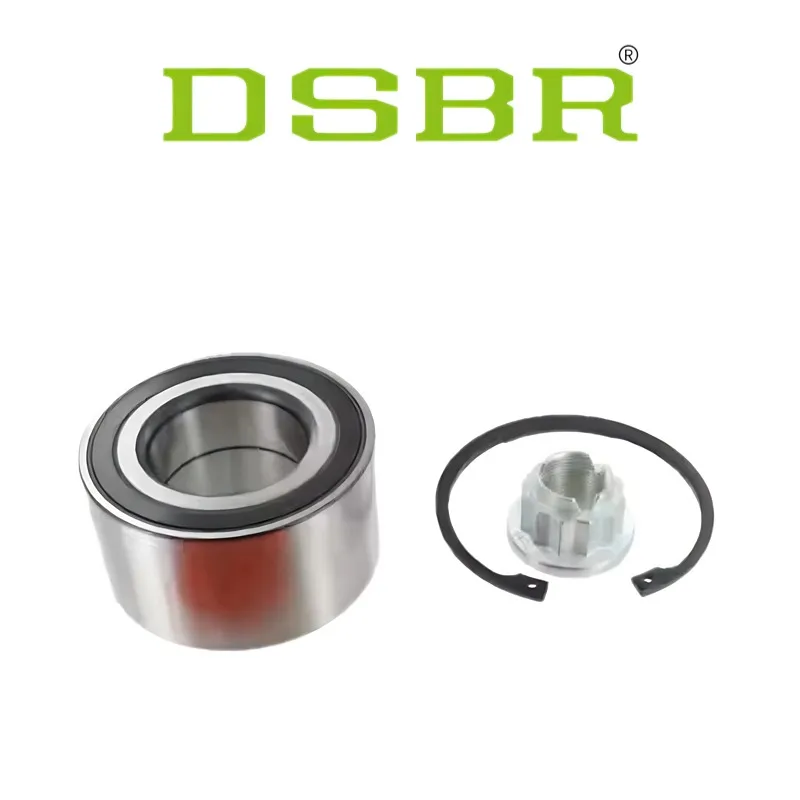
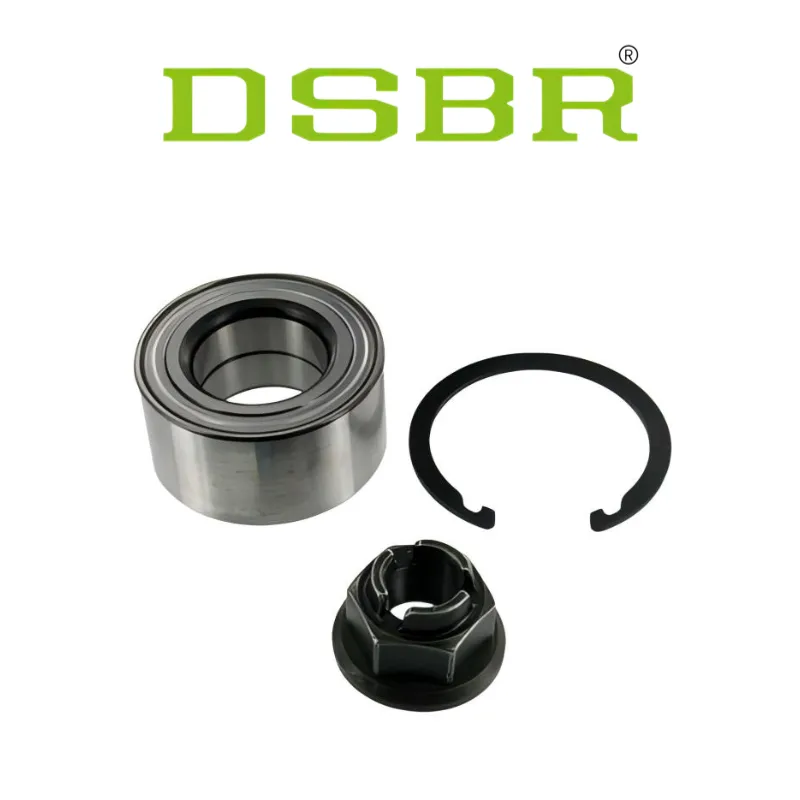
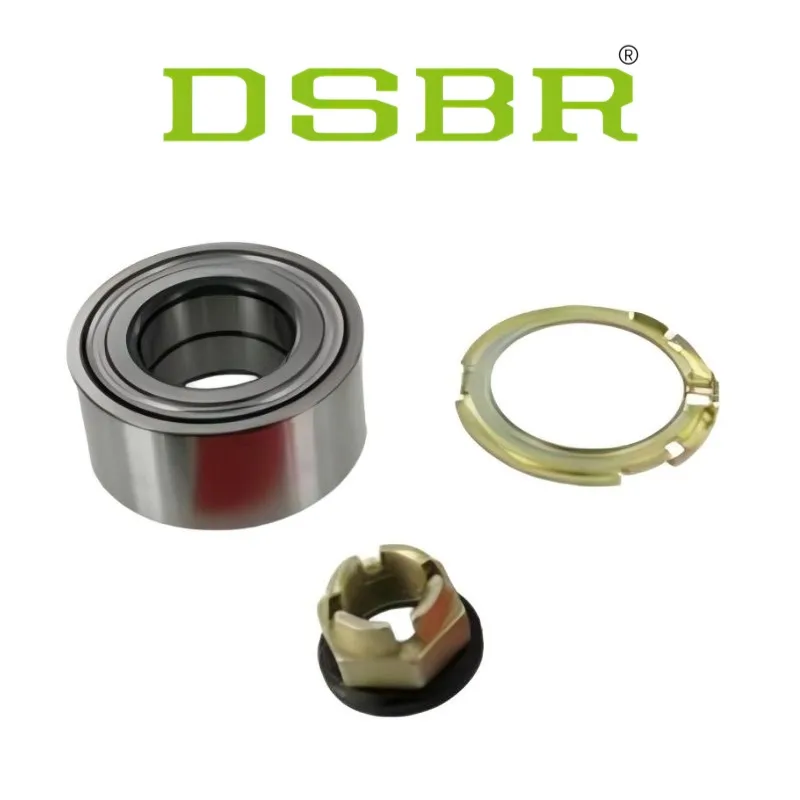
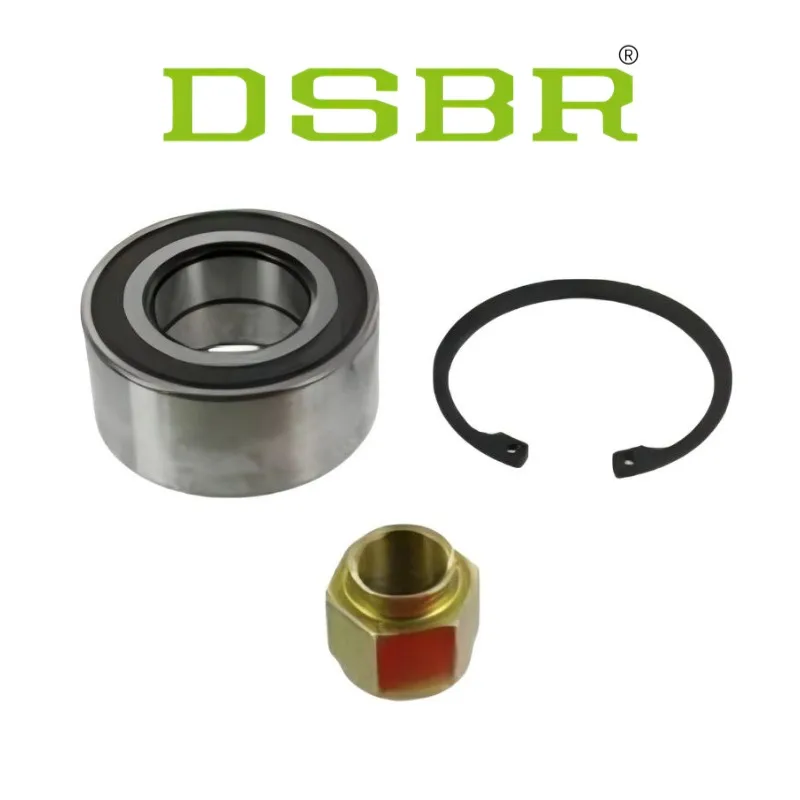
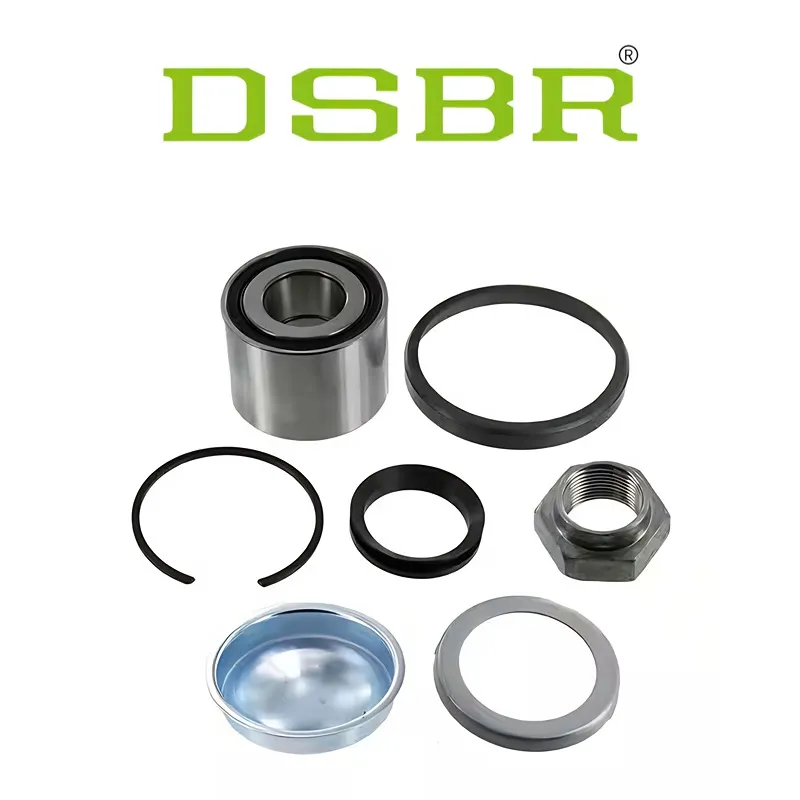
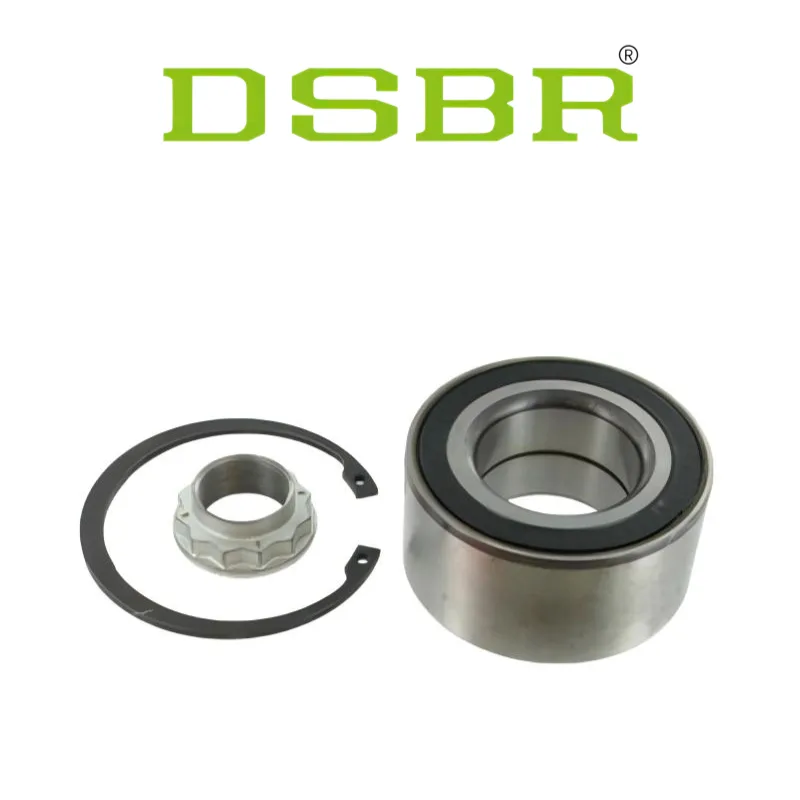
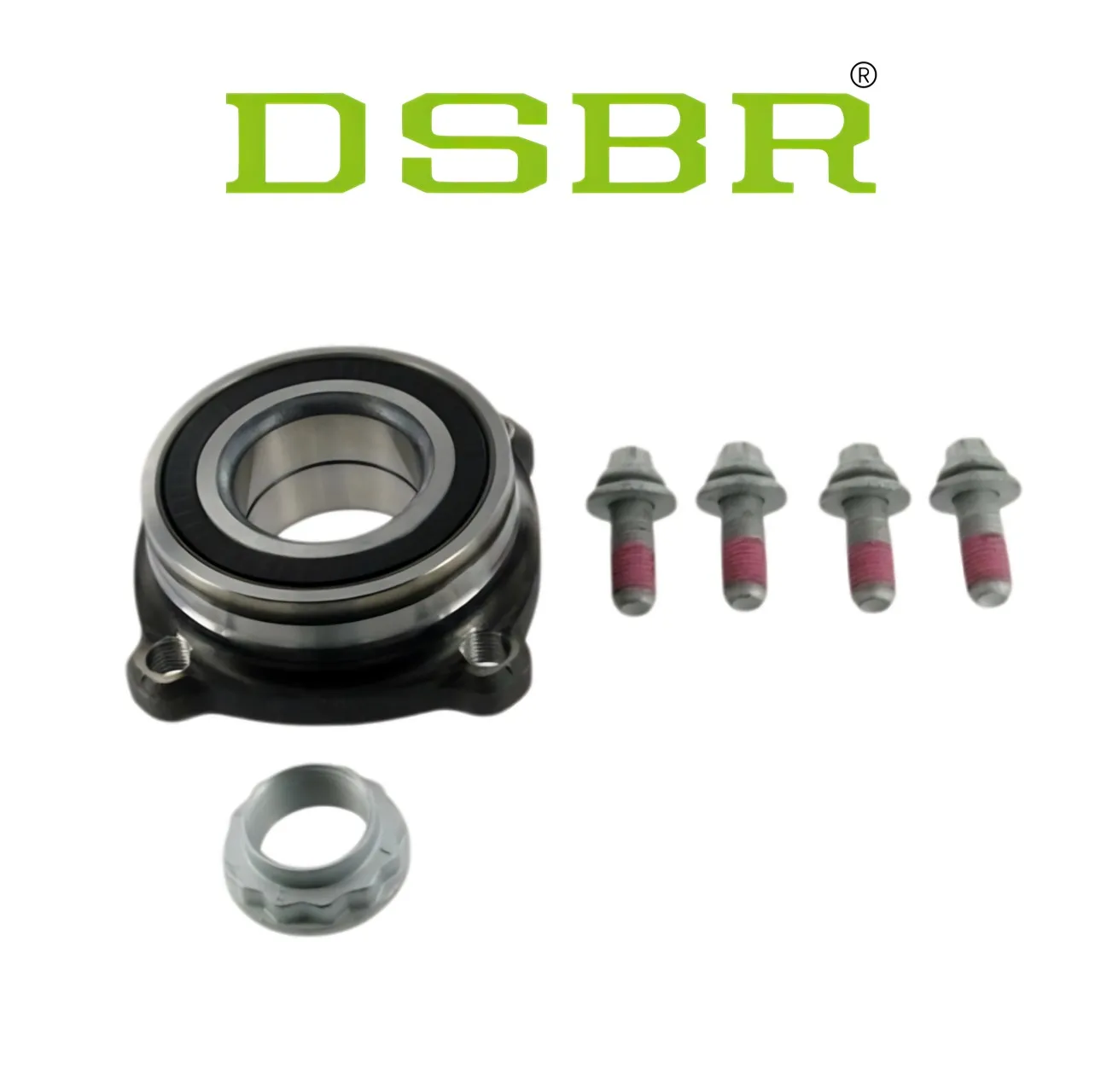
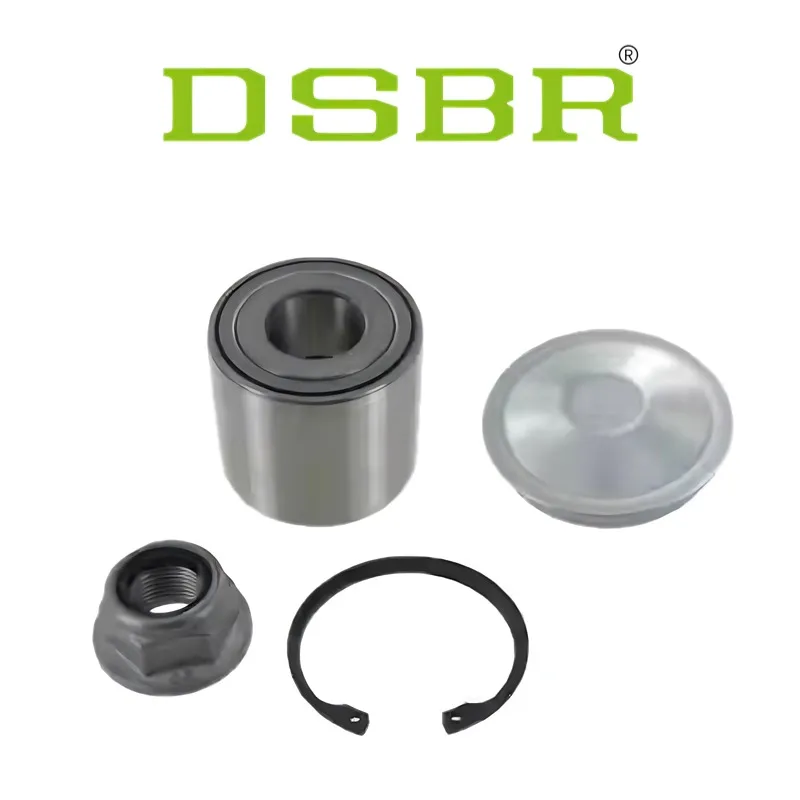
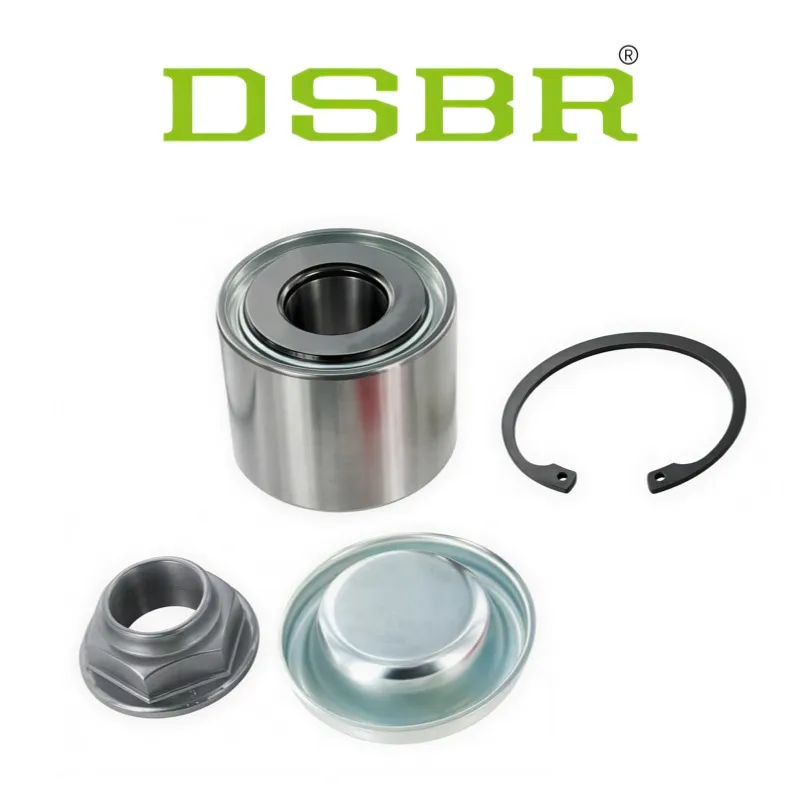
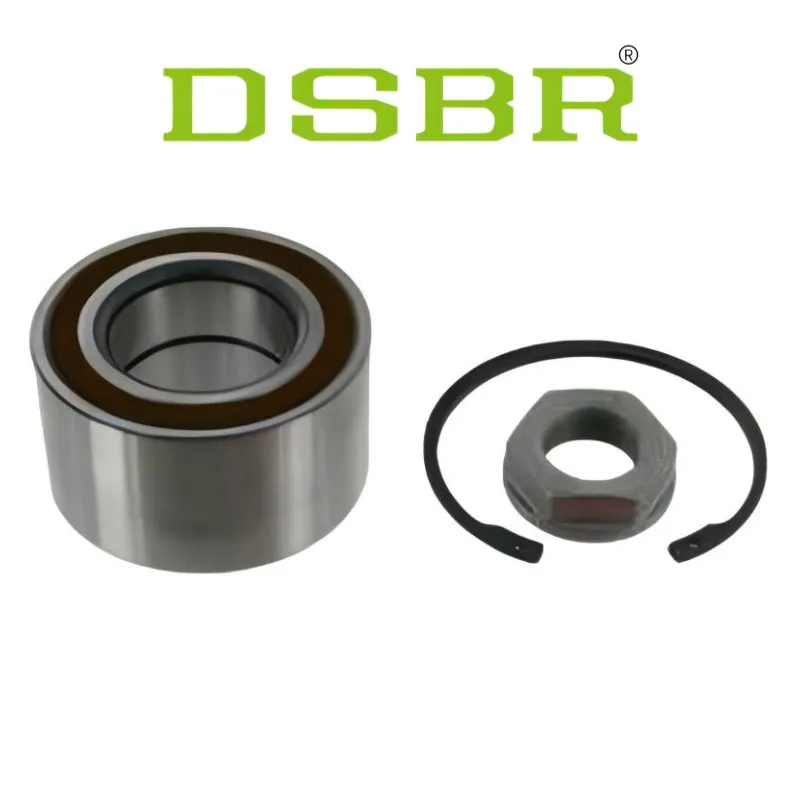
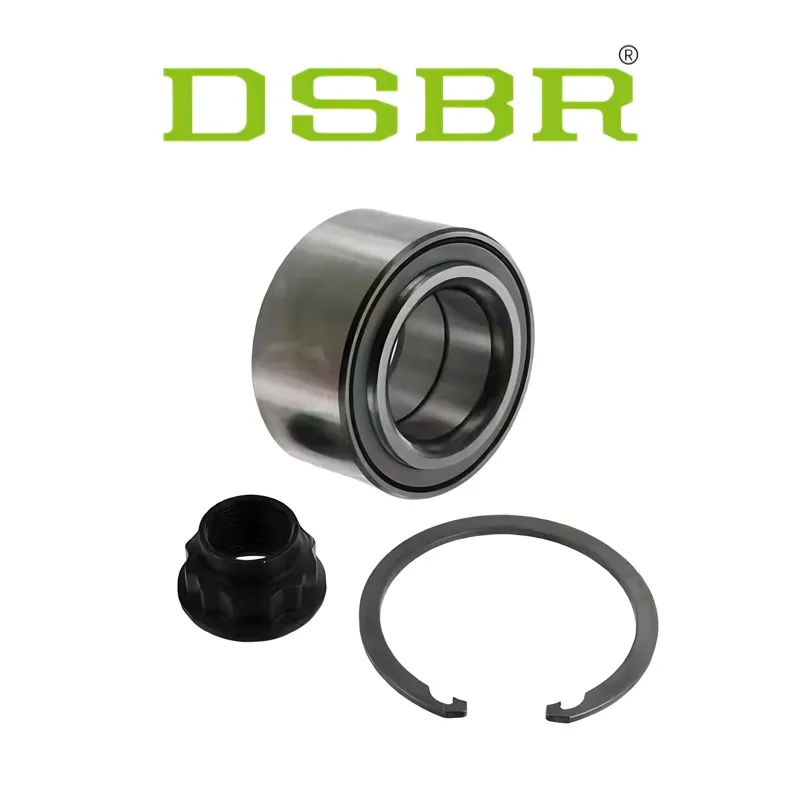
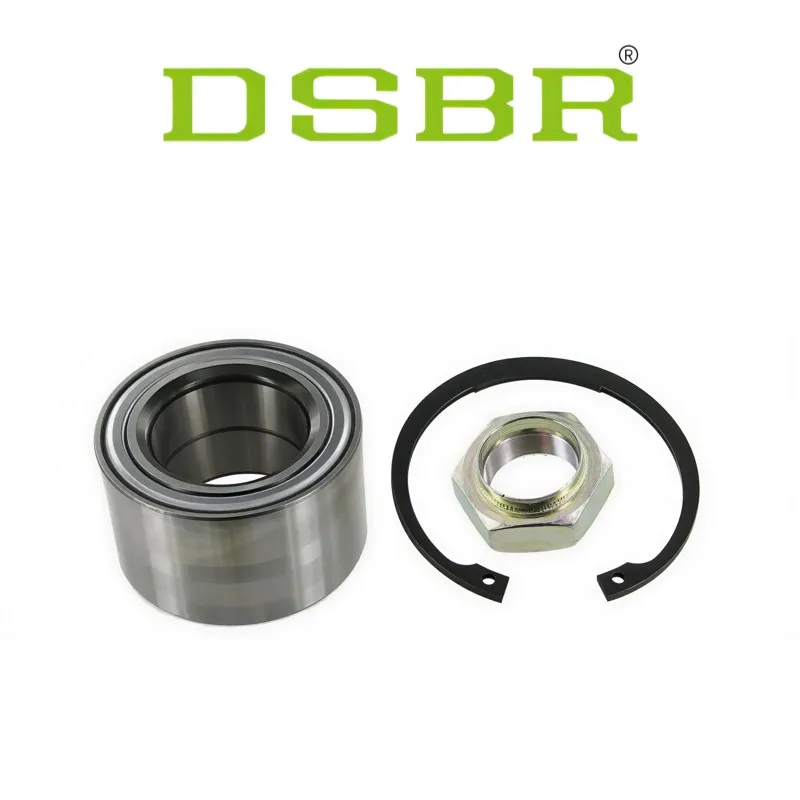
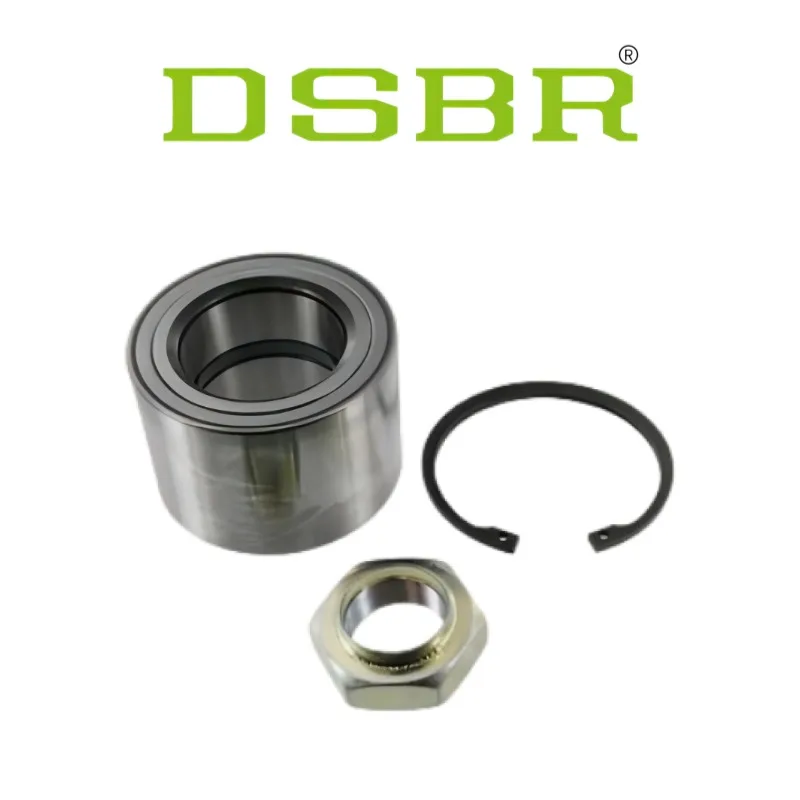
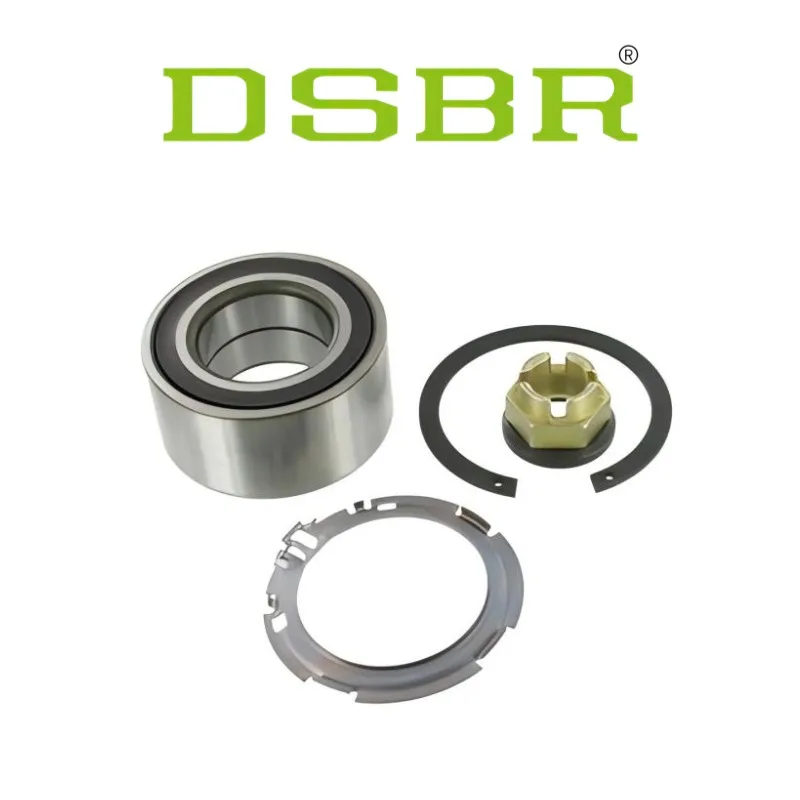
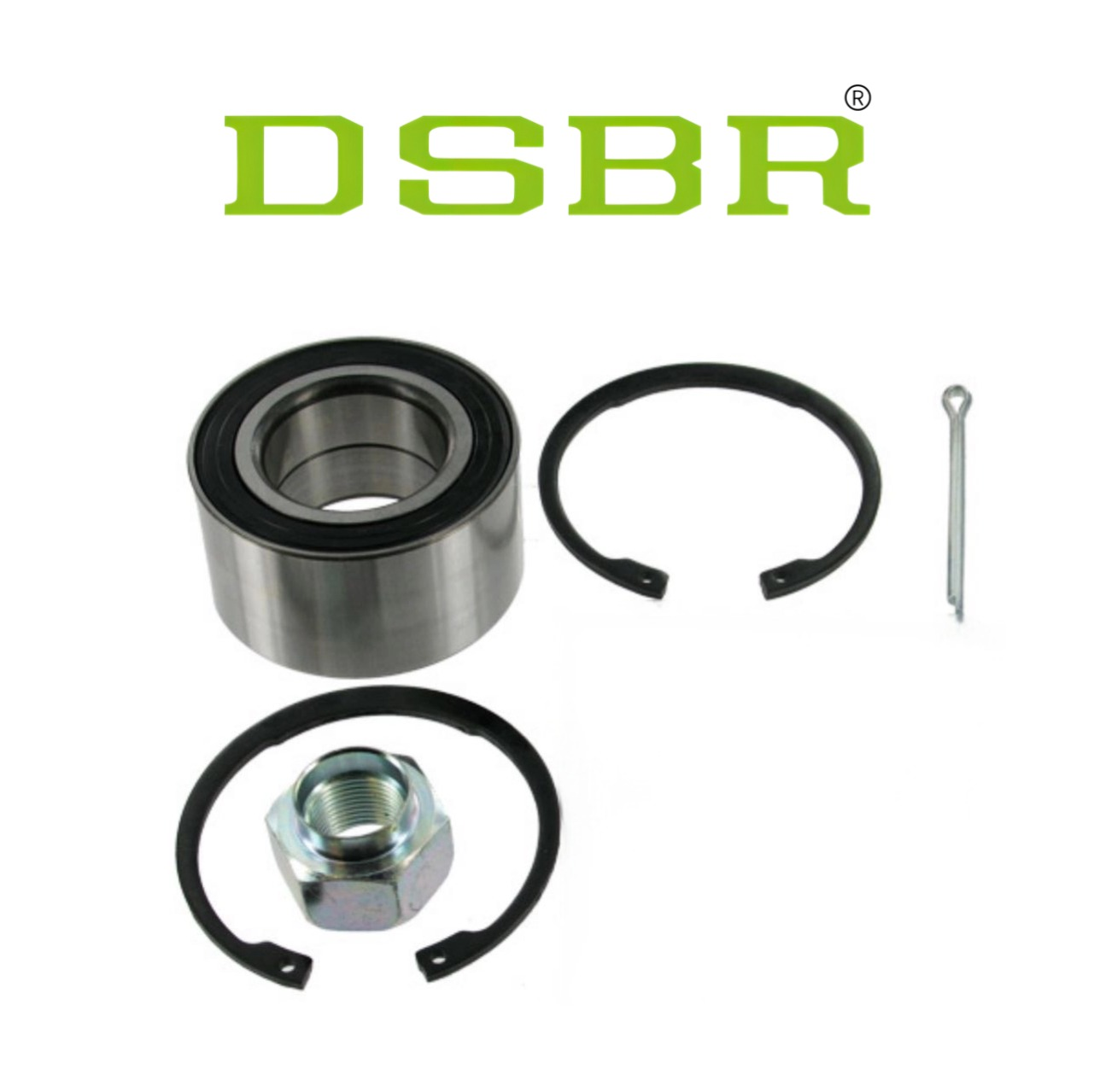
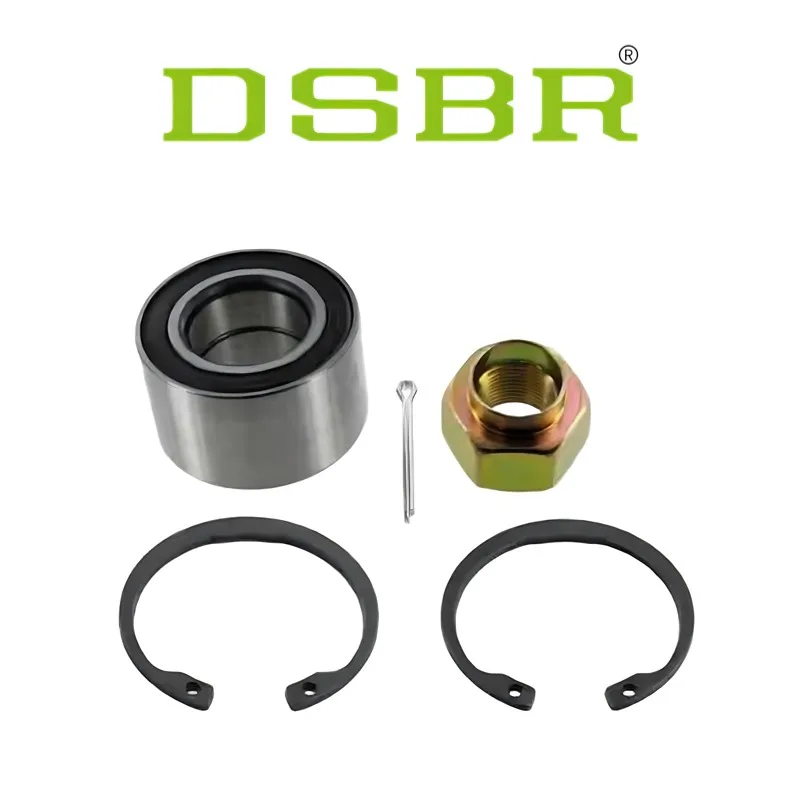
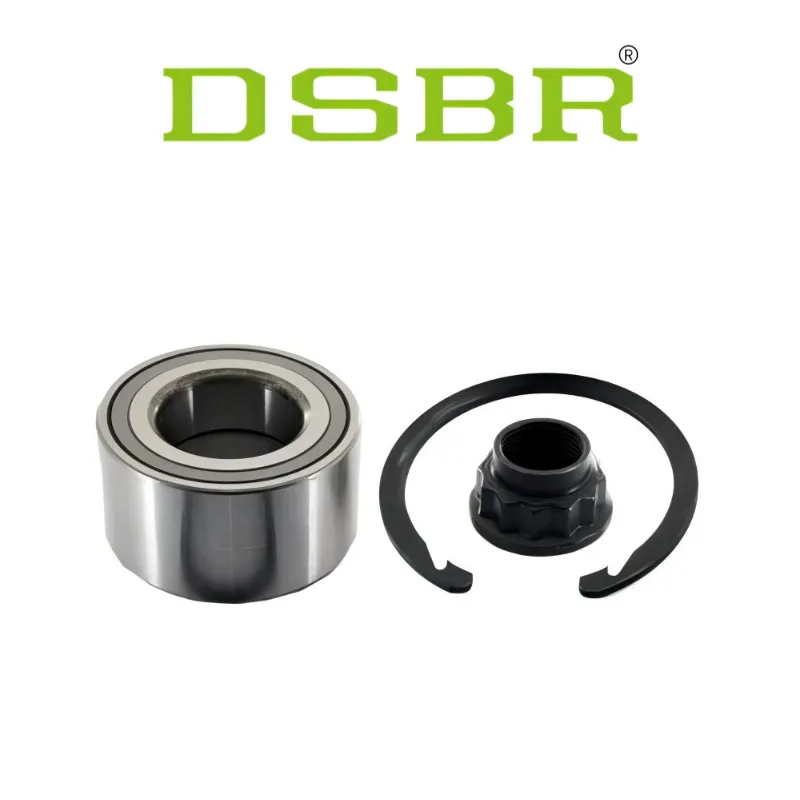
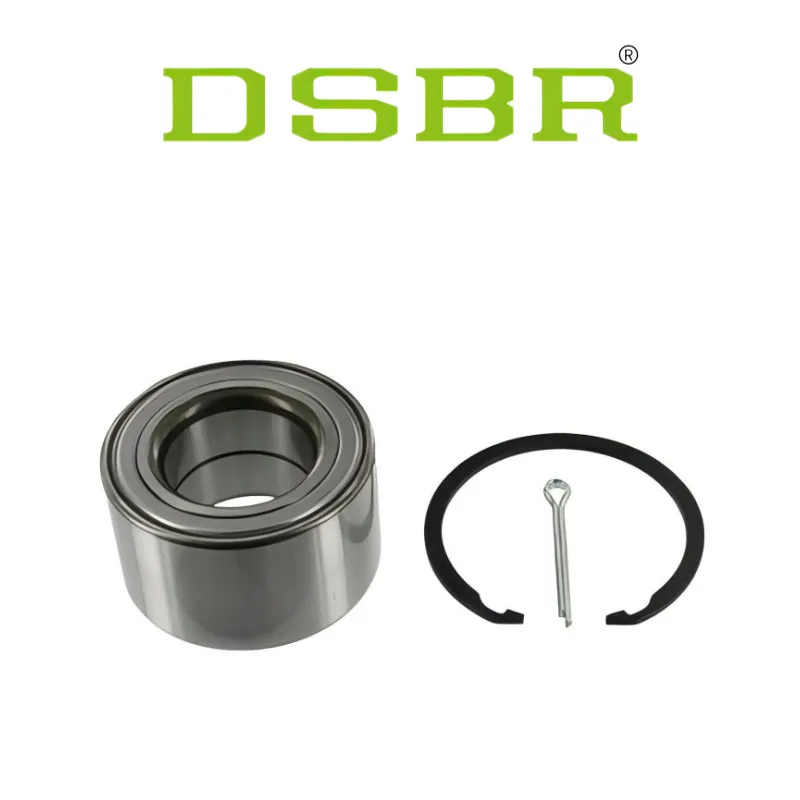
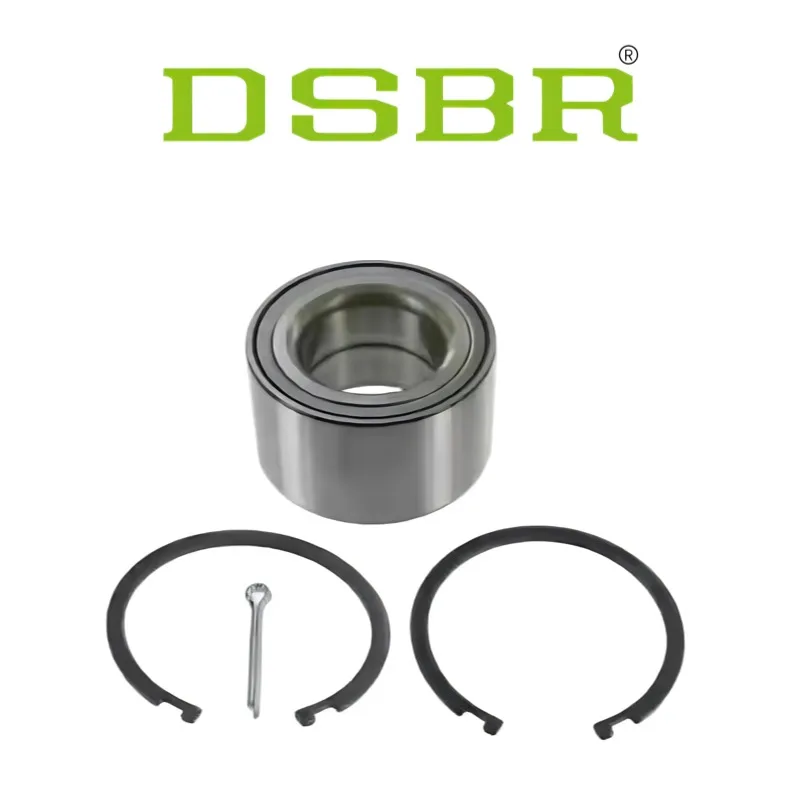
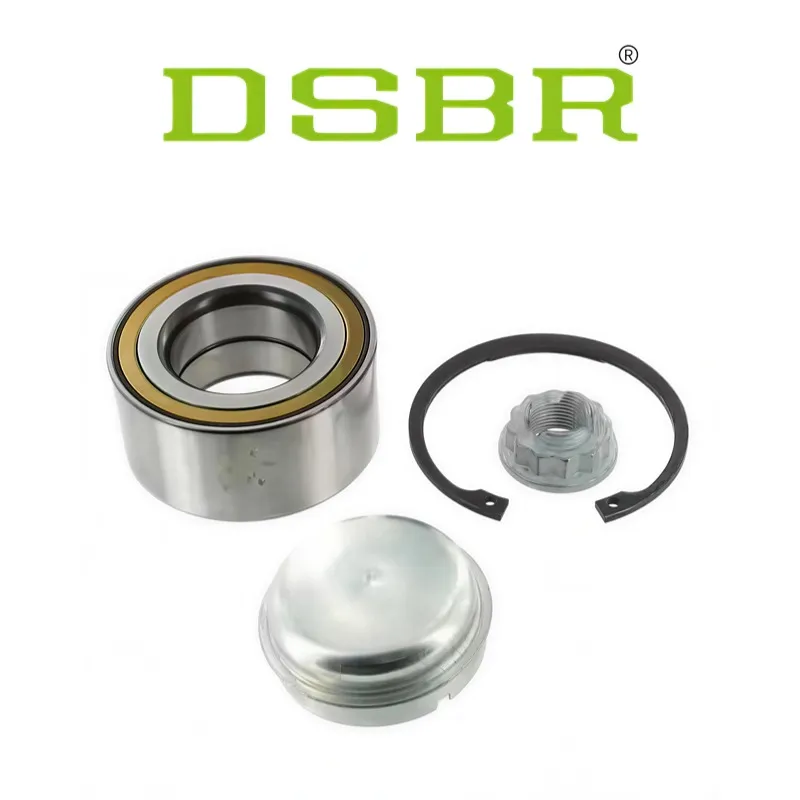
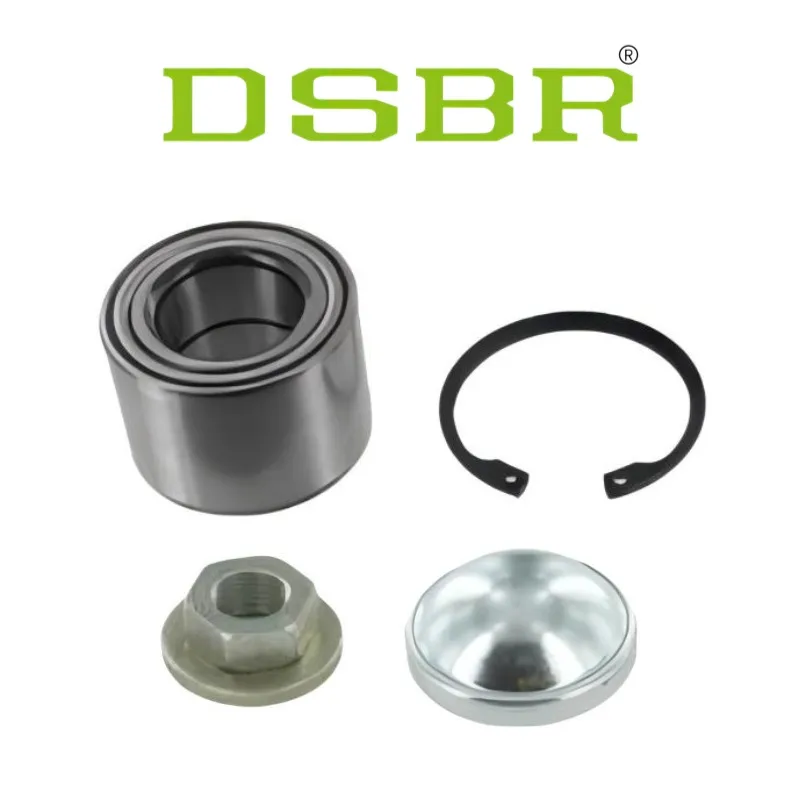
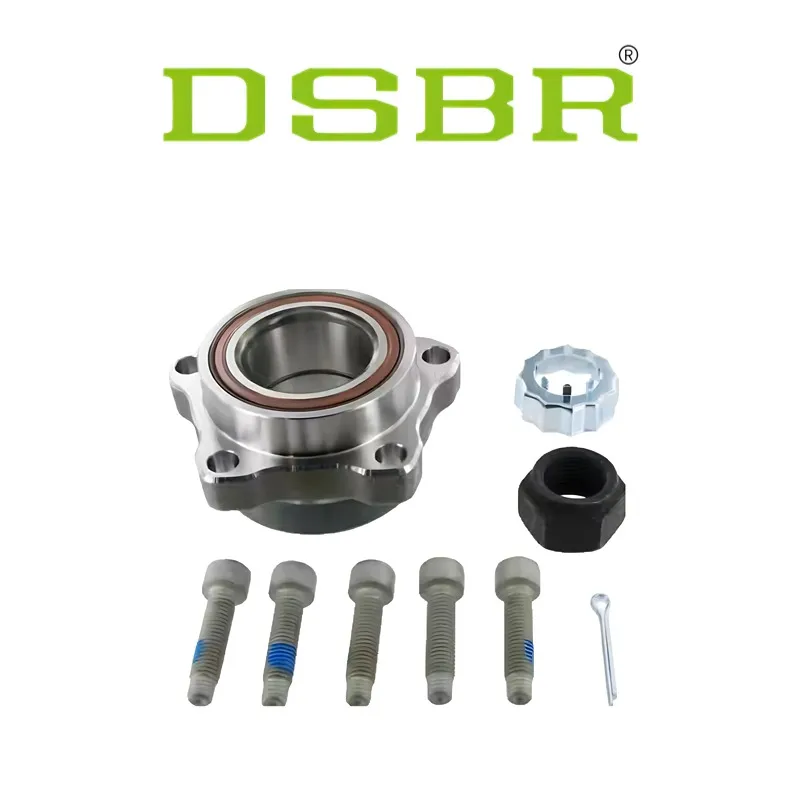
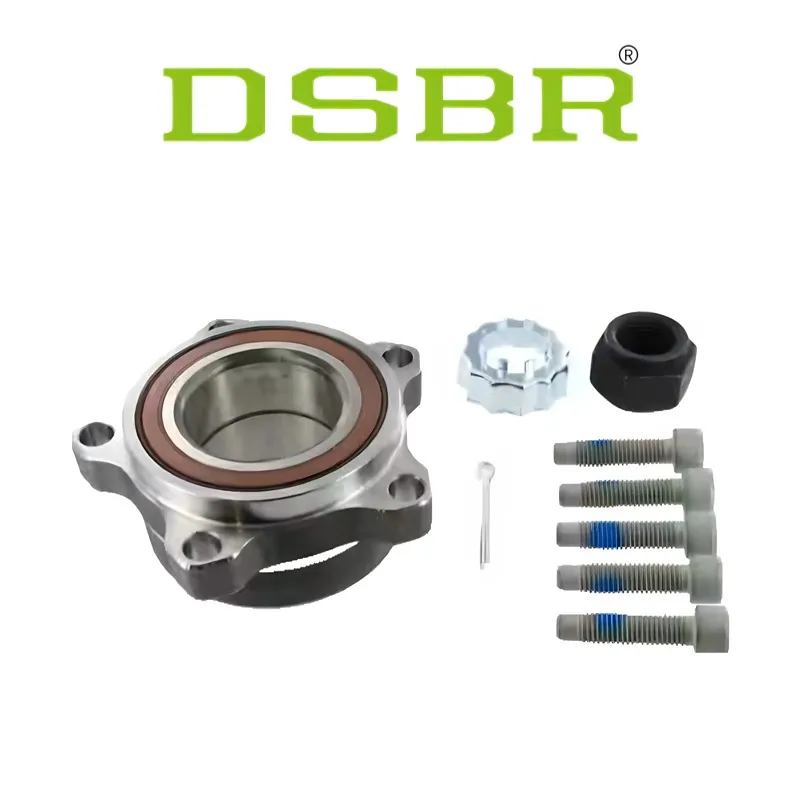
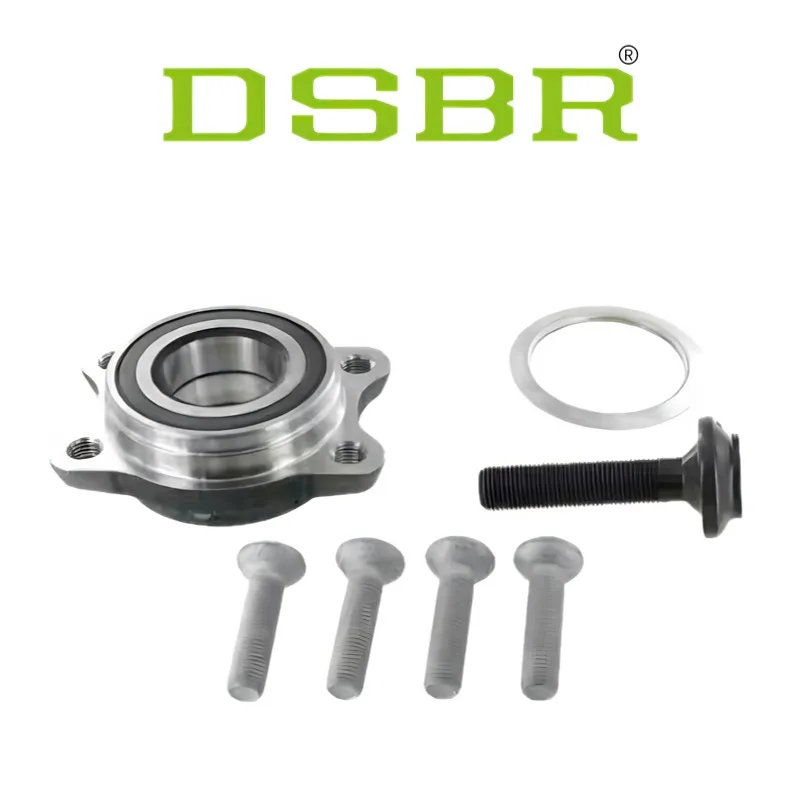
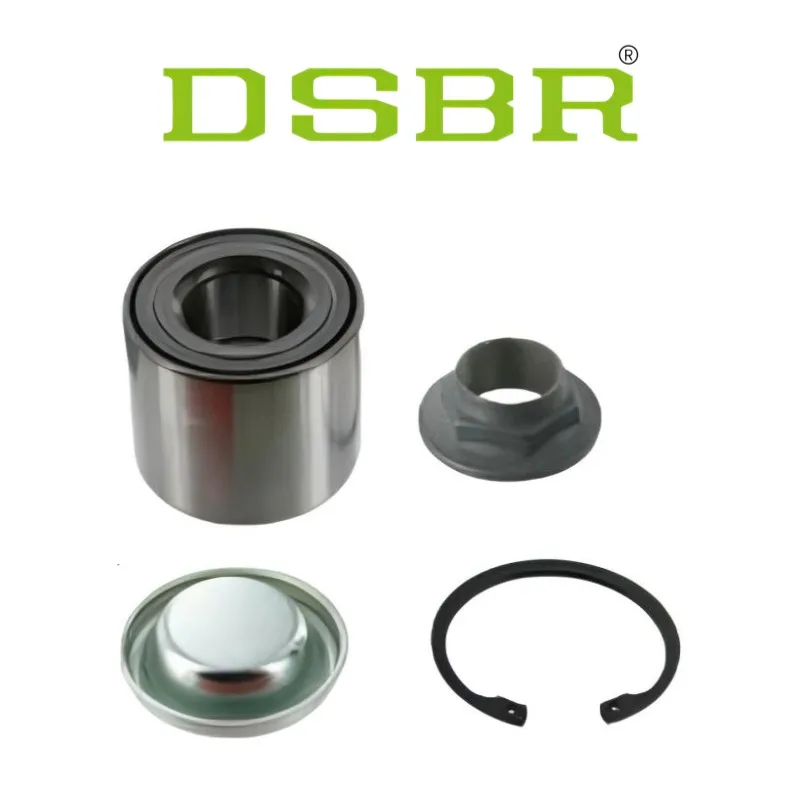
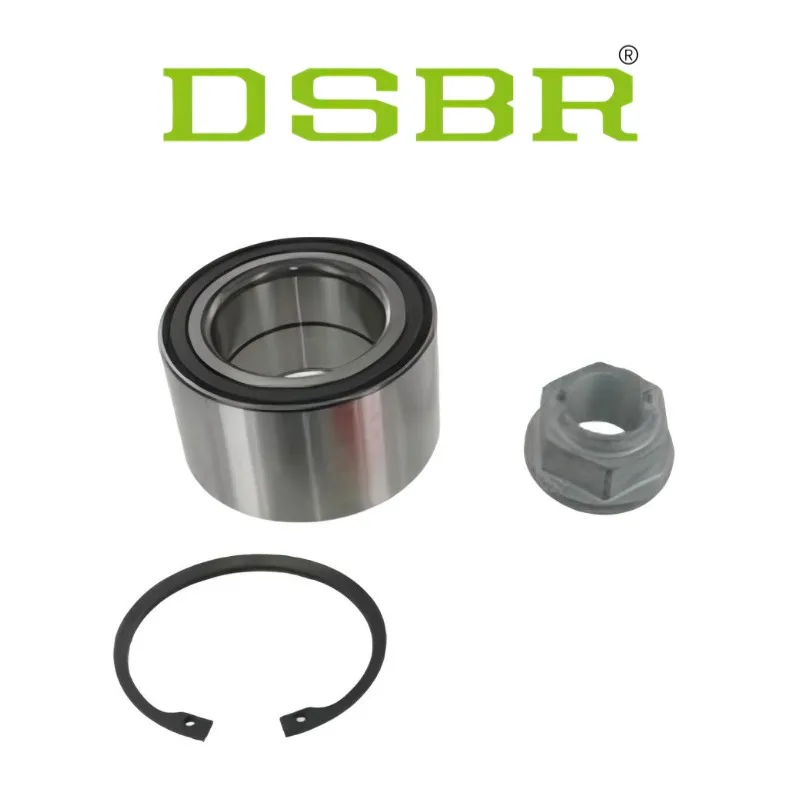
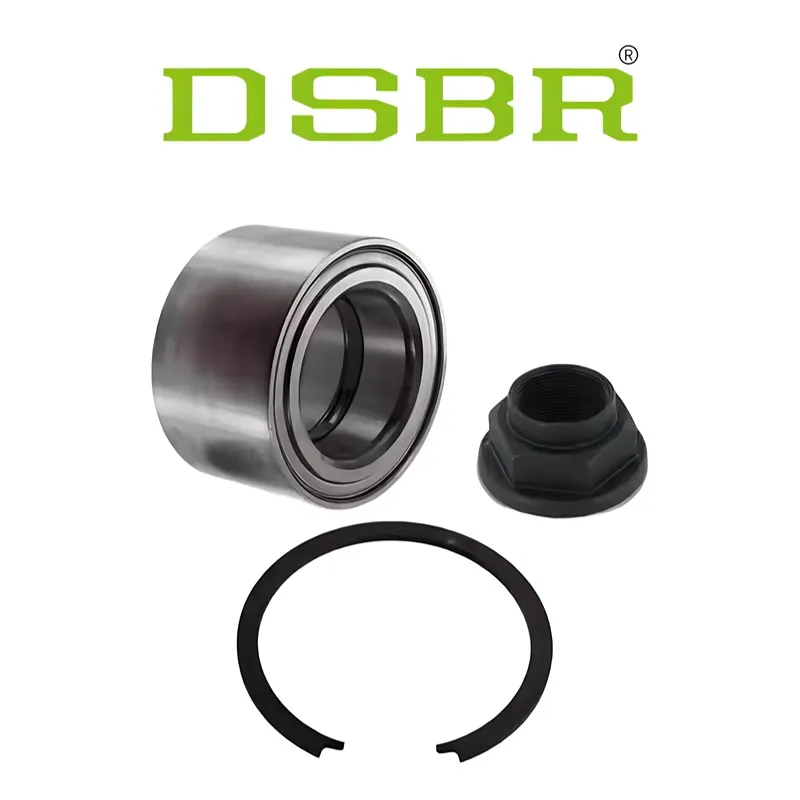
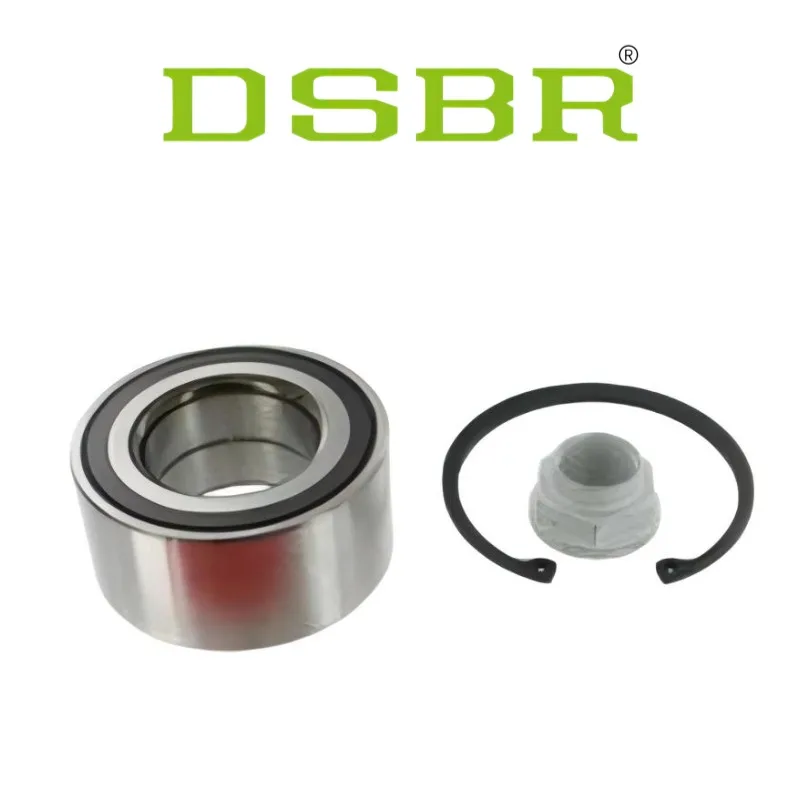
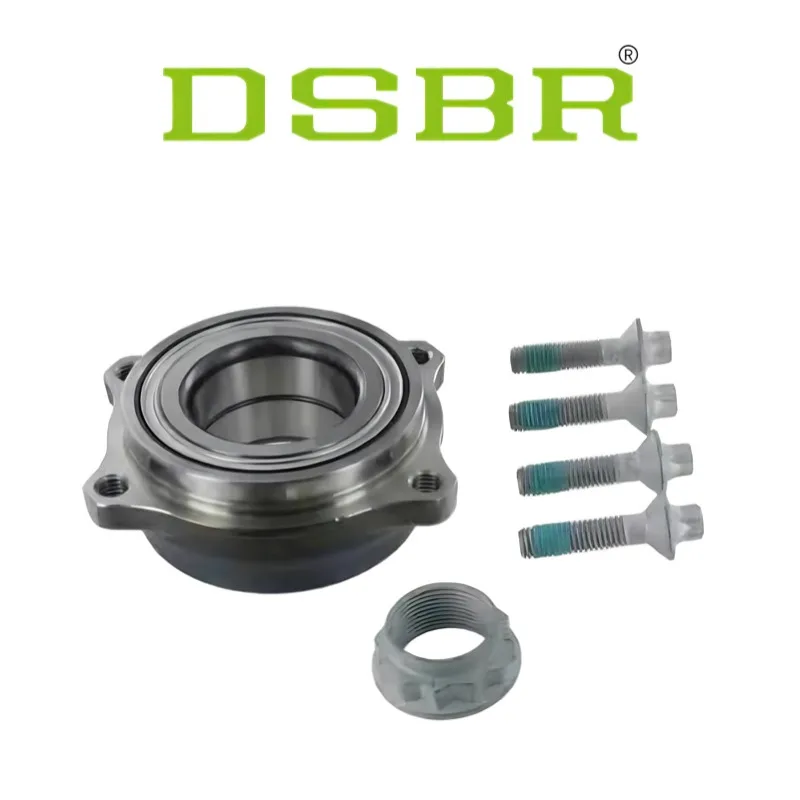
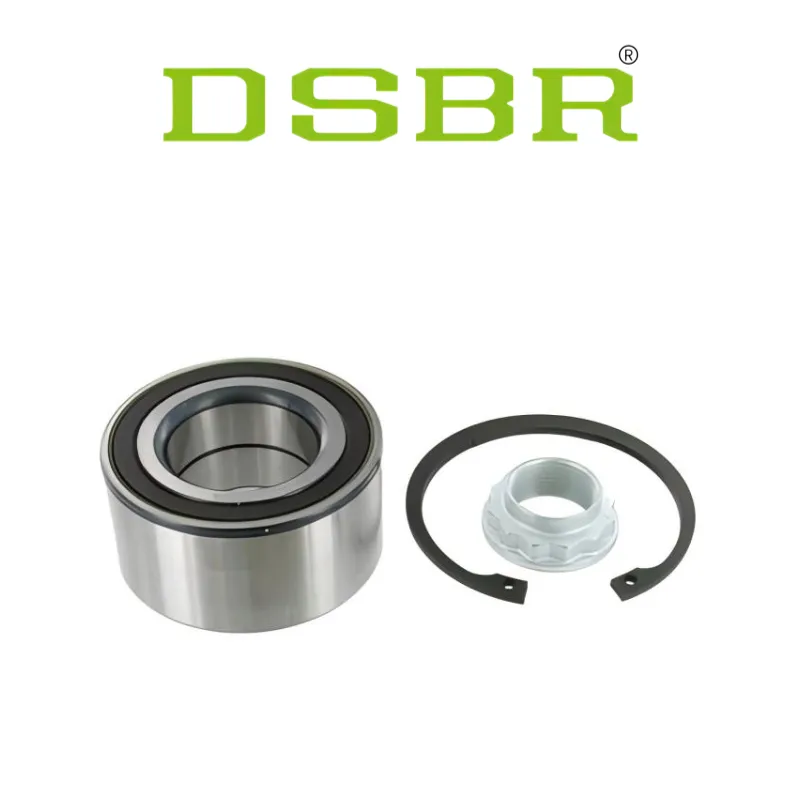
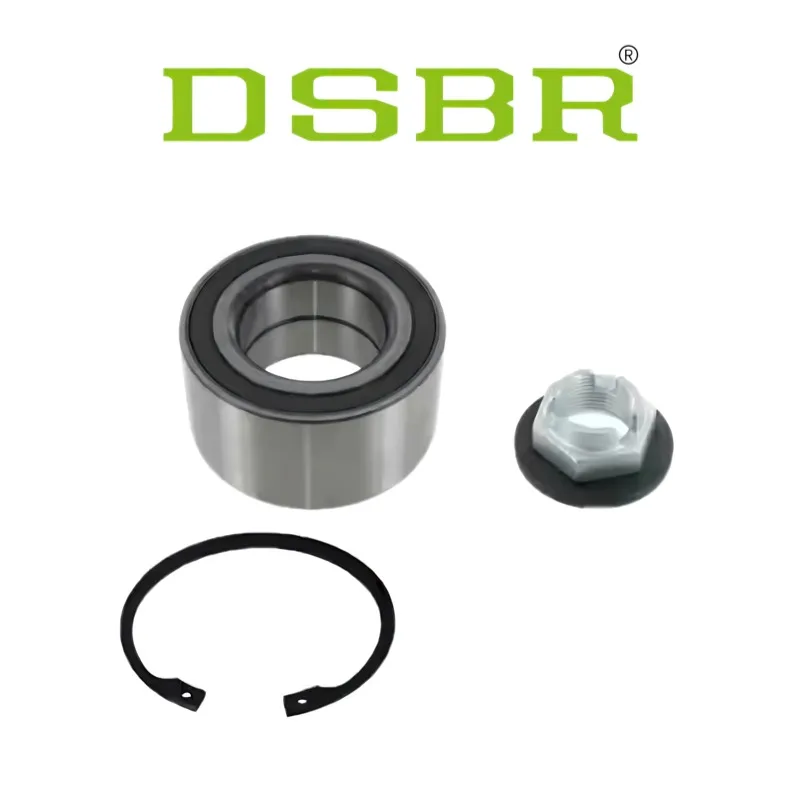
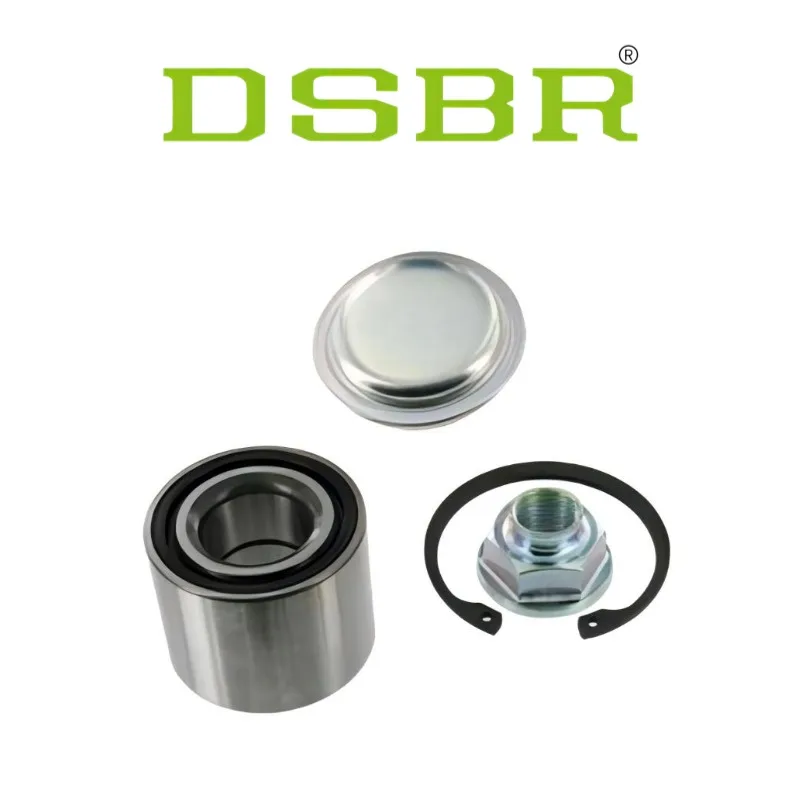
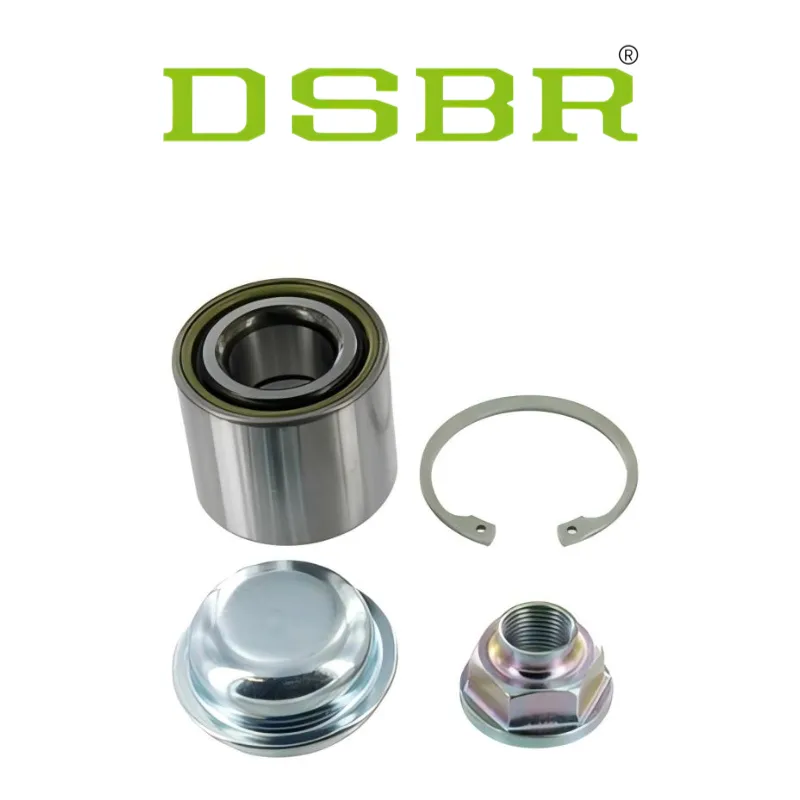
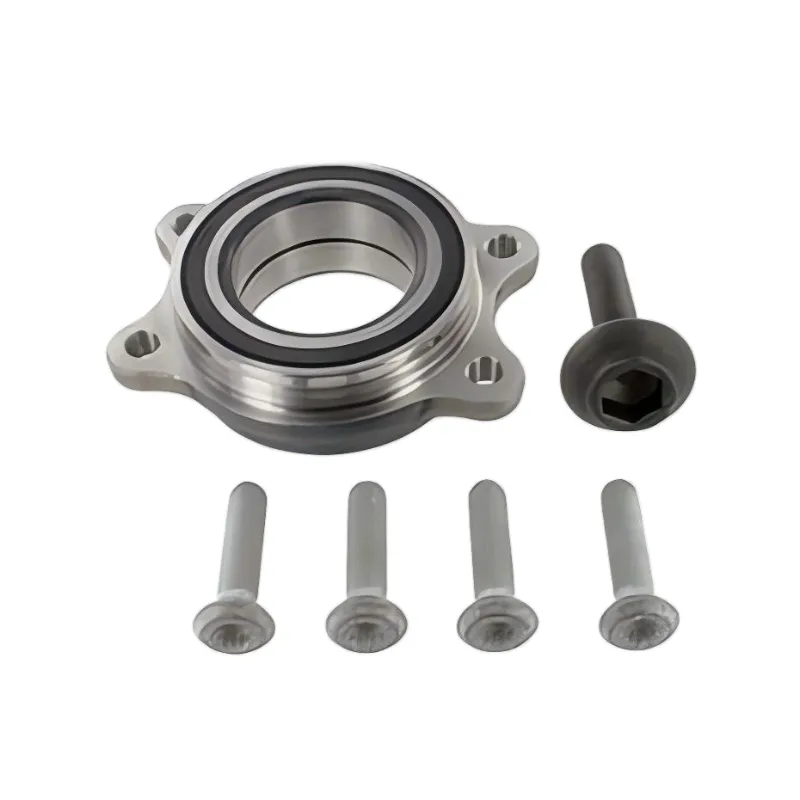
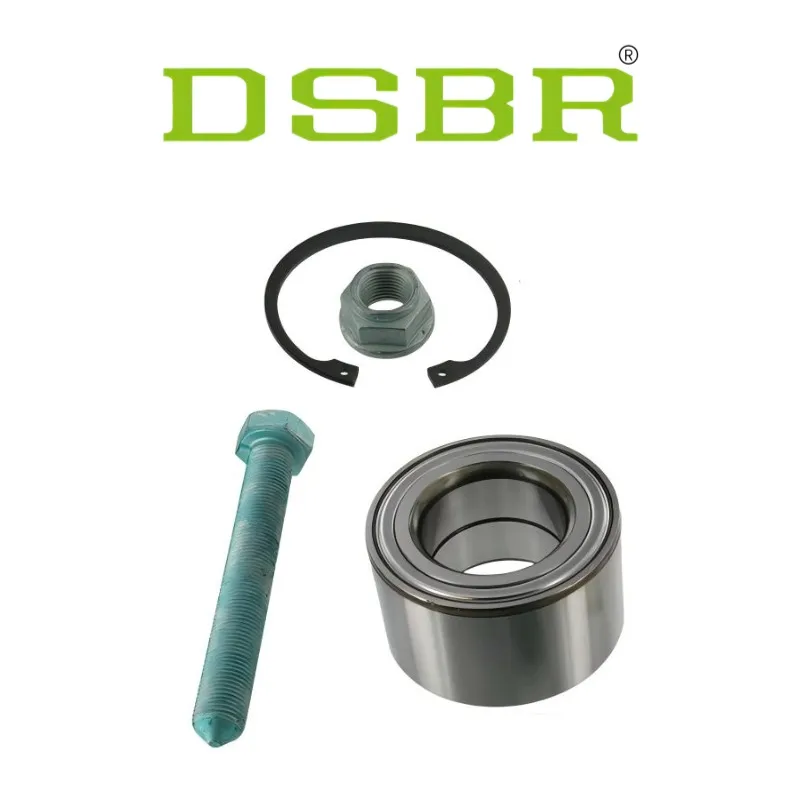
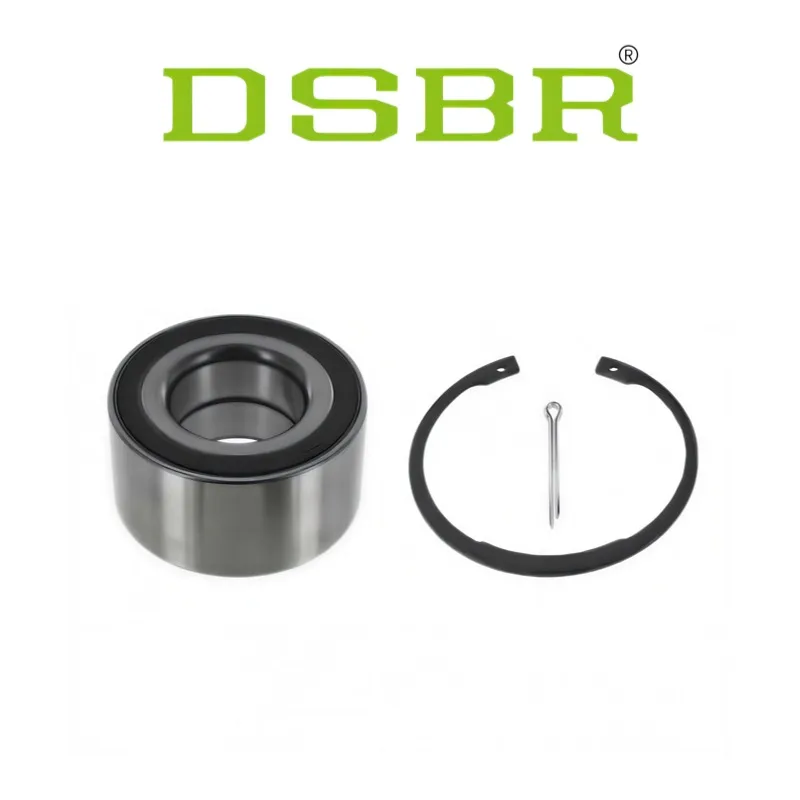
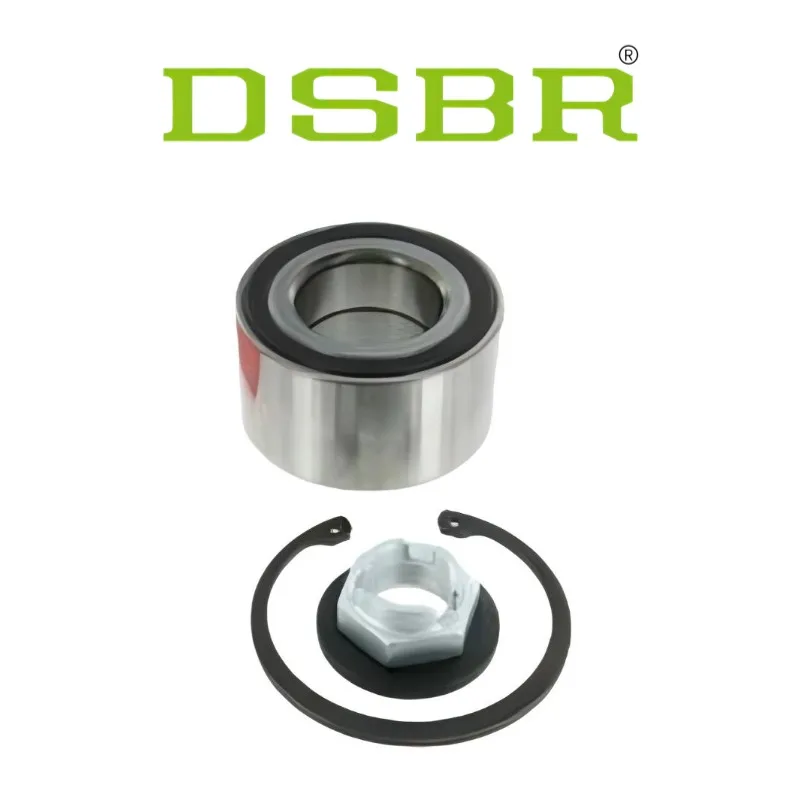
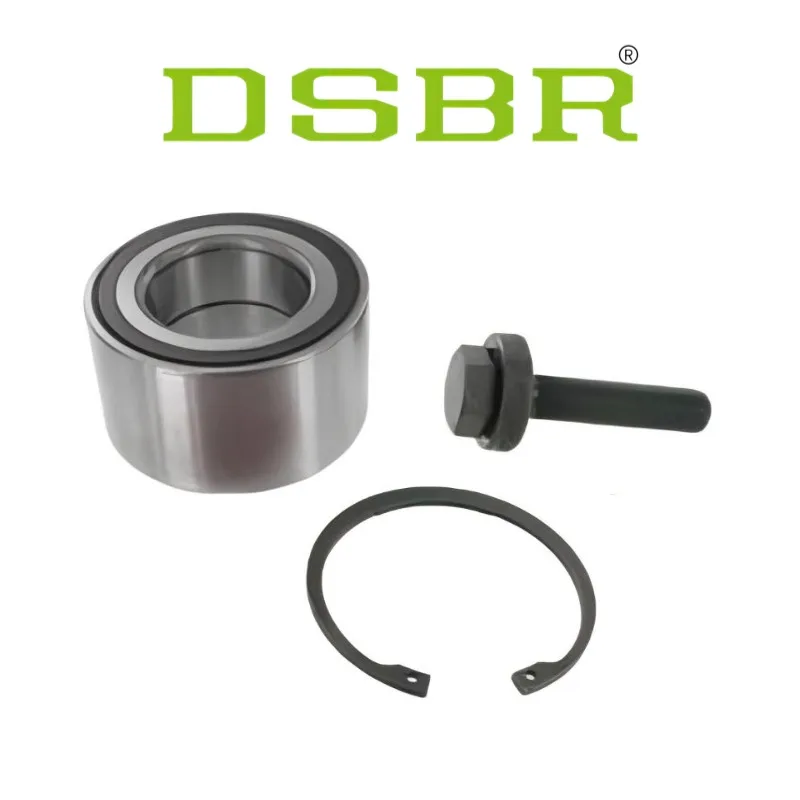
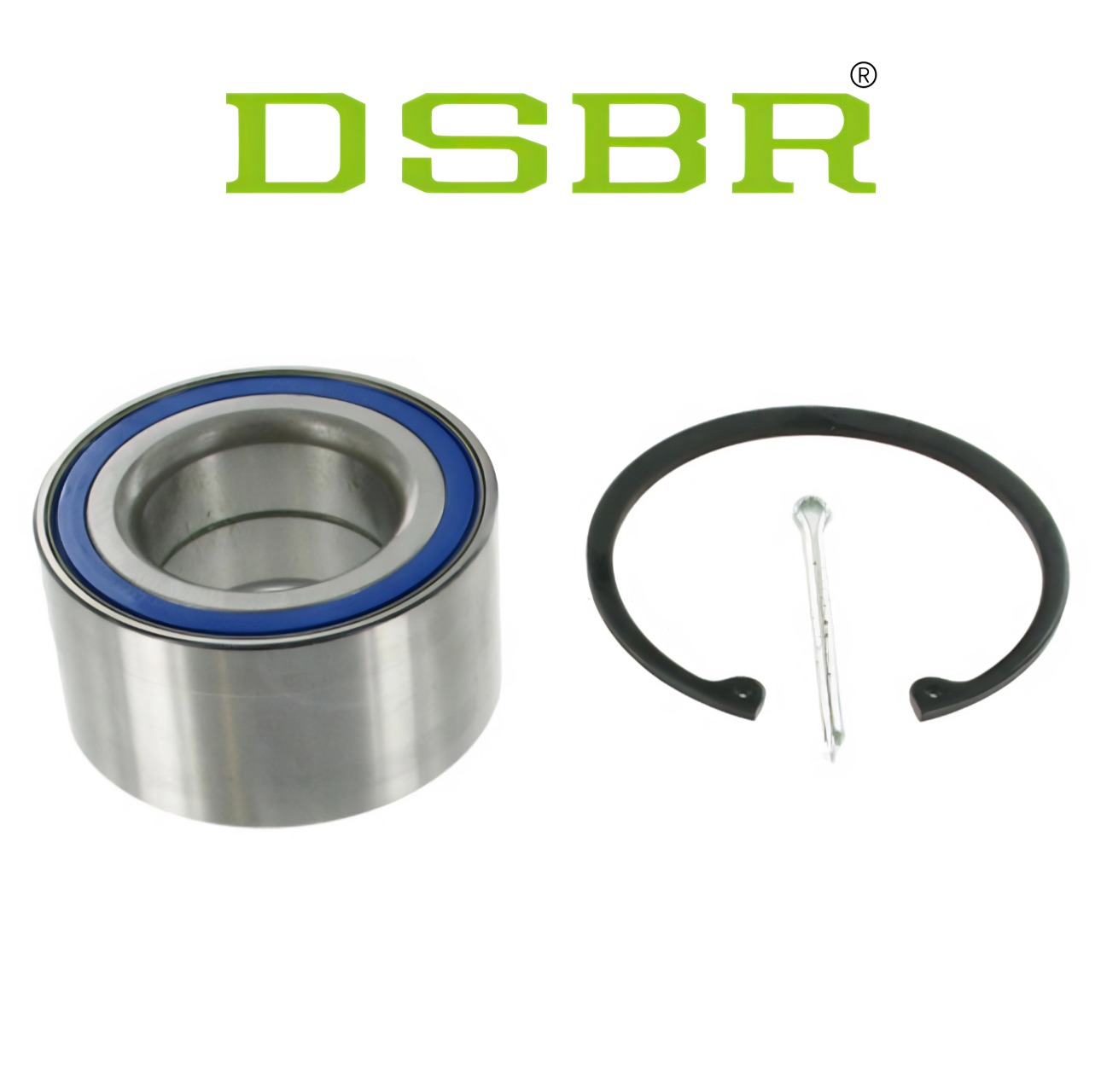
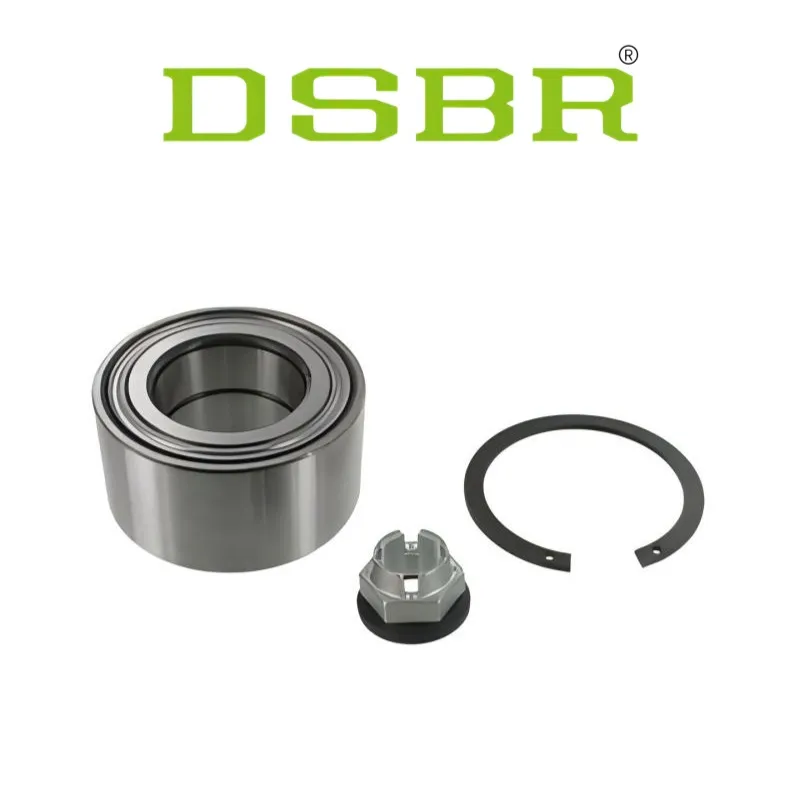
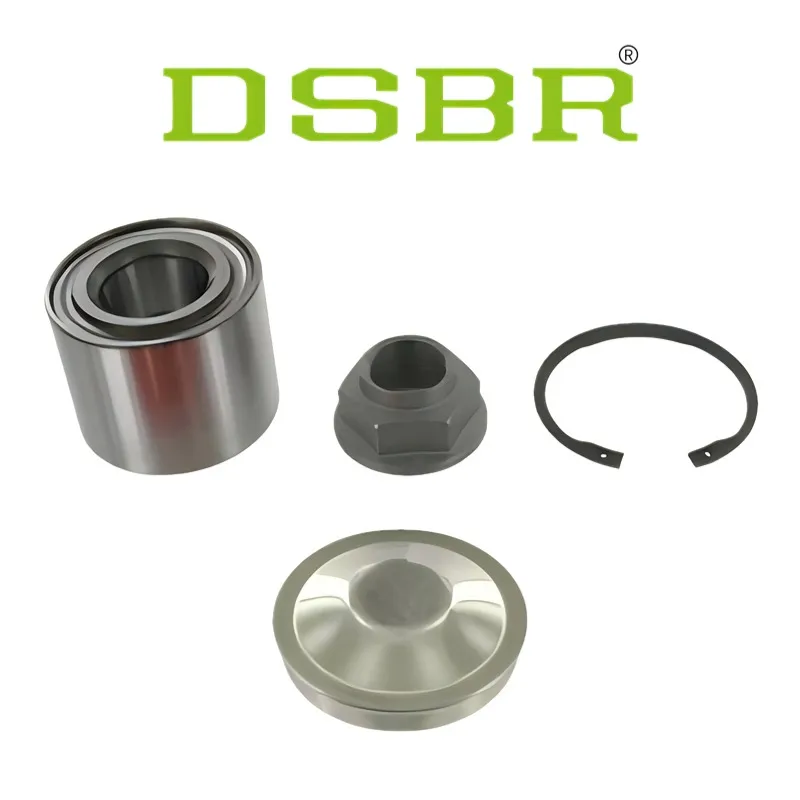
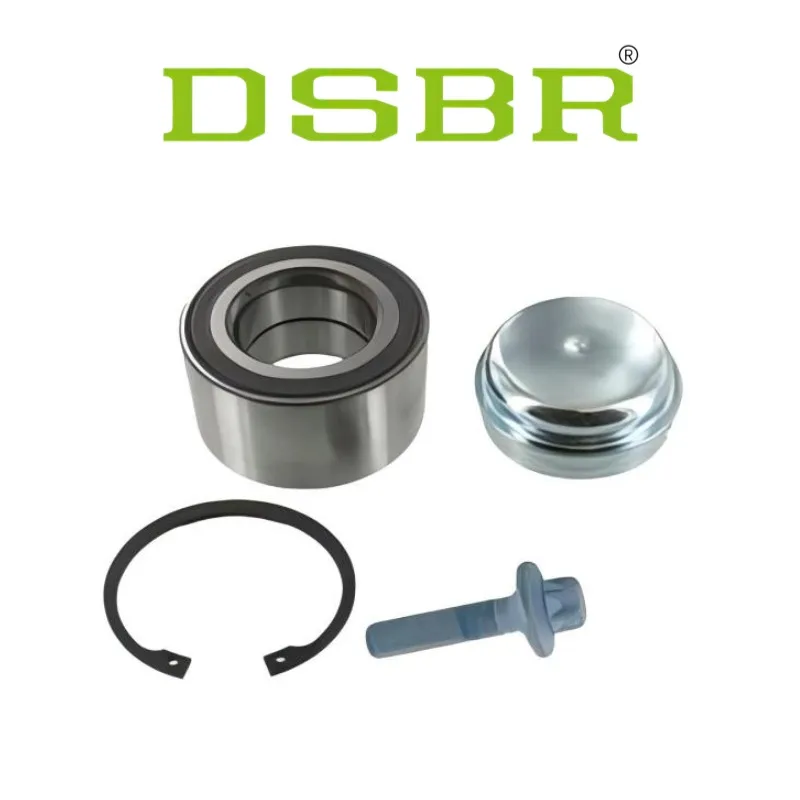
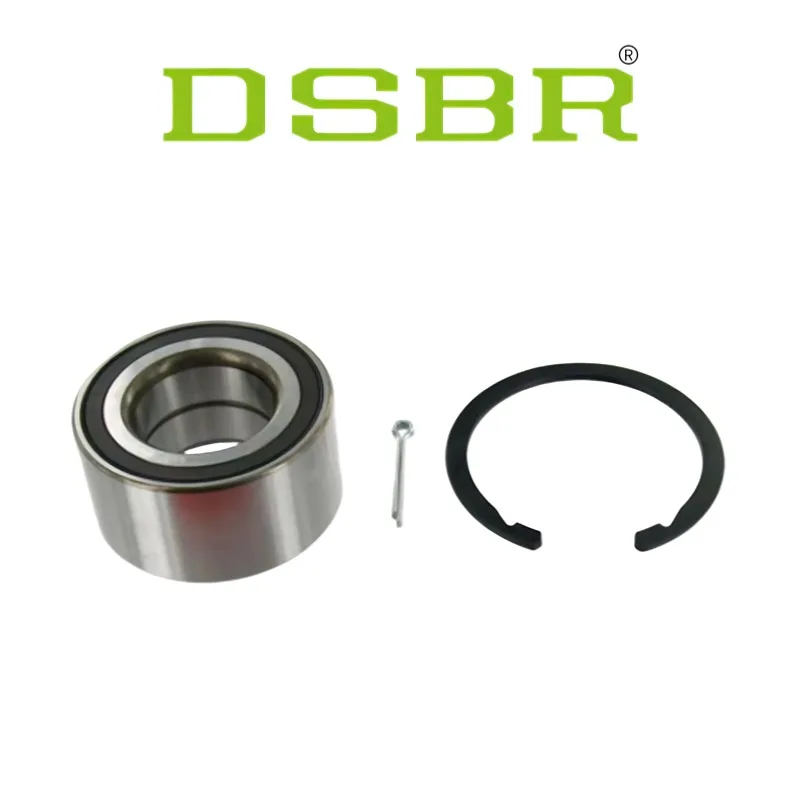
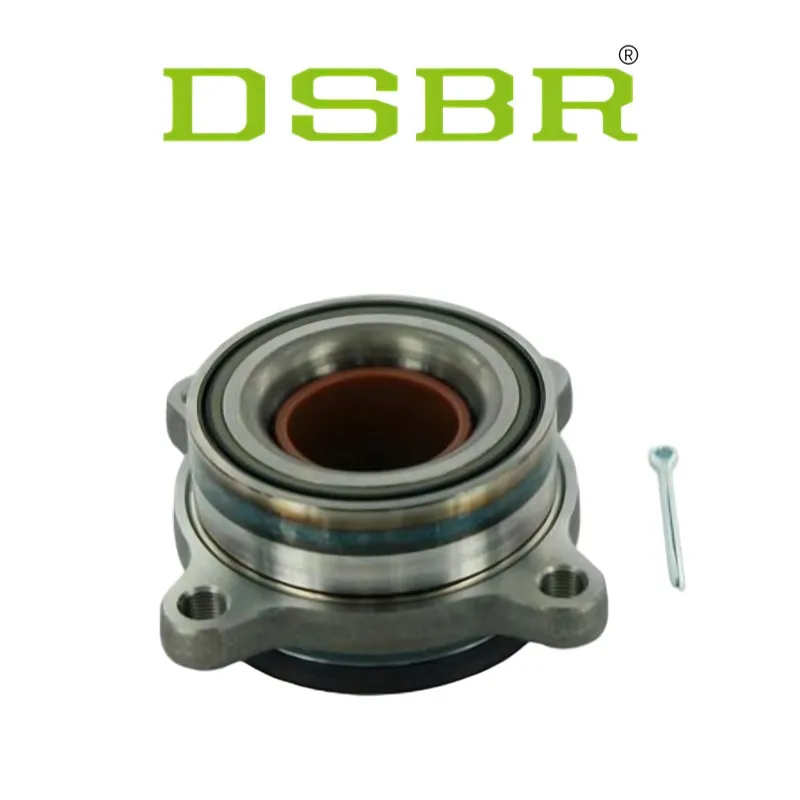
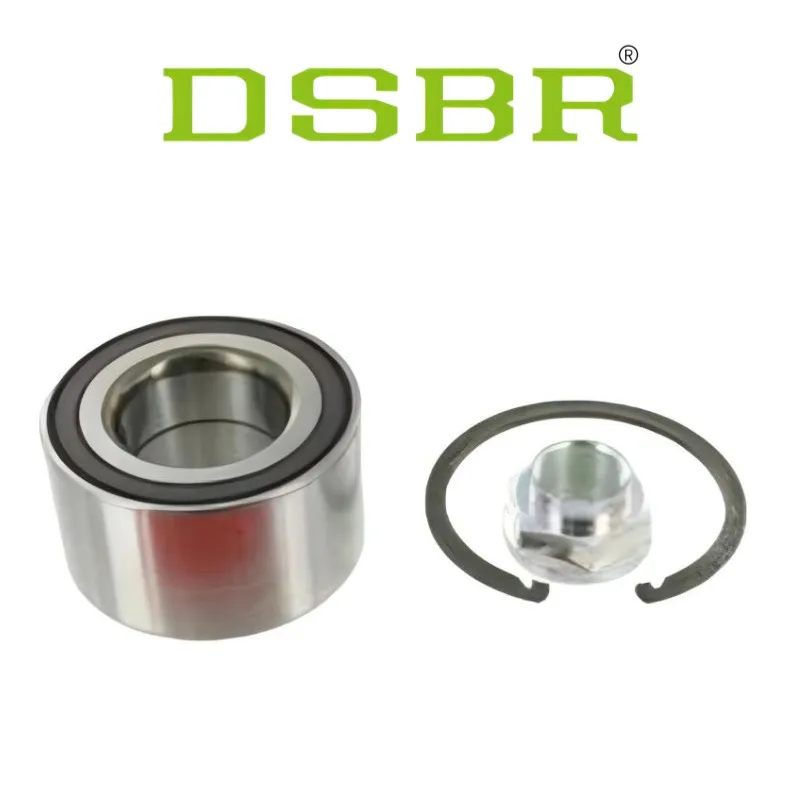
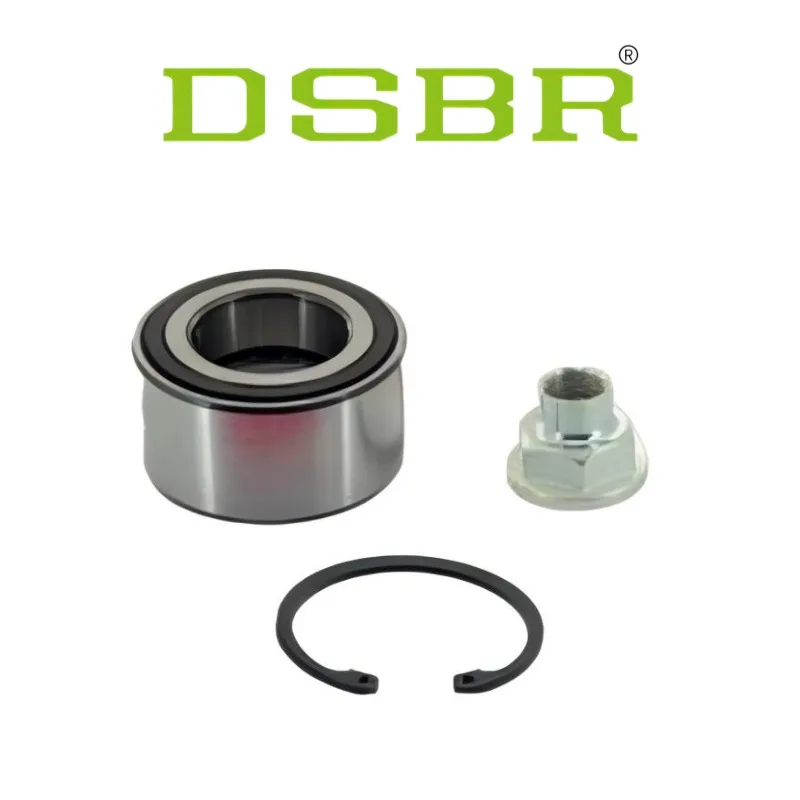
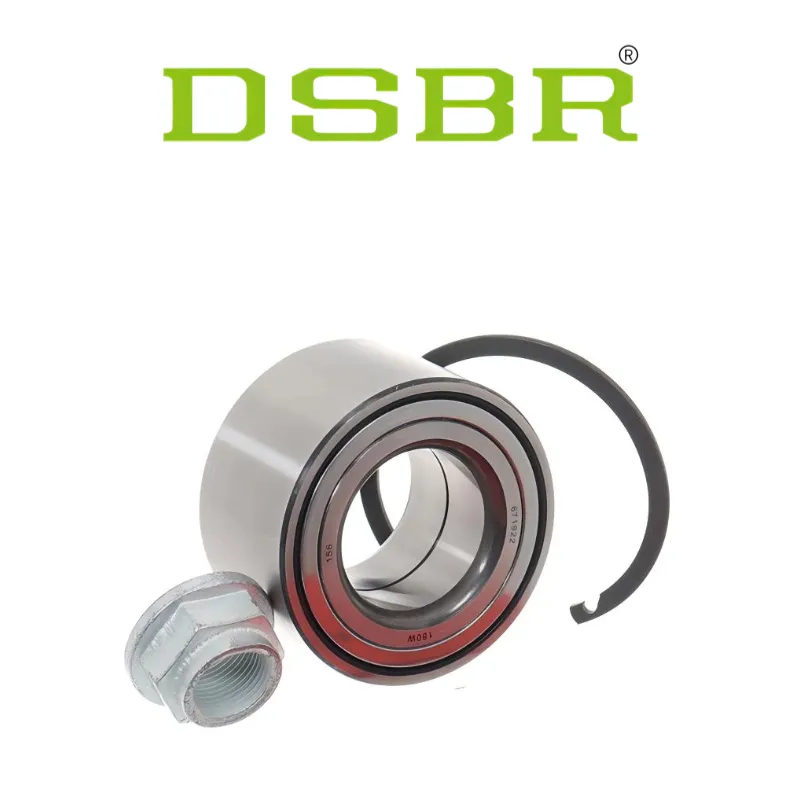
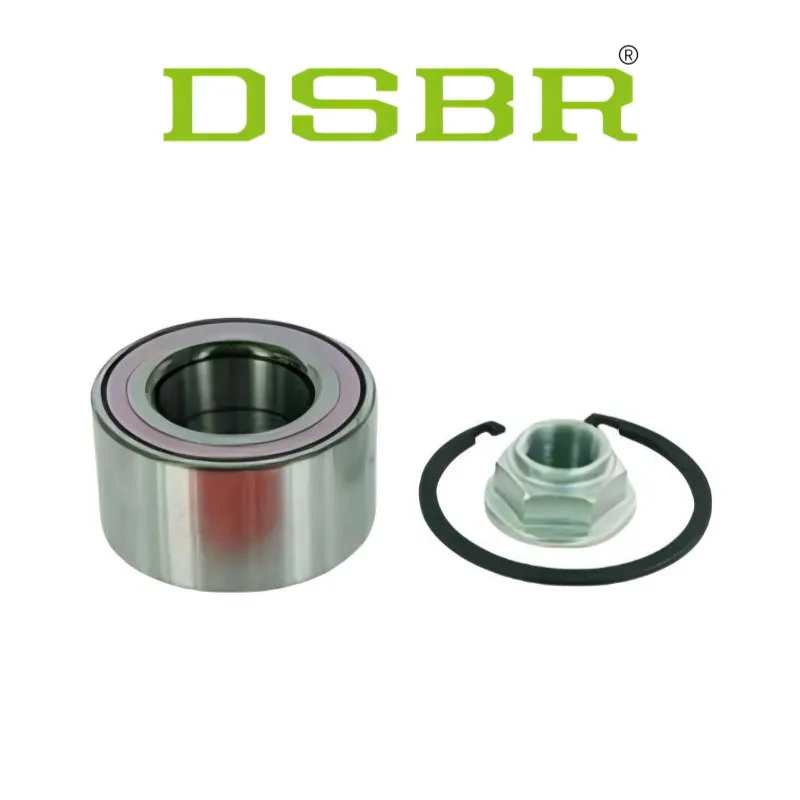
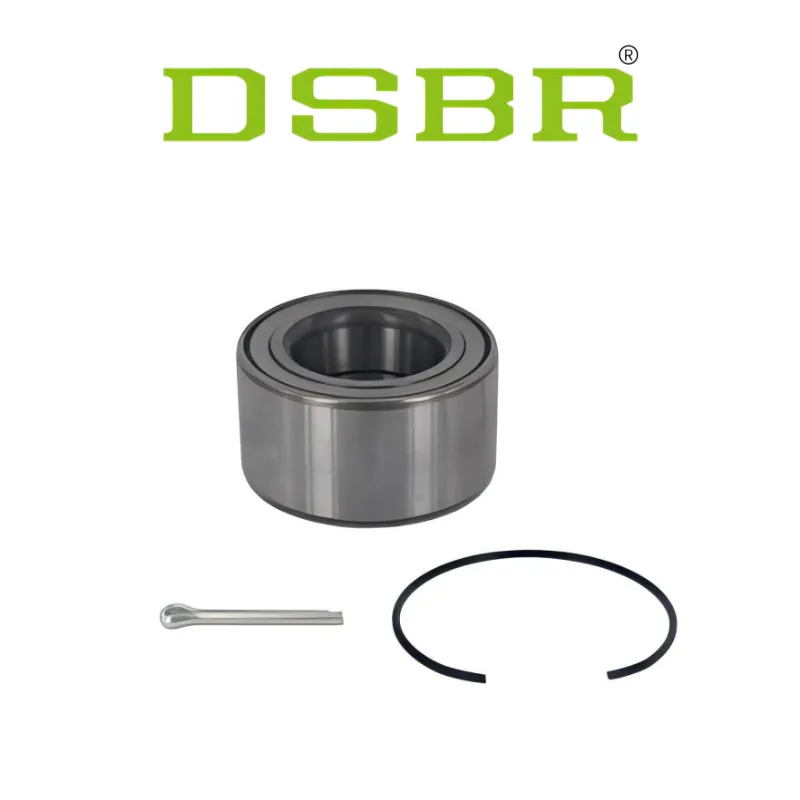
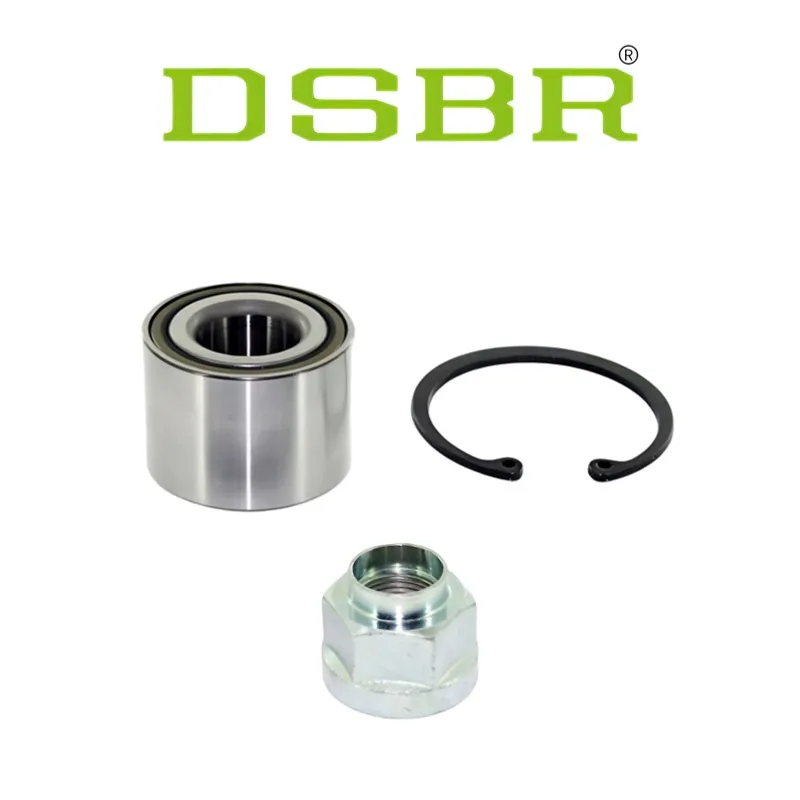
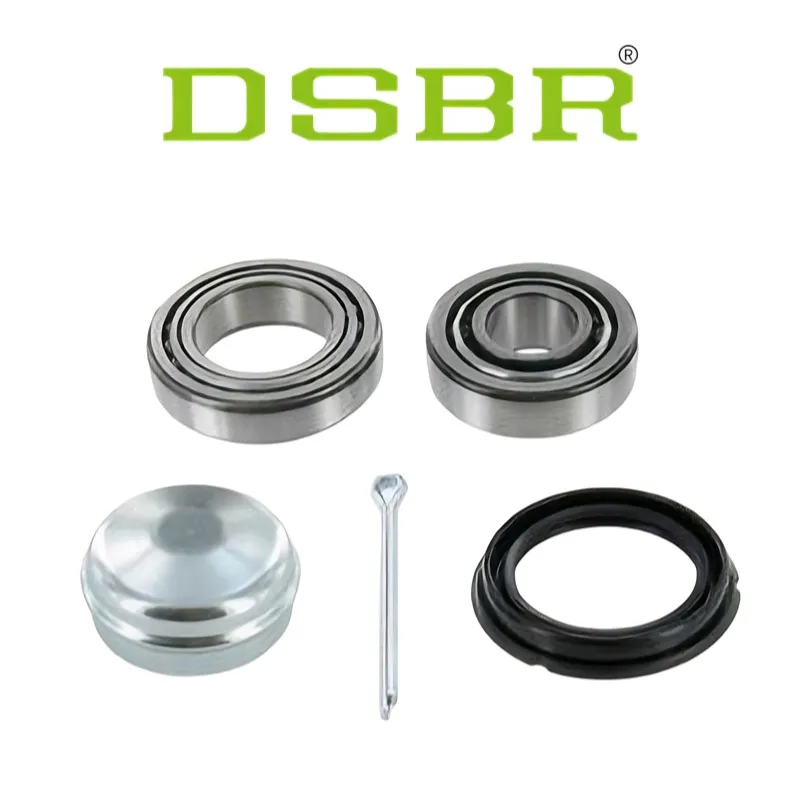
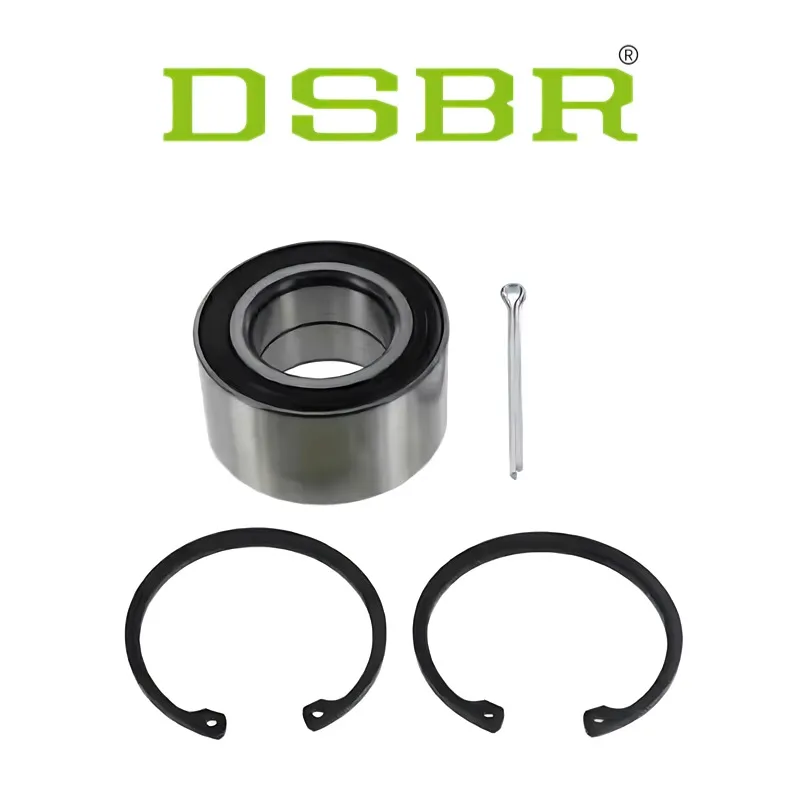
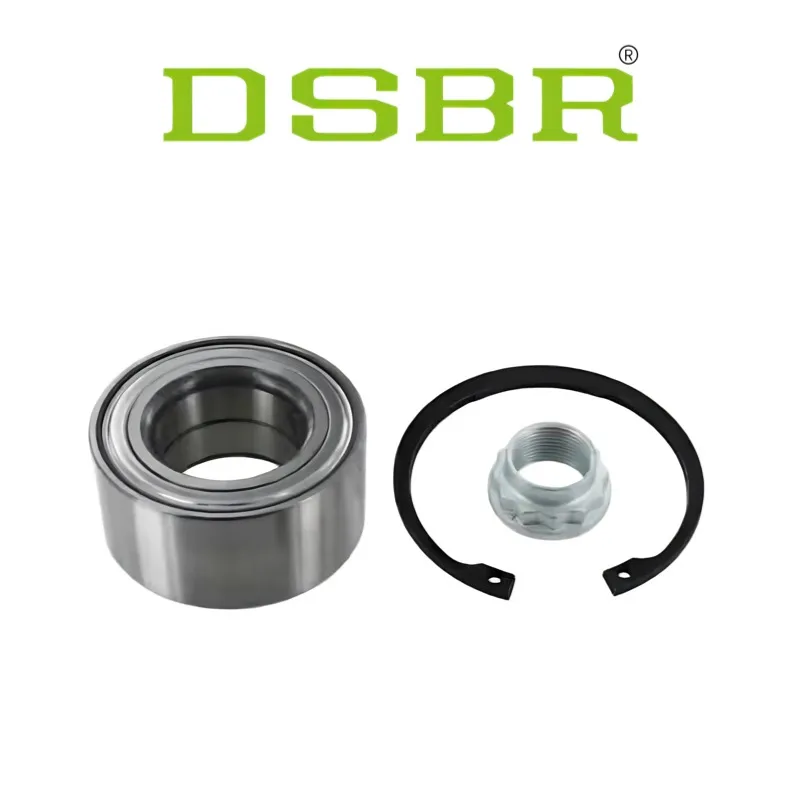
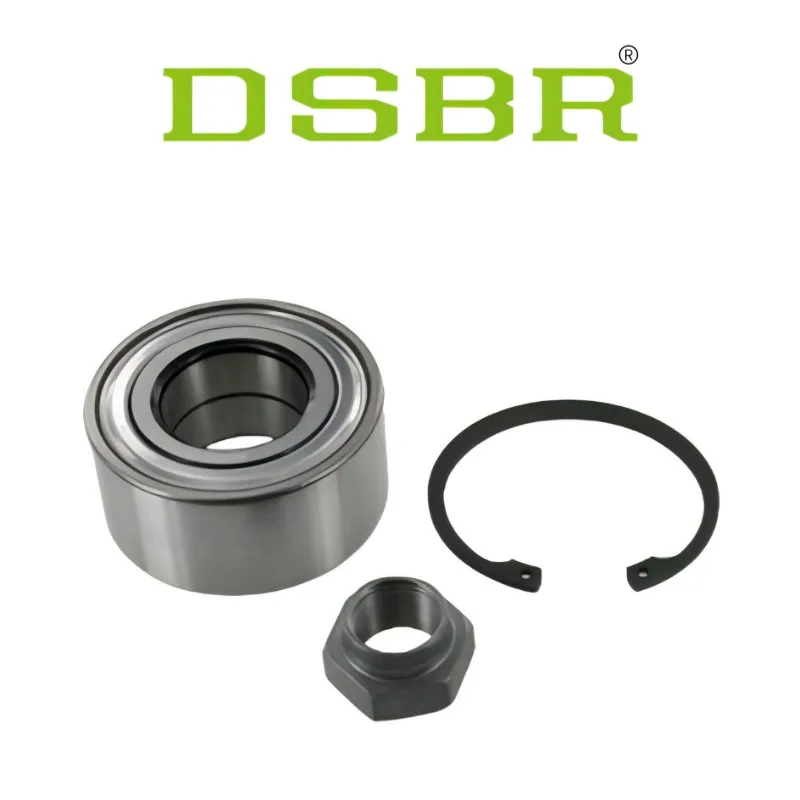
Automotive wheel hubs
Electric motors
Industrial gearboxes
Conveyor pulleys
Machine tool spindles
Pumps and compressors
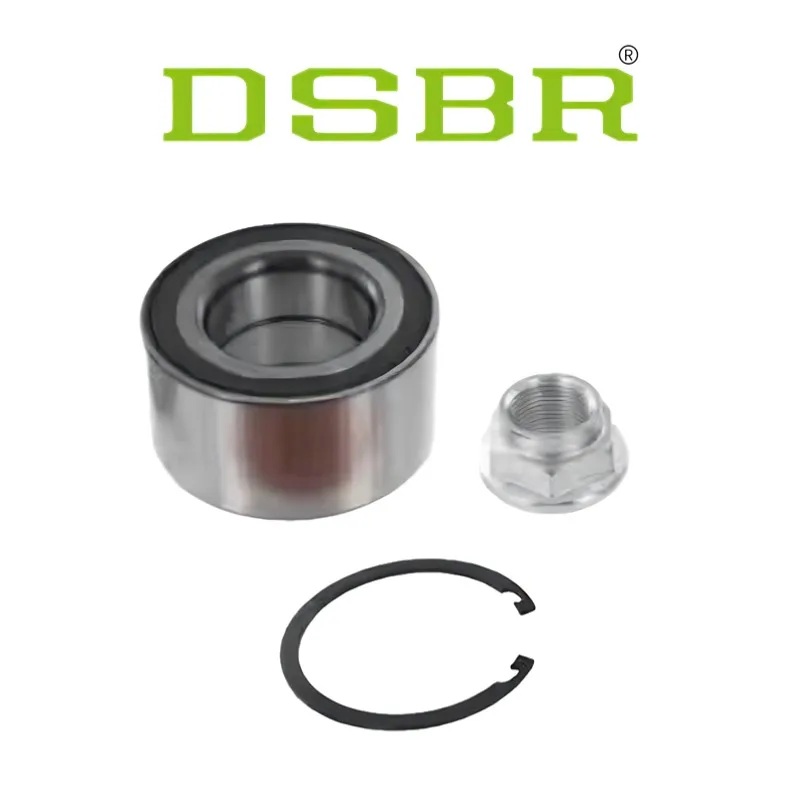
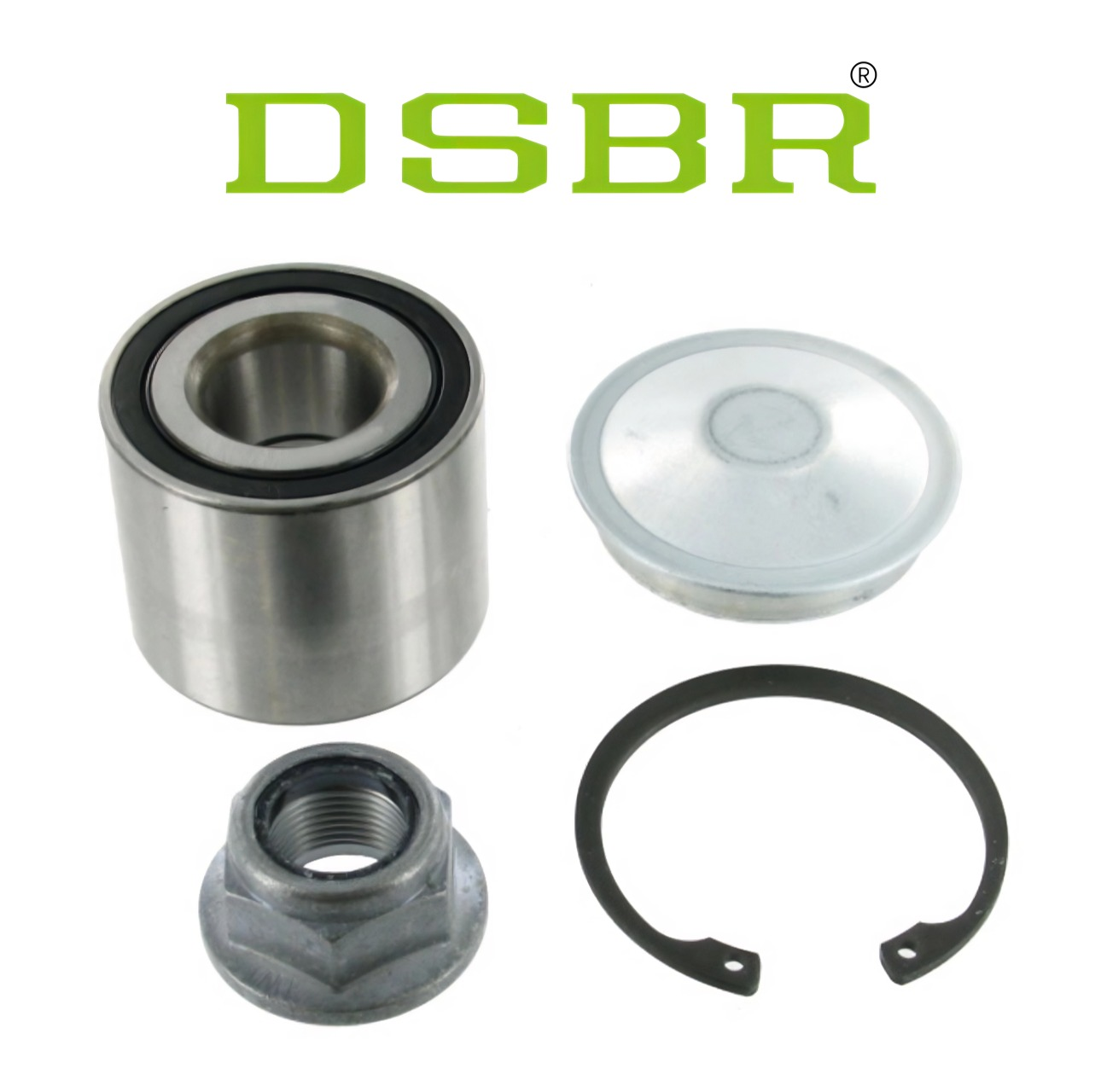
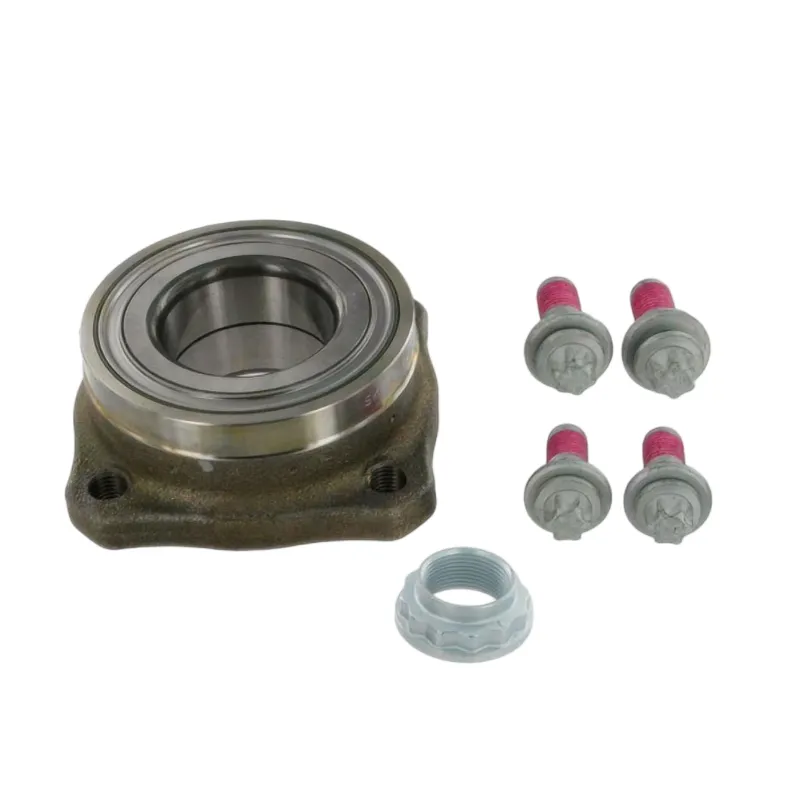
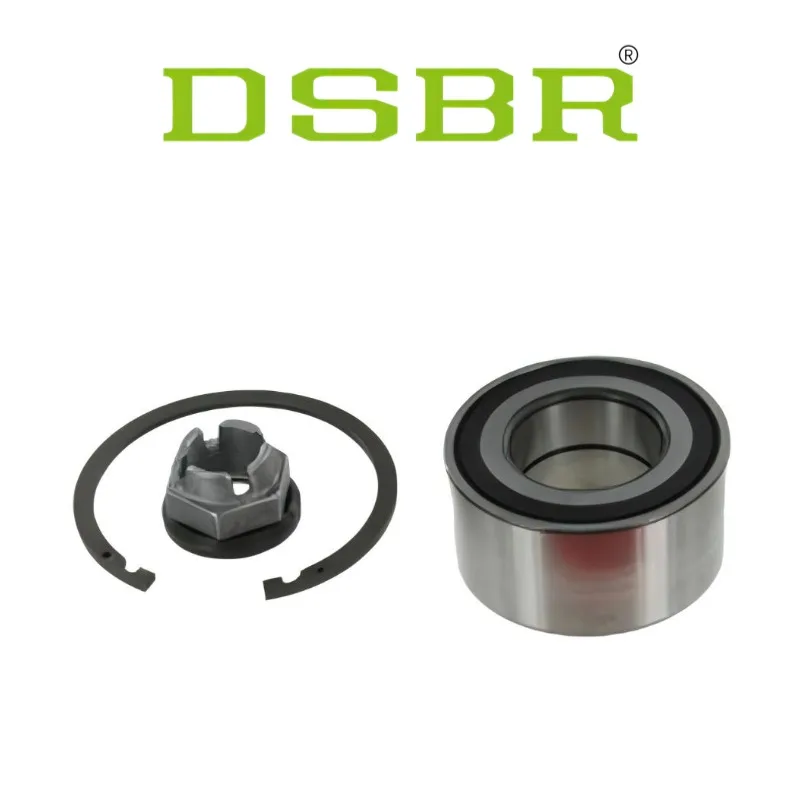
For example, a wheel hub bearing continuously supports the vehicle's weight while also withstanding dynamic radial forces generated during acceleration, braking, and cornering.
How Radial Load Is Distributed Through a Bearing
When a bearing operates under radial load, the force is transferred from the inner ring raceway to the rolling elements (balls or rollers), and then to the outer ring raceway.
Depending on the bearing design and the magnitude of the applied load, multiple rolling elements share the load simultaneously. This even load distribution helps minimize contact stress, reduce wear, and improve bearing service life.
Proper load distribution is one of the key reasons why selecting the correct bearing type is critical for achieving reliable long-term performance.
How Radial Load Distribution Affects Rolling Elements
The way radial load is distributed across the rolling elements has a direct impact on bearing performance, operating stability, and service life.
When the load is evenly shared among multiple balls or rollers, contact stress is reduced, friction is minimized, and wear occurs more uniformly. This balanced load distribution helps maintain smooth operation and extends bearing life.
Conversely, uneven load distribution concentrates excessive force on a limited number of rolling elements. Over time, this can lead to surface fatigue, increased vibration, excessive heat generation, premature wear, and ultimately bearing failure.
Proper bearing selection, accurate installation, and correct shaft alignment all contribute to achieving optimal radial load distribution.
Bearing Types Designed for Radial Loads
Several bearing designs are specifically engineered to accommodate radial loads, each offering unique advantages depending on the operating conditions.
Some of the most common options include:
Deep Groove Ball Bearings – Ideal for moderate radial loads with the ability to accommodate light axial loads while operating at high speeds.
Cylindrical Roller Bearings – Designed for heavy radial loads thanks to their line contact between rollers and raceways.
Needle Roller Bearings – Provide high radial load capacity in applications where installation space is limited.
Self-Aligning Ball Bearings – Suitable for applications with shaft deflection or mounting misalignment while maintaining reliable radial load performance.
Selecting the appropriate bearing depends on factors such as load magnitude, rotational speed, installation space, alignment conditions, and expected service life.
Understanding Axial Load
Unlike radial loads, which act perpendicular to the shaft, axial loads act parallel to the shaft's centerline. These forces either push or pull along the axis of rotation and are commonly referred to as thrust loads.
Because axial loads create end-to-end forces on rotating components, selecting a bearing specifically designed to handle thrust is essential. Using an unsuitable bearing can result in excessive friction, accelerated wear, reduced efficiency, and premature failure.
What Is Axial Load?
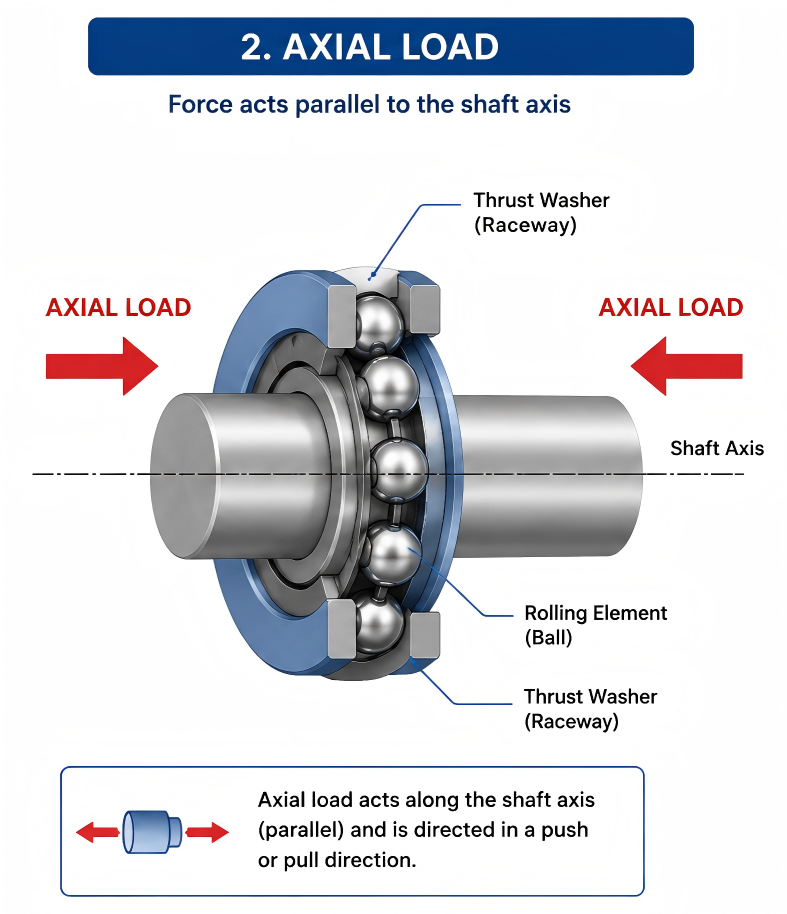
An axial load is a force applied in the same direction as the shaft's rotational axis. Rather than acting toward the center of the shaft, the force travels along its length, either pushing or pulling the rotating component.
In many industrial applications, bearings must withstand both radial and axial loads simultaneously, making proper bearing selection even more critical.
Common Applications of Axial Load
Axial loads are present in a wide range of rotating equipment, including:
Automotive drive shafts and transmissions
Aircraft jet engines
Wind turbine main shafts
Industrial conveyor systems
Pumps and compressors
Ball screw and lead screw drive systems
In pumps and compressors, pressure generated by liquids or gases often creates significant thrust forces that bearings must continuously support. Likewise, screw-driven mechanisms produce axial loads as rotational motion is converted into linear movement.
How Axial Load Is Transmitted Through a Bearing
Axial loads are transferred through the bearing's raceways and rolling elements along the direction of the shaft.
In thrust ball bearings, the load passes through the balls from one washer to the other, allowing the bearing to support substantial axial forces while maintaining smooth rotation.
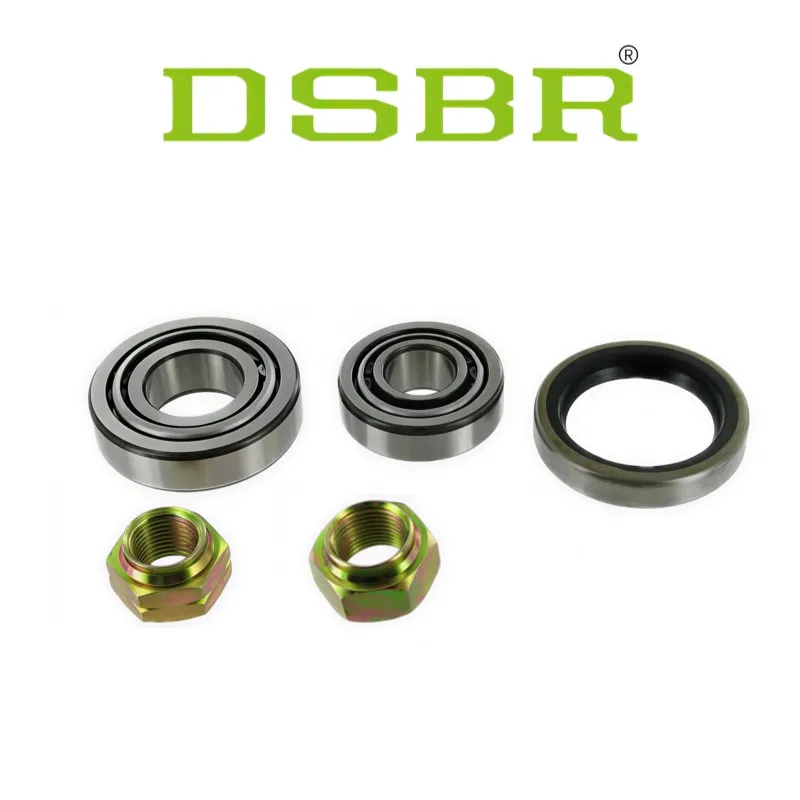
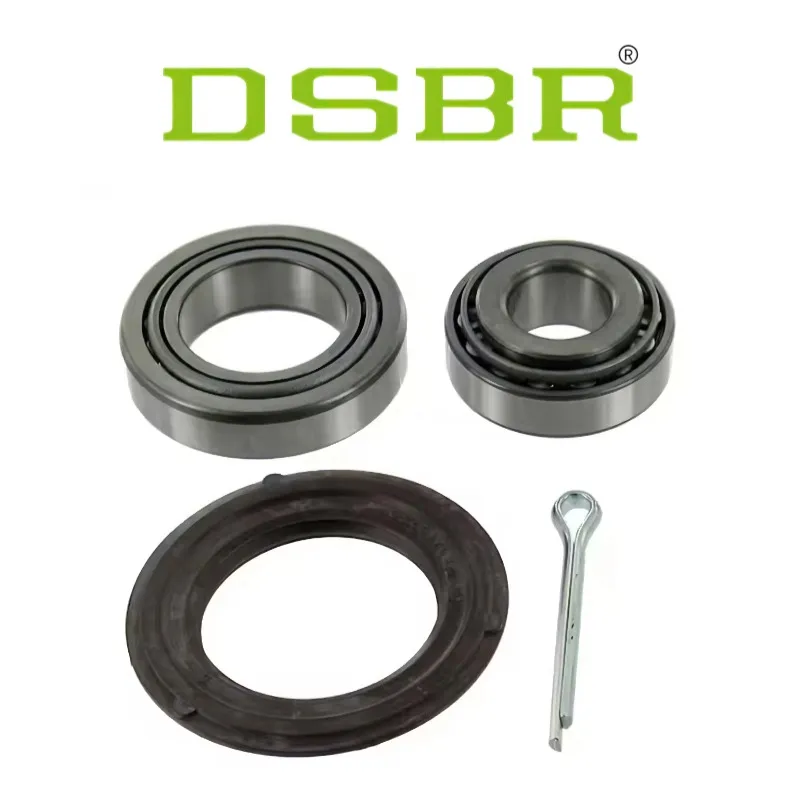
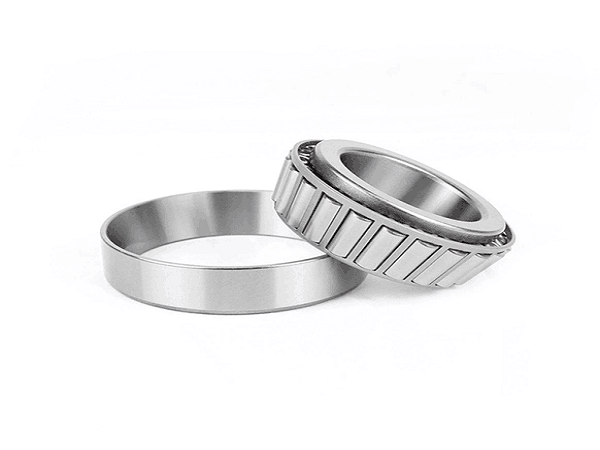
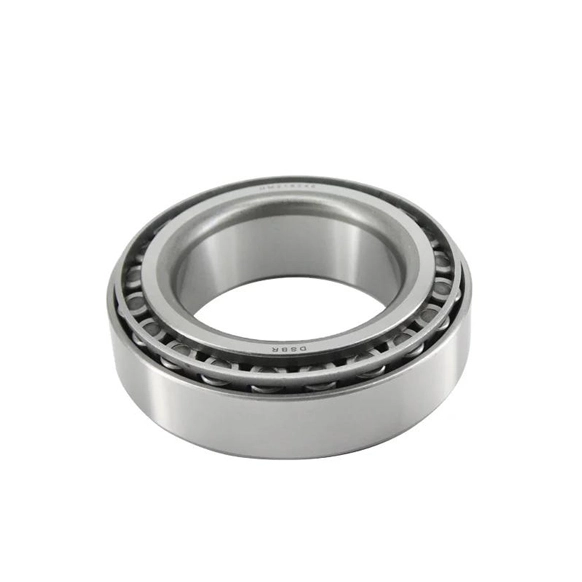
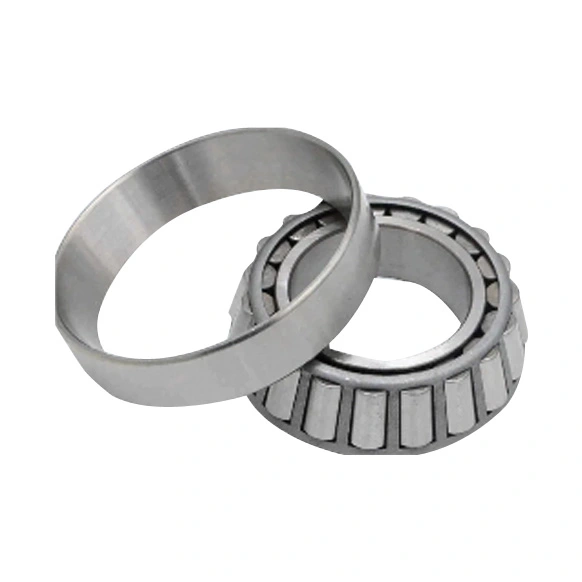
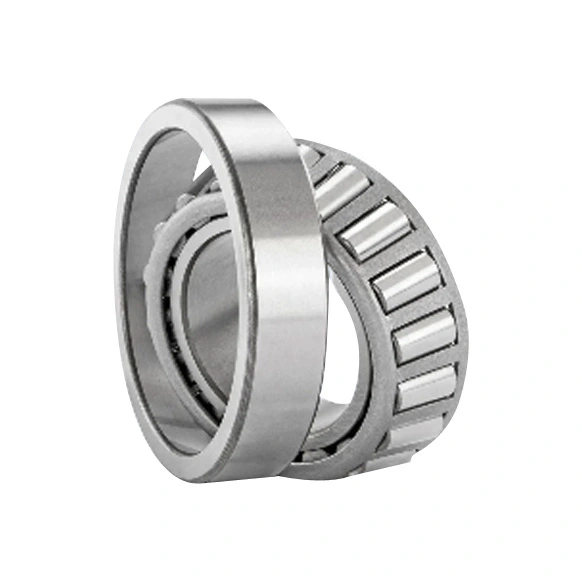
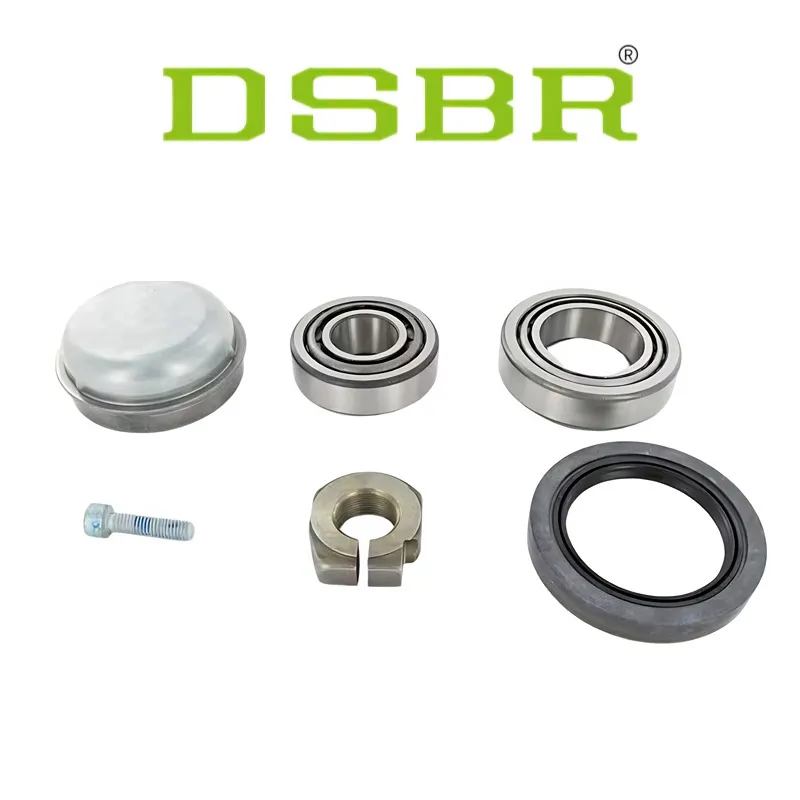
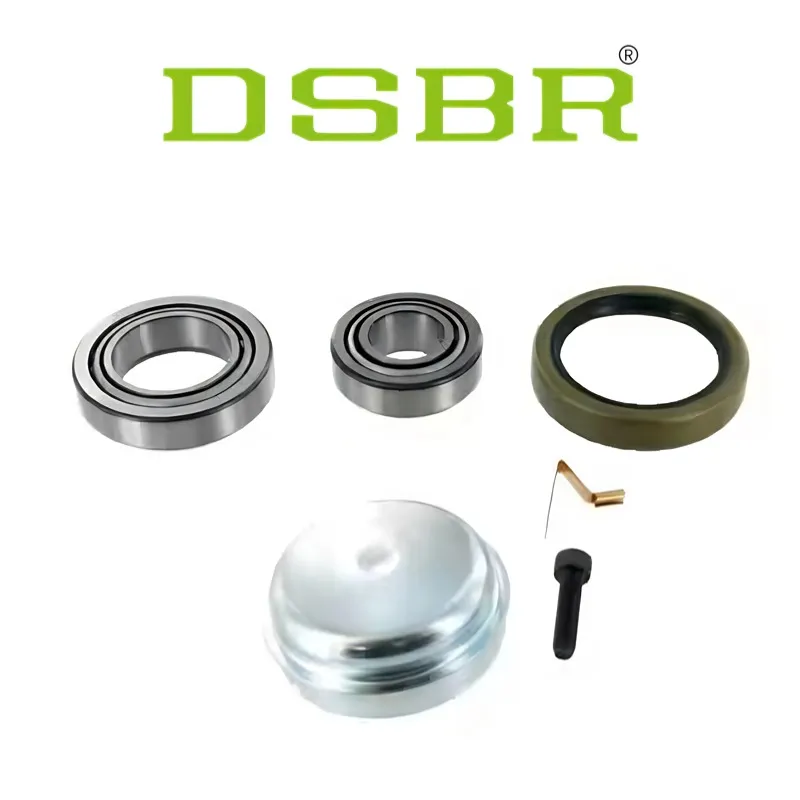
Tapered roller bearings are capable of carrying both radial and axial loads simultaneously. Their tapered geometry enables axial forces to be transmitted efficiently along inclined contact surfaces, resulting in improved load distribution, lower contact stress, and greater durability under combined loading conditions.
This ability to accommodate combined loads makes tapered roller bearings one of the most widely used solutions in automotive, construction machinery, mining equipment, and heavy industrial applications.
Achieving Balanced Load Distribution Under Axial Loads
Proper load distribution is just as important for axial loads as it is for radial loads. A well-balanced axial load allows bearings to operate smoothly, reduces localized stress, and significantly extends service life.
Ideally, the axial force is shared evenly among the rolling elements, ensuring consistent contact pressure throughout the bearing. Balanced load distribution minimizes friction, reduces wear, and improves overall operating efficiency.
However, factors such as shaft misalignment, improper mounting, excessive preload, or uneven external forces can cause the load to concentrate on only a few rolling elements. This uneven stress distribution may increase operating temperatures, accelerate fatigue, and eventually result in premature bearing failure.
Ensuring proper installation, precise alignment, and selecting the correct bearing design are essential for maintaining balanced axial load distribution.
Bearing Types Designed for Axial Loads
Bearings intended for axial loading are specifically designed to support forces acting parallel to the shaft.
The most common options include:
Thrust Ball Bearings – Best suited for relatively light to moderate axial loads and high-speed applications where radial loads are minimal.
Thrust Roller Bearings – Designed to withstand heavy axial loads while providing greater rigidity and load capacity.
Angular Contact Ball Bearings – Capable of supporting combined radial and axial loads, particularly in applications where axial forces are significant.
Tapered Roller Bearings – An excellent choice for applications requiring high radial load capacity together with substantial axial load support.
Selecting the appropriate bearing depends on the magnitude of the thrust load, operating speed, required rigidity, and whether combined loading conditions are present.
Radial Load vs. Axial Load: What's the Difference?
Understanding the difference between radial and axial loads is fundamental to selecting the right bearing and maximizing equipment reliability.
The primary distinction lies in the direction of the applied force.
Because the force directions differ, bearings are engineered with different internal geometries to support each type of load efficiently.
For example, deep groove ball bearings are primarily designed for radial loads while still accommodating moderate axial loads. In contrast, thrust ball bearings are specifically engineered to carry axial loads and generally should not be subjected to significant radial forces.
It is important to note that many bearing types—including angular contact ball bearings and tapered roller bearings—are designed to handle both radial and axial loads simultaneously, making them ideal for demanding industrial applications where combined loading conditions are common.
Radial Load vs. Axial Load Comparison
| Feature | Radial Load | Axial Load |
|---|
| Force Direction | Acts perpendicular to the shaft axis | Acts parallel to the shaft axis |
| Load Distribution | Distributed around the bearing circumference | Distributed along the bearing axis |
| Typical Bearing Types | Deep Groove Ball Bearings, Cylindrical Roller Bearings, Needle Roller Bearings | Thrust Ball Bearings, Thrust Roller Bearings, Tapered Roller Bearings |
| Common Applications | Electric motors, automotive wheels, conveyors, gearboxes, machine tools | Gearbox shafts, wind turbines, pumps, compressors, helicopter transmissions, screw drive systems |
| Primary Function | Supports forces acting toward the shaft center | Supports pushing or pulling forces along the shaft |
The ability to correctly identify whether an application experiences radial loads, axial loads, or a combination of both is critical when selecting bearings. Proper bearing selection not only improves machine efficiency but also reduces maintenance costs, minimizes downtime, and extends equipment service life.
Combined Loads in Real-World Applications
In real operating conditions, bearings rarely experience purely radial or purely axial forces. Most rotating equipment is subjected to combined loads, where radial and axial forces act simultaneously. In some applications, moment loads may also be present.
Supporting combined loads requires bearings with specialized internal designs capable of distributing forces efficiently in multiple directions. Accurate load calculation, proper bearing selection, and sound engineering practices are essential to ensure reliable performance.
Angular contact ball bearings and tapered roller bearings are among the most common bearing types designed to handle combined loading conditions. Their internal contact geometry allows them to support significant radial loads while simultaneously carrying substantial axial forces.
Combined loads are commonly found in:
If these forces are underestimated or improperly calculated, excessive stress, uneven load distribution, increased vibration, and premature bearing failure may occur.
Some linear motion bearings, such as telescopic drawer slides, also utilize rolling balls that travel along raceways to support loads during extension and retraction. Although their operating principles differ from conventional rolling bearings, proper load distribution remains equally important for smooth operation and long service life.
How Load Type Affects Bearing Service Life
The direction and magnitude of the applied load play a critical role in determining bearing life.
Every bearing is engineered to support specific load conditions. Selecting a bearing that does not match the actual operating loads can lead to reduced efficiency, excessive heat generation, accelerated wear, and unexpected equipment downtime.
For example:
Deep groove ball bearings primarily support radial loads while accommodating moderate axial loads.
Angular contact ball bearings are better suited for applications with higher combined radial and axial loads.
Tapered roller bearings provide excellent performance where heavy radial and thrust loads occur simultaneously.
Thrust bearings are specifically designed for applications dominated by axial forces.
Matching the bearing design to the actual loading conditions is one of the most effective ways to improve equipment reliability, reduce maintenance costs, and maximize bearing service life.
Practical Considerations for Bearing Selection
Evaluating radial and axial loads requires more than simply identifying the force direction. Engineers should also consider several important operating factors, including:
Balancing these factors enables bearings to operate more efficiently and significantly extends their service life.
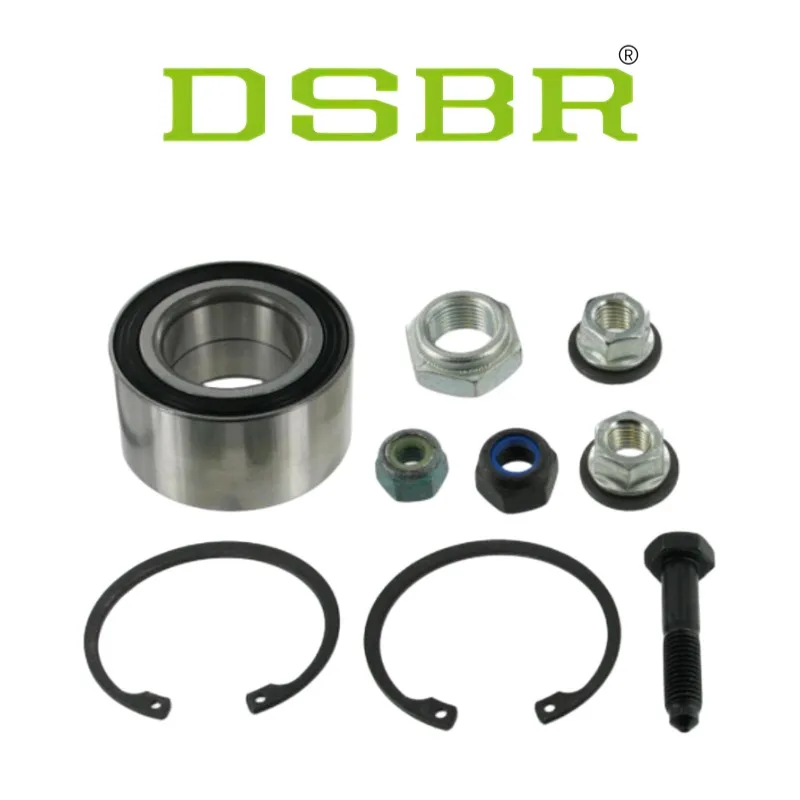
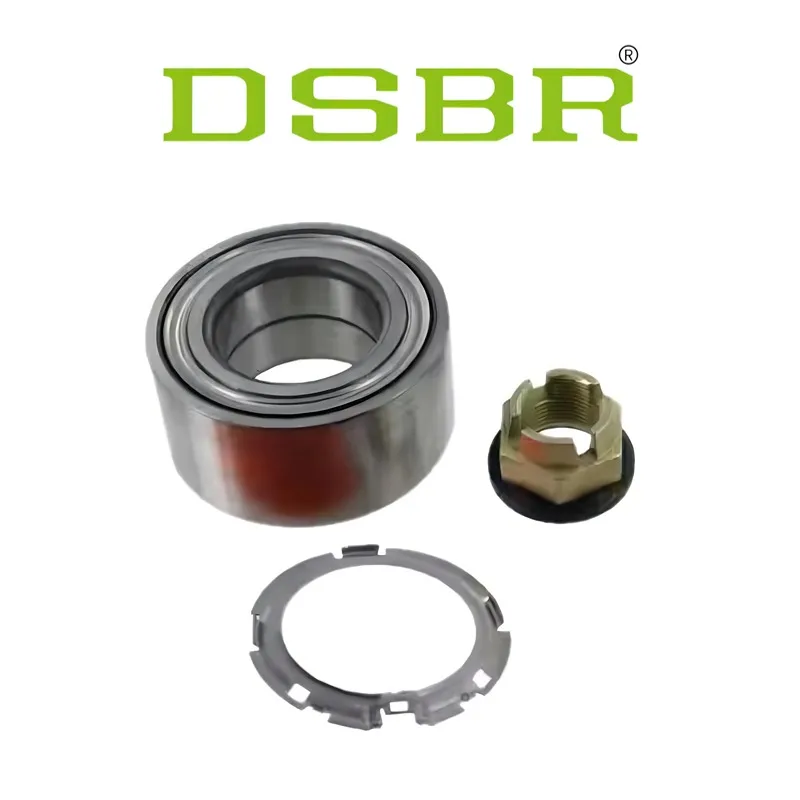
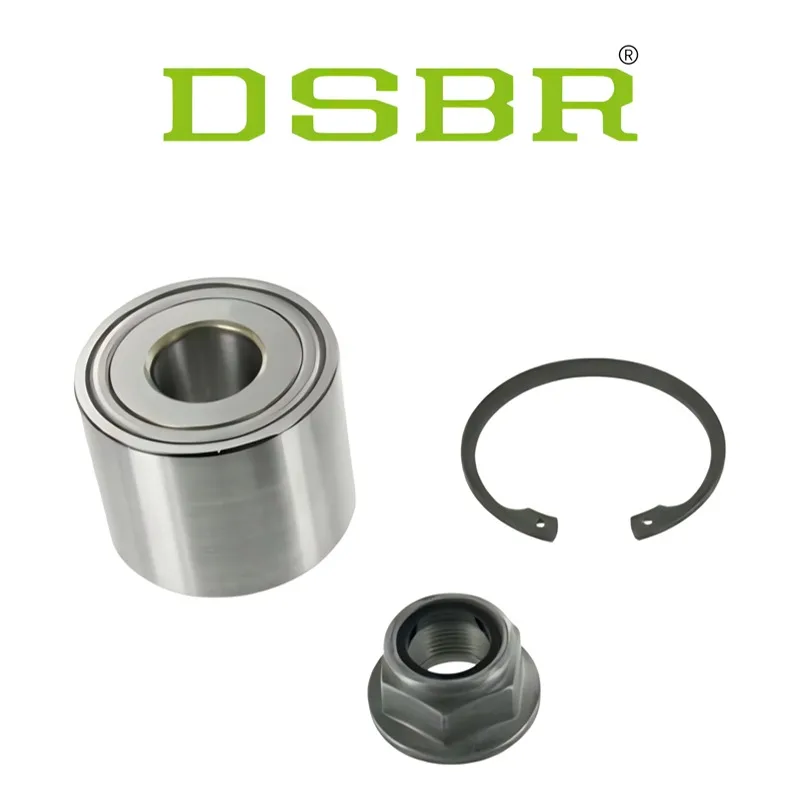
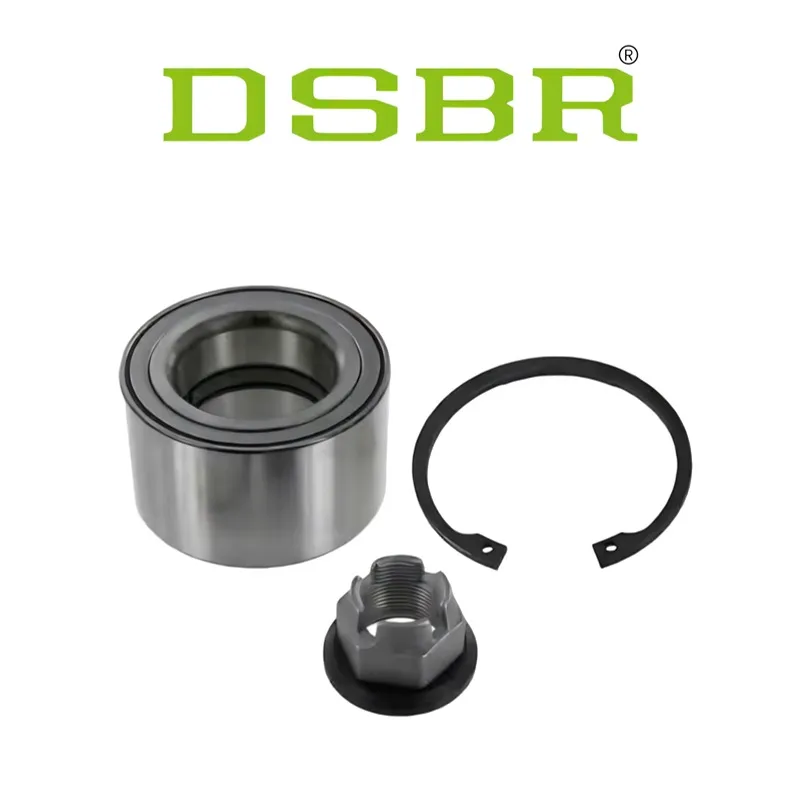
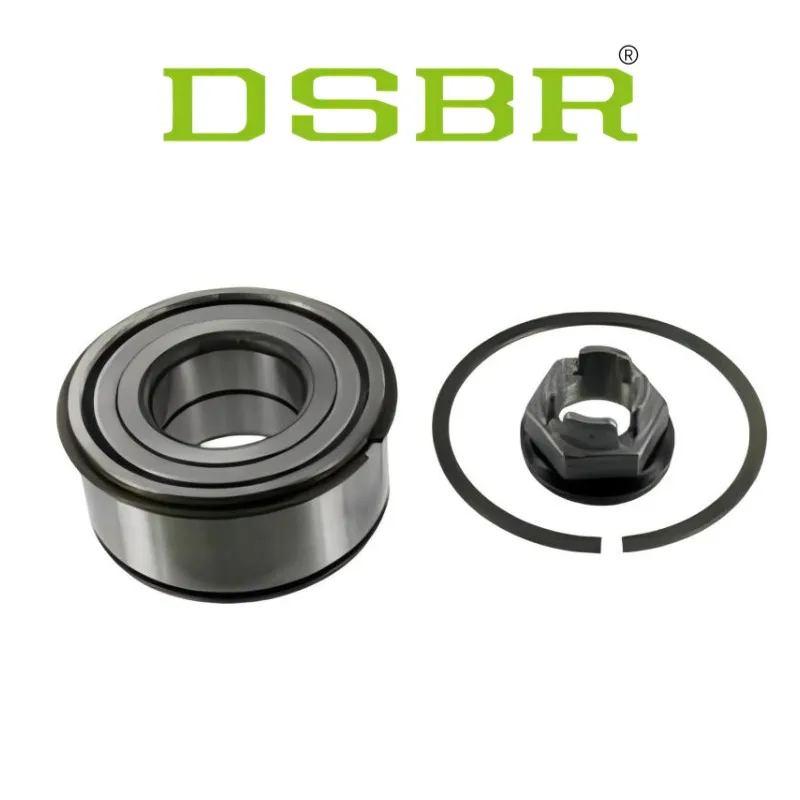
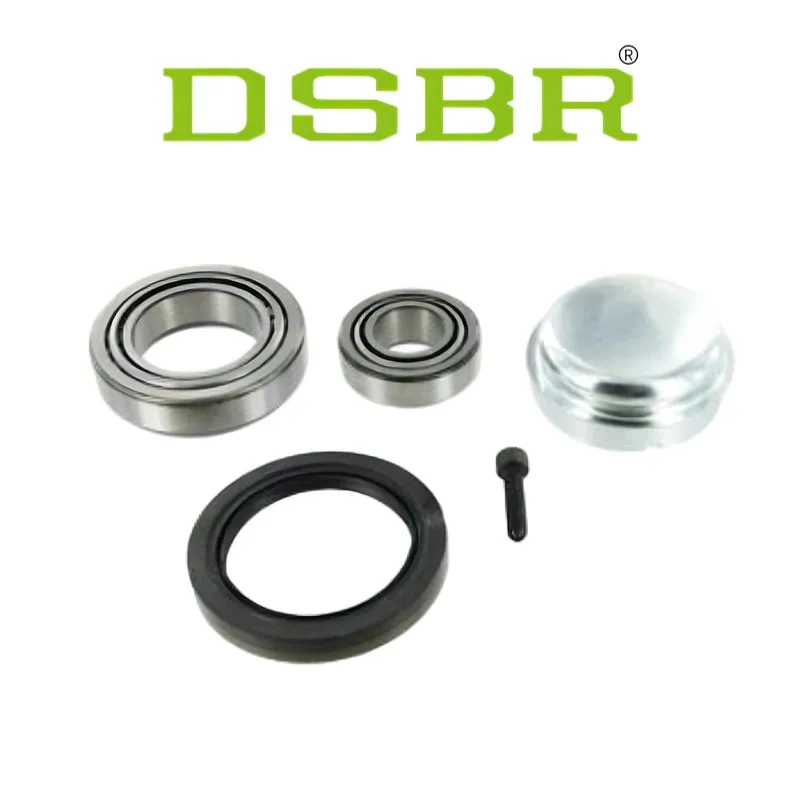
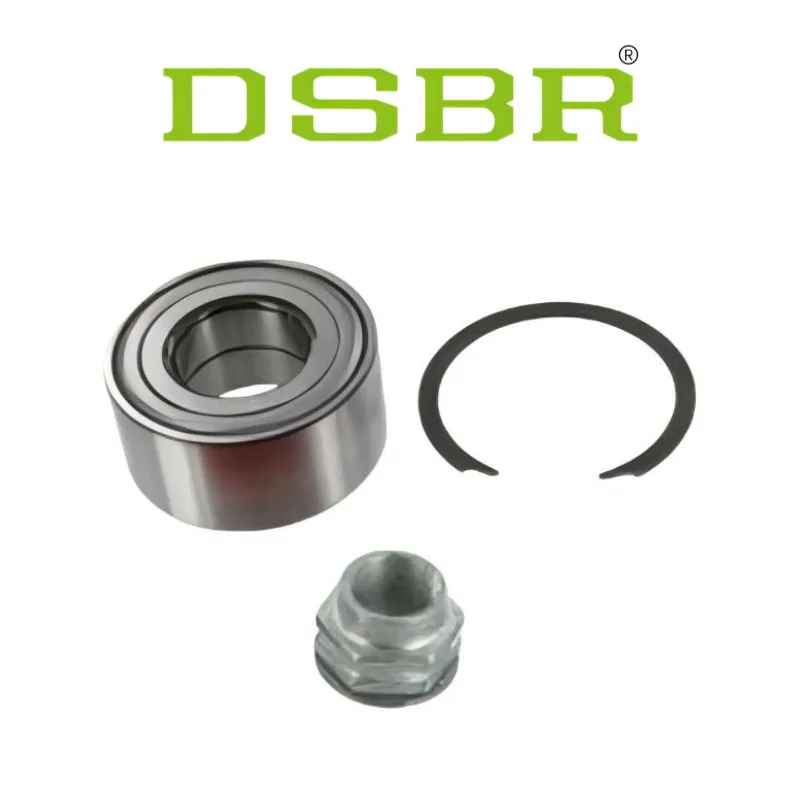
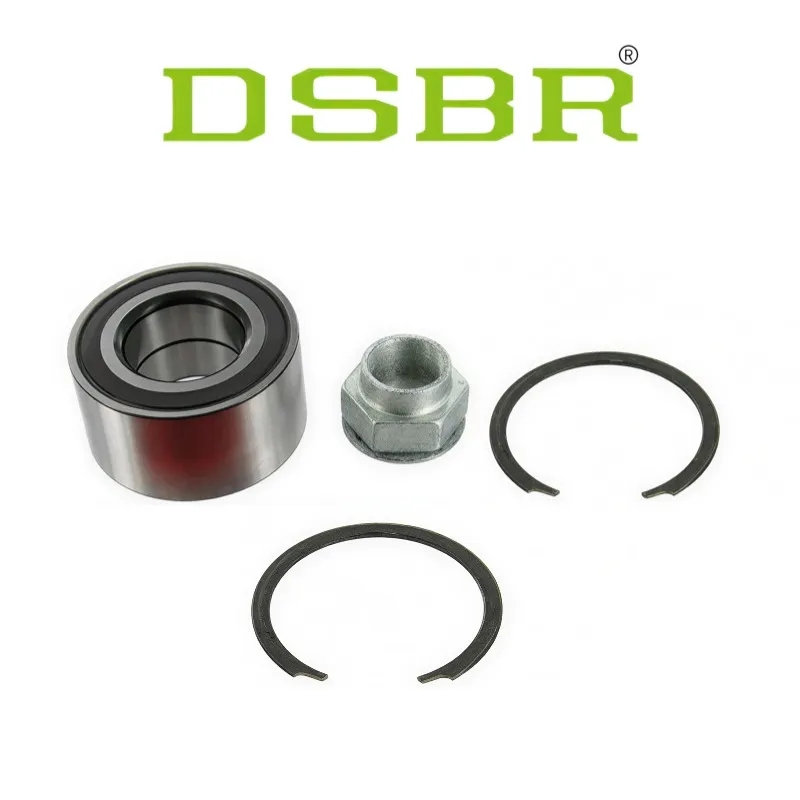
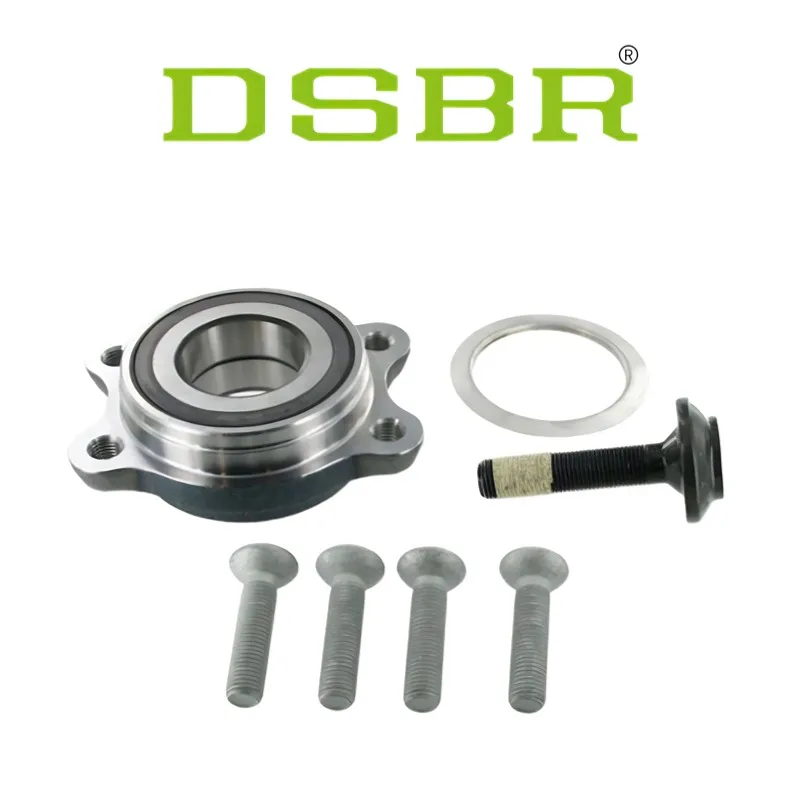
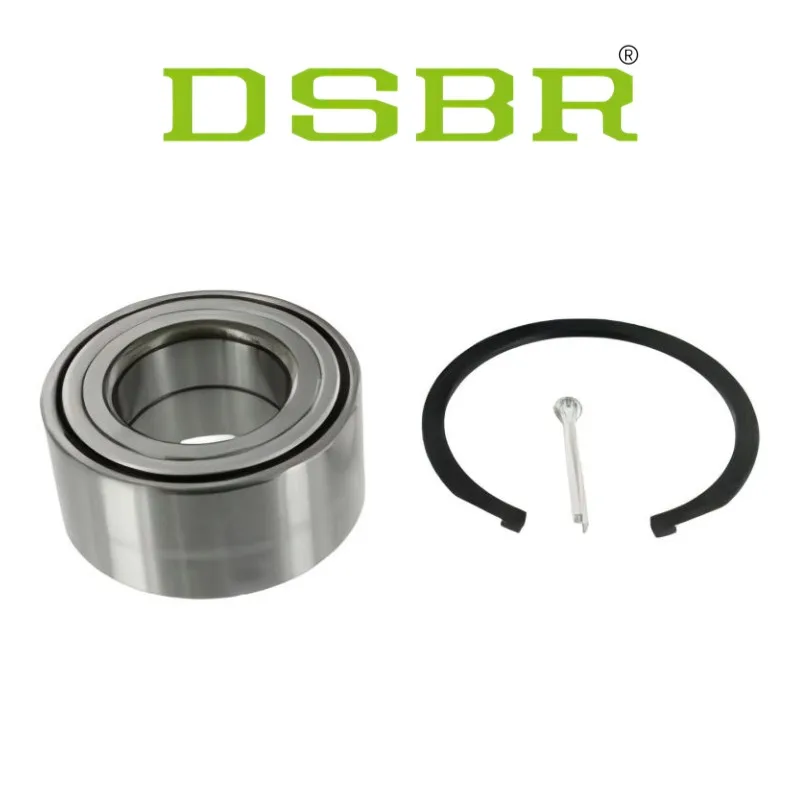
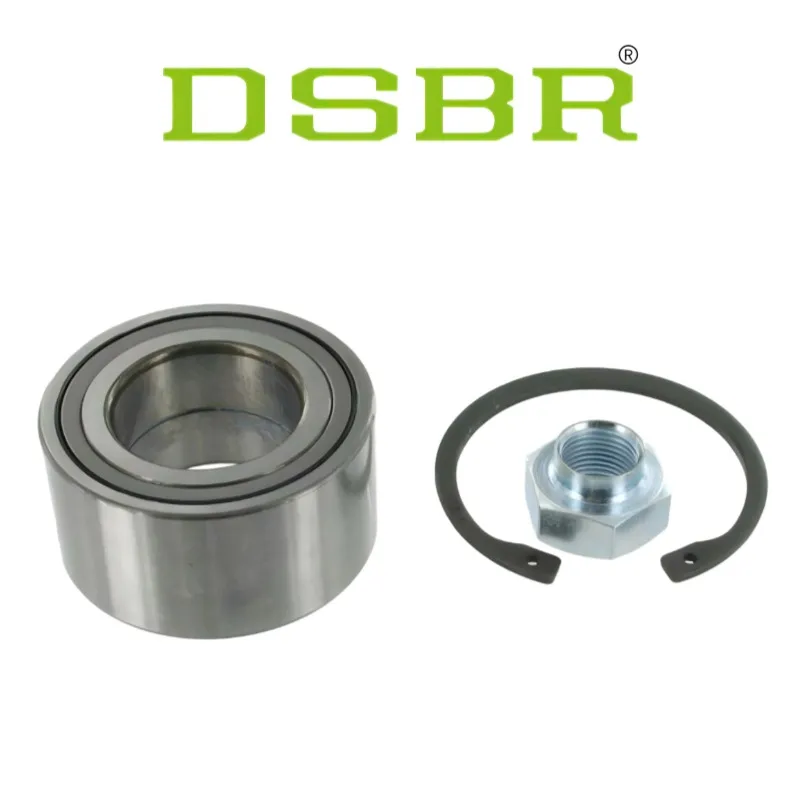
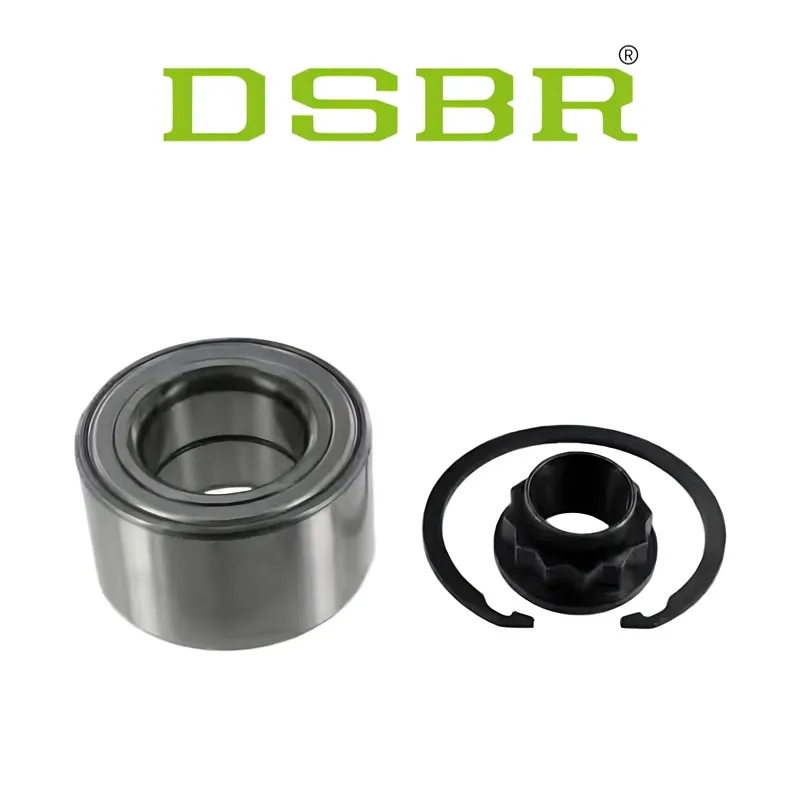
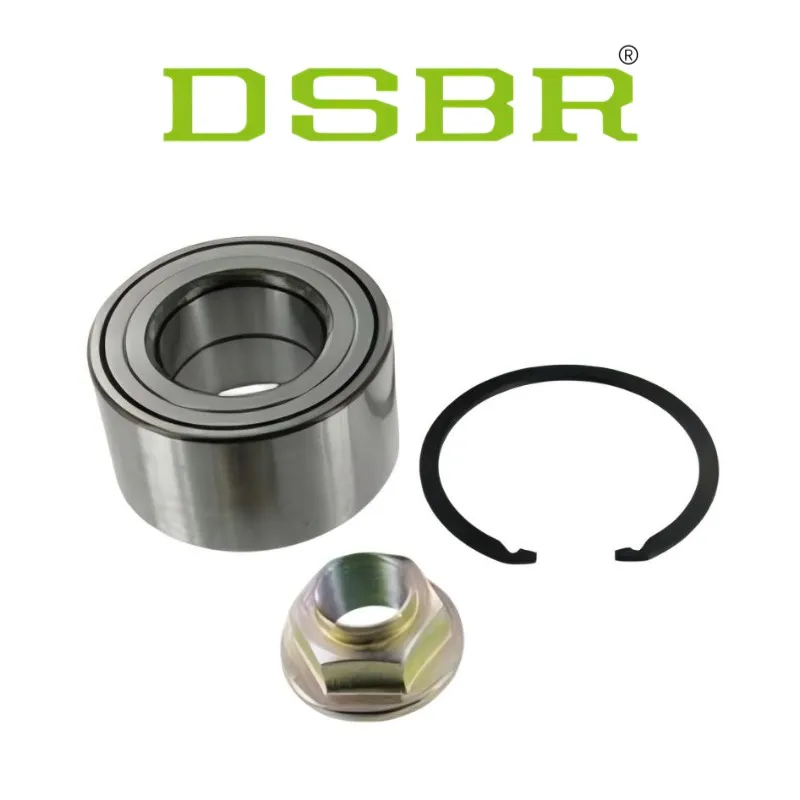
A good example is the automotive wheel hub bearing. During normal driving, the bearing supports radial loads generated by the vehicle's weight while simultaneously resisting axial loads created during cornering and braking. Properly distributing these combined forces is essential for smooth steering, vehicle stability, and long bearing life.
Material selection also has a significant influence on bearing performance. Chrome steel bearings are widely used because of their excellent hardness, fatigue resistance, and load-carrying capacity, making them ideal for demanding radial and axial load applications. Stainless steel bearings, on the other hand, offer superior corrosion resistance for harsh operating environments, although their load capacity may be lower than that of chrome steel bearings.
Choosing the Right Bearing for Radial, Axial, and Combined Loads
Selecting the appropriate bearing begins with understanding the type of load your application generates. Whether the bearing is subjected to radial loads, axial loads, or a combination of both, choosing the correct design is essential for maximizing efficiency, minimizing maintenance, and extending equipment life.
Factors such as load direction, operating speed, environmental conditions, mounting accuracy, and expected service life should all be considered during the selection process.
At DSBR Bearings, we manufacture a comprehensive range of bearing solutions engineered for radial, axial, and combined load applications across industries including automotive, mining, agriculture, construction machinery, and industrial power transmission.
From standard bearing models to customized OEM solutions, our engineering team helps customers select the most suitable bearing for demanding operating conditions—delivering reliable performance, longer service life, and lower total operating costs.
Need help selecting the right bearing for your application? Contact DSBR Bearings today for professional engineering support and customized bearing solutions.

 CN
CN
 EN
EN
 ko
ko  fr
fr  de
de  es
es  it
it  ru
ru  pt
pt  ar
ar  vi
vi  tr
tr  th
th  fi
fi  hi
hi  id
id  no
no 




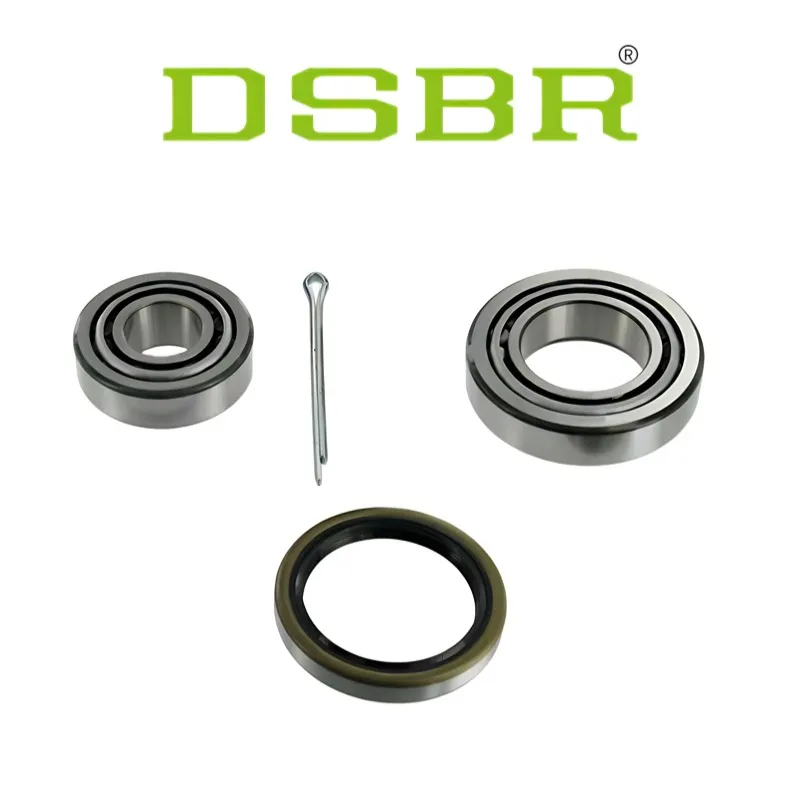
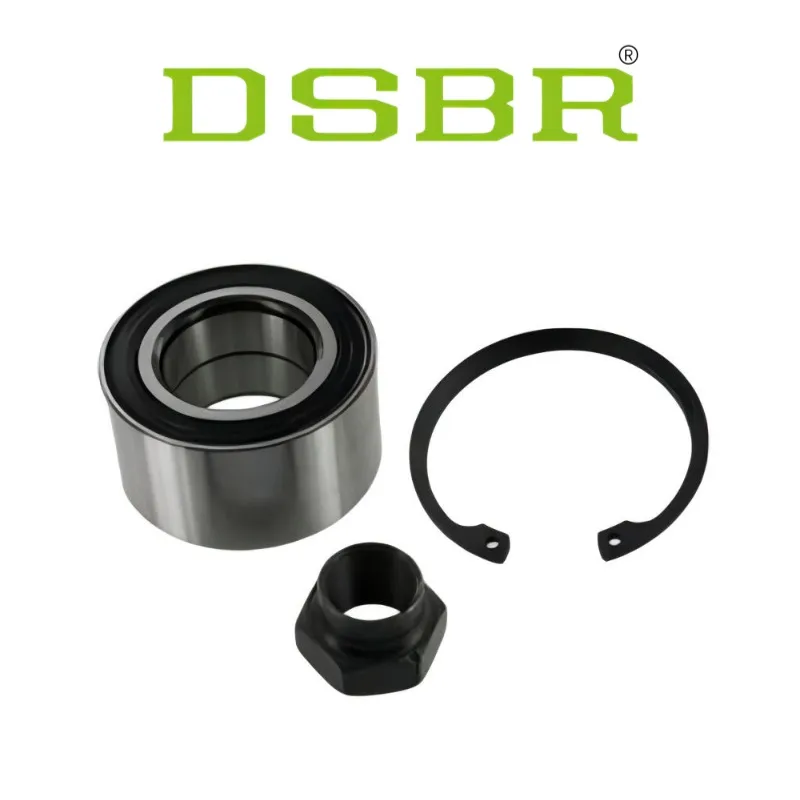
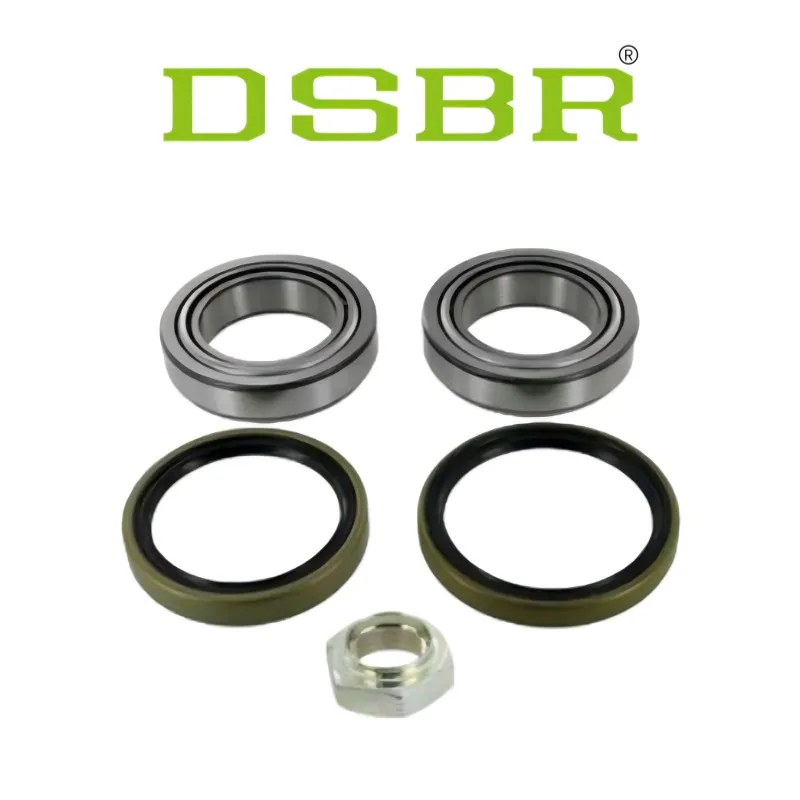
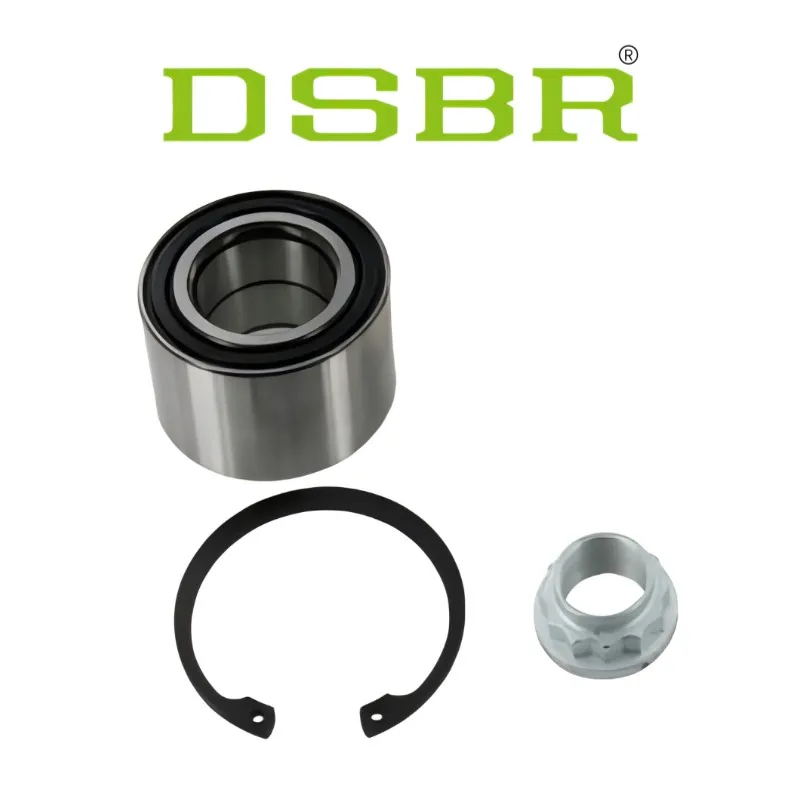
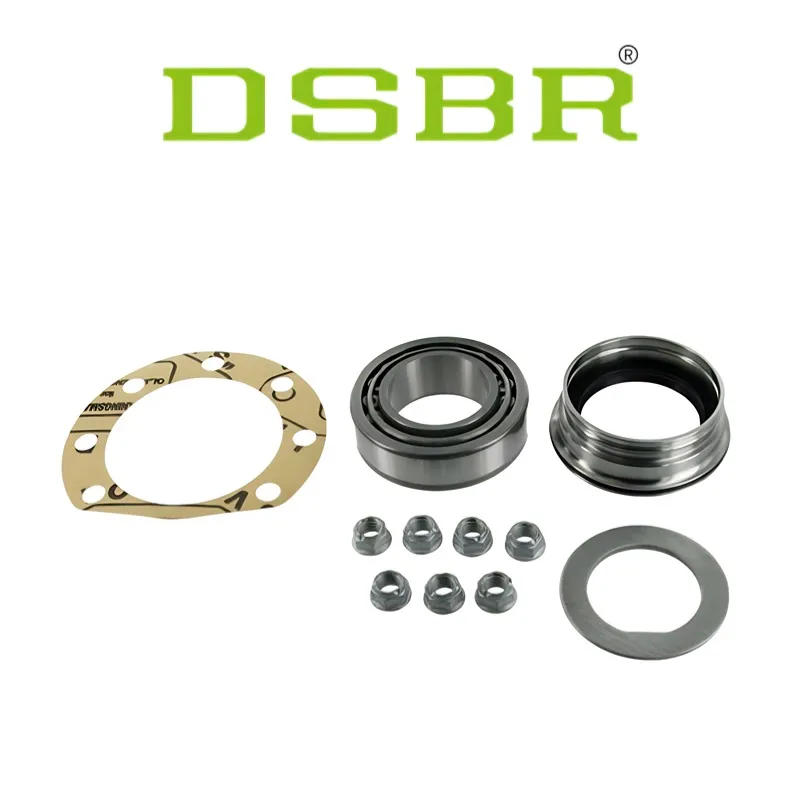
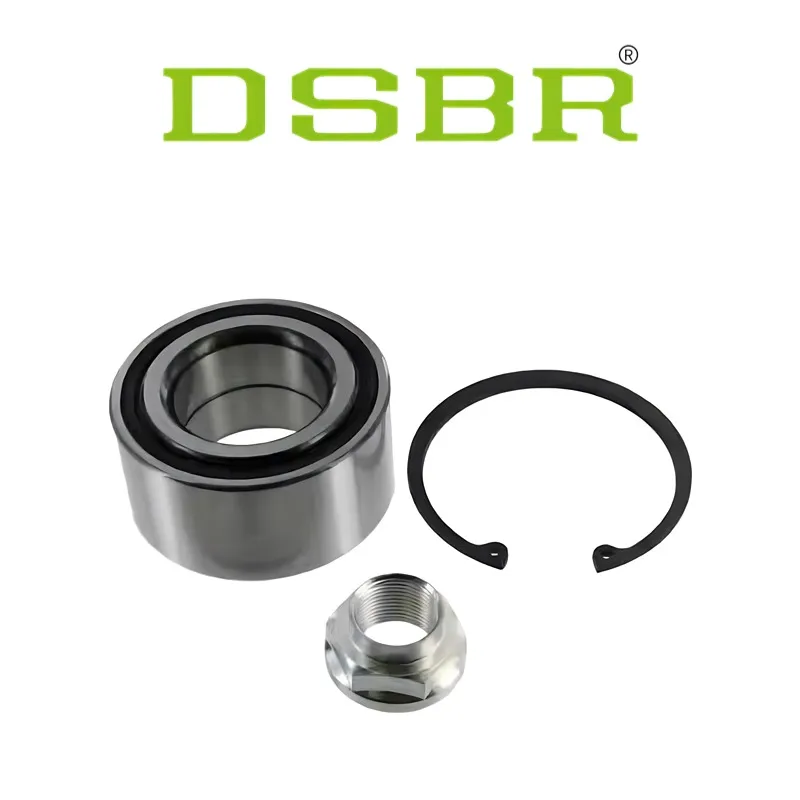
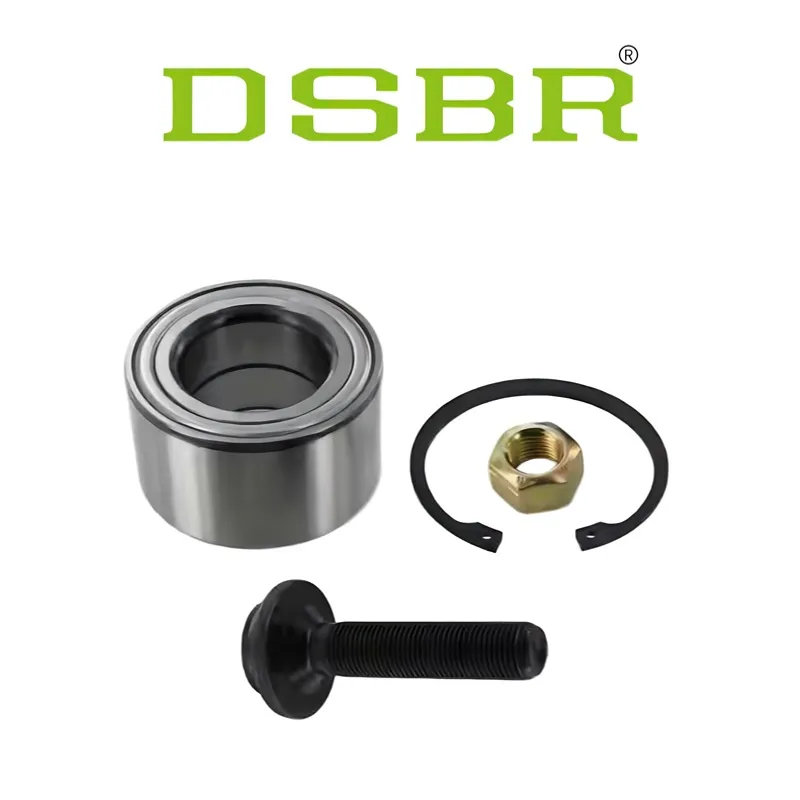
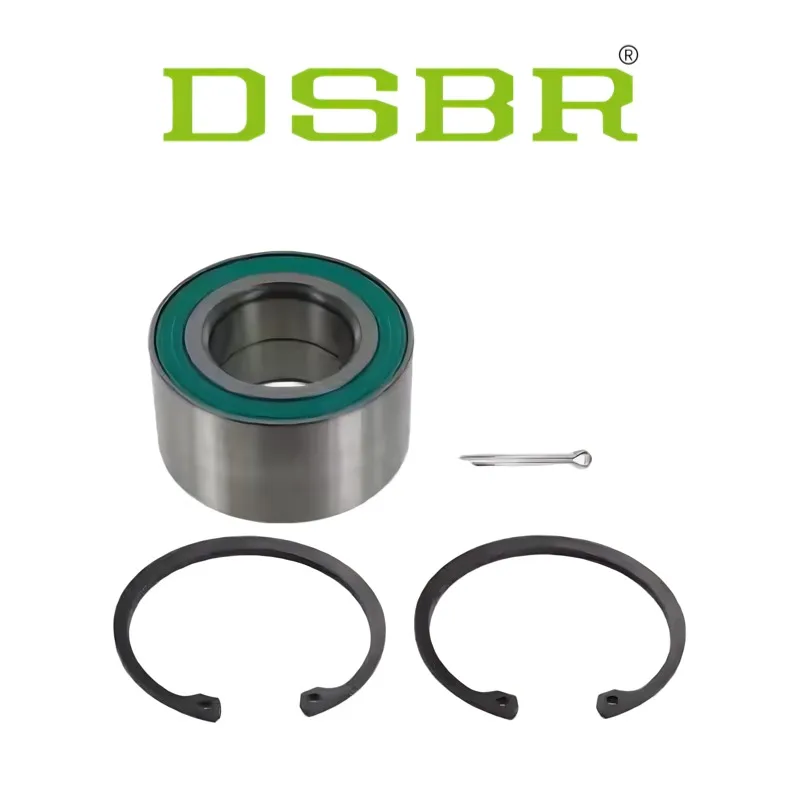
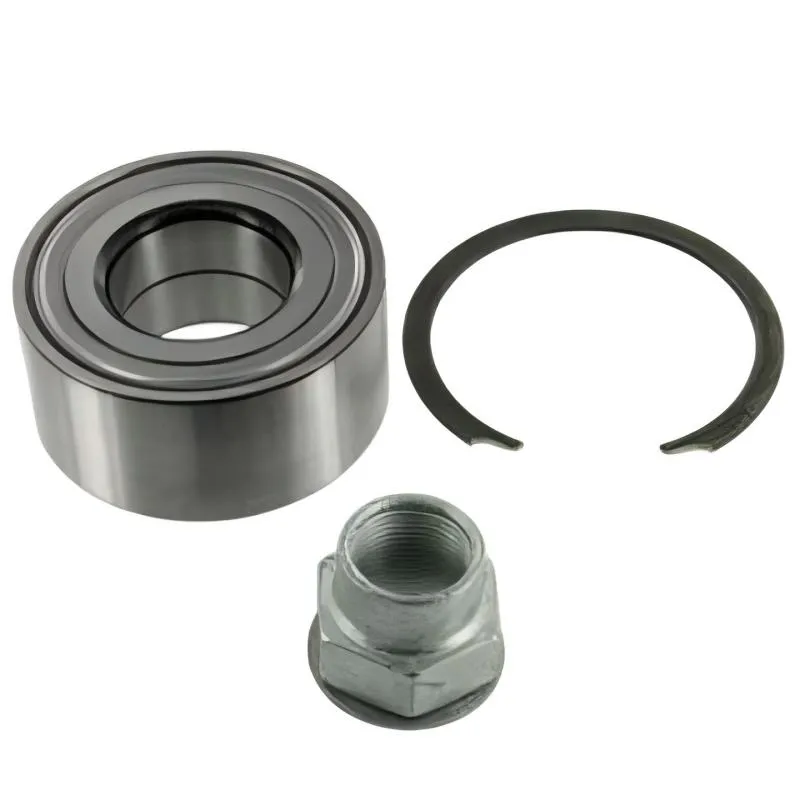
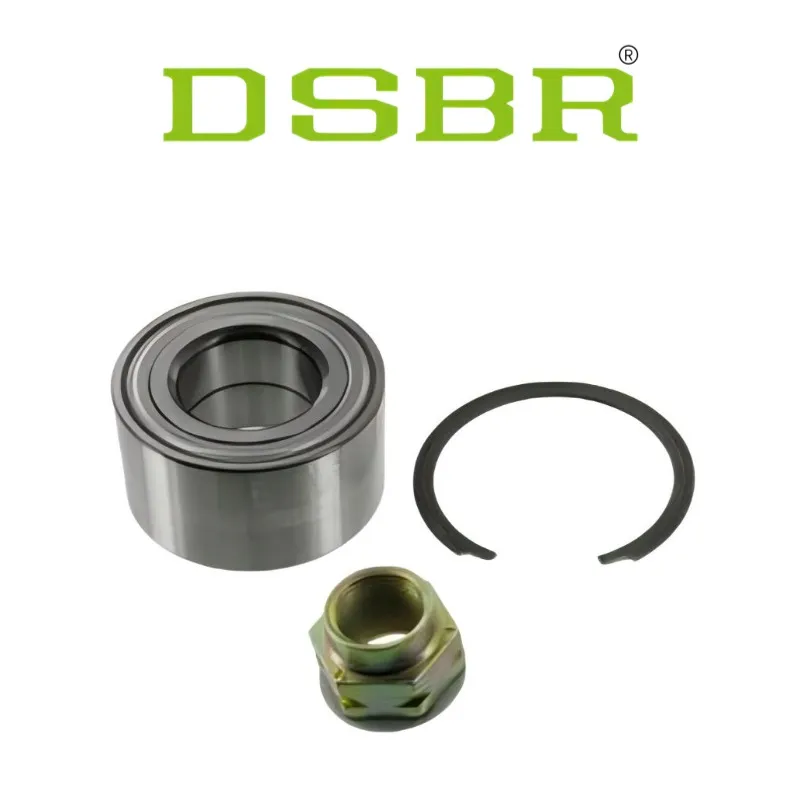


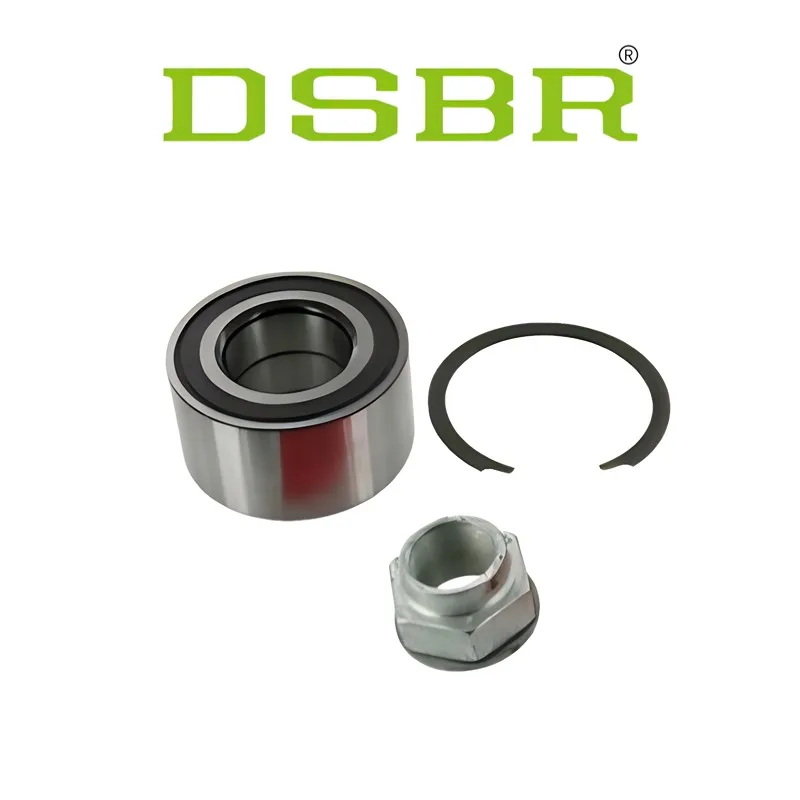
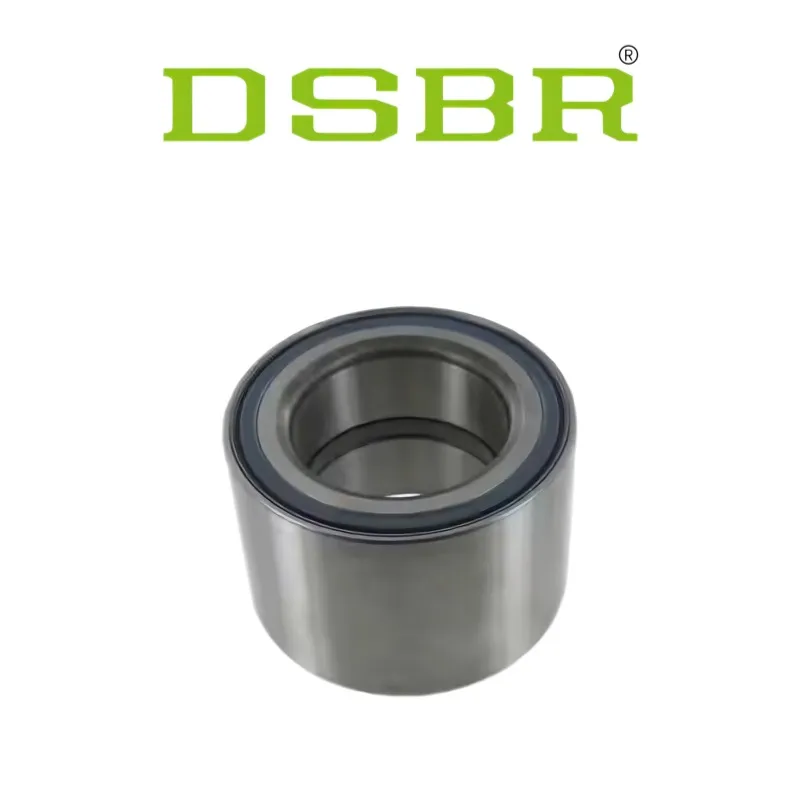
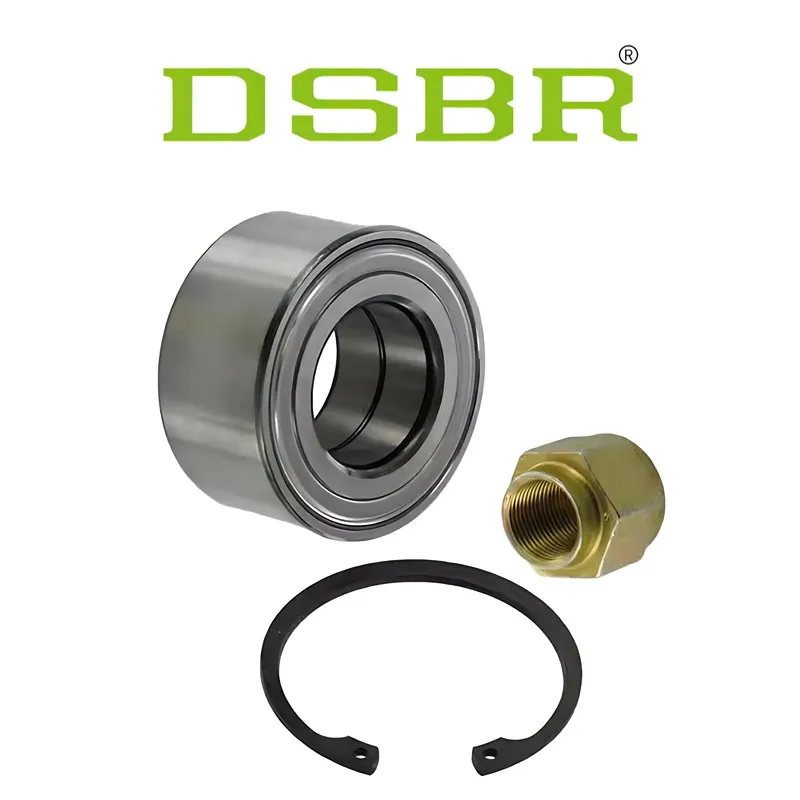
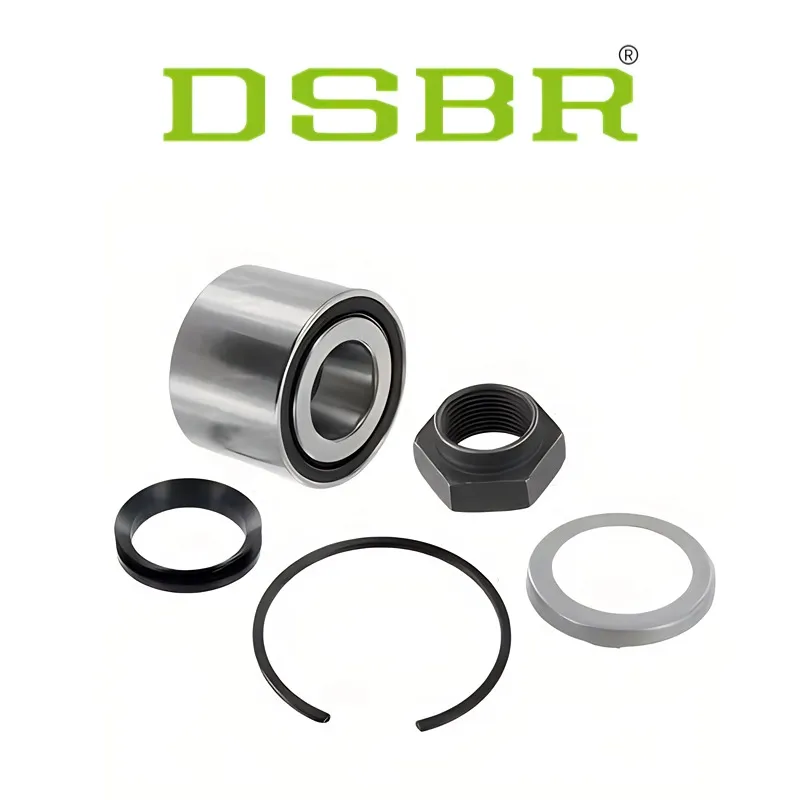
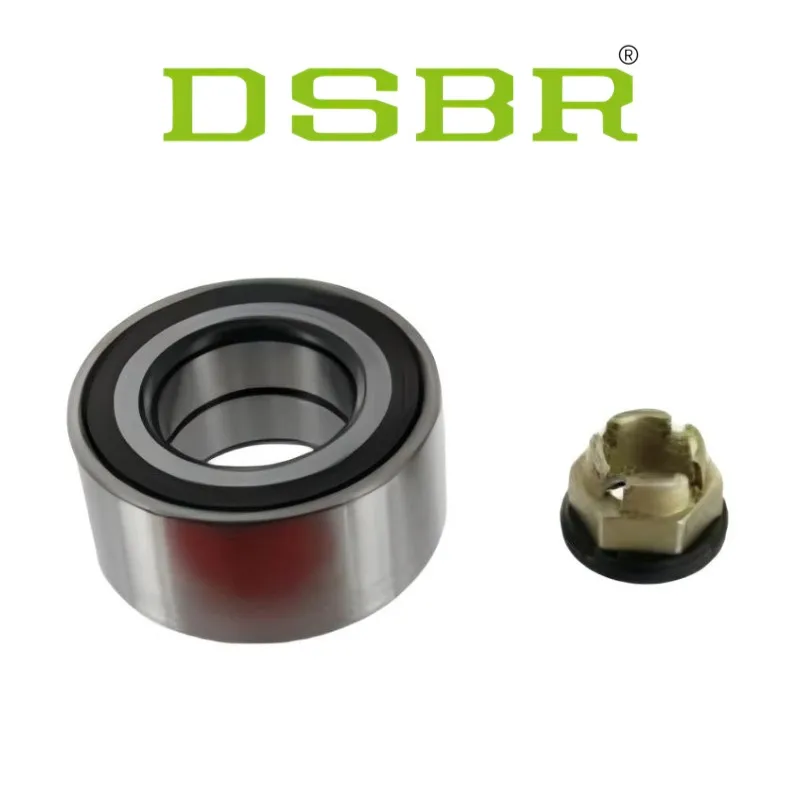
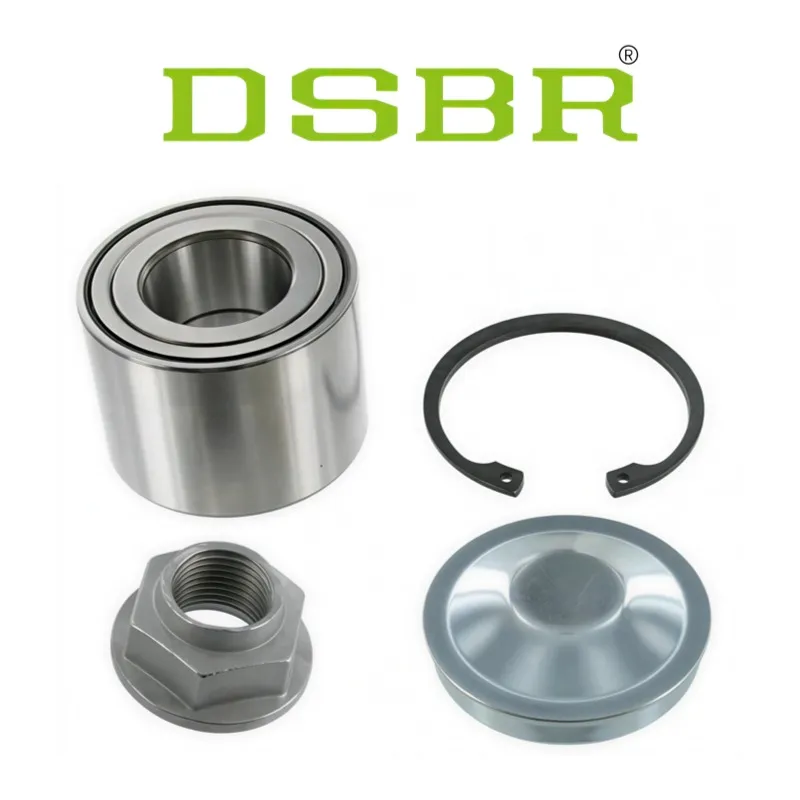
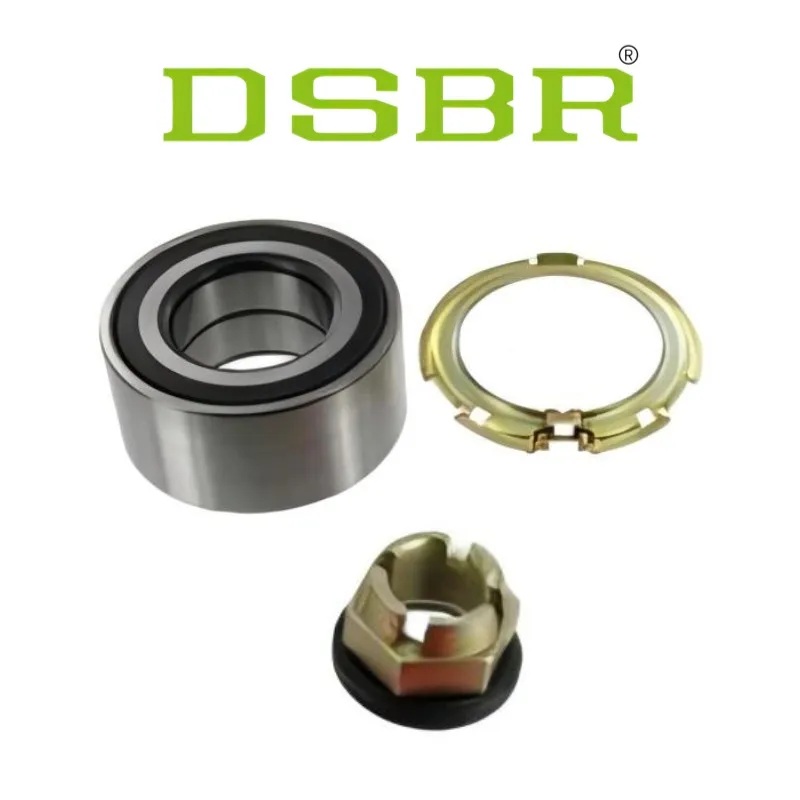
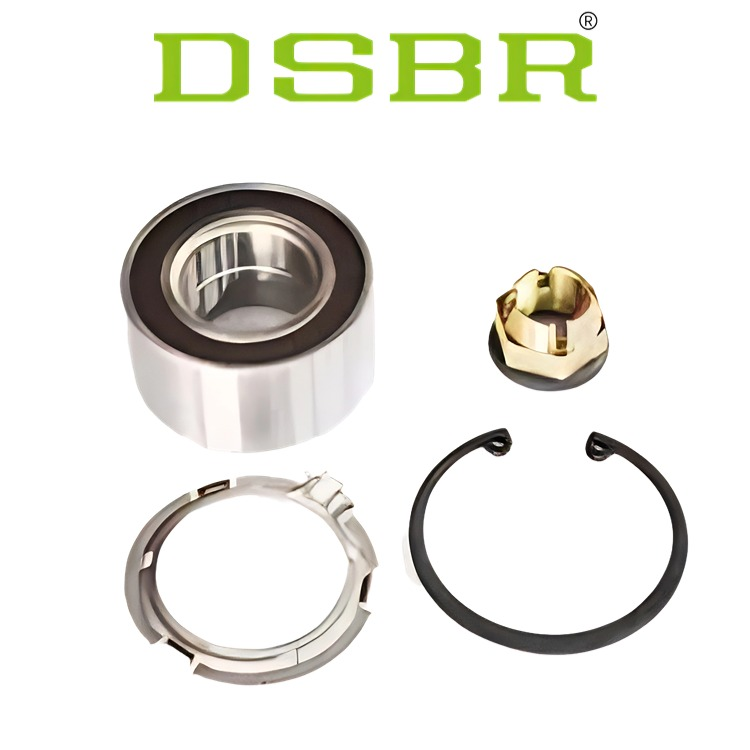

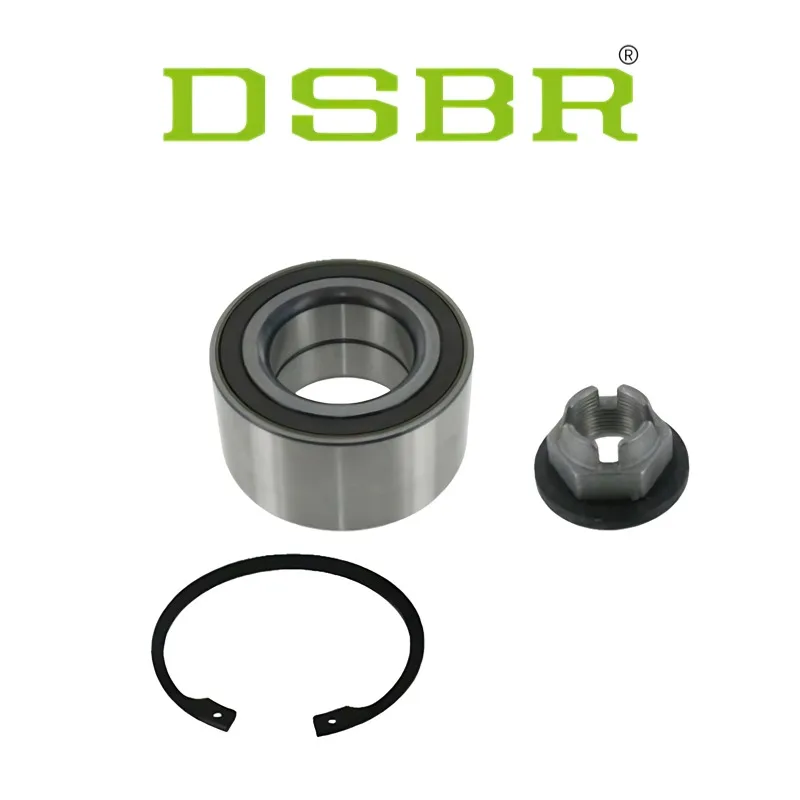
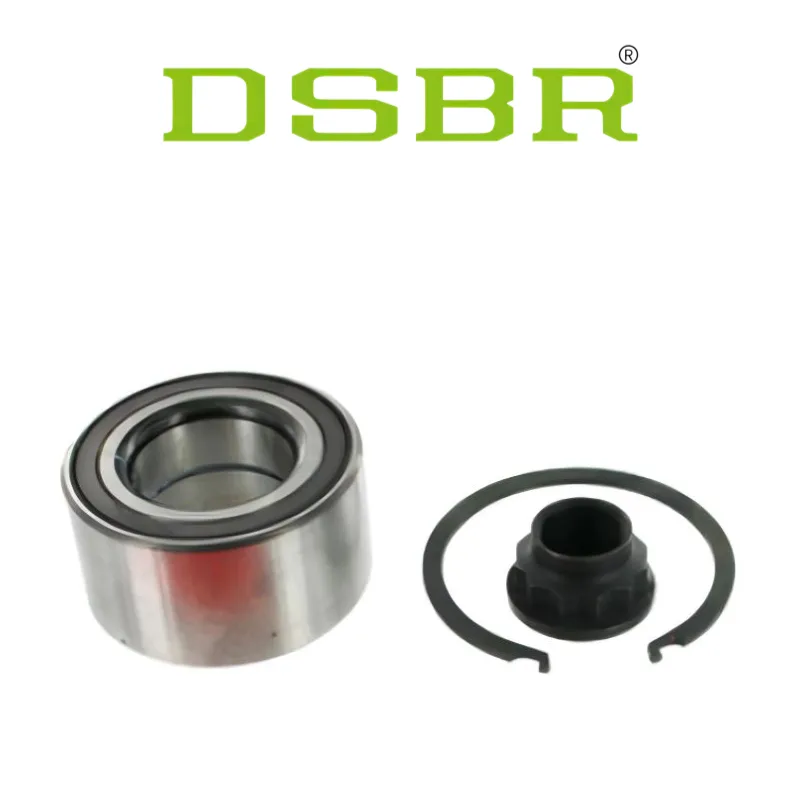
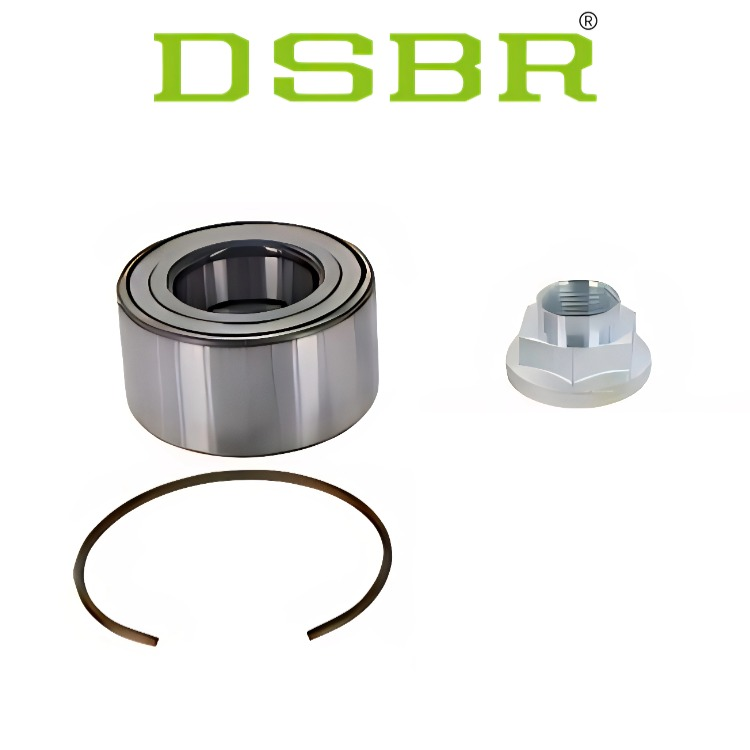
.webp "VKBA 3682-Wheel Bearing Kit")
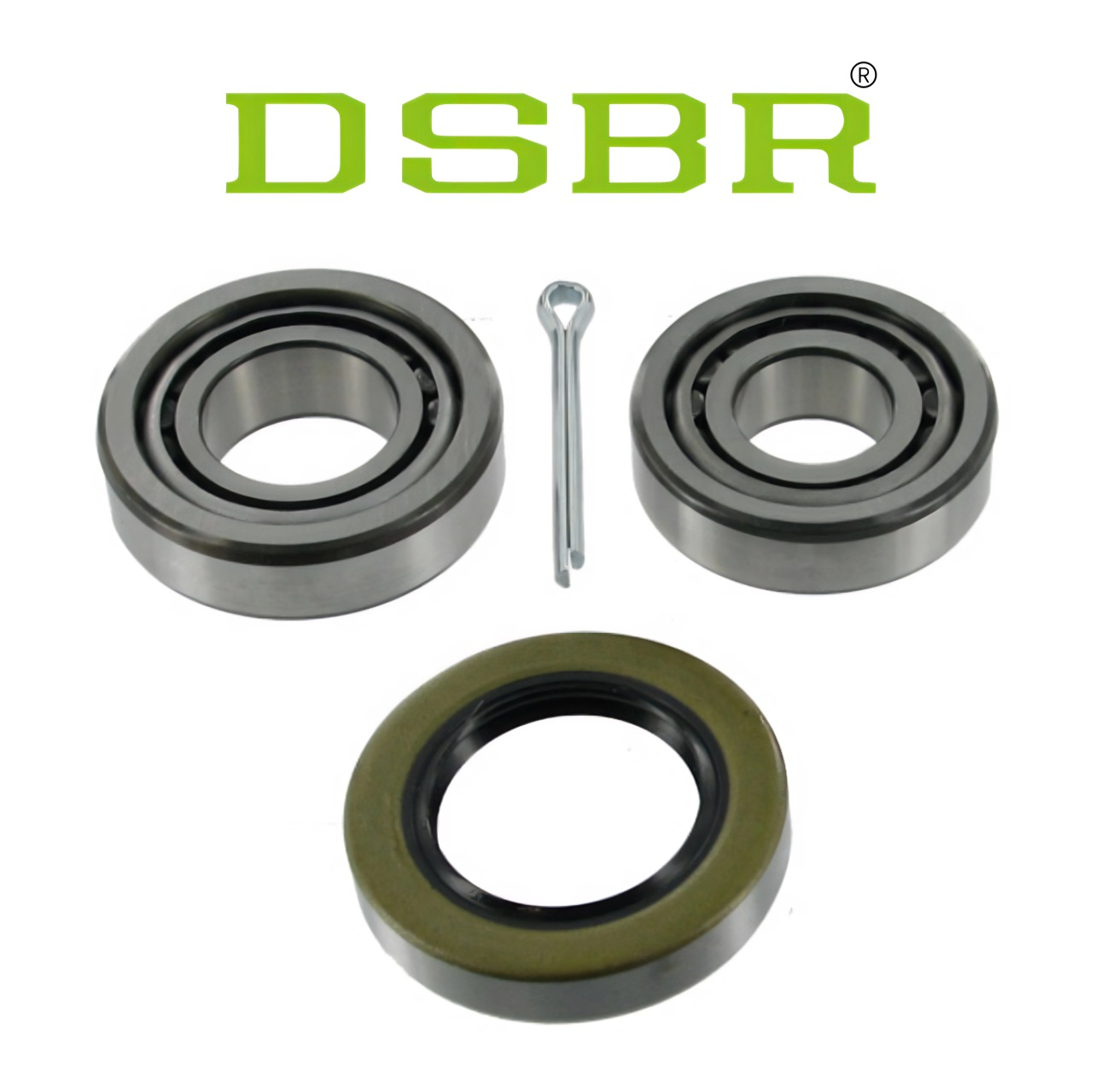

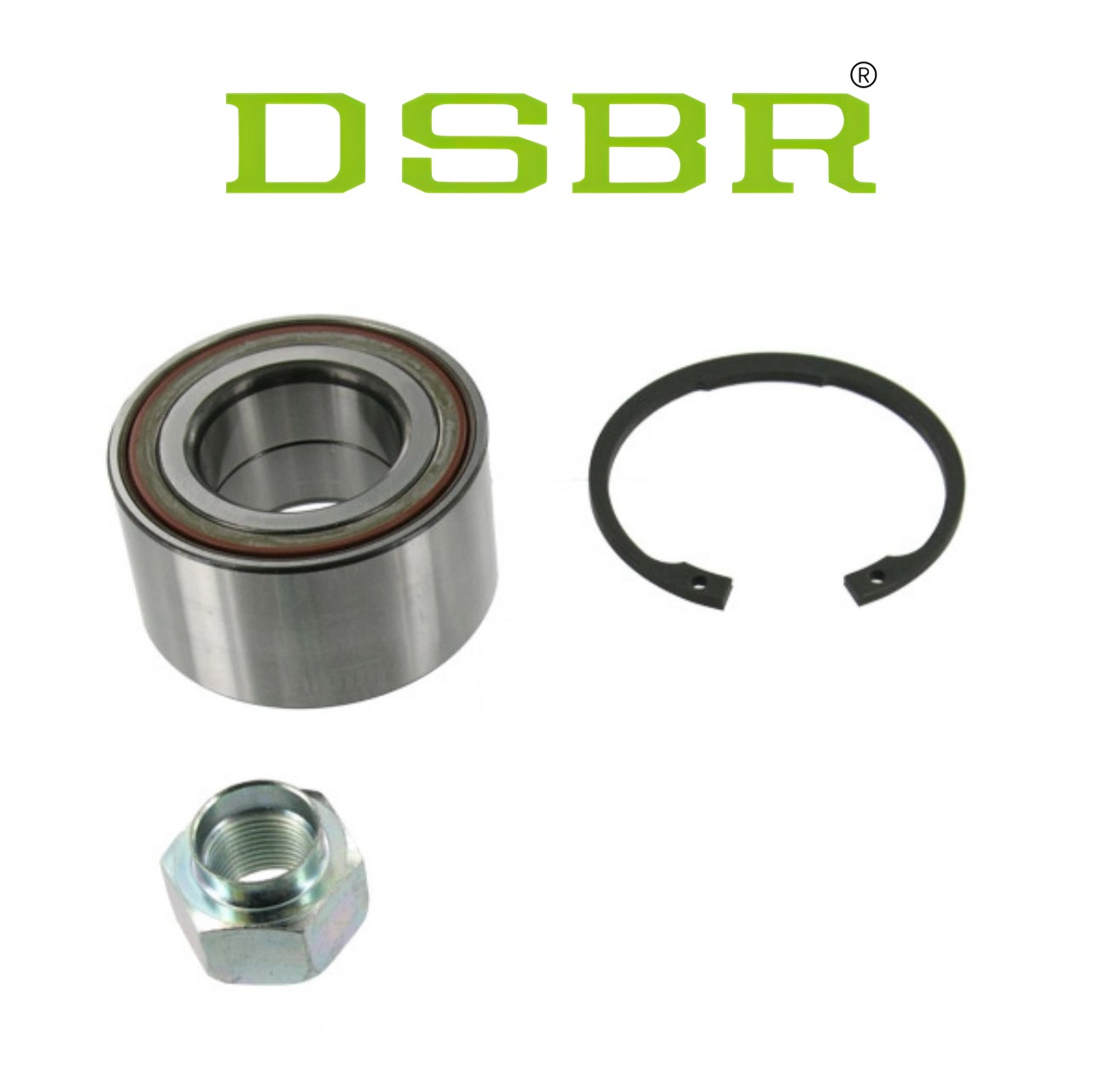
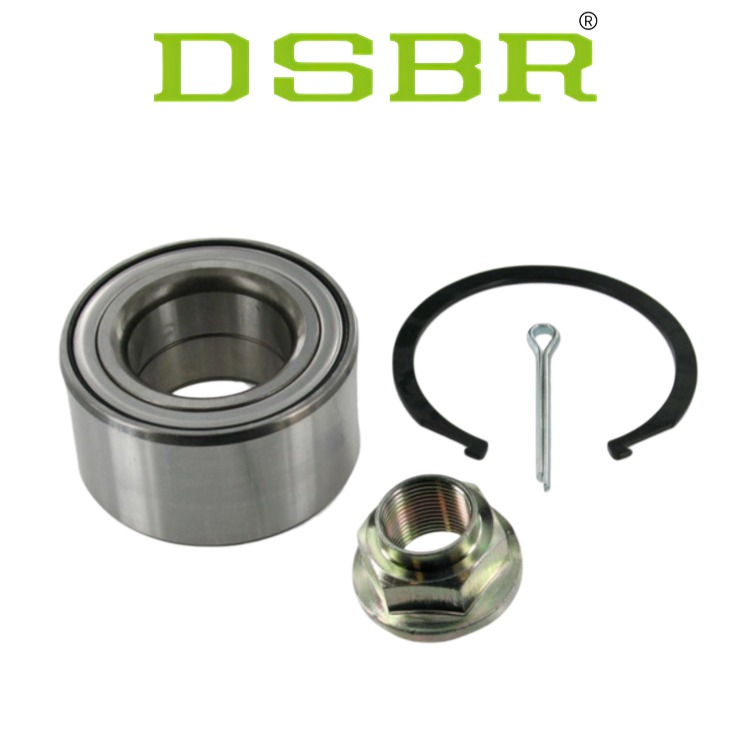
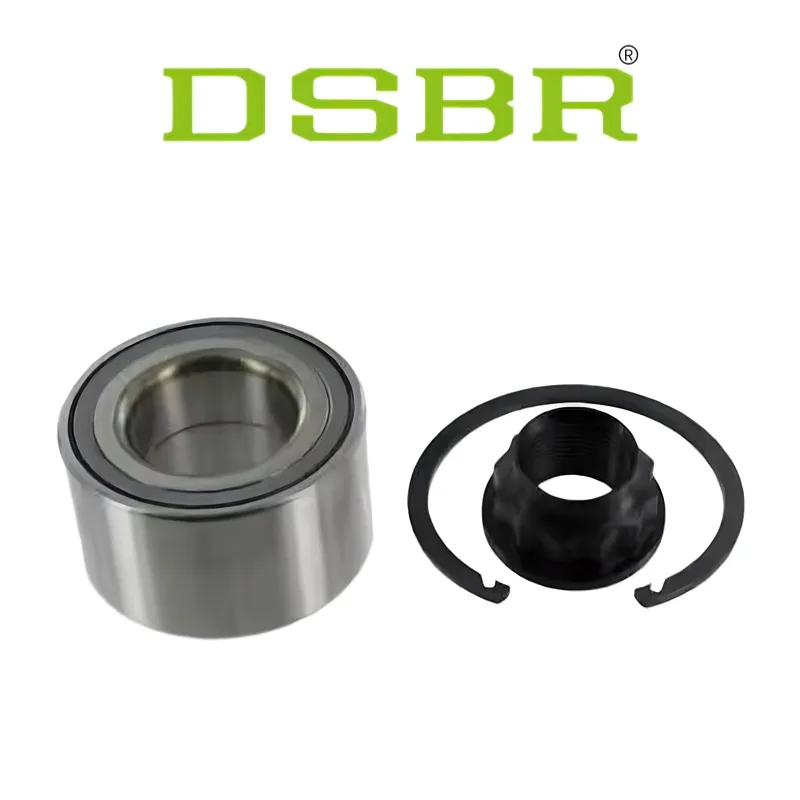
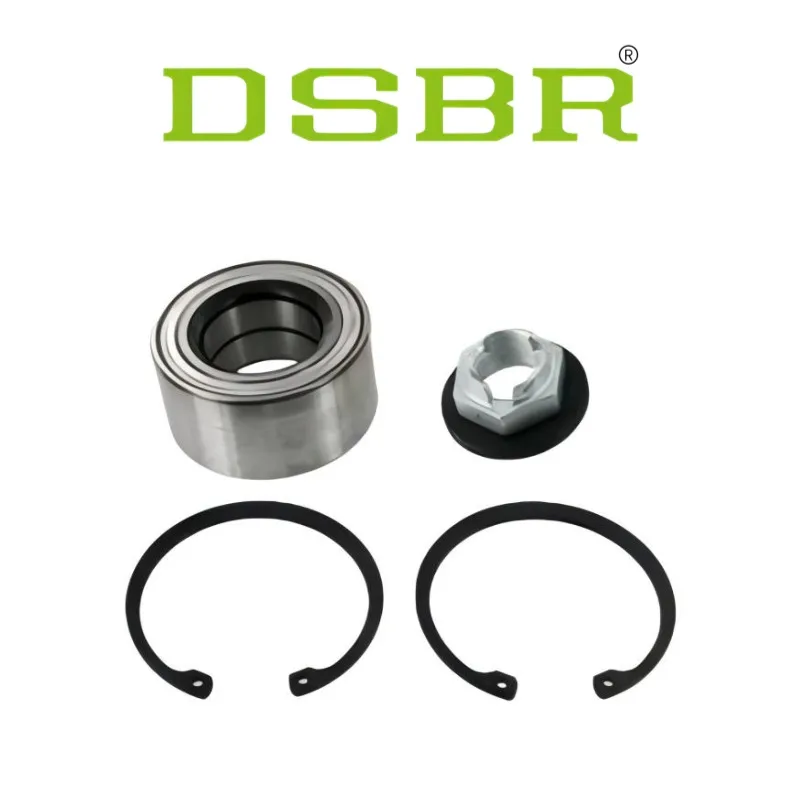
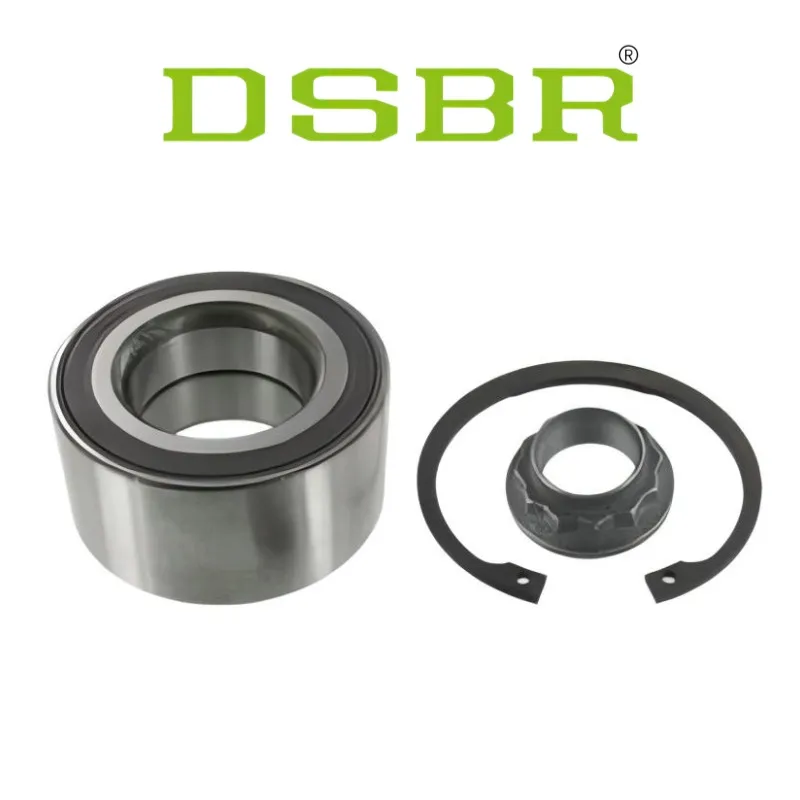
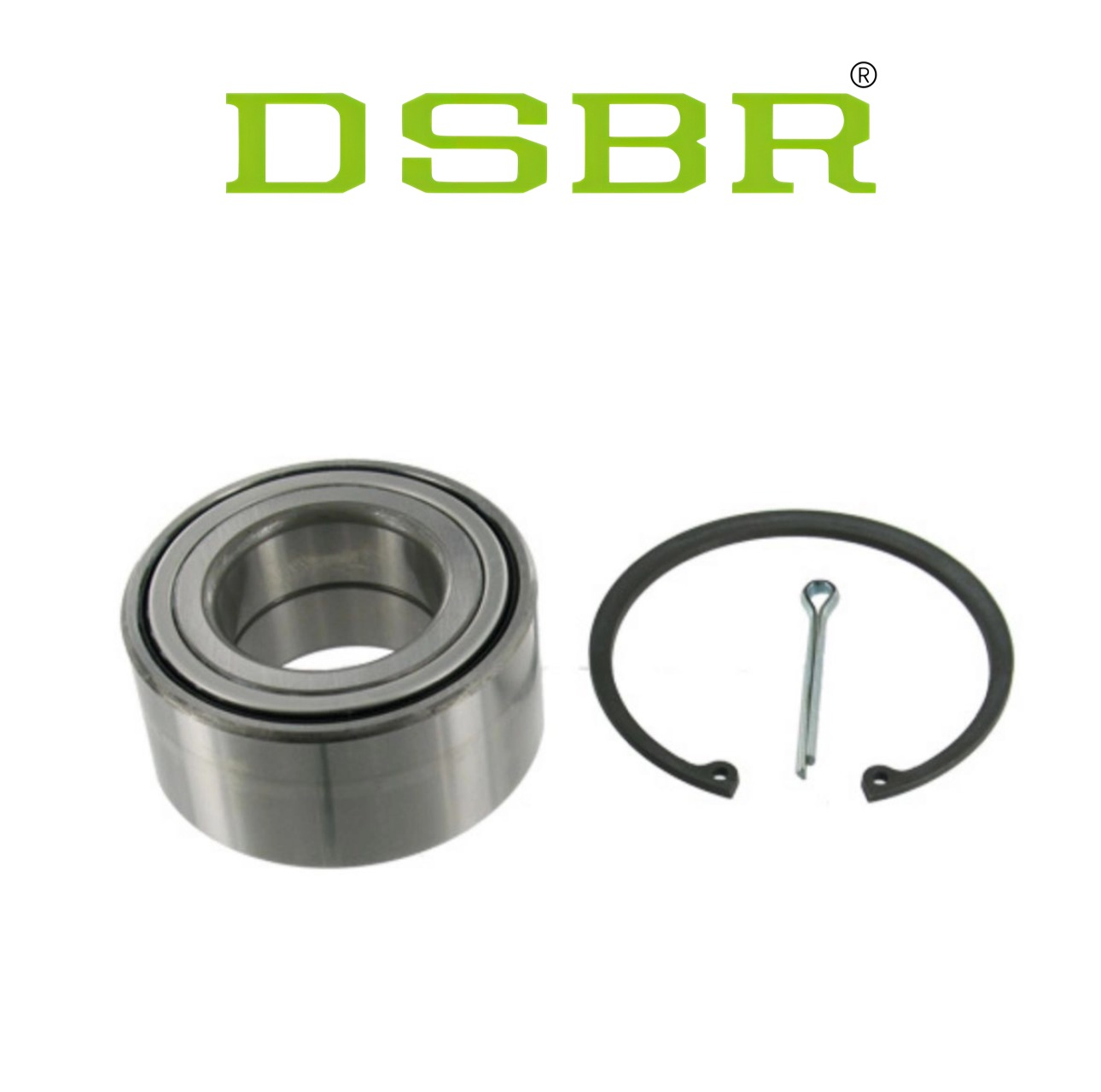
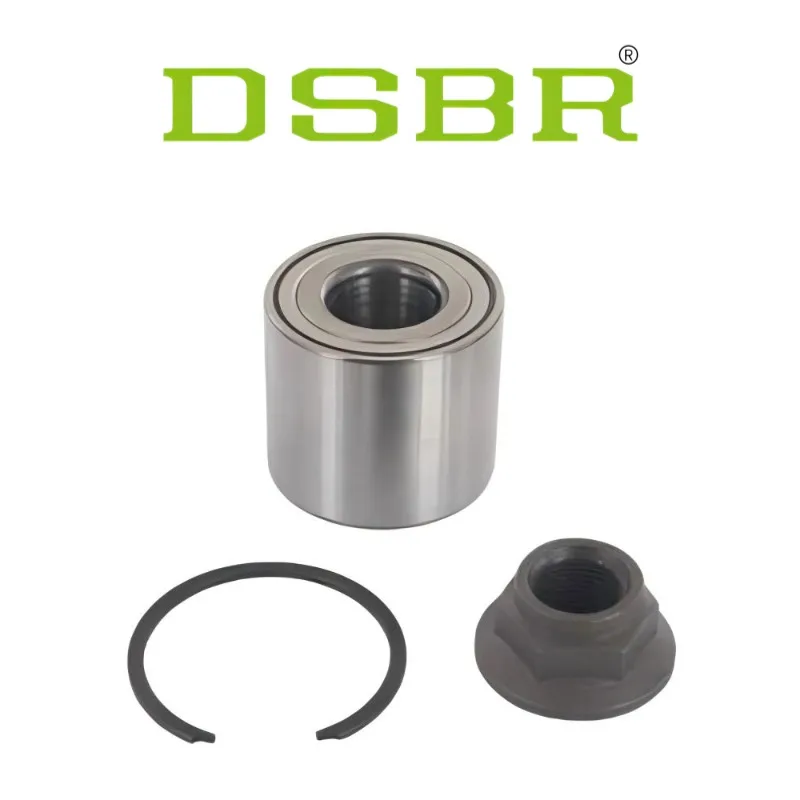
.webp "VKBA 6520-Wheel Bearing Kit")
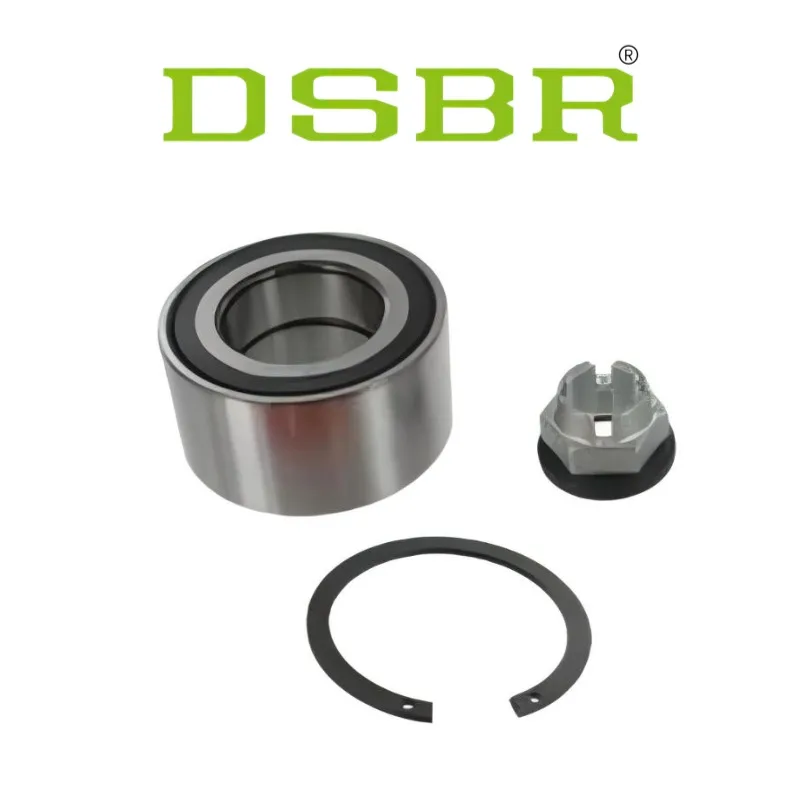
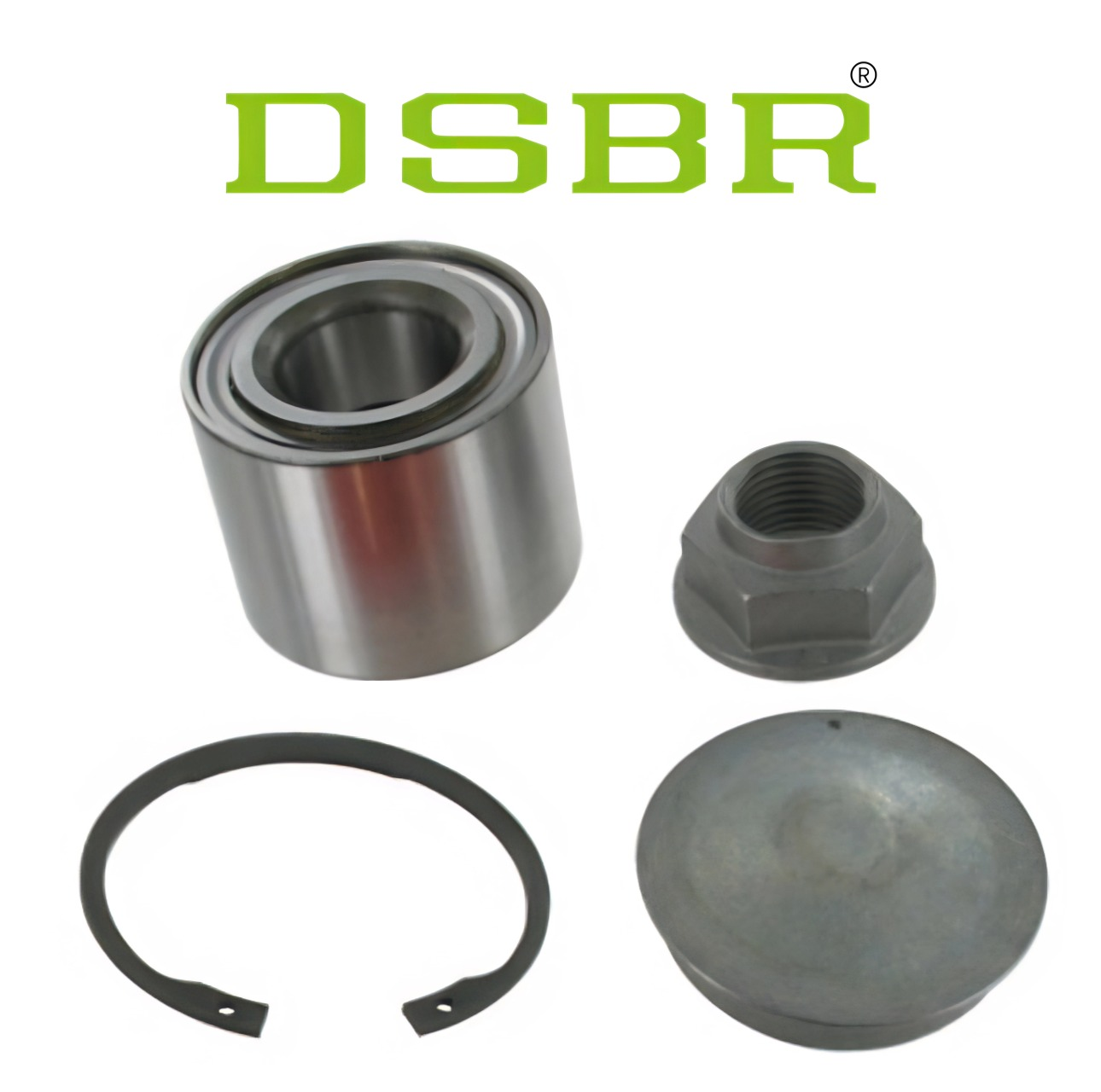

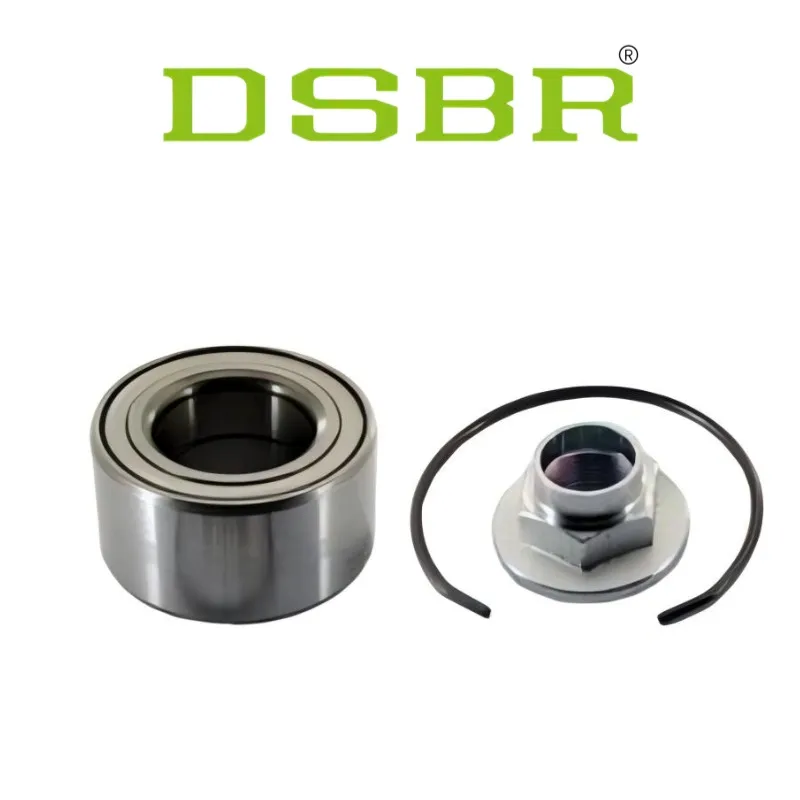
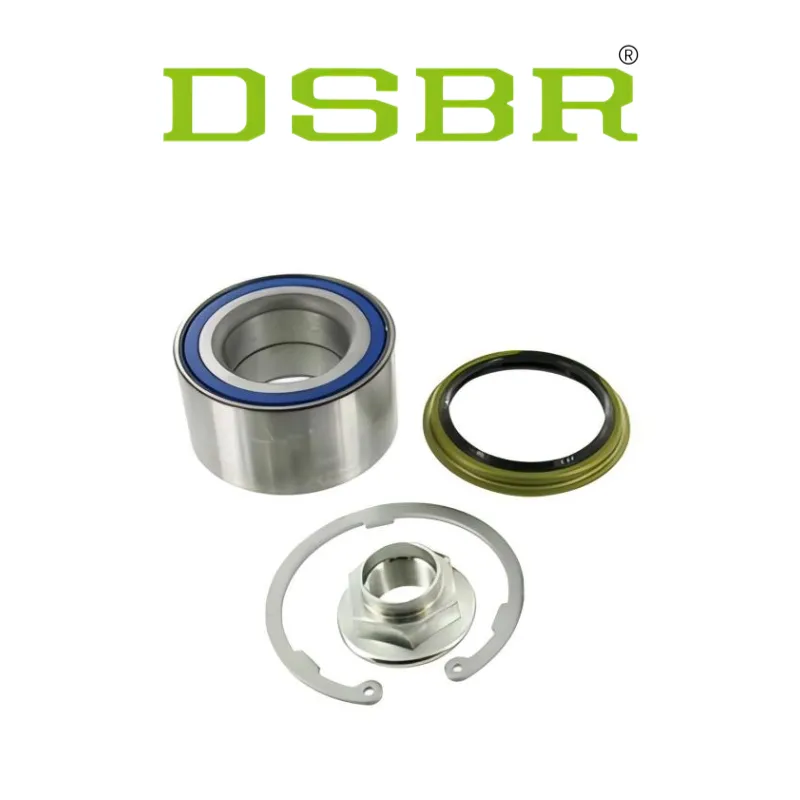


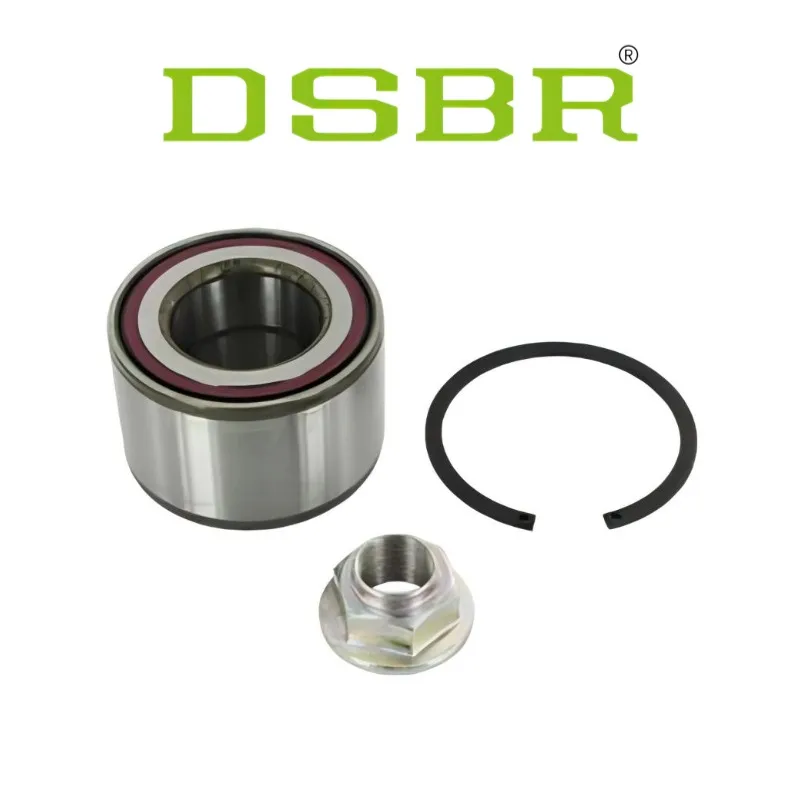
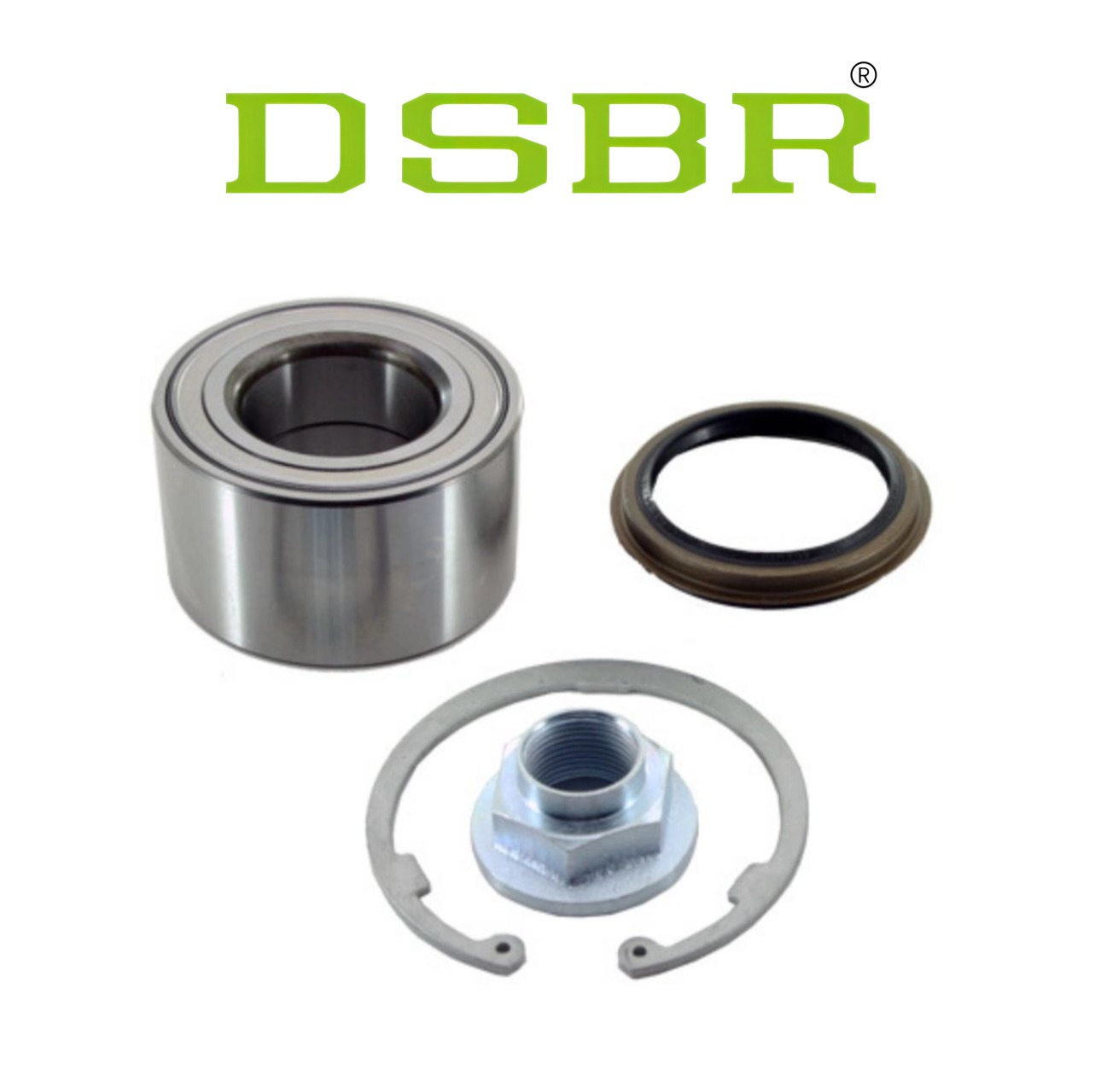
.webp "VKBA 906-Wheel Bearing Kit")